The useful frame is that you are not protecting the fruit. You are making conditions that the organisms which would spoil it cannot tolerate, and there are only about five ways to do that. Here are fifteen consequences.
1. Sugar Preserves by Taking the Water
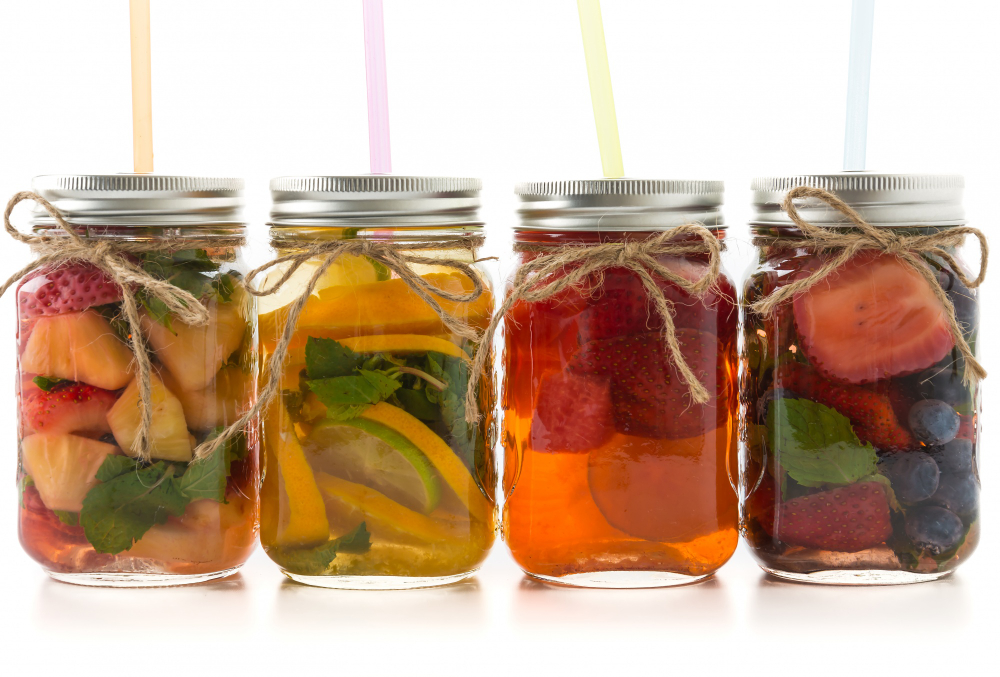
Sugar binds water molecules so tightly that very little remains available for microorganisms to use, which is why a high-sugar preserve keeps despite being wet.
The water is present and unusable, which is not the same thing as being absent. Water binding is the mechanism behind every sugar preserve.
Like our content? Follow us for more.
2. A Set Needs Three Things at Once
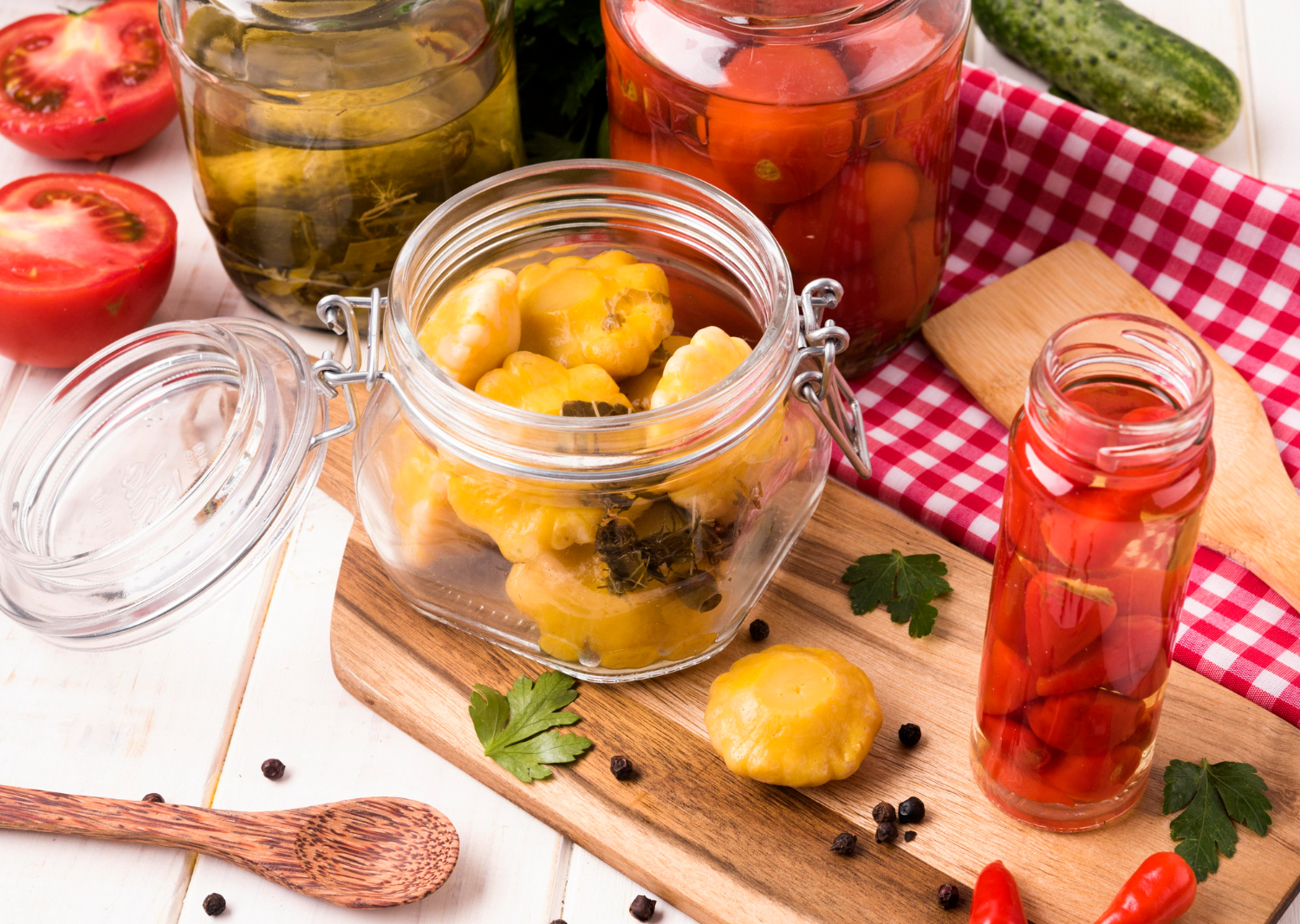
Fruit preserves gel because pectin, sugar and acid form a network together, and removing or reducing any one of the three prevents it from happening.
A runny result is nearly always one of the three being short. The three-part requirement is the reason set is so easily lost.
3. Pectin Is Already in the Fruit
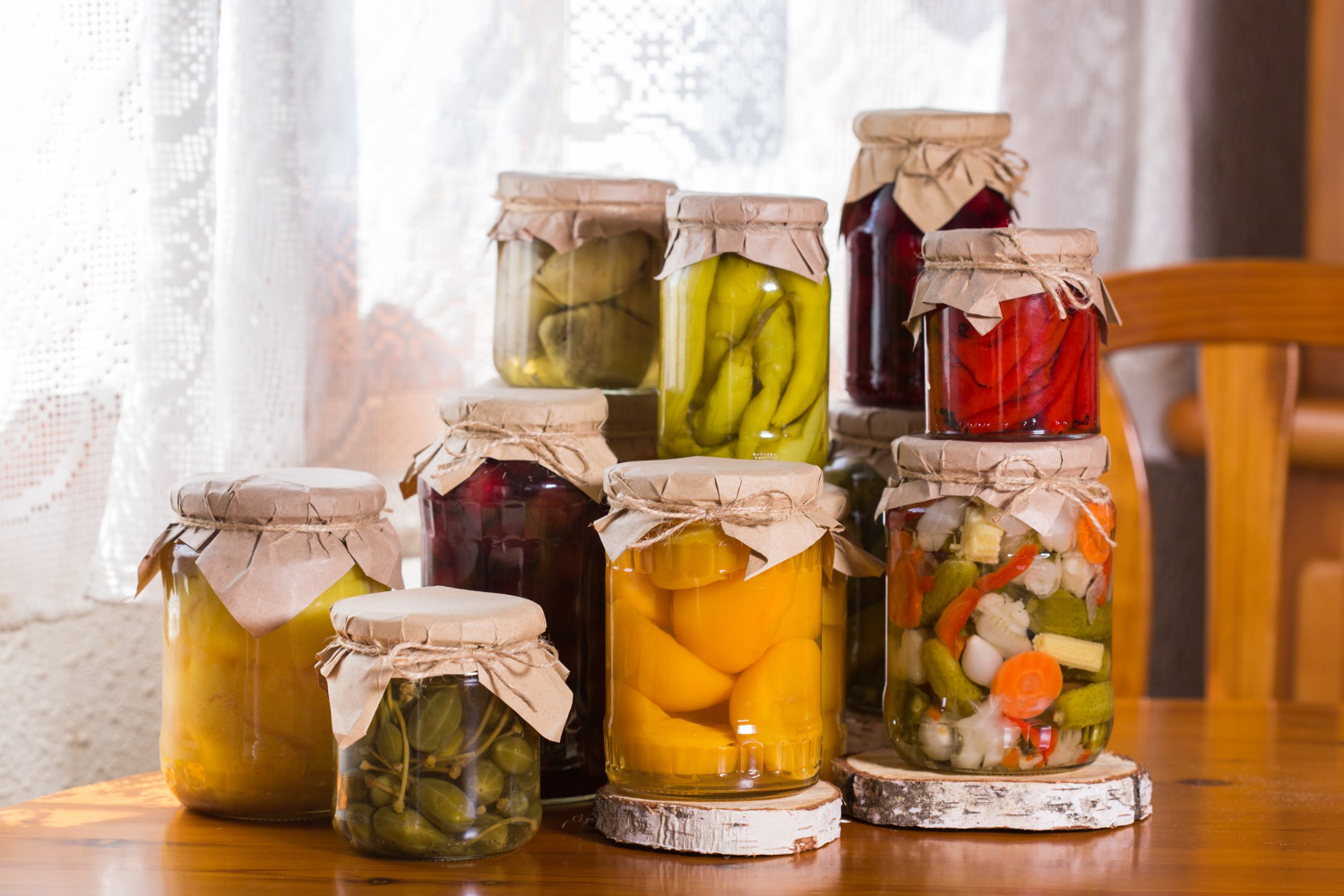
Pectin occurs naturally in fruit, concentrated in skins, cores and pips, and its quantity varies enormously between types and with ripeness.
It is extracted during cooking rather than added. Natural pectin is the ingredient most preserves never list.
4. Which Is Why Some Fruits Are Combined
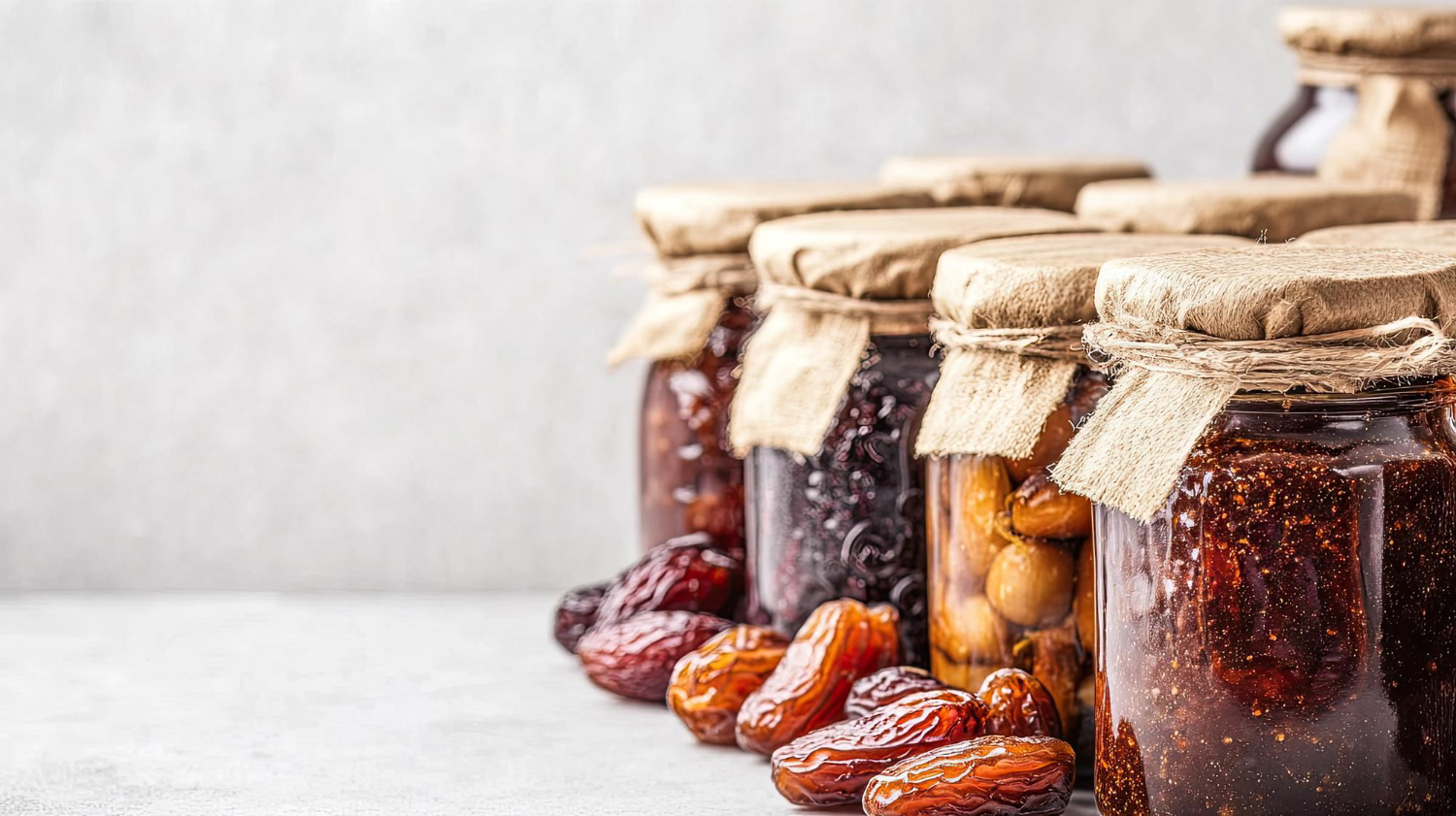
Low-pectin fruits will not set alone, so traditions pair them with high-pectin ones, or use underripe fruit, or include the pips and peel in a bag.
The pairing is chemistry rather than flavour. Fruit combination is the technique that makes difficult fruit possible.
5. Ripeness Cuts Both Ways
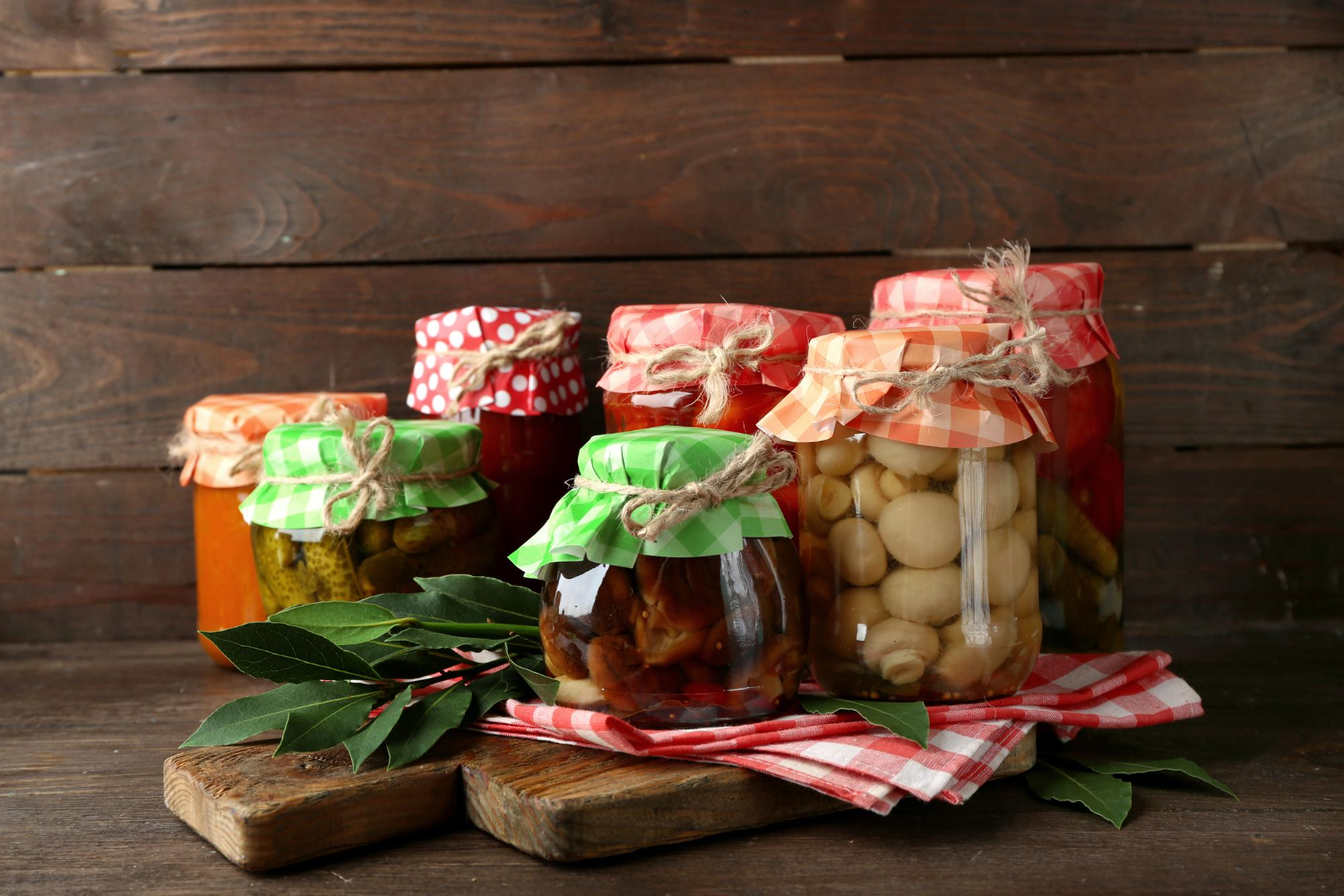
Pectin content falls as fruit ripens while flavour and sugar rise, so the best-tasting fruit is frequently the worst-setting.
Traditional practice mixes ripe and underripe deliberately. The ripeness trade is the decision every preserver makes at the start.
6. Acid Does Two Jobs
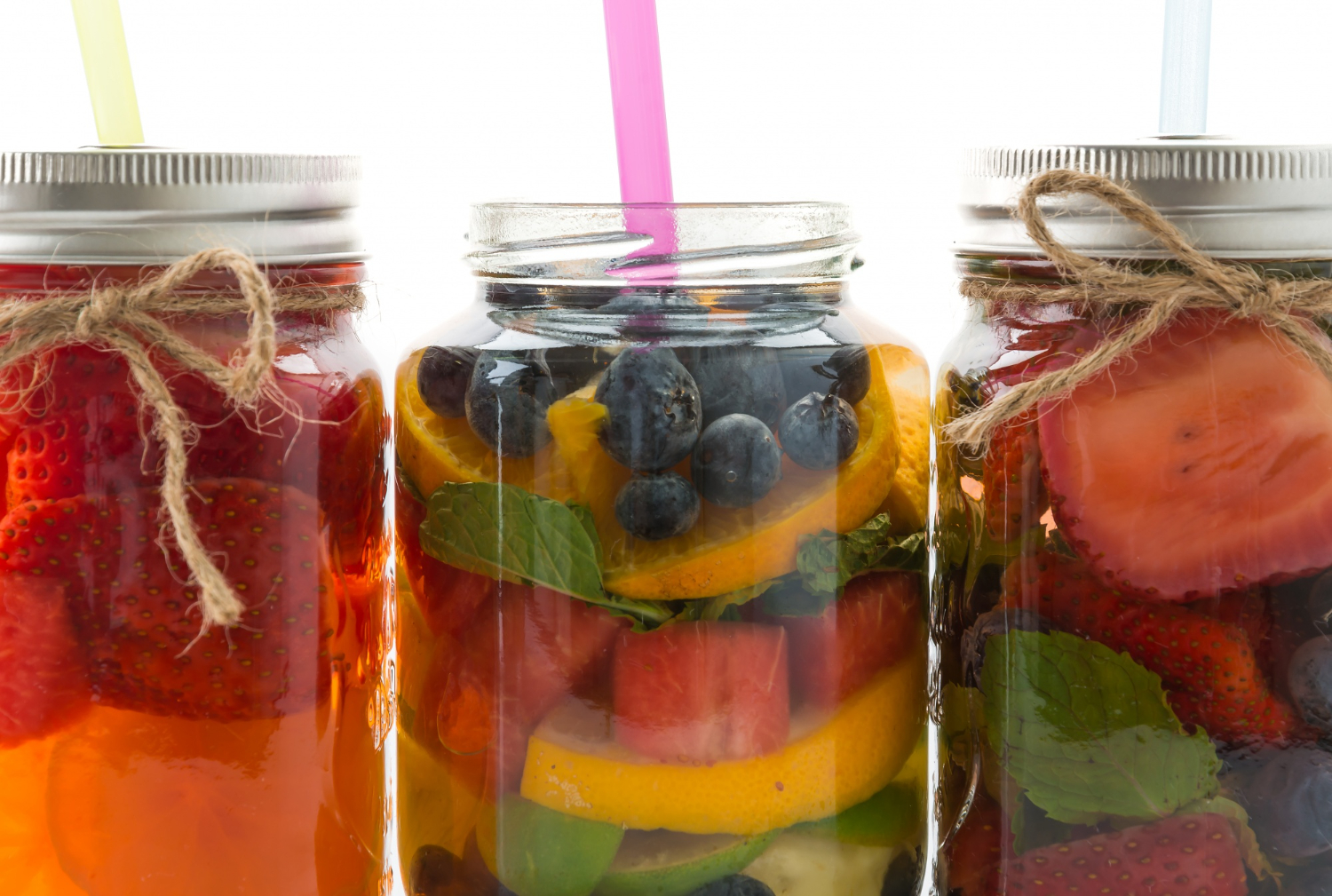
Acidity is required for the gel network to form, and it also makes the preserve less hospitable to organisms, which is why lemon or another acid appears in so many methods.
It is structural and protective simultaneously. Acid is the ingredient doing two unrelated things at once.
7. The Setting Point Is a Physical Transition
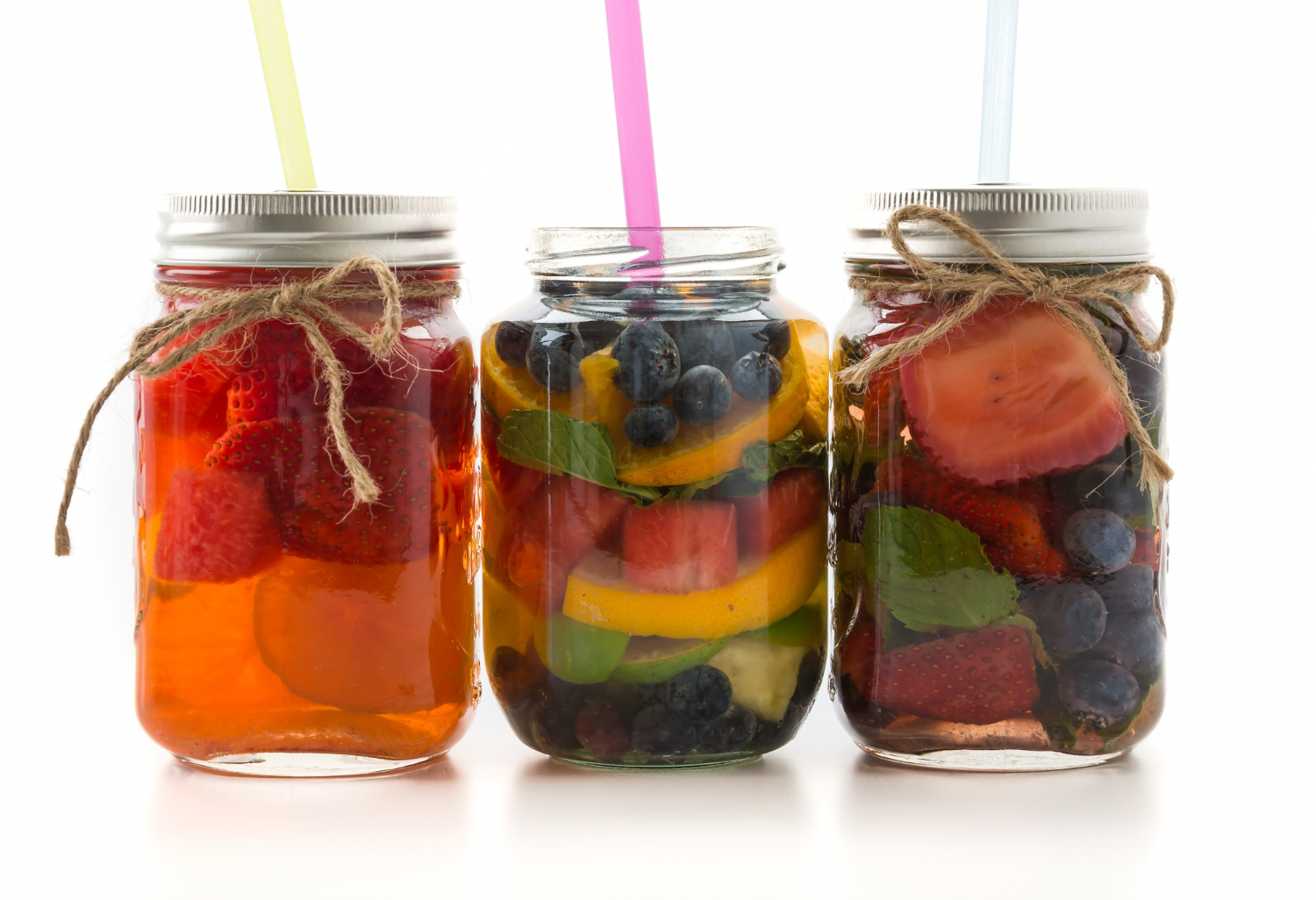
A preserve reaches a specific state at which it will gel on cooling, and traditional tests detect that transition by how the mixture behaves rather than by timing it.
Past that point it goes stiff and dark. The setting point is the moment the whole process turns on.
8. Drying Removes the Water Directly
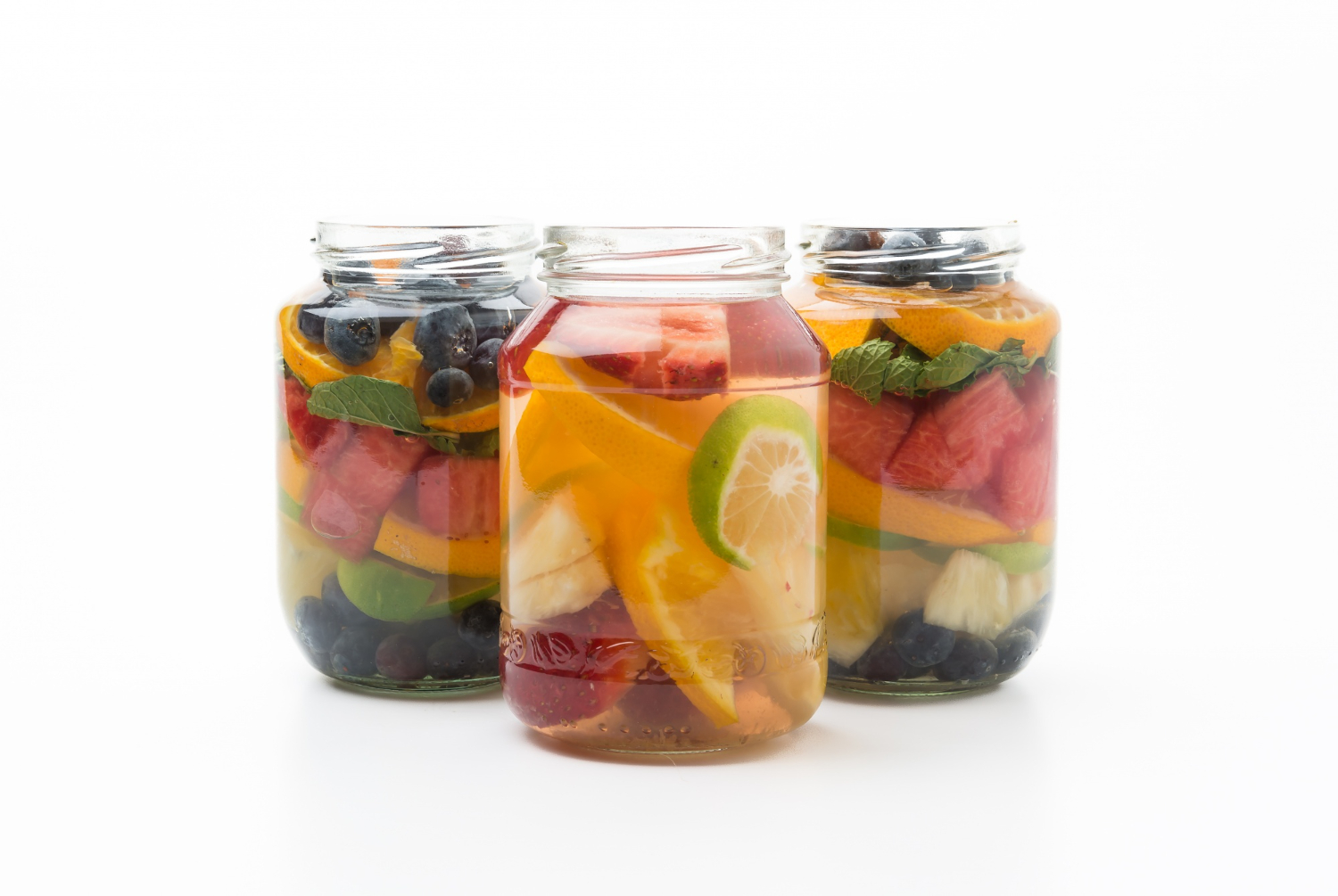
Sun-drying, air-drying and low-heat drying take water out of the fruit entirely, which is the oldest method and requires no additives at all.
It concentrates flavour enormously as a side effect. Drying is the preserving method that needs nothing but time and air.
9. Fermenting Makes the Acid Biologically
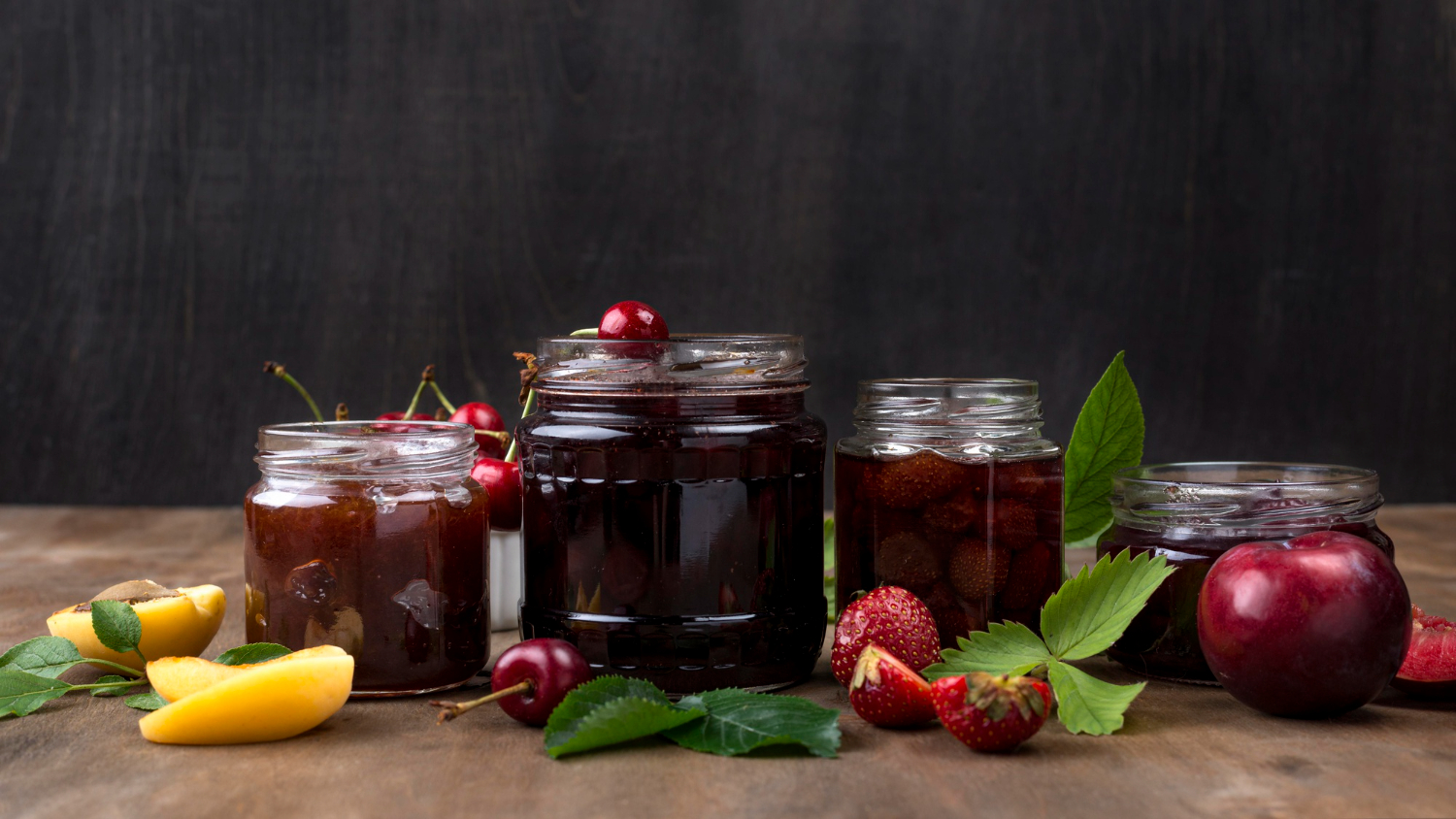
Rather than adding acid, some methods let organisms produce it, converting sugars into acids that then preserve the result.
The fruit changes character completely. Fermentation is the method where the preservation is generated from within.
10. Alcohol Works the Same Way as Sugar
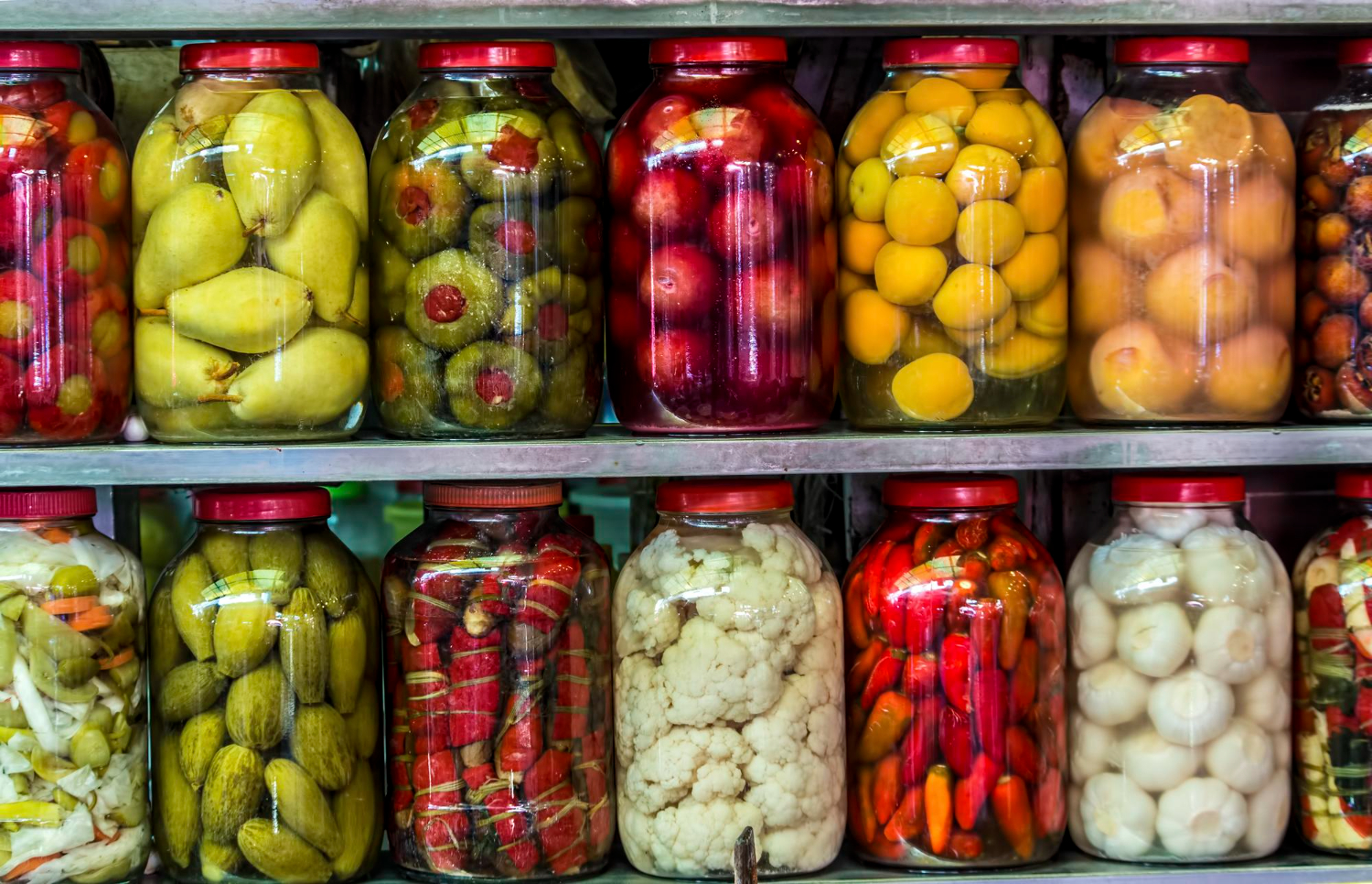
Fruit kept in spirit is preserved because alcohol reduces available water and is itself hostile to most organisms, which is the same principle by a different agent.
The fruit and the liquid each take on the other. Alcohol preservation is the version where both components are the product.
11. Candying Is Water Replacement
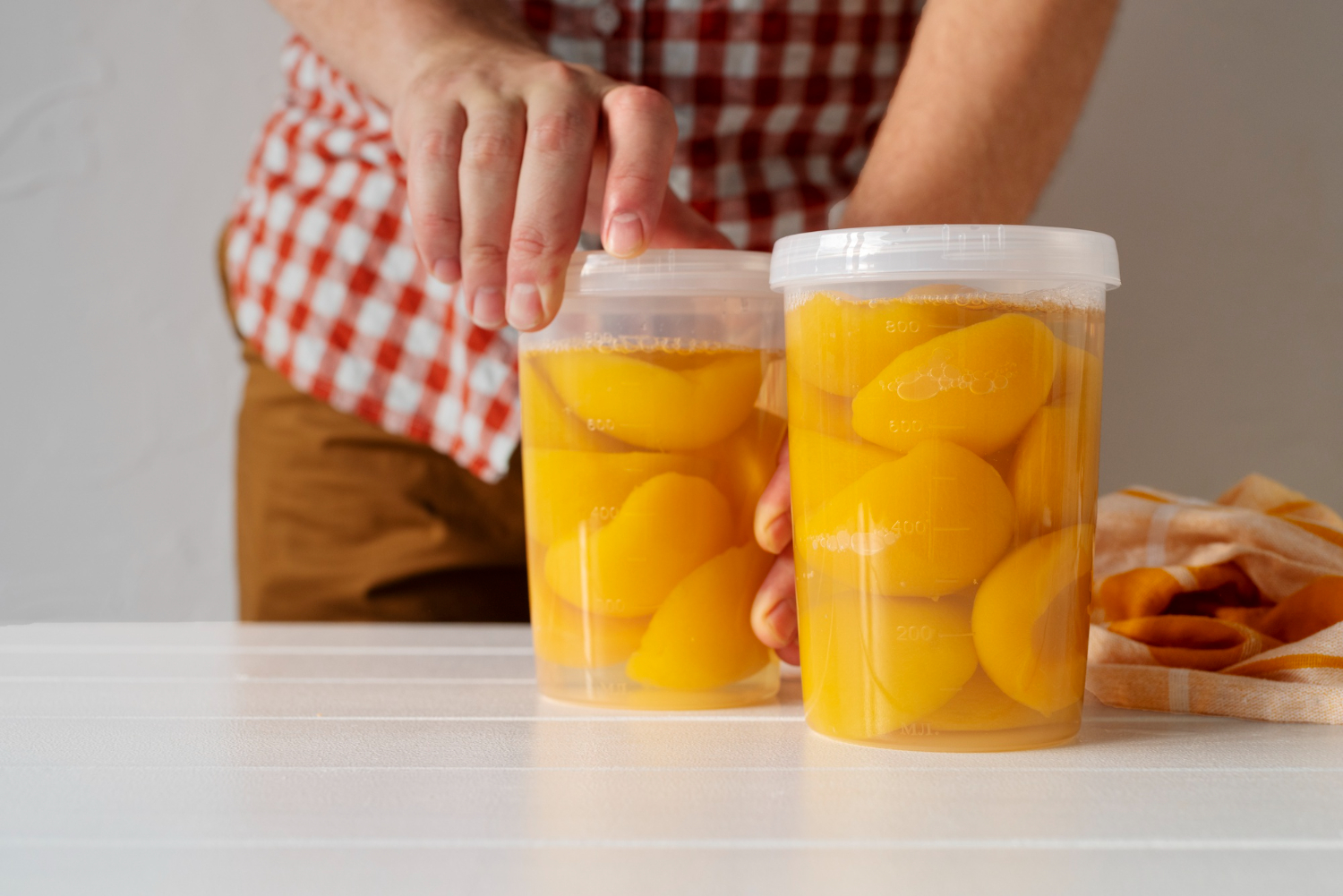
Bringing fruit slowly through increasing sugar concentrations gradually replaces the water inside the cells with syrup rather than collapsing them.
Rushing it produces shrunken fruit. Candying is the method that swaps one liquid for another over days.
12. Cooking Time Changes the Character Completely
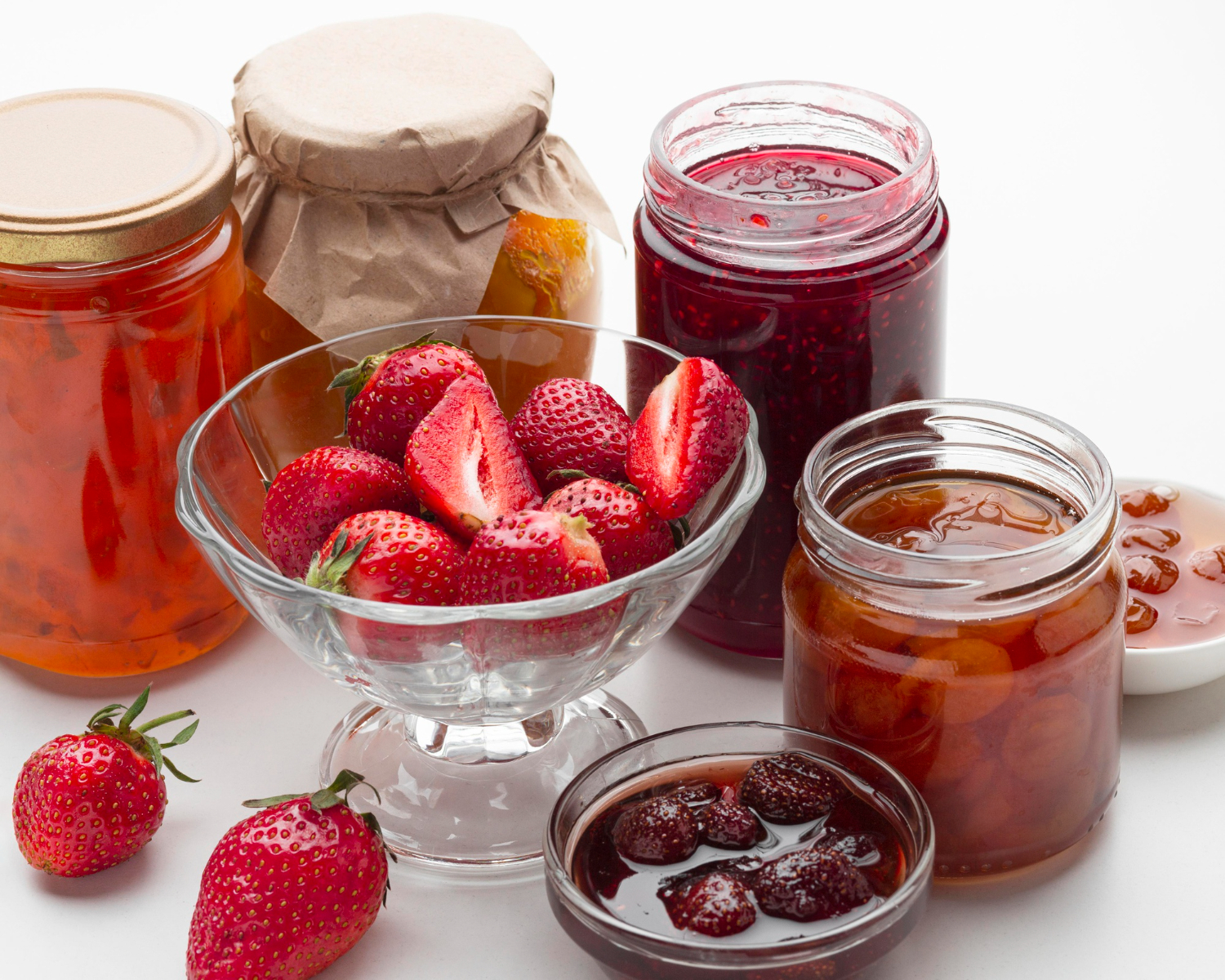
A brief boil preserves fresh flavour and bright colour; a long one develops deeper, caramelised, darker notes and a firmer set.
Both are correct and produce different products. Cooking duration is the variable that decides what kind of preserve you have made.
13. The Seal Is the Whole Point
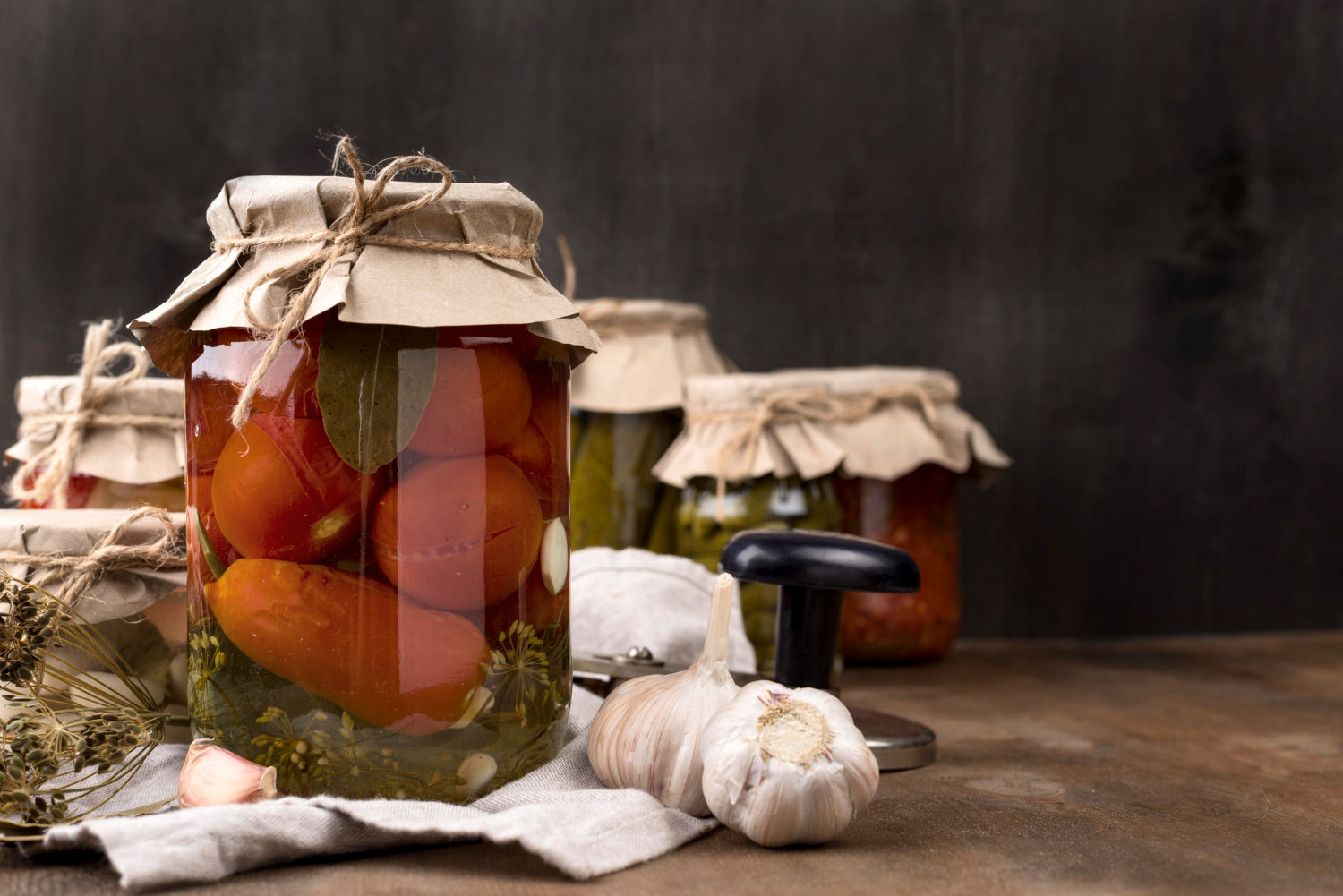
Whatever the method, the container has to exclude air afterwards, because an unsealed preserve is simply food sitting out.
A seal that has failed is the commonest reason a preserve spoils. Sealing is the step where all the preceding work is either kept or lost.
14. Freezing Pauses Rather Than Preserves
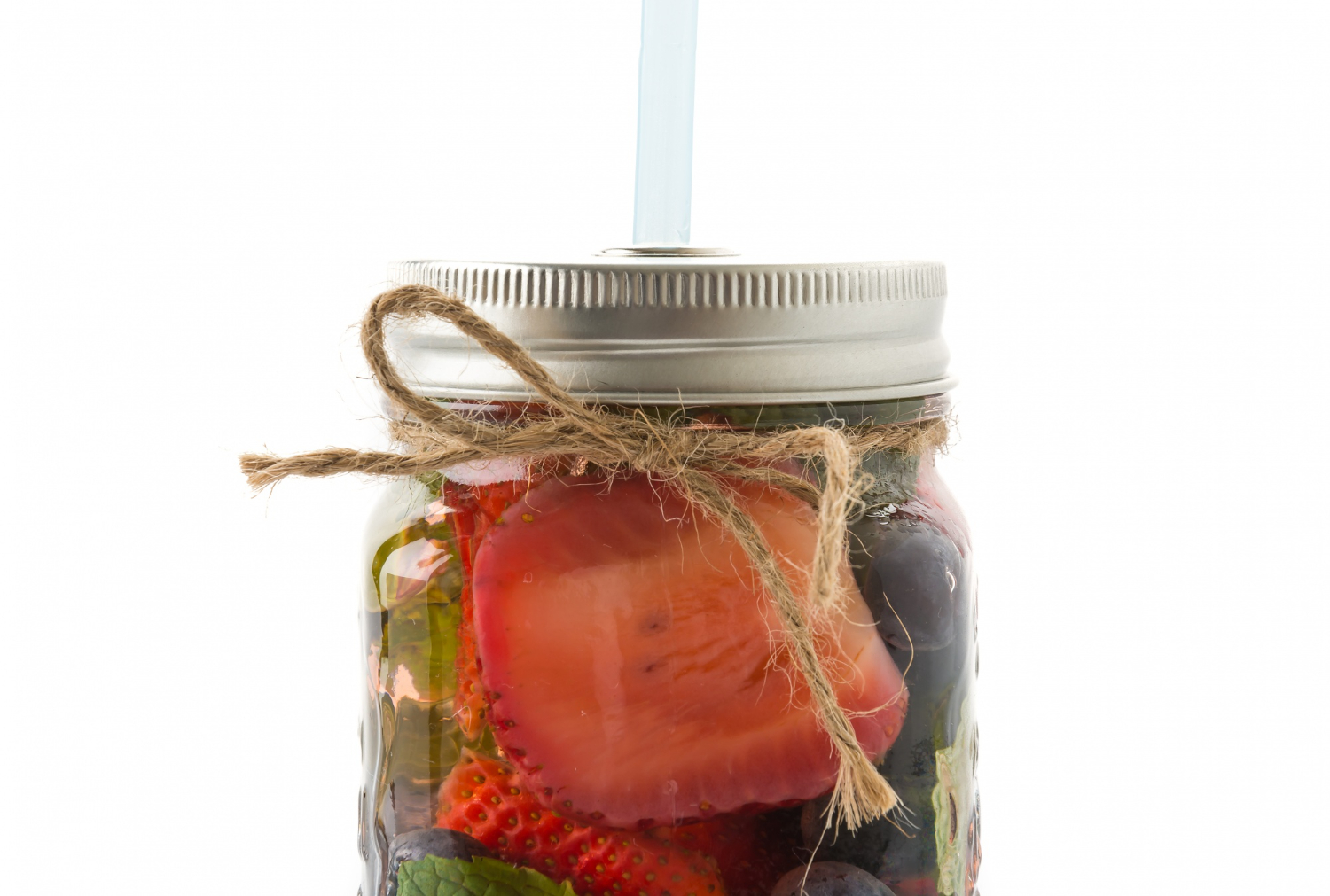
Cold slows or stops the organisms without removing them, so frozen fruit resumes spoiling on thawing exactly where it left off.
It is a pause button rather than a solution. Freezing is the method that changes nothing except the clock.
15. It All Started as Necessity
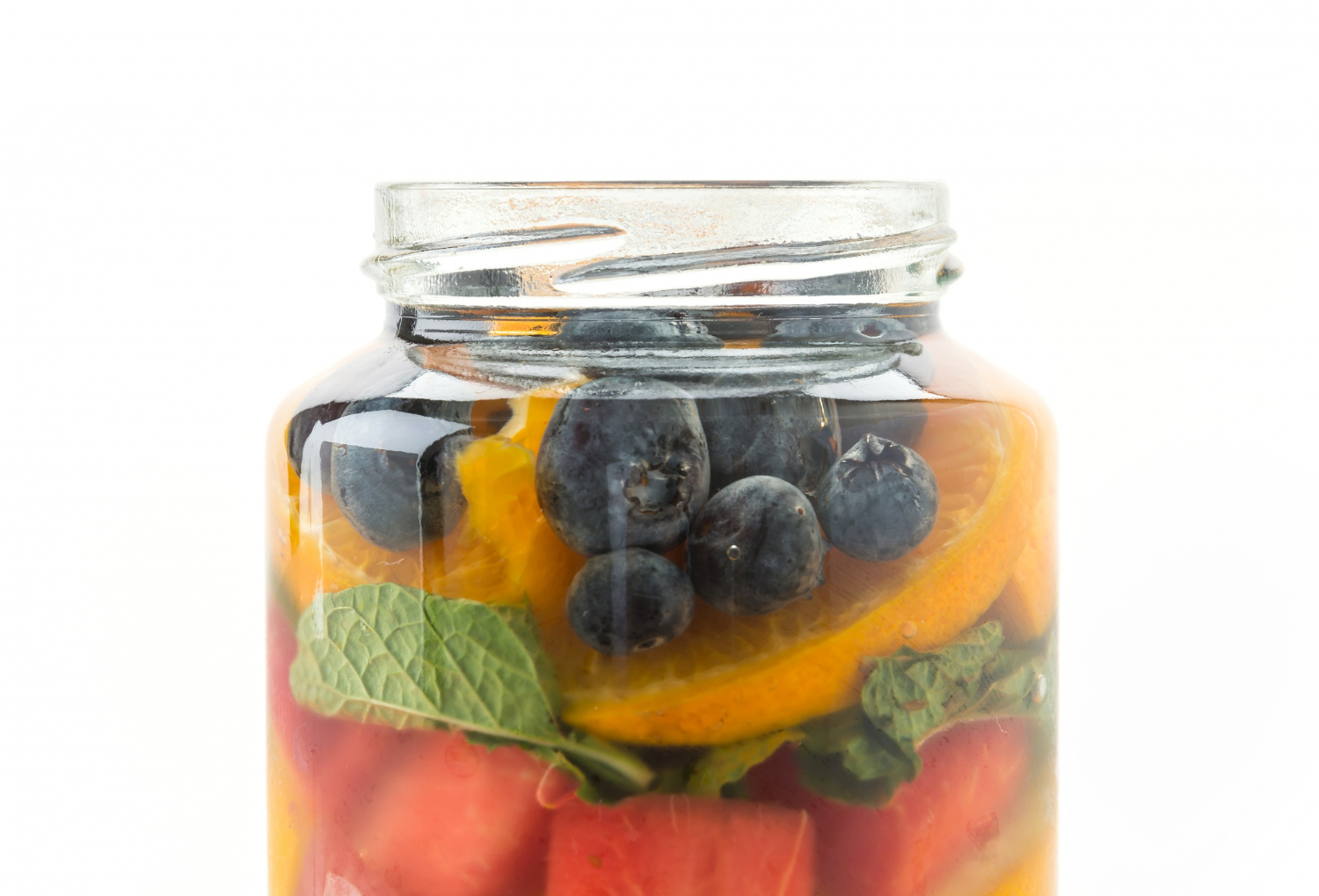
Every technique here was developed because fruit ripens for a few weeks and a household needed it for a year, long before anybody understood why any of it worked.
The chemistry was explained centuries after the methods were perfected. Necessity is the origin of everything on this list.
Make It Somewhere Nothing Can Live
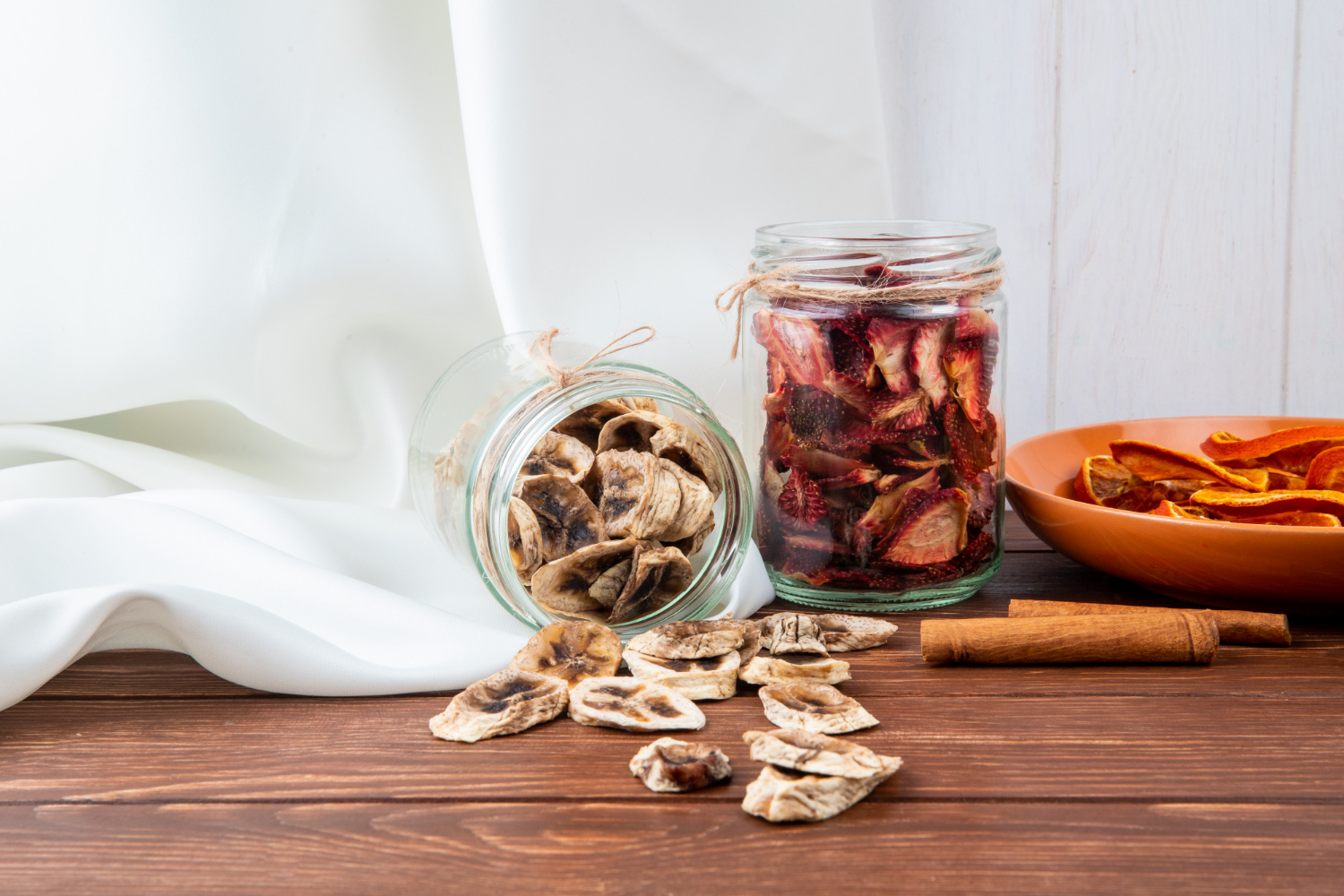
Water removed, water bound, acid added, air excluded, heat applied. Five mechanisms, combined in different proportions, producing every fruit preserve there is.
One thing must be said clearly. Everything above explains why the methods work and none of it is a method. Anybody actually preserving fruit should follow a tested recipe from a recognised food authority, because quantities, acidity and processing truly matter for safety, and no general article is a substitute for a properly tested procedure.
Like our content? Follow us for more.