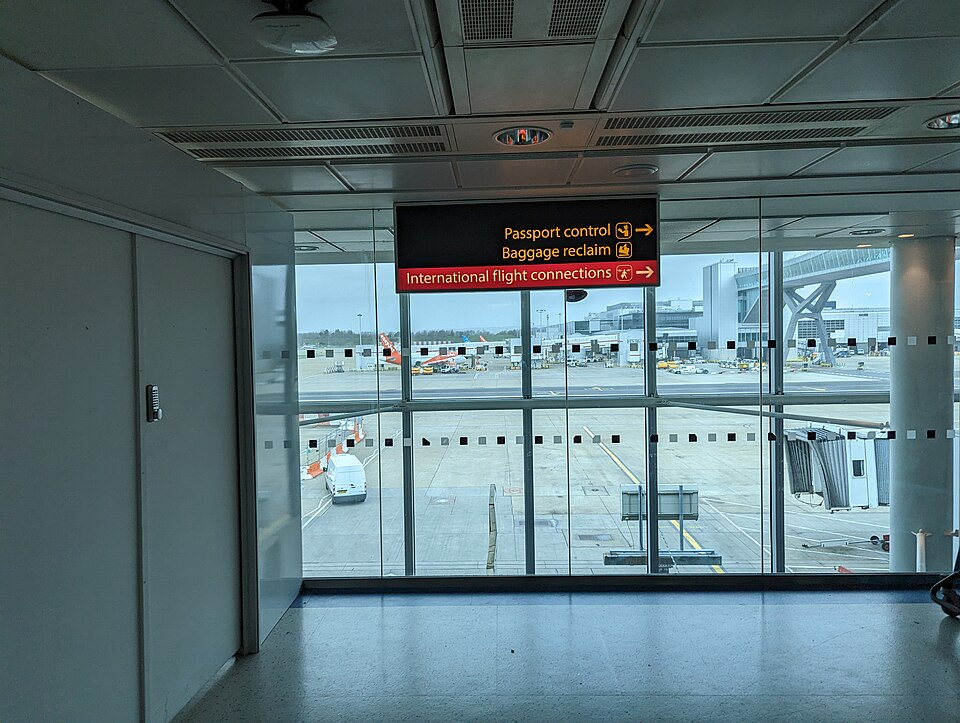
A layover is the part of a journey nobody plans and the part most likely to go wrong, because almost everything that determines whether it works is invisible at the point of booking. Whether you need a visa to sit in the terminal. Whether your two flights are one contract or two. Whether the bag is tagged through. Whether the building is open at three in the morning. Whether there is a border between gate twelve and gate forty.
None of that appears in a search result, and the booking system will cheerfully sell you a fifty-minute connection that requires a passport check and a terminal train. Rules differ by airport, carrier and nationality and several have changed recently, so each item here is a prompt to check your own routing rather than a statement about any particular hub. Here are sixteen things that catch people in transit, and what to do about each.
1. A transit visa required even if you never leave the airport
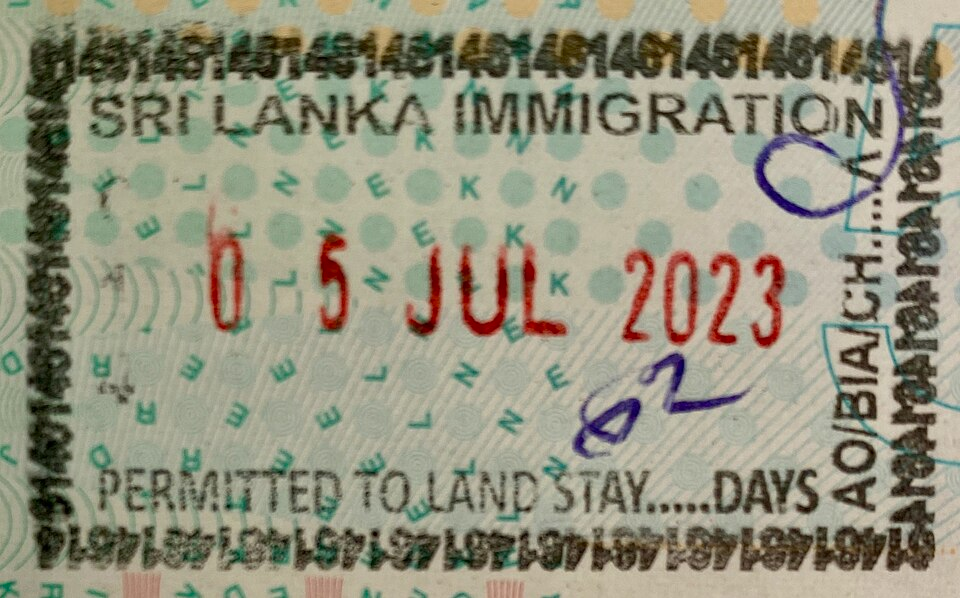
Several countries require a visa to pass through an airport without entering, because the transit area is legally their territory and the rules are written around nationality rather than intention. The requirement applies even if you remain airside for two hours.
The airline checks it at your departure gate under carrier liability and will deny boarding, which means the problem happens before you fly rather than on arrival. Whether you need one can depend on your nationality, your destination, which terminal you use and whether you change aircraft.
Check the transit requirements for every country you will touch, not just your destination, using that country’s own consular information. Where a transit visa is required, applications take days or weeks and cannot be done at the airport.
Like our content? Follow us for more.
2. Two separate tickets, and nobody responsible for the connection
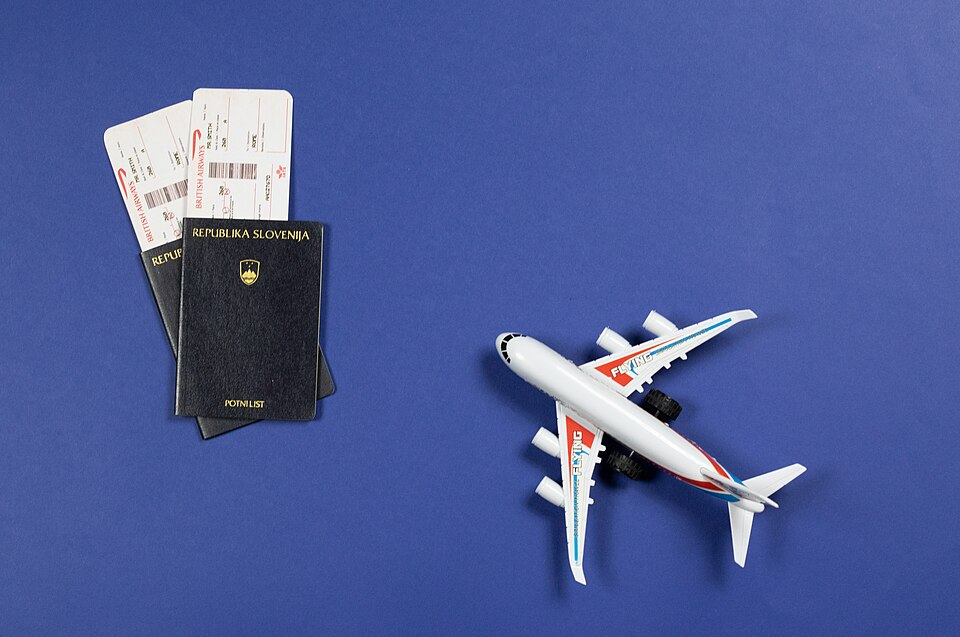
Booking two flights separately — including two bookings with the same airline — creates two unconnected contracts. There is no through-ticket, no protection if the first flight is late, and no obligation on the second carrier to do anything at all.
If you miss the second flight because the first was delayed, you have simply failed to turn up for a flight you paid for, and the fare is gone. The airline’s rebooking obligations, compensation rules and duty of care all attach to a single booking rather than to your itinerary.
Book connections on one ticket wherever possible. Where you must use separate tickets, leave several hours rather than the minimum, and understand that you are self-insuring the gap. Some travel policies cover missed connections on separate tickets and most do not without a specific extension.
3. Self-transfer products that look like a through booking
Online agents and some airline alliances sell self-transfer or virtual-interline itineraries that present as a single journey and are in fact separate tickets with a guarantee provided by the seller rather than by the airlines.
The guarantee is a commercial promise of a specified remedy — a rebooking or a refund within stated limits — and it is only as good as the seller’s terms and solvency. It is not the regulatory protection that attaches to a genuine through-ticket, and the remedies are usually narrower.
Read what the guarantee actually promises before buying, and check whether the itinerary is one ticket or several, which the agent is required to make clear but frequently makes clear in small print. If the difference matters to you, buy the through-ticket.
4. Minimum connection time that assumes everything works
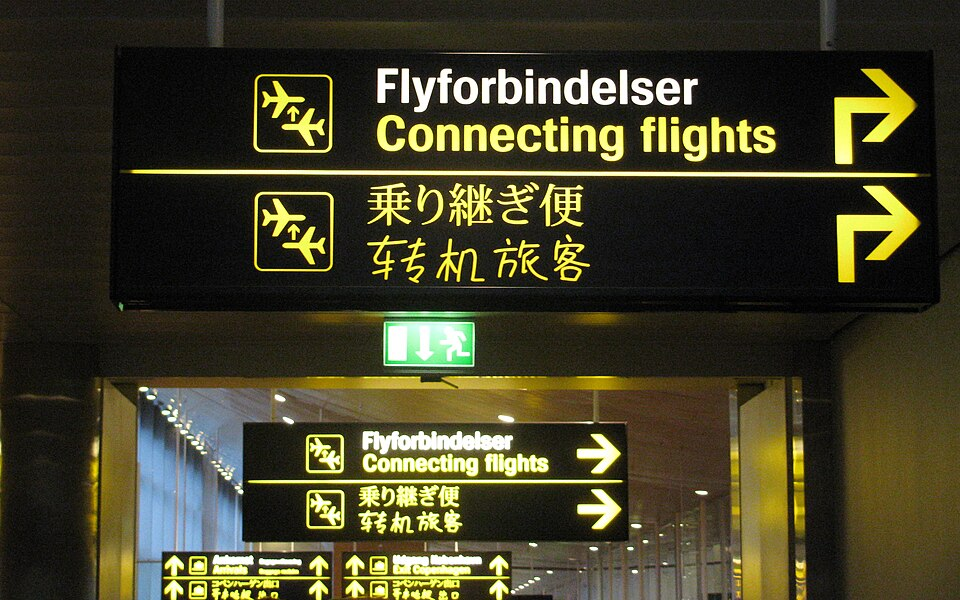
Every airport publishes a minimum connecting time, and booking systems will sell you anything above it. The figure assumes on-time arrival, a normal gate, no immigration, no security re-screening and a passenger who moves briskly.
It is a scheduling parameter rather than a prediction, and at large hub airports with long inter-terminal transfers the real walking and queuing time can exceed it substantially. A connection sold as legal is not a connection that is likely.
Treat the published minimum as a floor and not a target. For an international connection, especially one involving immigration or a terminal change, allow two to three hours even where the system will sell you fifty minutes.
5. Having to clear immigration and collect your bags to transfer
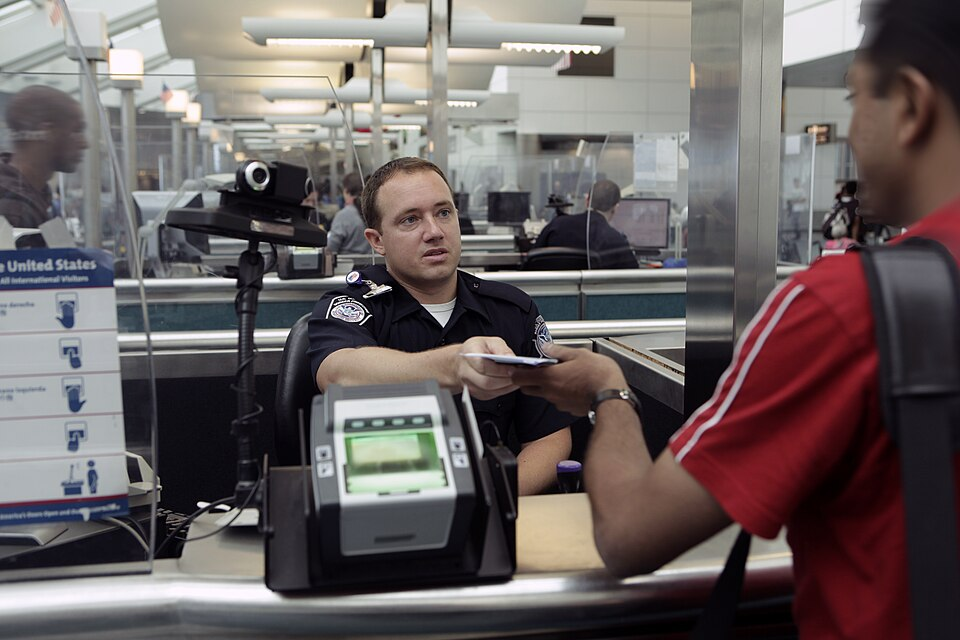
The United States and Canada do not have airside international transit in the way much of the world does. A passenger connecting through them must clear immigration and customs, collect checked bags, and re-check them, even when both flights are international.
This is the single most underestimated connection in world aviation, because travellers reasonably assume a transit is a transit. It requires the appropriate entry authorisation for the country, it takes a long time at a busy hub, and the bag has to be found and handed back in.
Allow at least three hours for a connection through either country, and make sure you hold the entry authorisation required — a visa or an electronic authorisation — for a country you have no intention of visiting. Routing to avoid it is frequently worth the extra fare.
6. A terminal change that puts you back through security
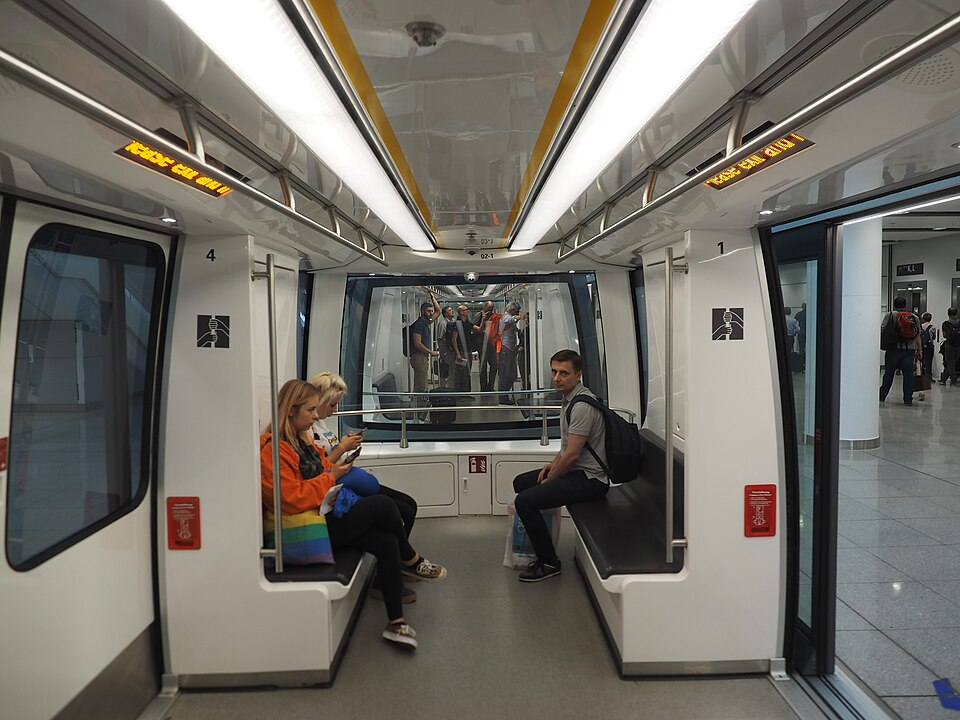
Large airports are frequently several airports in a row. Changing terminals can mean a train, a bus, a long walk, a second security screening, and in some cases leaving the secure area entirely and re-entering through the public concourse.
The time and the uncertainty are both much greater than a connection within a terminal, and the inter-terminal transit at some hubs runs infrequently late at night. Codeshare bookings are a particular problem because the ticket shows one airline and the operating carrier may be in a different building.
Find out which terminal each flight actually uses, by operating carrier rather than by the airline on your ticket, and build in the transfer time. Airport websites publish inter-terminal transfer times and they are usually honest.
7. Advance authorisation for a country you only pass through
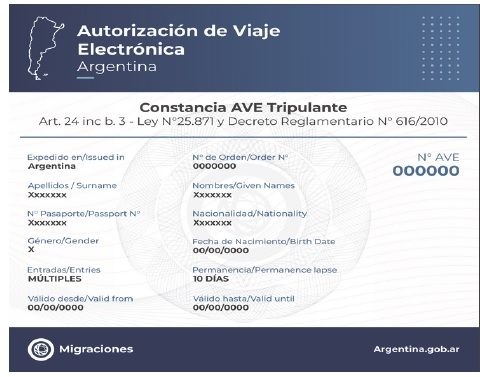
Electronic entry authorisations frequently apply to transit as well as to entry. A traveller connecting through a country may need to hold and pay for an authorisation for a place they never intend to see.
The rules differ by country and by whether the transit is airside, and several systems have been introduced, delayed and revised in the past few years. Airlines check them at the gate, so a missing authorisation prevents departure.
Check each transit country separately and close to departure as well as at booking, because this is the area of travel rules that has changed most. Where an authorisation is required, apply well in advance; approval is usually quick and occasionally is not.
8. Airside hotels, and the airports that have none
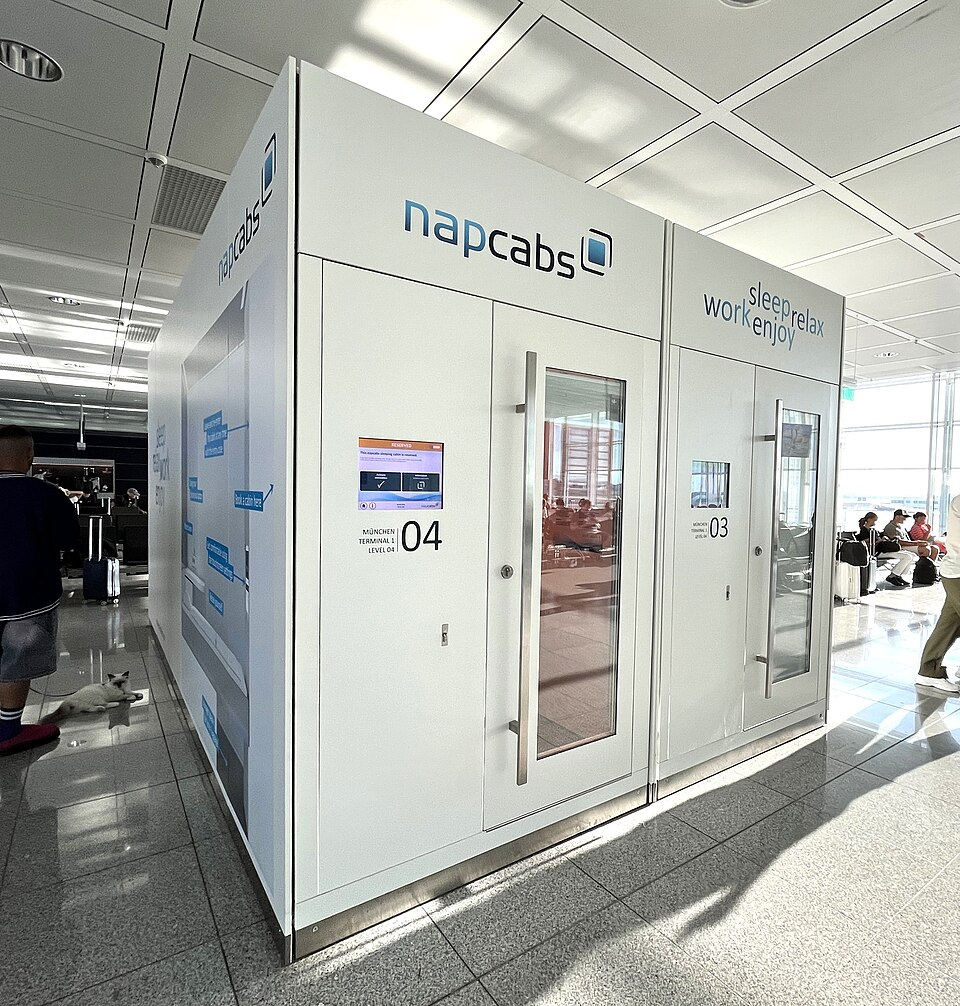
A long airside layover is comfortable at a hub with transit hotels, sleeping pods, showers and lounges, and extremely uncomfortable at one without. Which of those you are in is not apparent from the booking.
The constraint is frequently legal rather than commercial: if you cannot clear immigration you cannot reach a landside hotel, so an airport with no airside accommodation leaves you in the terminal whatever you are prepared to pay.
Research the specific airport’s airside facilities before booking a long layover, and check whether your nationality can clear immigration there if you would rather leave. An eight-hour connection at one hub is a pleasant break and at another is a night on a bench.
9. An overnight layover at an airport that closes
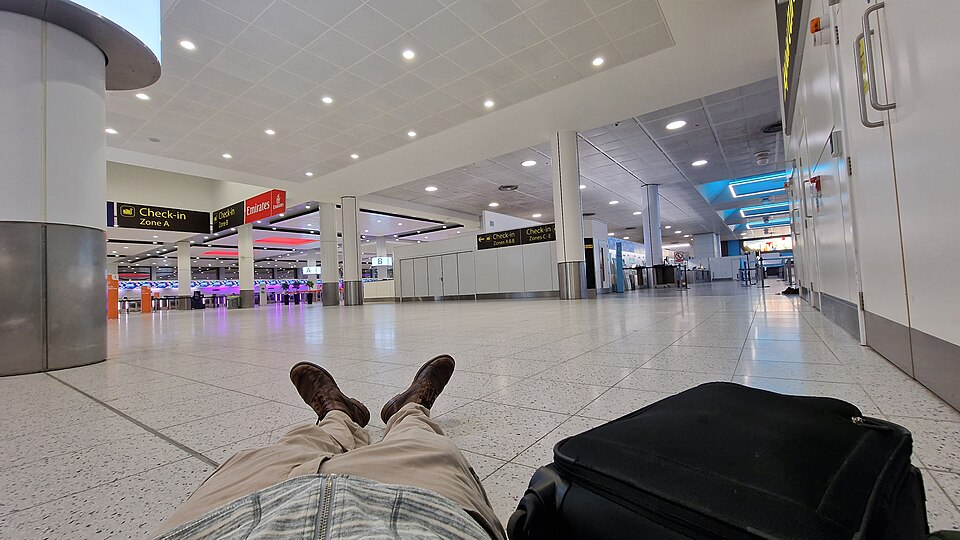
Not every airport operates through the night. A number of terminals close entirely between the last arrival and the first departure, and passengers are required to leave the building — which is impossible if you cannot clear immigration.
The combination of a closing terminal and a transit restriction is the worst case in this whole list, and it is not signposted anywhere in the booking process. Airport curfews also mean the last connection of the day is genuinely the last.
Check the airport’s operating hours for an overnight connection, which its own website publishes, and if the terminal closes, make sure you can either enter the country or make a different connection. This is the one item here with no remedy once you are standing in it.
10. A visa-free transit that depends on an onward ticket within a set time
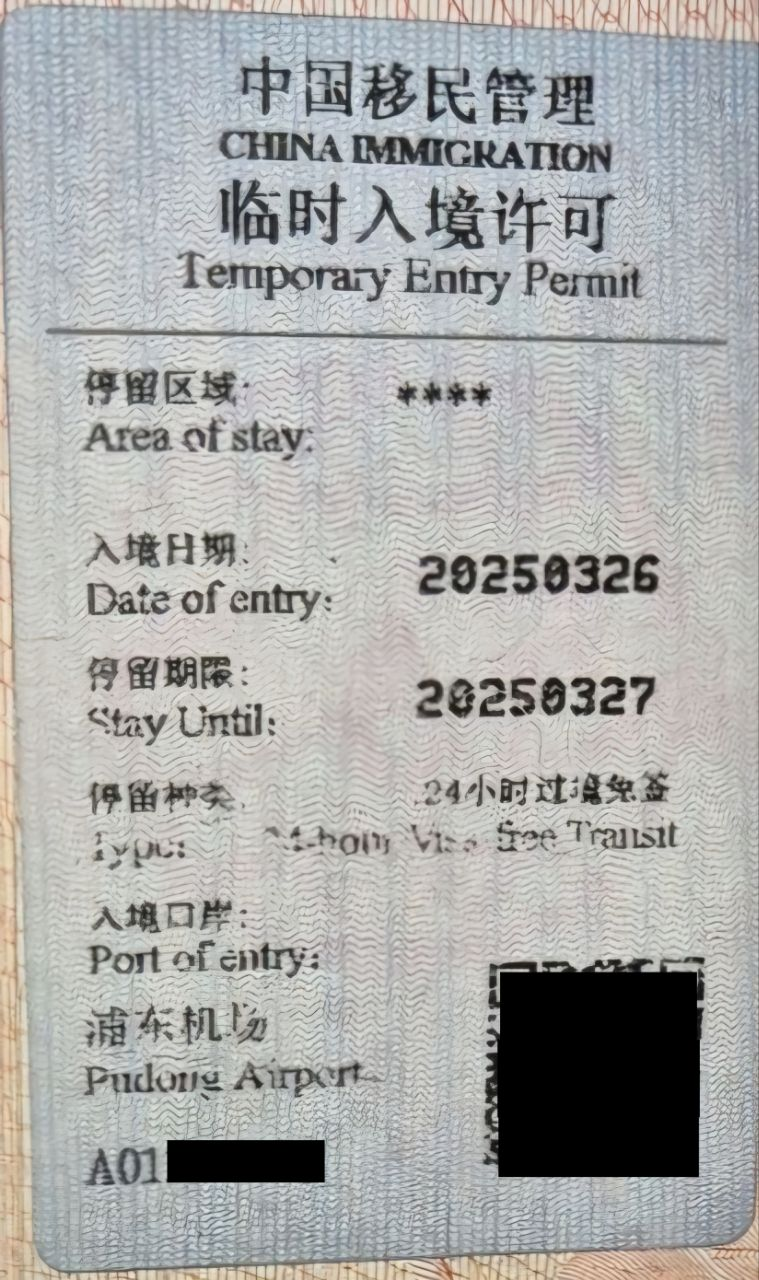
Some countries permit visa-free transit on conditions: that you remain airside, that you depart within a stated number of hours, that you hold a confirmed onward ticket, and sometimes that you are travelling to a specific set of destinations.
Fail any condition and the concession does not apply, which makes a delay that pushes you past the time limit a legal problem rather than an inconvenience. The onward-ticket condition also catches travellers with separate tickets, where the onward booking may not be visible to the authority checking.
Read the conditions of the concession rather than just its existence, keep the onward booking documented and accessible, and avoid relying on a time-limited transit concession for a connection with little margin.
11. A vaccination certificate checked at the transit point

Yellow fever certificate requirements depend on your full routing rather than on your origin and destination, and a number of countries require the certificate if you have transited a country with transmission risk, including without leaving the airport.
This catches travellers who built an itinerary without thinking about the middle of it, and the check happens at departure or on arrival with no discretion available. The certificate becomes valid only after a waiting period from administration, so it cannot be fixed at short notice.
Map your entire routing including transit points and check the requirements for each, well before travelling. This is one of the few remaining travel requirements where the document genuinely cannot be obtained quickly.
12. Bags not tagged through, and nobody telling you
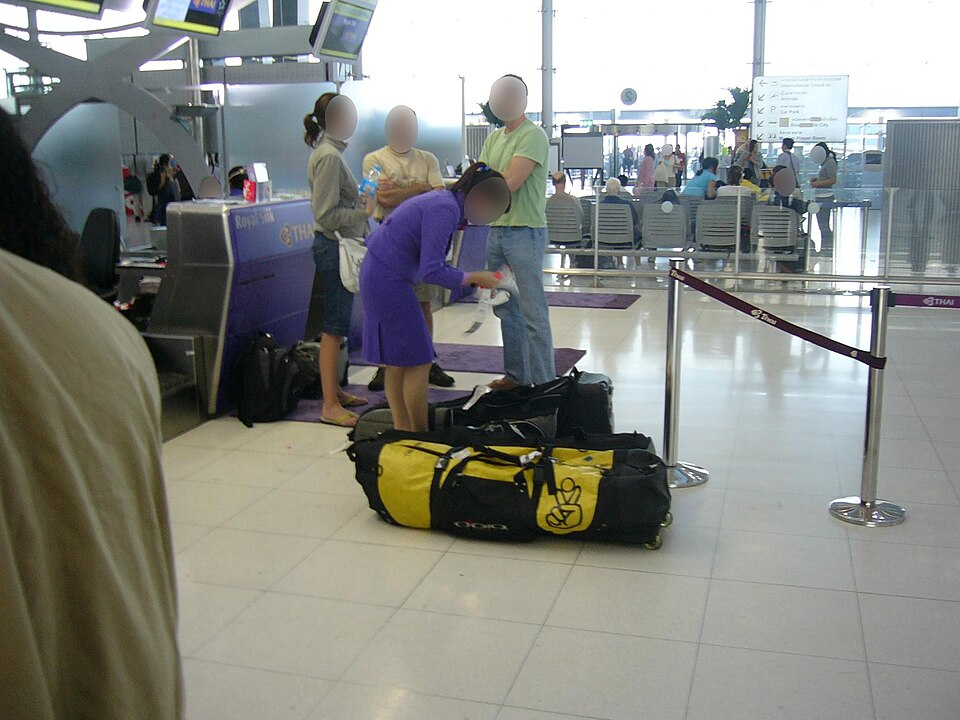
On separate tickets your bag is checked only to the end of the first ticket, and on some interline itineraries baggage agreements do not exist between the carriers involved, which has the same effect even on a single booking.
Discovering at the carousel that your bag has arrived at a transit point is bad; discovering at the gate that it was never tagged through is worse, because you may not have time to collect and re-check it. Low-cost carriers frequently have no interline baggage agreements at all.
Ask at check-in, explicitly, where your bag is tagged to, and look at the tag yourself before leaving the desk. If the answer is the transit airport, you need the time and the entry permission to collect and re-check it.
13. Passport control between two parts of the same airport
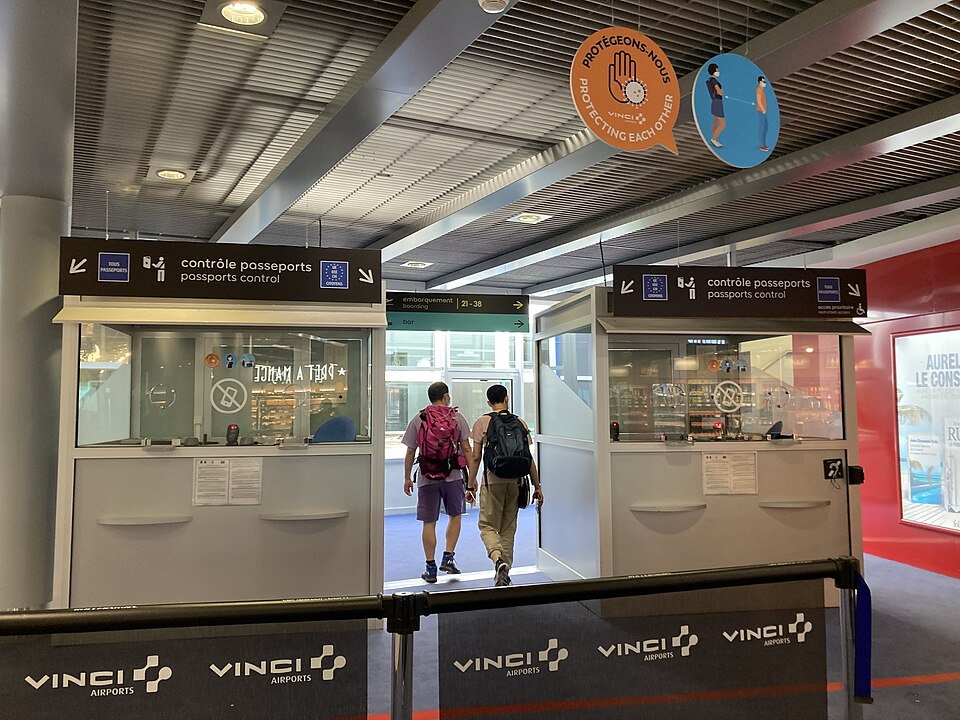
In Europe, movement between the Schengen and non-Schengen parts of an airport crosses an external frontier, which means passport control, queues and sometimes a long walk between zones of the same terminal.
A connection that looks internal to one building can therefore involve a border crossing, and a traveller arriving from outside the area and connecting onward outside it may cross in and out again. The queues at busy periods are the binding constraint rather than the distance.
Identify whether each of your flights is Schengen or non-Schengen and assume a frontier crossing between the two, with the time that implies. The same logic applies at other airports where domestic and international zones are separated.
14. The last connection of the day
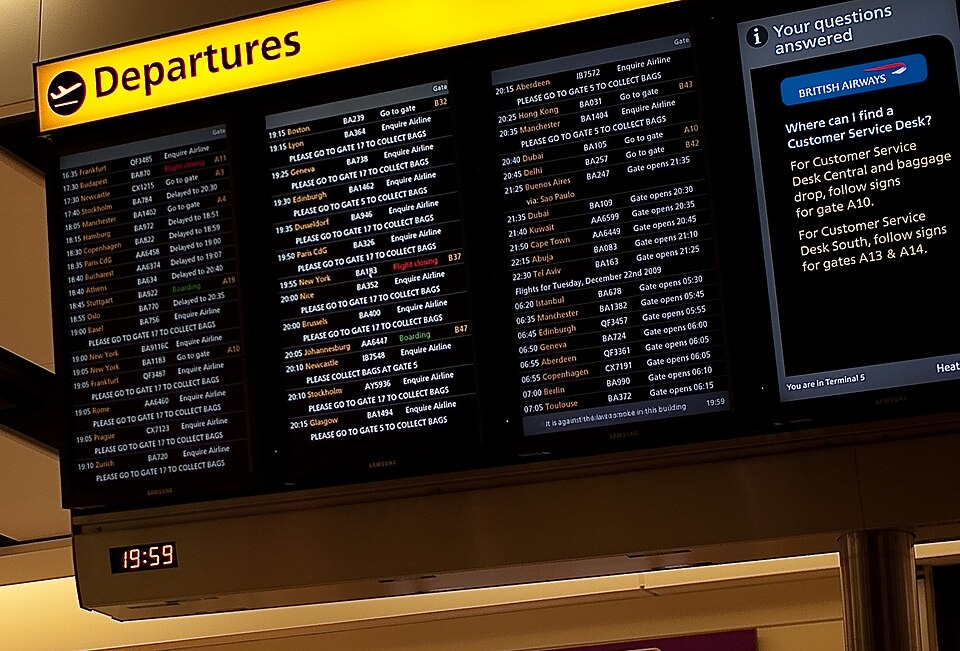
A missed connection in the morning is a two-hour problem. The same missed connection on the final departure of the day is an overnight problem, and whether the airline accommodates you depends on whose fault the delay was and which rules apply.
Within a single booking, duty-of-care obligations may require the carrier to provide accommodation and meals, and the rules differ substantially between the United States and the European framework. On separate tickets there is no obligation at all.
Avoid booking the last connection of the day where the fare difference is modest, and if you must, know what your booking entitles you to before you are standing at a service desk at midnight. Keep every receipt if you pay for anything yourself.
15. Travelling with an animal through a country that will not allow it
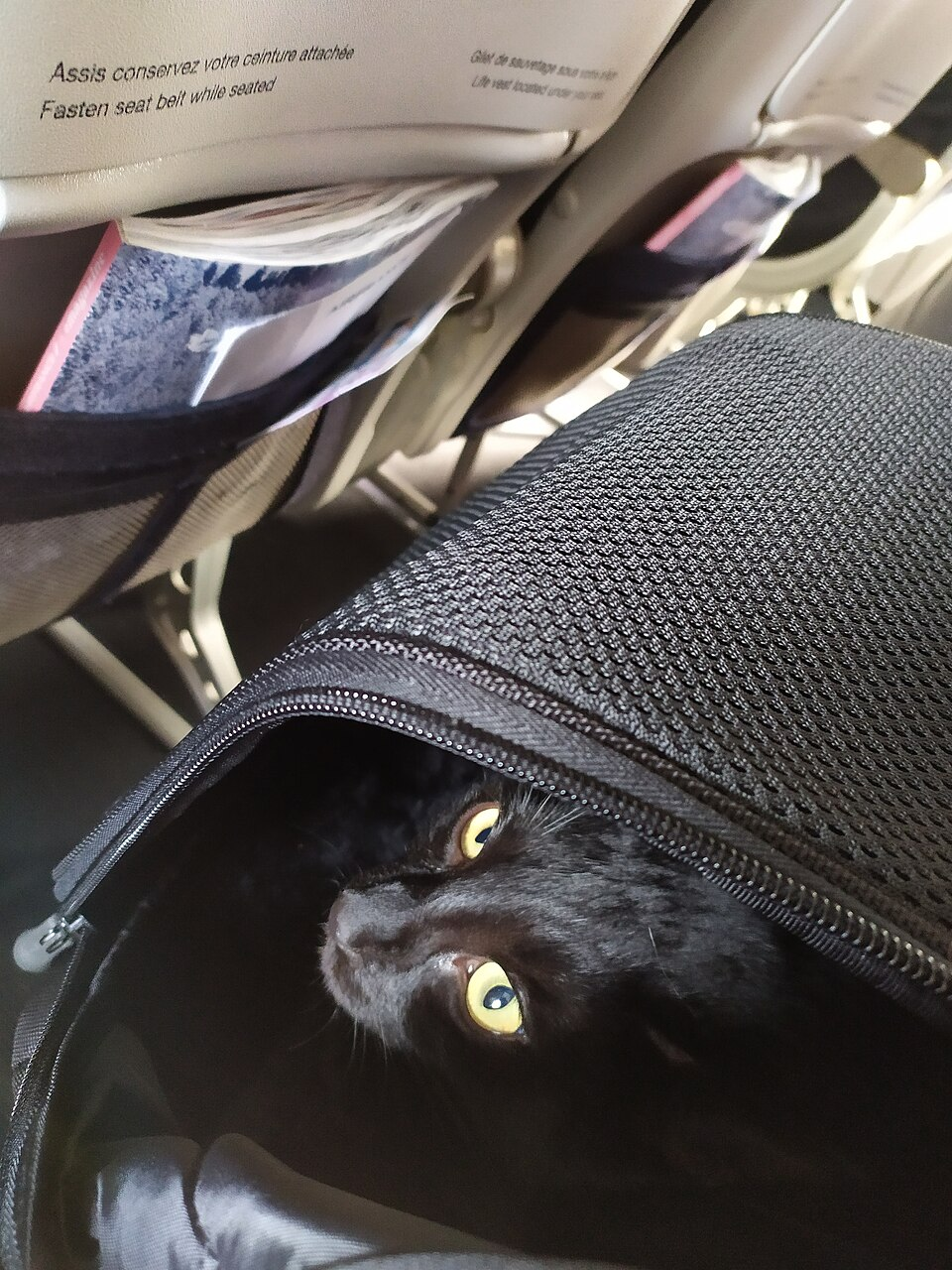
Animal transit rules are separate from passenger rules and are frequently stricter. Some countries prohibit the transit of certain species or breeds entirely, some require import documentation even for an airside transit, and some prohibit animals in the cabin on particular routes.
The airline will refuse carriage at check-in, and an animal refused at a transit point has nowhere to go. Documentation requirements commonly include a specified health certificate issued within a short window and sometimes endorsed by a government veterinary authority.
Research the transit country’s animal rules as carefully as the destination’s, well in advance, and use a routing that avoids restricted jurisdictions. For anything complicated, a specialist pet travel agent is the sensible route rather than a booking site.
16. A codeshare delay, and finding out whose problem it is

A codeshare flight is sold by one airline and operated by another, and when it goes wrong the obligations, the compensation rules and the rebooking authority can all sit with a carrier you did not buy from and may not be at the airport.
Which regulatory framework applies turns on the operating carrier, the route and the point of departure rather than on the logo on your ticket, and the two airlines may give you different answers. Service desks for the marketing carrier frequently cannot rebook the operating carrier’s flights.
Note the operating carrier for every segment when you book, keep both airlines’ contact routes accessible, and when something goes wrong ask which carrier holds your booking rather than which one sold it. That one question resolves most of the confusion at a service desk.
One ticket, three hours, and read the middle of the itinerary
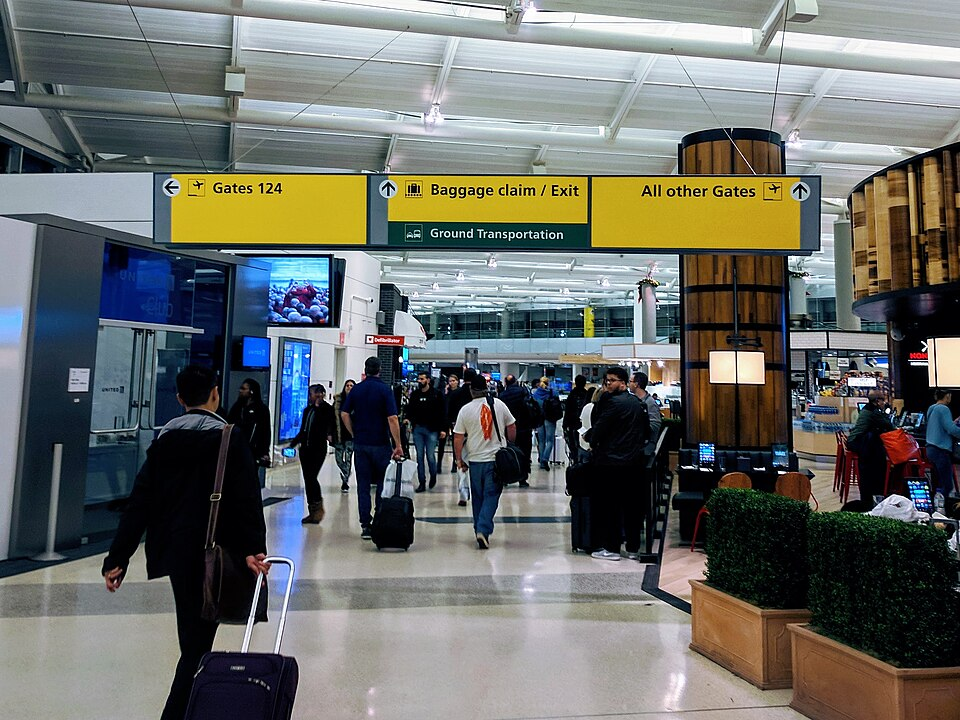
Three habits deal with most of this list. Book connections on a single ticket, because that is what attaches the carrier’s rebooking obligations, duty of care and baggage responsibility to your journey rather than to two unrelated flights. Allow two to three hours for anything international, and three for a connection through the United States or Canada, regardless of what the minimum connecting time permits. And read the middle of the itinerary as carefully as the ends, because the transit country’s visa, authorisation, vaccination and animal rules apply to you even though you never intended to go there.
The fourth habit costs nothing: ask at the check-in desk where your bag is tagged to, and look at the tag. It is the single question that most often prevents a connection from failing, and almost nobody asks it.
Two items on this list have no remedy once you are in them, and they are worth checking before you book rather than after. The airport that closes overnight when you cannot clear immigration, because there is nowhere to be. And the transit visa you do not hold, because the airline will not board you and the application takes days.
Everything else is time, money and irritation. Those two are a night in a corridor or a journey that does not begin.
Like our content? Follow us for more.