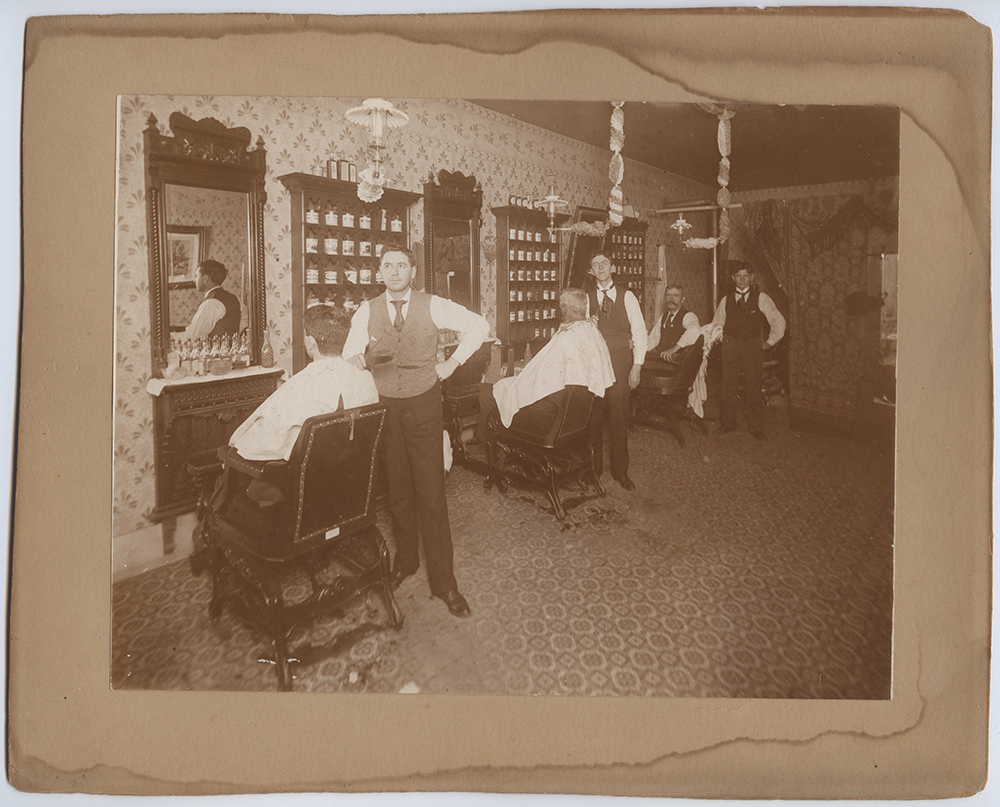
The barbershop is among the most affectionately remembered rooms in American life and the affection is almost entirely about the social function. What is less remembered is that it was a trade in which one set of implements touched several hundred people a month, and that essentially the whole of modern American barbering regulation is about that single fact.
One item below is of a different order from the rest and is placed first for that reason. The remainder are sanitation, with a few on products and claims, and together they amount to the most thoroughly rewritten personal service trade in the country. Here are sixteen things that shop did, and what each of them ran into.
1. In much of the country, refused to cut a Black customer’s hair
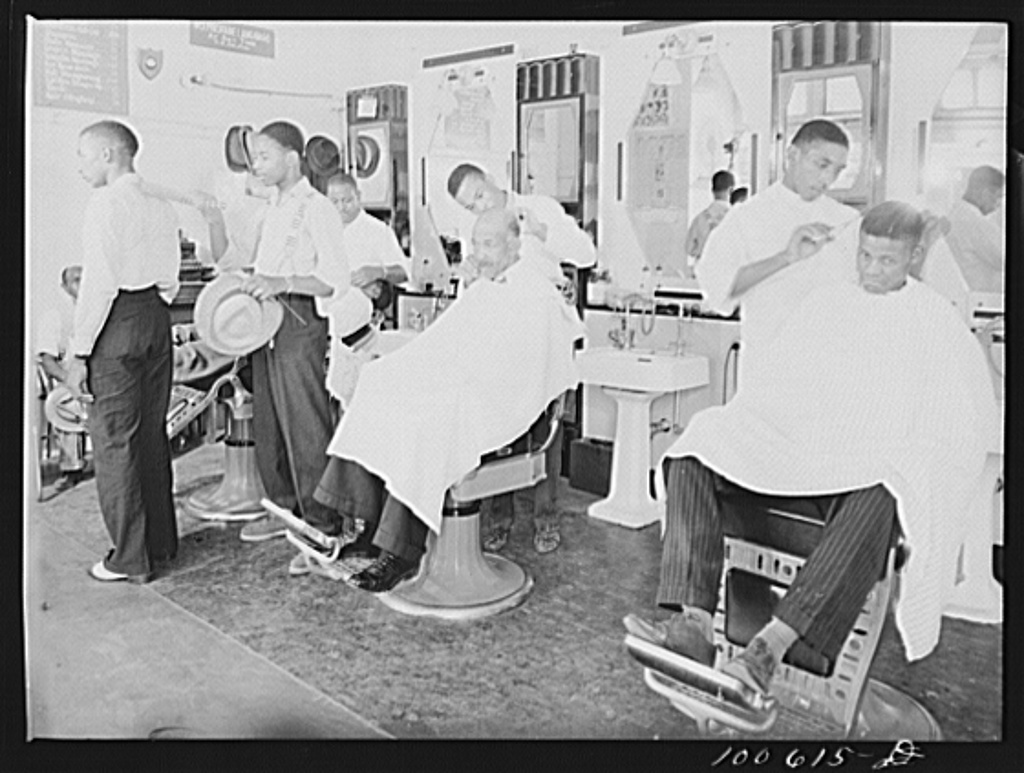
This belongs first and it is not of a kind with anything that follows. Across large parts of the United States, barbershops served white customers only, and the refusal was frequently explained in terms of a barber not being trained for or equipped for other hair, which was a justification rather than a reason.
Title II of the Civil Rights Act of 1964 prohibited discrimination in public accommodations, and barbershops were among the businesses litigated over in the years that followed. The parallel consequence was the central importance of the Black barbershop as an institution in American life, which exists in the form it does partly because of exclusion from everywhere else.
It is listed because a piece about what an American barbershop was like in 1960 cannot leave it out and remain honest. It is not offered as nostalgia, and the rest of this list should not be read as if it sits alongside it.
Like our content? Follow us for more.
2. Shaved customer after customer with one straight razor
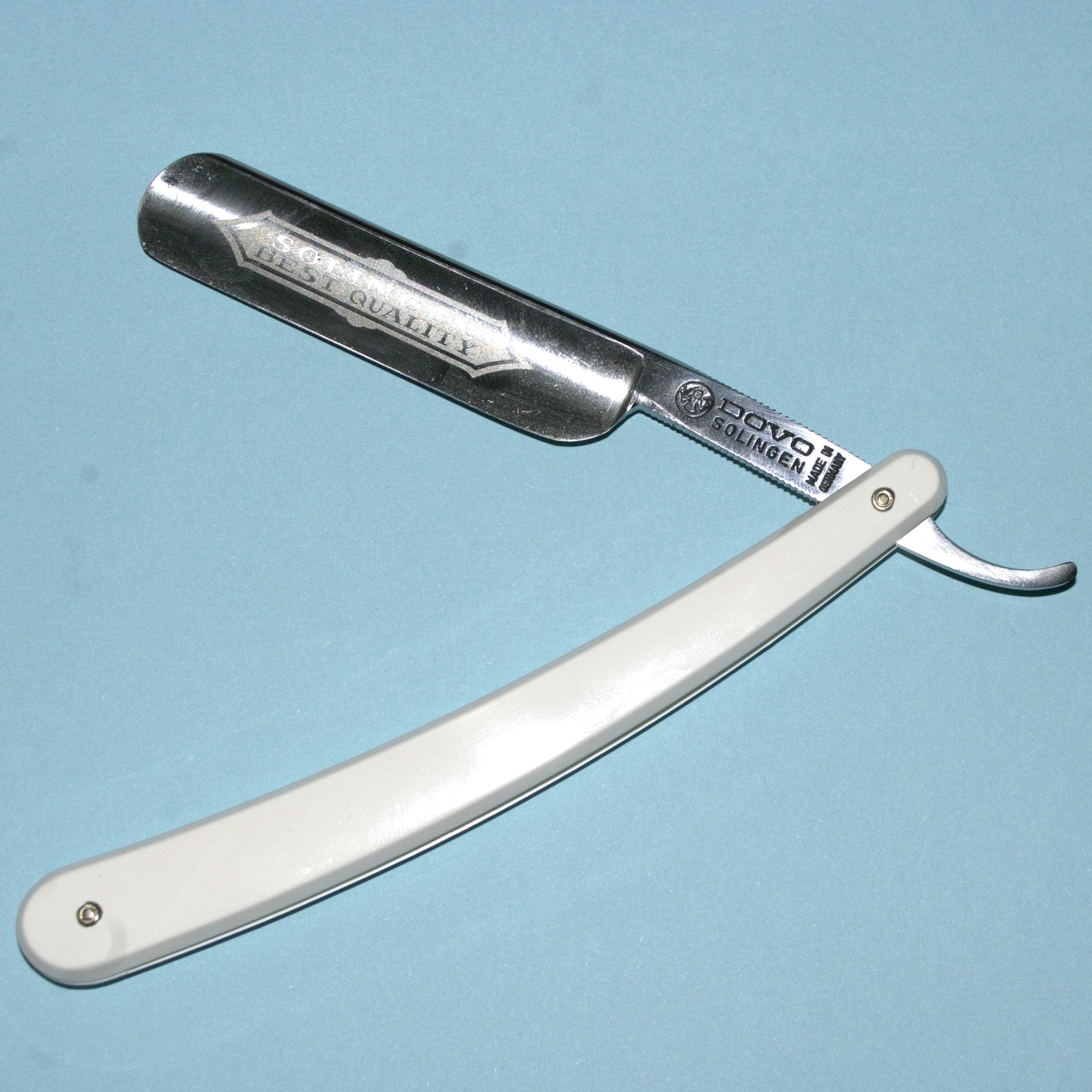
The hot-towel shave was the core of the trade, and it was performed with a straight razor, honed on a stone and finished on a leather strop between customers. One blade, one barber, everybody who sat in the chair that day.
American state barbering boards now require single-use disposable blades for shaving, with the blade changed and discarded for every client, and the holder disinfected. A reusable straight razor cannot lawfully be used on more than one person in essentially any American jurisdiction.
The reason is blood. A shave produces small nicks routinely, and a blade that has touched one person’s blood and then another’s is the textbook route for a bloodborne infection. The change is the single most important thing on this list and it is the reason the traditional shave survives only in the form of a straight-razor holder taking a fresh blade.
3. Reused the hot towels
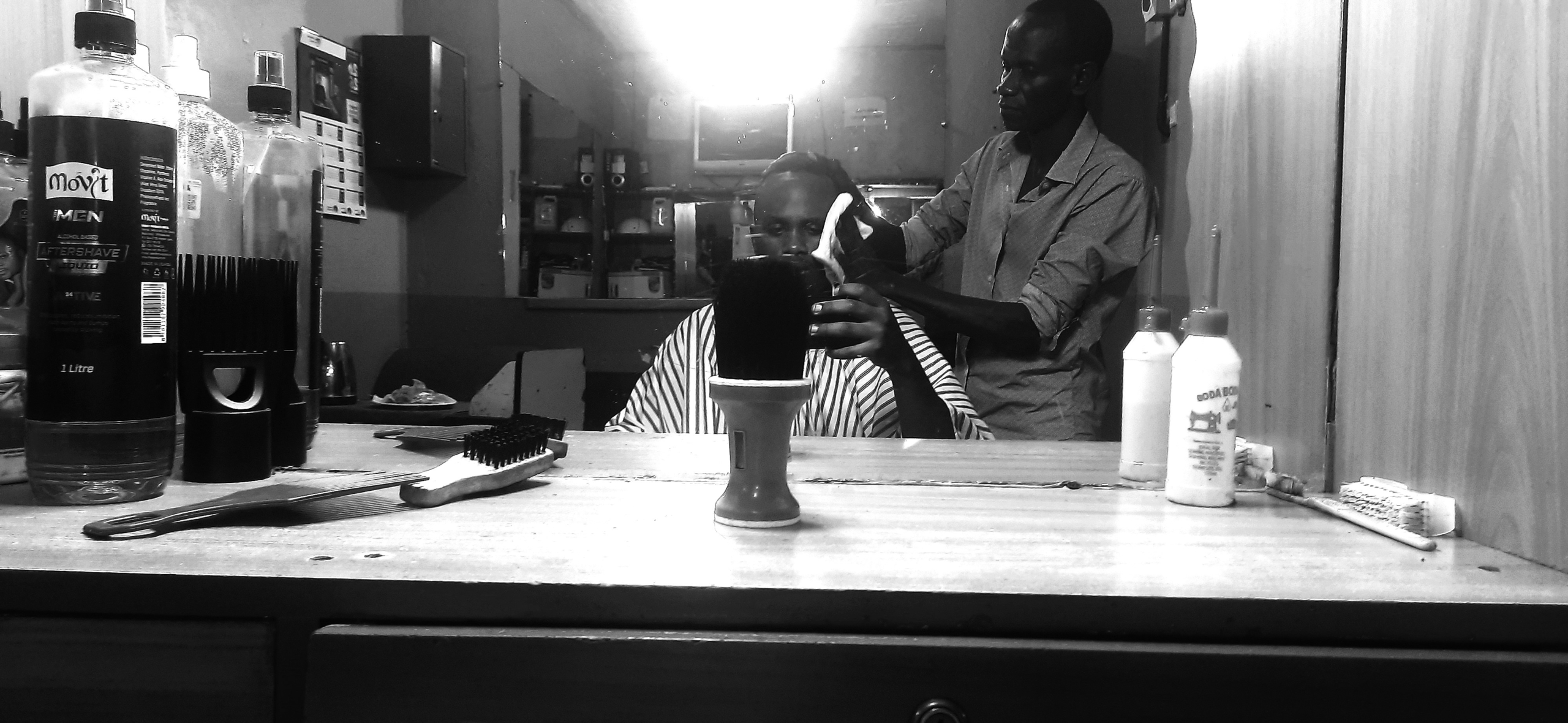
Towels came out of a steamer, went onto a face, and went into a bin to be laundered after closing. On a busy afternoon the rotation was faster than the laundry, and towels were reused with a trip through the steamer in between.
Steam does not sterilise at the temperatures a towel cabinet reaches, and American boards now require clean laundered linen for each client, with soiled linen in a covered container and clean linen stored separately. The towel cabinet is still used, for clean towels only.
This is a change nobody notices because the object survived. The cabinet on the wall of a modern barbershop looks exactly like the 1960 one and is doing a different job: warming clean towels rather than recycling used ones.
4. Shared the lather brush and the shaving mug
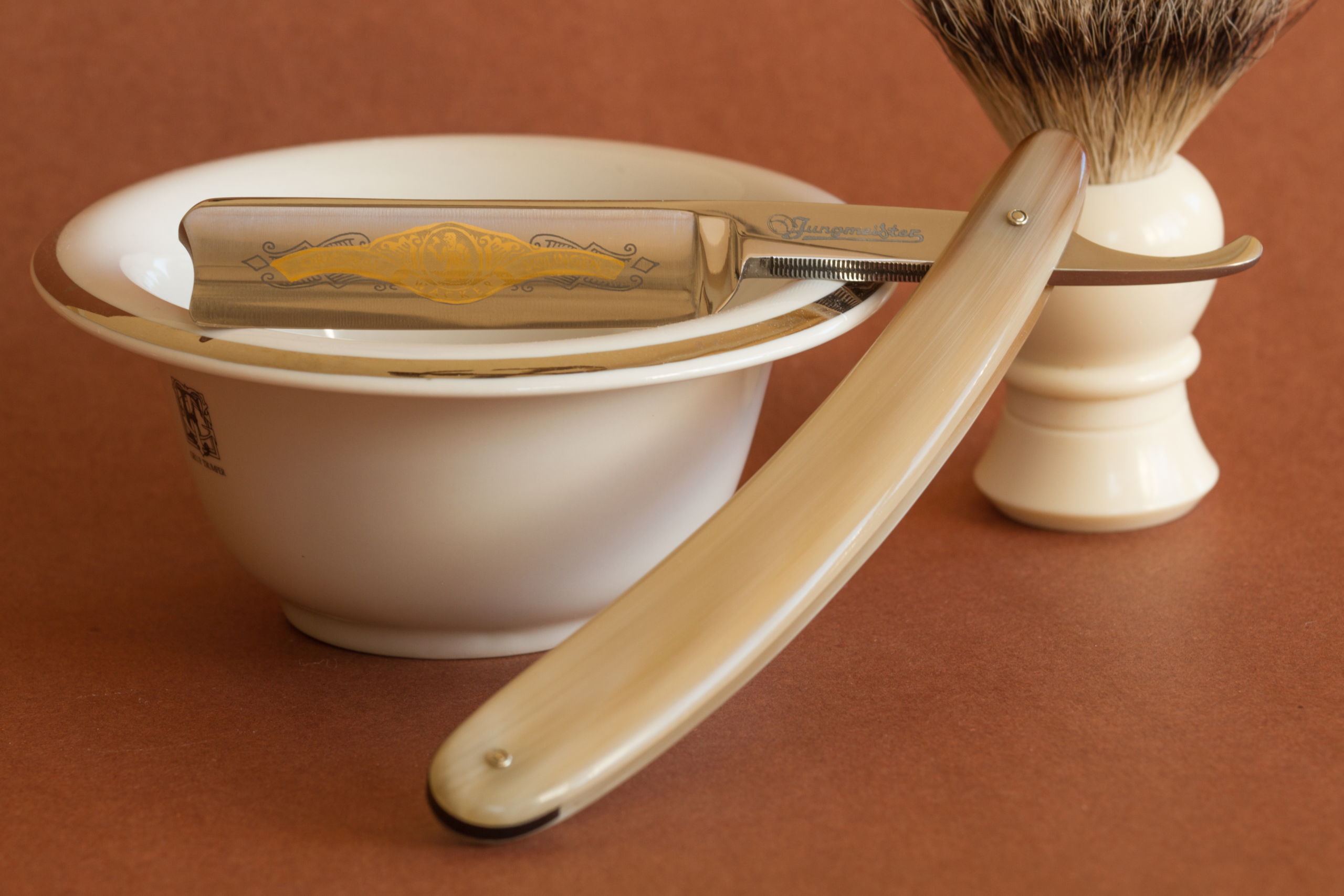
Lather was worked up in a mug with a badger-hair brush and applied to the customer’s face. Some shops kept a personal mug for regulars, which was a mark of standing, and the brush was commonly shared regardless.
Current practice uses single-use lather application or a disinfected implement per client, and shared brushes are not permitted. The personal shaving mug shelf, which was a genuine feature of American barbershops and a point of local pride, went with it.
There is also a specific historical reason for the rule beyond the general one. Shaving brushes made from animal hair were a documented route of infection in the early twentieth century, which produced sterilisation requirements for the material and is the deep origin of the whole category of barbering sanitation law.
5. Rubbed an alum block straight onto the cut
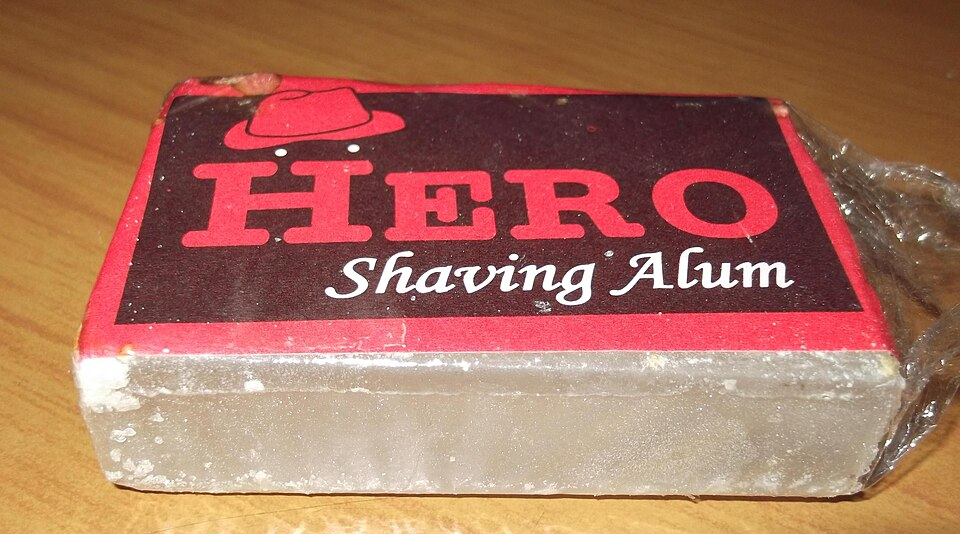
A nick from the razor was closed by drawing a solid block of alum across it, wet, and the same block served every customer in the shop for months.
Boards now require single-use styptic products — a powder, a liquid applied with a disposable applicator, or a single-use stick — and the reusable block applied directly to broken skin is specifically prohibited in American sanitation rules.
The alum block is the item on this list that most clearly demonstrates the logic of the whole reform. It was used on exactly the customers who were bleeding, and it was the one implement guaranteed to contact blood on every use.
6. Used a styptic pencil on more than one person
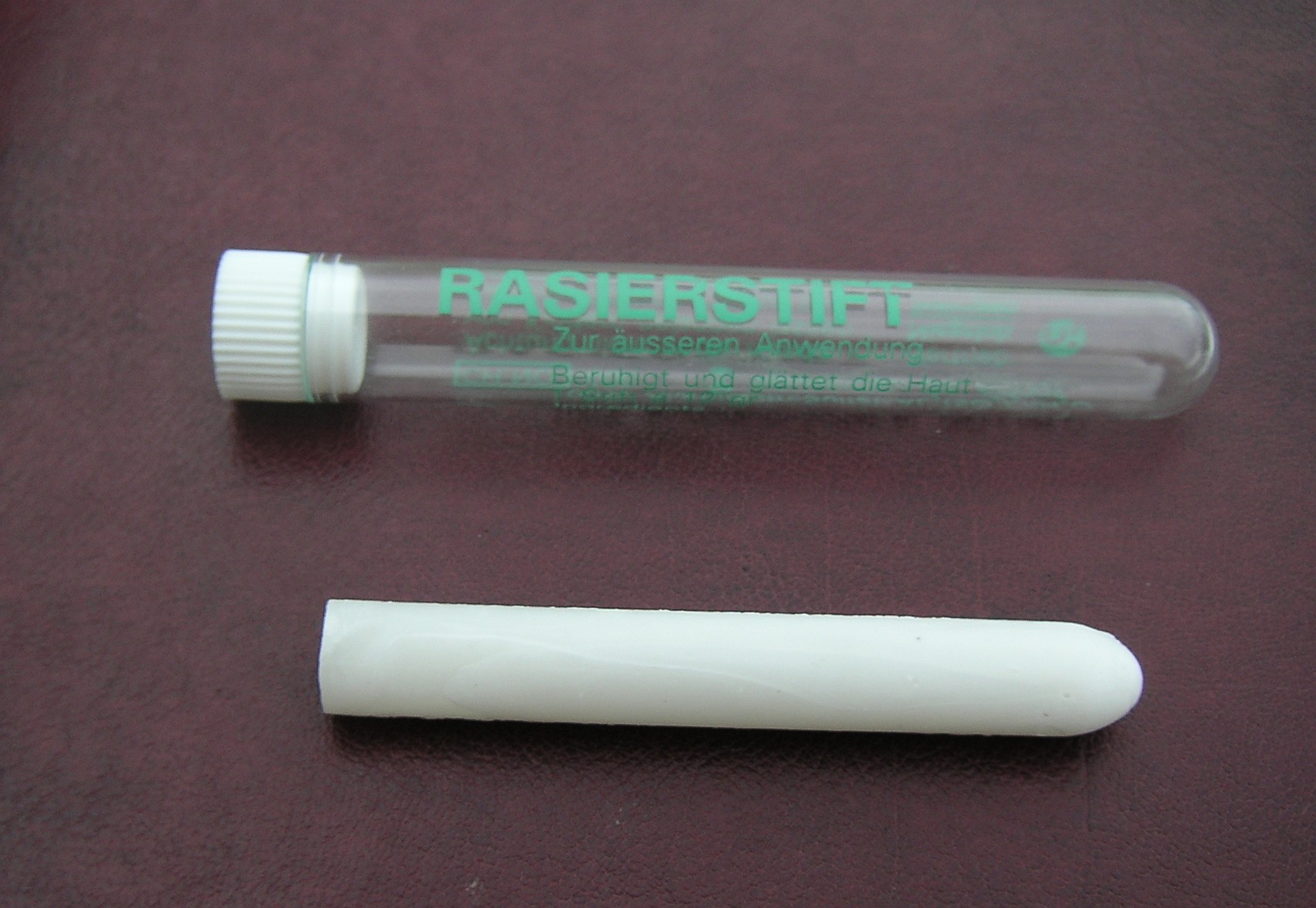
The same applied to the styptic pencil, a stick of a coagulant compound moistened and touched to a cut, carried in the barber’s drawer and used as needed.
Single use only, in every American jurisdiction, for the same reason. The compound is unchanged and entirely effective; the prohibition is on applying one stick to more than one person.
Both of these items are worth noting because they show how narrow the regulation actually is. Nothing was banned as a substance. The rule is about how many people an object may touch.
7. Dusted necks with a shared brush and loose talc
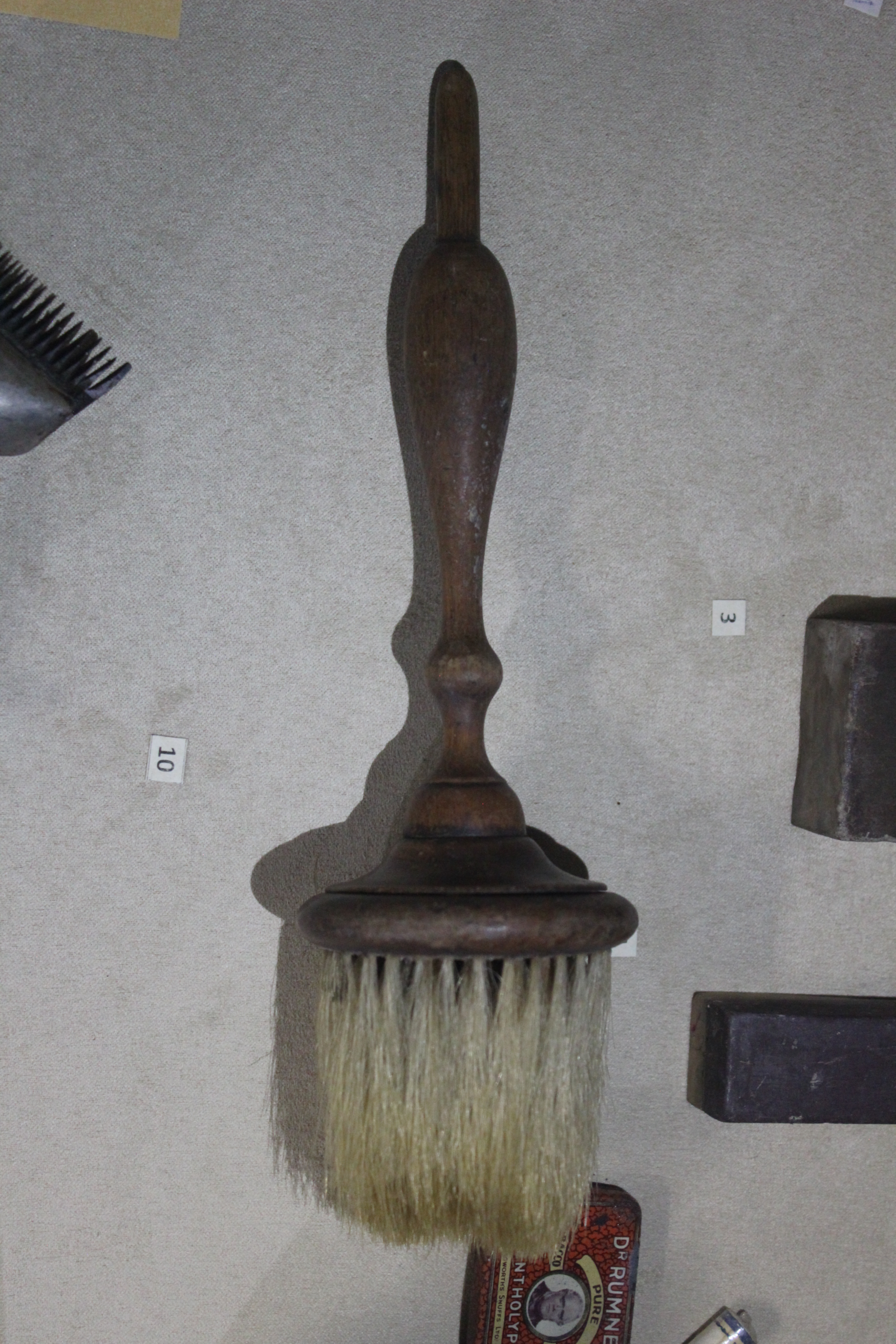
The neck duster was a soft brush and a bowl or shaker of loose talc, applied to every customer to take the hair off the skin, with the brush going back into the powder each time.
The brush now has to be cleaned and disinfected between clients or be single-use, and loose powder dispensing of this kind has largely been replaced. There is a separate question about the talc itself, since cosmetic talc and asbestos occur together geologically and a testing and specification regime has been established in recent years.
A shared brush loaded with powder is an efficient way of moving material between faces, which is the sanitation point. The talc question is covered properly elsewhere in this series and no claim about any product is made here.
8. Combed, clipped and cut with no disinfection at all
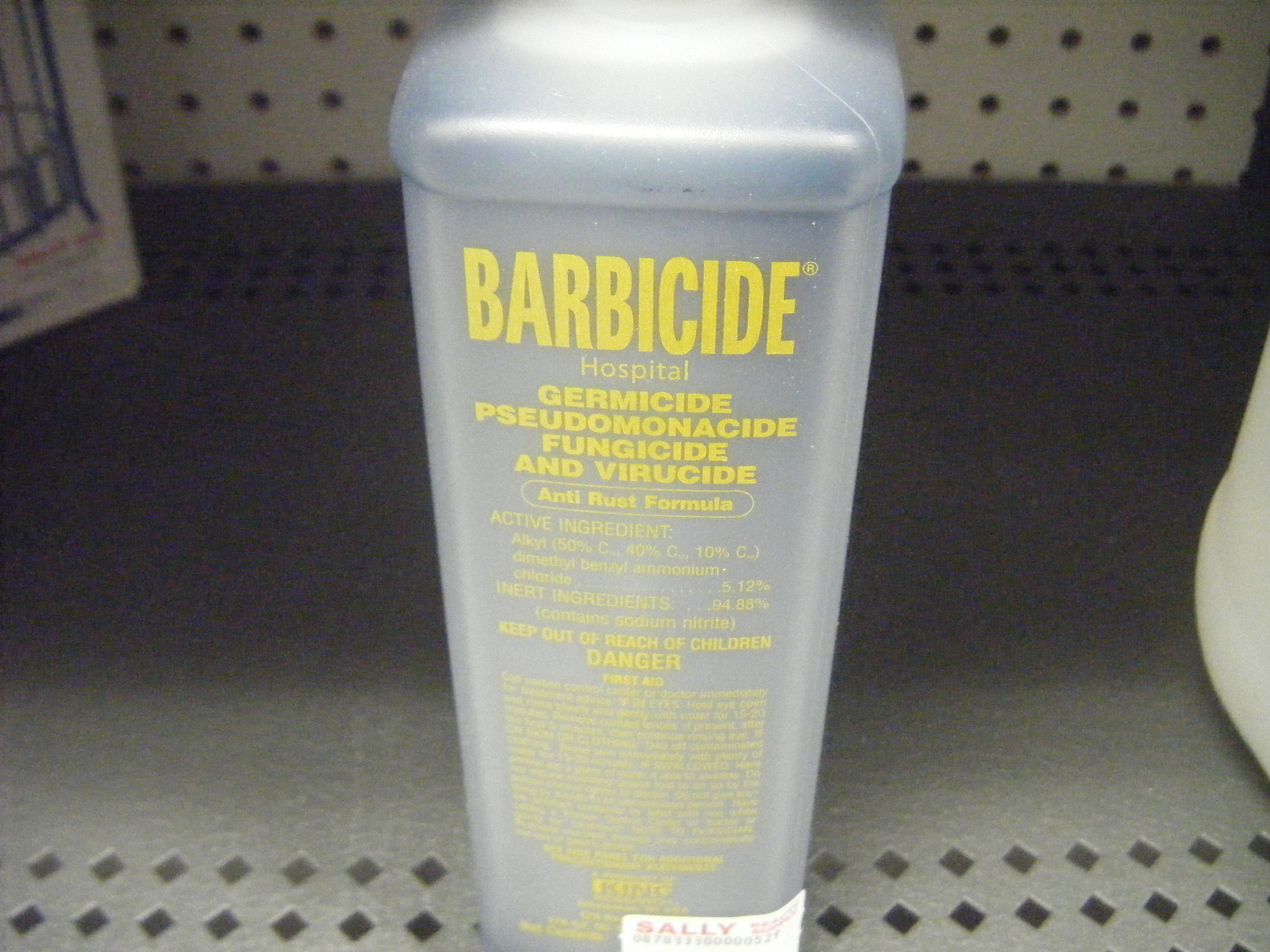
Combs, scissors, clippers and clipper blades went from customer to customer. Some shops kept a jar of blue liquid on the shelf and dipped a comb in it, which was more gesture than process, and the clipper blades were brushed off and used again.
American boards now require cleaning followed by disinfection with a product registered for the purpose at the stated contact time, with disinfected implements stored separately from used ones, and the regime is inspected. Clipper blades specifically have their own requirements because hair and skin debris lodge in them.
The contact time is the part that was missing rather than the chemical. Dipping a comb in a jar and shaking it off achieves nothing; leaving it in the solution for the stated number of minutes is the whole of the procedure, and that distinction is what the modern inspection checks.
9. Had no precautions for blood at all
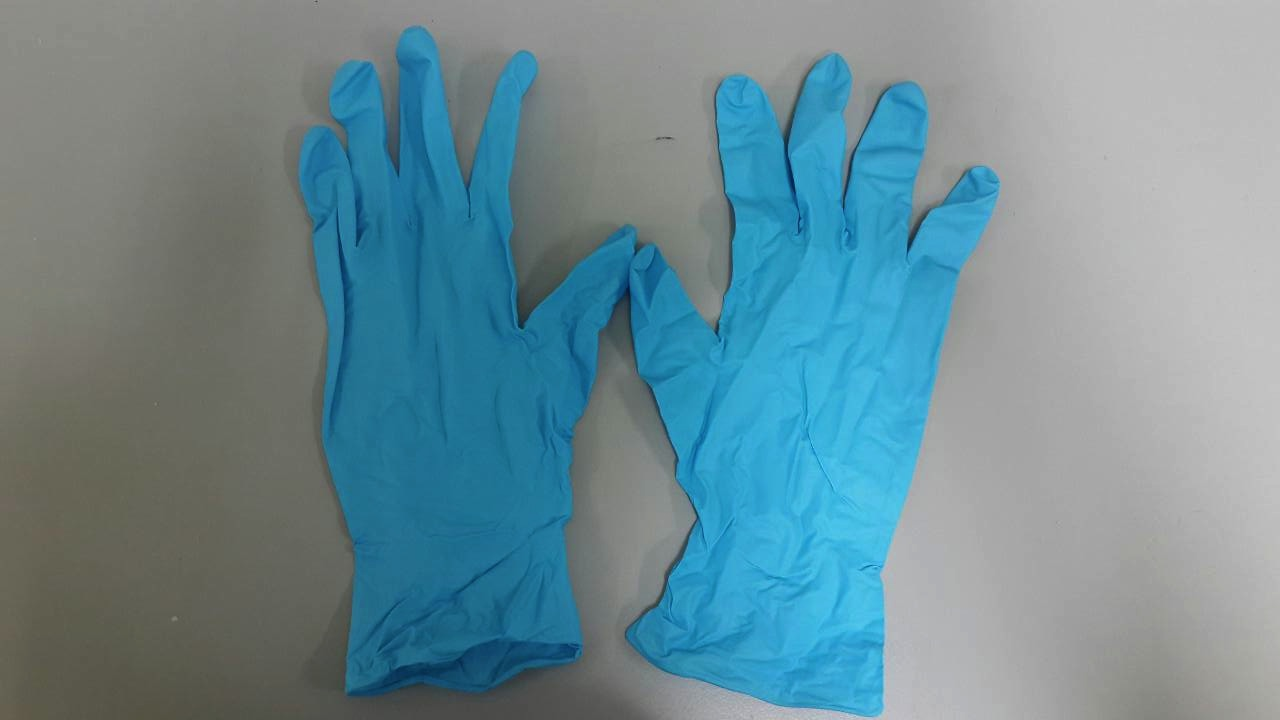
There was no protocol for a cut. The barber wiped it, applied the alum, carried on, and handled the next customer with the same hands and the same implements. Gloves were not worn and were not available in a form anybody would have used.
The American occupational bloodborne pathogens standard, issued in 1991, requires exposure control planning, barrier protection and specific procedures where workers may contact blood, and state barbering rules were rewritten around it. The modern requirement on a barber who draws blood is a defined procedure.
The standard arrived in 1991 for reasons connected to a disease that had not been identified in 1960. That is the honest framing: the 1960 barber was not ignoring a known risk, and the people who wrote the 1991 rules were responding to something nobody had been able to see.
10. Singed the hair with a flame
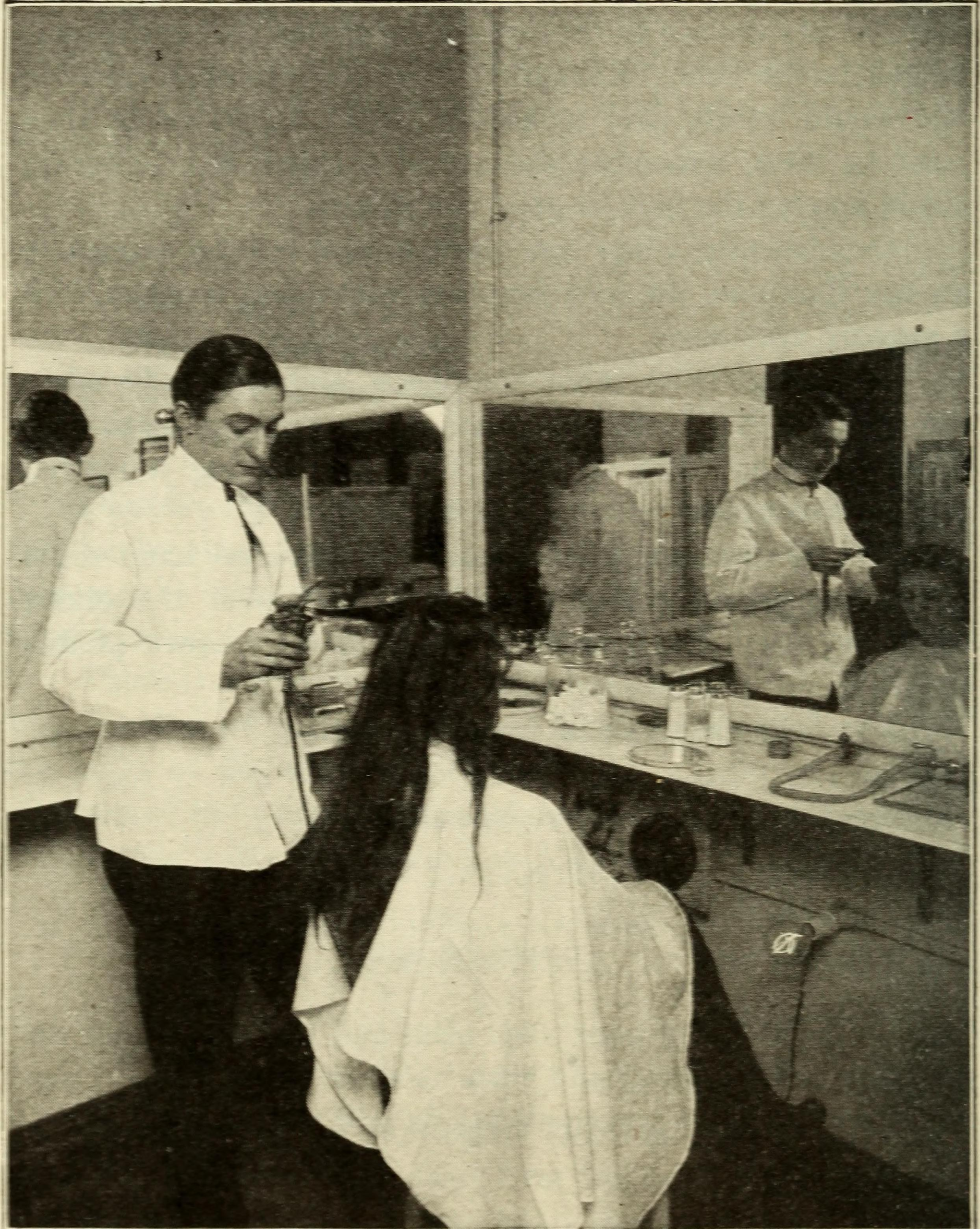
Singeing — passing a lit taper or a wax candle along the cut ends of the hair — was a traditional finishing service offered on the theory that it sealed the hair and prevented the loss of its strength.
It is prohibited or restricted in most American jurisdictions on fire safety grounds, in a shop full of hair, alcohol-based tonics and flammable products, and the underlying theory about sealing the hair shaft has no basis.
It is the one item on the list that was simply a bad idea rather than a reasonable practice overtaken by evidence, and it had already become uncommon by 1960. It survives in a few places as a specialty and it is a performance rather than a treatment.
11. Applied a progressive dye containing a lead compound
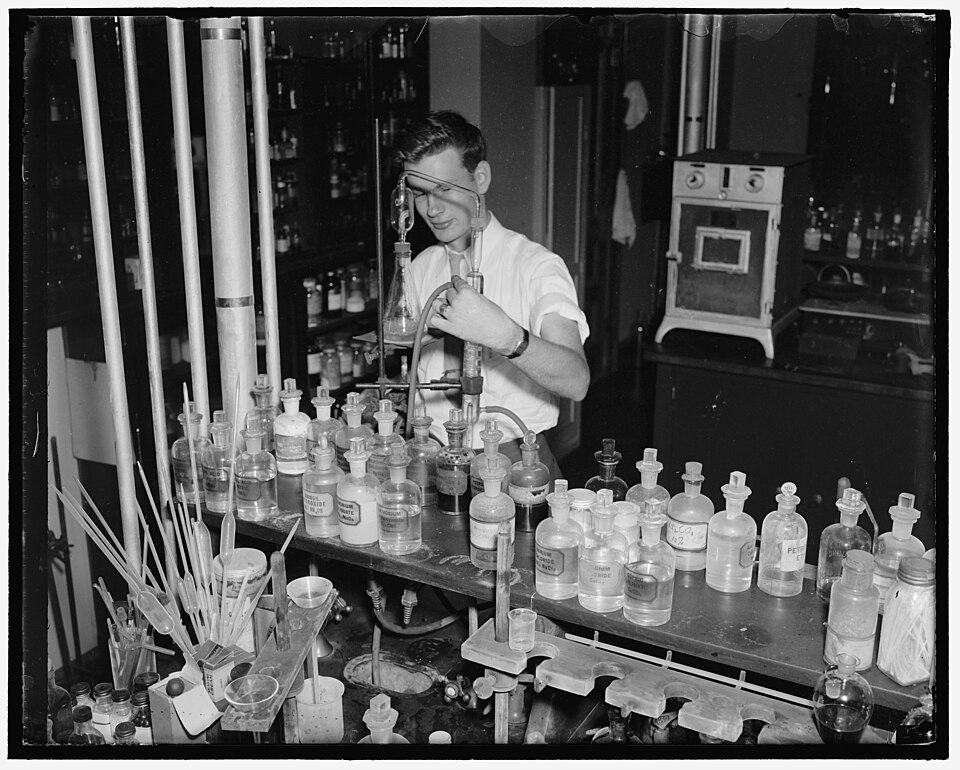
The gradual darkening hair dyes used by men, applied repeatedly over weeks, worked by depositing a lead compound in the hair. Barbers applied them as a service and sold them over the counter.
The Food and Drug Administration repealed the approval for lead acetate in hair dye in 2018, concluding there was no longer a reasonable certainty of no harm, and the products were withdrawn from the American market. That date is remarkably recent for a deliberately added lead compound applied to the scalp.
The consumer side of American cosmetics regulation is covered separately in this series. The point here is the occupational one: the barber was applying it, repeatedly, with his hands, several times a day.
12. Sold scalp tonics that claimed to do things
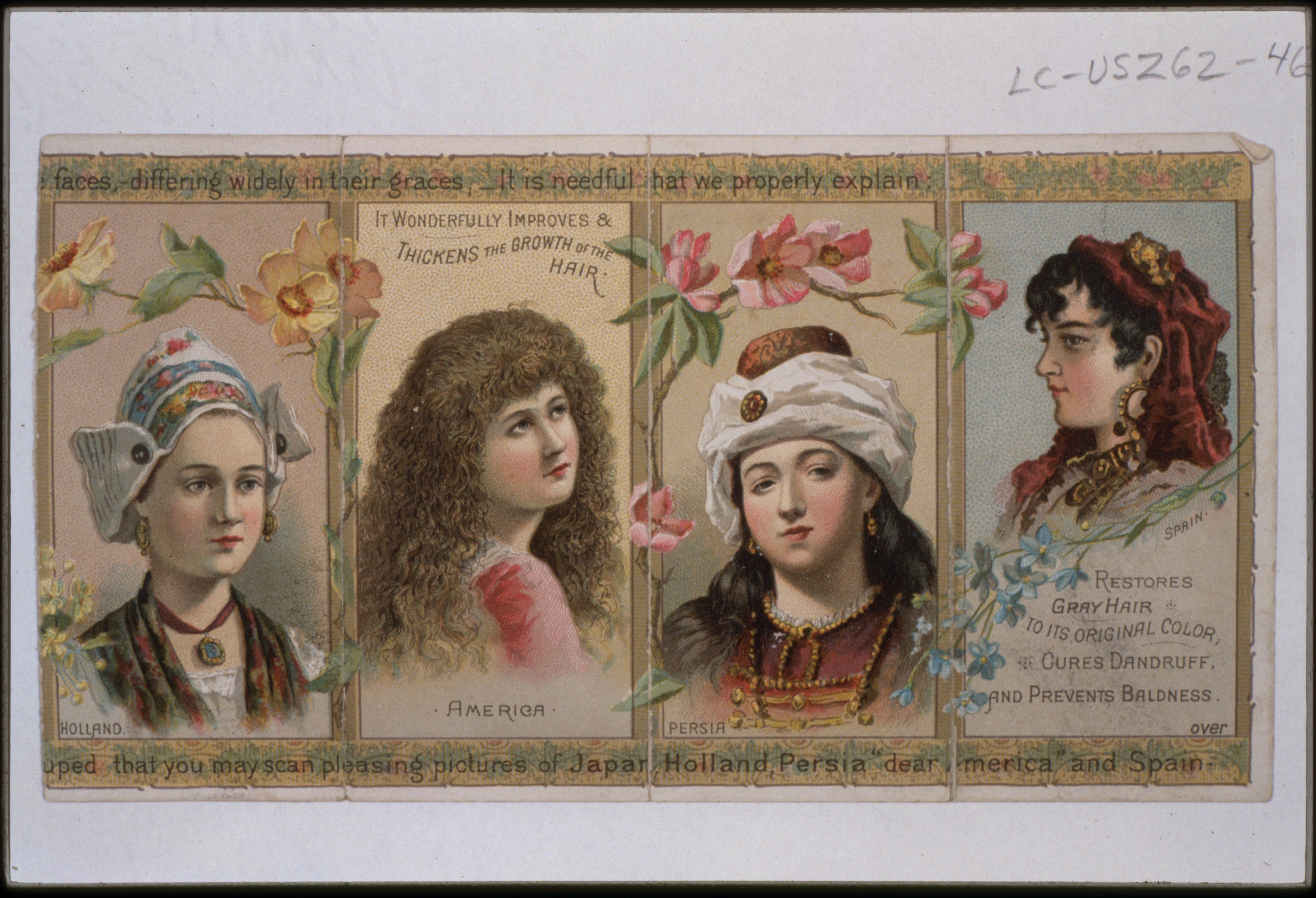
The shelf behind the chair carried tonics, dressings and treatments sold with claims about hair loss, dandruff, scalp conditions and growth, formulated with alcohol, sulfur, resorcinol and a variety of other active ingredients.
A product claiming to treat a condition is a drug under American law and requires authorisation, which effectively ended the barbershop tonic as a therapeutic proposition. The 1962 effectiveness requirement and the subsequent federal review of marketed products removed a great many of these from sale entirely.
The bottles are highly collectable and the labels are the reason. They make claims that no American product could make now, in language that assumes the customer will take the barber’s word for it, which in 1960 he generally did.
13. Treated scalp infections across the chair
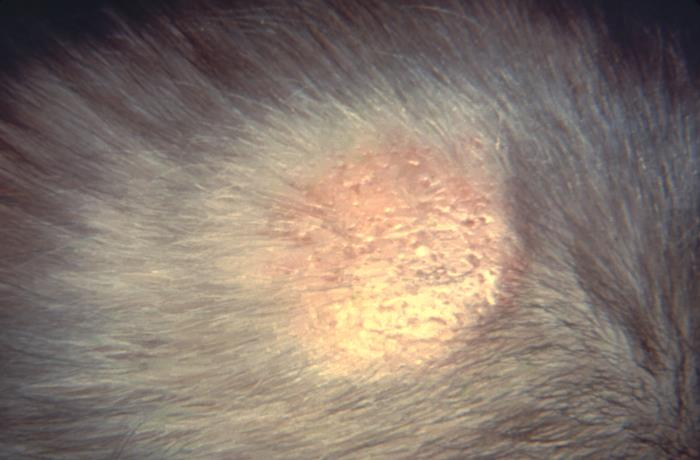
Barbers dealt with scalp conditions as part of the trade, including the fungal infections that were common enough to be named after the profession, and the treatment was whatever was on the shelf plus a recommendation.
American boards now prohibit servicing a client with a visible scalp or skin infection, require referral rather than treatment, and the barber’s role is explicitly non-clinical. The implements regime above exists substantially because of this specific transmission route.
This is the single clearest public health argument for the whole body of barbering sanitation law. A trade in which one person’s implements touch hundreds of scalps is a distribution system for anything living on a scalp, and the rules follow directly from that.
14. Smoked while cutting
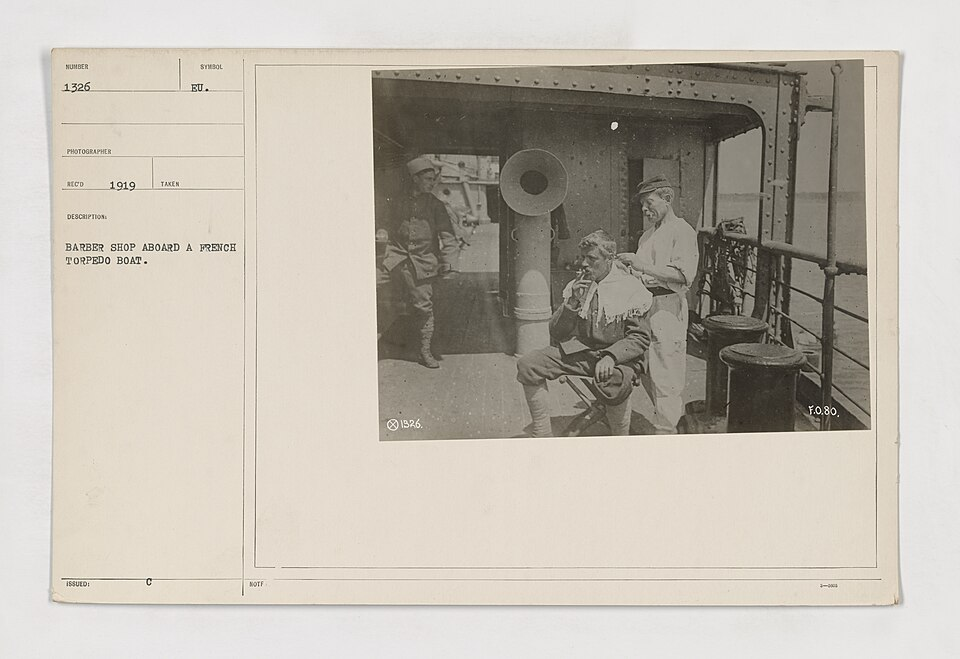
The barber smoked, the waiting customers smoked, and the ashtrays were part of the furniture. A cigarette was commonly held or set down mid-cut, in a room with hair on the floor and alcohol-based tonics on the shelf.
Smoking is prohibited in American workplaces and public accommodations across the great majority of states and municipalities, and the fire question in a barbershop specifically is not trivial given the flammability of the tonics and the hair.
The domestic side of American smoking in this period is covered separately in this series. The point here is that the barbershop was one of the last male social spaces where it persisted, and its disappearance changed the character of the room more than any sanitation rule did.
15. Took on apprentices with no licensing path
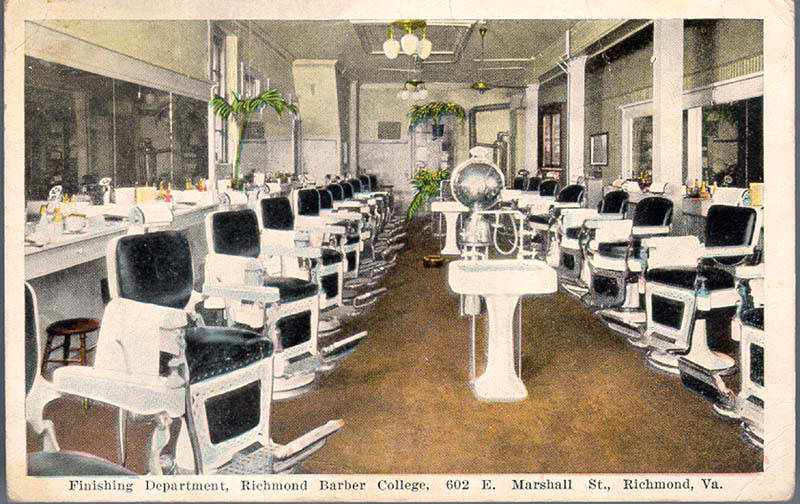
Boys came into the shop, swept up, lathered faces, and learned by doing until they were cutting hair. The arrangement was informal, the training was unstructured and the progression was at the master’s discretion.
American barbering is now a licensed occupation in every state, with defined training hours at an approved school, written and practical examinations, licence renewal and continuing education in several states, and apprenticeship routes that are themselves regulated.
The licensing is as much about sanitation as about cutting. A great deal of what an American barbering examination tests is the disinfection regime described throughout this list, which is why the licence exists in a trade where the consequence of a bad haircut is only a bad haircut.
16. Ran the shop as a social institution with a chair for anybody
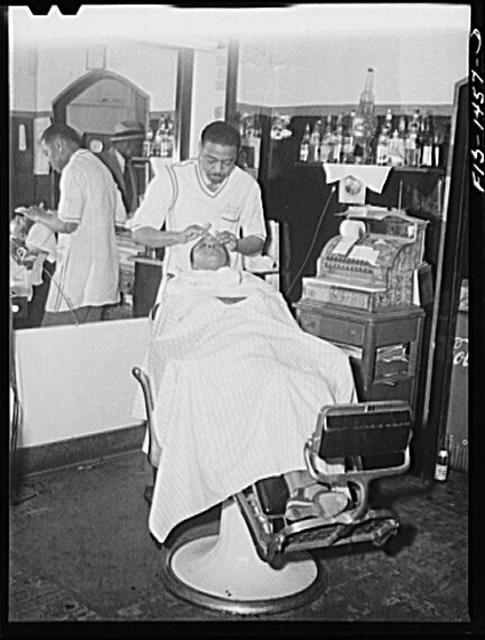
The last item is not a prohibition. The 1960 barbershop was a place men sat for an hour without a haircut: the newspaper, the radio or the ball game, the conversation, the boy on the booster board across the arms of the chair waiting his turn.
Nothing ended that by rule. What ended most of it was the collapse of the trade in the late 1960s and 1970s, when longer hair and the rise of unisex salons took a large share of the business, followed by chain haircutting with appointment systems and shorter visits.
The institution survives in places, and the places where it survives most strongly are the Black barbershops described in the first item, which became community centres precisely because they had to be. That is the honest shape of the whole piece: the thing worth missing and the thing worth not forgetting are the same building.
One object, one person
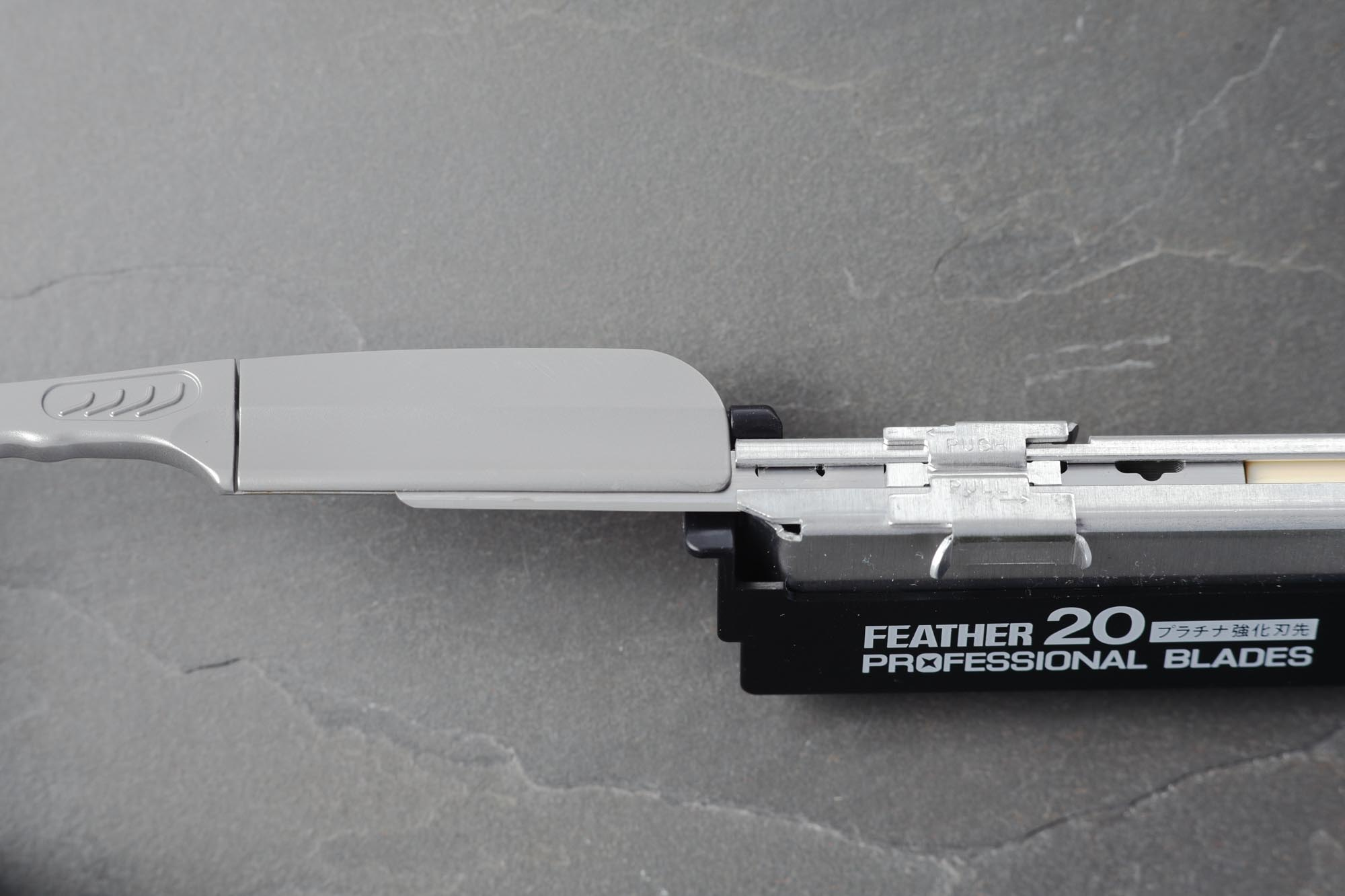
The whole body of American barbering sanitation law reduces to a single principle, and the list makes it unusually visible: an object that contacts one person’s skin or blood does not then contact another’s. Everything follows from that. The razor becomes a disposable blade in a reusable holder. The alum block becomes a single-use stick. The brush is disinfected or discarded. The towel is laundered. The comb goes into solution for a stated number of minutes rather than being dipped. The clipper blade gets its own procedure.
None of it required a new substance, a new machine or a significant cost. It required somebody to work out which objects were crossing between customers, and then to inspect for it. The 1991 bloodborne pathogens standard is what made the inspection serious, and the trade has been reorganised around it so completely that a 1960 barber watching a modern shop would recognise every tool and almost none of the procedure.
The item worth sitting with is the first one, and the reason it is first rather than buried in the middle is that a list like this otherwise turns a segregated institution into a piece of warm nostalgia about hot towels.
The second thing worth sitting with is the last one. Nothing in the regulation closed the barbershop as a social space. Fashion and chain retail did that, and the shops that held onto it are largely the ones that were built to be more than a barbershop in the first place.
Like our content? Follow us for more.