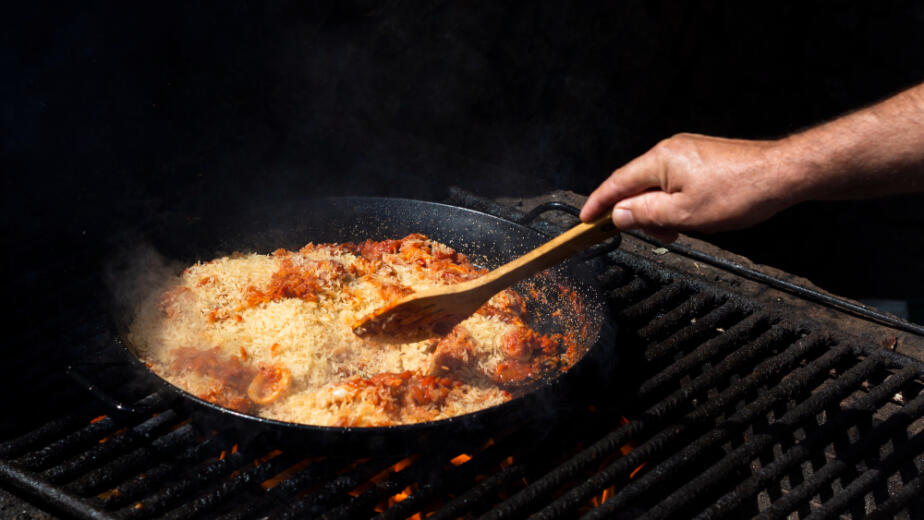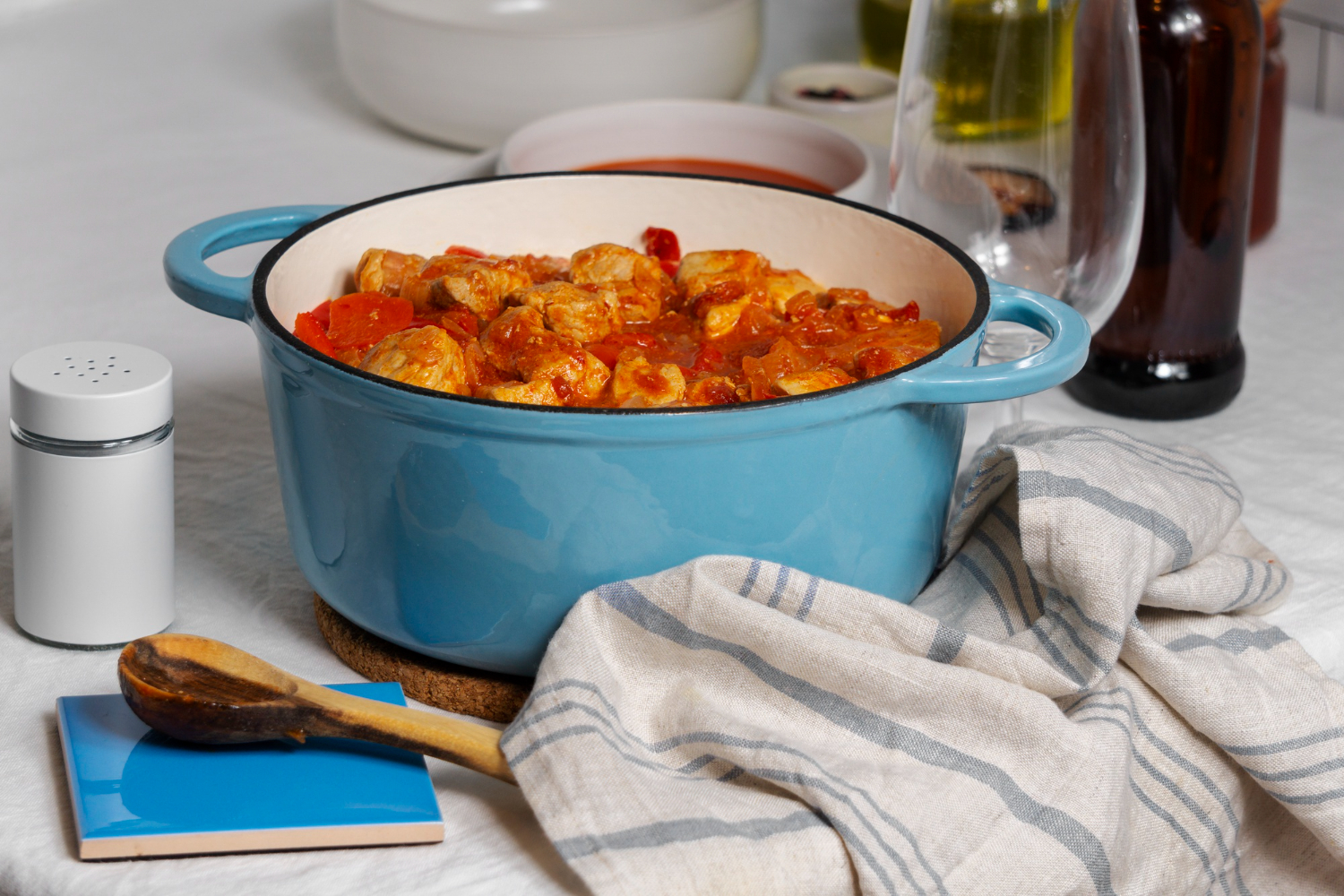
The defining property of one-pot cooking is that nothing leaves. Every liquid, every dissolved compound and everything rendered stays in the vessel and ends up in the dish. Here are sixteen consequences.
1. Flavour Moves in Both Directions
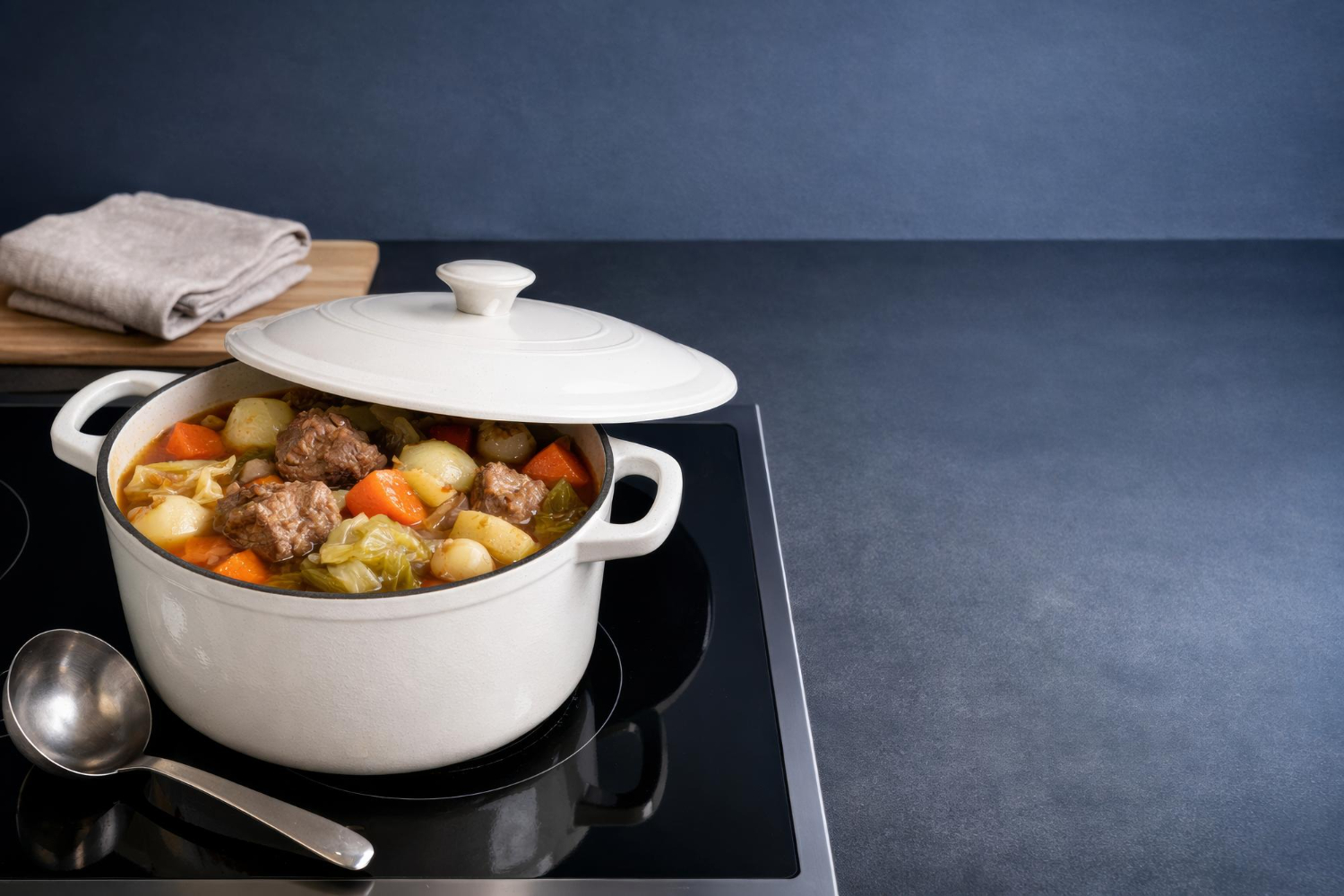
In separate pans, each ingredient tastes of itself. In one pot, everything is simultaneously flavouring and being flavoured by everything else through a shared liquid.
That two-way exchange is the entire mechanism. Shared liquid is the reason a one-pot dish tastes unified rather than assembled.
Like our content? Follow us for more.
2. Nothing Is Poured Away
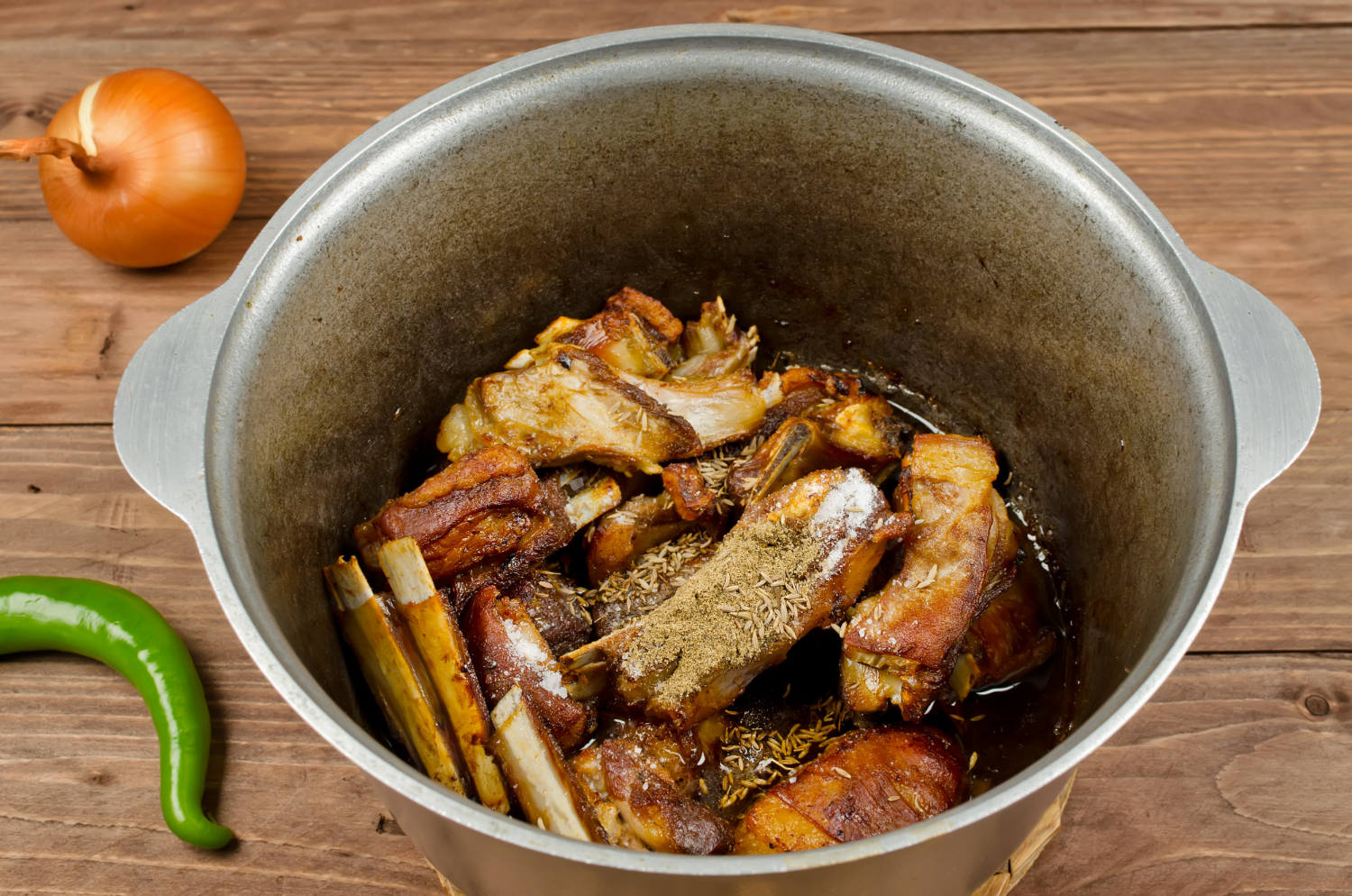
Every technique involving a separate pan discards something – blanching water, frying fat, cooking liquid – and one-pot cooking discards none of it.
Whatever came out of the ingredients is still in the dish. Losing nothing is the one-pot advantage that is arithmetic rather than skill.
3. Browning Happens in the Same Vessel
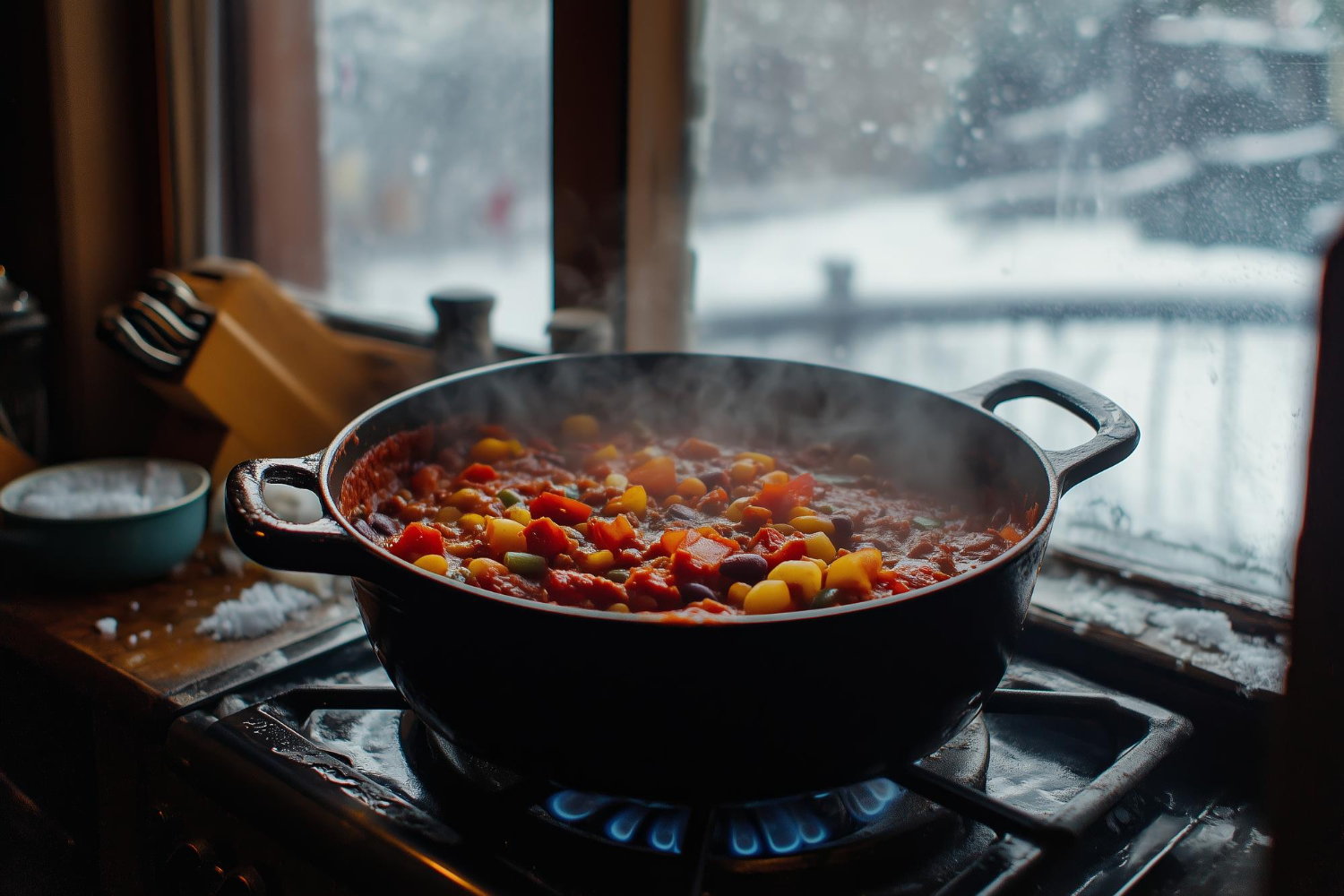
Searing ingredients first and then adding liquid to the same pot dissolves the browned residue stuck to the base, which contains a substantial proportion of the developed flavour.
Using a separate pan for browning throws that away. Same-vessel browning is the step that turns a boiled dish into a cooked one.
4. Starch Does the Thickening
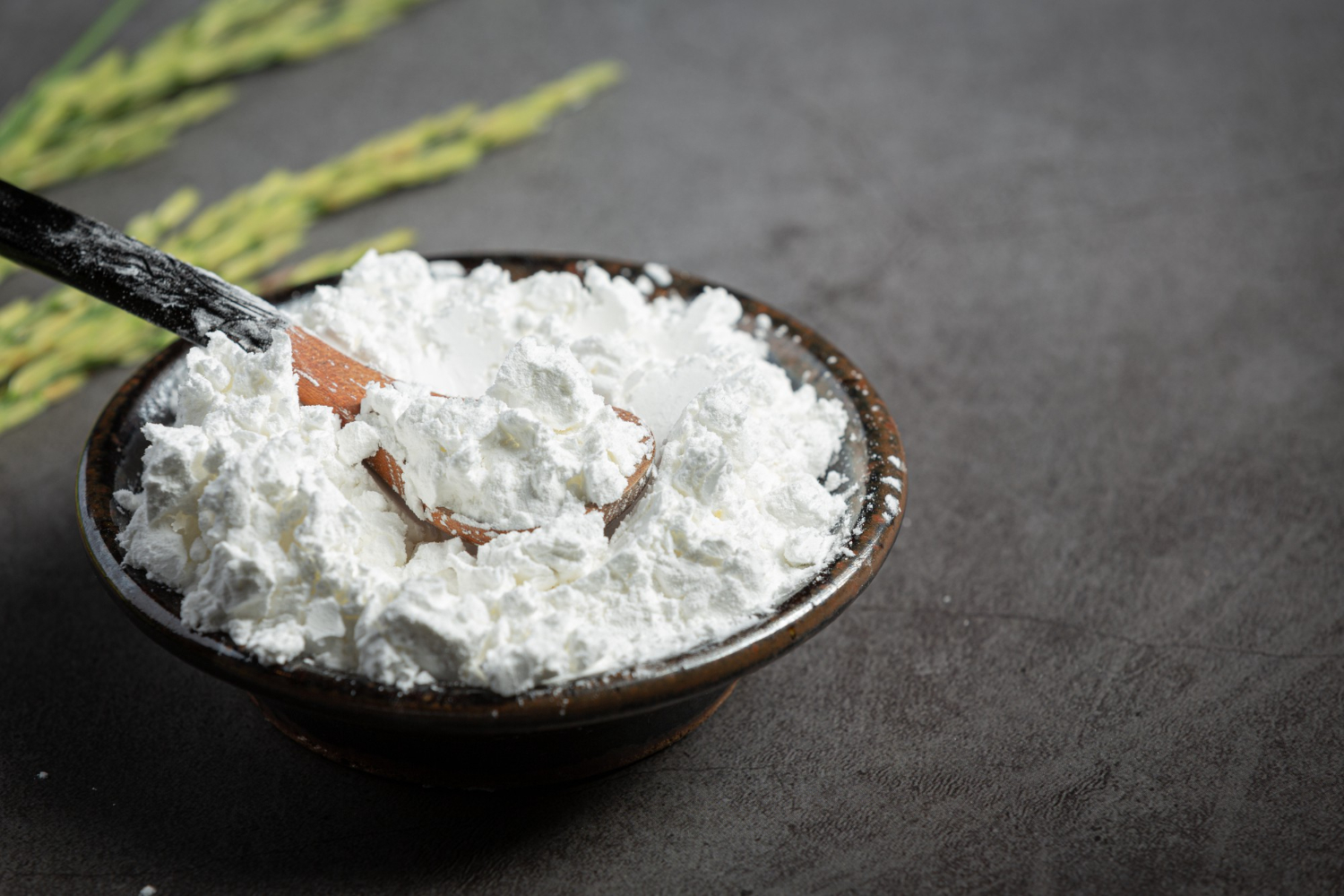
Grains, potatoes and pulses release starch into the surrounding liquid as they cook, thickening it without any added thickener and without anybody making a sauce.
The dish makes its own sauce as a by-product. Released starch is the one-pot mechanism that removes a whole separate operation.
5. Layering by Cooking Time
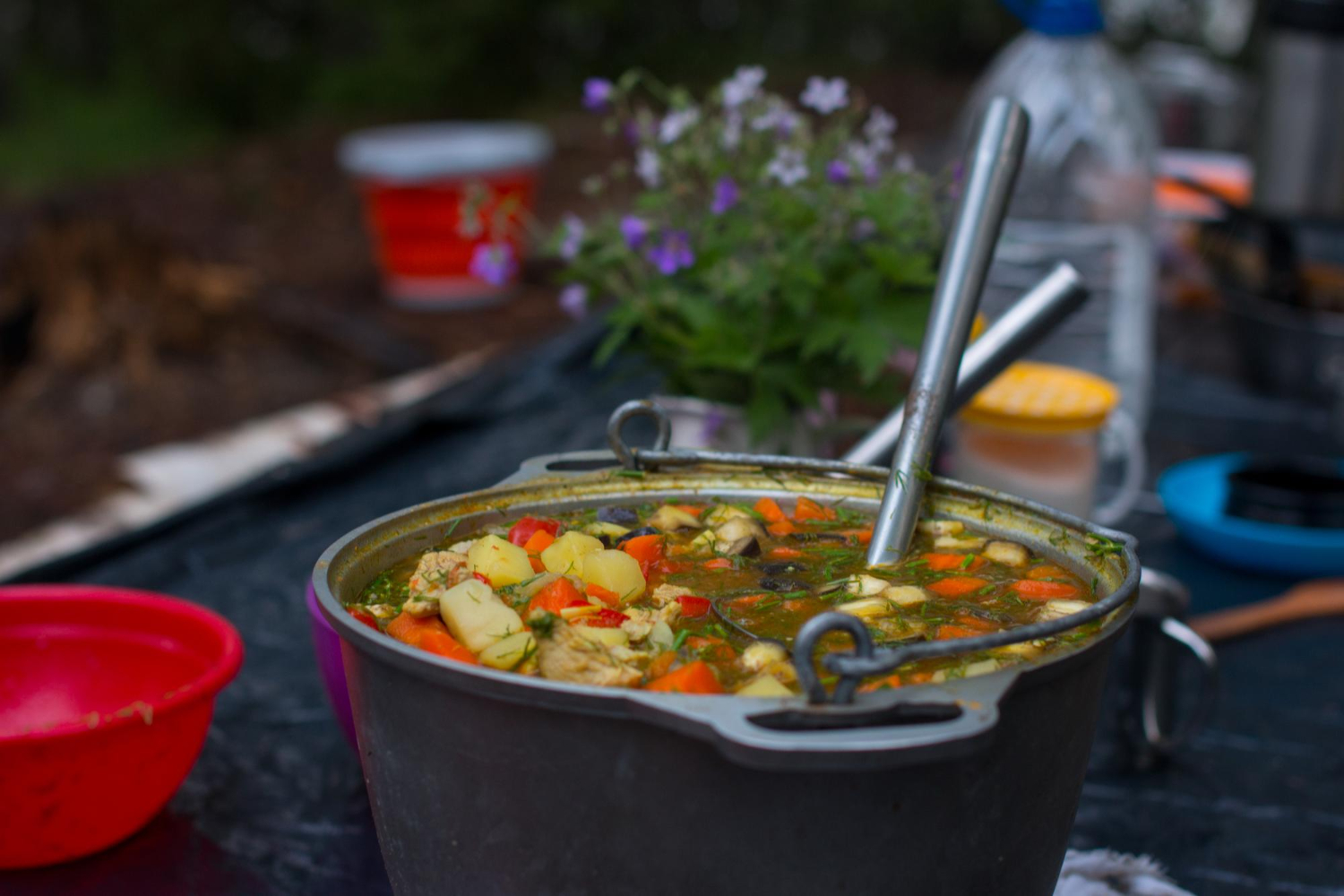
The core skill is sequencing – slow ingredients first, faster ones later – so that everything reaches doneness simultaneously in a vessel that offers only one temperature.
Getting the order wrong produces both raw and disintegrated components. Time layering is the one-pot skill that replaces having multiple pans.
6. The Crust at the Bottom
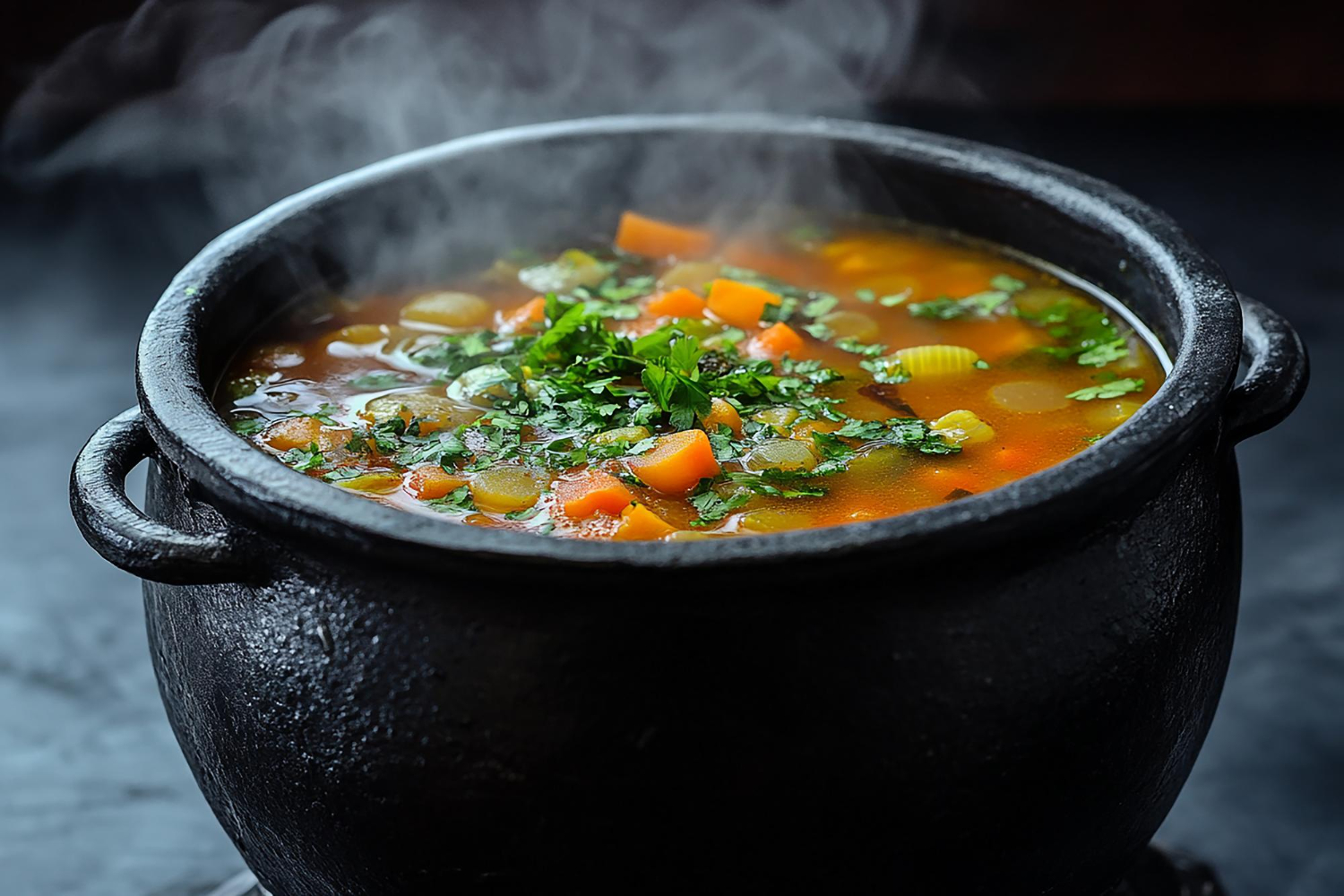
Where starch meets a hot base, a crust forms, and several cuisines regard that crust as the best part of the dish rather than as a mistake.
It has names in multiple languages and is served deliberately. The bottom crust is the one-pot by-product that became a delicacy.
7. The Pot Is the Serving Dish
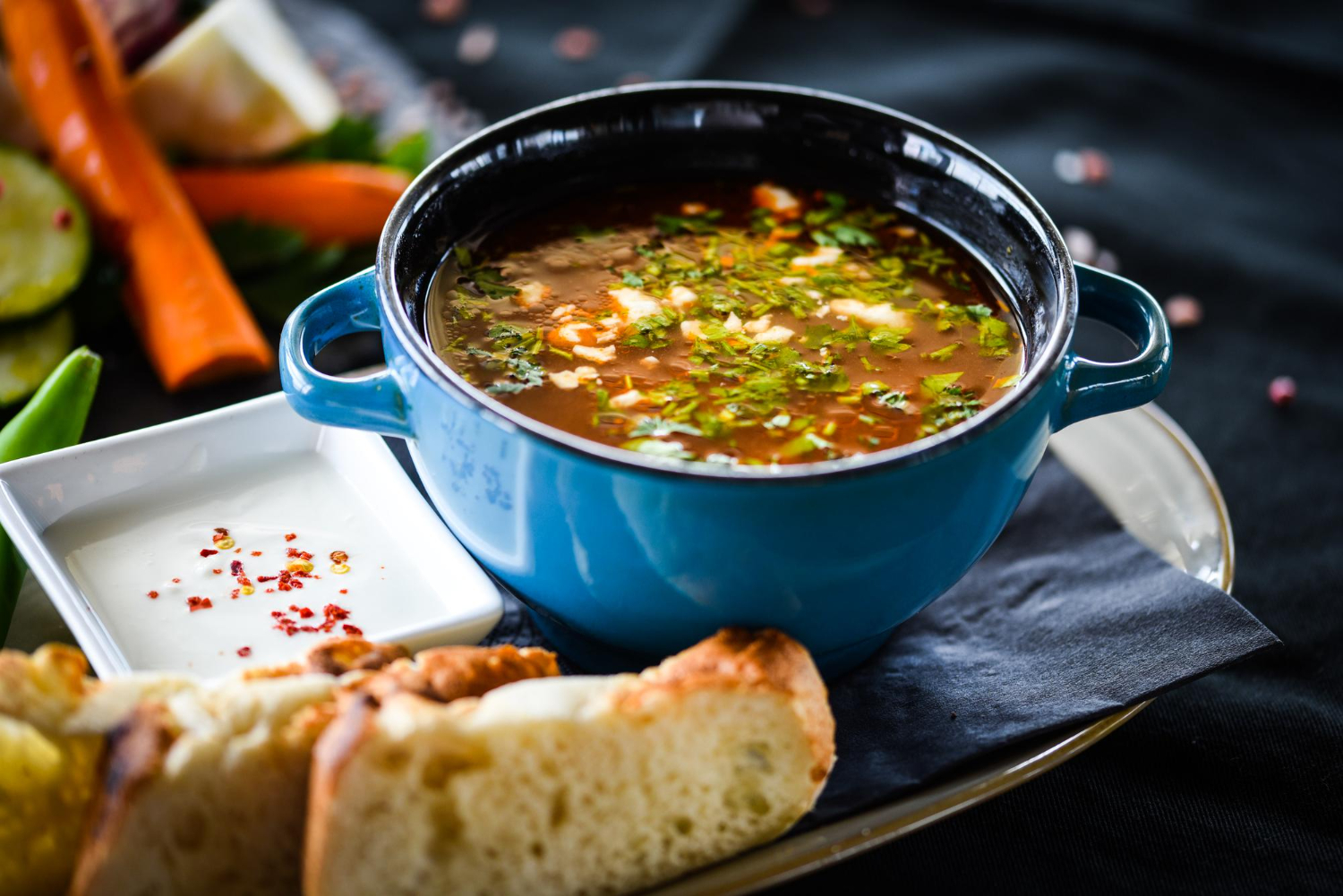
A great many one-pot traditions bring the vessel to the table, which keeps the food hot, saves washing and changes the eating from portioned to shared.
The vessel is part of the meal rather than equipment. Serving from the pot is the one-pot convention that alters the social arrangement.
8. Sealed Cooking Loses Nothing at All
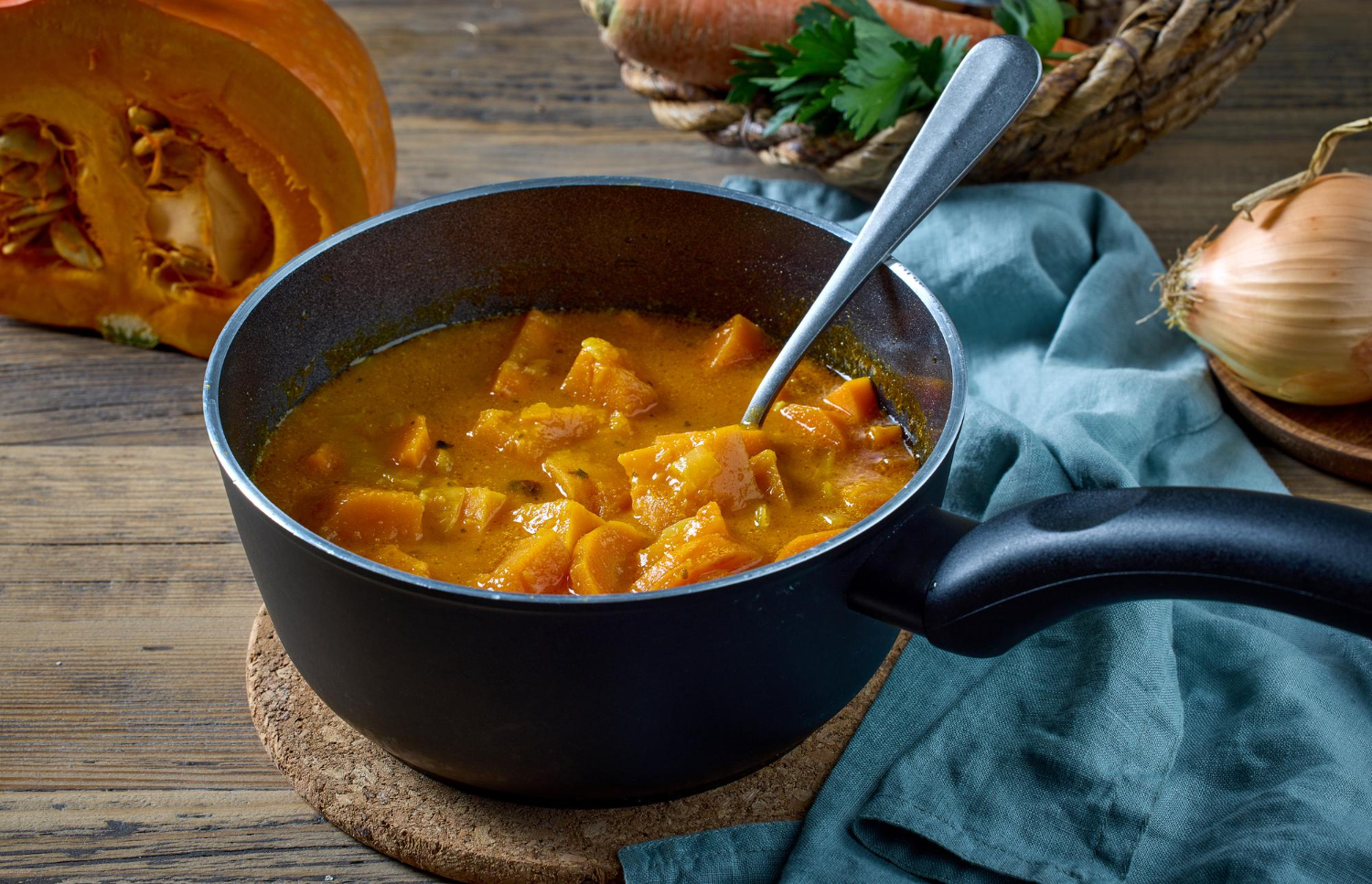
With a tight lid, moisture that evaporates condenses and returns, so the dish cooks in a closed system and the liquid level barely changes over hours.
That is why sealed vessels appear across so many cuisines independently. Sealed cooking is the version where even the steam stays.
9. Designed for One Heat Source
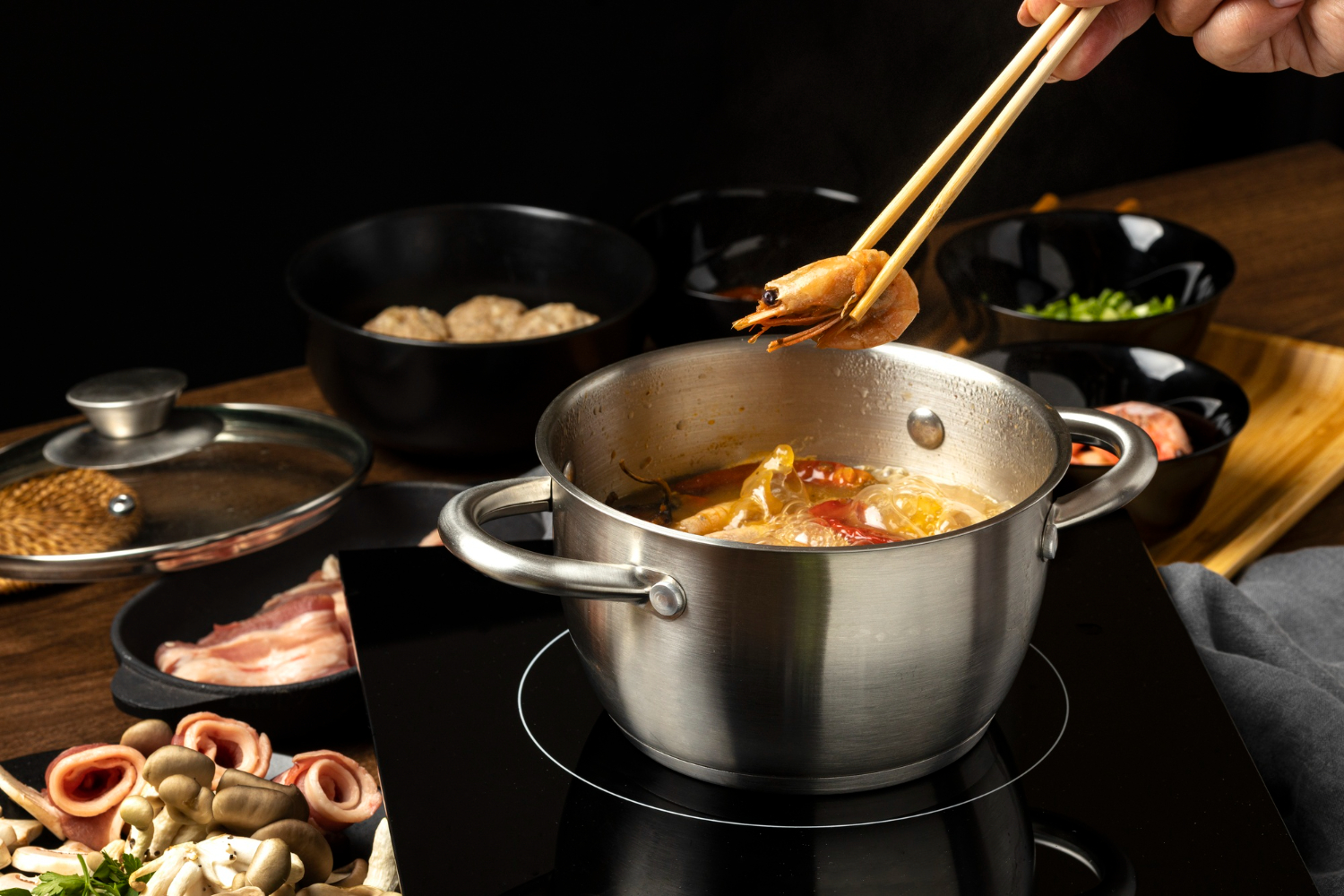
Where a household had a single fire or a single burner, a dish requiring one vessel was not a preference but the only possibility, and the cuisines built around that constraint are extensive.
The constraint produced the technique rather than limiting it. Single-source design is the origin of most of what is on this list.
10. Fuel Was the Real Constraint
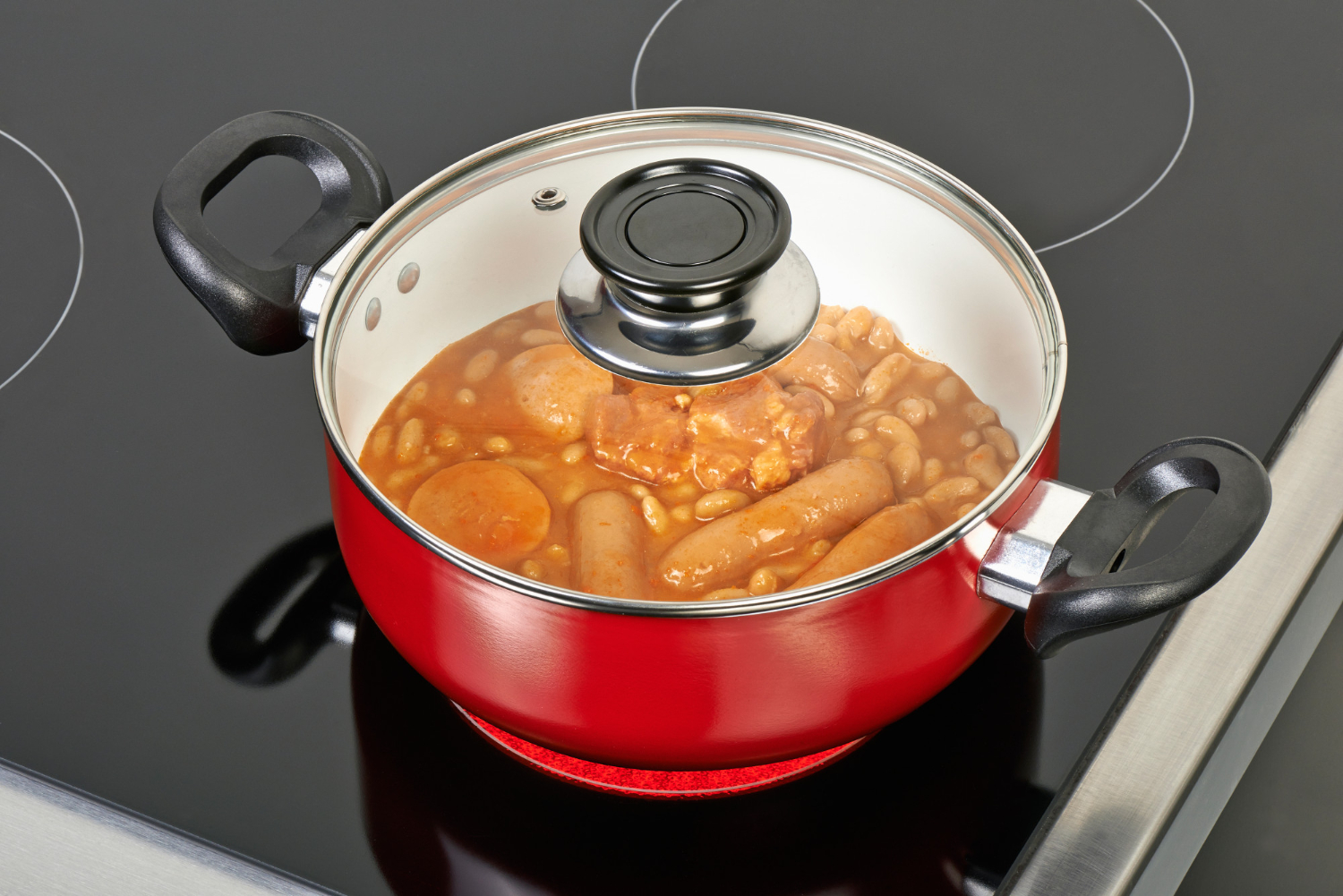
Heating one vessel uses substantially less fuel than heating three, and where fuel was gathered rather than bought that was the dominant consideration.
A great many traditional dishes are shaped by fuel economics rather than by taste. Fuel efficiency is the reason one-pot cooking is so widespread.
11. The Vessel Shape Is Specific
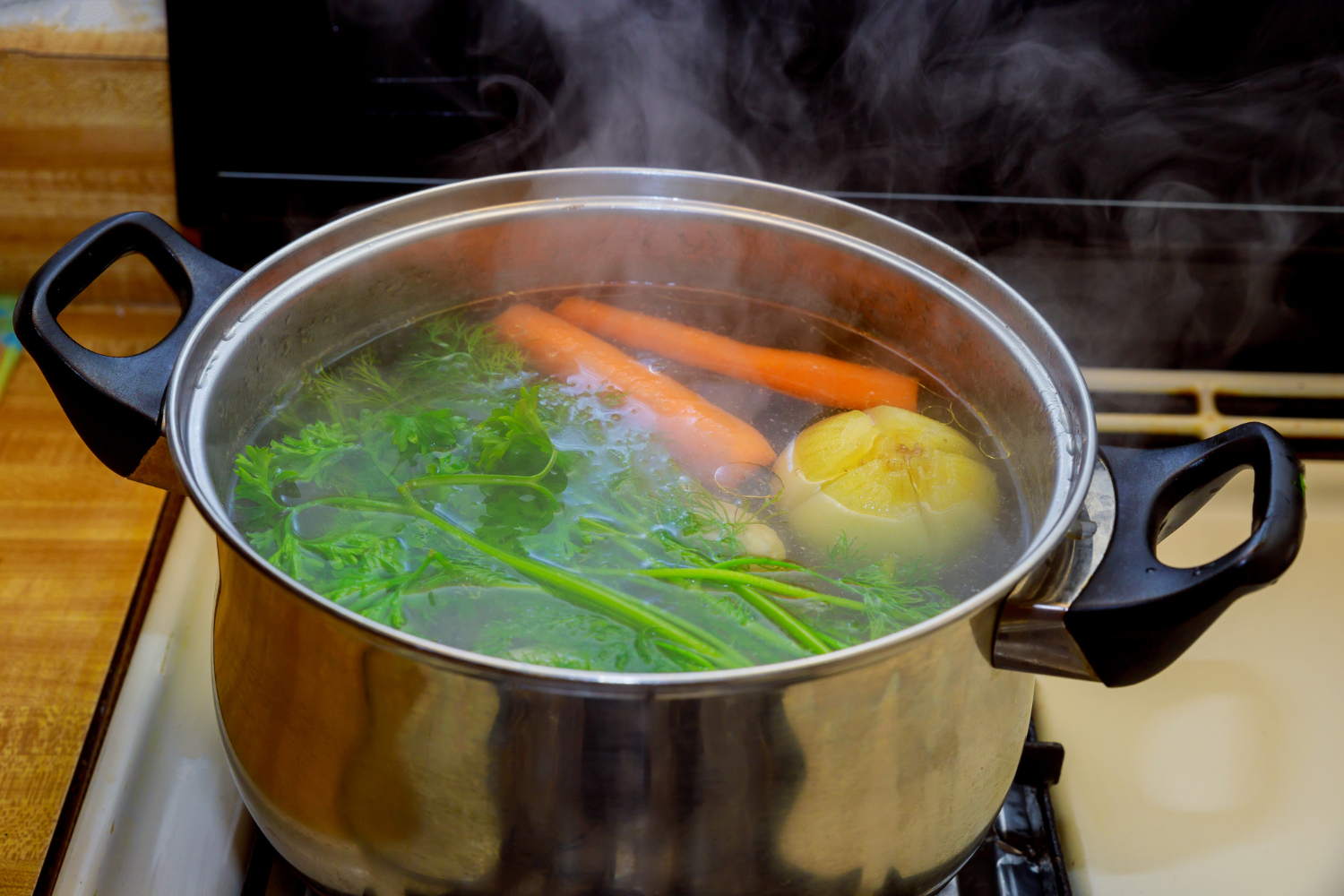
A number of traditions use a pot of a particular shape, depth or material for particular dishes, because the shape determines evaporation rate, heat distribution and how the contents circulate.
Several such vessels give the dish its name. Vessel shape is the one-pot variable that is frequently mistaken for decoration.
12. It Improves Overnight
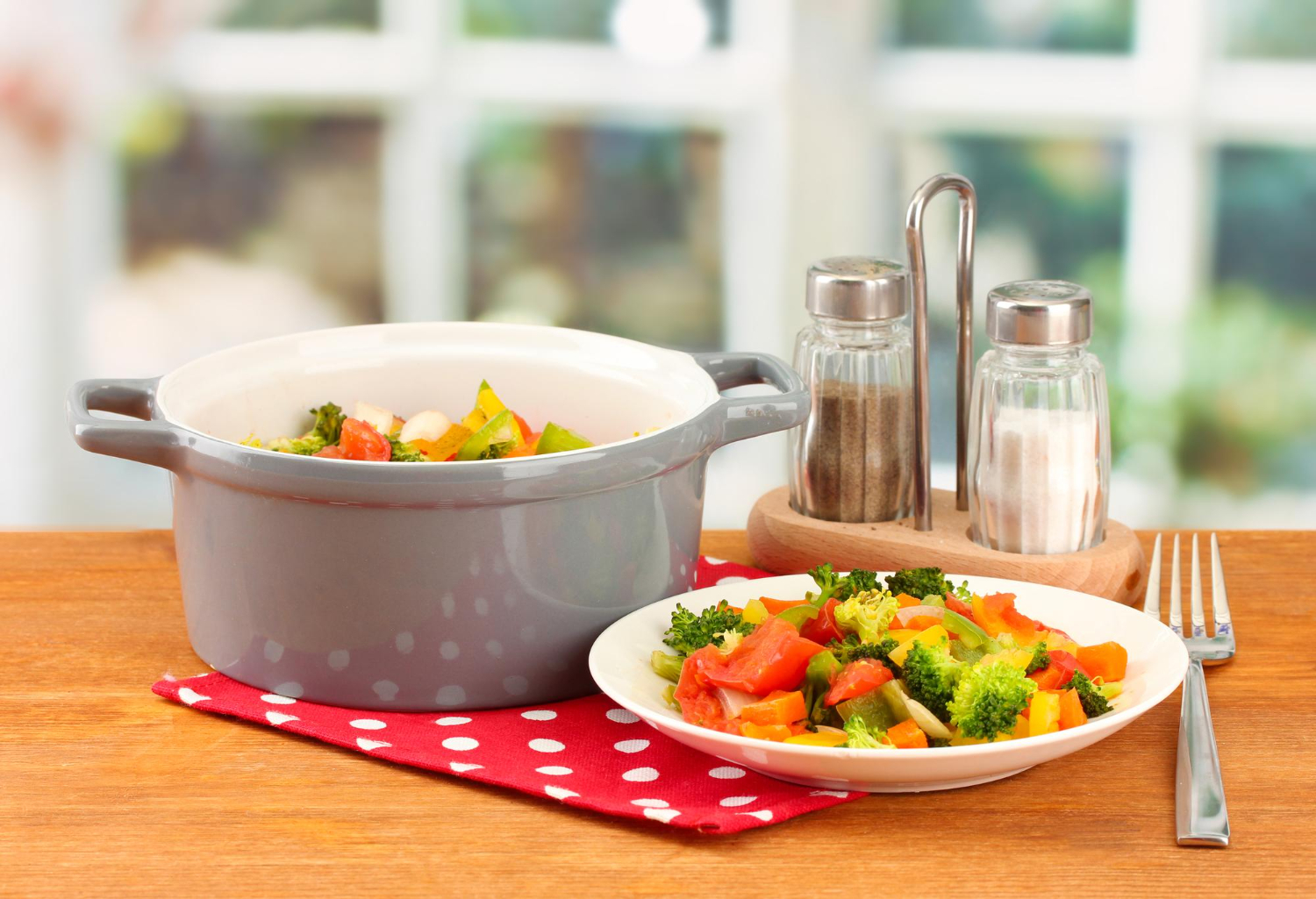
One-pot dishes generally taste better the following day, because the components continue exchanging with the shared liquid after the heat is off.
This is one of the few categories where the reheated version is truly preferred. Overnight improvement is the one-pot property that rewards making too much.
14. The Liquid Level Is the Whole Judgement
Almost every one-pot failure is a liquid problem – too much and the result is thin, too little and it catches and burns, and the correct level depends on how much the ingredients will release.
Experienced cooks judge it by looking rather than measuring. Liquid level is the one-pot decision that separates confidence from anxiety.
15. Everything Is Cut to Suit the Method
Ingredients in a one-pot dish are generally cut larger than they would be otherwise, because small pieces disintegrate over a long cooking time.
The knife work is determined by the duration rather than by presentation. Cutting for the method is the preparation decision made an hour in advance.
16. It Scales Without Getting Harder
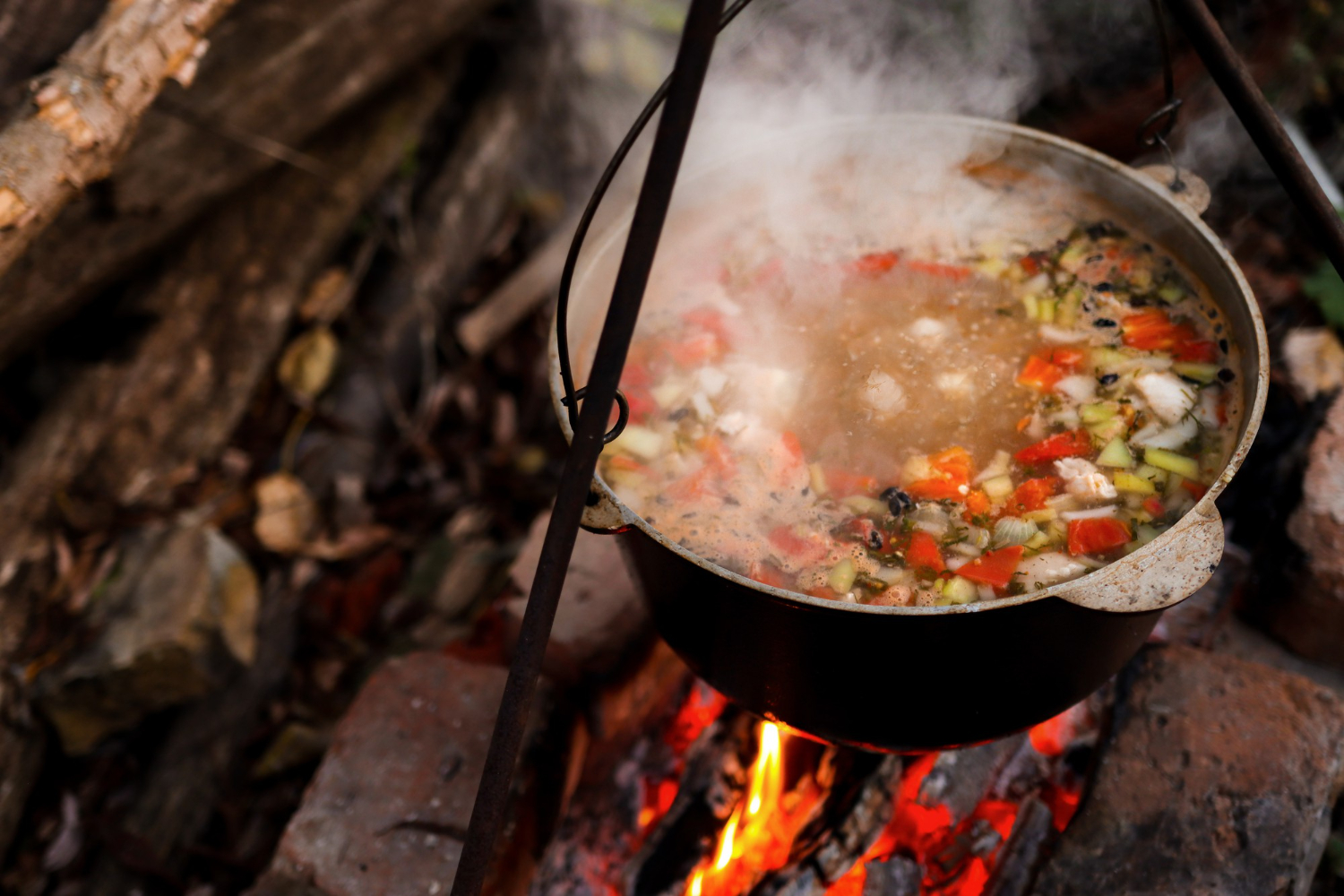
Doubling a one-pot dish requires a larger pot and almost no additional work, which is why the format dominates cooking for crowds in every culture that has one.
Nothing else in cooking scales that cleanly. Scalability is the one-pot property that made it the format for feeding everybody.
One Vessel, Nothing Discarded
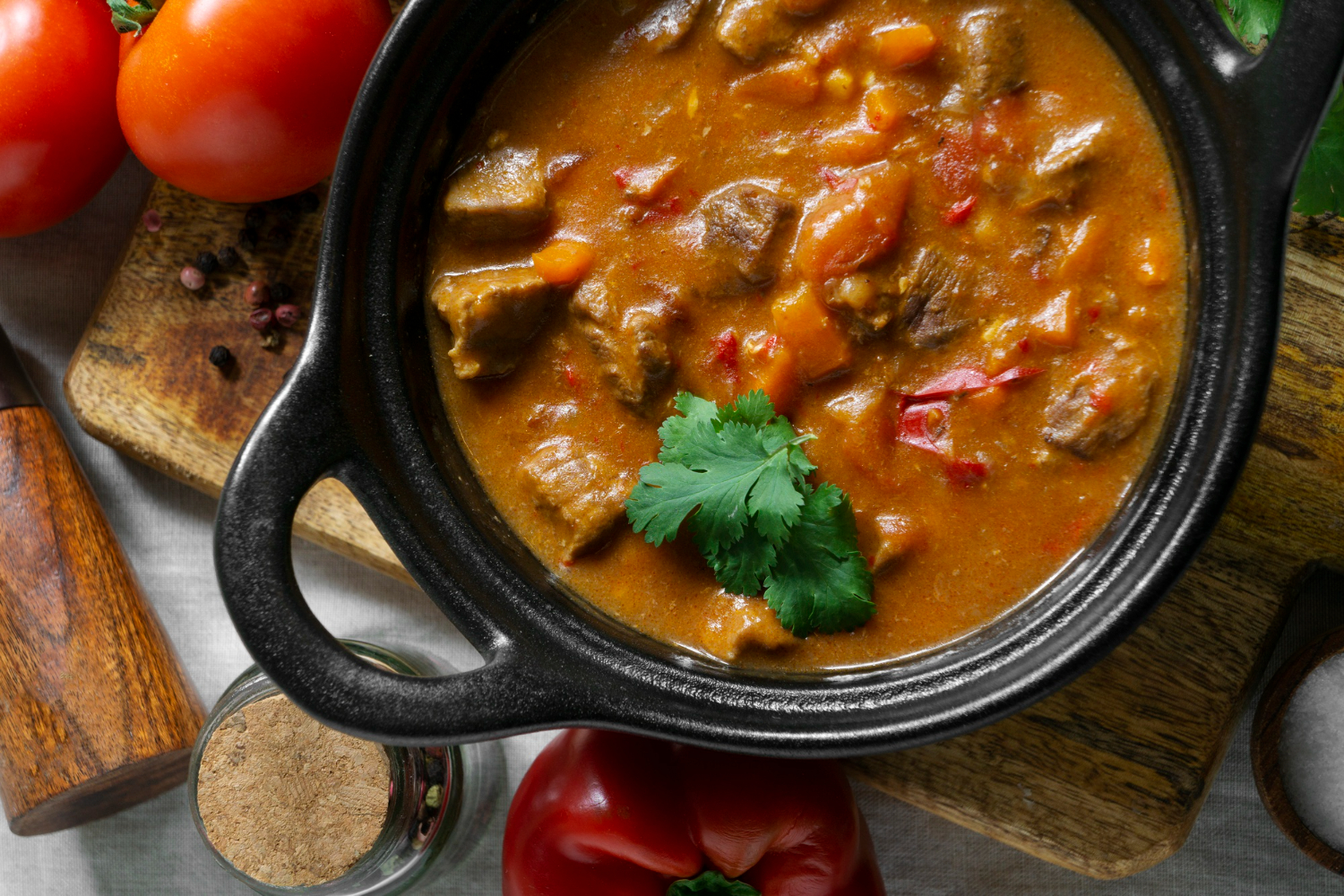
The through-line is containment. A single pot means every flavour compound, every released starch and every drop of liquid stays in the dish, and the technique is entirely about managing what happens inside it.
The reason this format appears in every cuisine on Earth is that it was never a choice. One fire, one pot, limited fuel and whatever was available produced the same solution independently everywhere – and the dishes that resulted are, almost without exception, the ones people describe as the food they grew up on.
Like our content? Follow us for more.