In 1960, the American family dinner out happened at a chain that no longer exists. Howard Johnson’s had a thousand orange-roofed restaurants from coast to coast. Burger Chef was outrunning McDonald’s. Royal Castle slung sliders in Florida. None of them survived. Some collapsed in the 1980s, some hung on into the 2020s on life support, and a handful had the last location close so quietly that locals didn’t know it was the last. Here are twelve giants of the 1960s American roadside, and the year each finally went dark.
1. Howard Johnson’s — Last Closed 2022
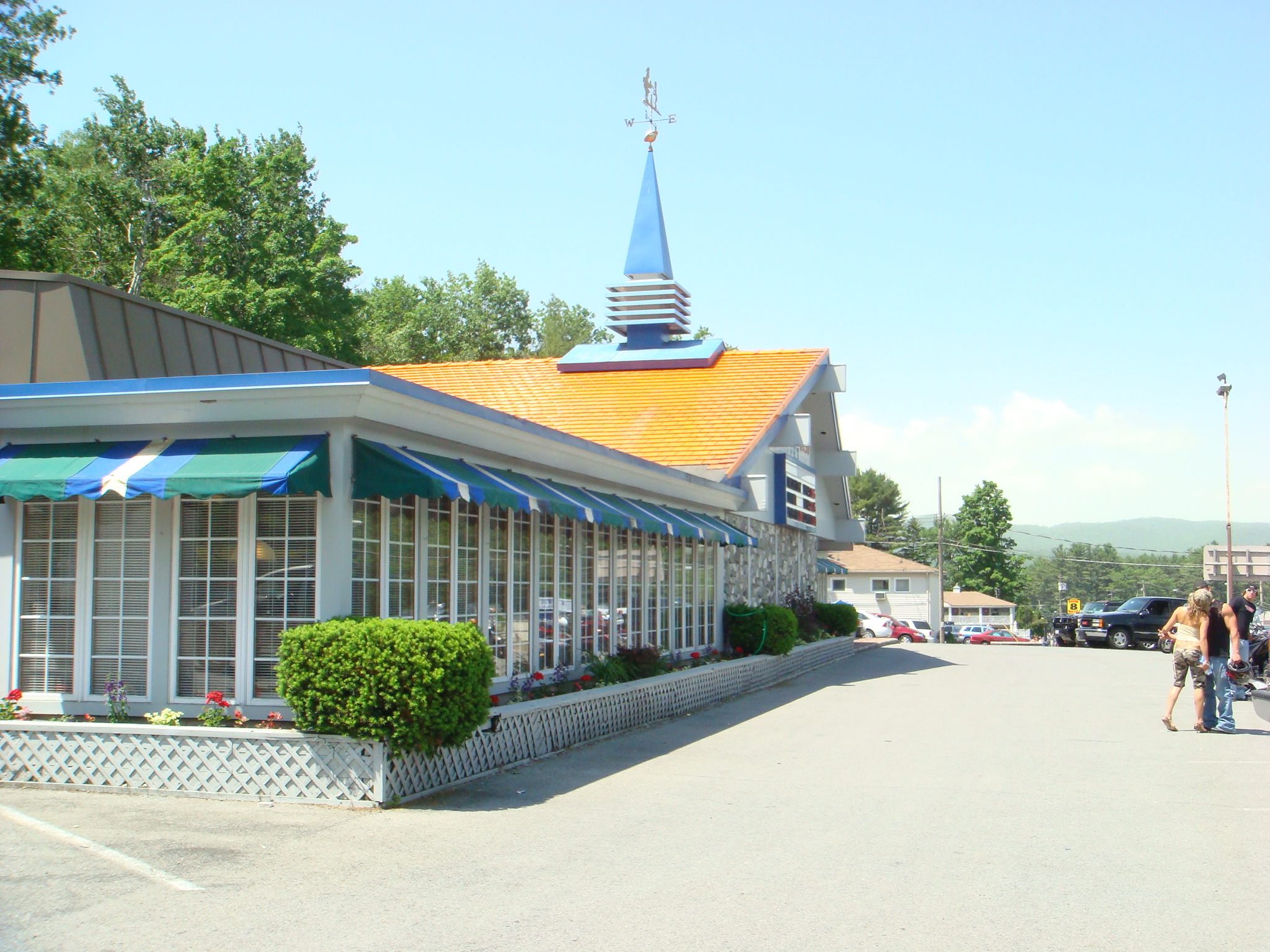
Founded by Howard Deering Johnson in Wollaston, Massachusetts in 1925 as a small ice-cream stand, HoJo’s grew into the largest restaurant chain in America by the 1960s with approximately 1,000 locations under that distinctive orange roof. Twenty-eight ice cream flavors. Fried clam strips. Chocolate cream pie. A children’s menu and a birthday club. The chain had won exclusive concession rights to serve drivers on the Pennsylvania, New Jersey, Connecticut, and Ohio turnpikes, locking in highway traffic. Howard Brennan Johnson sold the company in 1980 for $630 million to Imperial Group. The chain bled out through the 1990s and 2000s as ownership changed hands repeatedly. The final location in Lake George, New York closed in June 2022, ending 97 years of American roadside history. Owner Jon LaRock auctioned off the orange weathervane and the original signage; both are now in private collections.
2. Burger Chef — Last Closed 1996
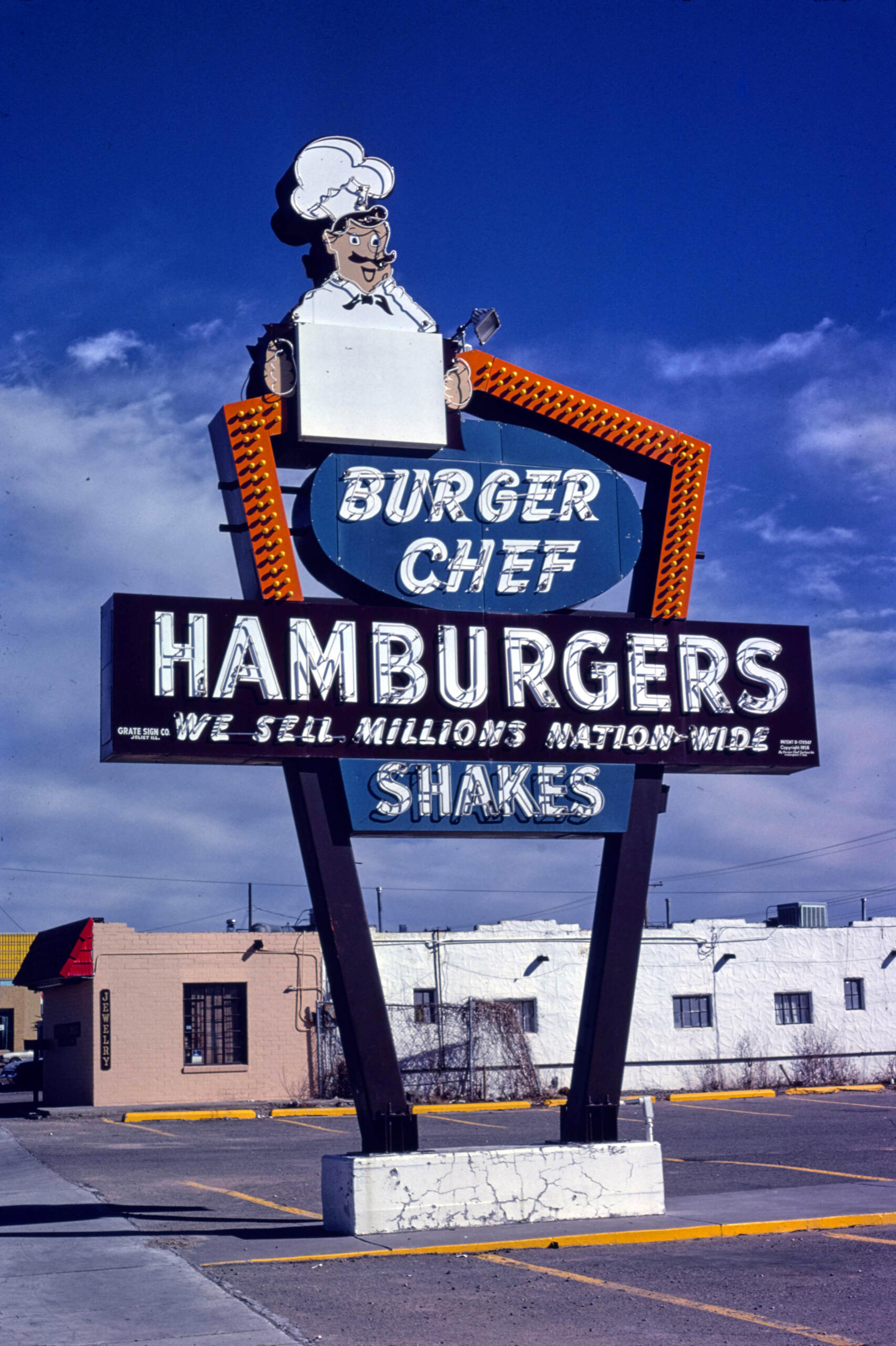
Opened in Indianapolis in 1957, Burger Chef hit 1,200 locations by 1972 — second only to McDonald’s, ahead of Burger King, Wendy’s, and Carl’s Jr. The chain pioneered the “Works Bar” where customers built their own burgers from a condiment station, and they invented the kids’ meal with a toy in 1973. They called it the Fun Meal. Six years later, McDonald’s launched the Happy Meal with what was effectively the same concept. General Foods, which had bought Burger Chef in 1968, sold the struggling chain to Hardee’s parent company in 1982. Hardee’s converted most Burger Chef locations to its own brand over the following decade. The last Burger Chef sign came down in 1996. Mad Men featured the chain prominently in its sixth-season finale, briefly returning the brand to the American consciousness.
3. Sambo’s — Bankruptcy 1981
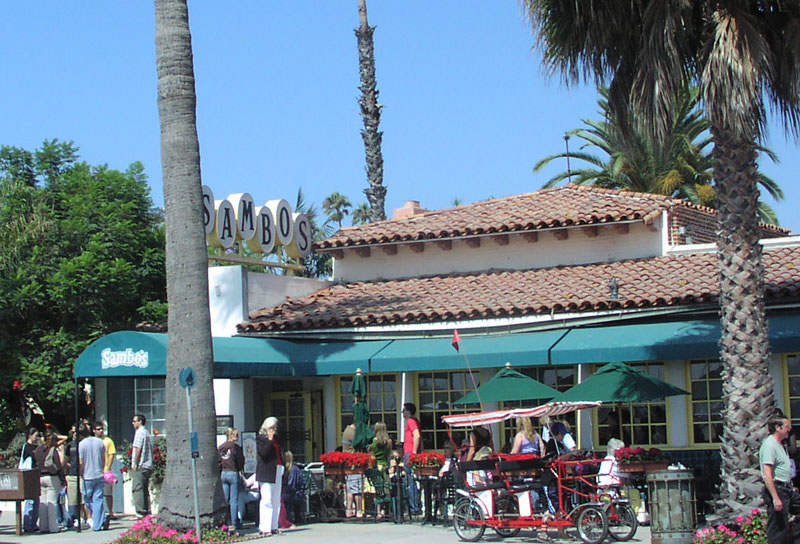
Founded in Santa Barbara in 1957 by Sam Battistone and Newell Bohnett. The name combined the founders’ own — but from the beginning, the chain leaned into the connection with the 1899 children’s book “Little Black Sambo,” decorating restaurant walls with illustrations from the story. At its peak in the early 1980s, Sambo’s operated 1,117 locations across forty-seven states. Civil rights protests began in earnest in the late 1970s, with NAACP-led boycotts in multiple cities. The chain tried various rebrands — including the awkward “Season’s Friendly Eating” — but financial collapse and reputational damage hit simultaneously. Bankruptcy was filed in 1981. The final original Sambo’s, in Santa Barbara, hung on for decades by changing its name multiple times, finally renaming itself “Chad’s” in 2020 after the original owners’ grandson took over.
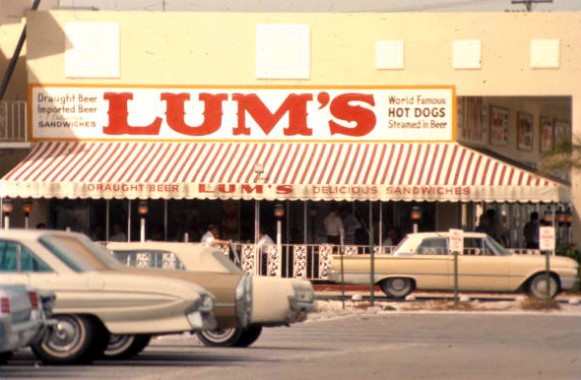
4. Lum’s — Last Closed 2017
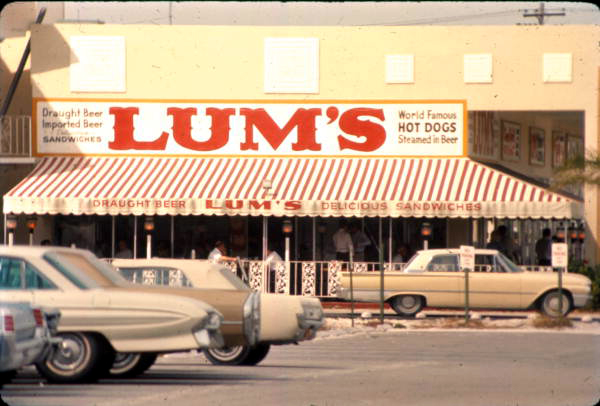
Miami-bred, founded in 1956 by brothers Stuart and Clifford Perlman, Lum’s was famous for hot dogs steamed in beer. The signature dish was the Ollieburger, created by celebrity chef James Beard. Roughly 400 locations at its 1970s peak, with celebrity spokesman Milton Berle. The Perlmans sold the chain in 1971 to buy Caesars Palace in Las Vegas. New ownership oversaw a steep decline. Bankruptcy was filed in 1982. The last Lum’s, in Bellevue, Nebraska, hung on for 35 more years, finally closing in October 2017. The owner of that final location had kept the original Lum’s recipes, the beer-steamed hot dog method, and even a few original menus framed on the wall. The Bellevue closing was covered by national newspapers as the end of a footnote in American fast food.
5. Royal Castle — Last Closed Mid-1970s
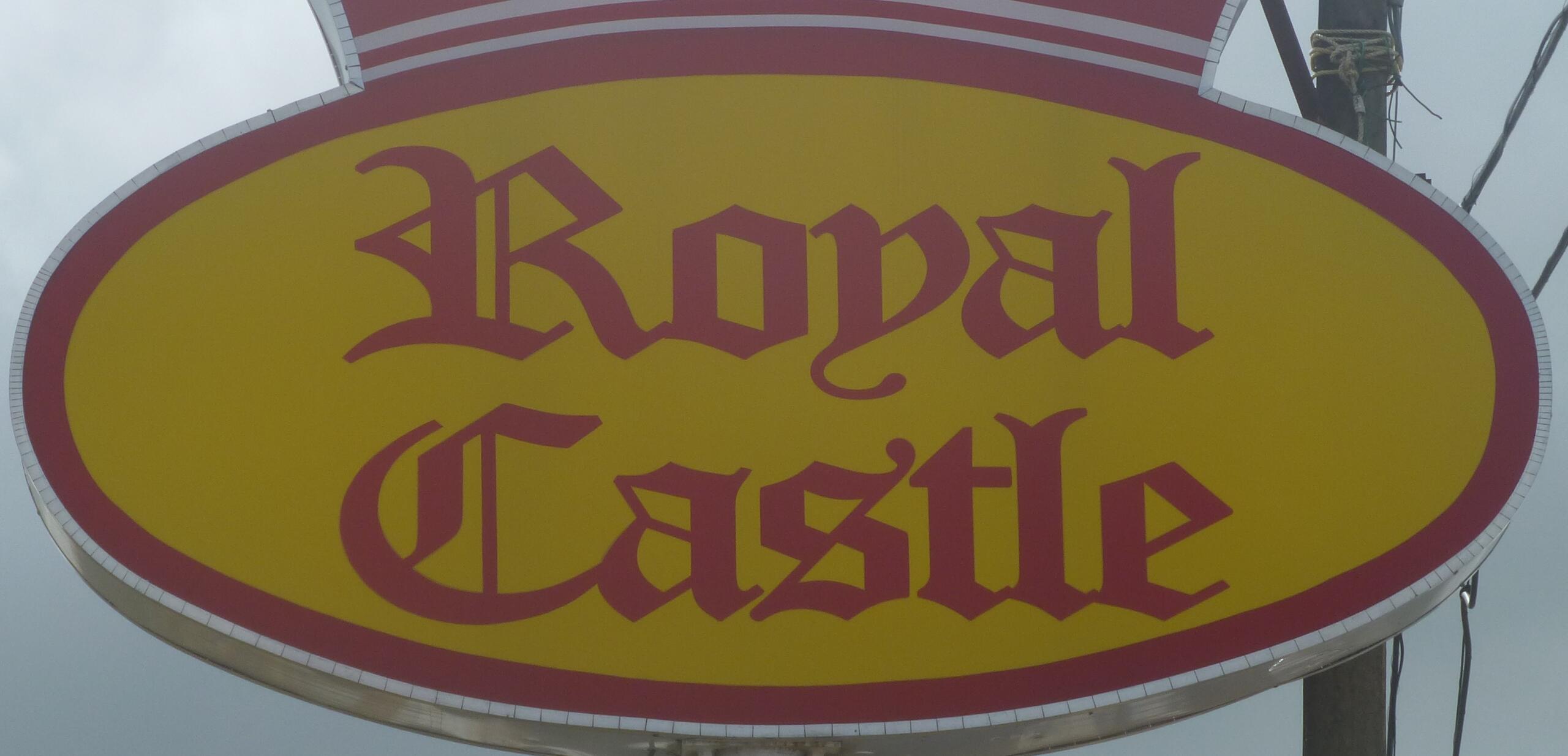
Started in Miami in 1938 by William Singer, Royal Castle was the South’s answer to White Castle — round metal sliders, frozen birch beer in chilled mugs, breakfast plates for under thirty cents. Around 200 locations across Florida, Georgia, Louisiana, and Ohio by the late 1960s. The chain was a fixture for Black and white customers alike during the segregation era, with most locations operating integrated seating before federal law required it. The 1965 Watts riots and the rapid decline of urban downtowns in the late 1960s hit the chain hard, as did the rise of McDonald’s and Burger King. Most Royal Castle locations closed quietly during the mid-1970s. A single Royal Castle remains open today in Miami, owned by the original company’s grandchildren, but the chain as a chain has been gone for fifty years.
6. Steak and Ale — Closed 2008
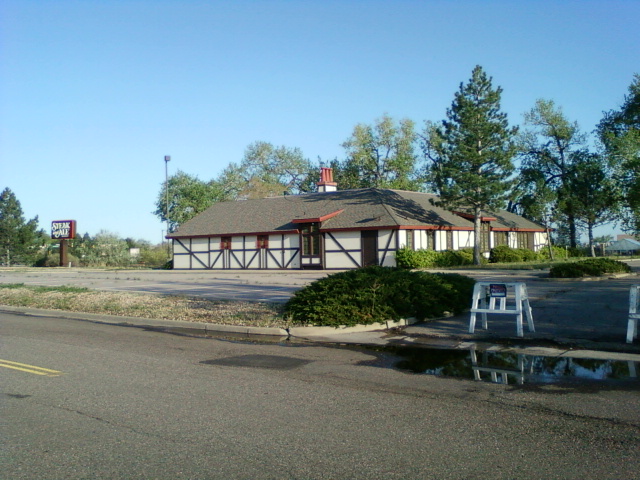
Norman Brinker — who later created Chili’s and Bennigan’s — opened the first Steak and Ale in Dallas in 1966. The Tudor architecture, salad bar, and affordable prime rib defined casual American dining in the 1970s. By 1976, the chain had 109 locations across thirty states. Pillsbury bought it that year. The chain went through multiple corporate owners over the following decades — Saxon, Metromedia, and S&A Restaurant Corp. — and slowly declined as casual-dining competitors like Outback and Applebee’s overtook it. The chain filed bankruptcy in July 2008 and closed every one of its 58 remaining locations within weeks. The owner of the brand, Legendary Restaurant Brands, has announced revival plans repeatedly since 2015. As of early 2026, no Steak and Ale has reopened, though a single test location near Dallas has been promised for years.
7. Red Barn — Last Closed 1988
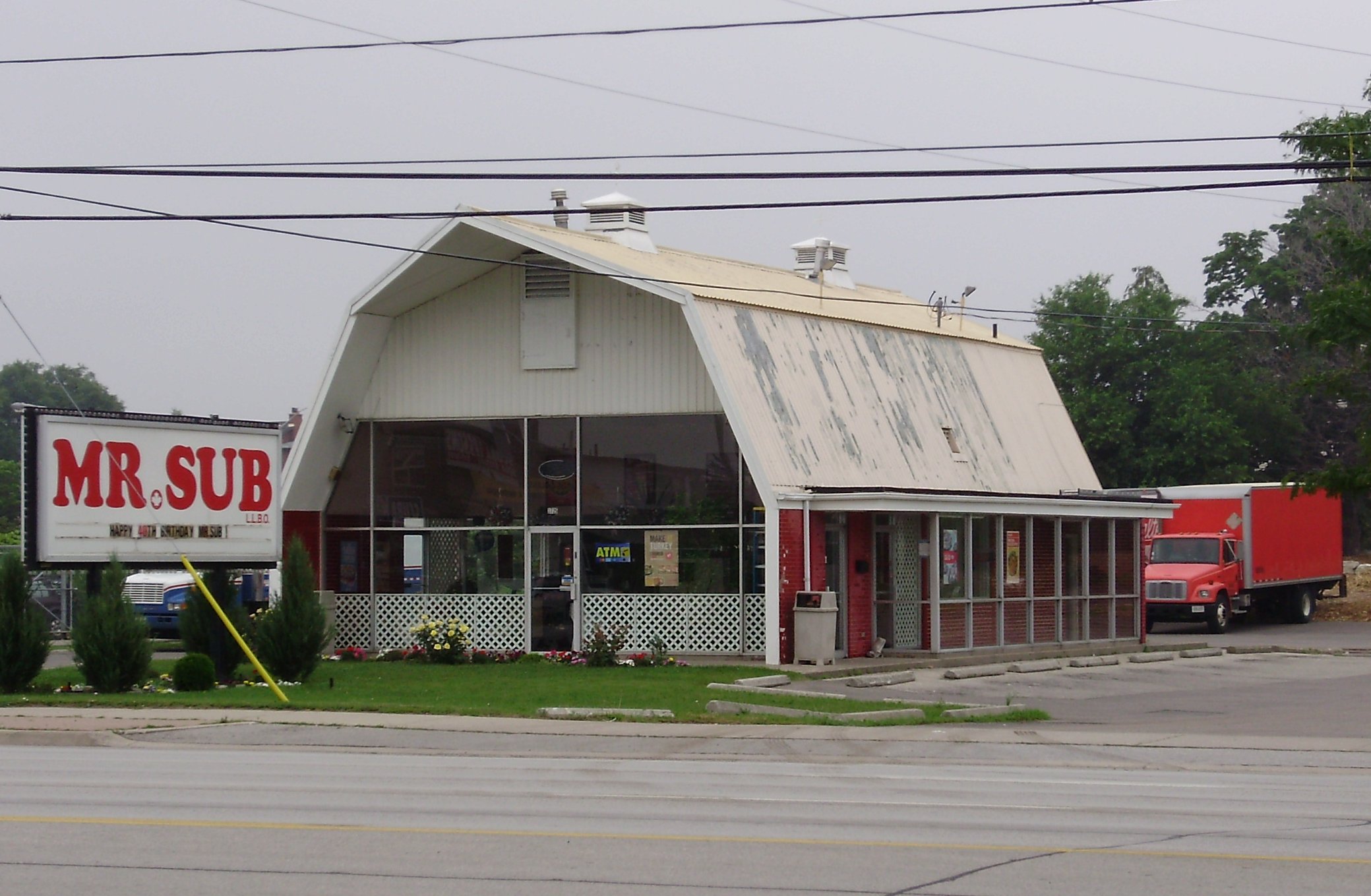
Founded in Springfield, Ohio in 1961 by Don Six, Martin Levine, and Jim Kirst. The signature barn-shaped buildings housed 300-plus locations by 1972, with the chain particularly strong in the Midwest and South. The Big Barney and Barnbuster burgers were direct competitive shots at McDonald’s Big Mac and Burger King’s Whopper. Motel 6’s parent company, City Investing, bought the chain in 1979 and let franchise agreements expire over the following decade. The last Red Barn closed in 1988. A few of the original barn-shaped buildings still operate as independent restaurants today — most famously The Farm in Akron, Ohio, and Red Barn Family Restaurant in Racine, Wisconsin, which both kept the original architecture but dropped the brand. The classic Red Barn jingle — “When the hungries hit, hit the Red Barn” — survives mostly on YouTube.
8. Hot Shoppes — Last Original Closed 1999
J. Willard Marriott opened the first Hot Shoppes drive-in in Washington, D.C. in May 1927. The chain pioneered curb service in the eastern United States and was the original financial engine behind the Marriott hotel empire. By the 1960s, the chain had several dozen locations across the East Coast and was famous for the Mighty Mo burger, the Hot Shoppes orange freeze, and the family-style turkey dinner. Most closed during the 1980s and 1990s as Marriott shifted entirely to the hotel business. The final original Hot Shoppes — at Marlow Heights in Camp Springs, Maryland — closed on December 3, 1999, after seventy-two years in operation. The Marriott family kept the original menu in their corporate archive, and the Mighty Mo recipe was briefly revived in 2017 for a limited-run pop-up at the Marriott Marquis Washington.
9. Chock Full o’Nuts Lunch Counters — Last Closed Around 1989
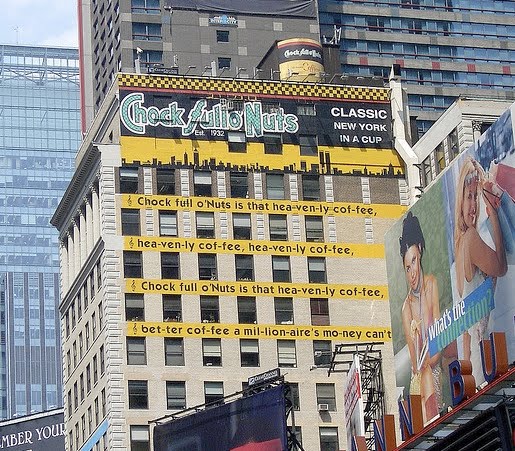
The New York lunch counter chain, founded by William Black in 1932, peaked in the 1960s with over eighty locations across Manhattan. The signature dish was a nutted cream cheese sandwich on date-nut bread, paired with the bottomless coffee that gave the chain its name. Manhattan office workers ate lunch at Chock Full o’Nuts for thirty straight years. The 1973 oil crisis and the wave of fast-food chains entering New York City began the chain’s decline. Most of the lunch counters closed during the 1980s. The brand’s parent company shifted entirely to retail coffee sales, and Chock Full o’Nuts survives today only as a supermarket coffee brand owned by Massimo Zanetti Beverage Group. The original Madison Avenue counters — chrome stools, white-uniformed staff, paper-cup coffee at the register — have been gone for nearly forty years.
10. Henry’s Hamburgers — A Handful Remain
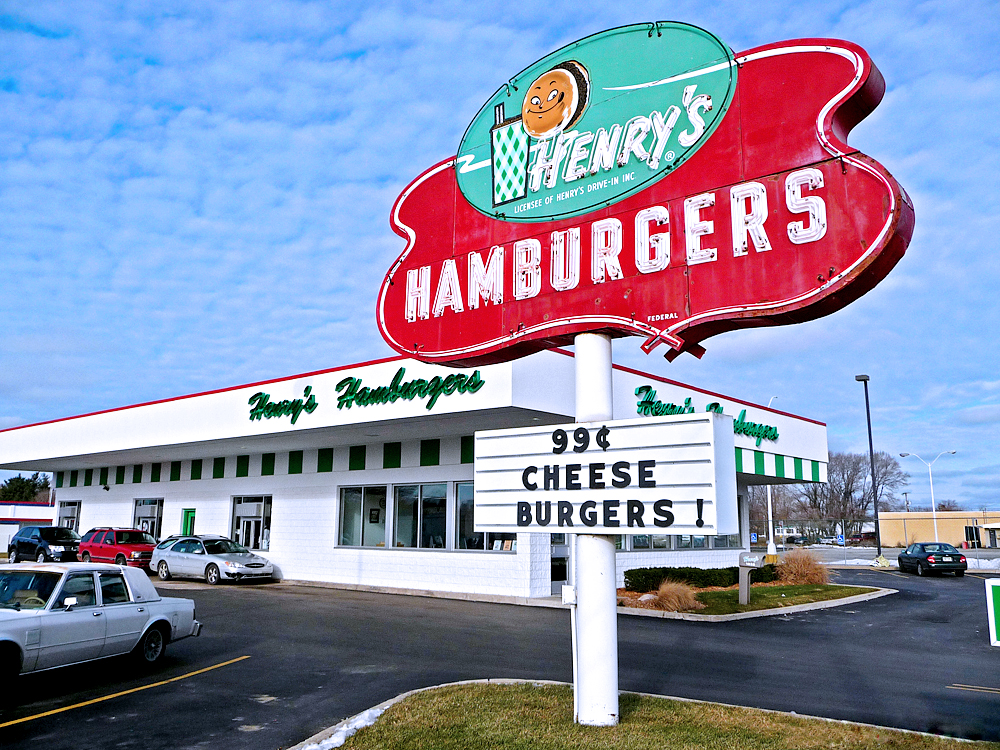
Founded in 1954 in Chicago by Bresler Ice Cream Company. Henry’s hit 200 locations by the early 1960s and briefly challenged McDonald’s directly in the Midwest with the “Tastier than McDonald’s” advertising campaign — possibly the first chain to name McDonald’s by name in a competitive ad. Most franchises folded during the 1970s as McDonald’s marketing budget dwarfed Henry’s. A single Henry’s still operates in Benton Harbor, Michigan — owned by the Heintz family, which took over the franchise in 1965 and has kept it running for over sixty years. The original neon sign is still up, the burgers are still made the same way, and the prices are still posted on a felt board behind the counter. It is the last public remnant of what was once a genuine national burger chain.
11. White Tower Hamburgers — Last Closed 2004
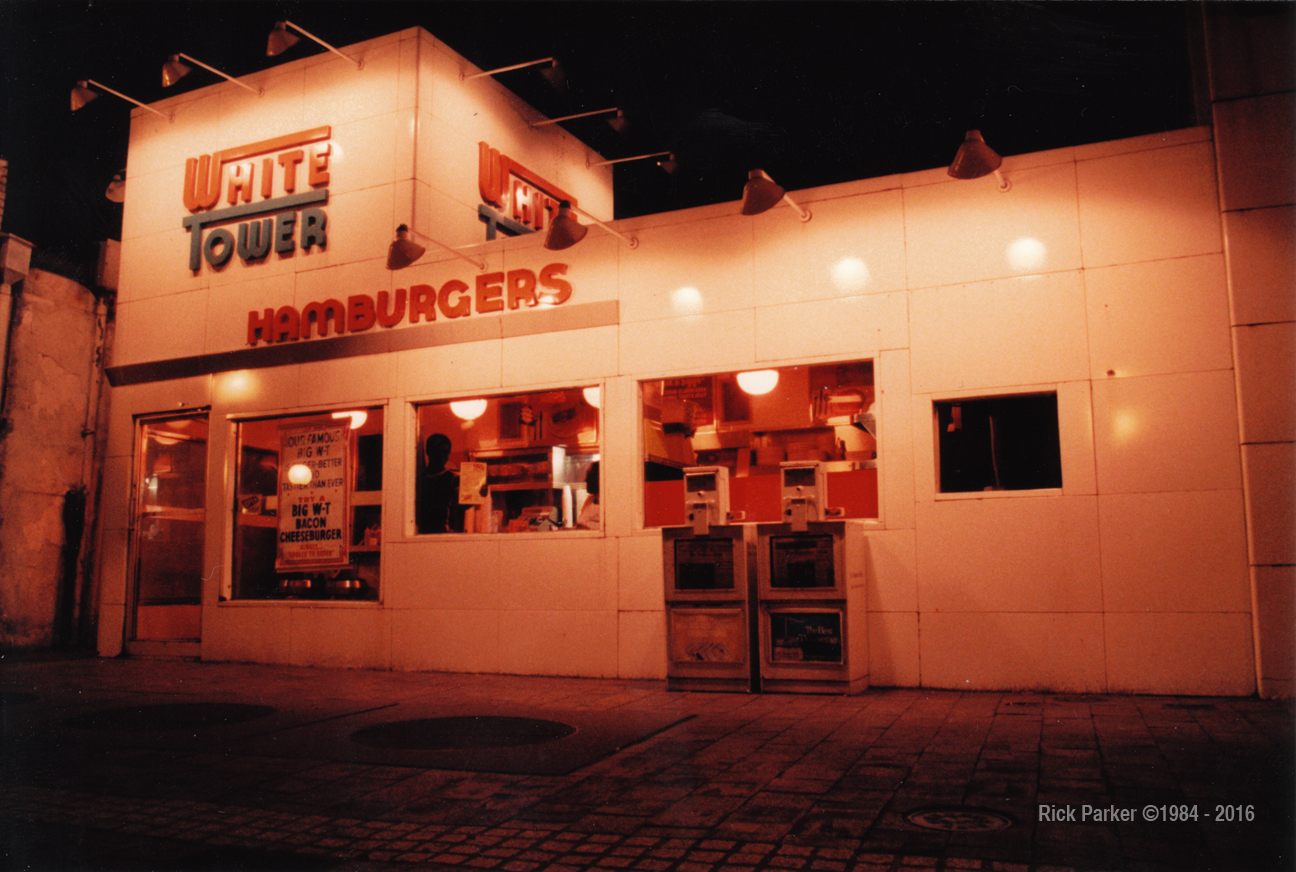
Founded in 1926 in Milwaukee by John E. Saxe and his son Thomas, White Tower deliberately copied White Castle’s name, building style, and slider format. White Castle sued, repeatedly, and decades of trademark litigation followed. Around 230 White Tower locations operated by the late 1960s, mostly in the Midwest and Mid-Atlantic. The chain leaned into the visual identity that had triggered the lawsuits — porcelain enamel exteriors, miniature castle towers, identical menus to White Castle’s. Most locations closed during the 1970s and 1980s. The last White Tower closed in Toledo, Ohio in 2004 after seventy-eight years in business. A 1958 court order eventually separated the two chains’ branding, but by then the damage to White Tower was done. A handful of original buildings survive as historical landmarks in Pittsburgh, Cleveland, and Toledo.
12. Farrell’s Ice Cream Parlour — Last Closed 2019
Bob Farrell and Ken McCarthy opened the first Farrell’s in Portland, Oregon in 1963. The Gay Nineties theme included player pianos, candy-striped uniforms, and a sundae called the Zoo — served in a wooden trough with sparklers and accompanied by sirens, a brass gong, and the announcement of every birthday in the restaurant to the whole dining room. By the late 1970s, Farrell’s had grown to roughly 130 locations across the West Coast and Midwest. Marriott Corporation bought the chain in 1972 and sold it to Aldon Industries in 1981. Most locations closed during the 1990s. A revival attempt — Farrell’s Ice Cream Parlour Restaurants, Inc., founded by Mike Fleming in 2009 — opened a handful of new locations in California. The final Farrell’s, in Brea, California, closed in October 2019, taking the birthday-sundae tradition and the trough-and-sirens with it.