A Sunday afternoon in 1972 had one mandatory activity for American families: the drive. Pile into the station wagon after church or after a late breakfast. Pick a direction. Drive. Stop for ice cream. Look at the leaves, the river, the farm equipment. Come home before dinner. The Sunday drive was a national ritual for the postwar generation, supported by cheap gasoline, no Sunday shopping, and no other entertainment options. Then the OPEC oil shock hit in October 1973, gas prices nearly quadrupled, blue laws were repealed, and the entire structure that made Sunday driving possible quietly collapsed. Here is what the Sunday drive of 1972 actually looked like — and why it no longer exists.
1. Gasoline Cost About 36 Cents a Gallon

In 1972, the U.S. average retail gasoline price was 36 cents per gallon — the equivalent of about $2.65 per gallon in 2026 dollars after inflation adjustment. A typical family station wagon got 12 to 15 miles per gallon. A 100-mile Sunday drive cost a family roughly $3 to $4 in gas total — a casual entertainment expense well within the budget of most middle-class households. By 1980, after the OPEC oil embargo of 1973 and the Iranian revolution of 1979, average U.S. gasoline prices had risen to $1.19 per gallon. Real prices more than tripled inside a decade. The Sunday drive went from being a free-form entertainment choice to being a meaningful financial decision. The Bureau of Labor Statistics inflation calculator documents that gasoline costs have risen faster than overall consumer prices in nearly every decade since.
Like our content? Follow us for more.
2. The Station Wagon Was the Family Vehicle
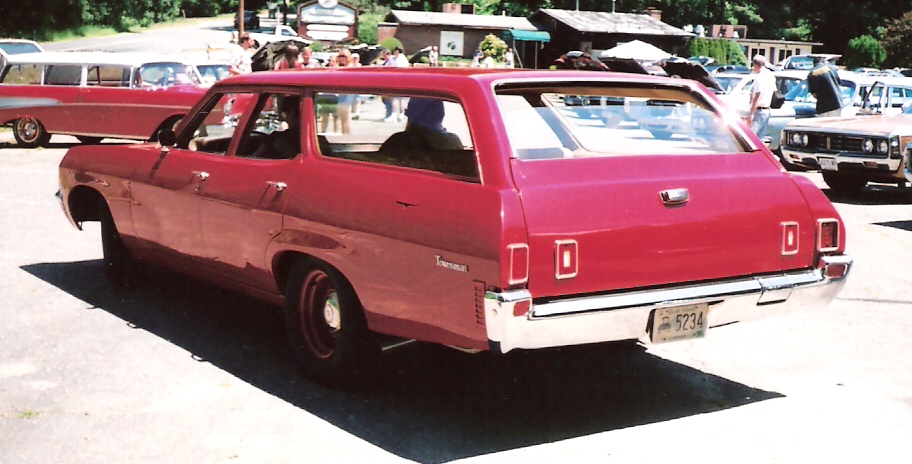
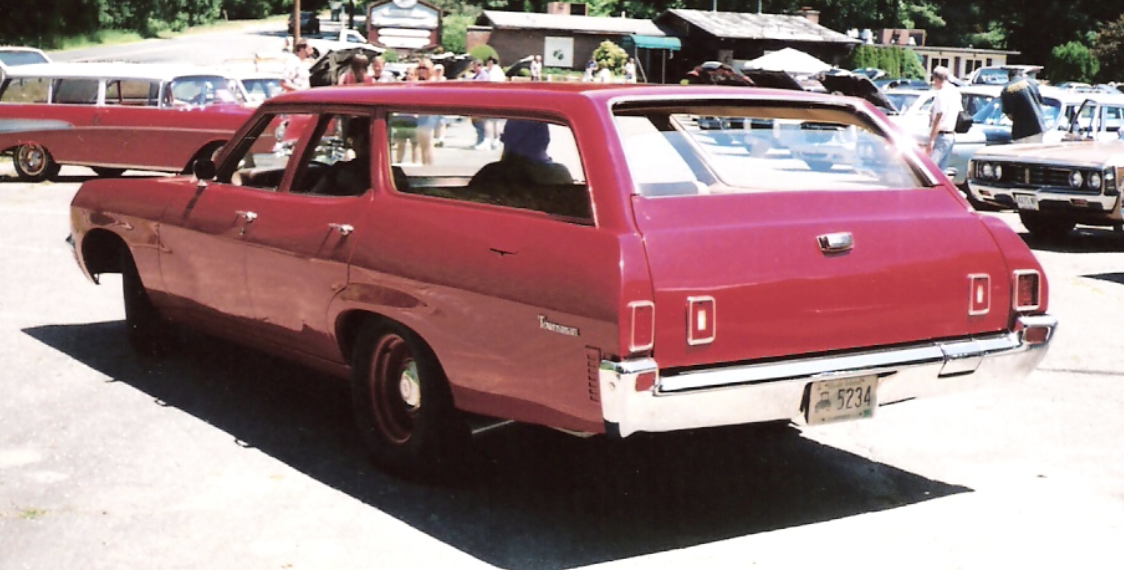
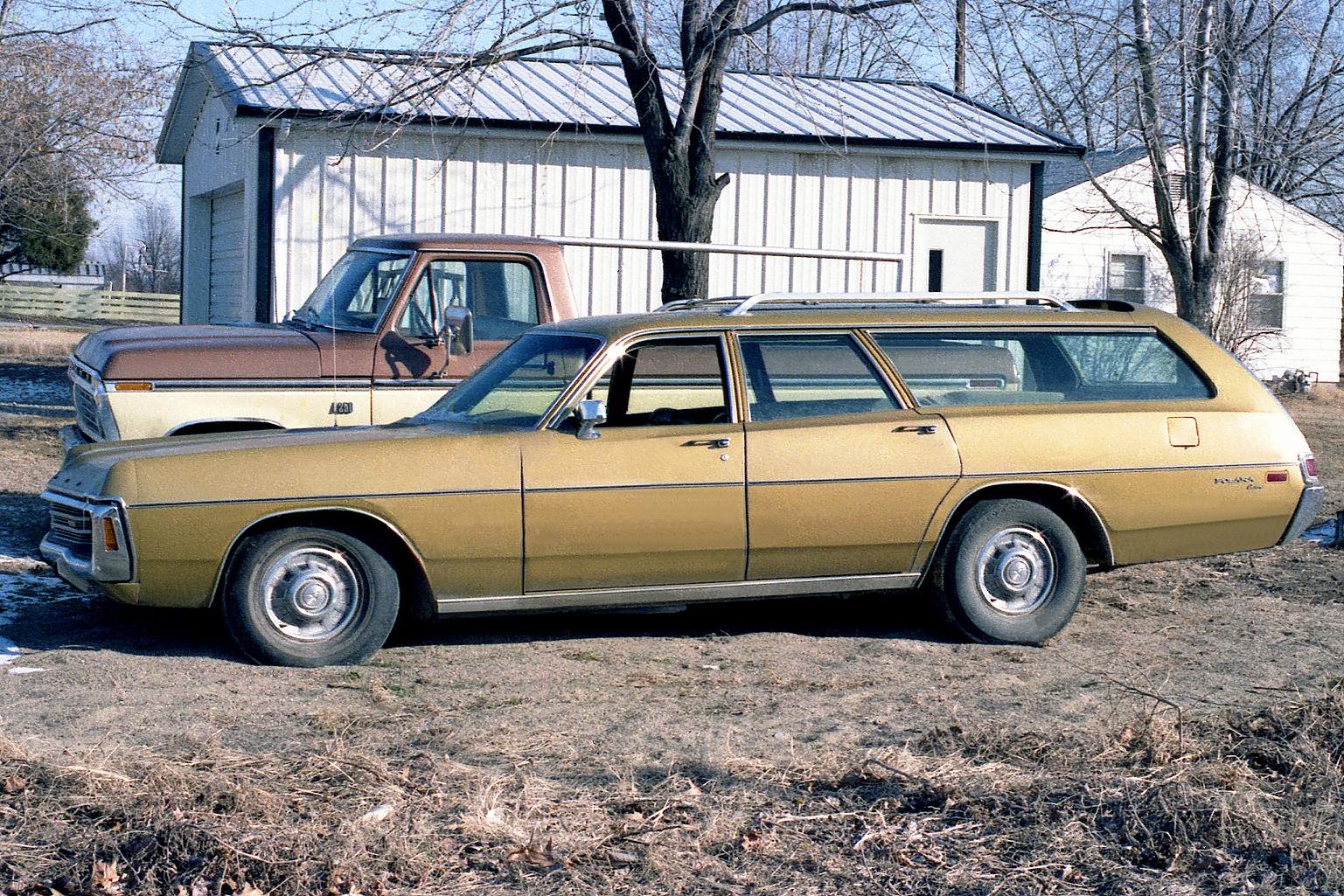
In 1972, the American station wagon was the dominant family vehicle in middle-class suburbs. The Ford Country Squire, the Chevrolet Caprice Estate, the Plymouth Fury, the Buick Estate Wagon, the Pontiac Catalina Safari. According to Automotive News data, roughly 1.2 million station wagons sold in the U.S. that year. The third-row rear-facing seat, the wood-paneled exteriors, the tailgate that lowered down or swung open in two pieces. Children rode unbuckled in the rear-facing seat or in the cargo area. By 1985, the Chrysler minivan, launched in 1983, had begun replacing the wagon, selling 200,000 units in its first year. By 2000, the SUV had replaced the minivan. The American station wagon as a category was effectively gone by 2010, with only the Subaru Outback and a handful of luxury wagons remaining.
3. Blue Laws Closed Most Retail on Sunday

In 1972, most U.S. states enforced Sunday Blue Laws restricting retail sales. Grocery stores, department stores, pharmacies, and most non-essential businesses were legally required to remain closed on Sundays in much of the country. Connecticut, Massachusetts, New York, Pennsylvania, North Carolina, Texas, and most other states had some form of restriction. The structure forced families to use Sunday for non-commercial activities — church, large meals at home, visiting relatives, and the Sunday drive. The repeal of state Blue Laws between 1970 and 2003 (Connecticut was one of the last to fully repeal) opened Sunday retail and provided alternative entertainment. By the 2000s, American families could shop, eat at restaurants, see movies, and do almost anything on Sunday that they could on Saturday. The drive went from being the only thing to do to being one option among many.
4. AM Radio Was the Soundtrack
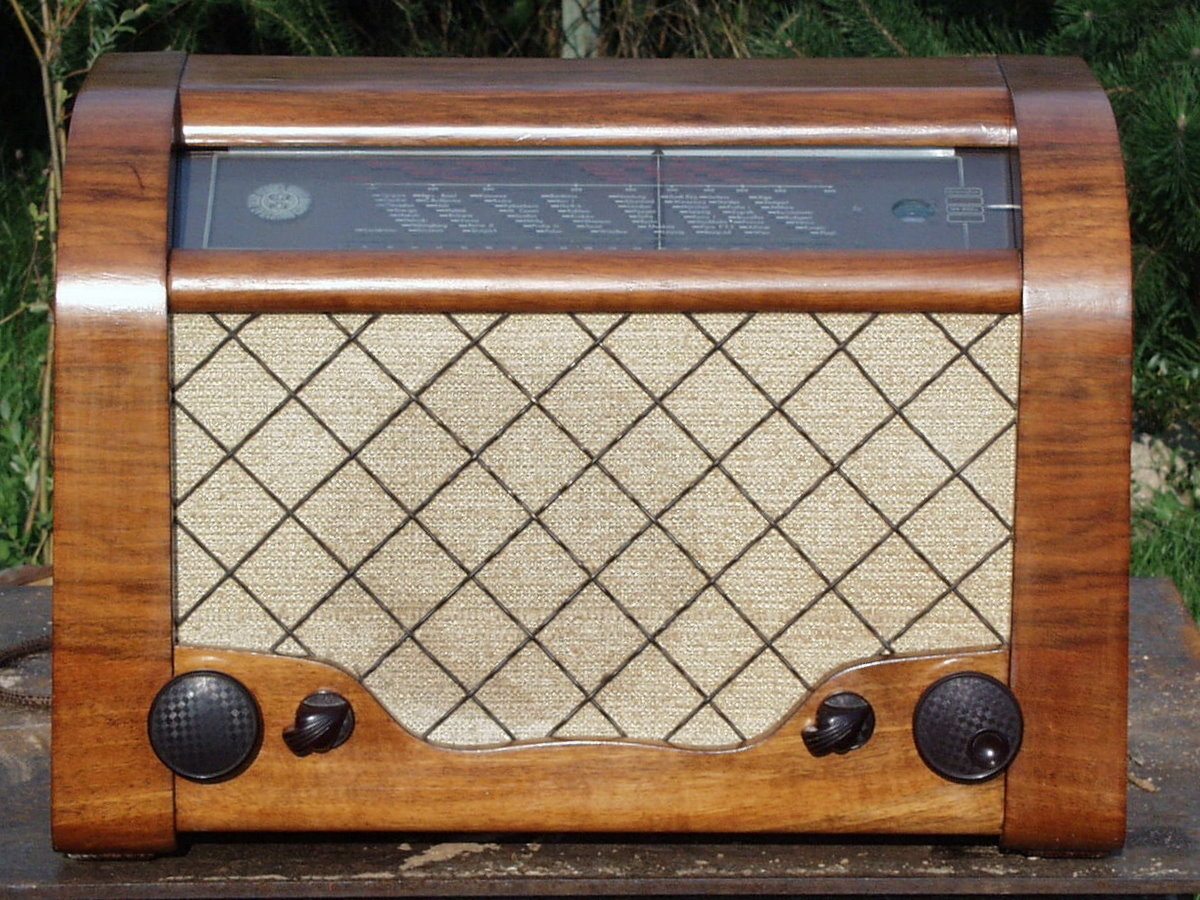
The 1972 Sunday drive came with AM radio playing the family-friendly Top 40 station. FM radio existed but was still niche, with most family cars not equipped for FM until later in the decade. The top hits of 1972 on the Billboard Year-End Hot 100 included Roberta Flack’s “The First Time Ever I Saw Your Face,” Don McLean’s “American Pie,” Gilbert O’Sullivan’s “Alone Again (Naturally),” and Harry Nilsson’s “Without You.” AM 8-track tape players were standard on most family wagons. The cassette deck became common in the late 1970s. The drive’s soundtrack was decided by the AM dial and what the local DJ chose to play. The arrival of FM dominance in the 1980s, satellite radio in the 2000s, and phone-based streaming in the 2010s has fragmented the shared listening experience that made the Sunday drive feel collective.
5. The Stop at the Country Diner
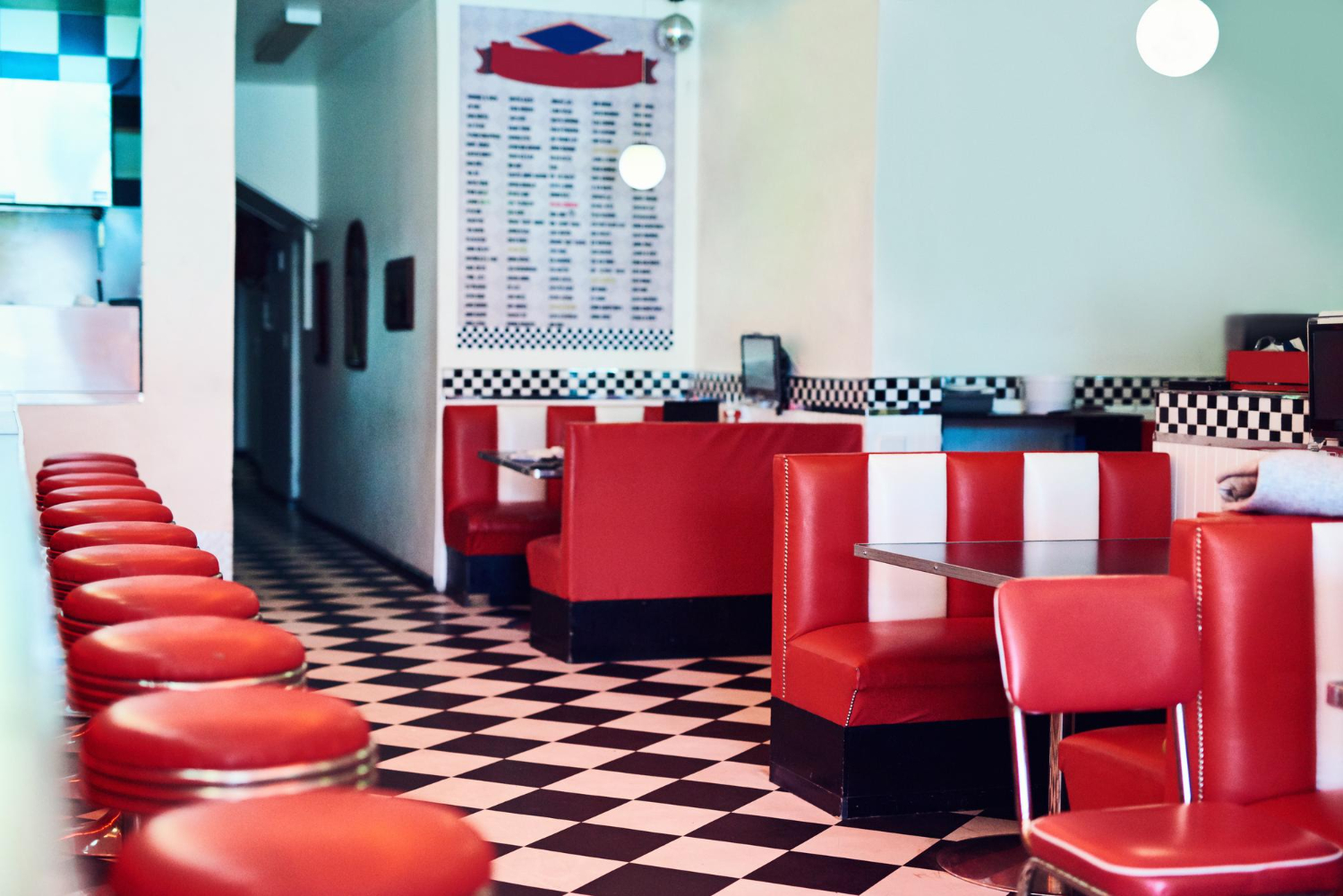
Almost every Sunday drive in 1972 included a stop at a country diner, drive-in, or roadside ice cream stand. Friendly’s had over 600 New England and mid-Atlantic locations by 1975. Howard Johnson’s had close to 1,000 orange-roofed restaurants. Independent diners along every U.S. highway. Dairy Queen operated 4,500 stores. The Sunday afternoon ice cream cone was a fixture of the family ritual. The chains have shrunken dramatically. Friendly’s now operates under 80 locations. Howard Johnson’s closed its last restaurant in June 2022 in Lake George, New York. Independent roadside diners have declined by more than half since 1980 according to industry tracker Diner Hunter. The roadside attraction or local diner that anchored a 1972 Sunday drive is now usually a gas station, a Dollar General, or a vacant lot.
6. No Cell Phones, No Maps Apps

A Sunday drive in 1972 had no possibility of phone-based navigation, real-time traffic information, or restaurant reviews. The family carried a Rand McNally road atlas, the Esso or Texaco service-station map (free at the pump), and perhaps an AAA TripTik printed itinerary. Getting lost was part of the drive. Stopping to ask for directions at a farmhouse, a gas station, or a country store was a normal Sunday afternoon interaction. The arrival of in-dash GPS navigation (TomTom 2004, in-dash systems mid-2000s) and then smartphone navigation through Google Maps and Apple Maps in the 2010s eliminated the navigational uncertainty that defined the original drive. The unplanned, wandering character of the original ritual has effectively disappeared along with the technology that made navigation possible without a fixed destination.
7. The Scenic Route Was a Local Concept
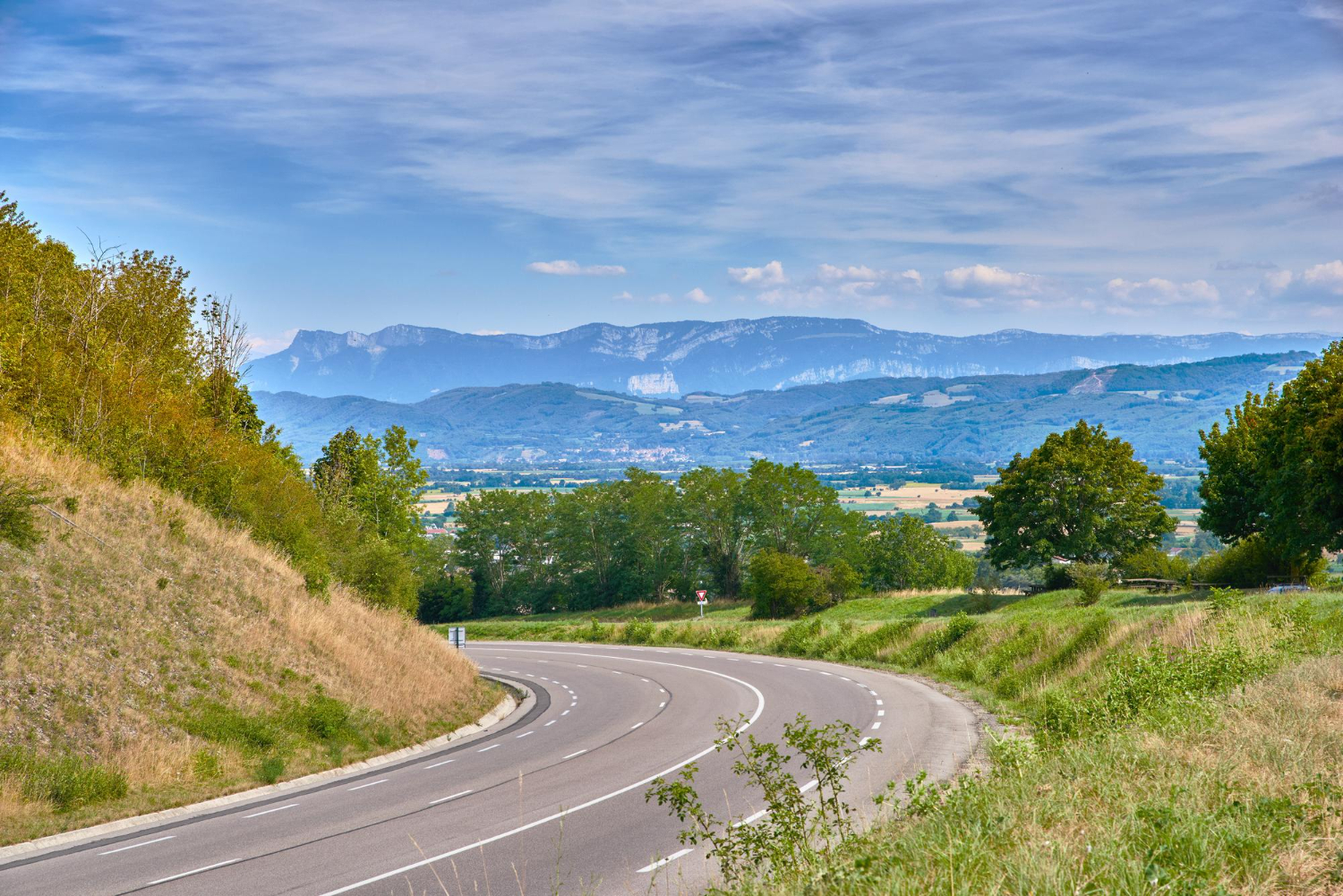
In 1972, the U.S. interstate system was already complete in most regions, but secondary roads, county lanes, and state byways were the routes of choice for a Sunday drive. The National Scenic Byways Program — formal designation of scenic and historic American roads — was not created by the Federal Highway Administration until 1991, and now designates 184 byways across the country. In 1972, the routes were simply known by local families. Drivers picked a county road, a river road, or a route they had heard about from a neighbor. Today, Americans drive on the interstate. The Federal Highway Administration reports that secondary road use for non-commute travel has declined steadily since 1980, with the largest declines in rural states where the Sunday drive originated as a cultural practice.
8. The Church Schedule Anchored the Day

The American Sunday in 1972 was structured by church attendance. According to Gallup polling data, approximately 55% of Americans attended a religious service at least once a week in 1972. Sunday morning was claimed by services, Sunday school, or family church-related activities. The Sunday drive happened in the afternoon, after church and after a midday meal that was typically the largest meal of the week. By 2024, weekly church attendance had fallen to roughly 30% of Americans, and the share who attend monthly has fallen even more sharply. The Sunday morning anchor that gave shape to the rest of the day has disappeared for most American families. Sunday afternoon is now available for activities, errands, and entertainment that compete with the drive.
9. The Two-Earner Family Replaced the One-Earner Family

In 1972, U.S. Bureau of Labor Statistics data shows that approximately 43% of American mothers with children under 18 were in the paid workforce. By 2024, that figure had risen to over 72%. The 1972 Sunday drive depended on a household structure in which one parent had the entire weekend available, the other was at home managing the children during the week, and weekend leisure time was abundant for both. Today’s American family has both parents working, weekend errands compressed into the available hours, and children’s activity schedules that consume most of Saturday and Sunday. The unstructured Sunday afternoon — the empty calendar that made a spontaneous drive possible — has effectively disappeared from middle-class American family life.
10. Children Now Have Saturday and Sunday Activities

In 1972, the average American child had a single organized extracurricular activity per week — typically Little League, Cub Scouts, or piano lessons. According to a 2024 Pew Research analysis, the average American child today has 3.4 organized activities per week, with most of those scheduled on weekend days. Soccer, travel baseball, dance, robotics, tutoring, religious education, and competitive academic programs all compete for Saturday and Sunday hours. The structured weekend has eliminated the open Sunday afternoon that the 1972 family used for the drive. American children are now overscheduled in ways that their grandparents would not recognize, and the empty Sunday that defined the original ritual is largely gone.
11. Streaming Replaced the Shared Drive

The 1972 Sunday drive happened in part because there was nothing else to do at home. Television offered three networks plus PBS, and Sunday afternoon programming was sparse — most networks ran golf tournaments, old movies, or news magazines. By 2024, the average American household had access to roughly 10 streaming services, with Nielsen reporting that adults spend nearly 5 hours per day on streaming and digital video content. The home entertainment environment now provides infinite alternatives to a drive. Children gather in separate rooms with separate screens. The family unit that piled into the wagon for a shared experience has fragmented into individual entertainment consumption patterns, and the drive itself competes against a vastly richer at-home option.
12. What the Sunday Drive Meant

The Sunday drive was not really about the destination. It was an American family ritual in a specific economic and cultural moment — one car, one driver, gas at 36 cents, no shopping options, no streaming, no overscheduled children, and a structural Sunday emptiness that had to be filled with something. Every one of those conditions has reversed since 1972. The drive itself did not die from a single cause. It was outcompeted by alternatives, priced out by fuel inflation, scheduled away by activity calendars, and made obsolete by entertainment technology. The American family that piled into the wagon at 2 p.m. on a Sunday in 1972 was not aware that it was participating in a ritual that would barely survive its own generation. But that is exactly what was happening, and the photographs in family albums are now nearly all that remains.
Like our content? Follow us for more.