New Mexico contains one of the richest concentrations of Native American heritage sites in the United States. The state is home to 23 federally recognized tribes — 19 Pueblos, three Apache tribes, and the Navajo Nation — and the human history of the region extends back over 10,000 years. The destinations range from continuously inhabited Pueblo villages (some of the oldest continuously occupied settlements in North America) to vast ancestral archaeological sites, from active cultural centers to UNESCO World Heritage Sites. These are not abstract historical sites — many are living communities where traditional culture, language, and ceremony continue today. Travelers visiting them encounter both the deep ancestral history of the American Southwest and the vibrant contemporary Native American cultures of New Mexico. Here are ten powerful Native American heritage destinations in New Mexico, with what makes each one significant and how to visit respectfully.
New Mexico’s Native American heritage is uniquely accessible to respectful visitors because so many of the cultures remain living and present rather than purely historical. The Pueblo peoples have occupied their villages continuously for centuries, in some cases nearly a millennium. The destinations below require visitors to observe specific protocols — many sites prohibit photography, restrict access to ceremonial areas, and close to visitors during certain ceremonies and feast days. Respectful visitation means following the posted rules, purchasing required permits, supporting Native-owned businesses, and approaching these sites as living cultural places rather than tourist attractions.
1. Taos Pueblo
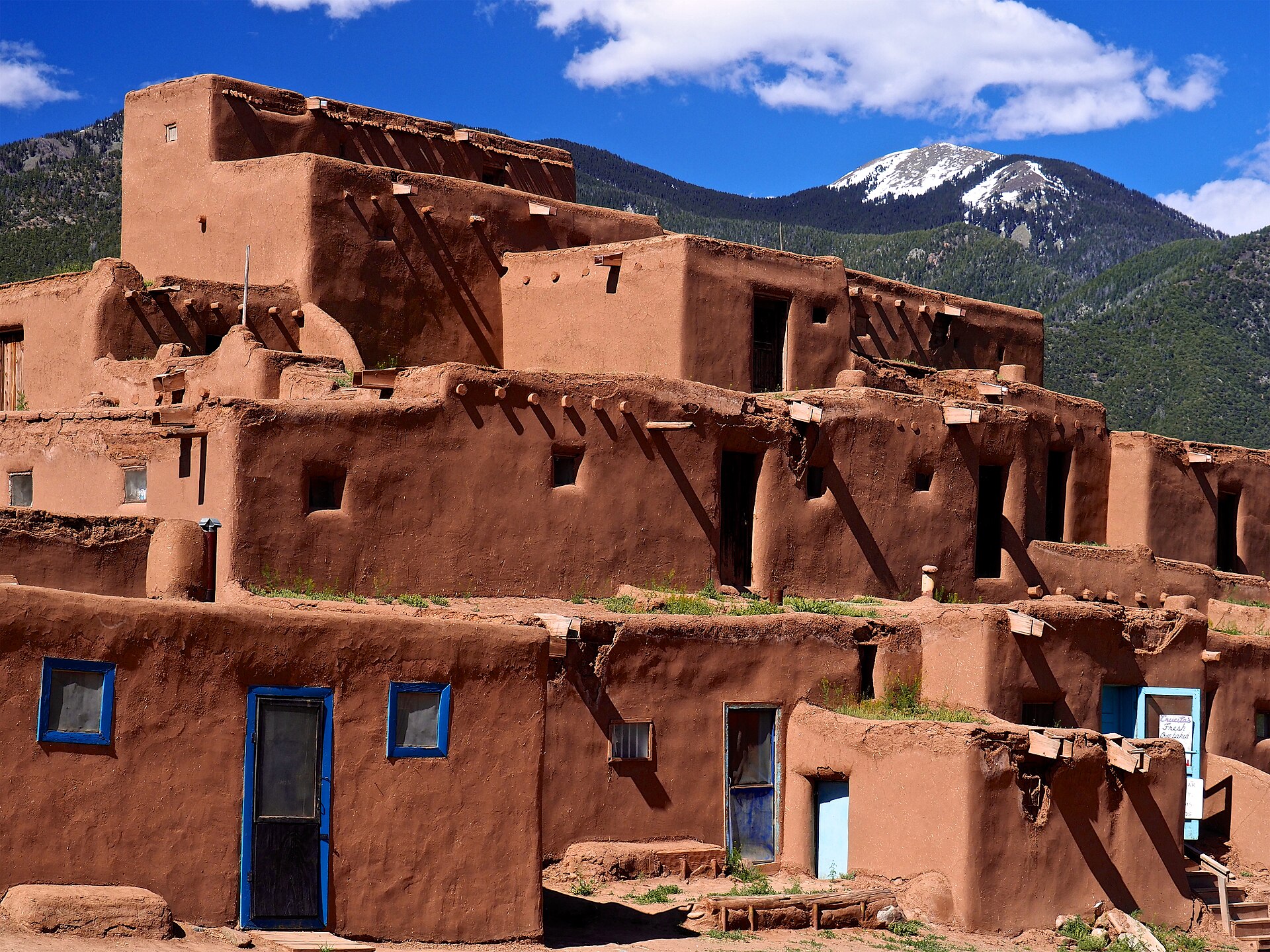
Taos Pueblo, continuously inhabited for over 1,000 years, is the most-visited and most-photographed Pueblo in New Mexico — a UNESCO World Heritage Site and National Historic Landmark. The multi-story adobe structures, built between approximately 1000 and 1450 CE, remain home to a Tiwa-speaking community that maintains traditional governance and ceremony. The Pueblo is open to visitors most of the year (closed during certain ceremonies and for approximately 10 weeks in late winter/early spring). Visitors can tour the village, purchase traditional crafts directly from artisans, and learn about the living culture. Photography requires a permit and is prohibited during ceremonies.
2. Chaco Culture National Historical Park
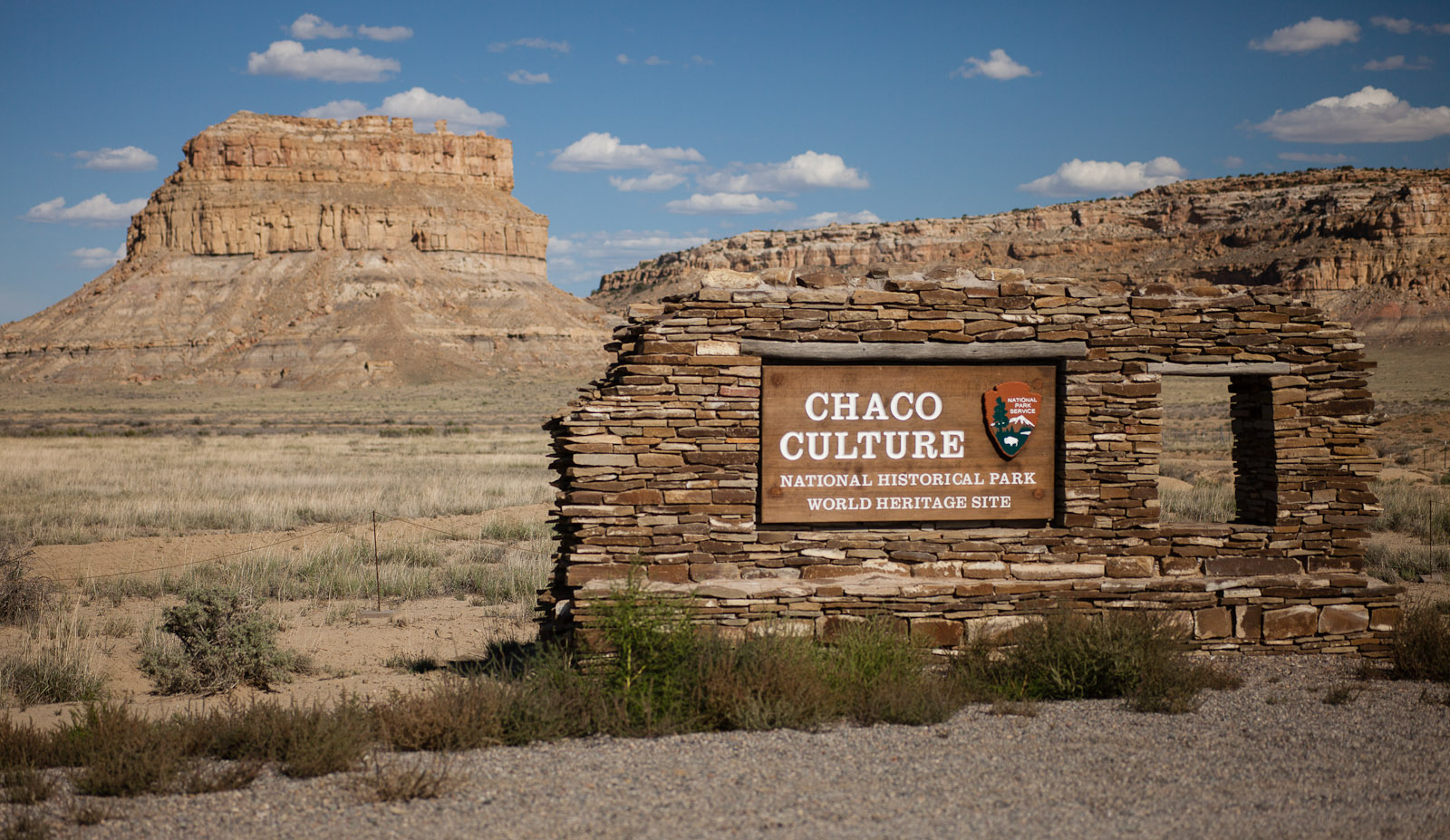
Chaco Canyon — a UNESCO World Heritage Site in remote northwestern New Mexico — contains the most spectacular ancestral Puebloan archaeological complex in the United States. Between approximately 850 and 1250 CE, Chaco was the center of a vast cultural and economic network, with massive multi-story “great houses” including Pueblo Bonito (which contained over 600 rooms). The site demonstrates extraordinary astronomical alignments, engineering, and social organization. The remoteness (accessed via several miles of rough dirt road) limits visitation and preserves the profound atmosphere. The descendant Pueblo peoples consider Chaco a deeply sacred ancestral place.
3. Bandelier National Monument
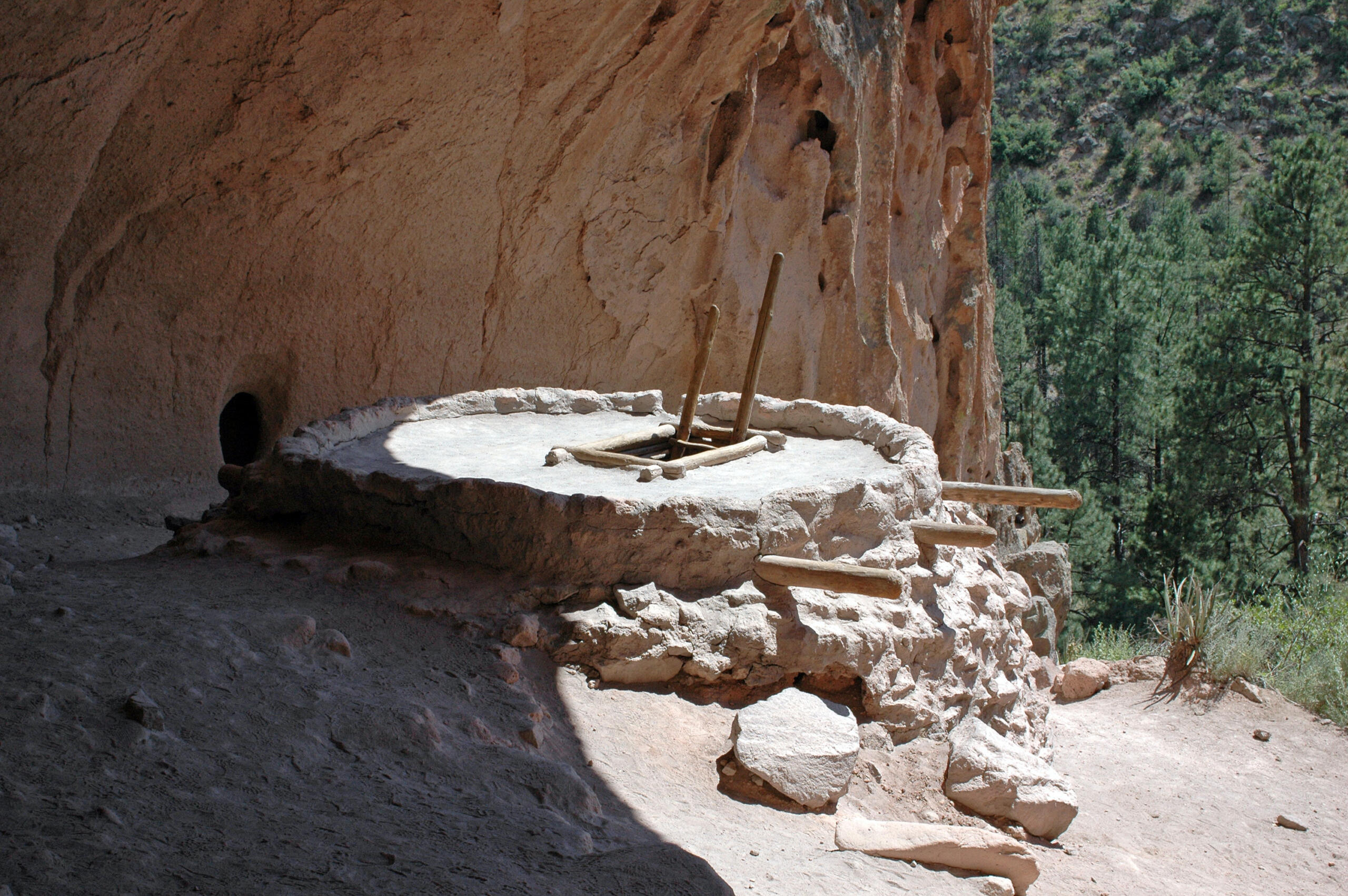
Bandelier preserves the ancestral Puebloan cliff dwellings and settlements of Frijoles Canyon, occupied from approximately 1150 to 1550 CE. Visitors can walk among the cavates (carved cliff dwellings) and the canyon-floor village ruins, climbing ladders to enter the cliff dwellings as the ancestral residents did. The monument is connected to the contemporary Pueblo peoples of the region, particularly Cochiti Pueblo. The combination of accessible cliff dwellings, dramatic canyon scenery, and the connection to living Pueblo culture makes Bandelier one of the most rewarding heritage visits in New Mexico.
4. Acoma Pueblo (Sky City)
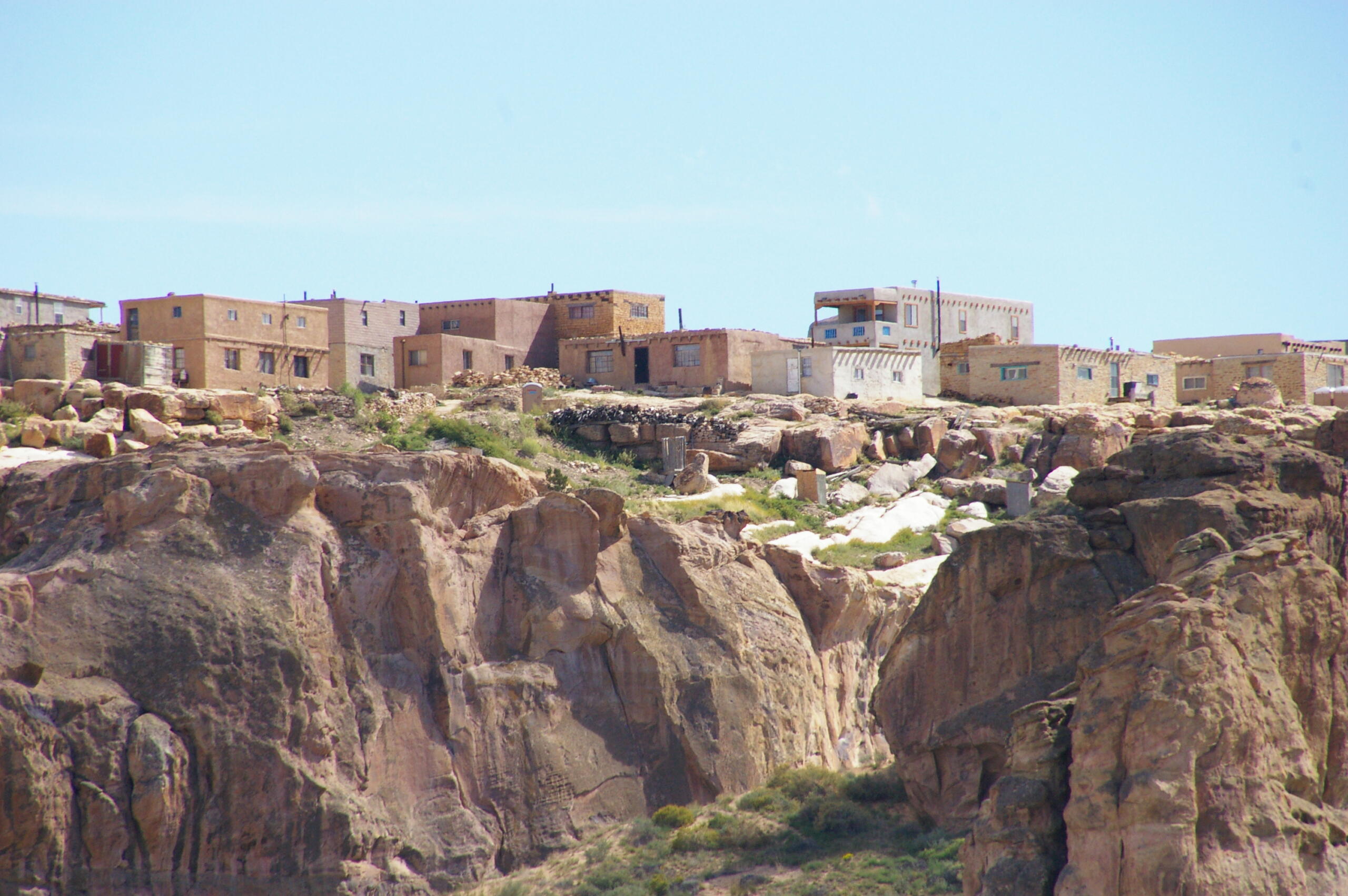
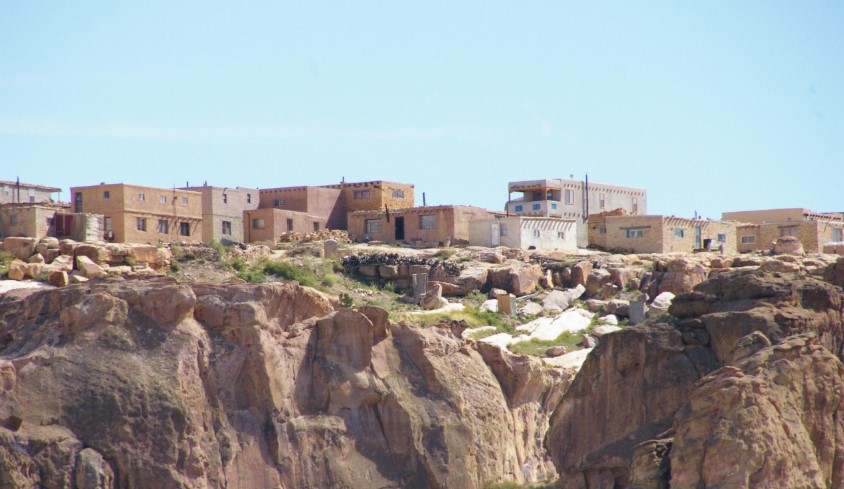
Acoma Pueblo, known as “Sky City,” sits atop a 367-foot sandstone mesa and is among the oldest continuously inhabited communities in North America, occupied since approximately 1150 CE. The dramatic mesa-top village, accessible via a guided tour from the Sky City Cultural Center, offers extraordinary views and a profound sense of the defensive and spiritual significance of the location. The San Esteban del Rey Mission church (built 1629-1640) is a National Historic Landmark. Acoma is renowned for its distinctive thin-walled pottery. Visits require guided tours and photography permits.
5. Bandera Volcano and El Morro National Monument
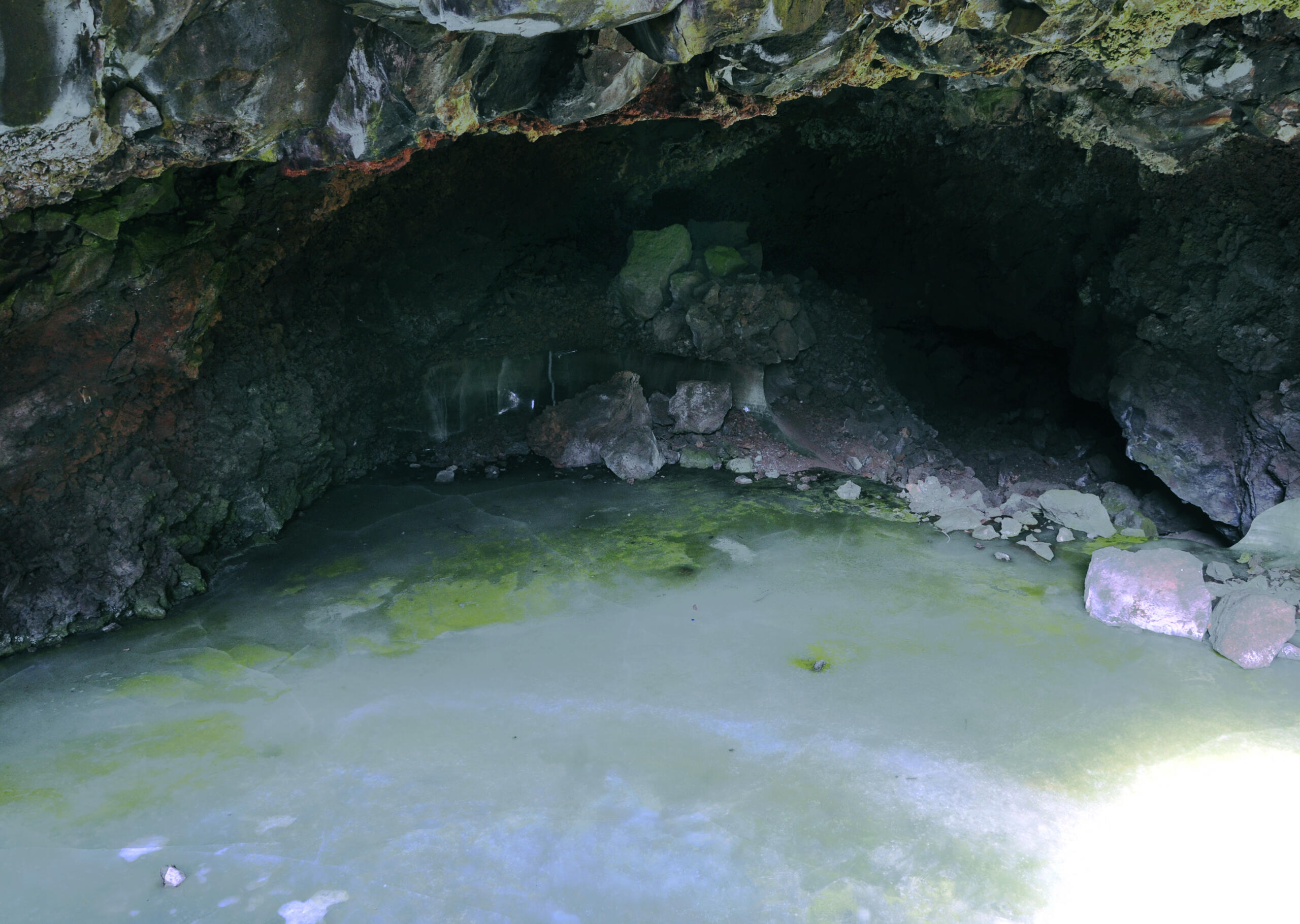
El Morro — “Inscription Rock” — is a sandstone bluff that served as a landmark and water source for travelers for centuries. The rock bears petroglyphs from ancestral Puebloan peoples and inscriptions from Spanish and American travelers across centuries. Atop the bluff are the ruins of Atsinna Pueblo, occupied around 1275-1350 CE by ancestors of the Zuni people. The site connects the deep ancestral Puebloan history with the later Spanish and American presence, creating a layered record of New Mexico’s complex history of cultural contact.
6. Pecos National Historical Park
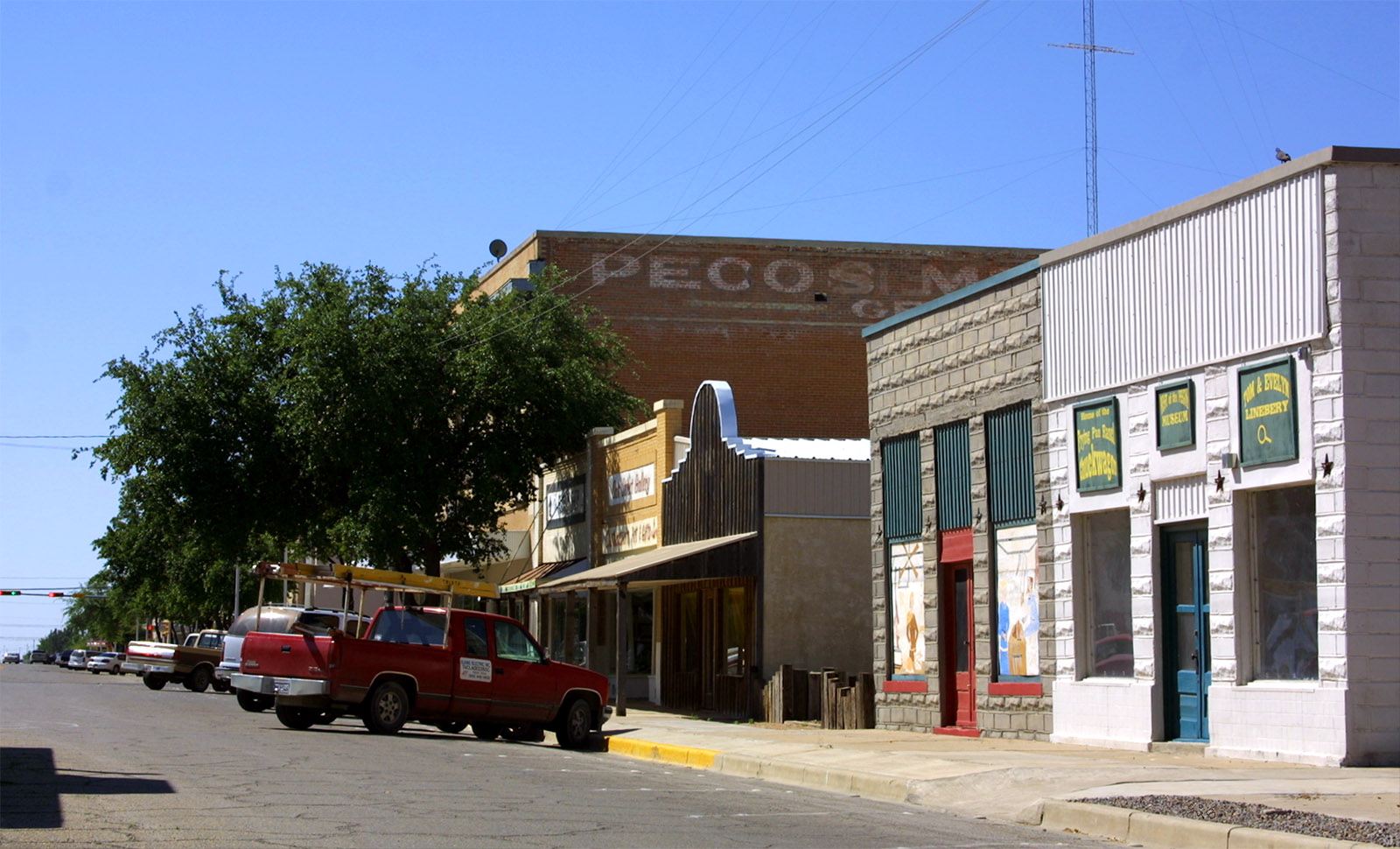
Pecos preserves the ruins of Pecos Pueblo, once one of the largest and most powerful Pueblo communities in the region, occupied from approximately 1100 CE until 1838. Pecos was a major trade center between the Pueblo peoples and the Plains tribes. The site also includes the ruins of a Spanish colonial mission church. The combination of the massive Pueblo ruins and the mission church documents the dramatic and often tragic history of Pueblo-Spanish contact. The last Pecos residents relocated to Jemez Pueblo in 1838, and their descendants maintain the connection today.
7. Zuni Pueblo
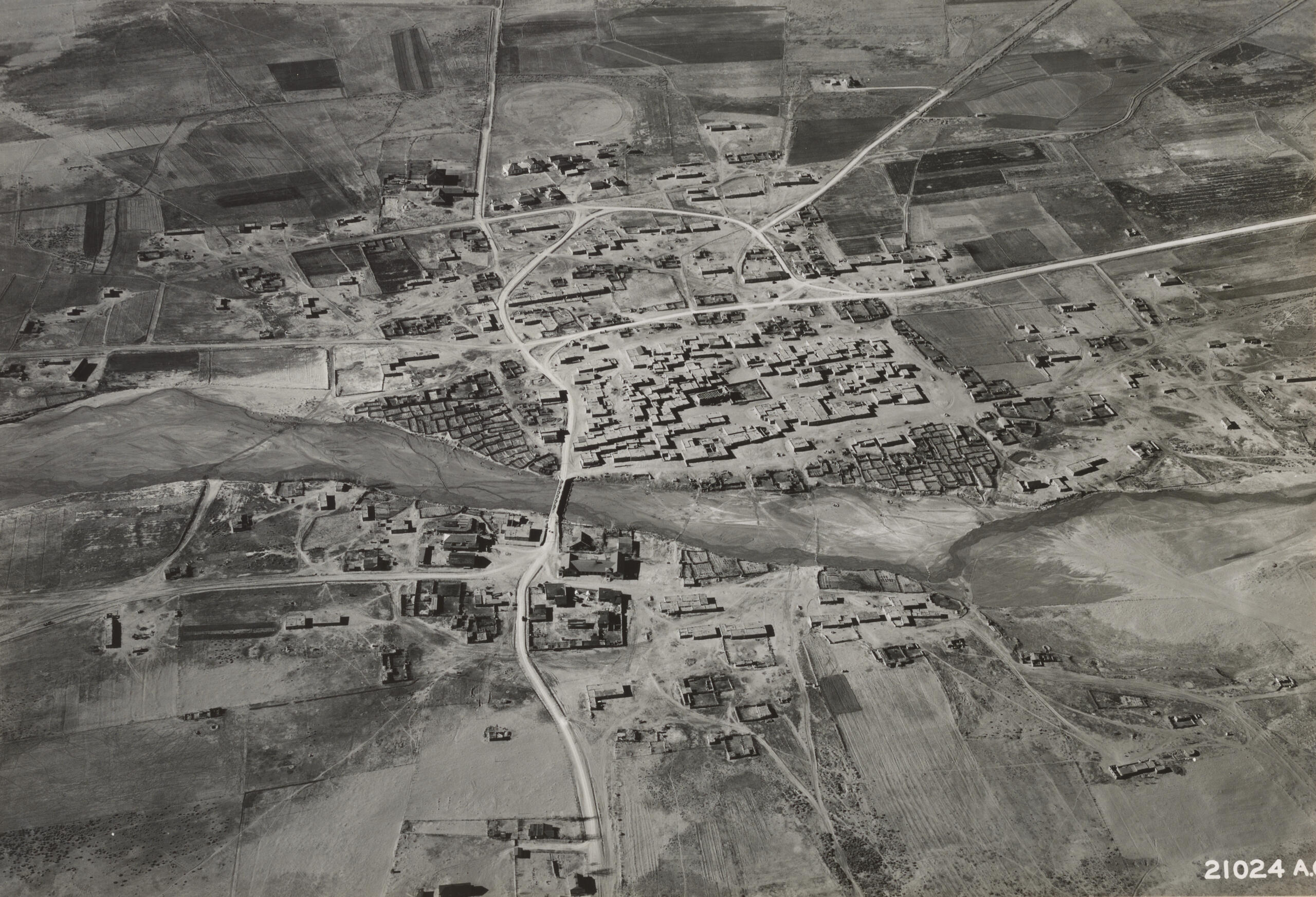
Zuni Pueblo — the largest of the 19 New Mexico Pueblos — maintains one of the most distinct and intact Native American cultures in the United States, with the Zuni language (a language isolate unrelated to any other) and traditional religious practices continuing strongly. The Pueblo is renowned for its distinctive silverwork, fetish carvings, and pottery. The Zuni welcome respectful visitors to the village and the cultural museum, though many ceremonial areas and events are closed to non-Zuni. The Zuni Shalako ceremony (typically late autumn) is among the most significant Pueblo ceremonies.
8. Gila Cliff Dwellings National Monument
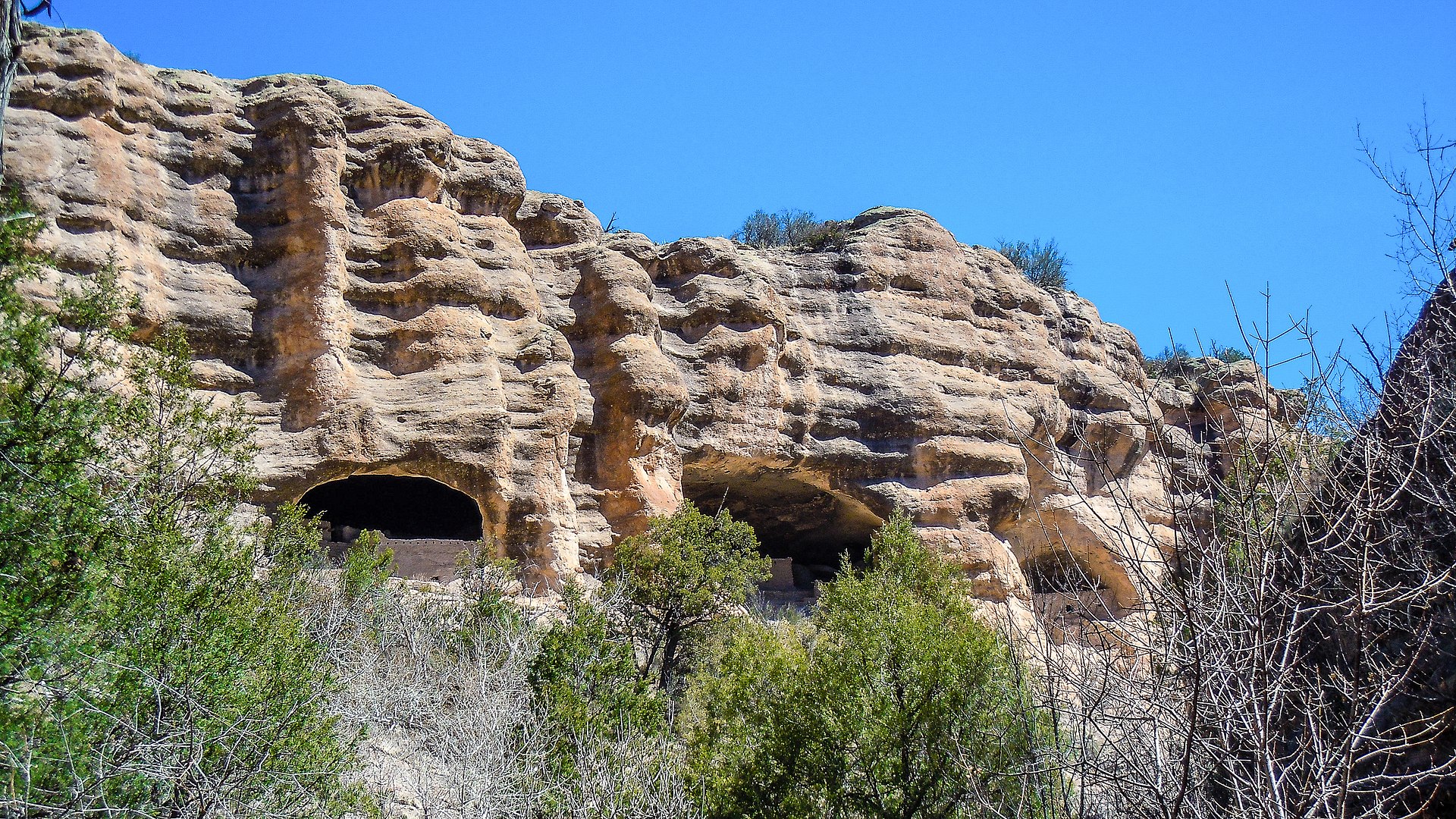
Gila Cliff Dwellings in southwestern New Mexico preserves the cliff dwellings built by the Mogollon people in the late 1200s within natural caves in the Gila Wilderness. The well-preserved dwellings, accessible via a one-mile loop trail, offer an intimate encounter with the Mogollon culture, which differed from the Puebloan cultures to the north. The remote wilderness setting (the Gila was the world’s first designated wilderness area, established 1924) adds to the profound atmosphere. The site connects to the broader cultural history of the American Southwest’s diverse ancestral peoples.
9. The Navajo Nation (New Mexico Portion)
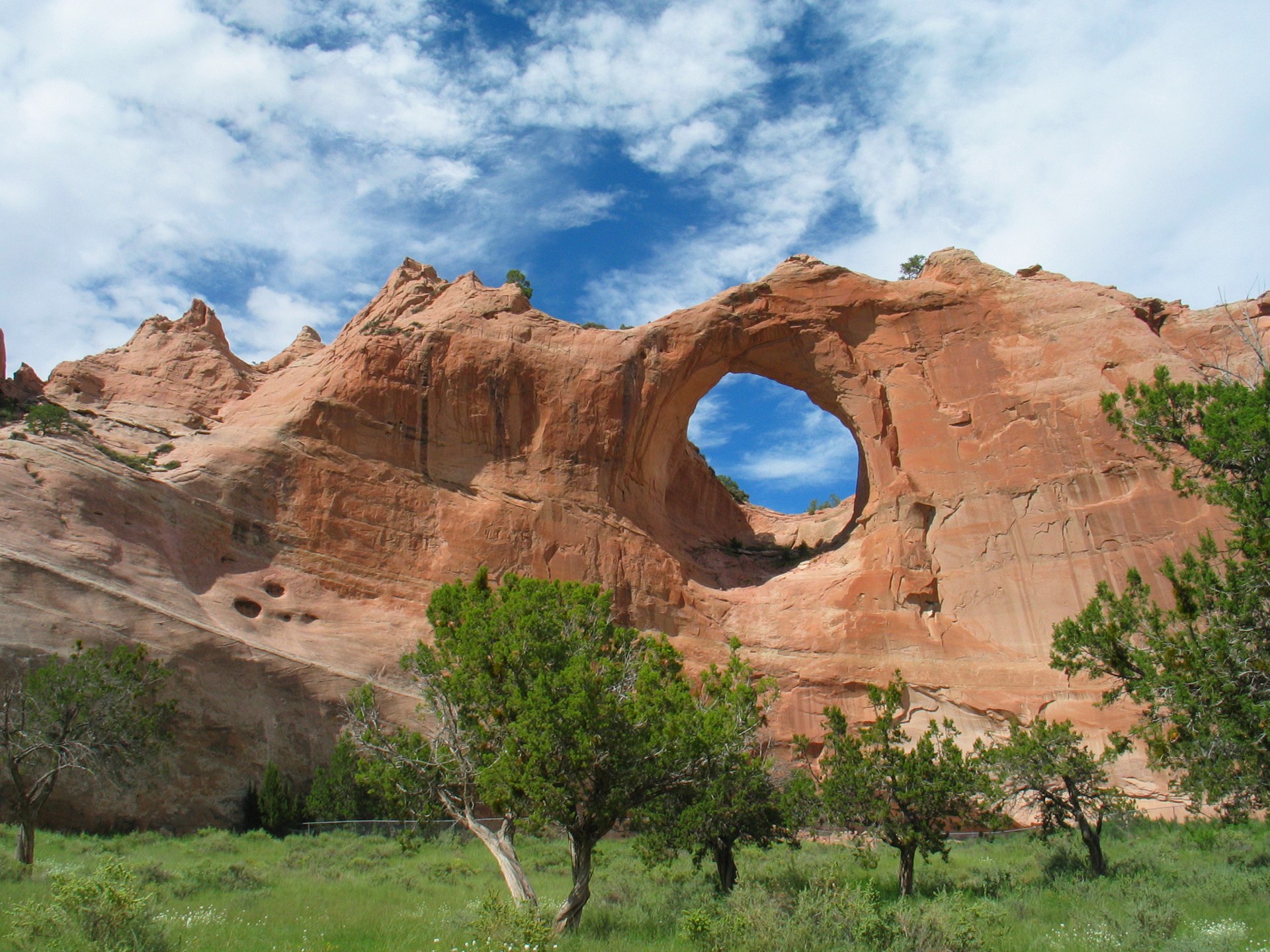
The Navajo Nation — the largest Native American reservation in the United States — extends into northwestern New Mexico. The New Mexico portion includes significant sites and the broader living Navajo (Diné) culture. The Navajo people, who arrived in the Southwest later than the Pueblo peoples, developed a distinct culture centered on sheep herding, weaving (the renowned Navajo rugs), and silverwork. Visitors to the New Mexico Navajo lands can experience the living Diné culture, purchase authentic crafts, and visit cultural sites, while observing the protocols of respectful visitation to tribal lands.
10. The Indian Pueblo Cultural Center (Albuquerque)
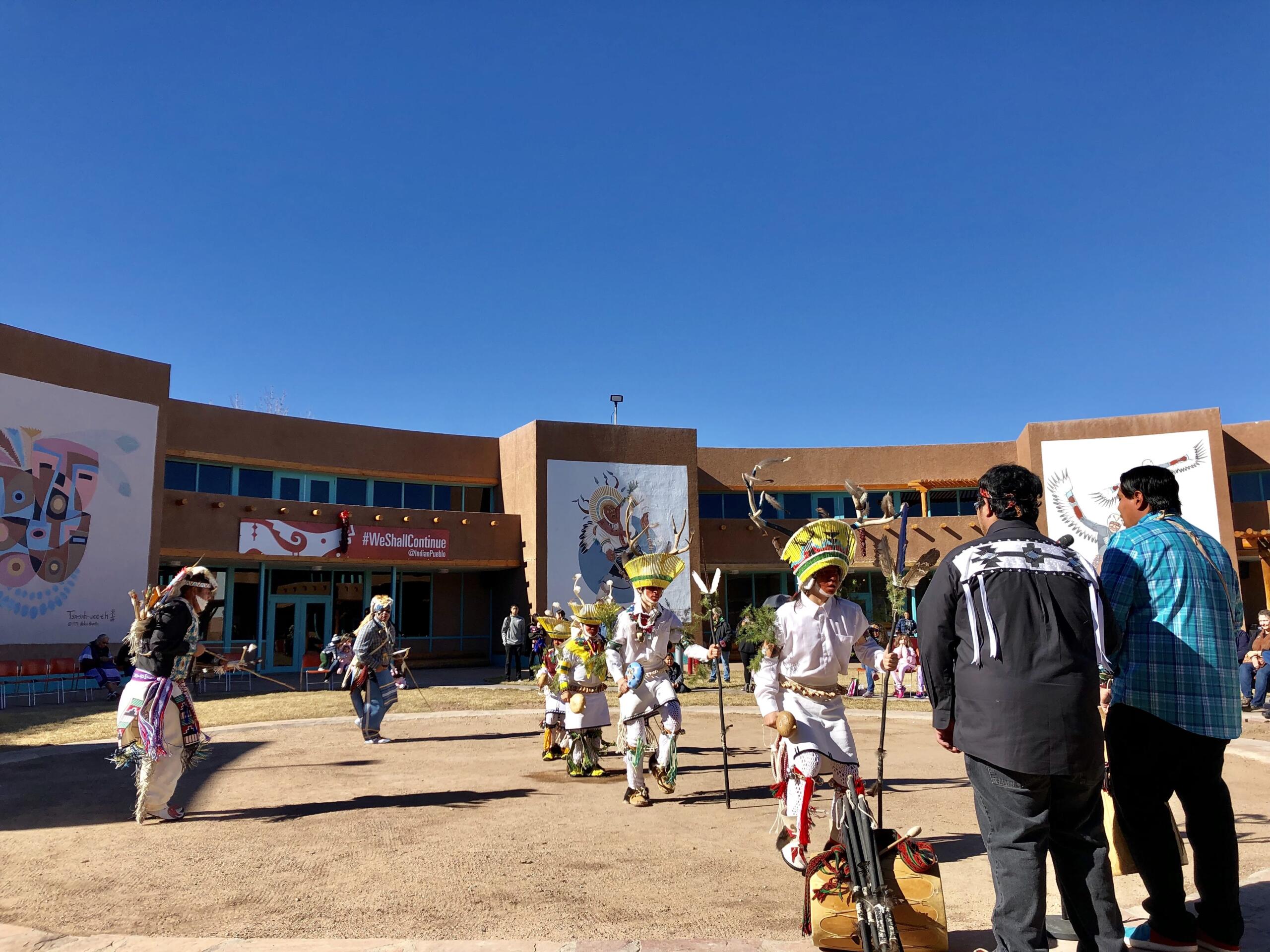
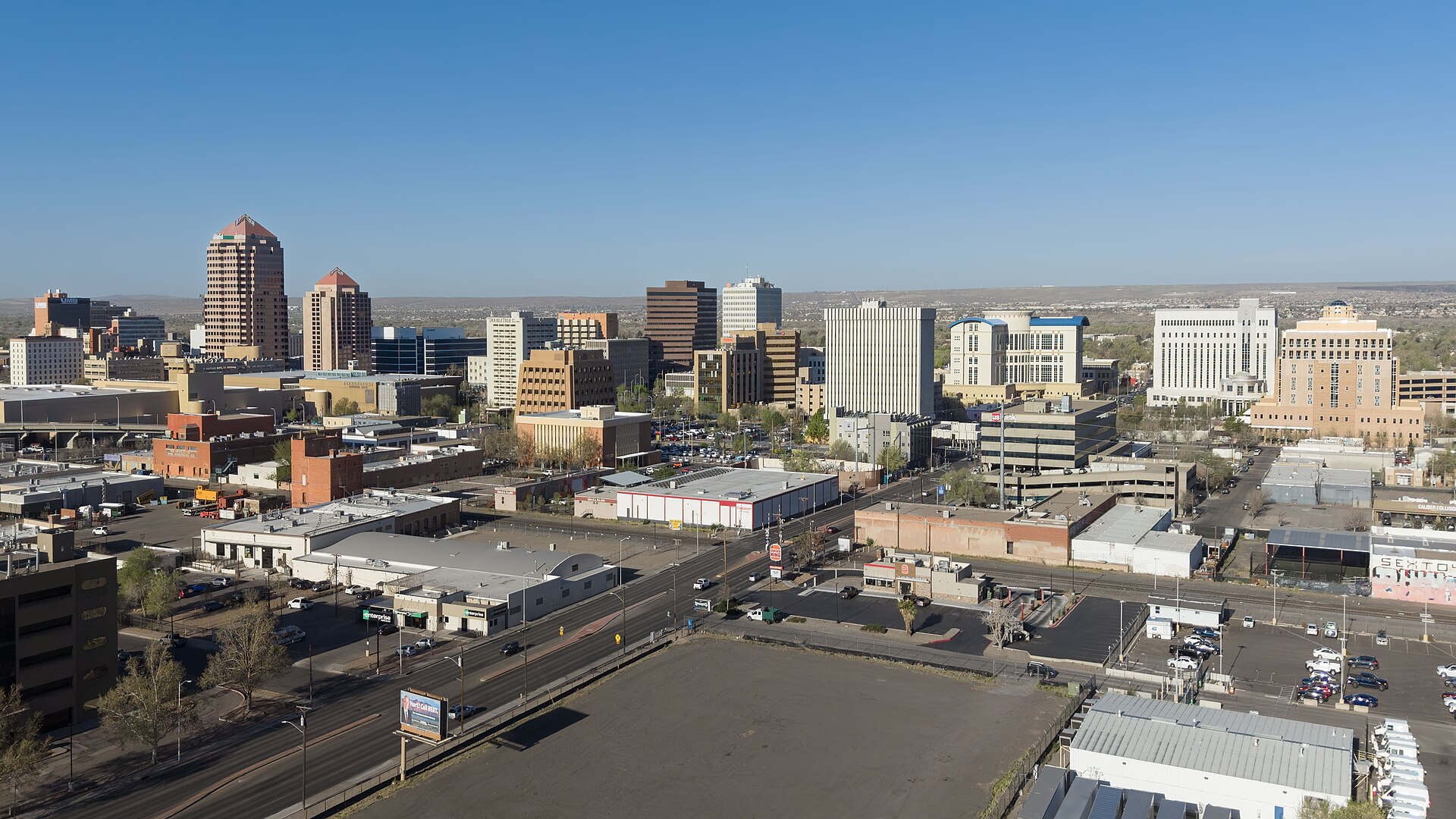
The Indian Pueblo Cultural Center in Albuquerque, owned and operated by the 19 Pueblos of New Mexico, provides the best single introduction to Pueblo culture for visitors. The center’s museum traces the history and contemporary life of the Pueblo peoples, presented from the Pueblo perspective rather than an outside academic one. Traditional dances are performed on weekends, authentic crafts are sold by Pueblo artisans, and the restaurant serves traditional Pueblo cuisine. For visitors planning to visit the individual Pueblos, the Cultural Center provides essential context and helps establish the respectful, informed approach that meaningful Pueblo visitation requires.
Visiting Respectfully
The essential principle for visiting New Mexico’s Native American heritage sites is that most are living cultural places rather than historical attractions. The protocols matter. Visitors should always check whether a Pueblo or site is open before visiting (many close for ceremonies and feast days without much notice). Photography is frequently prohibited or requires a permit, and is almost always forbidden during ceremonies and dances. Ceremonial areas, kivas, and certain sacred spaces are off-limits to visitors. Purchasing crafts directly from Native artisans supports the communities and ensures authenticity. Approaching these destinations with respect, patience, and genuine interest in the living cultures — rather than as a checklist of attractions — produces both a more meaningful experience for the visitor and a more sustainable relationship between the communities and the travelers who visit them. New Mexico’s Native American heritage is among the most profound and accessible in the United States, and it rewards the respectful, informed traveler with an encounter with cultures that have endured in place for over a thousand years.