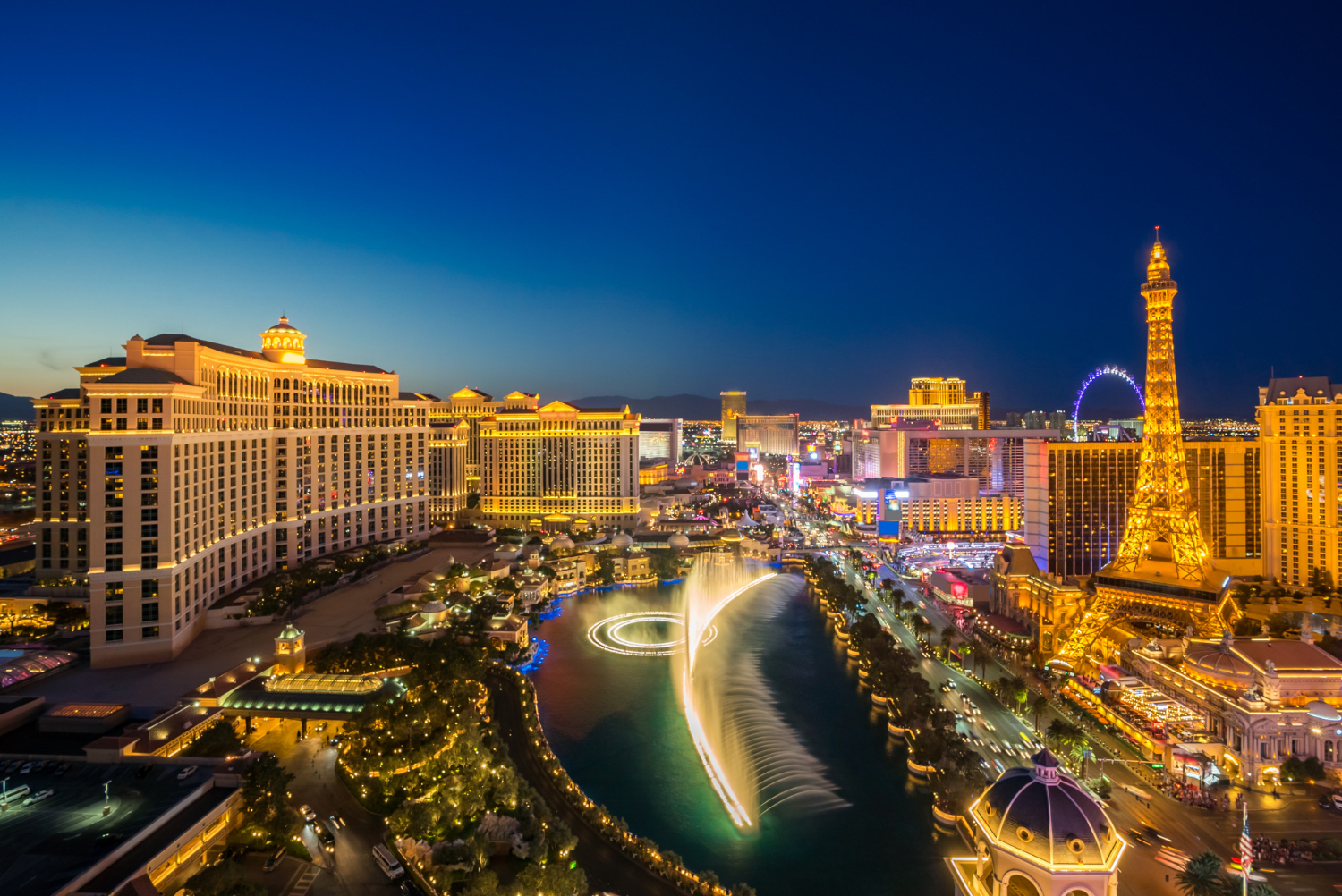
For decades, Las Vegas sold itself on a specific promise: cheap rooms, cheap buffets, cheap drinks, and free parking, all subsidized by gambling revenue. The city was the great American bargain vacation, where a middle-class family or a group of friends could have an extravagant-feeling trip for a modest cost. That Las Vegas is largely gone. Resort fees now add $35 to $55 per night before tax. Parking, once universally free, now costs money at most major Strip resorts. The cheap buffets have closed or gone upscale. And the cumulative effect has produced something Las Vegas has rarely seen — a measurable decline in visitors, with people increasingly priced out and frustrated. In early 2026, visitor numbers and gambling revenue both fell, and surveys found a striking share of visitors now consider the city too expensive. Here is exactly what changed in Las Vegas, why, and what it means for travelers planning a trip.
The transformation of Las Vegas from bargain destination to expensive one has been gradual but is now unmistakable in the data. The city’s traditional business model — subsidizing cheap rooms, food, and parking with gambling profits — has shifted toward extracting revenue directly from visitors through fees and higher prices, even as gambling itself has become a smaller share of the equation. The result, by 2026, is a genuinely more expensive destination and visible signs that travelers are responding by spending less or going elsewhere.
The Resort Fee — The Charge You Can’t Avoid
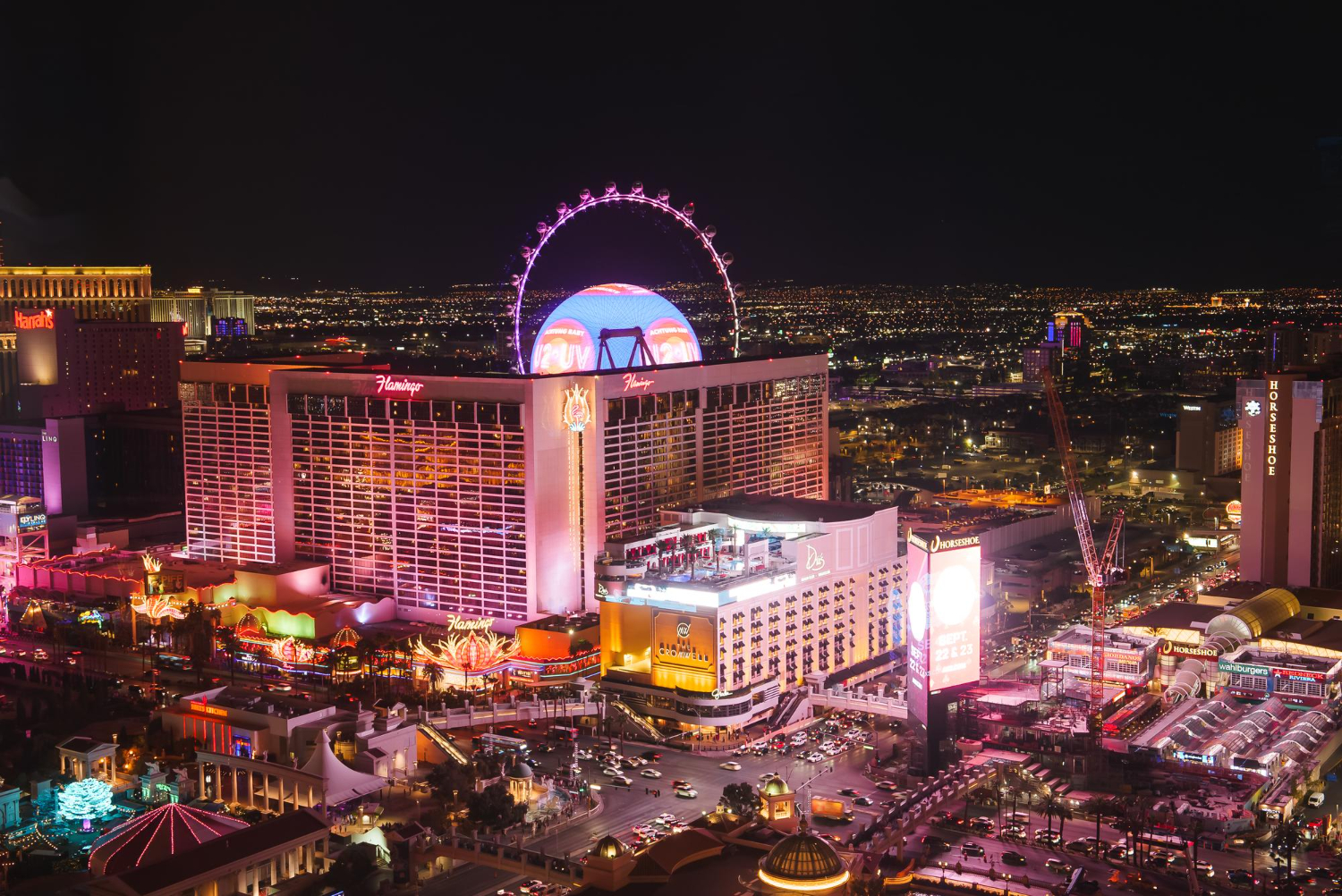
The single most-resented change is the resort fee — a mandatory daily charge added to nearly every Strip hotel room, separate from and on top of the advertised room rate. As of 2026, Strip resort fees run approximately $35 to $55 per night before tax, pushing closer to $45 to $62 after Nevada’s hotel tax. The fee is charged per room per night regardless of whether the guest uses any of the “amenities” it supposedly covers — Wi-Fi, fitness center, pool access, local calls, bottled water. Because the fee is frequently not included in the advertised room rate, travelers booking a “cheap” room are repeatedly caught off guard at check-in by the substantial added cost. The Federal Trade Commission has pushed for more fee transparency through rules tied to junk-fee prevention, but resort fees remain standard and remain a primary source of visitor frustration.
The End of Free Parking
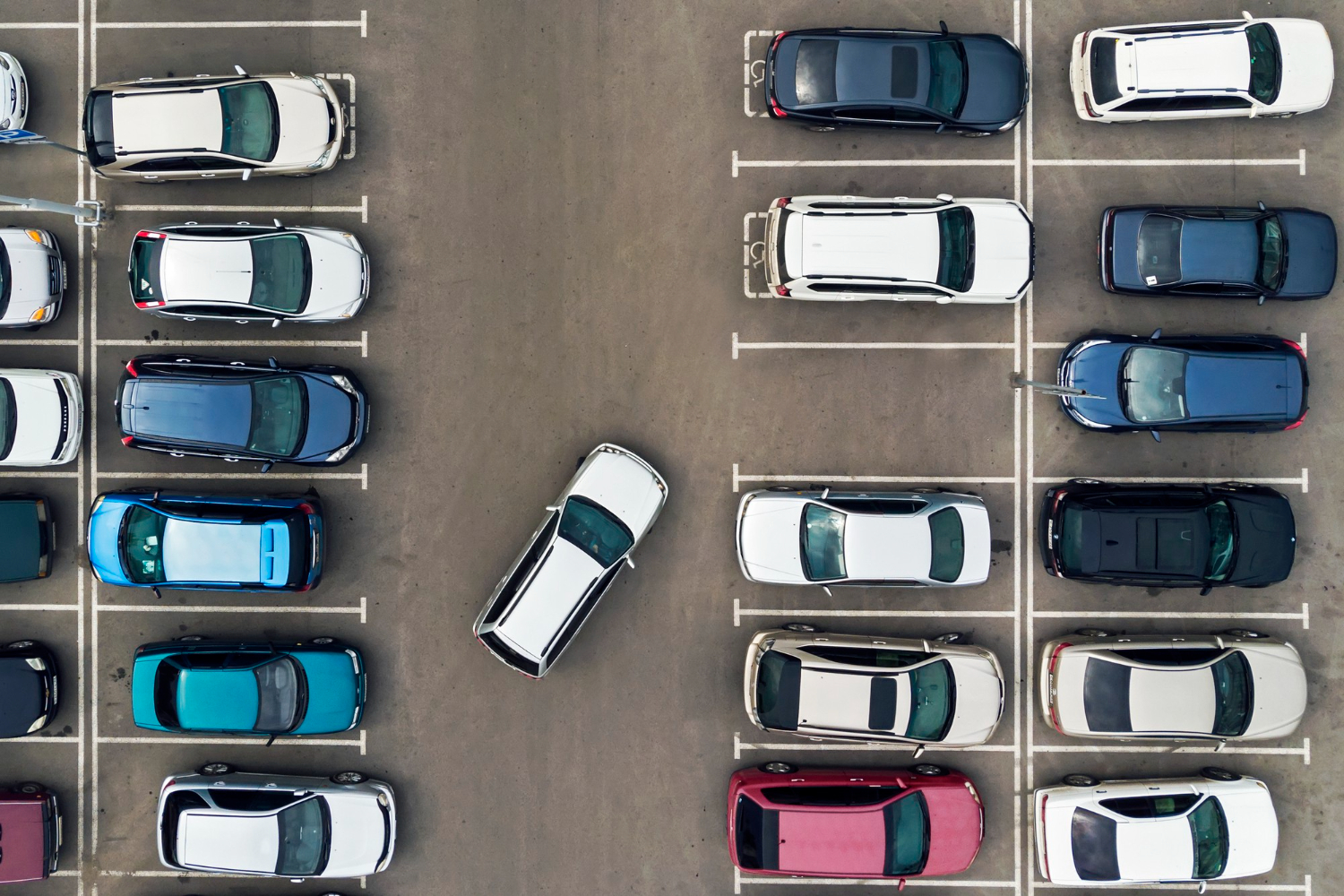
For most of Las Vegas history, parking on the Strip was free — a deliberate policy to remove any friction from getting visitors into the casinos. That ended when major operators began charging for both self-parking and valet, and most major Strip resorts have now transitioned away from free parking. Daily self-parking and valet charges add another layer of cost, particularly for visitors who drive in from Southern California or who rent cars. The loss of free parking was particularly symbolic — it represented the end of the old model in which the casino absorbed every cost to keep gamblers happy, replaced by a model that charges visitors directly at every turn.
The Vanished Cheap Buffet

The legendary Las Vegas buffet — the cheap, endless spread that was a defining part of the bargain Vegas experience — has largely disappeared or transformed. Many buffets closed permanently during and after 2020, and the ones that reopened did so at substantially higher prices, repositioned as premium dining rather than cheap volume. The era of the $5.99 buffet that lured visitors in is over. The buffet’s transformation from cheap draw to expensive offering epitomizes the broader shift — what was once a loss-leader to attract gamblers is now another revenue center priced at what the market will bear.
Higher Prices Across the Board
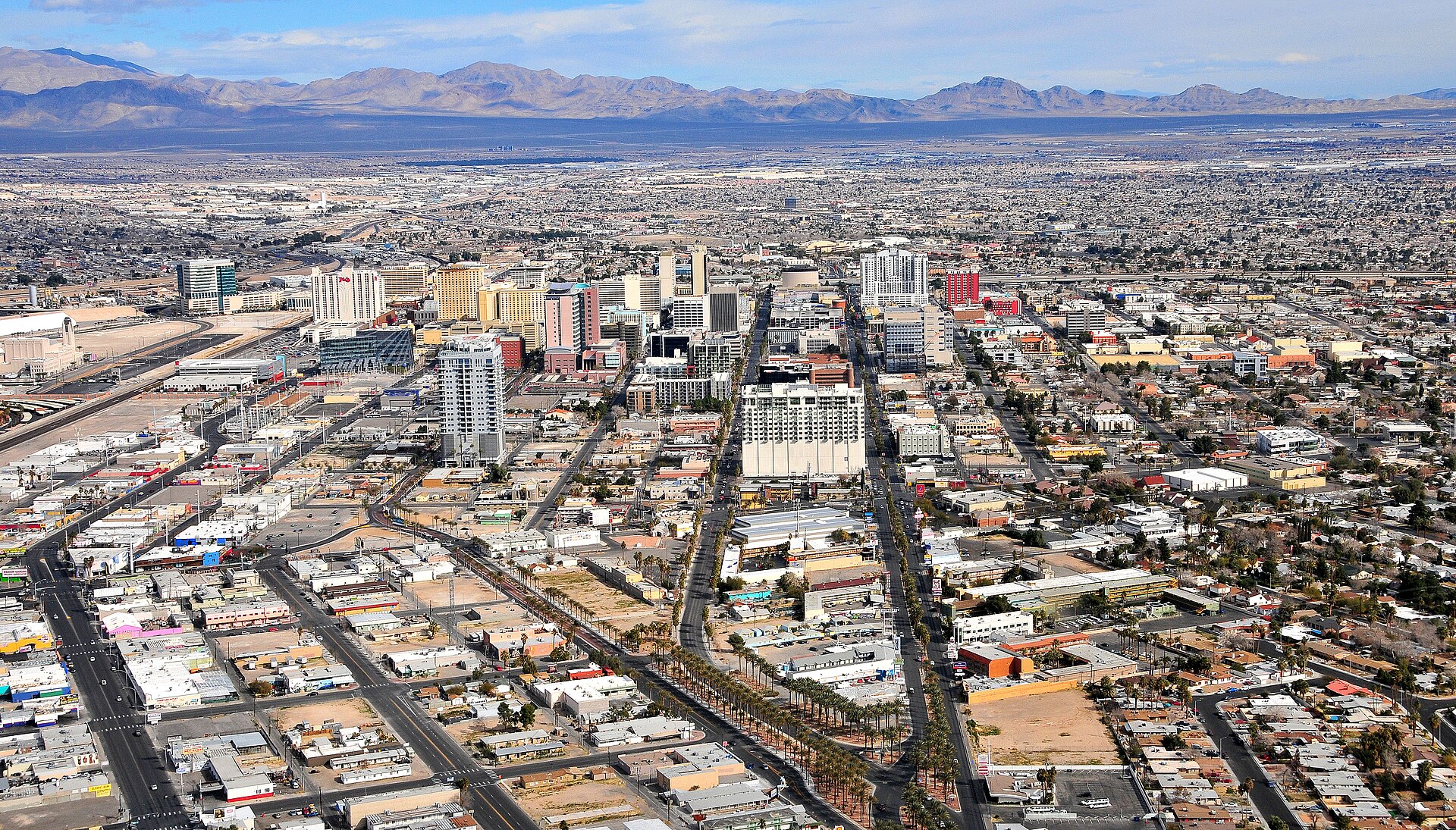
Beyond the specific fees, Las Vegas has simply become more expensive across every category. Hotel room rates during peak periods and major events have climbed substantially. Restaurant prices, drink prices, show tickets, nightclub and dayclub costs, and the general cost of being in the city have all risen. Additional charges have proliferated — early check-in fees, late check-out fees, and service charges at restaurants and venues. The cumulative effect is that a Las Vegas trip that appears affordable at the advertised room rate frequently ends up costing far more than the visitor budgeted, with the gap concentrated in fees and add-ons that weren’t apparent at booking.
The Visitors Are Responding
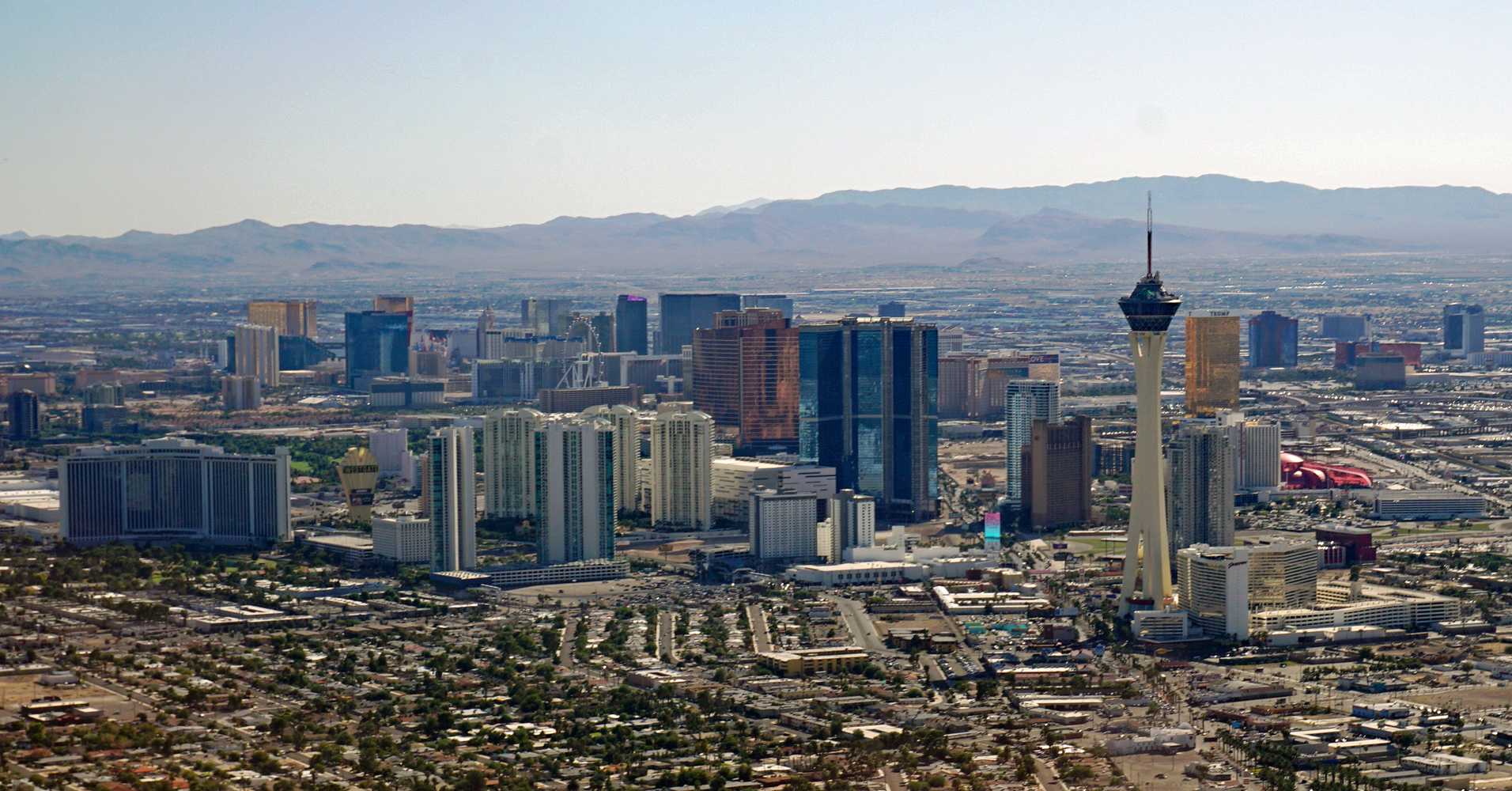
The data shows travelers reacting to the higher costs. Las Vegas visitor volume fell approximately 2.2 percent in January 2026, dropping to about 3.27 million visitors. Strip gaming revenue dropped about 11 percent in the same period, marking the sixth consecutive month of decline. Survey data found that a striking share of recent visitors — by some reports approaching 90 percent — now describe the city as too expensive. Industry analysts have linked the slowdown directly to the rising costs and the resort-fee frustration, alongside broader factors like higher airfare, reduced flight connectivity from some markets, and general economic caution. The decline is notable for a city that has spent decades growing.
The Other Things That Quietly Changed
Beyond the headline costs, a series of smaller changes have altered the Las Vegas experience in ways longtime visitors notice. Free or cheap drinks while gambling, once a reliable perk, have become stingier — machines now often track play before a cocktail server appears, and the era of nursing a slot machine for free drinks has tightened considerably. Free parking’s disappearance was joined by the quiet reduction of other comps and perks that the casinos once handed out freely. Smoking rules, entertainment pricing, and even the once-ubiquitous cheap shrimp cocktails and loss-leader meals have shifted toward full-price offerings. The cumulative effect is a city that has systematically converted its old free perks — the things that made a budget Vegas trip feel surprisingly lavish — into revenue centers. For visitors who remember the older model, the change isn’t just about higher prices on the things they always paid for; it’s about being charged for a long list of things that used to be free.
Why It Happened
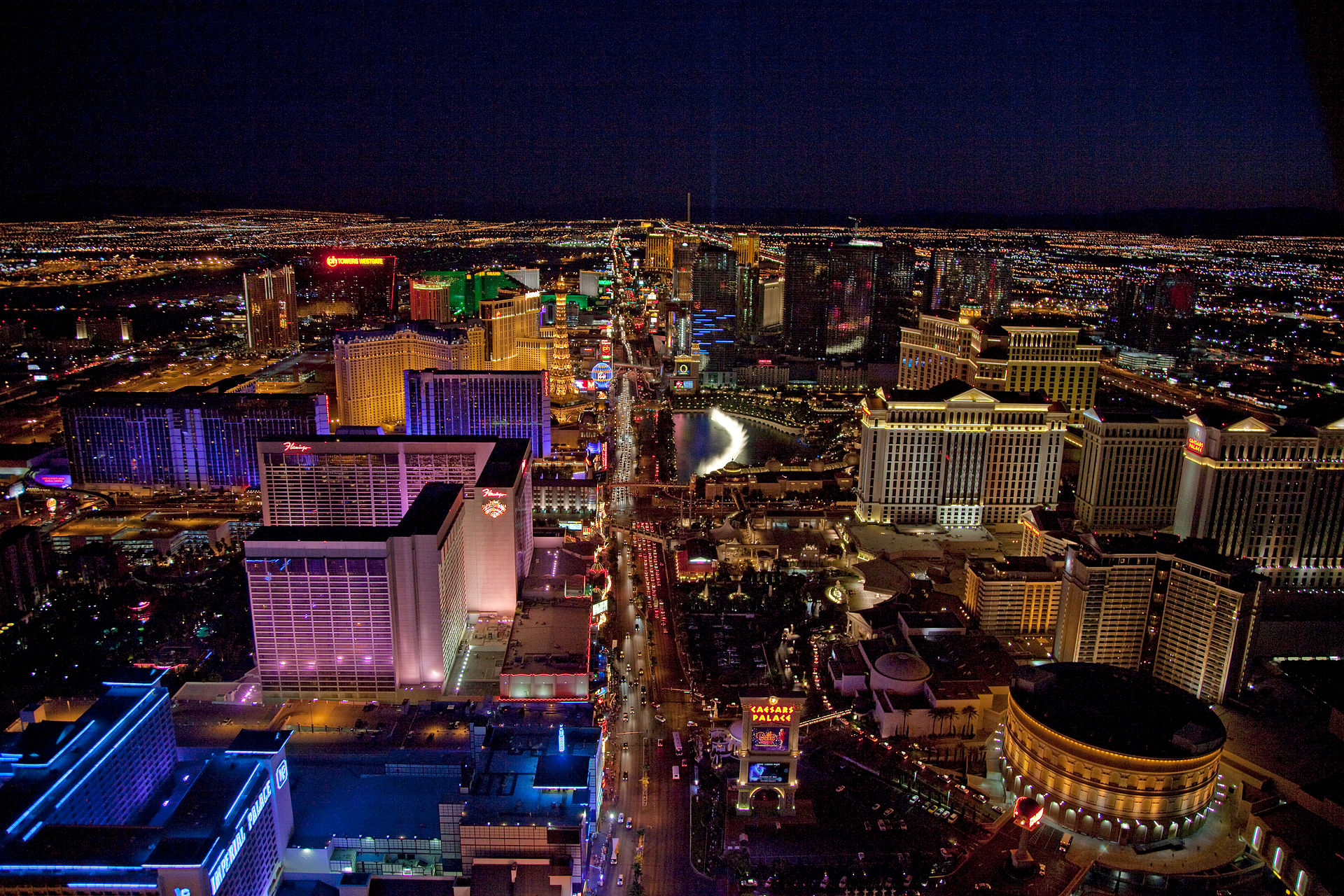
The shift reflects a fundamental change in the Las Vegas business model. Historically, casinos subsidized everything else — rooms, food, parking, entertainment — because gambling losses more than made up for it. As gambling revenue has become a smaller and less reliable share of resort profits, and as the major resorts have consolidated under a few large corporate operators, the incentive shifted toward extracting revenue directly from every part of the visitor experience. Resort fees, parking charges, and higher prices across the board reflect a model that no longer assumes the casino floor will subsidize the visitor’s stay. The “Disneyfication” of Las Vegas into a broad entertainment destination, rather than primarily a gambling destination, accelerated this — the city now sells experiences, dining, nightlife, and shows at full price rather than as loss-leaders.
What It Means for Your Trip
For travelers planning a Las Vegas trip in 2026, the practical implications are clear. The advertised room rate is no longer the real price — budget for resort fees of $35 to $55-plus per night and parking charges on top. Always check the total cost including all mandatory fees before booking, since the fees are frequently buried until late in the booking process. Consider downtown Las Vegas (the Fremont Street area) and off-Strip properties, some of which still offer lower or no resort fees and free parking — the getaway value that the Strip abandoned often survives downtown. Travel on weekdays and avoid major event weekends for substantially lower rates. Run the math on any package or bundle rather than assuming it saves money. Las Vegas remains a genuinely entertaining destination with world-class dining, shows, and resorts, but the era when it was reliably the cheap vacation is over. The travelers who do best in 2026 are the ones who go in understanding the real cost structure rather than being repeatedly surprised by it — and who know that the bargain Vegas, to the extent it survives at all, has largely moved off the Strip.