Some of the most expensive items on a restaurant menu today were once the food of prisoners, servants, and the poor. The lobster that comes with drawn butter and a market price was fed to inmates. The oysters on the half shell were sold by the bucket as cheap bar food. The bone marrow served as a delicate appetizer was a butcher’s throwaway. The journey from cheap or unwanted to celebrated and costly is one of the most consistent patterns in food history, driven by scarcity, transportation, the attention of skilled chefs, and a fair amount of clever marketing. Here are the foods Americans once turned their noses up at, the stories of how they climbed the menu, and what the pattern reveals about taste itself.
A quick framing note: none of these foods changed. What changed was supply, access, and how people perceived them. That’s the real subject here. Here’s the pattern, told through the foods that prove it.
How a Food Climbs From Cheap to Coveted
The arc repeats so often it’s nearly a formula. A food is abundant and therefore cheap, so it gets associated with poverty. Then something shifts: the supply shrinks through overharvesting or pollution, transportation makes it available to people who don’t know its lowly reputation, or a chef figures out how to cook it so well that diners will pay for it. Scarcity and skill do the rest. Once a food becomes hard to get and pleasant to eat, its price climbs, and its image follows the price upward. Understanding that sequence explains nearly every food on this list.
Lobster: From Fertilizer to Fine Dining
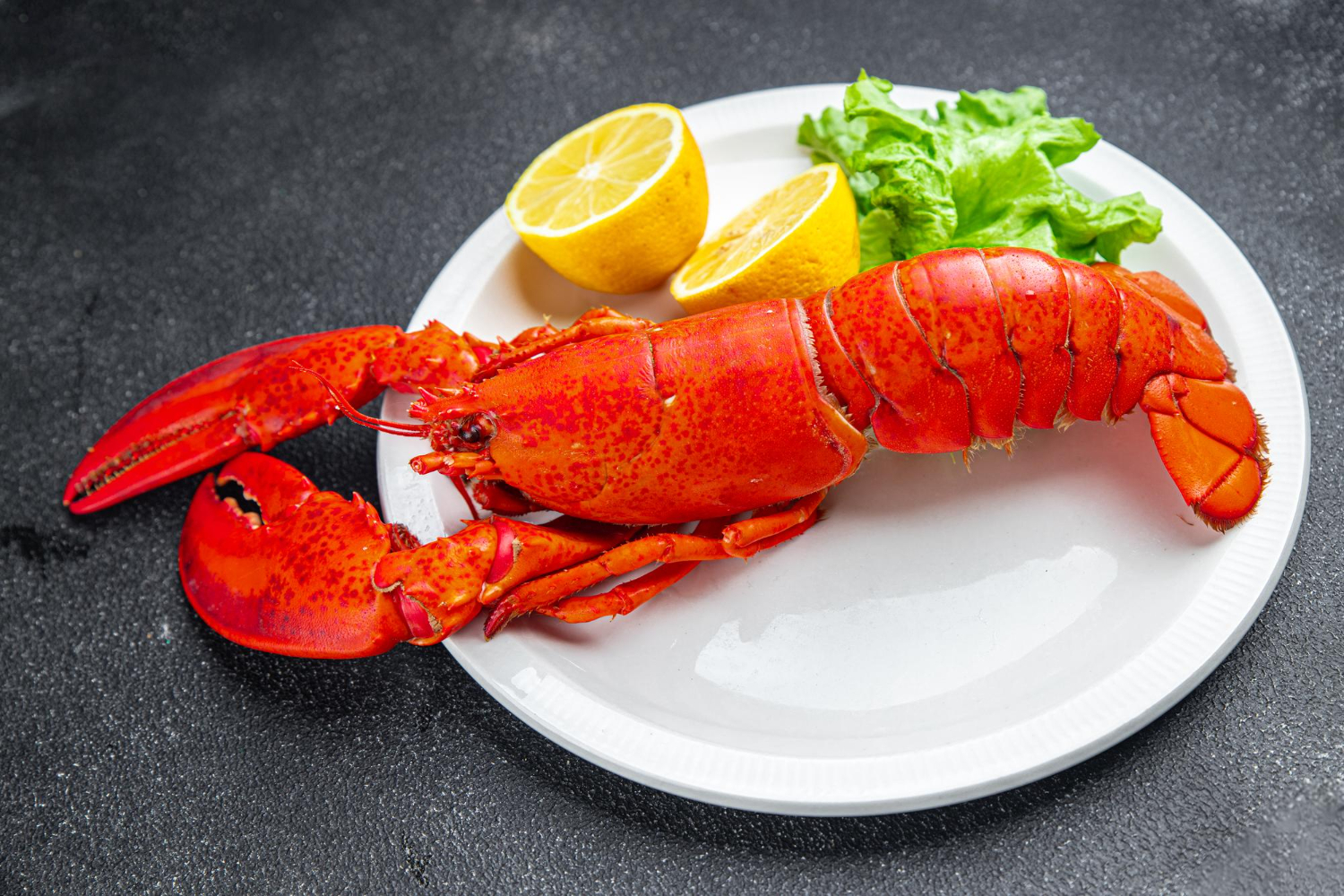
No food makes the point better than lobster. In colonial and early-American New England, lobsters washed ashore in enormous piles and were considered fit only for the desperate. They were fed to prisoners, servants, and orphans, and at times ground up and spread on fields as fertilizer. Some colonies reportedly limited how often inmates could be served it, on the grounds that daily lobster was cruel. The turnaround came in the 1800s. Rail companies began serving lobster to inland passengers who had no idea it was supposed to be poor-people’s food, and chefs learned to cook it live with butter and seasoning. By the late 1800s the “cockroach of the sea” had become a status dish, and it has never looked back.
Oysters: The Working-Class Staple Pollution Made Precious
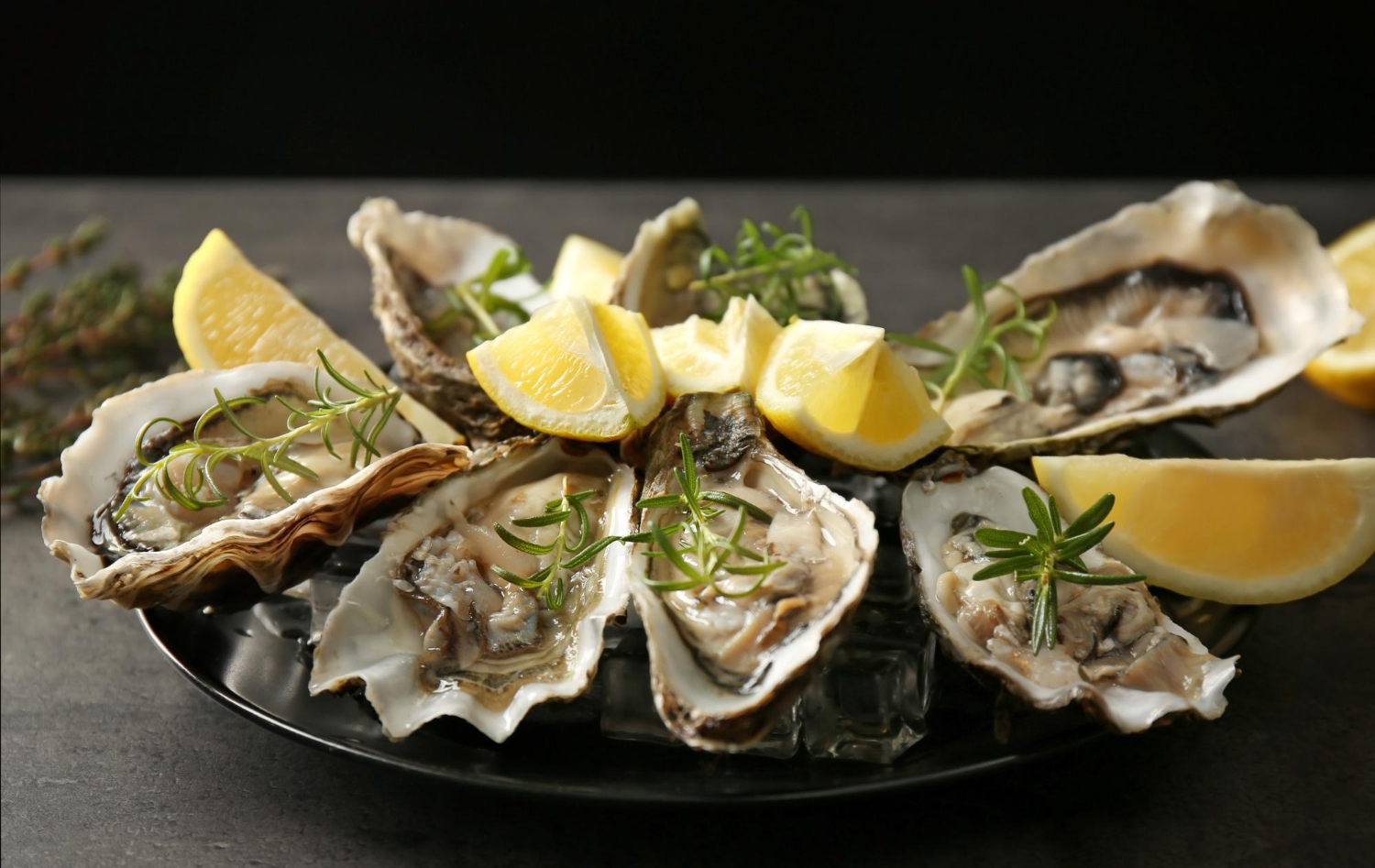
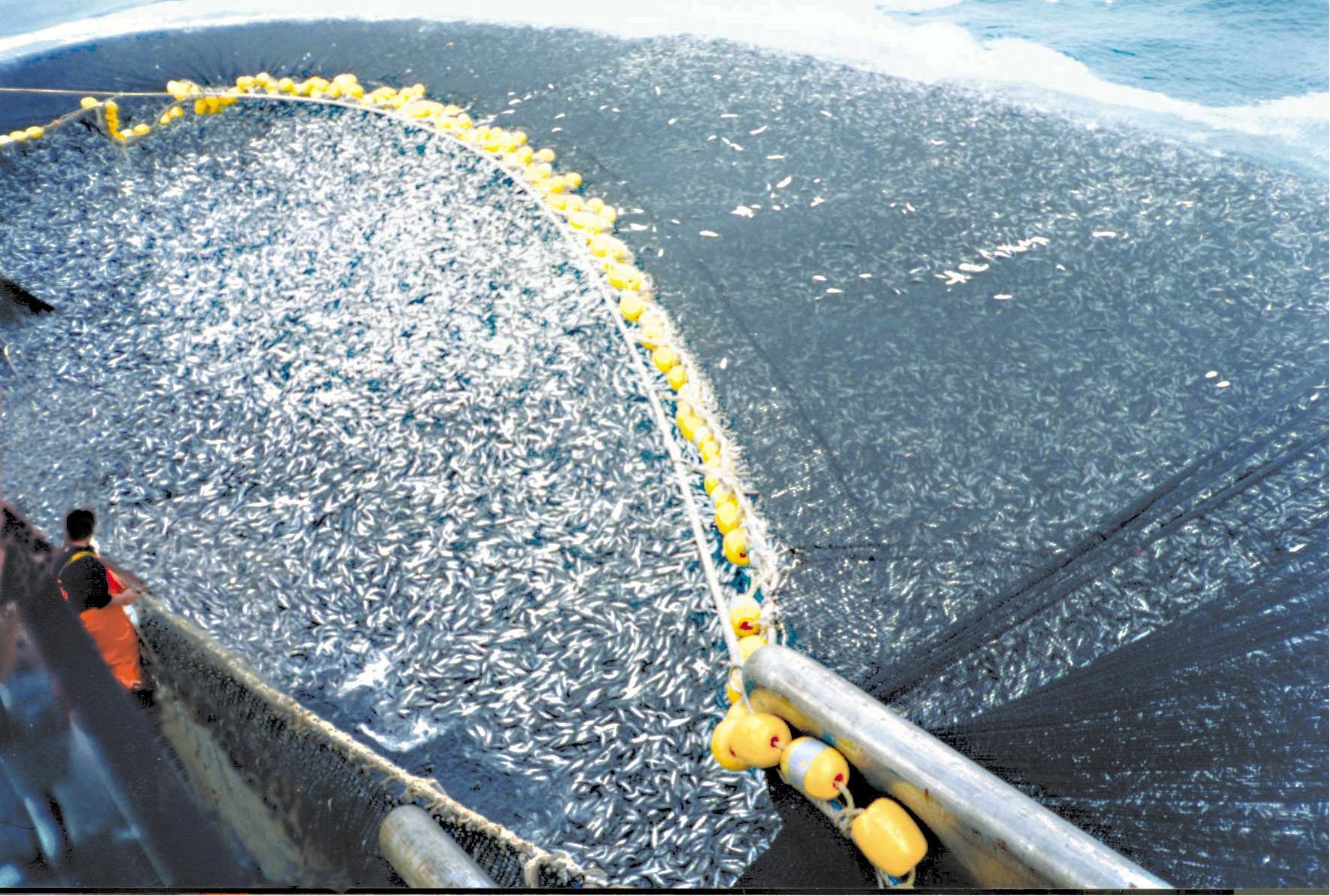
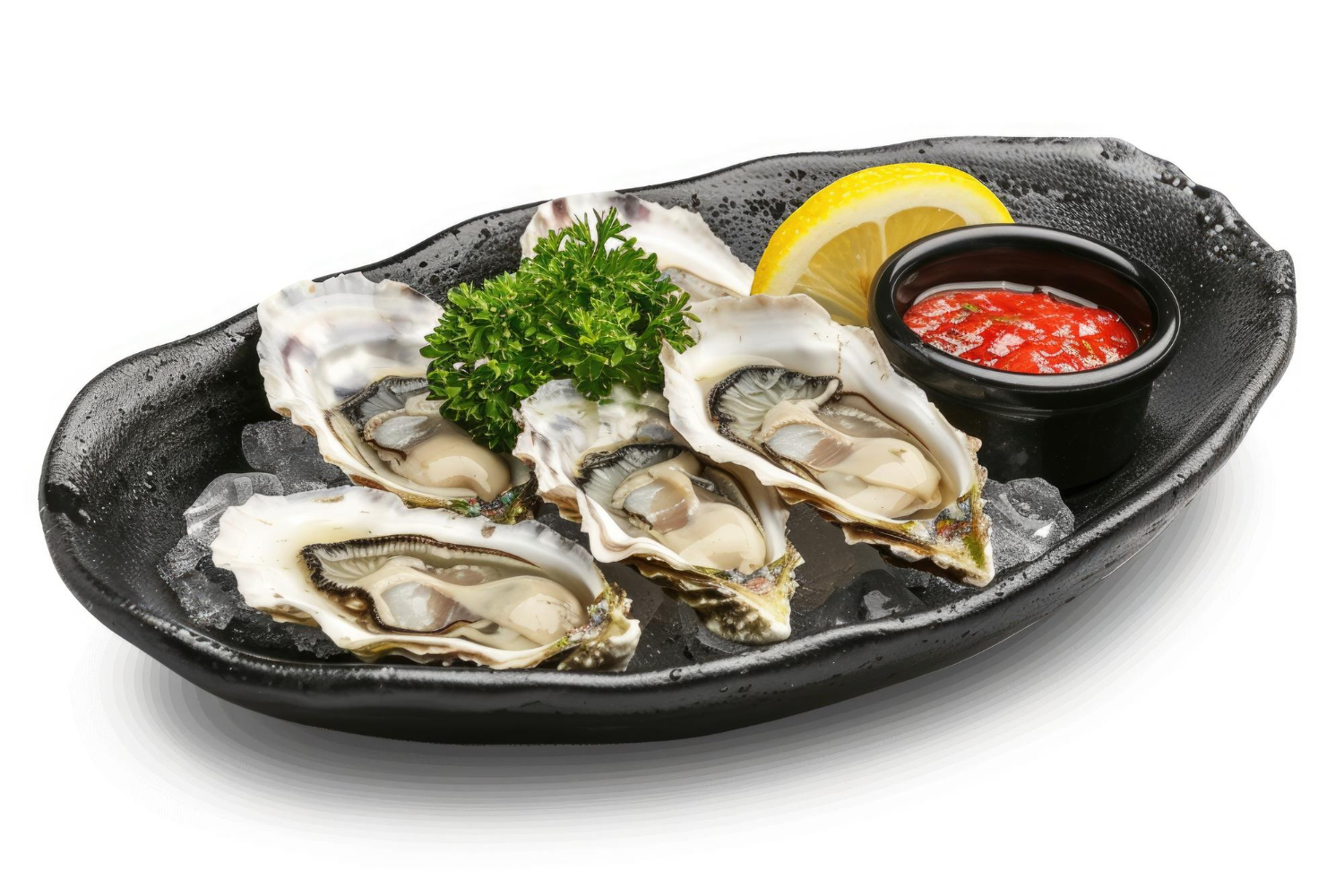
Oysters tell a similar story with a darker turn. In the 18th and 19th centuries they were everywhere, sold from carts in American cities and tossed into stews as cheap protein for the working class. Their downfall as an everyday food came from their own popularity and the water they grew in. Overharvesting thinned the beds, and pollution made some oyster grounds dangerous; fatal typhoid outbreaks in the early 1900s led to bans that gutted the industry. Oysters today are farmed in far cleaner water but at a fraction of the old scale, which is exactly why they now command raw-bar prices.
Bone Marrow and the Return of “Nose to Tail”
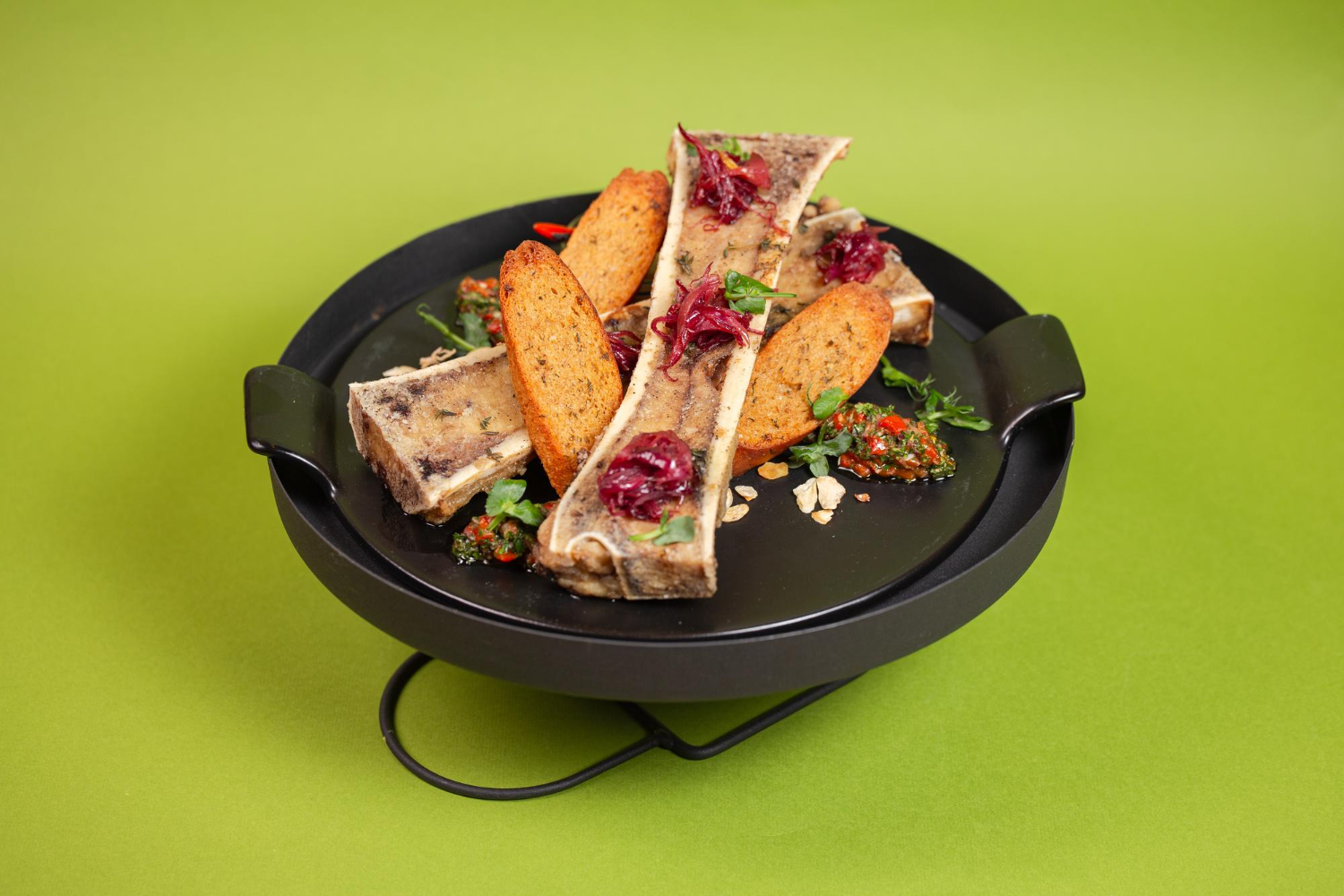
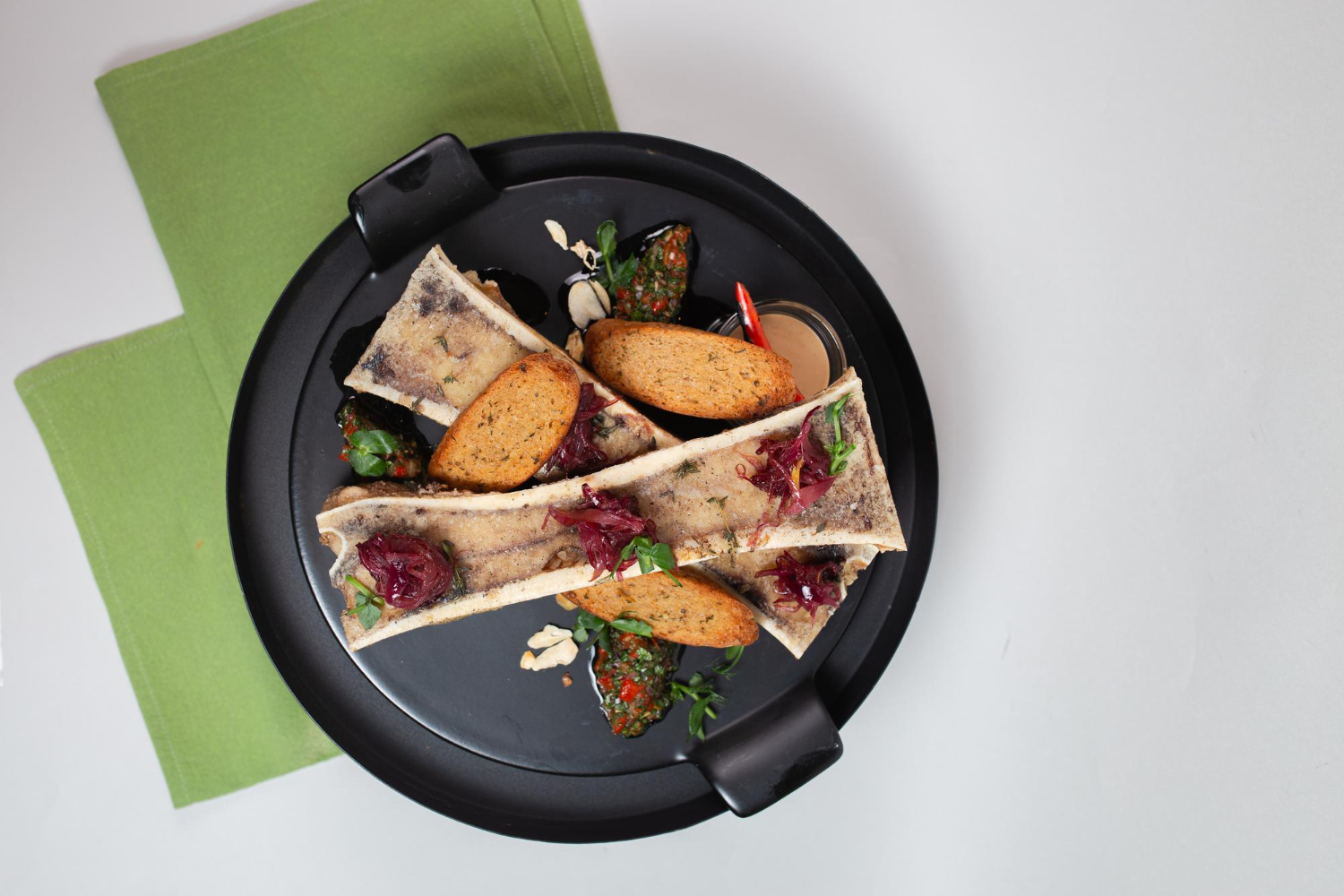
For centuries, marrow bones were a byproduct of butchering, valued mostly for broth and rarely treated as a dish in their own right. The modern fine-dining world rediscovered them through the “nose to tail” movement, which prizes using every part of the animal. Roasted and served with toast and a little salt, bone marrow became a fixture on ambitious menus, sold as a rich, savory appetizer at a price its origins never suggested. It’s a clean example of how a chef’s framing, more than any change in the food, can move something from waste to luxury.
Sweetbreads and the French Rehabilitation of Offal

Sweetbreads, the thymus glands of calves or lambs, are classic offal, and offal was long the domain of the poor. French cuisine did the rehabilitating, refining the preparation to highlight the delicate texture, often by pan-frying the glands crisp in butter. Once chefs proved diners would pay for them, sweetbreads stopped being a throwaway butcher byproduct and started appearing on tasting menus. The food didn’t get fancier; the cooking did, and the reputation followed.
Caviar, Eel, and the Long Memory of Peasant Food
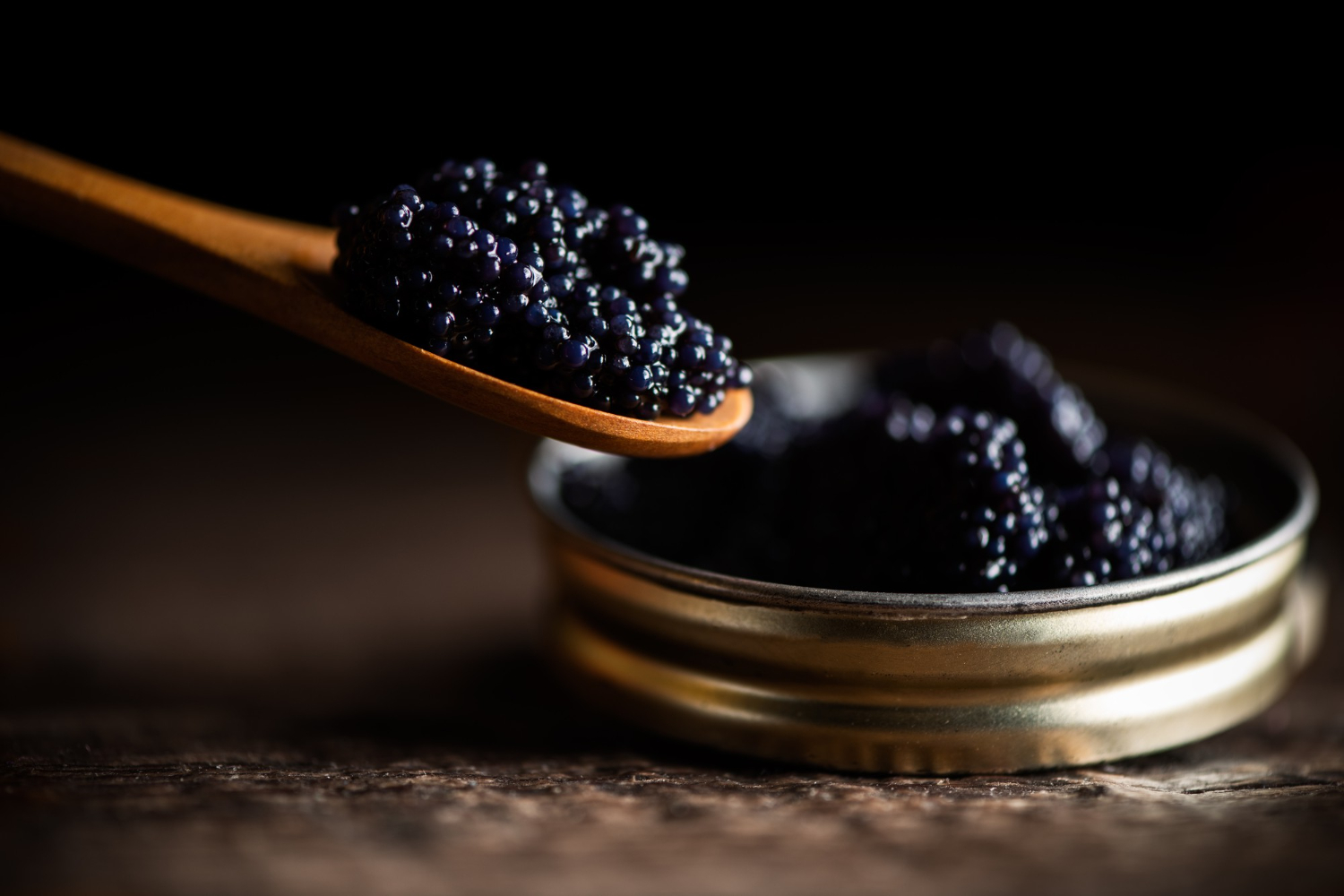
Several other staples trace the same path. Caviar was once ordinary fare in parts of Russia and Eastern Europe, where sturgeon eggs were plentiful and cheap; as sturgeon populations collapsed and demand rose, the roe became a global symbol of opulence. Eel was peasant food in medieval Europe, sold as jellied eels to London’s working class, and is now a prized, high-priced item in Japanese cuisine. In both cases, a food tied to hard times in one place and era became a delicacy in another, proving how much “luxury” depends on context.
Pork Belly, Monkfish, and the Modern Menu
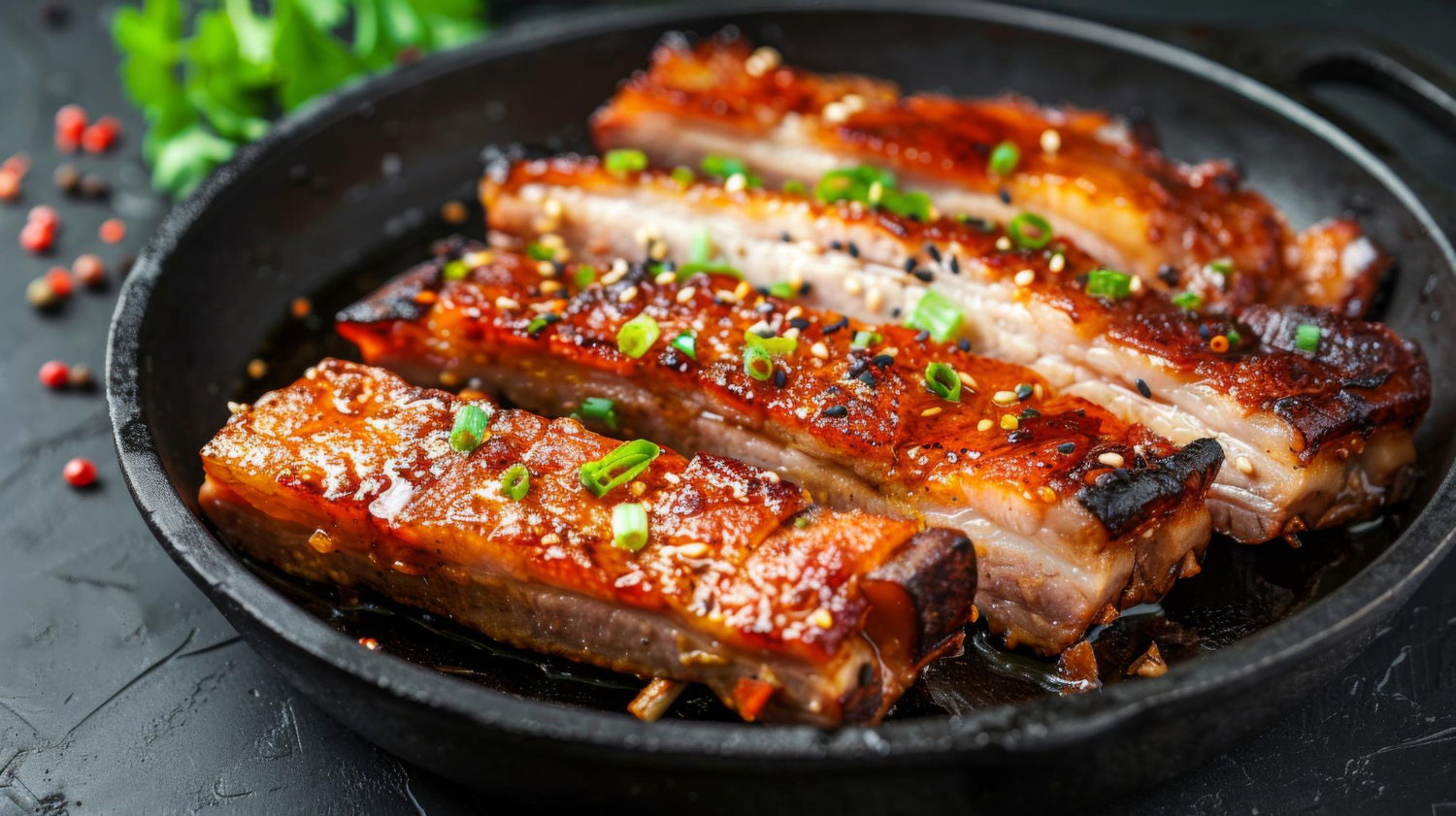
The pattern is still running. Pork belly was a cheap, fatty cut valued in traditional home cooking long before chefs turned it into a trendy centerpiece, braised or roasted and printed on menus at a markup. Monkfish, once dismissed as ugly and undesirable, earned a reputation makeover much like lobster’s and now appears as a prized dish worldwide. Even white, or “ivory,” king salmon, historically sold for less because buyers distrusted its pale color, now turns up in high-end sushi bars, prized by chefs for its more delicate flavor.
What the Pattern Tells Us
Stack these stories together and the lesson is humbling: taste is far less fixed than it feels. What a culture considers disgusting, unfashionable, or beneath it is often a matter of supply and status rather than flavor. Foods rise when they become scarce, when someone learns to cook them well, or when a clever pitch reframes them. The next luxury ingredient is probably already on a butcher’s discard pile or in a fisherman’s bycatch right now, waiting for the right chef and the right shift in supply to make it expensive. Knowing that history makes the priciest items on the menu a little less intimidating, and a lot more interesting.
Like our content? Follow us for more.