

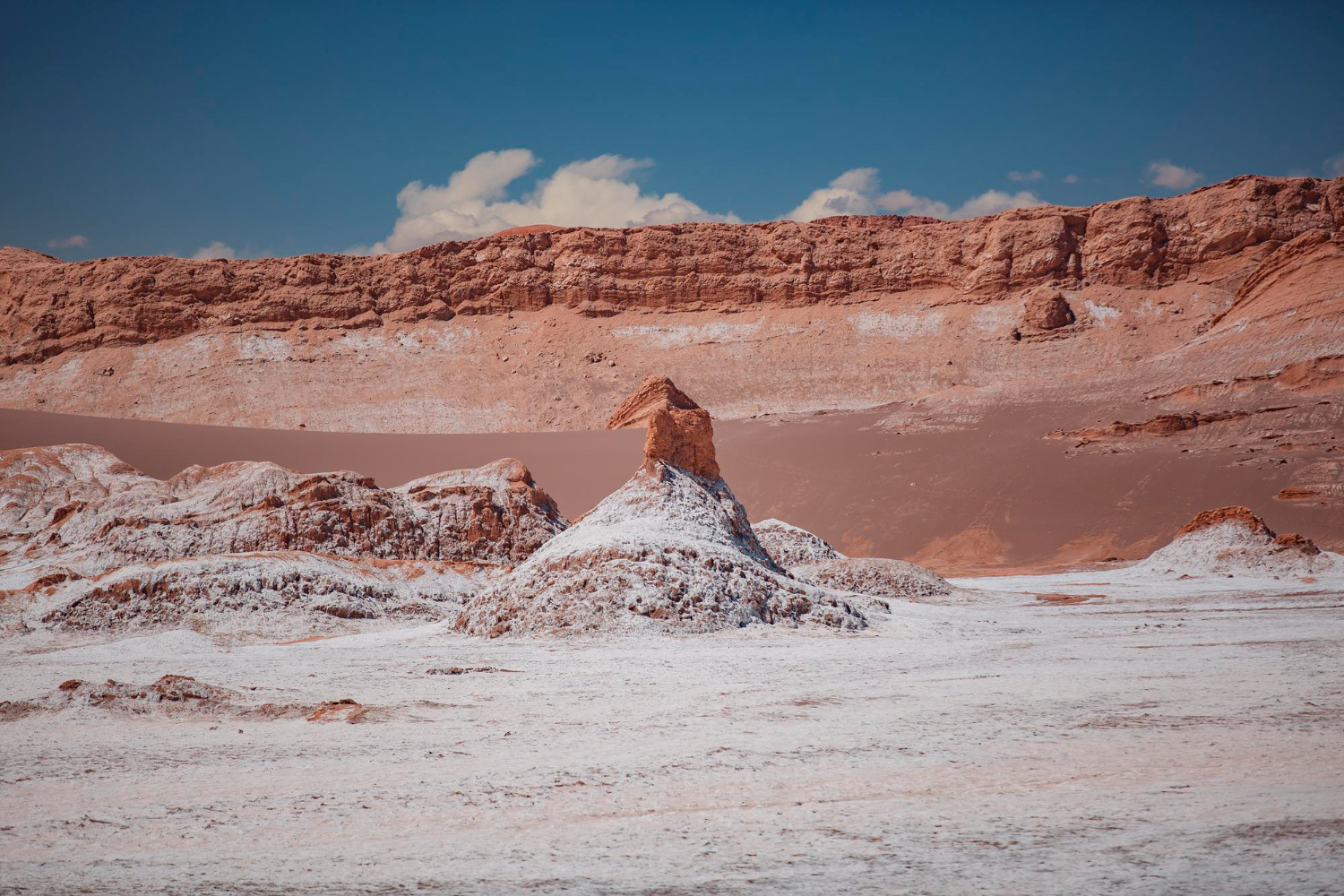
Our planet is mostly hospitable, but a handful of places push the limits of what a human body can endure. There are deserts where rain hasn’t fallen in living memory, a depression so hot and acidic that scientists study it to imagine life on Mars, a Siberian village where eyelashes freeze and thermometers shatter, and a frozen continent with winds strong enough to flatten you. These are the most inhospitable places on Earth, where the air, the heat, the cold, or the sheer altitude can kill the unprepared. Remarkably, people live in or visit many of them anyway. Here’s a tour of the planet’s harshest corners, what makes each one so brutal, and why they fascinate travelers and scientists alike.
A note on framing: “inhospitable” here means hostile to human life, through heat, cold, dryness, altitude, or toxic conditions. Several are still inhabited or visited, which is part of what makes them so compelling. Here they are.
The Danakil Depression, Ethiopia
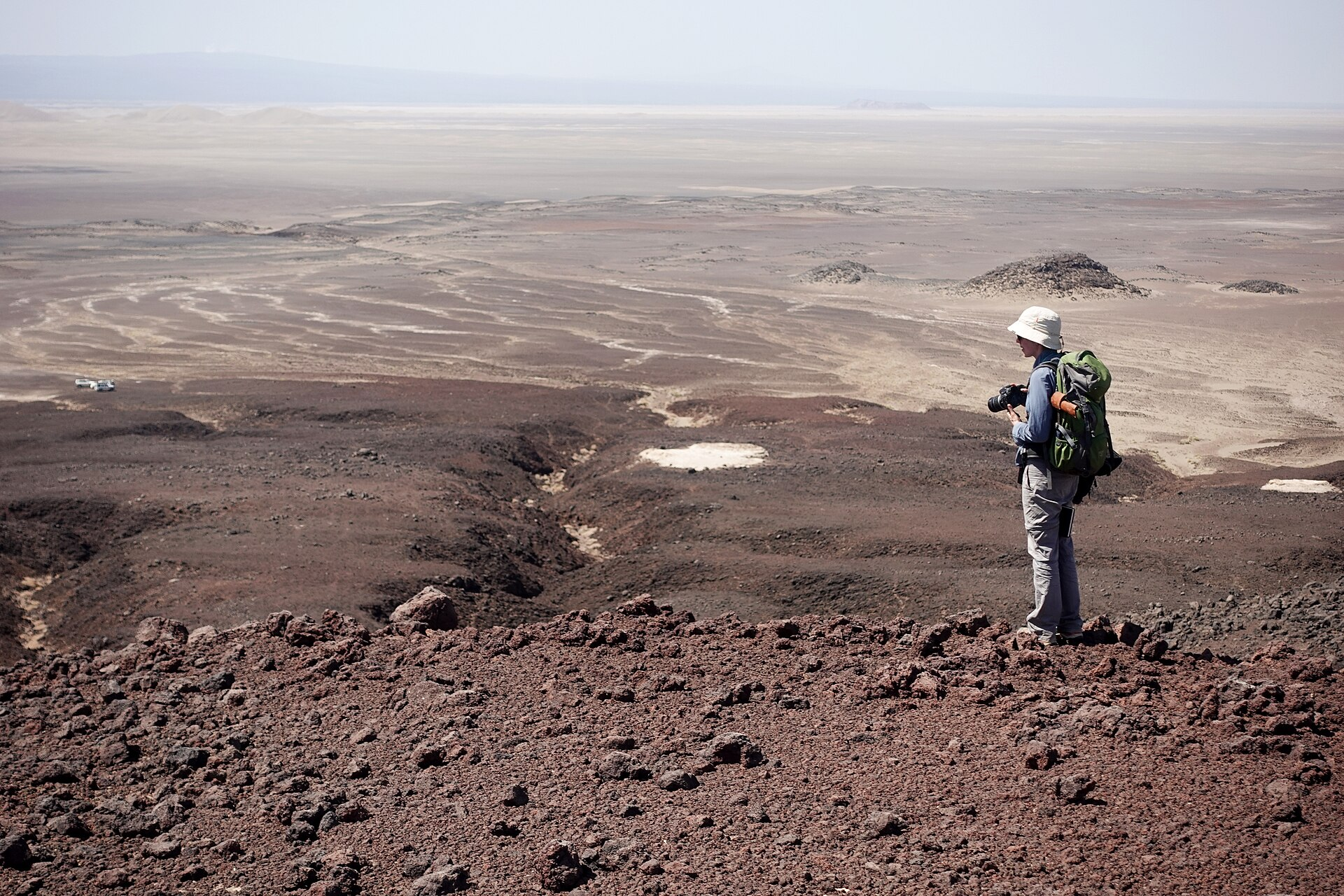
If one place defines “inhospitable,” it’s the Danakil Depression in northeastern Ethiopia. Sitting more than 100 meters below sea level at the meeting point of three tectonic plates, it’s often called the hottest place on Earth by year-round average temperature, with daily averages around 94 degrees Fahrenheit and highs well past 120. Within it lies Dallol, a volcanic area whose hydrothermal springs glow in surreal neon greens and yellows and are so acidic they approach a pH of zero. The air carries poisonous gases, and lava lakes bubble nearby at Erta Ale. Yet the Afar people live here, mining salt and herding camels, and scientists study the microbes that survive the acid pools as a window into how life might exist on other planets.
Like our content? Follow us for more.
The Atacama Desert, Chile
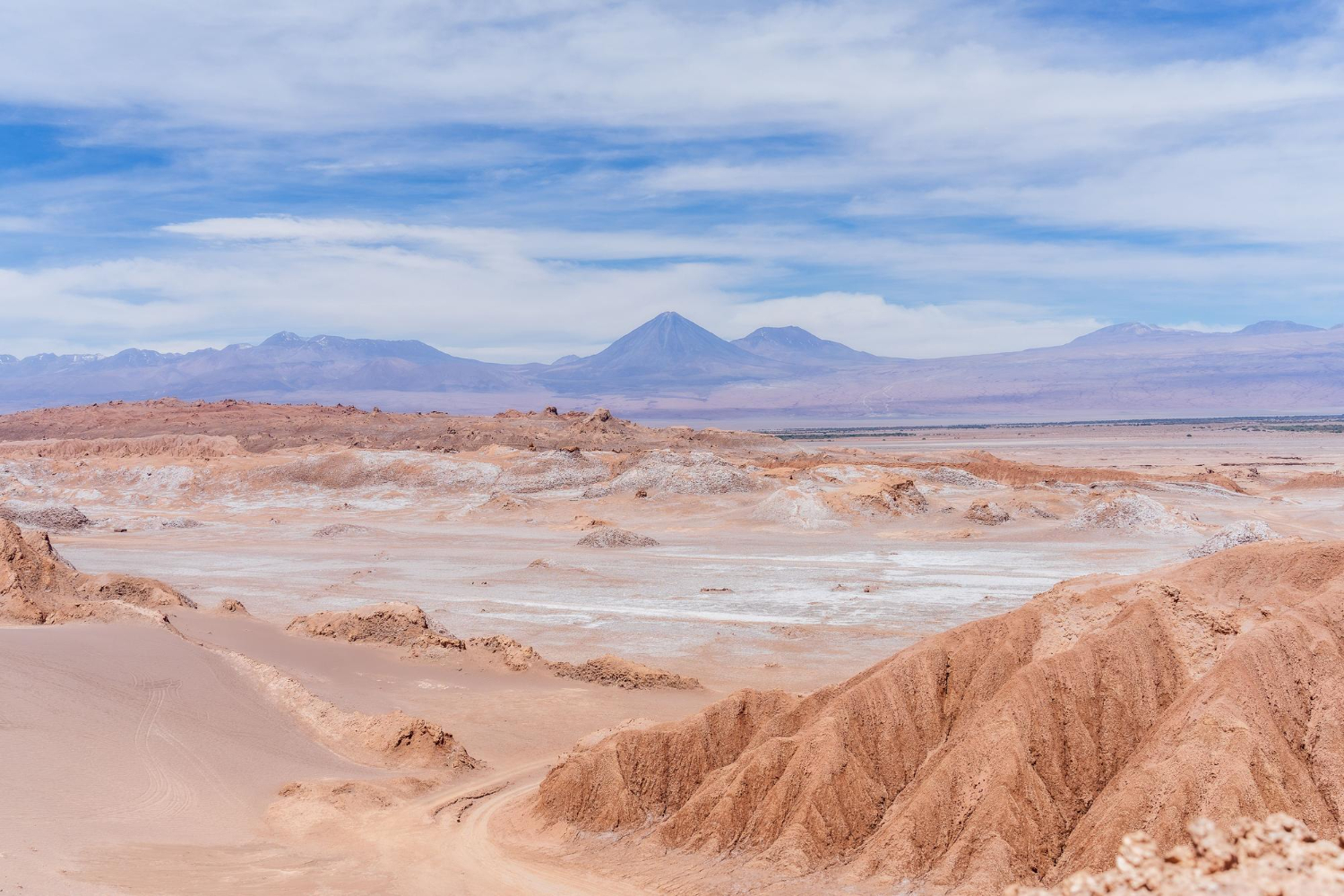
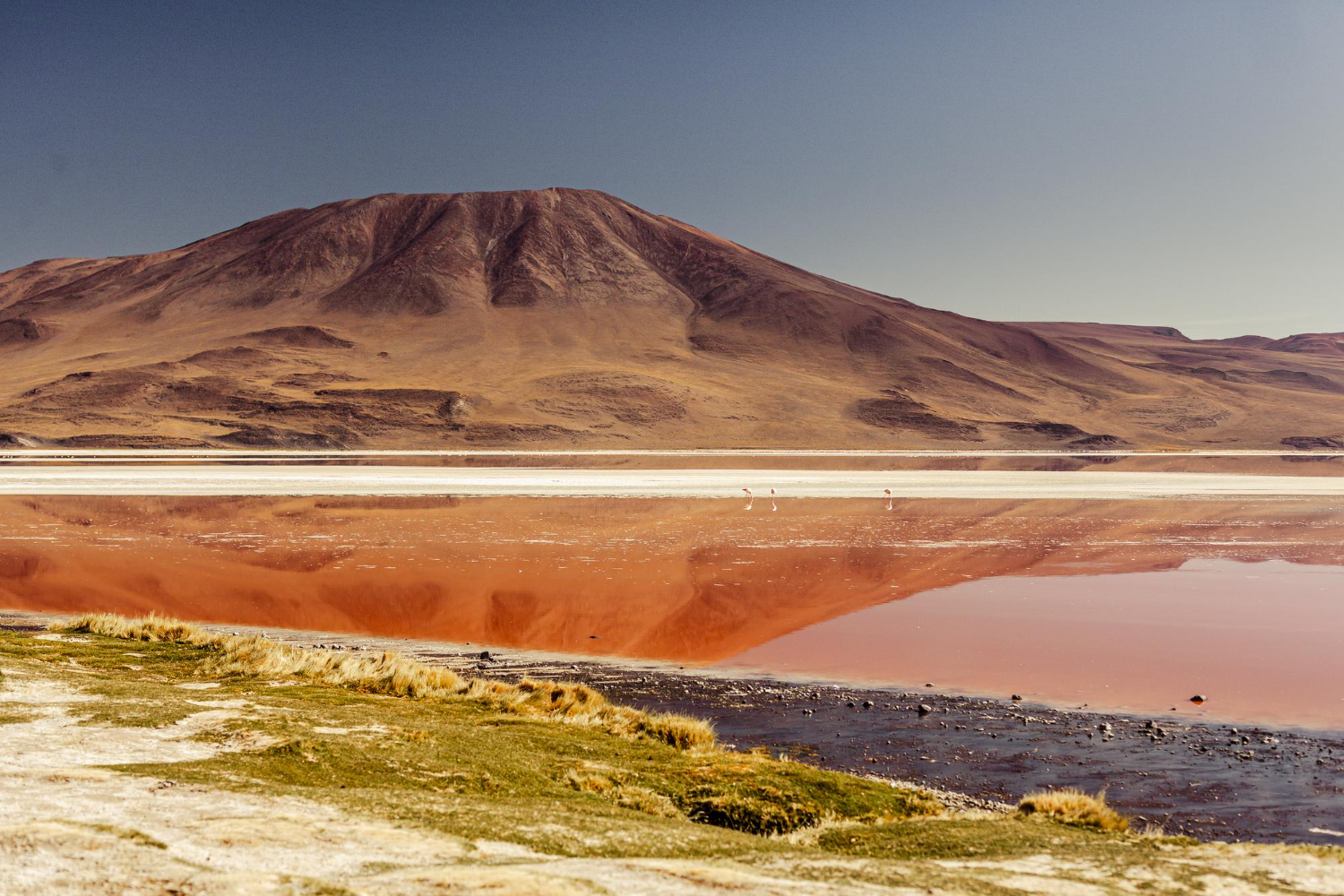
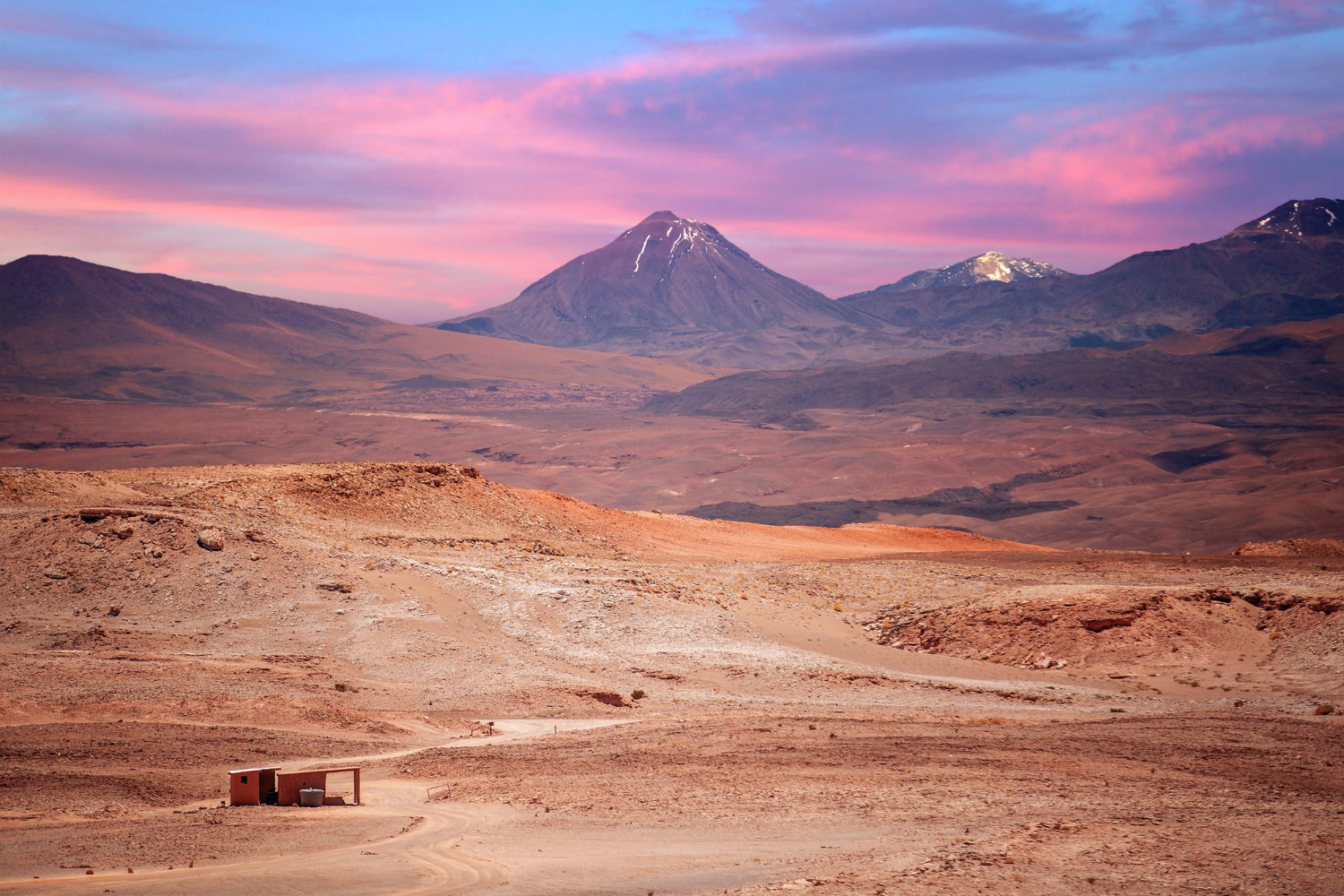
The Atacama in northern Chile is the driest place on Earth, and parts of it are so arid that no rainfall has been recorded for decades, with some weather stations never having registered a drop. The combination of intense ultraviolet radiation, high altitude, and extreme dryness makes it a genuine triple threat for unprepared travelers, and the landscape so resembles Mars that NASA tests rovers there. Despite the harshness, small communities persist, some relying on fog nets that pull moisture from the air to capture water. The desert’s clear, dry skies have also made it one of the world’s premier sites for astronomical observatories, turning its hostility to the living into a gift for those who study the stars.
Oymyakon, Russia
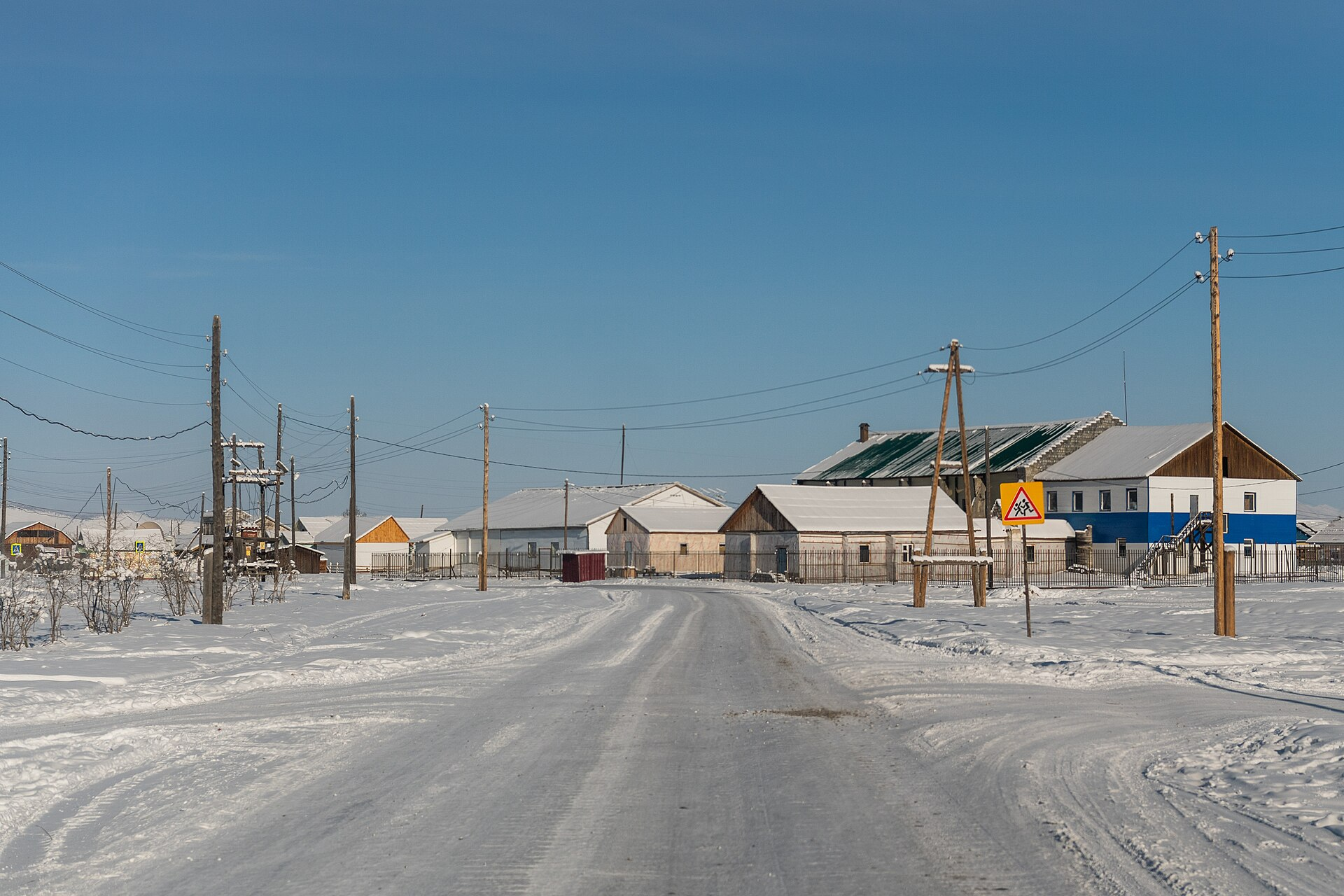
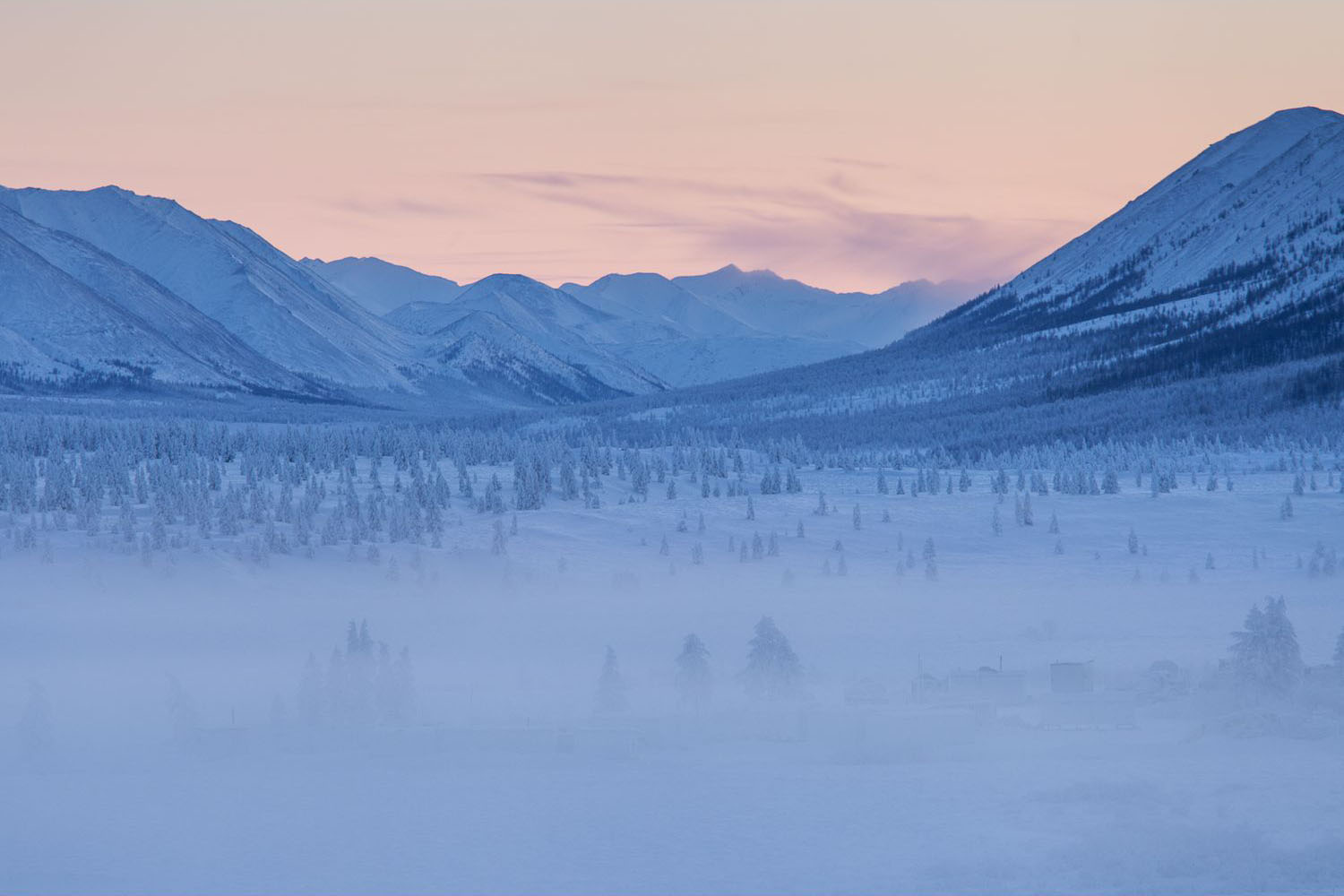
While the Danakil and Atacama punish with heat and thirst, Oymyakon punishes with cold. This tiny village in Siberia is the coldest permanently inhabited place on Earth, holding a recorded low of around minus 67.7 degrees Celsius set in 1933. At those temperatures, eyelashes freeze, car engines must be left running overnight so they’ll restart, and ordinary thermometers can shatter. Even so, roughly 500 people call Oymyakon home year-round, a sign of remarkable human adaptability. Daily life revolves around the cold: schools stay open until the temperature drops to truly catastrophic lows, and the ground is so frozen that burying the dead requires days of thawing the earth. It’s a place that makes the idea of a “cold day” anywhere else feel quaint.
Antarctica
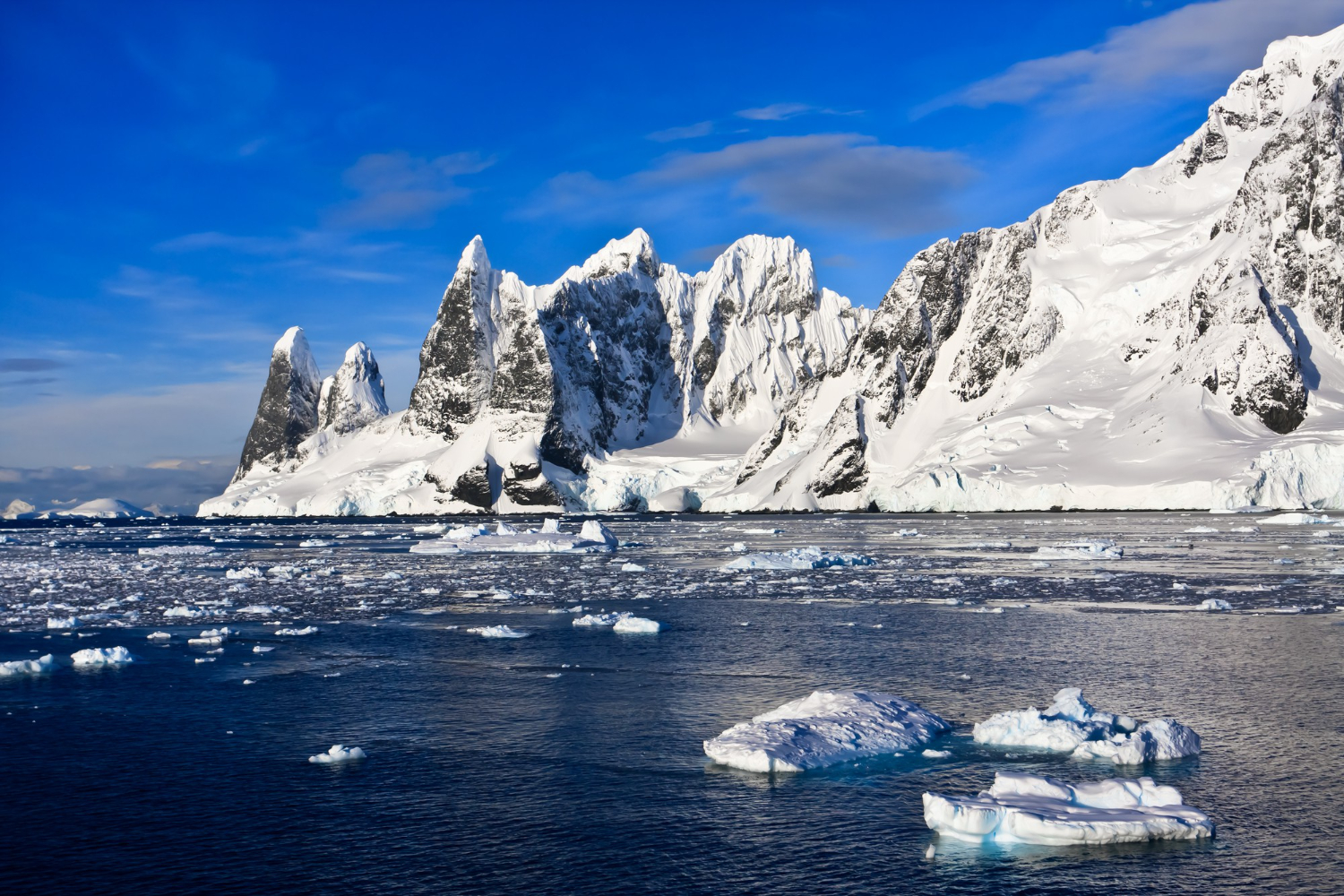
No discussion of inhospitable places is complete without Antarctica, which sweeps nearly every superlative at once. It’s the coldest, driest, highest, and windiest continent on Earth. Temperatures at the interior have plunged below minus 89 degrees Celsius, winds can scream past 200 miles per hour, and precipitation is so scarce that much of the continent technically qualifies as a desert. No one lives there permanently; the only human presence is rotating teams of scientists at research stations who endure months of darkness and isolation each winter. The conditions are so alien that, like the Danakil, Antarctica serves as a testing ground for understanding survival in extreme environments, including the search for life beyond Earth.
Death Valley, United States
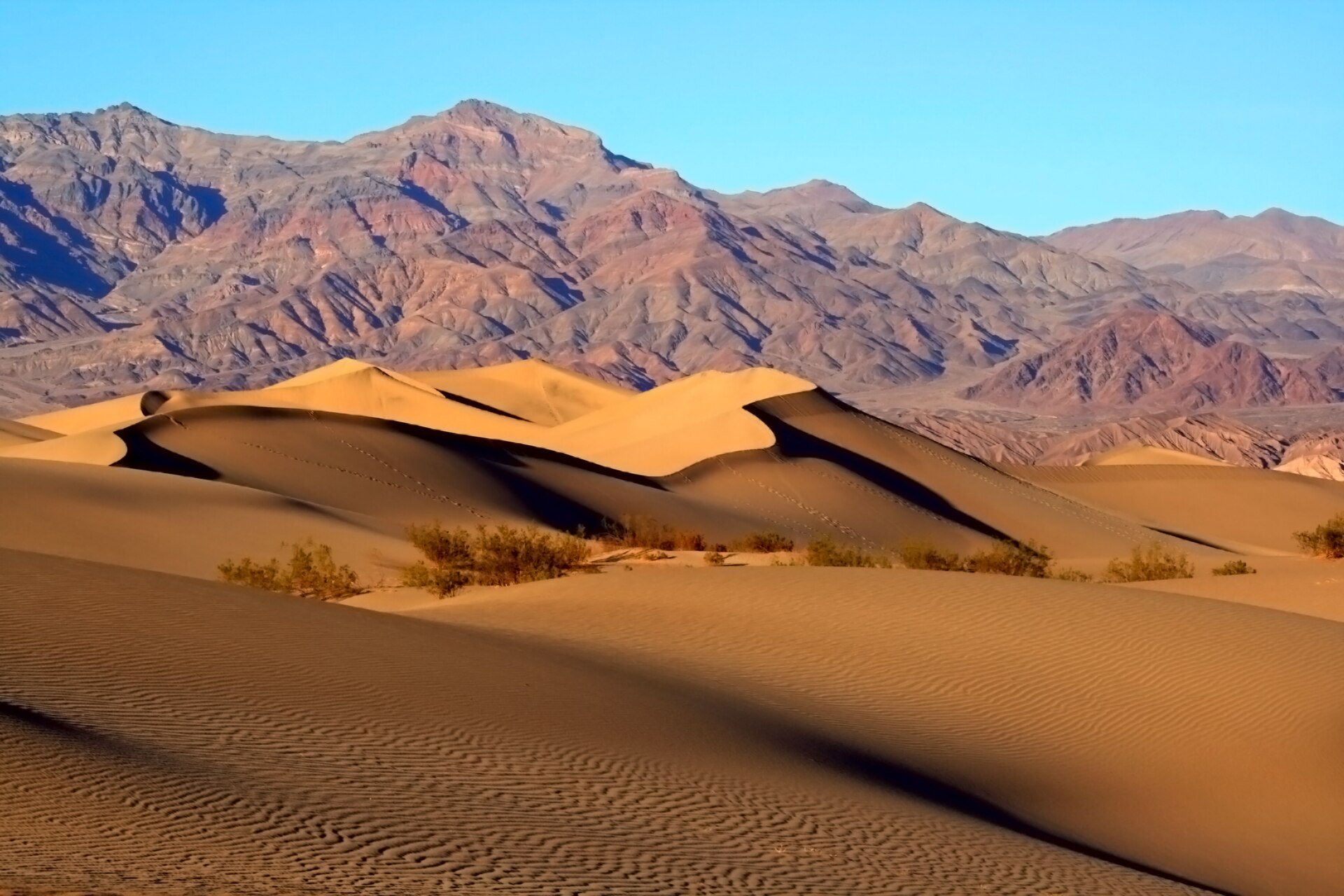
Closer to home for many travelers, California’s Death Valley holds the record for the highest air temperature ever reliably measured on the planet, a scorching 134 degrees Fahrenheit logged at Furnace Creek in 1913. The valley’s below-sea-level basin traps heat, and summer days routinely climb past 120 degrees, hot enough to be genuinely life-threatening for hikers caught without water. The landscape is a striking expanse of salt flats, sculpted dunes, and barren ranges. Unlike the truly remote entries on this list, Death Valley is a national park that draws crowds, which is exactly why it can be dangerous: visitors underestimate the heat, and rangers regularly warn against hiking in the low elevations once the sun is high.
Everest Base Camp and the High Mountains
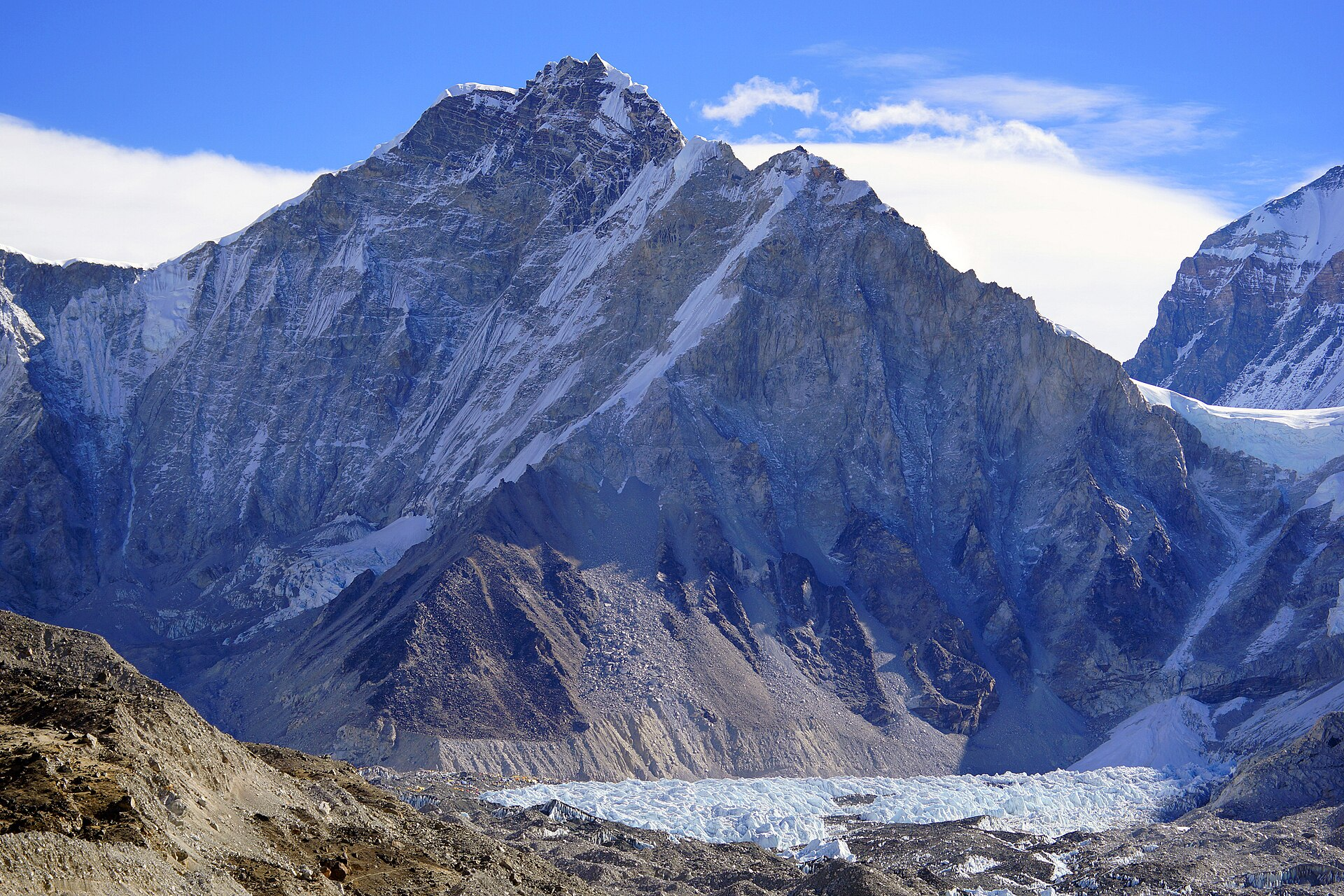
Some places are inhospitable not because of temperature but because of thin air. At high altitude, the body simply can’t get enough oxygen, and Everest Base Camp, perched around 17,600 feet, sits in that punishing zone. Climbers and the Sherpas who support them battle altitude sickness, freezing winds, and an environment where even boiling water for food takes longer because of the low pressure. The world’s highest peaks contain a literal “death zone” above 8,000 meters, where there isn’t enough oxygen to sustain human life for long and bodies begin to deteriorate. People still push into these heights in pursuit of the summit, making the high Himalaya one of the most lethal landscapes anyone willingly enters.
The Lut Desert, Iran
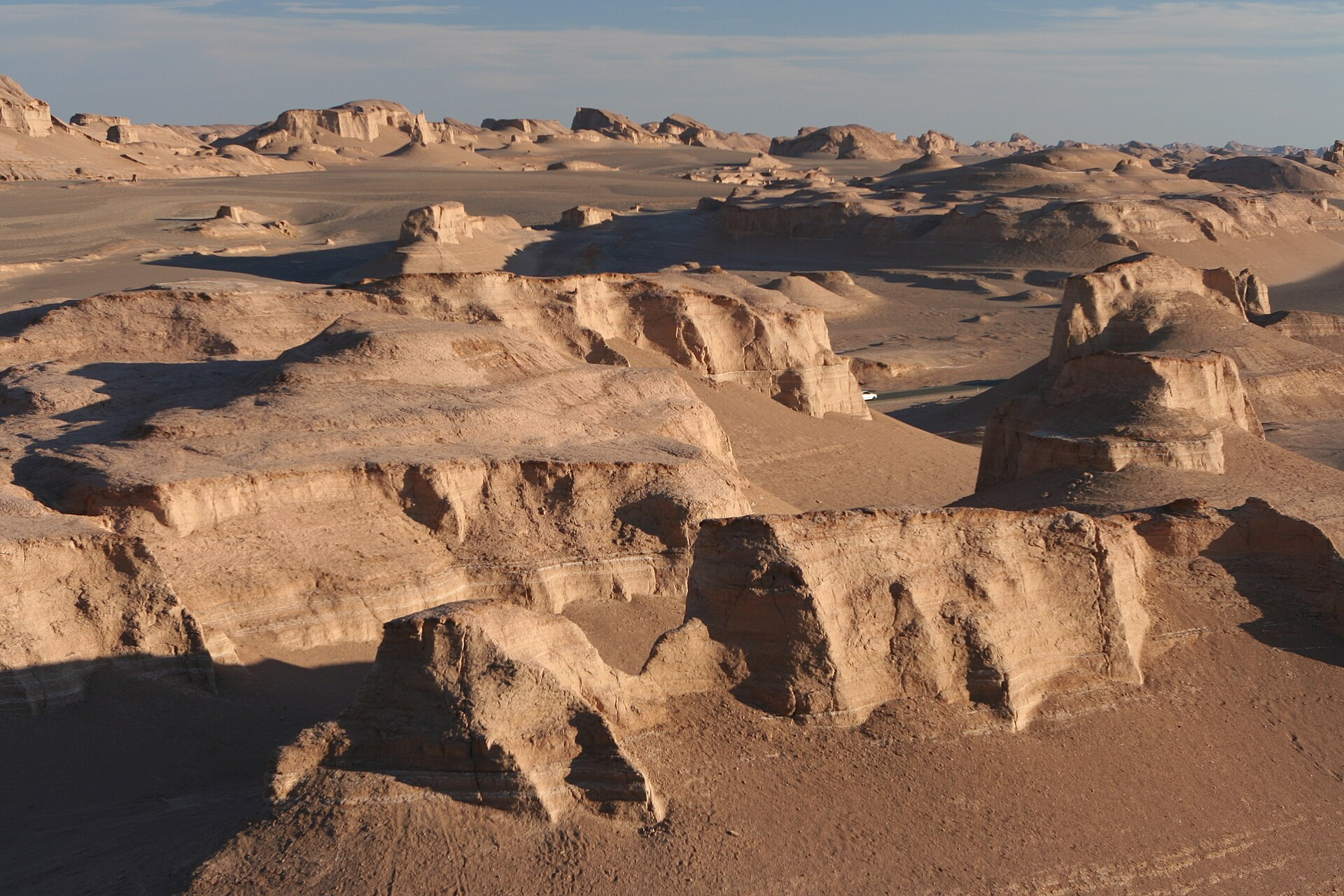
If the Danakil is the hottest place by average temperature, Iran’s Lut Desert holds a different brutal record: the hottest land surface temperature ever measured. Satellites have recorded ground temperatures here topping 70 degrees Celsius, roughly 159 degrees Fahrenheit, hot enough to be lethal and to leave large stretches utterly devoid of life. The Dasht-e Lut, as it’s known, is a vast, scorching expanse of wind-sculpted ridges, dunes, and salt plains, so sterile in places that not even bacteria are easily found. It’s a UNESCO World Heritage Site precisely because of its extreme geology and dramatic landforms. Almost no one lives in its core, and crossing it demands serious preparation, but its alien beauty, all rippled sand and towering natural sculptures, makes it a magnet for the most intrepid desert travelers.
Why People Endure These Places
What’s striking about the world’s harshest places isn’t just their hostility, but that humans engage with them at all. Some, like the Afar in the Danakil or the residents of Oymyakon, have adapted over generations, building entire ways of life around conditions most people couldn’t survive a day in. Others are drawn by science: the extremophile microbes of Dallol and the clear skies of the Atacama make these places invaluable laboratories. And many are pulled by sheer fascination, the same impulse that sends travelers to the edge of a lava lake or across a frozen continent. Hostility, it turns out, is its own kind of magnetism, and the planet’s most unforgiving corners are among its most studied and sought-after.
Can You Actually Visit Them?
Several of these places are open to determined travelers, though always with serious preparation. Guided expeditions run into the Danakil Depression, typically in the cooler high season from roughly November to March, with local guides, vehicles, and security, because the heat and terrain are unforgiving. The Atacama is a well-established tourist region with towns like San Pedro de Atacama as bases. Death Valley is a national park accessible by car, best visited outside the deadly summer months. Antarctica can be reached on specialized cruises, and Everest Base Camp draws trekkers each season. In every case, the rule is the same: go with experienced guides, respect the conditions, and never underestimate environments that can turn fatal with a single mistake.
The Edge of the Possible
The most inhospitable places on Earth are humbling reminders of how narrow the band of comfortable conditions really is, and how extraordinary it is that life clings on at the extremes. From acid springs that mimic another planet to a continent where winter means months of darkness, these landscapes test the limits of biology and engineering alike. They’re dangerous, and they demand respect. But they’re also among the most awe-inspiring places anywhere, drawing the curious and the brave to stand, however briefly, at the edge of what’s survivable. For most of us, reading about them is adventure enough; for a hardy few, they’re the ultimate destination. They also carry a quiet warning as the climate shifts: places already at the edge of livability, from scorching deserts to thinning glaciers, are often the first to show how quickly conditions can tip from harsh to impossible. Studying them isn’t just about chasing extremes for their own sake; it’s about understanding the limits that the rest of the planet is, in its own slower way, being pushed toward. That may be the most compelling reason of all to pay attention to the world’s most unforgiving corners.
Like our content? Follow us for more.
