


There’s no better way to discover a city than on foot, drifting between landmarks, stumbling on side streets, and covering your daily steps without even trying. A global ranking from the walking-tour platform GuruWalk, built from millions of travelers’ page views and bookings, set out to find the best cities in the world to explore this way, and the results are heavily European, with historic, compact centers built long before the car. But the list reaches beyond Europe too, with one U.S. city flying the flag. Here are ten of the best cities on the planet to experience on foot, what makes each so walkable, and the landmarks you can string together in a single stroll. Lace up comfortable shoes and read on.
Rome, Italy
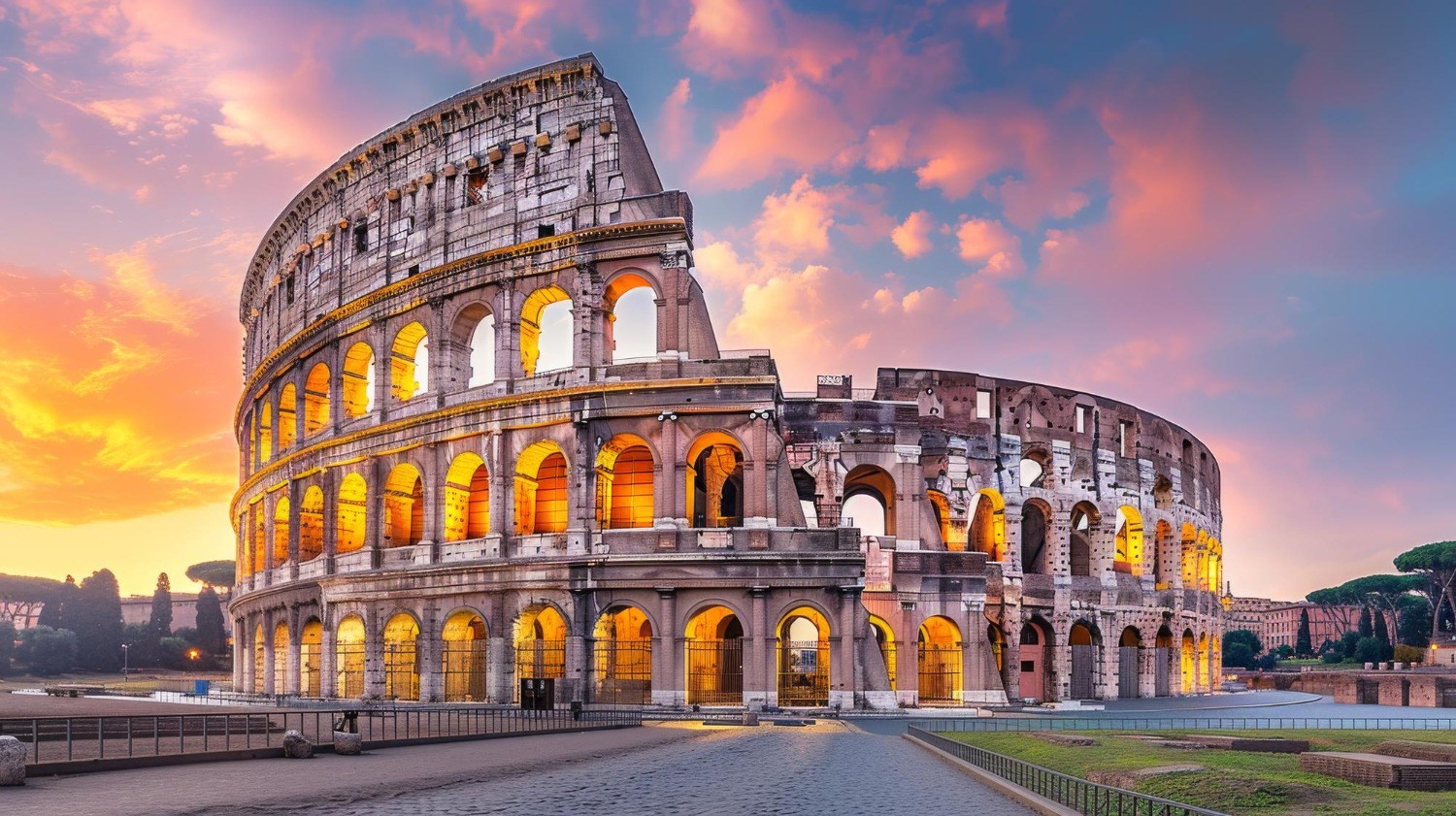
Topping the ranking is Rome, a city that has been compelling visitors for nearly 2,800 years. Walking its cobblestone alleyways is the only way to properly take in its layered history, and the must-sees cluster within strolling distance: the ancient Colosseum, once home to gladiators; the Pantheon, with the largest unreinforced concrete dome in the world; the Trevi Fountain; and Vatican City. Rome rewards aimless wandering more than almost anywhere, as you turn a corner and find a 2,000-year-old ruin casually wedged between cafés and piazzas. The compact historic core means you can pass through millennia of history in an afternoon’s walk, which is exactly why it claims the top spot among the world’s walking cities.
Like our content? Follow us for more.
Budapest, Hungary

The “Pearl of the Danube” is a walker’s dream, split by the river into hilly Buda and flat, grand Pest. Strolling across its famous bridges, especially the Chain Bridge, delivers some of the best city views in Europe, with the castle and parliament building lit up over the water. On foot you can take in the thermal bath houses, the grand boulevards, and the atmospheric ruin bars of the old Jewish quarter. Budapest’s elegant architecture and riverside setting make every walk scenic, and its relatively compact center keeps the major sights within comfortable reach. It consistently ranks near the very top of the world’s walking cities, and a wander along the Danube at dusk shows exactly why.
Madrid, Spain

Spain’s capital is less visited than Barcelona but rewards walkers richly. At its heart is Retiro Park, some 125 hectares of historic gardens, lakes, and monuments ideal for a leisurely stroll, while the lively Gran Vía avenue buzzes with shops, theaters, and crowds. Art lovers can walk the so-called Golden Triangle of museums, anchored by the Prado, home to one of the most important collections of European painting anywhere. Madrid’s wide plazas, pedestrian-friendly old quarter, and café culture make it a city built for spending hours on foot, drifting from tapas bar to grand square. It’s a place where the daily rhythm of walking, eating, and people-watching becomes the whole point of the visit.
Prague, Czech Republic
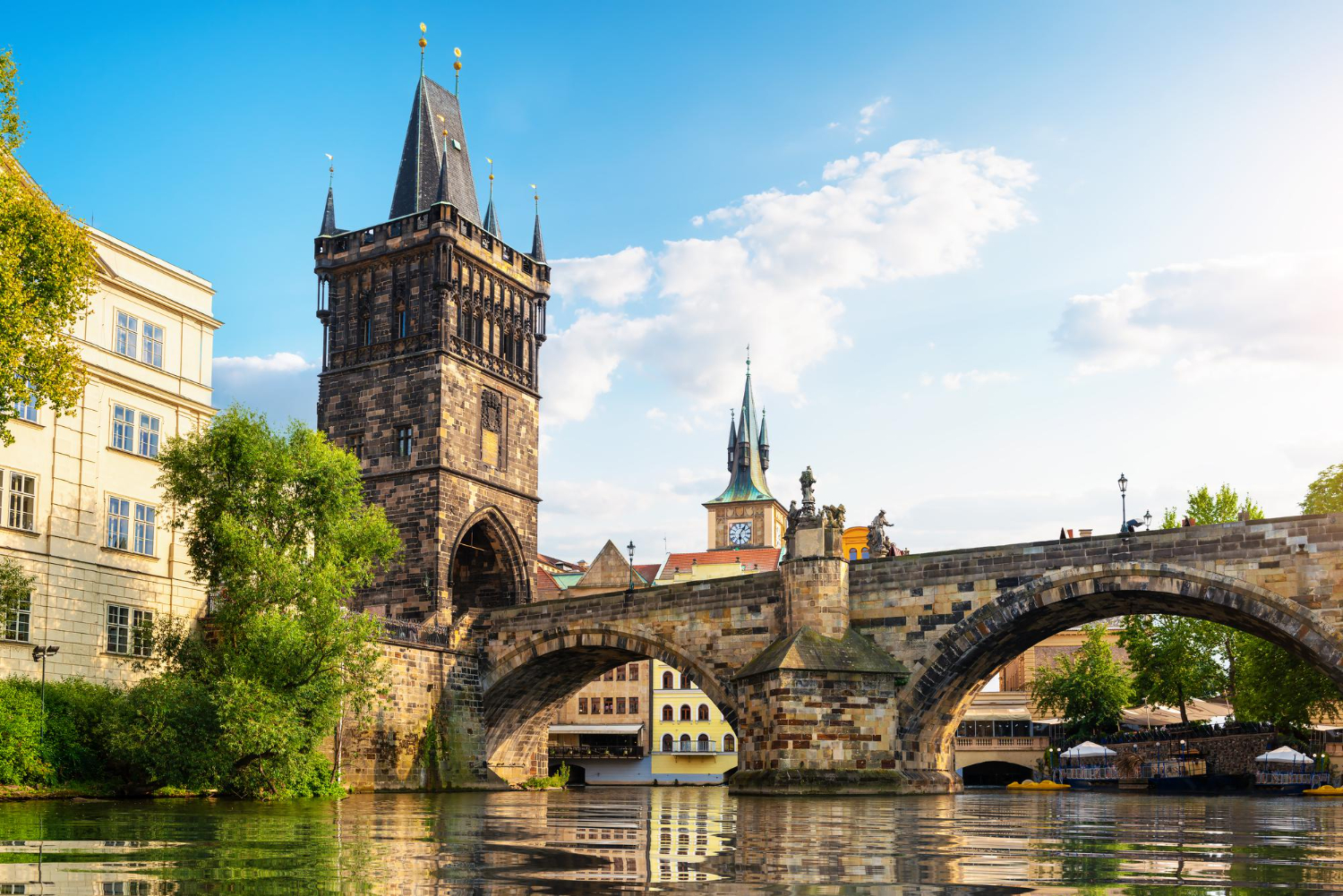
Few cities are as made for walking as Prague, whose fairy-tale old town survived the centuries largely intact. The car-free historic center invites you to wander cobbled lanes between the astronomical clock in the Old Town Square, the Gothic spires of churches, and the sprawling castle complex above the river. The famous Charles Bridge, lined with statues and street musicians, links the two halves of the city and is best crossed slowly and early, before the crowds arrive. Prague’s beauty is in its density: turret, square, and bridge follow one another in a compact, photogenic core. It’s a city that practically demands to be explored at a stroll, with a new postcard view around nearly every corner.
Barcelona, Spain
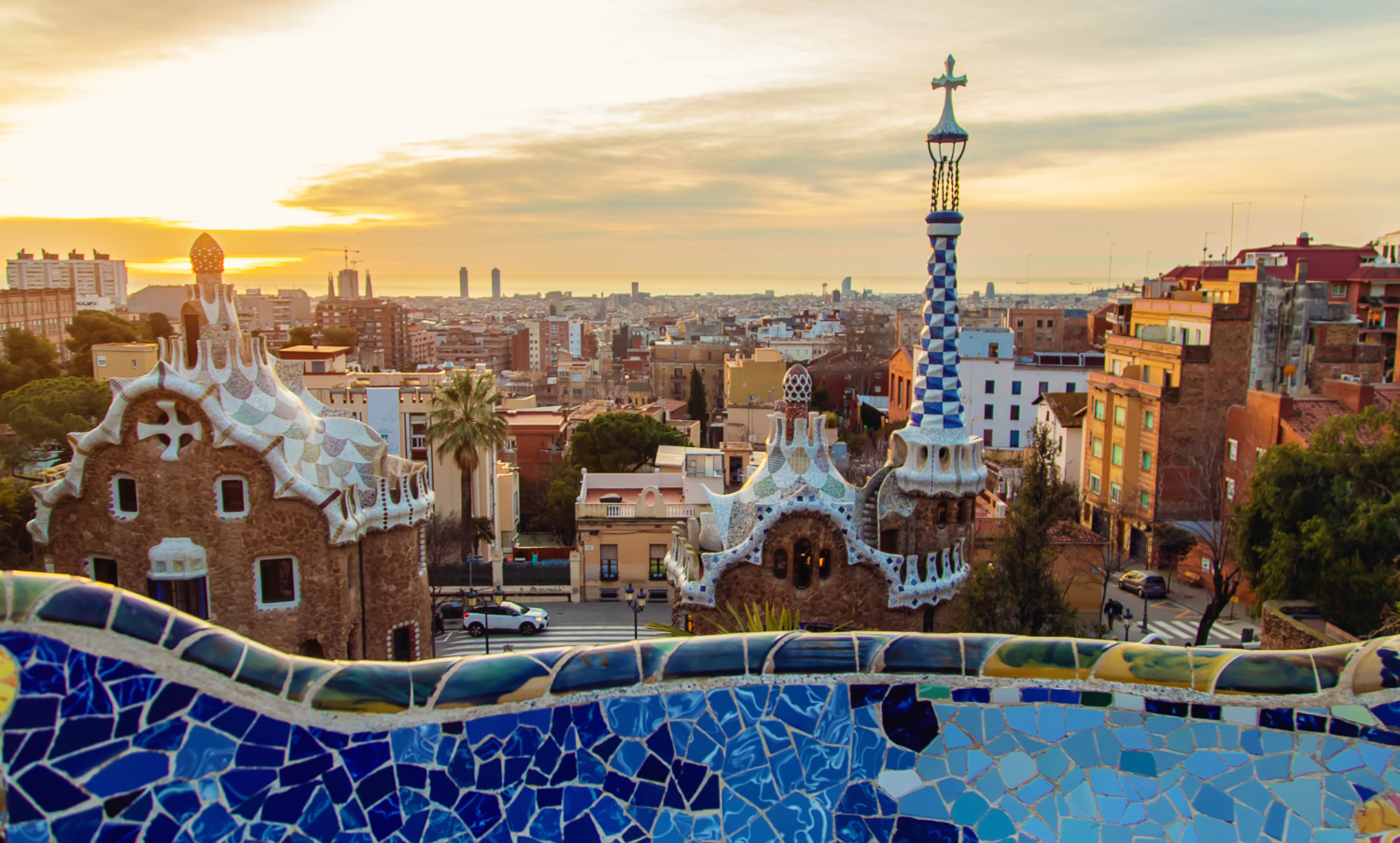
Barcelona has reinvented walking through its bold “superblocks,” an urban-planning project that reclaims street space from cars for pedestrians, cutting noise and pollution. The grid of the Eixample district, with its wide, chamfered corners and tree-lined avenues, makes for a pleasant stroll connecting architectural landmarks like Gaudí’s Sagrada Família to the Mediterranean buzz of Las Ramblas and the tangled lanes of the Gothic Quarter. The city has deliberately moved social life out onto the sidewalks, turning the daily walk into a scenic, sociable experience. Add the beachfront promenade and the hilltop views from Park Güell, and Barcelona offers one of the most varied and rewarding walking experiences in Europe.
Lisbon, Portugal
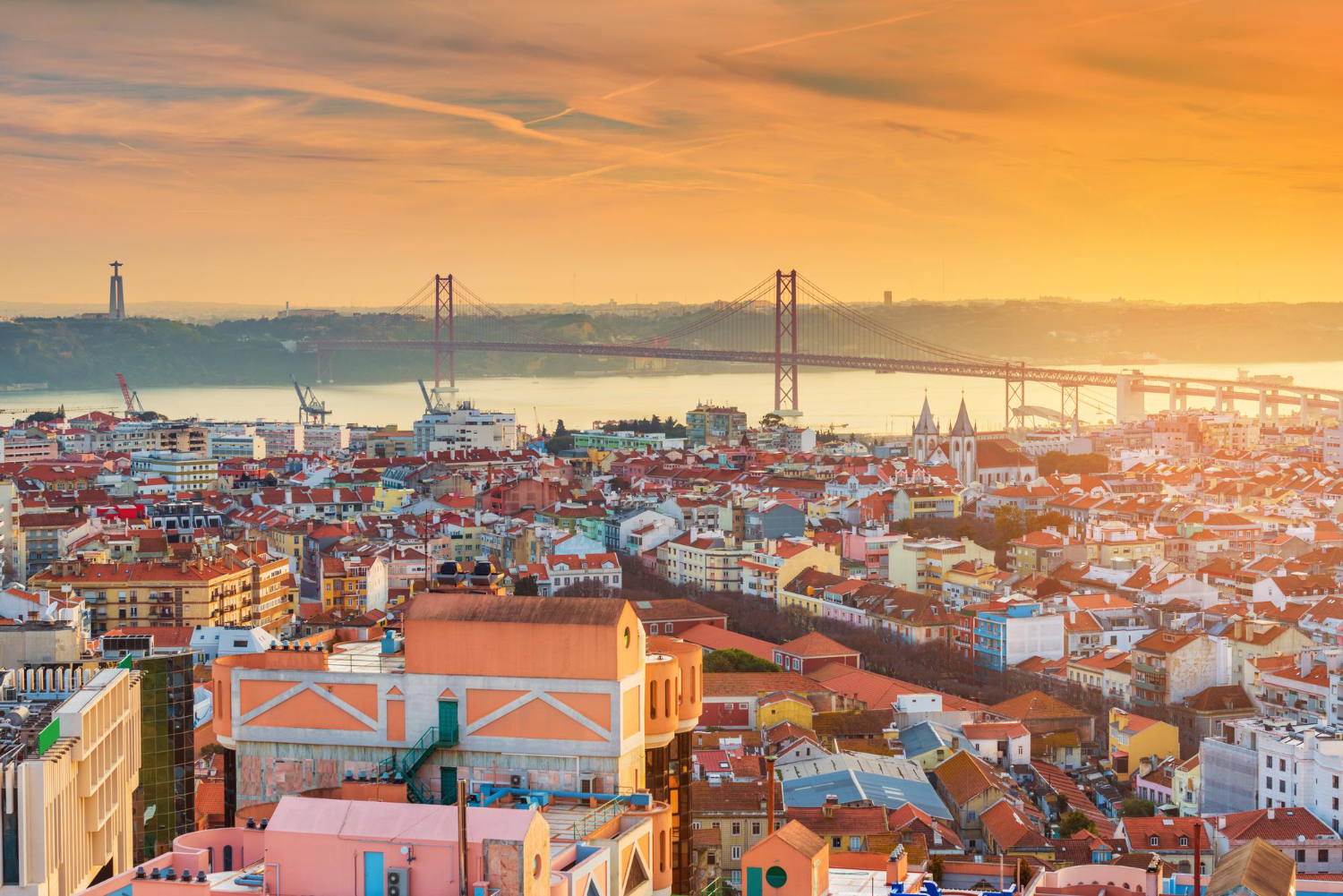
Lisbon is a city of hills, and walking it is a workout rewarded with spectacular views. Climbing its steep, tiled streets between the Alfama district’s tangle of lanes and the grand squares below leads to miradouros, scenic viewpoints that look out over the terracotta rooftops to the river Tagus. Vintage trams clatter past for when legs tire, but the real pleasure is on foot, drifting through neighborhoods alive with fado music, pastry shops, and sun-warmed plazas. Lisbon’s mix of faded grandeur, dramatic topography, and golden light makes every walk feel cinematic. It ranks among the world’s best walking cities precisely because its charms reveal themselves slowly, street by winding street.
London, United Kingdom
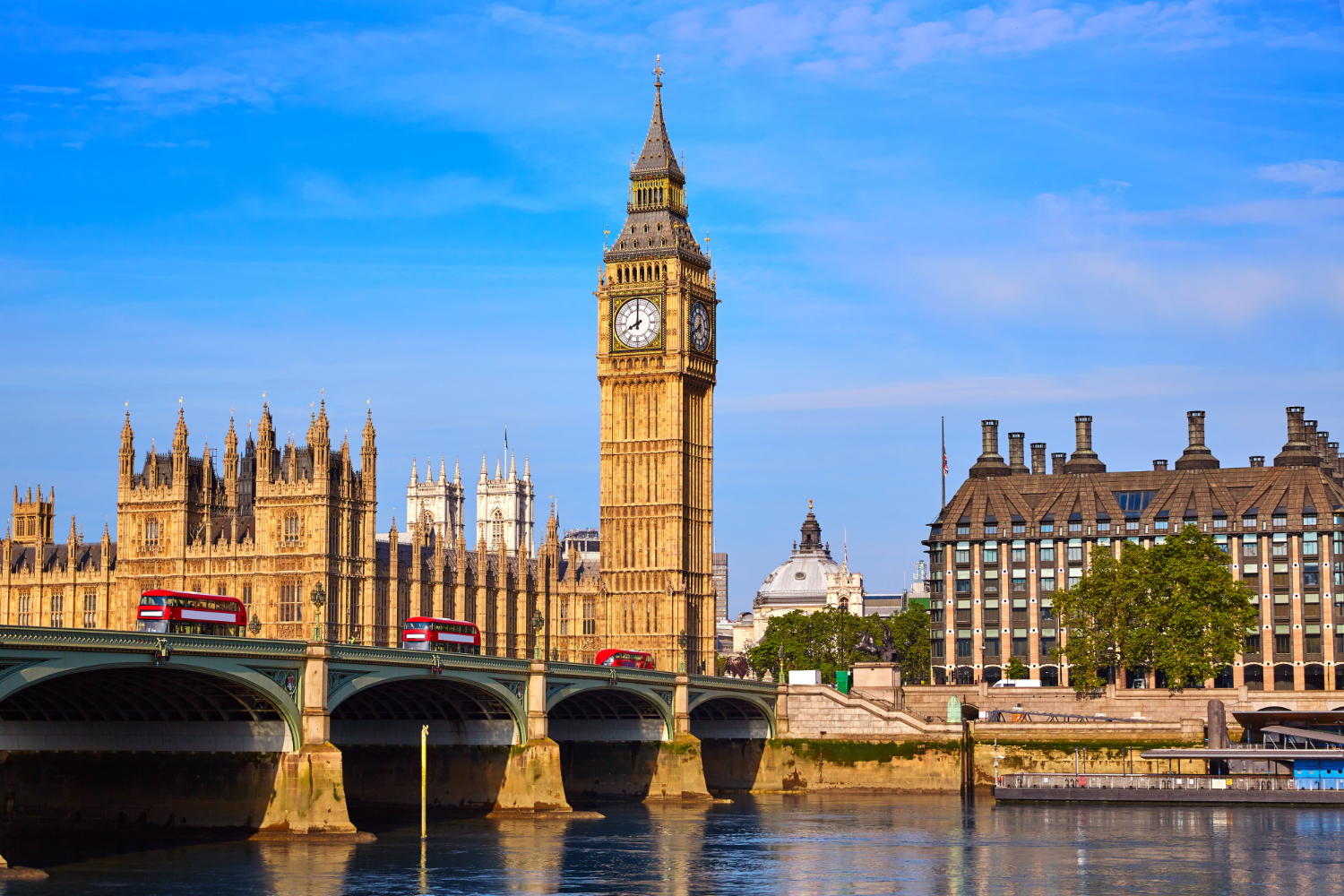
London may be sprawling, but its center is one of the world’s great walking grounds, and it climbed into the global top ten. Tourist hotspots like Buckingham Palace, Soho, and Camden Town are described as ideal for exploring at a leisurely pace, and the city’s walkability is boosted by its enormous parks, like Hyde Park and Regent’s Park, and its riverside paths along the Thames. Walking links landmarks across centuries, from the Tower of London to Westminster, while the eclectic markets and distinct neighborhoods reward those who wander off the main routes. With so much packed between its green spaces and historic streets, London proves that even a giant metropolis can be a superb city to explore on foot.
Berlin, Germany
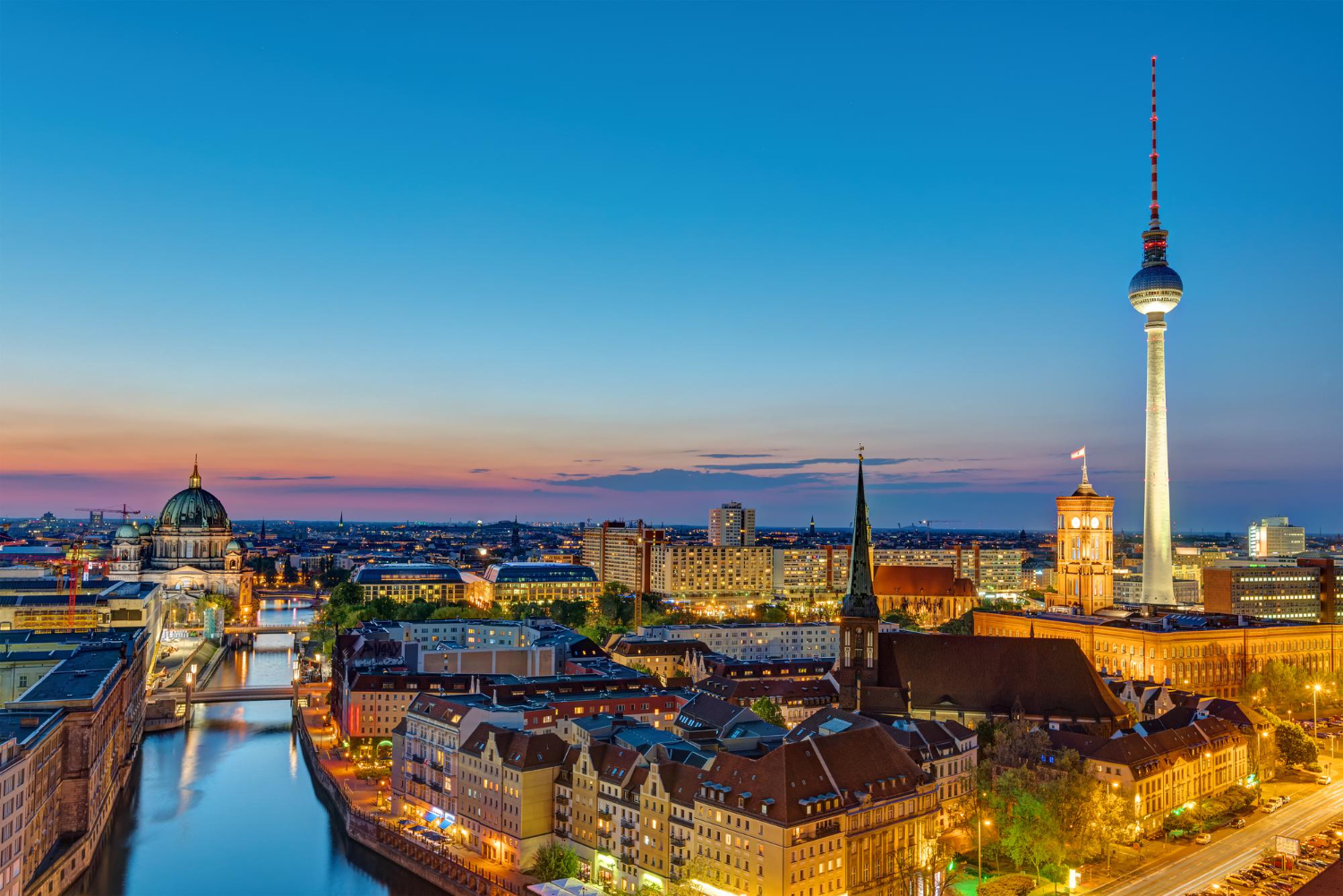
Berlin blends a complex history with a modern creative energy that’s best discovered on foot. You can walk between major landmarks, including the Brandenburg Gate, the Reichstag, and surviving remnants of the Berlin Wall, before exploring the galleries, cafés, and street art that define districts like Kreuzberg and Friedrichshain. The city’s vast parks, such as the central Tiergarten, and world-class museums on Museum Island make it easy to spend hours wandering. Berlin’s wide boulevards and flat terrain make for easy walking, and the contrast between sobering historical sites and the buzzing contemporary scene gives every stroll a sense of moving through both past and present. It’s a city that rewards curiosity and comfortable shoes in equal measure.
Edinburgh, Scotland
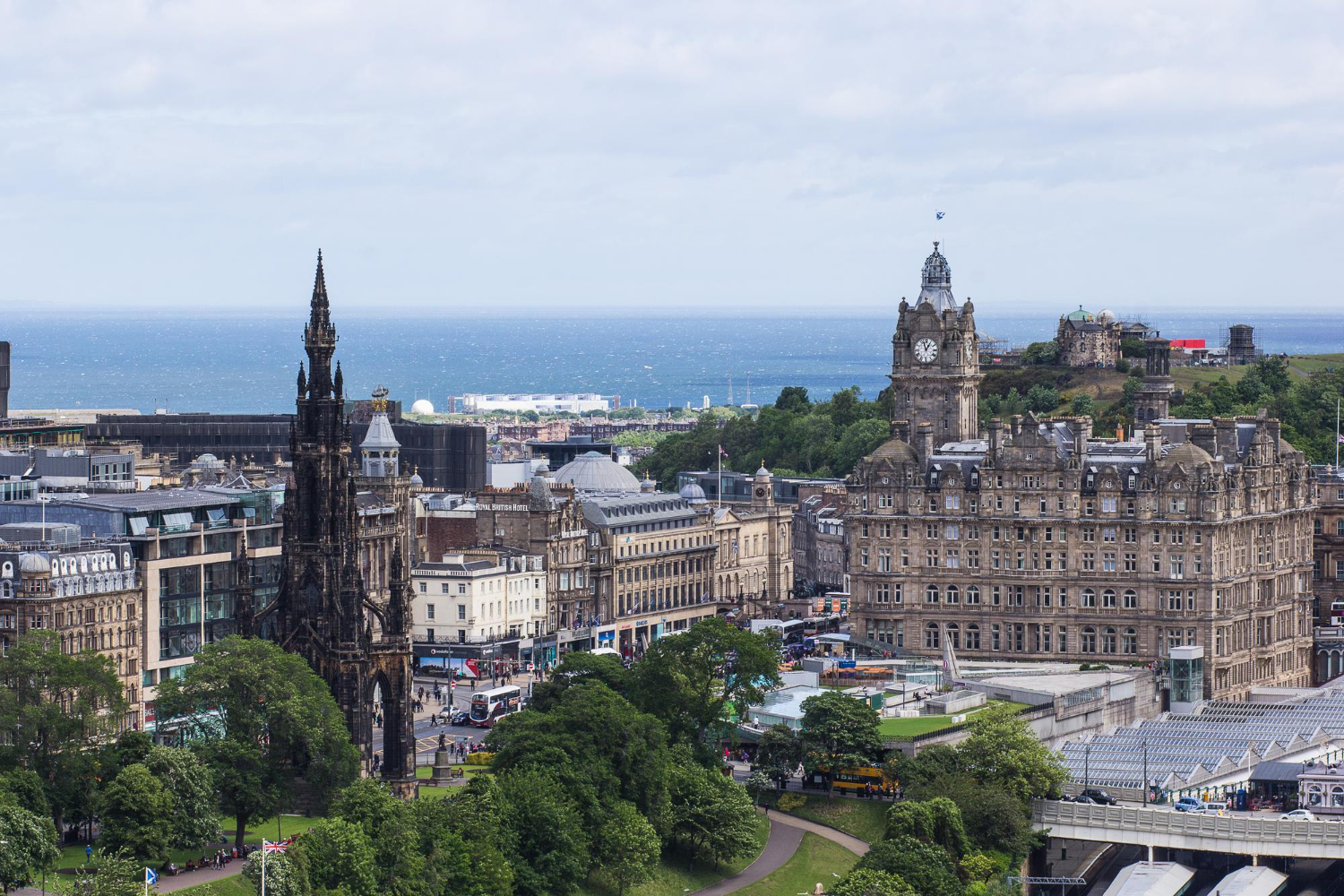
Scotland’s capital is a compact, dramatic city tailor-made for walking. Its medieval Old Town and elegant Georgian New Town are both walkable, linked by the famous Royal Mile that runs from the hilltop castle down through cobbled streets lined with historic closes and courtyards. The Gothic architecture, dramatic crags, and hidden stairways give the city a brooding, atmospheric beauty, and a climb up Arthur’s Seat or Calton Hill rewards walkers with sweeping views over the rooftops to the sea. Edinburgh packs an enormous amount of history and scenery into a small, strollable footprint, which is why it consistently ranks among Europe’s, and the world’s, best cities to explore on foot.
New York City, USA

Flying the flag for the United States is New York, the standout American entry on global walking lists. Manhattan’s grid makes navigation intuitive, and the density of sights means you’re never far from the next landmark, whether you’re strolling through Central Park, crossing the Brooklyn Bridge, wandering the High Line’s elevated greenway, or working your way through neighborhoods from Greenwich Village to Harlem. The city’s energy is best absorbed at street level, where the architecture, shopfronts, and constant motion become the show. While Europe dominates the walking rankings, New York demonstrates that a dense, vertical American city can rival them, offering an endlessly walkable urban adventure that never seems to run out of things to see.
How to Make the Most of a Walking City

The best walking cities share a formula: compact historic cores, short blocks, pedestrian zones, and a density of sights that turns getting around into sightseeing itself. To make the most of them, wear genuinely comfortable, broken-in shoes, since cobblestones punish the wrong footwear, and start early to enjoy the major sights before the crowds. Build in time to get pleasantly lost, because the side streets are where these cities reward you most. And don’t over-schedule; the entire appeal is drifting from one landmark to the next without a timetable. Whether you’re in Rome’s ruins or New York’s grid, the simplest, cheapest, and most memorable way to know a city is to walk it.
Like our content? Follow us for more.

