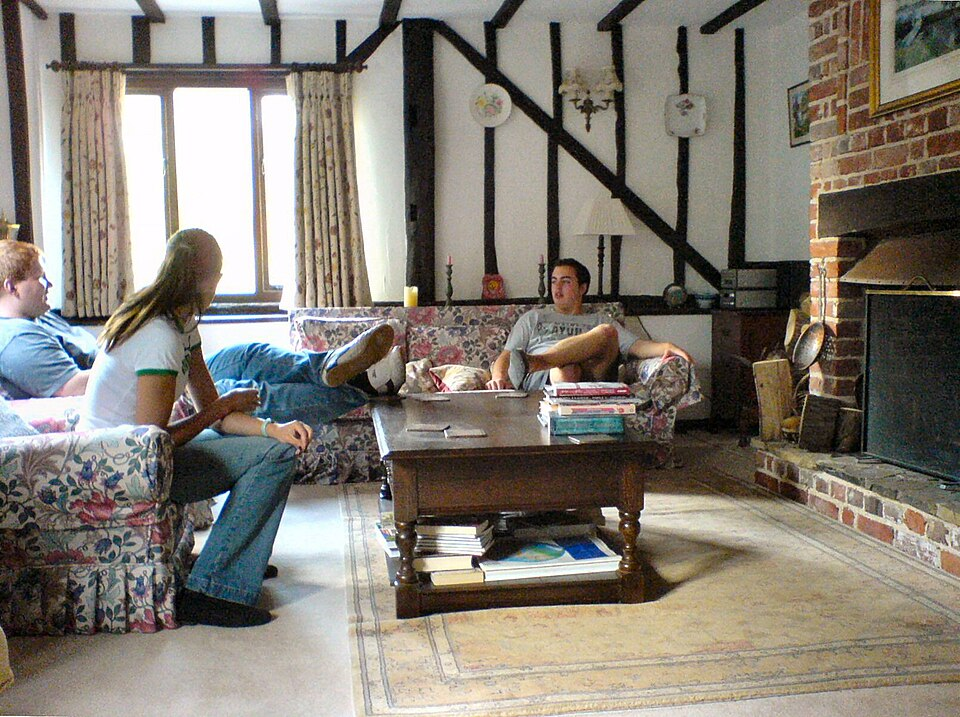
The 1960s are remembered for big history, the Space Race, the moon landing, sweeping social change, but for most people, the decade was lived in the small rhythms of daily life: a single television in the living room, a rotary phone bolted to the kitchen wall, kids who disappeared outdoors until the streetlights came on, and a milkman who still left bottles on the porch. It was a world before the internet, before smartphones, before screens followed us everywhere, when entertainment, communication, and community worked very differently. Here’s a look back at what everyday life was actually like in the 1960s, the household routines, the technology, the simple pleasures, and the texture of ordinary days that anyone who lived through it remembers vividly.
A note on nostalgia: looking back fondly is natural, but the sixties were also a decade of real hardship and upheaval for many. This is a snapshot of everyday domestic life, not a claim that the era was simpler or better for everyone. With that in mind, here’s what daily life looked like.
The Television Was the Center of the Home
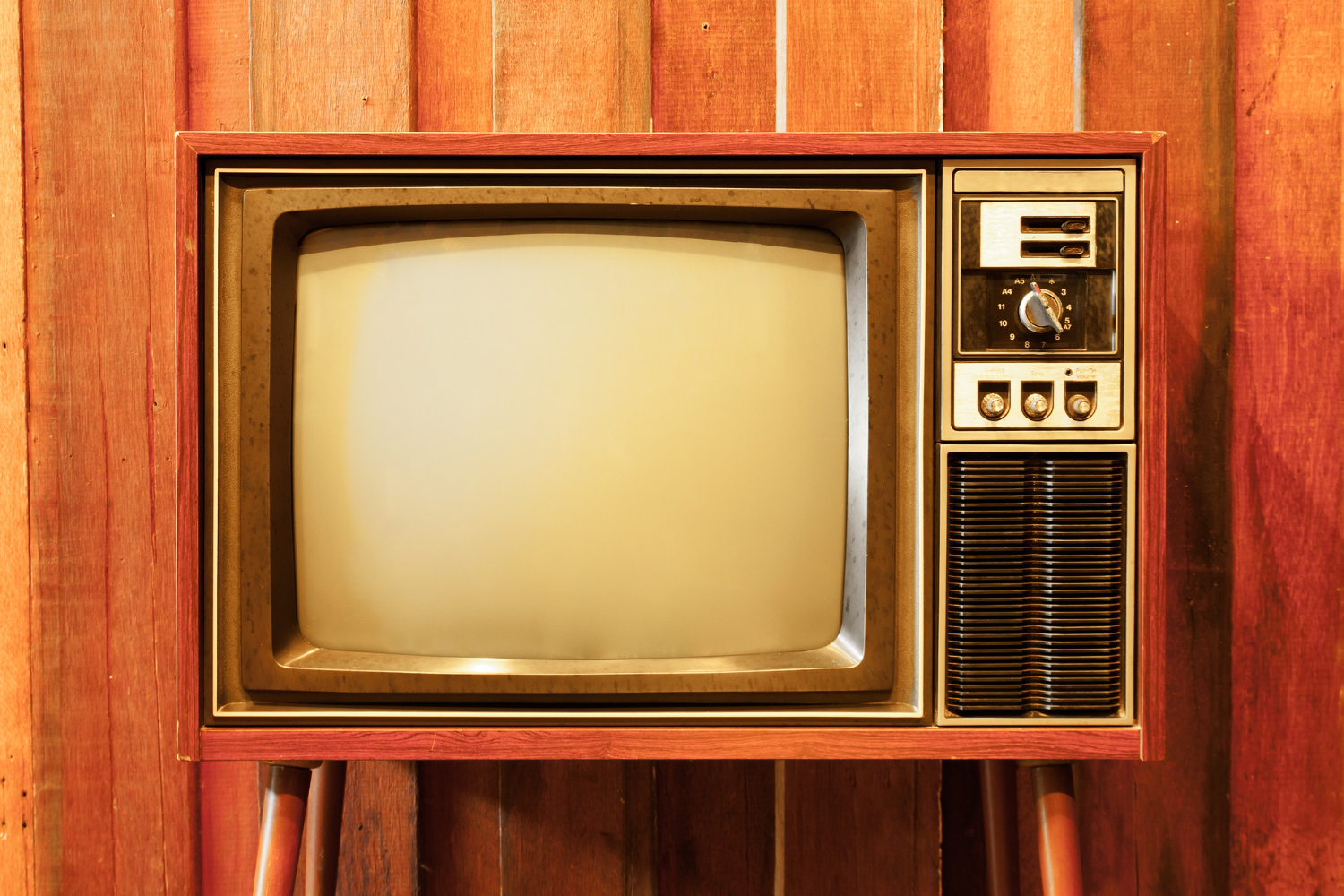
In the 1960s, the television set was the glowing heart of the household, and most families had just one. Entertainment options were limited to a handful of broadcast networks, so the whole family gathered around the same screen, watching the same programs at the same time, with no recording, pausing, or on-demand anything. If you missed a show, you missed it. Color broadcasting was spreading through the decade, but color sets were expensive, so many homes watched in black and white for years. The shared, scheduled nature of TV created a kind of communal experience that’s hard to imagine now: the entire country might be talking about the same broadcast the next morning, and the living room arranged itself around that single screen.
Like our content? Follow us for more.
Telephones Were Tethered to the Wall
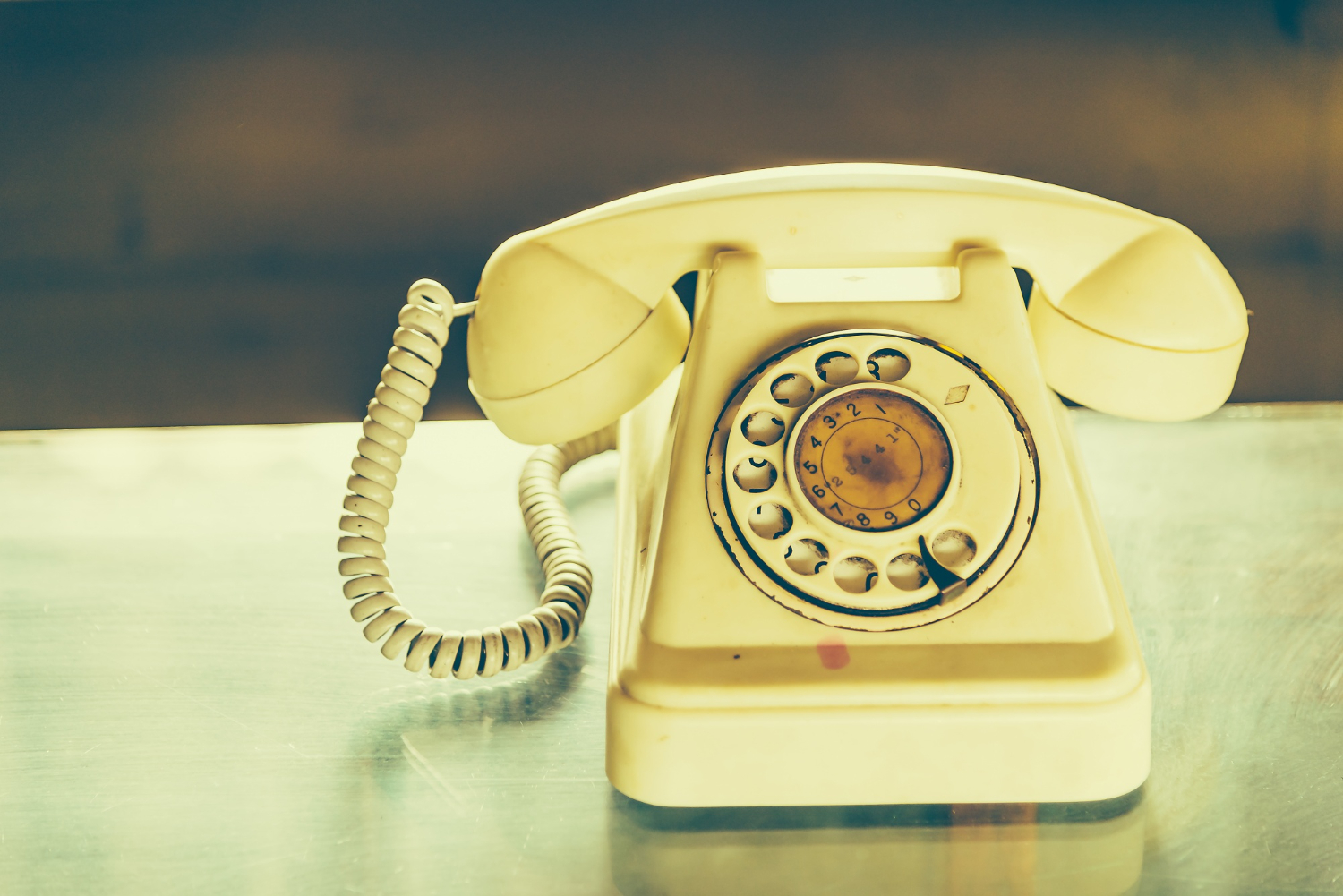
The telephone of the 1960s was a heavy, often rotary-dial instrument, usually mounted on the kitchen wall or sitting on a hallway table, and it stayed put. There were no mobile phones, no answering machines in most homes, and no caller ID; when it rang, you answered without knowing who was on the line. Many households shared “party lines,” where several homes used the same circuit and you might pick up to hear a neighbor mid-conversation. Long-distance calls were expensive and reserved for special occasions, often kept short to save money. The phone connected you to the world, but it tied you to one spot in the house, the cord stretching only so far, a far cry from the pocket-sized devices that go everywhere with us today.
A World Before the Internet
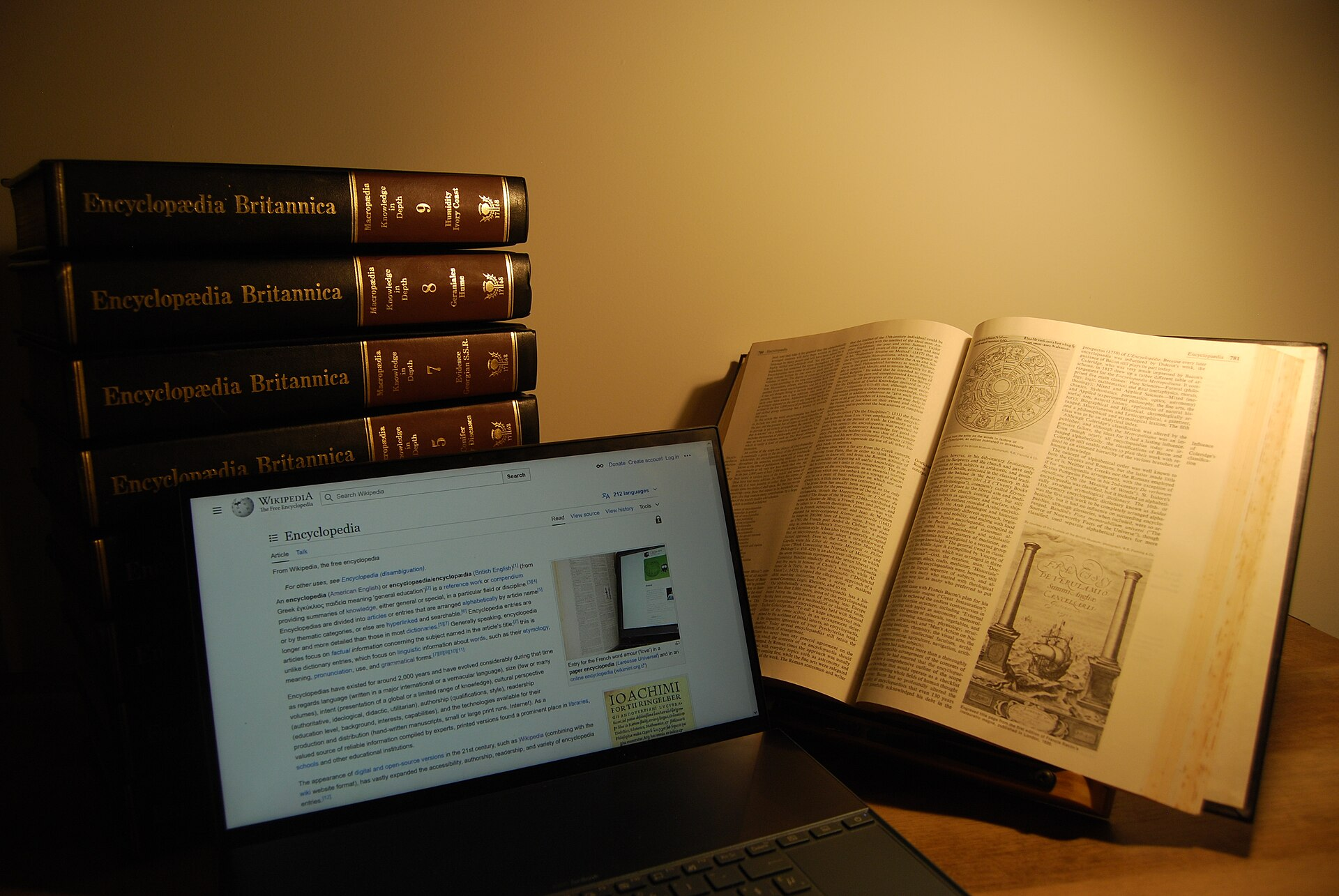
Perhaps the hardest thing for younger generations to picture is how information moved in a world with no internet. News came from the morning newspaper, the evening TV broadcast, and the radio. Questions were answered by a trip to the library, a set of encyclopedias on the shelf, or simply asking someone who might know. Letters were written by hand and mailed, and waiting days or weeks for a reply was normal. There was no instant search, no email, no social media, and no way to look something up on the spot. This slower flow of information shaped daily life profoundly, requiring patience and planning, and it meant that knowledge, entertainment, and connection all arrived at a more measured pace.
The Kitchen and the Daily Routine
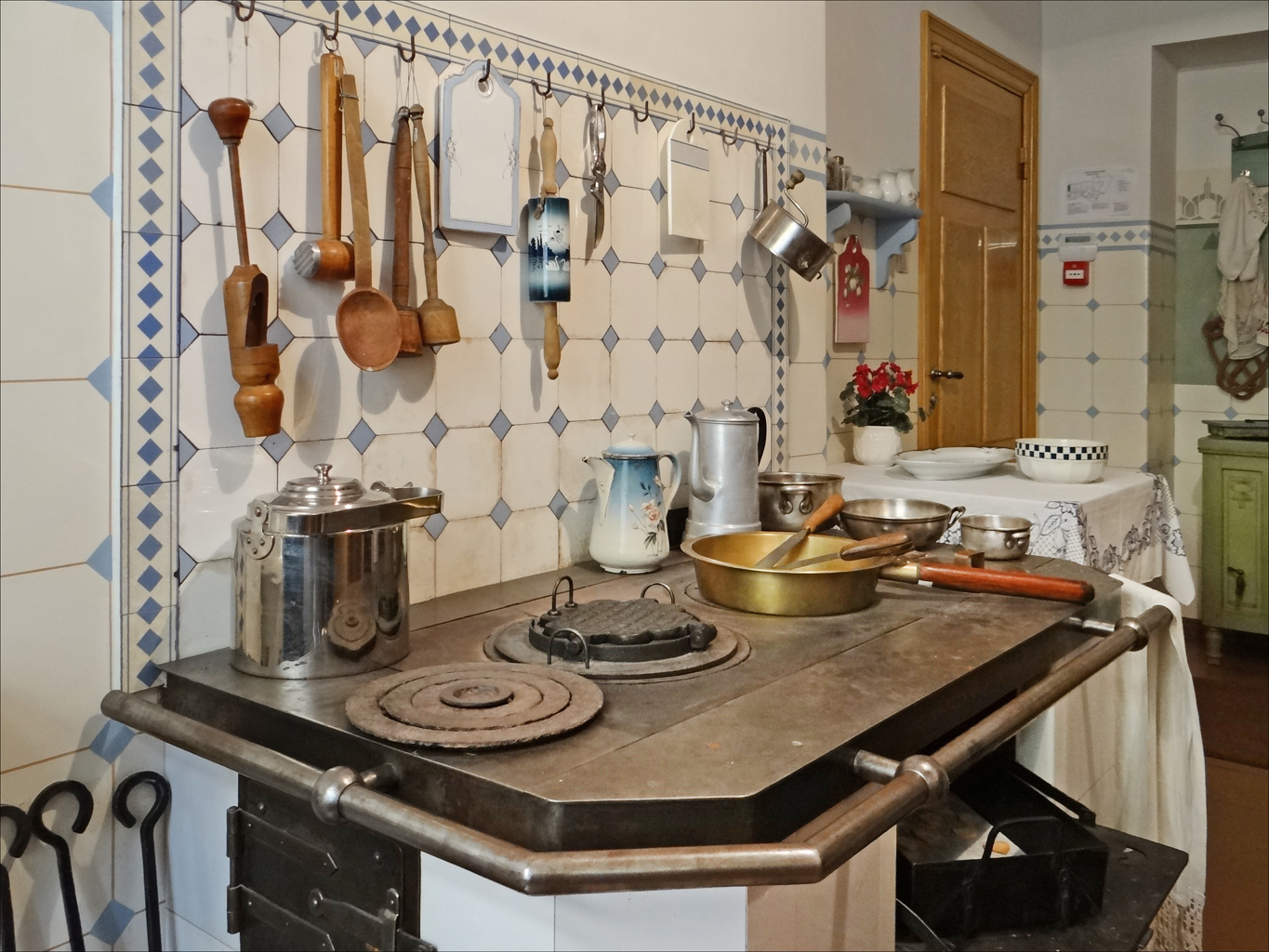
The 1960s kitchen was the engine room of family life, and in many households one parent, most often the mother, ran it full-time. Convenience foods were on the rise, with frozen dinners, canned goods, and new packaged products promising to save time, even as home cooking remained the norm. The milkman still delivered glass bottles to the doorstep in many areas, and door-to-door deliveries of bread and other goods lingered from earlier decades. Appliances were becoming more common, electric mixers, percolator coffee pots, and increasingly automatic washing machines, lightening the heavy load of housework. Meals were typically eaten together at a set time, the family gathered around the table, a daily ritual that anchored the household.
Childhood Meant the Great Outdoors
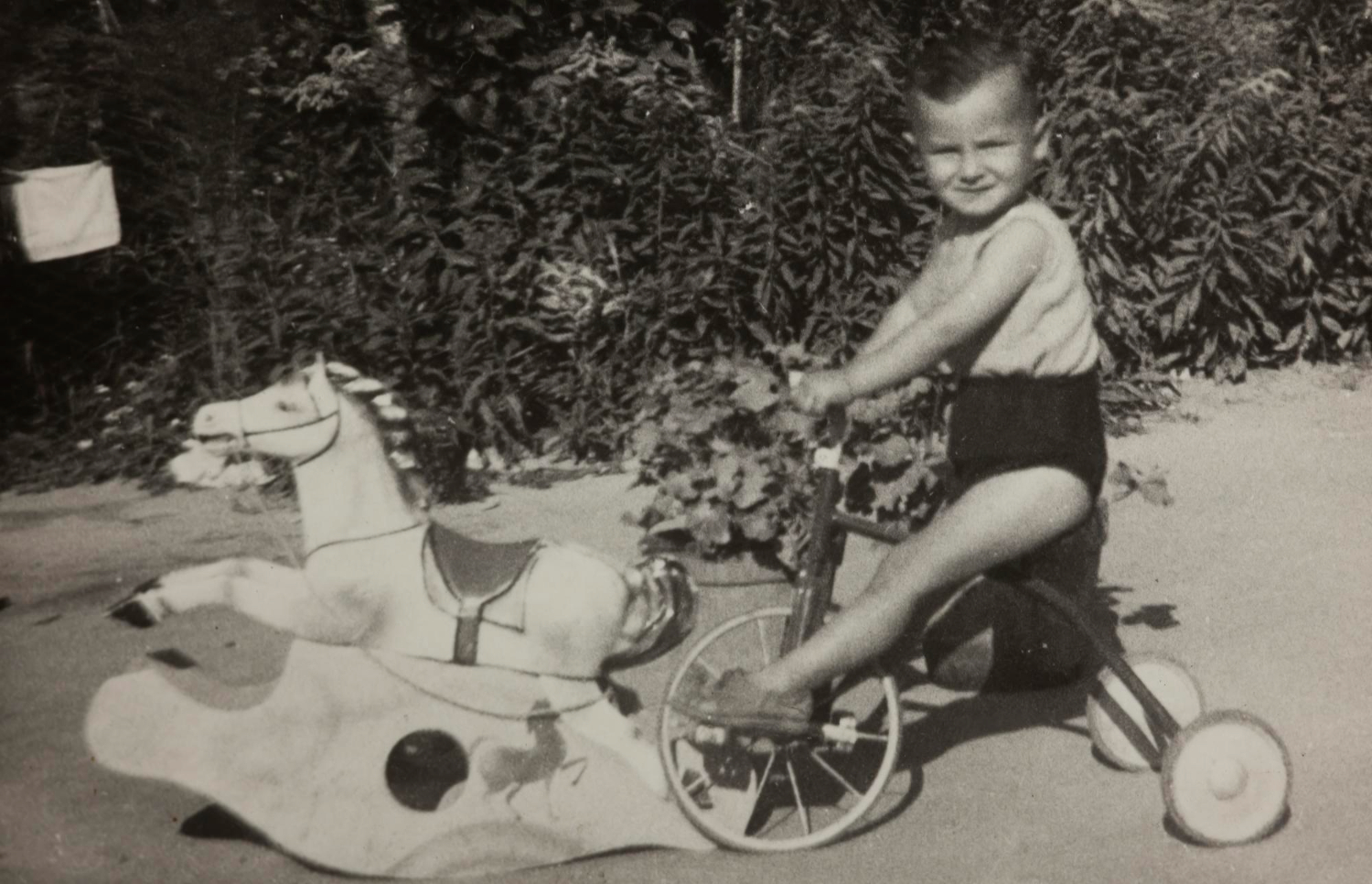
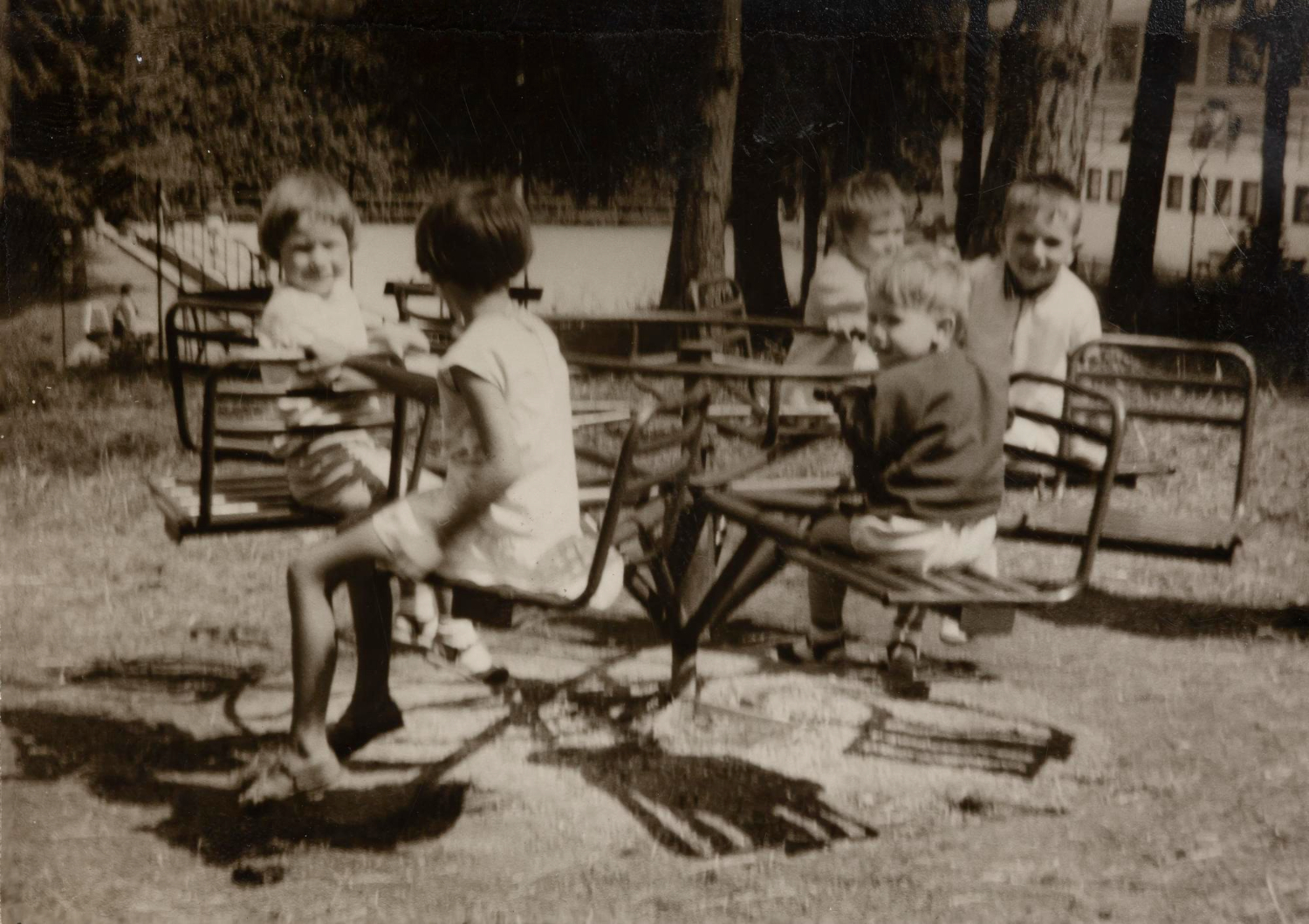
For children, the 1960s were defined by unstructured outdoor freedom. Kids left the house after breakfast or school and roamed the neighborhood, riding bikes with banana seats and high handlebars, playing pickup games, building forts, and inventing their own fun until they were called home for dinner or the streetlights flickered on. Parents generally didn’t track their children’s whereabouts minute by minute; the expectation was simply to be home by a certain time. Play was physical and social, jump rope, hopscotch, baseball in the street, and toys, while beloved, competed with hours spent simply outside. This roaming independence, with all its scraped knees and adventures, is one of the most fondly remembered features of growing up in the era.
Music You Could Hold and Carry
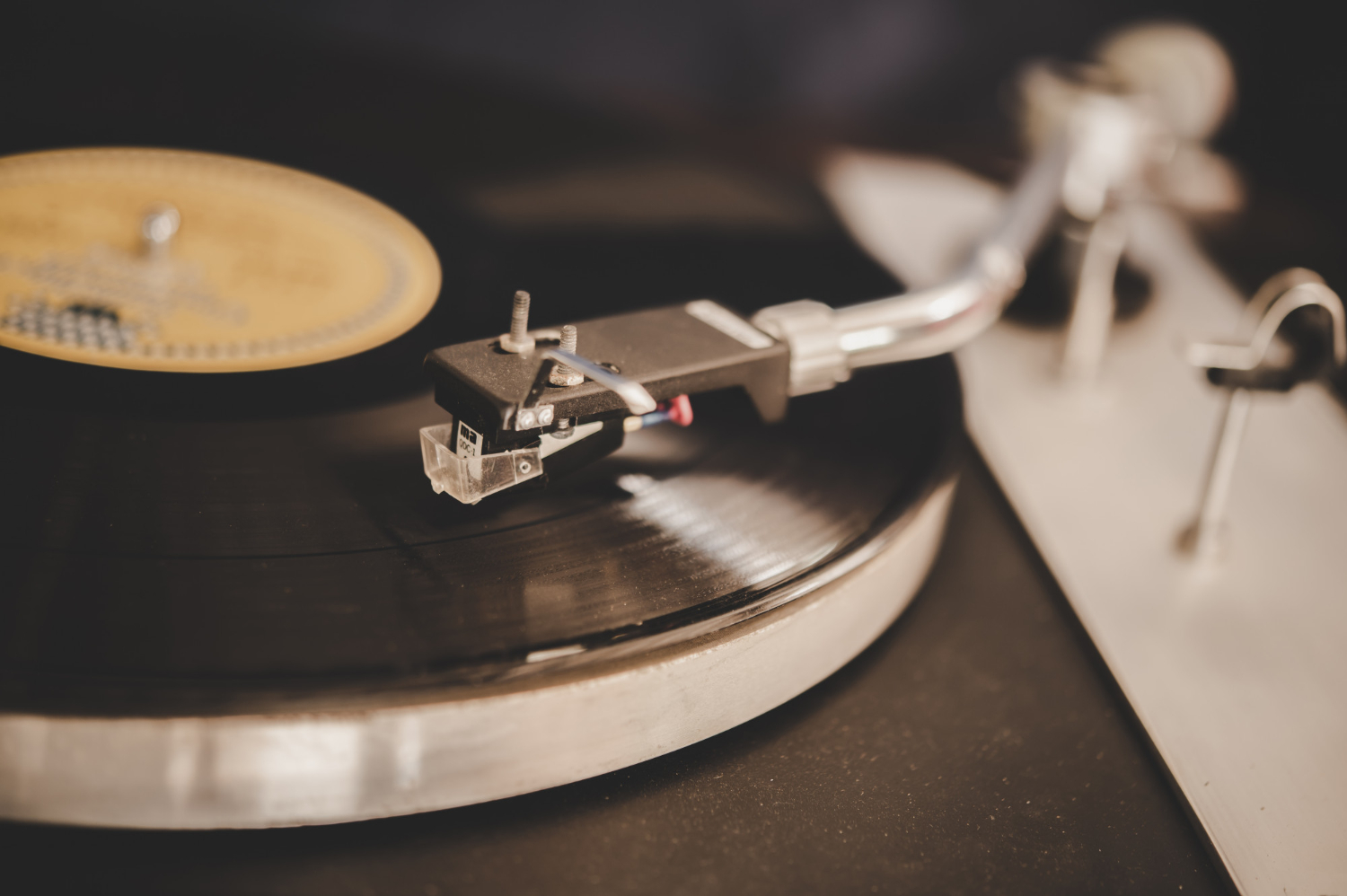
Music underwent a revolution in the 1960s, and so did the way people listened to it. At home, the record player was a prized possession, and families built collections of vinyl, with teenagers in particular saving up to buy the latest singles and albums. The arrival of affordable, pocket-sized transistor radios was transformative, for the first time, young people could carry music with them, listening to their favorite stations at the beach, on the porch, or under the covers at night. Radio DJs were tastemakers and stars, and the shared experience of hearing a new hit on the air bound a generation together. Owning and playing music was an active, deliberate pleasure, a world away from today’s endless streams.
Cars, Suburbs, and the Open Road
The 1960s were the height of American car culture, and the automobile shaped daily life in profound ways. The postwar growth of the suburbs meant more families lived in newly built neighborhoods and depended on a car to get to work, school, and the shops. Drive-in restaurants, drive-in movie theaters, and the great American road trip were woven into the fabric of life, and the decade’s stylish, powerful cars were objects of genuine pride. With gas costing just pennies a gallon, hitting the road was cheap and easy, and a Sunday drive was a popular pastime in itself. The car wasn’t just transportation; it was freedom, status, and a central part of how families spent their time.
Shopping Was a Local, In-Person Affair

Buying things in the 1960s meant going somewhere in person. Downtown department stores, neighborhood markets, and the growing number of suburban shopping centers were where families spent their money, often interacting with familiar shopkeepers and clerks. There was no online ordering and no home delivery beyond the milkman and a few others, so a shopping trip was an outing, sometimes a weekly ritual. Mail-order catalogs offered a way to buy goods from afar, with thick catalogs pored over at the kitchen table and orders sent by post. Cash and checks ruled, as credit cards were only beginning to spread. The whole experience was slower, more personal, and more tied to the local community than the frictionless shopping of today.
Living Through a Decade of Change
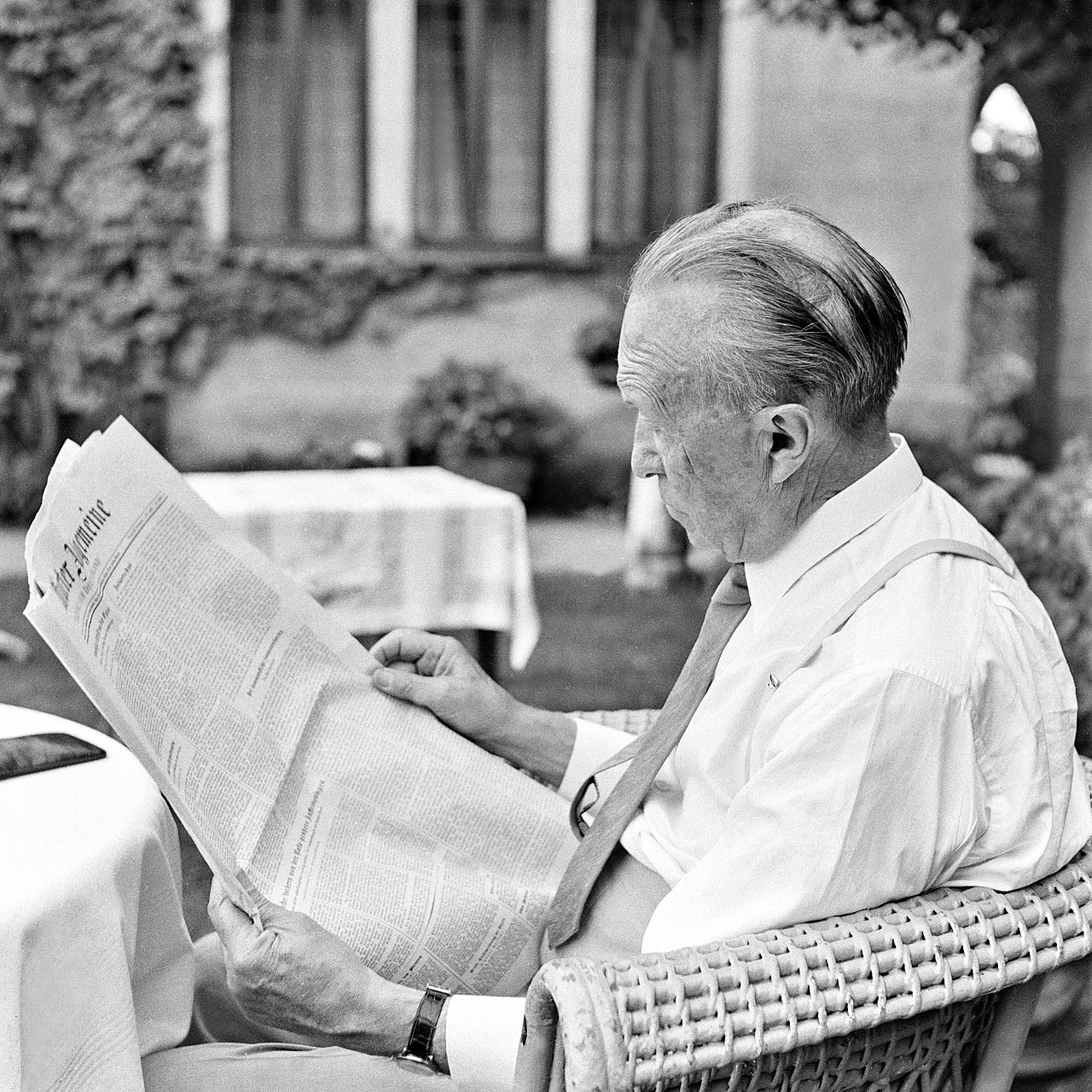
It would be incomplete to describe the 1960s without acknowledging that everyday life unfolded against a backdrop of extraordinary change. The Space Race captivated the nation and filled children’s imaginations with rockets and astronauts, culminating in the moon landing at the decade’s end. At the same time, the country was living through profound social transformation and debate. For ordinary families, these huge events arrived through that single television set and the morning paper, threading the wider world into the daily routine. The sense of living through history, of watching momentous things unfold on the evening news, was itself part of the texture of sixties life, even as the small routines of home carried on.
A Slower, More Tangible World
Looking back, what stands out about everyday life in the 1960s is how tangible and shared it was. Entertainment happened in one room, on one screen, together. Music was something you held in your hands. Phones stayed on the wall, information moved at the speed of mail and memory, and children’s worlds extended as far as their bikes could carry them. It was, by modern standards, a slower and more local way of living, with fewer choices but, many would argue, more shared experience. Nostalgia naturally smooths the rough edges, and the decade had plenty of those, from real hardship to social strife that the cozy living-room snapshot leaves out. But for those who lived it, the rhythms of 1960s daily life, unhurried, communal, and grounded in the physical world, remain a vivid and cherished memory, a reminder of how much the texture of an ordinary day can change in the space of a single lifetime, and how the smallest routines often leave the deepest impressions.
Like our content? Follow us for more.