

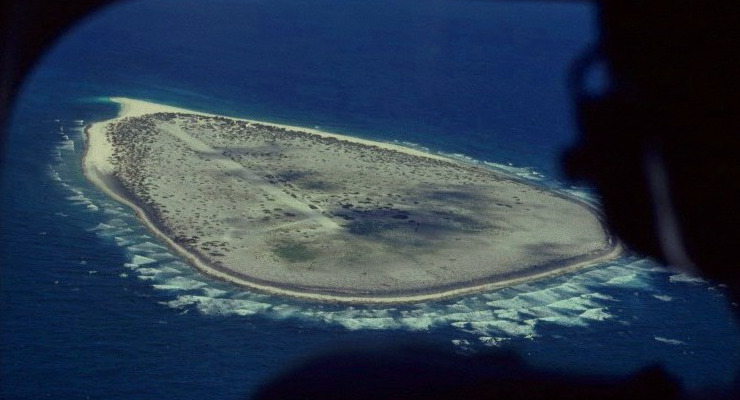
On a tiny, barren speck of sand in the Indian Ocean, a small group of people once survived for fifteen years, abandoned and forgotten by the wider world. They had no rescue, no supplies beyond what they could scavenge, and no reason to believe anyone was coming back for them. Yet through extraordinary ingenuity and sheer will, a handful endured, keeping a single fire burning for a decade and a half. The story of Tromelin Island is one of survival against almost impossible odds, but it is also a sobering chapter in the history of slavery and human abandonment. Here is the true, remarkable, and deeply moving story of the people stranded on Tromelin, and how their memory was finally recovered.
A note on this story: it involves the transatlantic-era slave trade and the abandonment of enslaved people, a genuine historical tragedy. This piece aims to tell it with the seriousness and respect it deserves, honoring the resilience and humanity of those who were stranded. It is history worth remembering, not entertainment.
A Tiny Island in a Vast Ocean
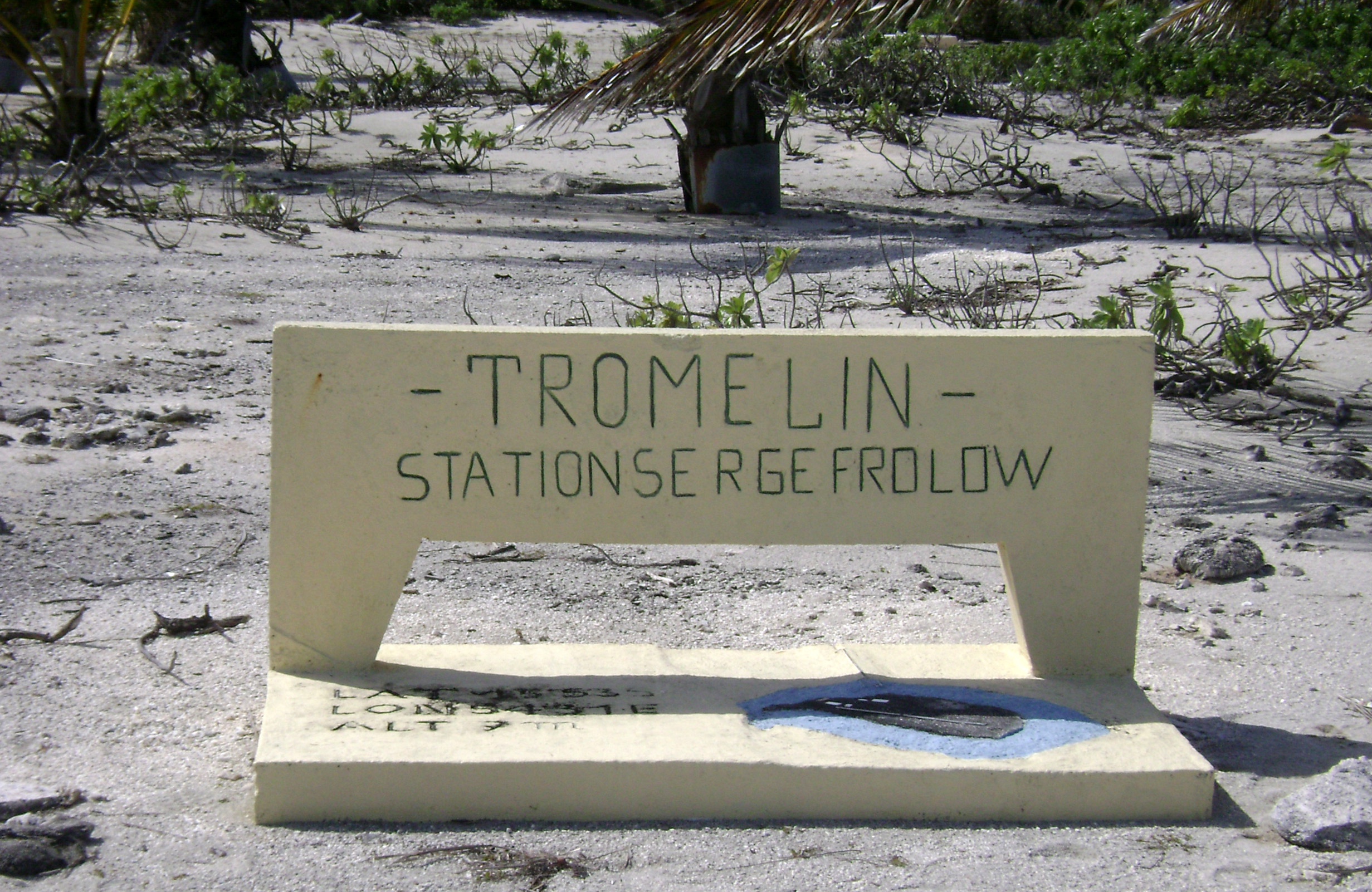
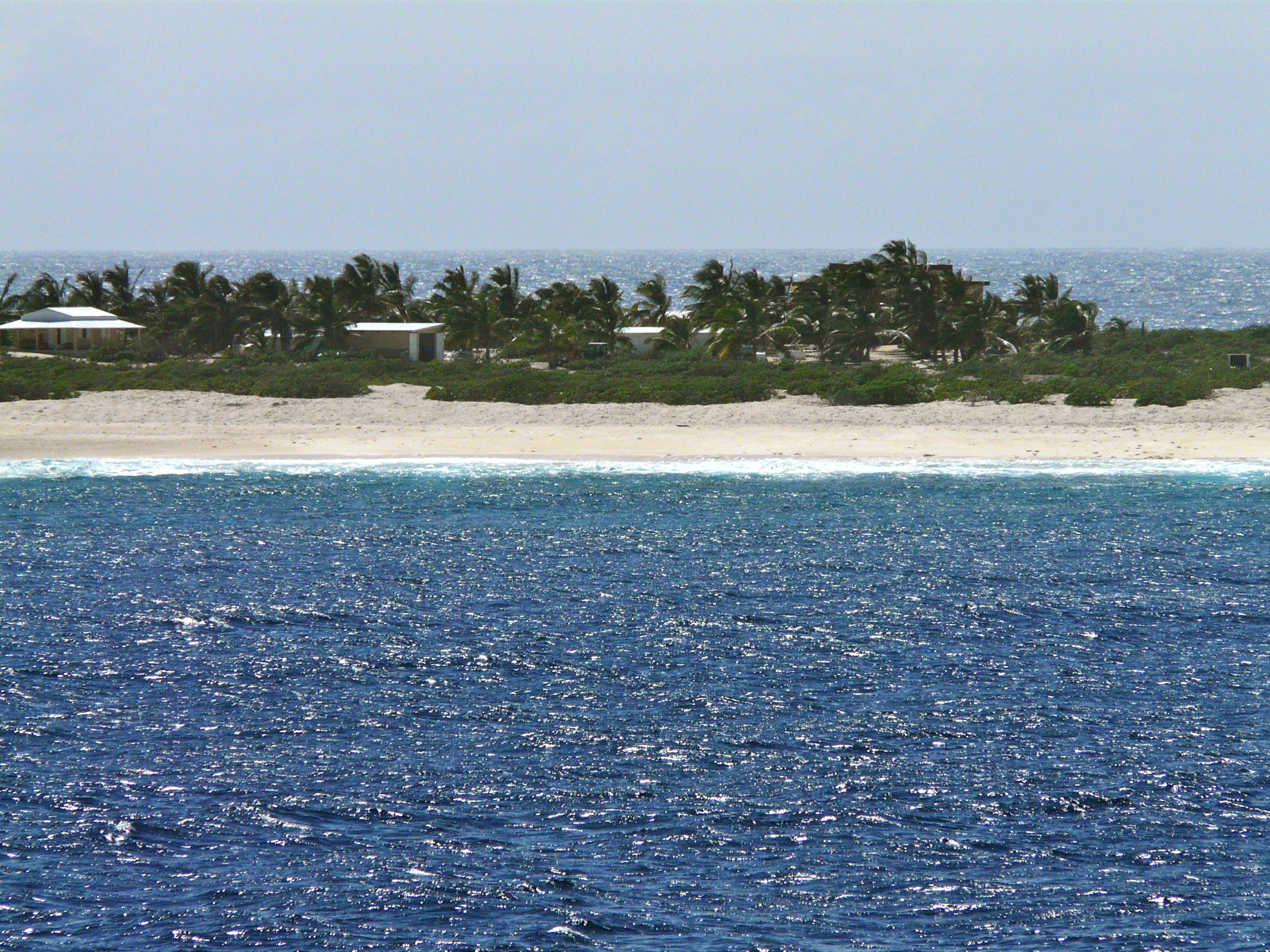
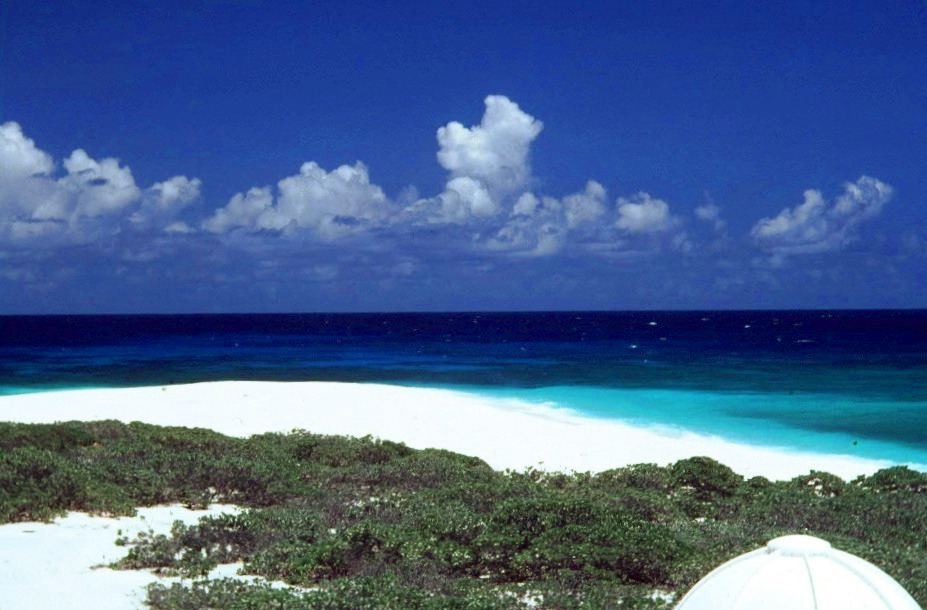
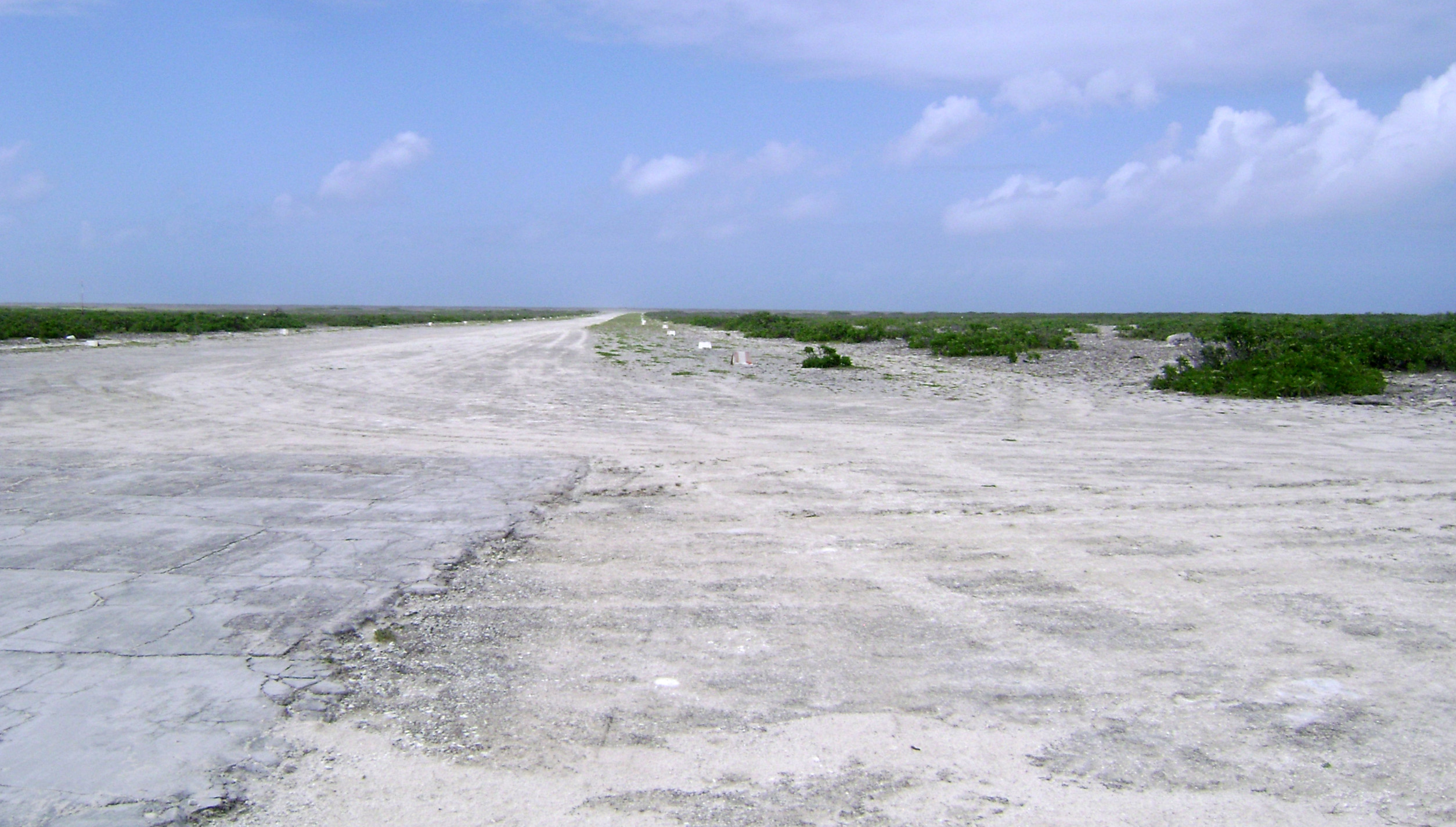
Tromelin is a minuscule, low-lying island in the Indian Ocean, located off the coast of Madagascar. Covering only about one square kilometer, it is flat, windswept, and almost entirely without natural resources, no fresh water, virtually no vegetation, and little shade from the relentless sun. For most of history it was an unremarkable dot on the map, once known simply as the Island of Sand. It is the kind of place a ship would want to avoid entirely, ringed by dangerous reefs. And yet this inhospitable scrap of land became the setting for one of the most haunting survival stories ever documented, a story that began with a shipwreck and a broken promise.
Like our content? Follow us for more.
The Wreck of L’Utile
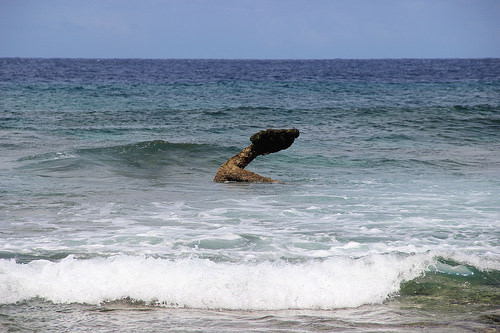
In 1761, a ship called L’Utile, belonging to the French East India Company, was sailing through the region. The vessel was engaged in a grim and, at the time, illicit enterprise: it was transporting a large number of Malagasy people who had been enslaved, intending to sell them despite a ban on such trade in that route. On the night of July 31, 1761, L’Utile struck the reefs surrounding the island and wrecked. In the chaos, many lives were lost, but a significant number of people made it to shore, including much of the French crew and around sixty of the enslaved Malagasy men, women, and children. They found themselves stranded together on the barren island, with the wreckage of the ship as their only resource.
A Boat Built From Wreckage
The survivors immediately faced a desperate struggle. They dug a well and managed to find brackish water, and they salvaged what they could from the broken ship. Over the following weeks, the French crew, using timber and materials from the wreck, set about building a new boat, which they named the Providence. It was a remarkable feat of improvised shipbuilding under dire conditions. But the boat was not large enough to carry everyone. When it was finished, around late September 1761, the French crew sailed away toward Madagascar, leaving the enslaved Malagasy people behind on the island. The crew left them with a promise: that a ship would be sent back to rescue them. It was a promise that would take an agonizingly long time to be honored.
The Promise That Wasn’t Kept
The French crew did reach safety, but the people they left on the island were not so fortunate. The promised rescue did not come. Months passed, then years, and the stranded survivors remained alone on their tiny island, watching the empty horizon. Records suggest that, for a long time, no serious or successful effort was made to retrieve them. The first officer who had survived the wreck reportedly petitioned authorities to send help, and eventually permission was granted, but bureaucratic delays, the dangers of the reef, and a series of failed attempts meant that ship after ship either never came or could not land. The people on Tromelin were, in effect, forgotten by the world, left to fend entirely for themselves with no end in sight.
Survival Against the Odds
What the stranded survivors accomplished in their isolation is genuinely astonishing. With almost nothing to work with, they built a society of survival. They constructed shelters from coral blocks and salvaged debris, some of which archaeologists would later uncover. They maintained their well for water. For food, they turned to the sea and sky, catching turtles, fish, and seabirds, and gathering eggs. Lacking proper clothing as their garments wore away, they reportedly wove coverings from braided bird feathers. And, crucially, they kept a fire continuously burning, year after year, a lifeline for cooking and a beacon of hope. Their resourcefulness in such a hostile environment, sustained over many years, stands as a powerful tribute to human resilience and the will to live.
A Failed Attempt and a Daring Escape
Over the long years, there were glimmers of contact and tragedy. At one point, a ship did approach, but the treacherous reefs and bad weather prevented a proper landing, and it left without taking anyone off. During one such episode, a French sailor reportedly ended up stranded on the island himself. Later, this sailor, along with several of the Malagasy survivors, attempted to escape on a makeshift raft they had built, fitted with a sail woven from feathers. They set off into the open ocean and were never heard from again, their fate unknown. It was a desperate gamble that reflected just how hopeless rescue must have seemed. Each failed contact deepened the sense that the island’s inhabitants had been truly written off.
Rescue at Last
Finally, on November 29, 1776, more than fifteen years after the wreck, a ship called La Dauphine, commanded by an officer named Jacques Marie de Tromelin, successfully reached the island and landed. What the rescuers found was heartbreaking and awe-inspiring in equal measure: only eight survivors remained. They were seven women and an eight-month-old infant who had been born on the island. The survivors were reportedly thin and weathered, dressed in clothing made of feathers, and the fire they had lit years before was still burning. The rescuers were stunned. The eight were taken to the safety of Mauritius, then known as Île de France, where the women were declared free. After fifteen years of abandonment, their ordeal was finally over, though at a terrible cost in lives.
The Island Gets a Name
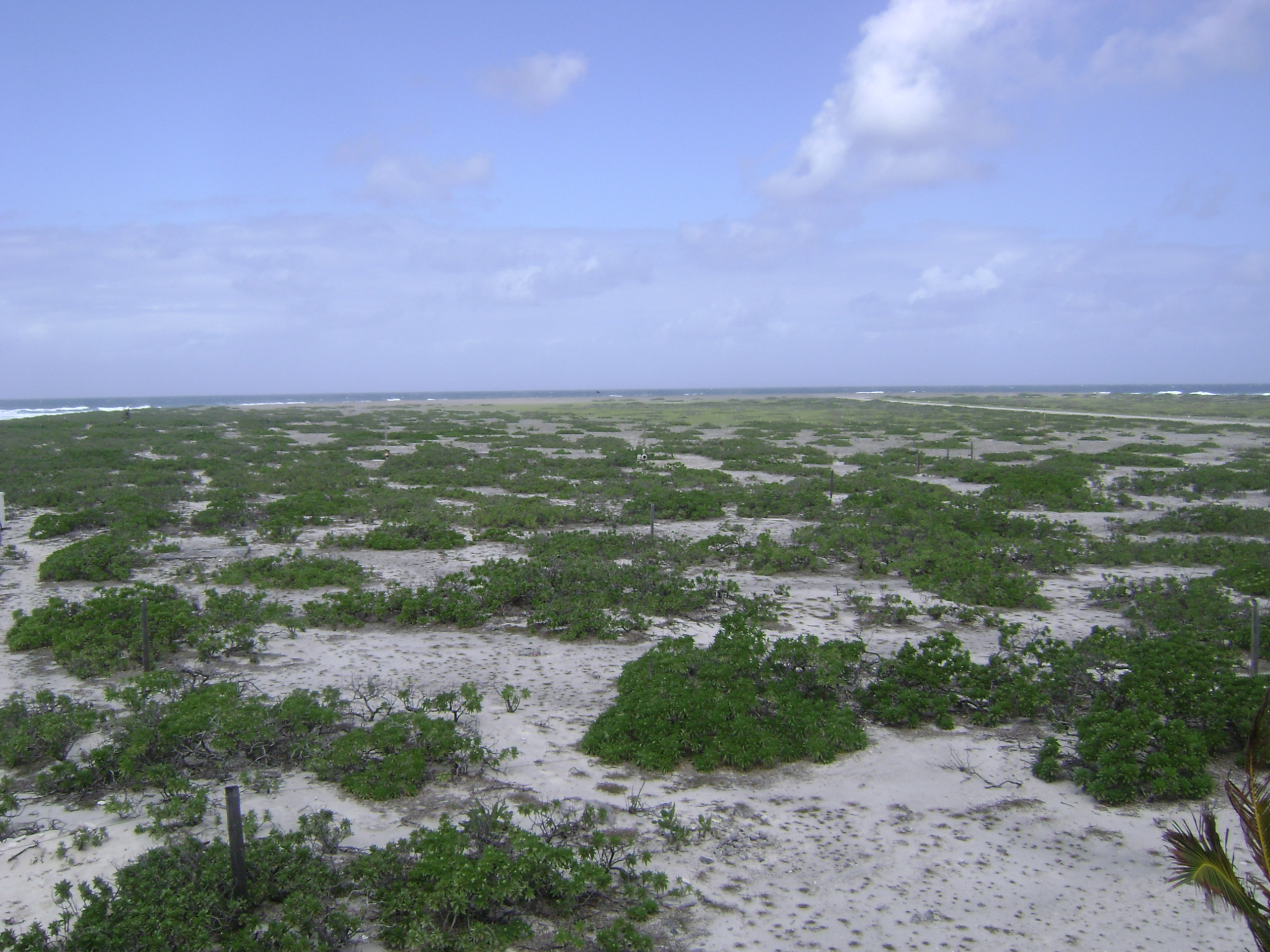
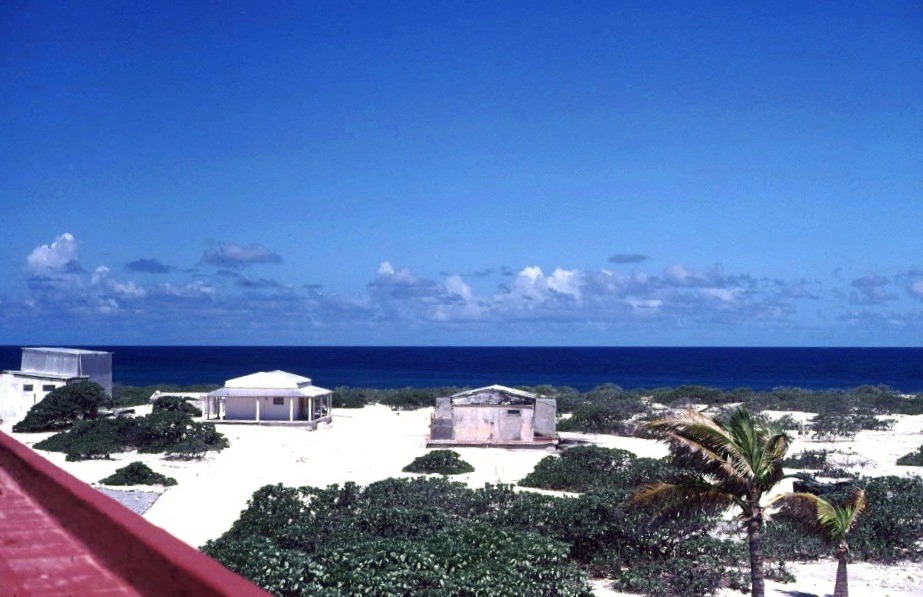
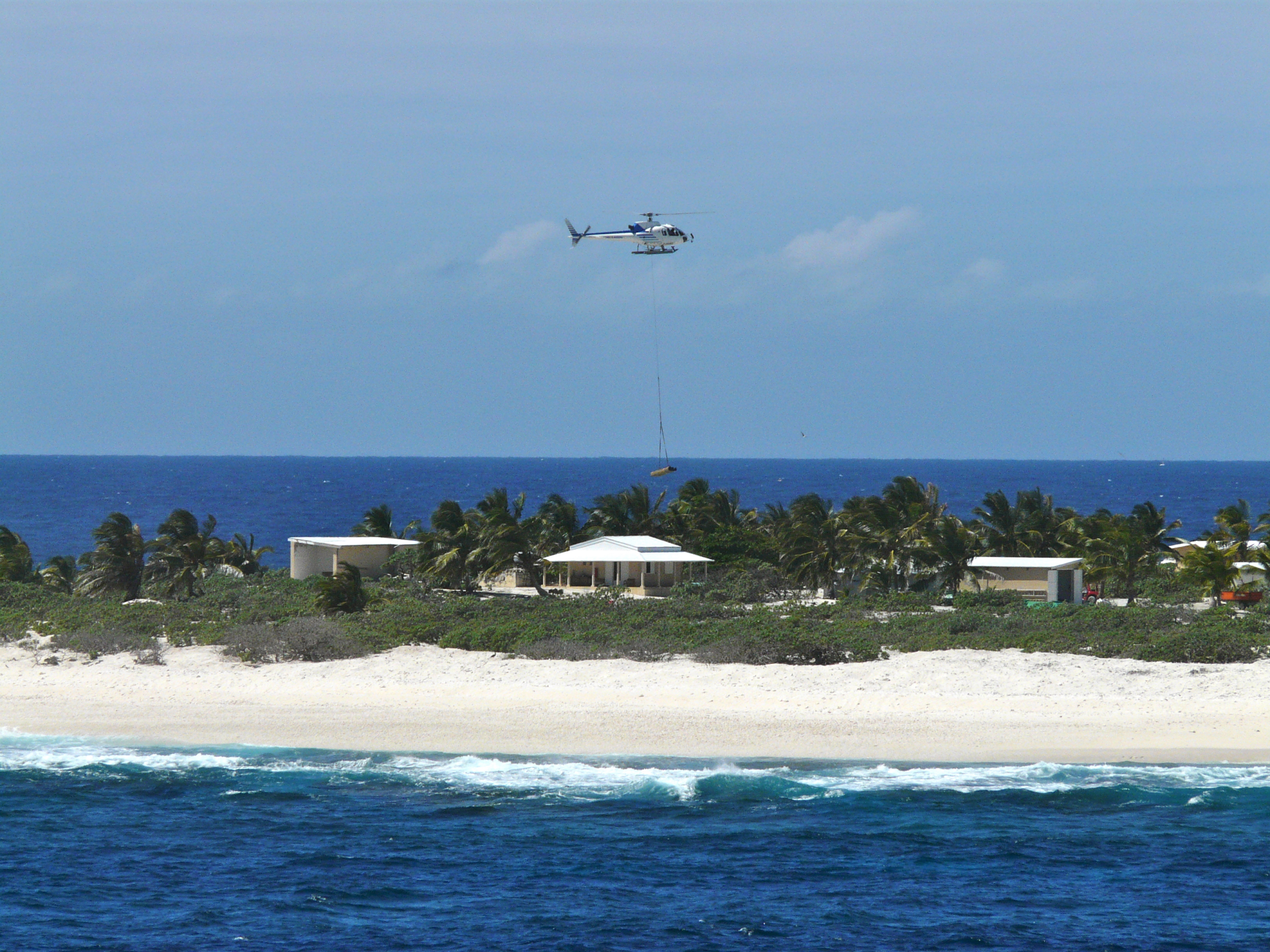
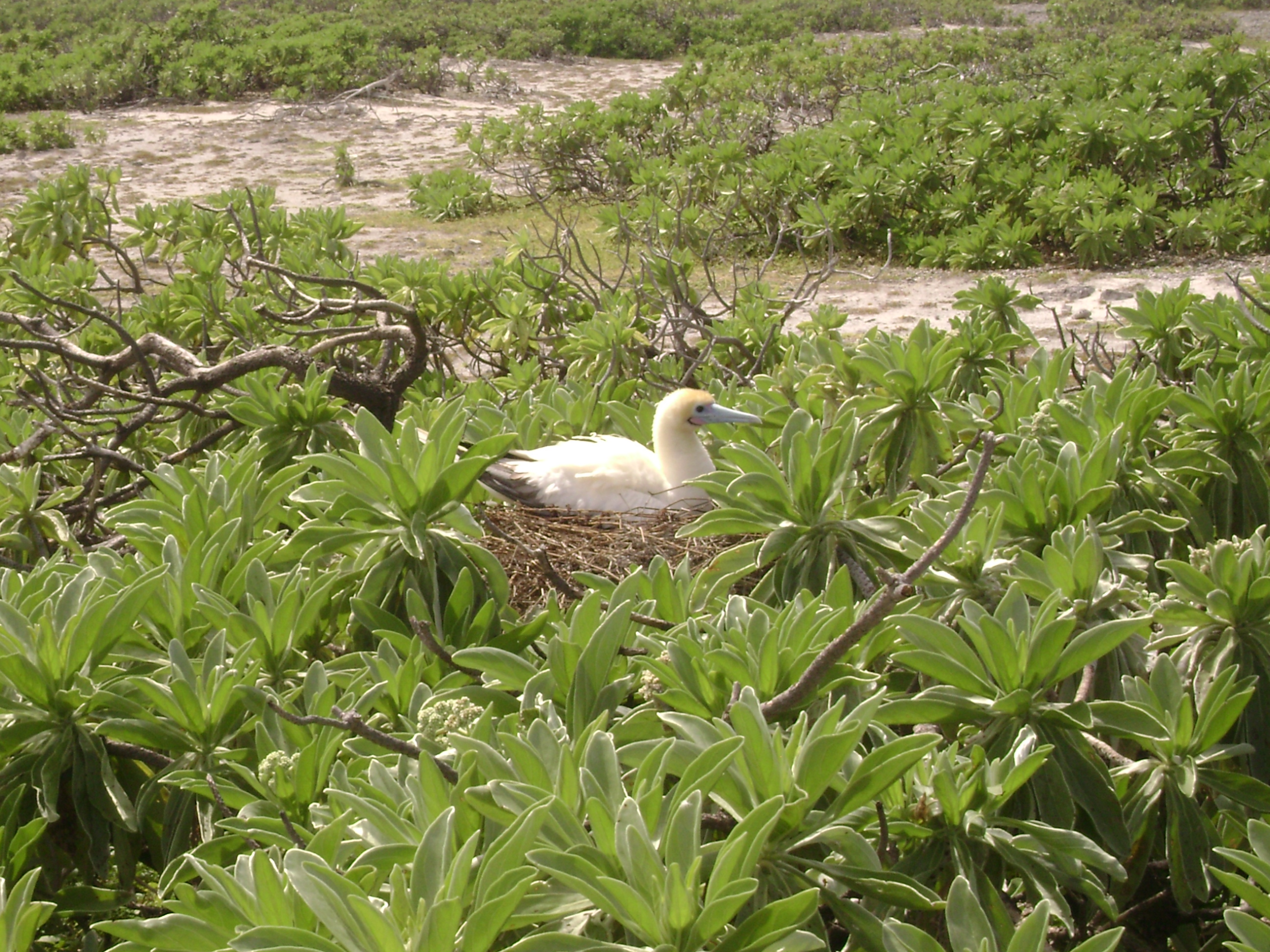
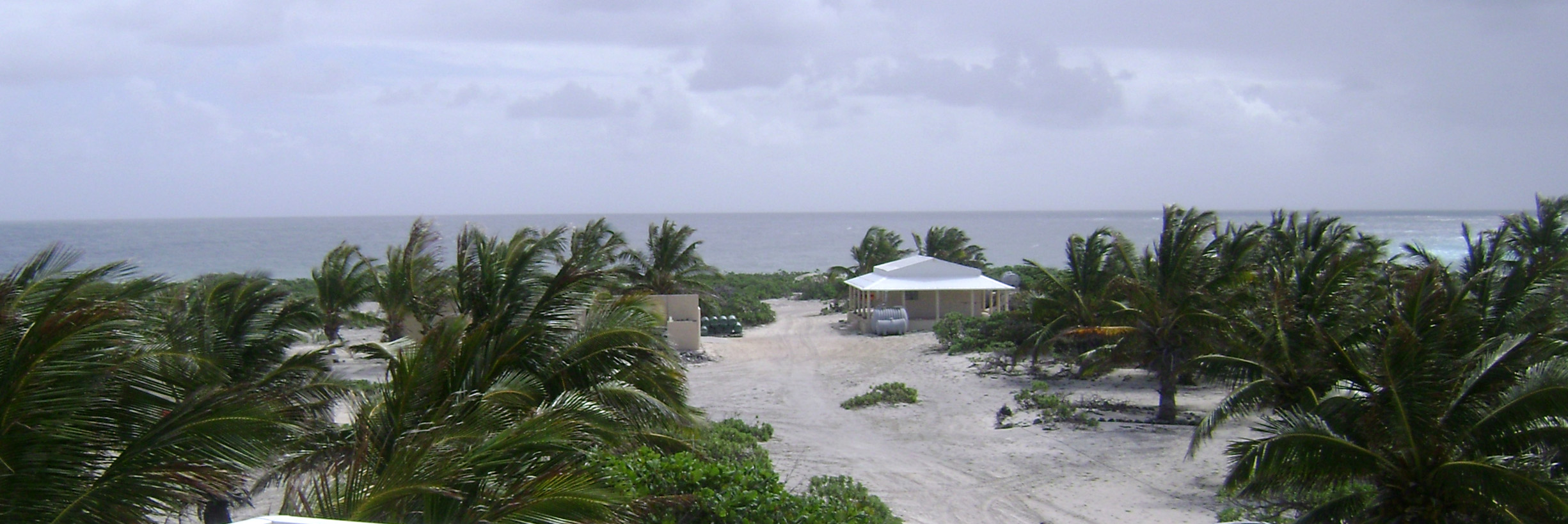
In the wake of the rescue, the island, once just the Island of Sand, was renamed Tromelin, after the captain whose ship had finally reached the survivors. The name has endured to this day. The tiny island remains largely uninhabited, home today only to a small weather station and the seabirds and turtles that have always shared its shores. For two centuries, the full story of what happened there faded into obscurity, a half-remembered footnote of maritime history. The details of how the stranded people had actually lived and survived for those fifteen long years remained largely unknown, buried beneath the sand and lost to time, until modern researchers decided to dig deeper.
Recovering a Forgotten History
In the twenty-first century, a series of archaeological expeditions set out to uncover the truth of Tromelin. Led by researchers and supported by international cultural organizations, teams excavated the island and the underwater wreck site, working to recover the story of the survivors. They unearthed the remains of the structures the castaways had built, including shelters and a kitchen area, along with tools and objects fashioned from salvaged metal, evidence of the ingenuity that had kept people alive. This research transformed Tromelin from a vague legend into a documented history, allowing the resilience and suffering of the stranded Malagasy people to be properly acknowledged and remembered. Museum exhibitions have since shared their story with the wider public, ensuring it is no longer forgotten.
Why Tromelin Matters Today
The story of Tromelin endures because it speaks to so much at once. It is, on one level, an incredible tale of human survival, of ordinary people enduring unimaginable hardship through cooperation, ingenuity, and hope. But it is inseparable from the injustice that put them there: the brutal trade that treated human beings as cargo, and the casual cruelty of abandoning them when they were no longer convenient. Remembering Tromelin honors the people who suffered and survived there, and confronts a painful history that deserves to be faced rather than forgotten. It is a story that lingers long after you hear it, a reminder of both the depths of human inhumanity and the extraordinary heights of the human will to endure.
A Story Worth Remembering
Today, Tromelin is once again a quiet, remote island, visited by almost no one. But it is no longer forgotten. The eight people who walked off that island in 1776, and the many who did not survive to see rescue, are now part of a story that historians and the public have worked hard to recover and honor. Their fifteen years of survival on a barren speck in the ocean stands as one of history’s most remarkable and sobering tales. It reminds us that behind the dry facts of shipwrecks and old maps lie real human beings, with real courage and real suffering. The castaways of Tromelin Island deserve to be remembered, and now, at last, they are.
Like our content? Follow us for more.
