


Different generations grew up with very different norms, technologies, and comfort zones, and nowhere is that clearer than in the everyday things that feel perfectly natural to baby boomers but steadily unnerve many in Gen Z. Raised in an era before caller ID, online reviews, and constant digital mediation, boomers learned to navigate the world with a directness that younger people, accustomed to texting first and researching everything, can find genuinely nerve-wracking. It’s not that one approach is right and the other wrong, just a fascinating window into how much social habits have shifted. Here’s a lighthearted look at the things boomers do without a second thought that tend to make Gen Z a little anxious, and what each reveals about the generational divide.
Answering Unknown Phone Calls

To a boomer, the phone rings, you answer it, simple as that, no matter who’s calling. To many in Gen Z, an incoming call from an unknown number can trigger genuine unease, often left to ring out and dealt with later, if at all, perhaps with a cautious text instead. Raised amid spam calls, scams, and a strong preference for texting, younger people frequently view an unexpected phone call as faintly alarming. Boomers, who grew up when the phone was the primary way to reach anyone and a ringing phone meant news from a friend or family, pick it up without hesitation. This small daily act neatly captures a major shift in how generations communicate.
Like our content? Follow us for more.
Making Phone Calls to Strangers
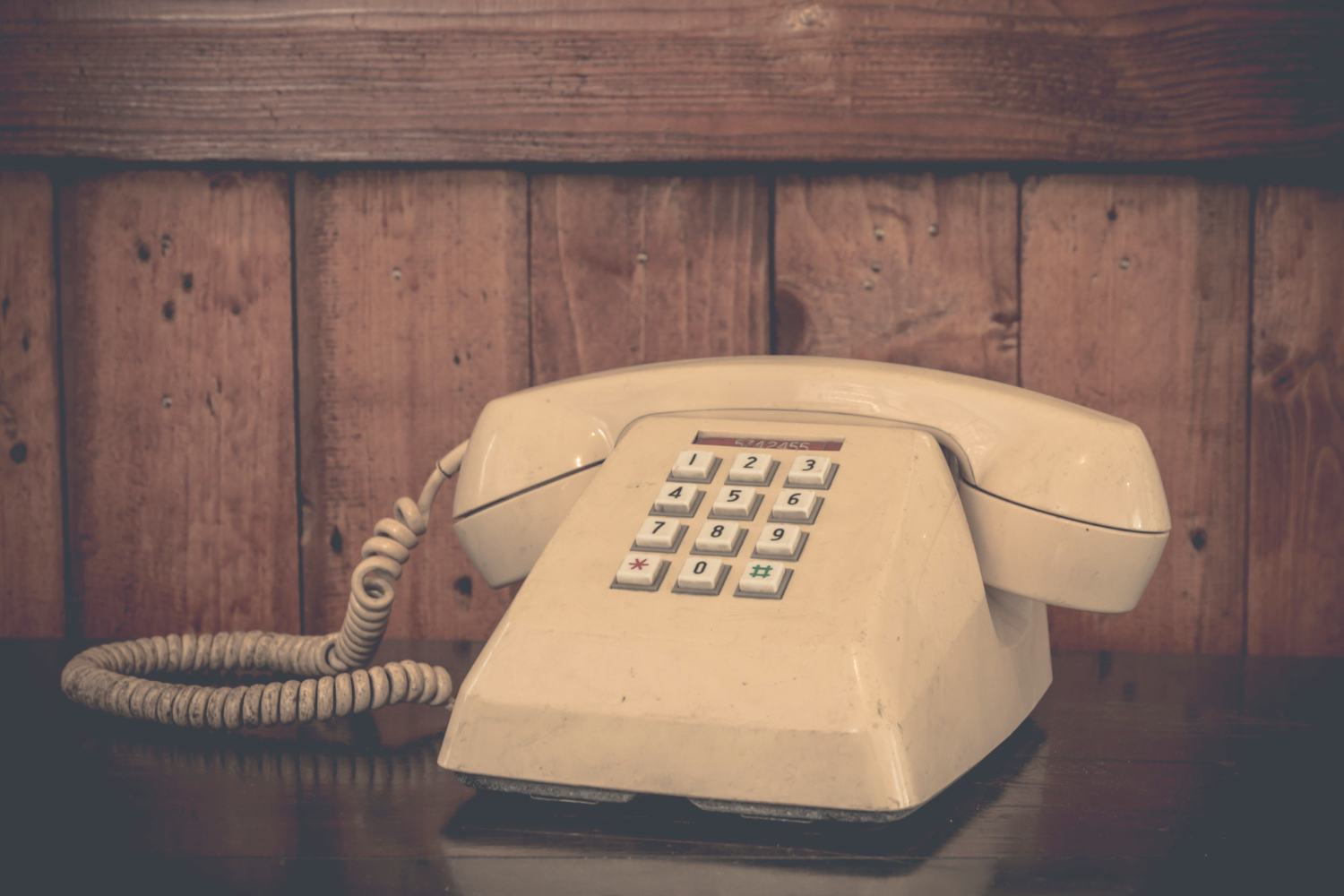
Closely related is the boomer comfort with picking up the phone to call a business, a stranger, or an office to ask a question, make an appointment, or sort out a problem. For many in Gen Z, this prospect, an unscripted live conversation with someone they don’t know, can spark real “phone anxiety,” with a strong preference for handling things via app, chat, or online form instead. Boomers, who came of age when calling was simply how things got done, think nothing of dialing up and talking it through. The generational gap in comfort with spontaneous phone calls is one of the most commonly noted, and relatable, divides of all.
Showing Up Unannounced

Boomers often think nothing of dropping by a friend’s or relative’s house unannounced for a friendly visit, a normal social custom in the era they grew up in. To many younger people, an unexpected knock on the door can be a source of mild panic, the modern norm being to text ahead and arrange visits well in advance. The idea of someone simply appearing without warning feels intrusive or stressful to a generation used to scheduling social time. Boomers, raised when popping in was a warm and ordinary gesture of friendship, see it as perfectly friendly. It’s a charming clash between spontaneous old-school sociability and today’s plan-everything-first approach.
Eating Food Past the Date (or With No Date)

Boomers frequently eat leftovers, pantry items, and groceries well past their printed dates, or with no date at all, judging freshness by look, smell, and common sense. To some in Gen Z, raised to treat printed dates as strict deadlines, this can seem alarmingly risky. In reality, the boomer approach often aligns with the fact that many food dates indicate quality, not safety, but the casual confidence with which they’ll eat day-old leftovers or a slightly-past-date item can still make younger relatives nervous. It reflects a generation comfortable trusting their own judgment over a label, a practical instinct honed before “best by” dates were on everything.
Not Using GPS
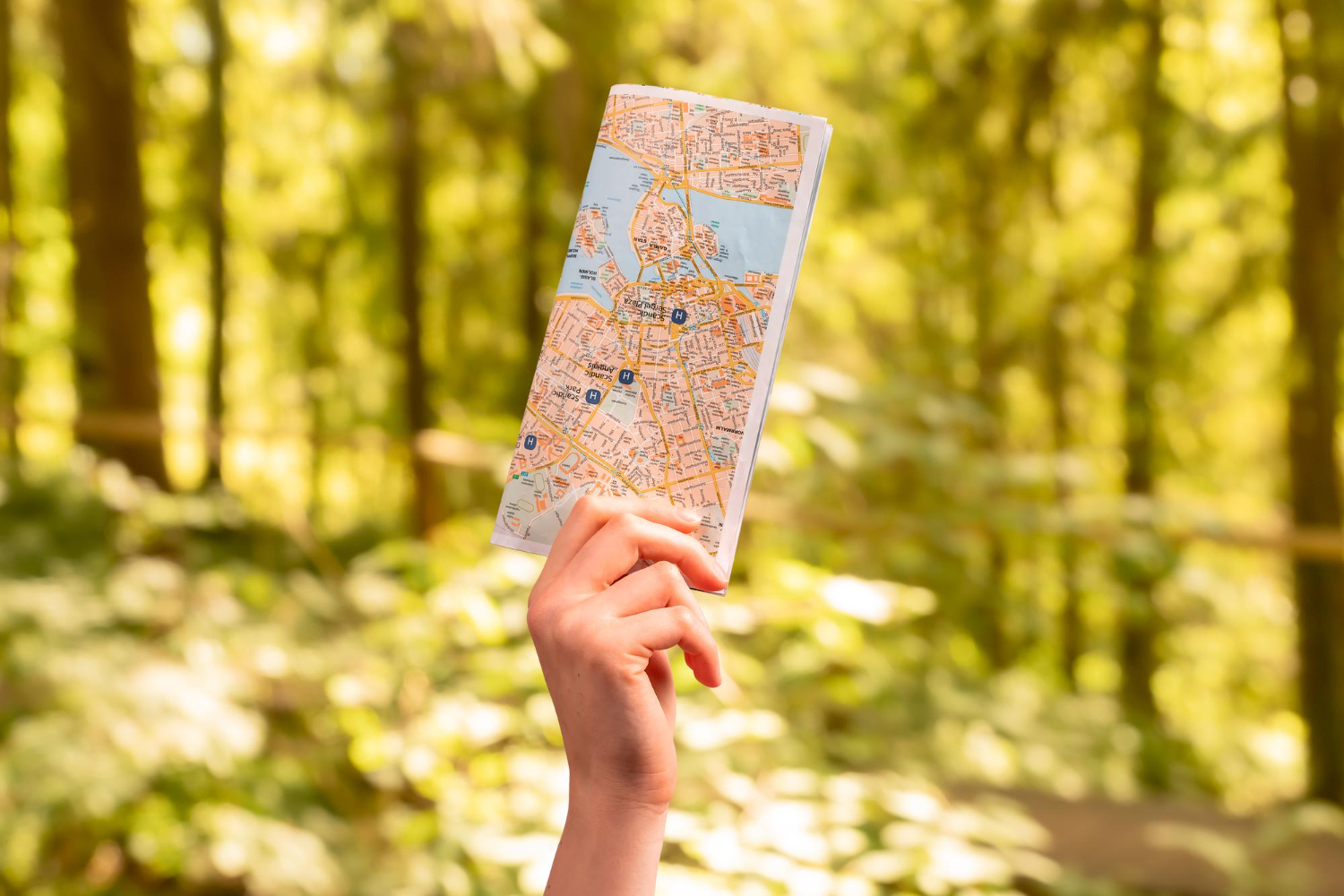
Many boomers happily set off on a drive using their own knowledge of the roads, printed directions, or a general sense of where they’re going, no satellite navigation required. To a generation that reflexively opens a maps app for even a familiar trip, the idea of driving somewhere new without turn-by-turn GPS guidance can feel genuinely stressful. Boomers learned to navigate with paper maps, landmarks, and asking for directions, and many retain that confident self-reliance behind the wheel. The contrast highlights how thoroughly younger people have integrated navigation technology into daily life, to the point that being without it feels unnerving, while boomers cheerfully manage just fine on instinct.
Going Places Without Checking Reviews
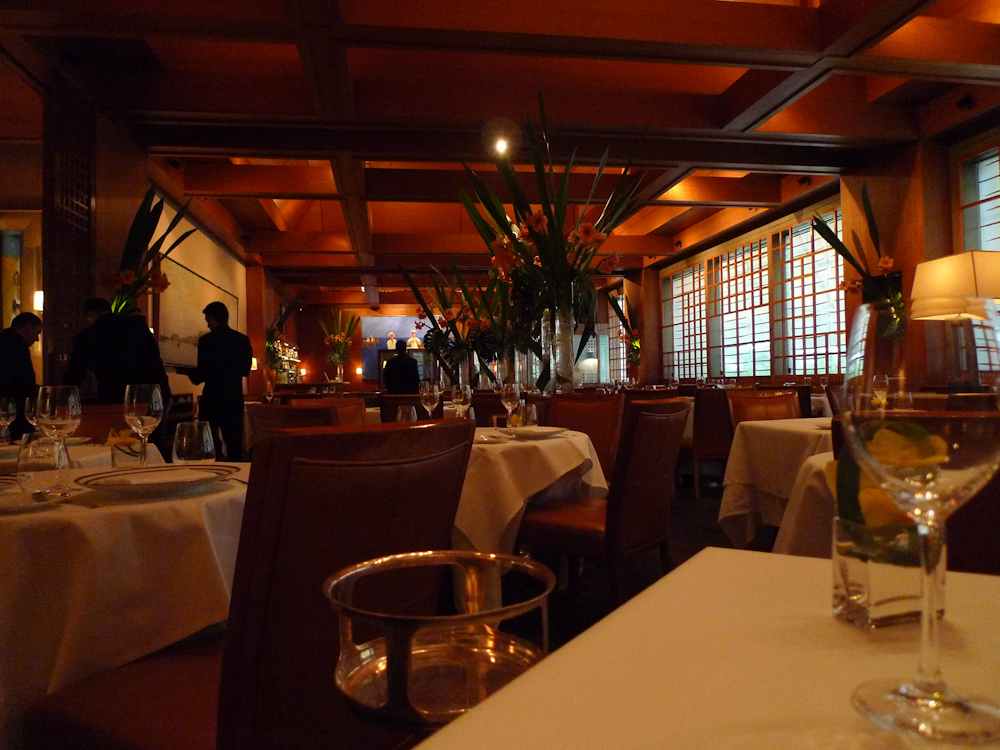
Boomers will often walk into an unfamiliar restaurant, shop, or hotel simply because it looks appealing, with no prior research at all. For many in Gen Z, committing to a meal or purchase without first scouring online reviews and ratings feels uncomfortably risky, the modern instinct being to vet everything digitally beforehand. Boomers, who grew up when you simply tried a place and formed your own opinion, are comfortable taking the chance. This divide reveals how much younger generations rely on crowd-sourced validation before making even small decisions, while boomers retain an easygoing willingness to wing it and discover things firsthand, reviews unread.
Talking to Strangers in Public
Striking up a friendly conversation with a stranger, in line at the store, on public transit, in a waiting room, is second nature to many boomers, who tend to be at ease with casual social chit-chat. Some younger people, more accustomed to keeping to themselves with earbuds in and eyes on a screen, can find unprompted conversation with strangers awkward or anxiety-inducing. Boomers, raised in a more outwardly social era, often genuinely enjoy these small human exchanges. The difference isn’t about friendliness so much as comfort zones, and it’s a frequent source of gentle generational bemusement when an outgoing boomer strikes up a chat with a more reserved younger person.
Speaking Their Mind Directly
Boomers often communicate with a directness, voicing opinions, giving unsolicited feedback, or addressing issues head-on, that can catch younger people off guard. Gen Z, who frequently favor softer, more carefully mediated communication, may find this bluntness a little intimidating or stressful. Whether it’s frankly telling a server about a problem, sending food back, or stating an opinion plainly, boomers tend to be comfortable with directness honed in an era of more face-to-face dealings. The contrast with younger generations’ often more cautious, conflict-averse style makes for one of the more noticeable, and sometimes amusing, differences in how the generations handle everyday social friction.
A Generational Divide Worth Appreciating
What’s striking about all these differences is that neither generation is simply right or wrong, each reflects the world its members grew up in. Boomers’ comfort with phone calls, spontaneity, directness, and self-reliance was shaped by an era before smartphones, caller ID, reviews, and constant digital buffering between people. Gen Z’s more cautious, research-first, text-first instincts make perfect sense in the world they inherited. There’s something to admire on both sides: the boomers’ easy confidence and the younger generation’s thoughtful caution. Recognizing these differences with humor and empathy, rather than judgment, is the key. The next time a boomer answers an unknown call without a flinch, you can simply smile at the generational gap.
Like our content? Follow us for more.
