Every food has its fans and its detractors, but some dishes and ingredients are so polarizing they reliably spark passionate debate. These are the foods that frequently top “most hated” lists, the ones people make faces at, push to the side of the plate, or refuse outright, even as a devoted minority defends them fiercely. The fascinating part is that the “hatred” often comes down to genetics, childhood experiences, texture, or simply how the food is prepared. Here’s a fun, even-handed look at some of America’s most polarizing foods, why they inspire such strong reactions, and why each one actually has passionate defenders who insist the haters are missing out.
Brussels Sprouts
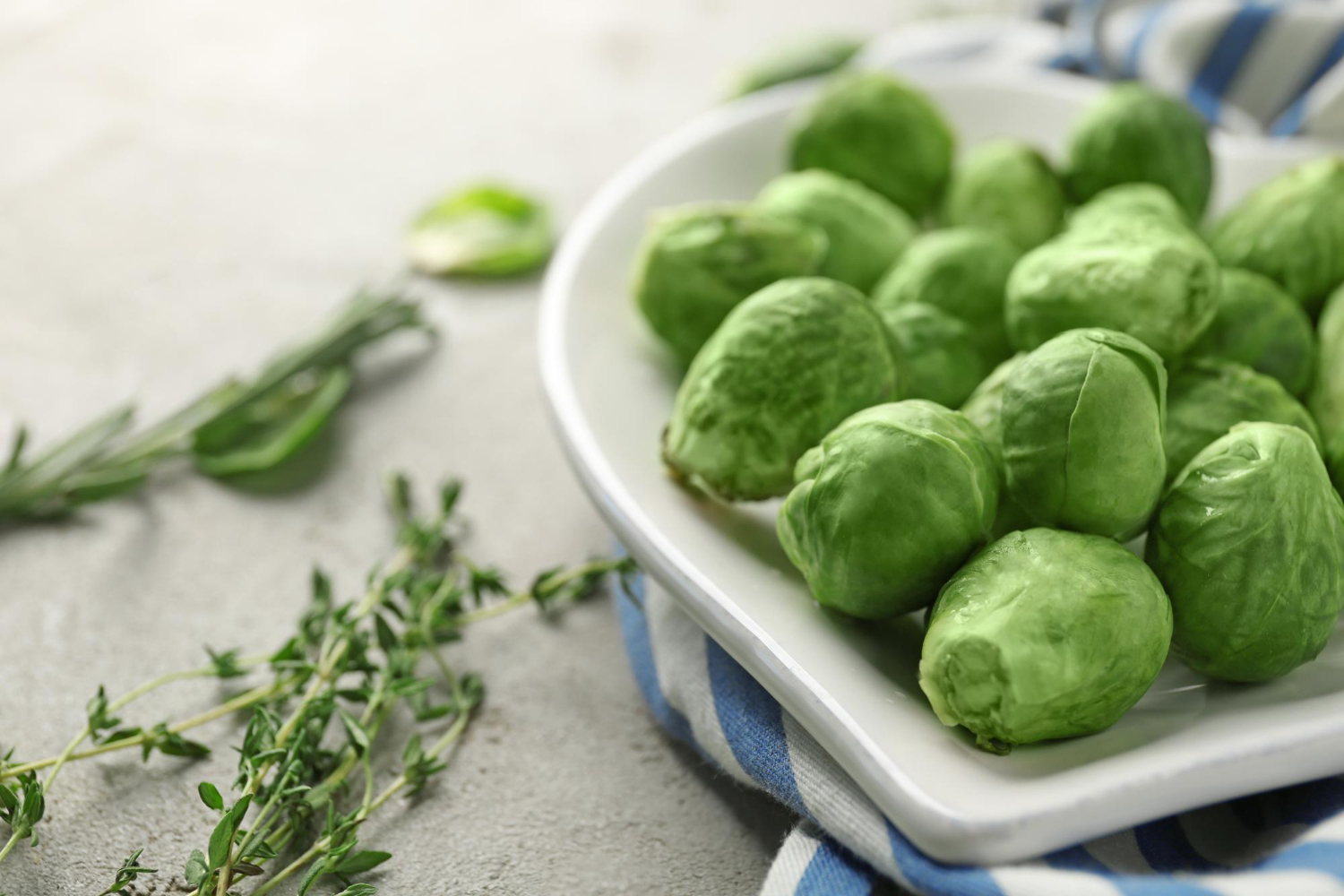
Brussels sprouts may be the poster child for hated vegetables, long loathed by generations of kids forced to eat them. Much of the bad reputation comes from how they were traditionally prepared, boiled into a mushy, bitter, sulfurous mess that understandably turned people off. But here’s the twist: Brussels sprouts have undergone a major image rehabilitation in recent years. When roasted or sautéed until crispy and caramelized, often with a little oil, salt, or a tangy glaze, they transform into a genuinely delicious, savory treat that has won over countless former haters. The Brussels sprout’s journey from despised to trendy proves that preparation, not the vegetable itself, was usually the real problem all along.
Like our content? Follow us for more.
Cilantro
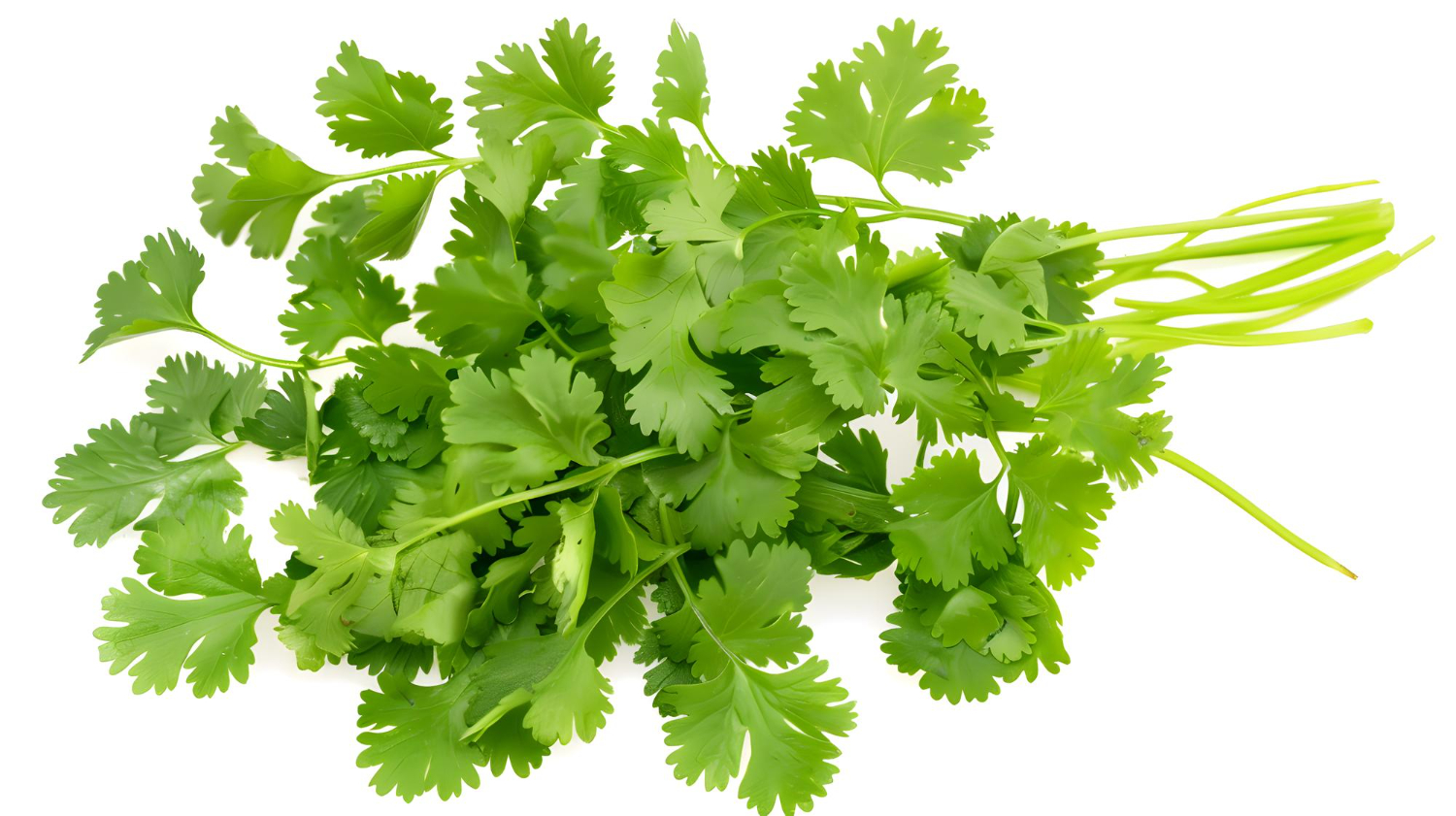
Few ingredients are as genuinely divisive as cilantro, and for once, there’s a scientific reason. To a significant portion of people, cilantro tastes fresh, citrusy, and herbaceous, an essential flavor in many cuisines. But to others, it tastes unpleasantly like soap, and this isn’t pickiness: research has linked the soapy perception to specific genetic variations affecting how people detect certain compounds in the herb. So the great cilantro divide is, quite literally, in your genes. This makes it one of the most fascinating polarizing foods around, since both camps are experiencing genuinely different flavors. Cilantro lovers and haters will likely never agree, and now we know neither side is wrong, just differently wired.
Black Licorice

Black licorice is a classic love-it-or-hate-it food, with seemingly no middle ground. Its distinctive, intense anise flavor is cherished by devoted fans, often older generations or those in regions where it’s traditional, and utterly rejected by those who find it medicinal, bitter, or just plain strange. Unlike the sweet, fruity candies many grew up on, black licorice offers a bold, herbal taste that’s genuinely an acquired one. It’s frequently named among the most divisive candies, the kind that gets left behind in the variety bag. Yet its passionate defenders adore its unique, sophisticated flavor. Black licorice remains a perfect example of how one person’s treat is another’s worst nightmare.
Candy Corn
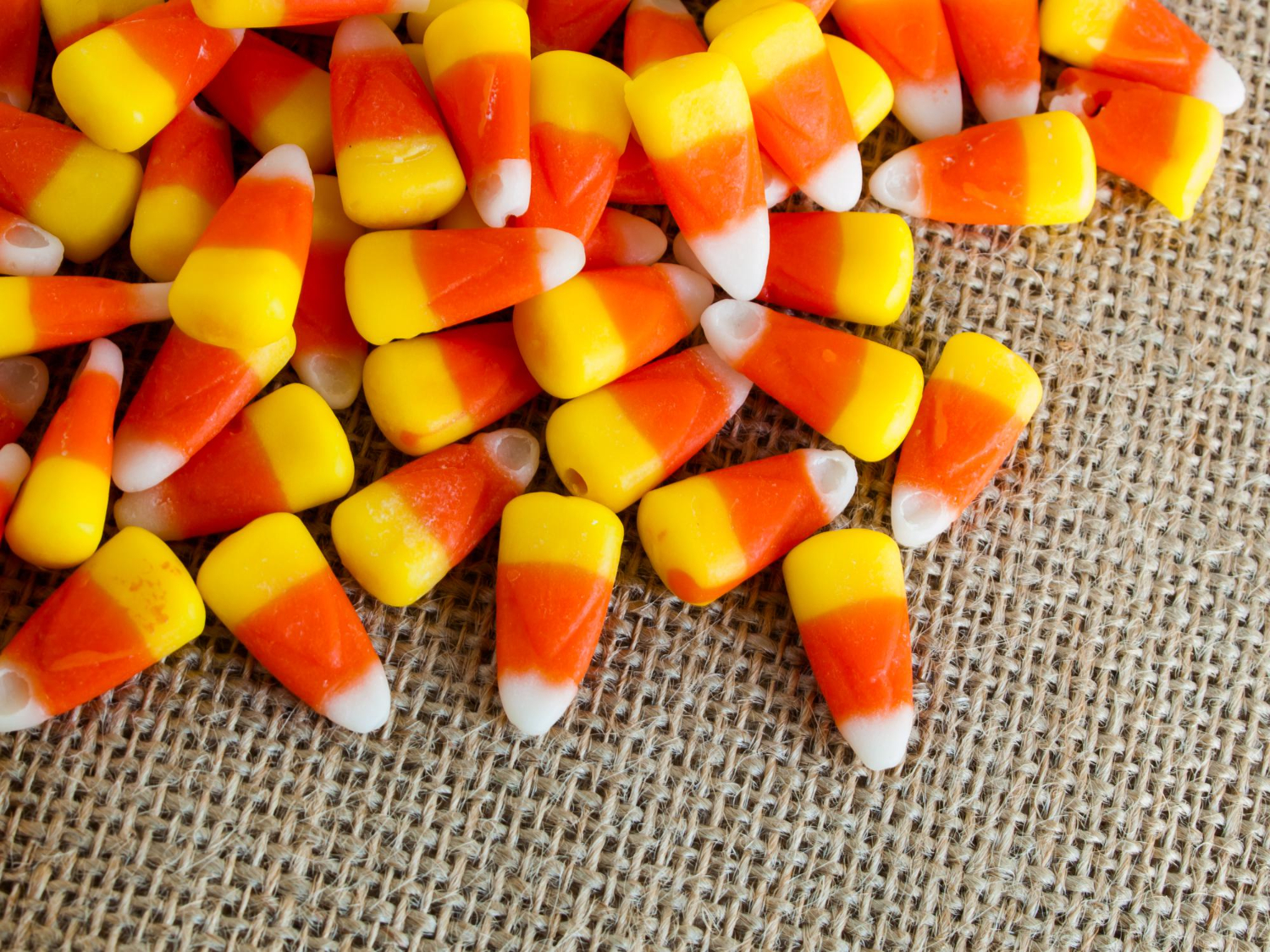
No discussion of polarizing foods is complete without candy corn, the tri-colored Halloween staple that somehow sells in huge quantities every year despite seemingly endless mockery. Detractors complain about its waxy texture and intensely sugary, one-note flavor, joking that nobody actually likes it. Yet someone is clearly buying it by the ton each autumn, and its defenders genuinely love its sweet, nostalgic charm and seasonal tradition. Candy corn has become almost a running joke as the “most hated” Halloween candy, even as it remains a beloved icon of the season for many. Love it or hate it, this controversial confection sparks the same spirited debate every single year.
Blue Cheese
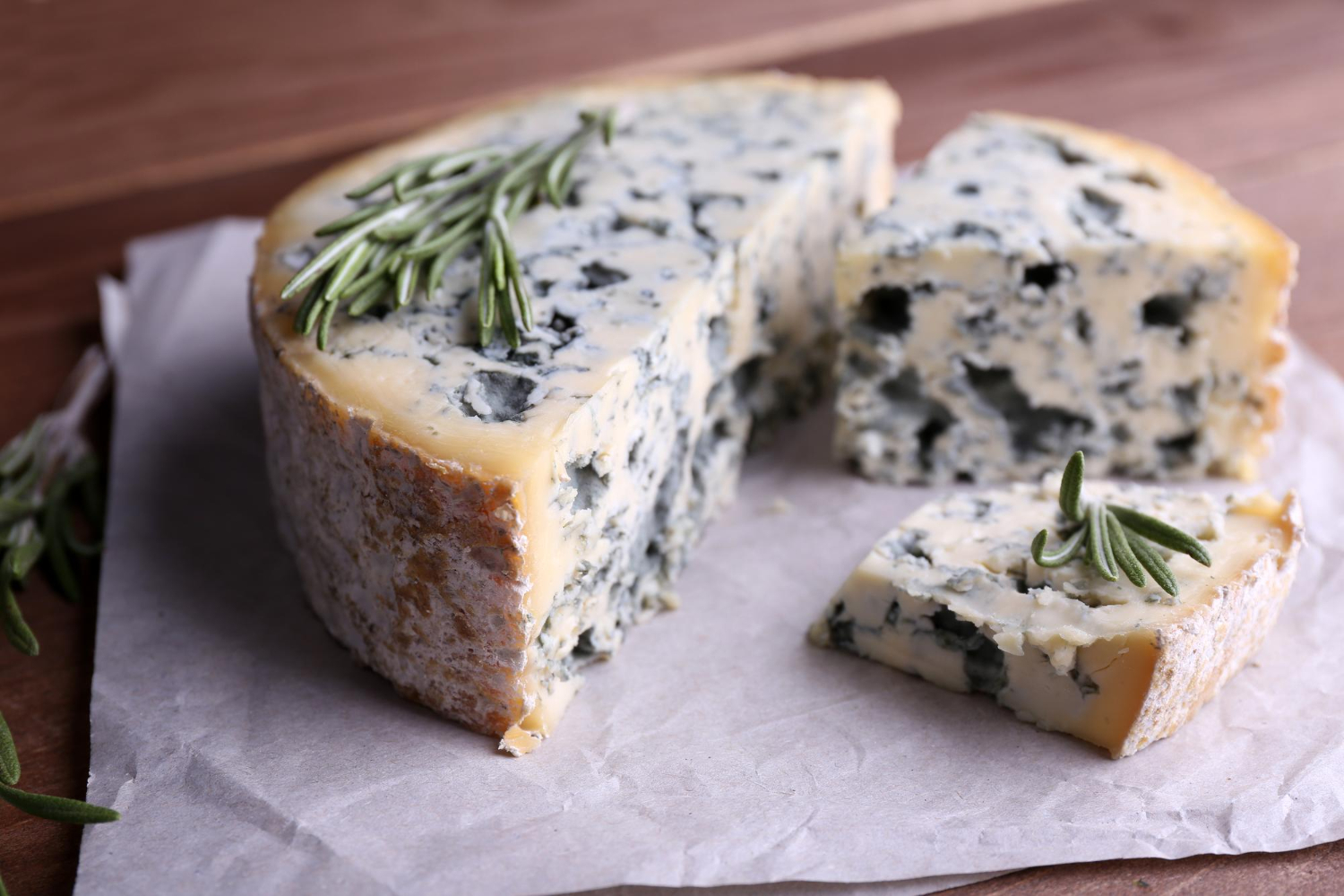
Blue cheese asks a lot of eaters: it’s a cheese with visible mold, a pungent aroma, and a sharp, funky, intense flavor, and reactions tend to be extreme. To its many fans, blue cheese is a sophisticated, complex delicacy, crumbled over salads, melted into sauces, or savored on its own. To its detractors, the smell, the veins of mold, and the powerful taste are simply too much to stomach. It’s a textbook polarizing food where the very qualities fans prize are exactly what others can’t abide. Whether in a dressing, on a burger, or on a cheese board, blue cheese reliably splits any room into devoted enthusiasts and firm refusers.
Anchovies
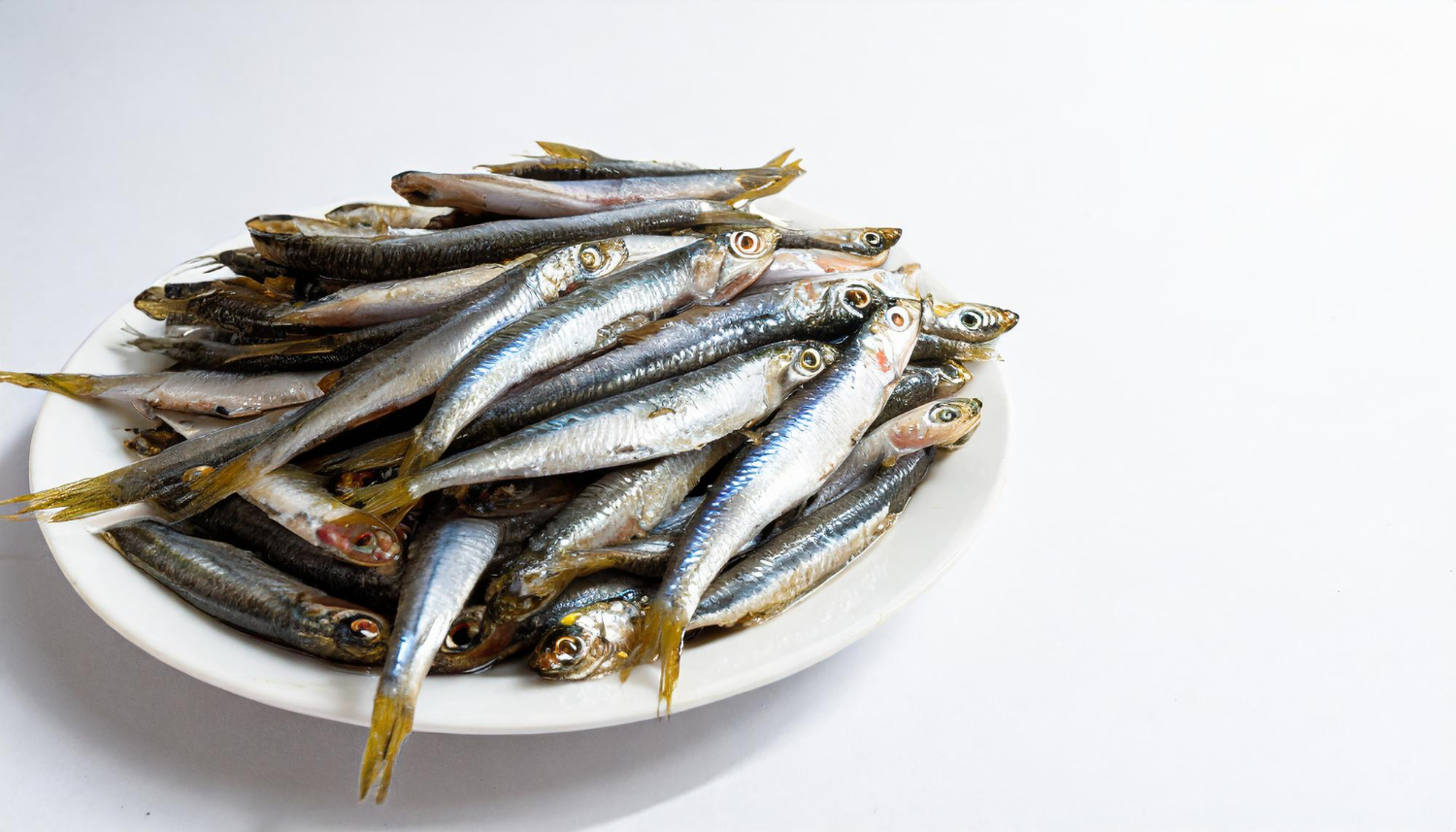
Anchovies are among the most divisive ingredients in cooking, especially as a pizza topping. These small, intensely salty, fishy preserved fish provoke strong reactions: fans love the deep, savory, umami punch they add, while detractors find them overwhelmingly salty and fishy. The interesting thing is that anchovies are often used in dishes as a secret flavor-booster, dissolved into sauces and dressings where they add rich savoriness without anyone noticing, meaning many anchovy “haters” enjoy them without realizing it. As a visible, standalone topping, though, they remain firmly love-it-or-hate-it. Anchovies perfectly illustrate how a polarizing ingredient can be both widely disliked and secretly beloved at the same time.
Beets
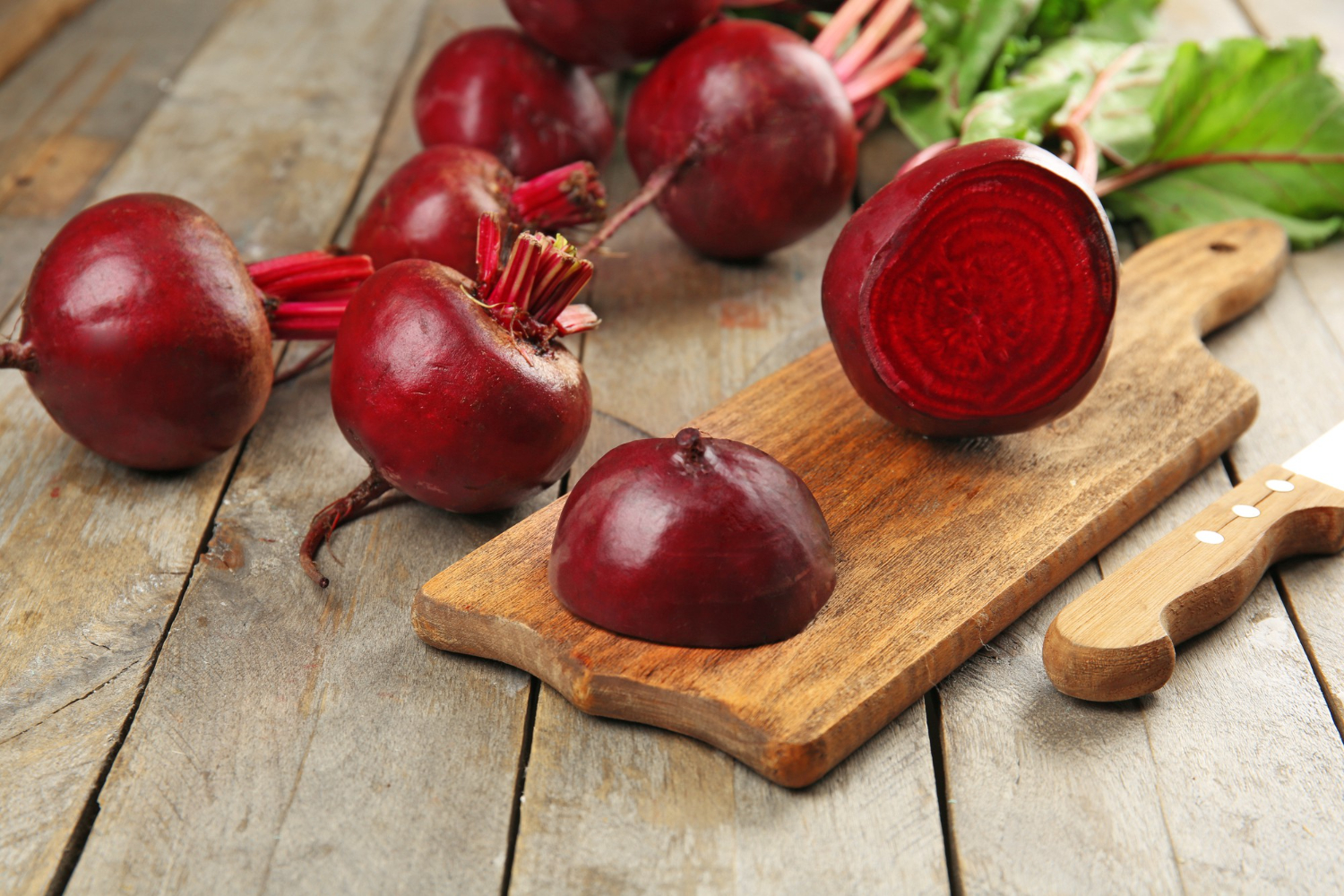
Beets are a vegetable that splits opinion sharply, largely over their distinctive earthy flavor, sometimes described by detractors as tasting like dirt. Fans, on the other hand, adore their sweet, earthy taste and jewel-like color, enjoying them roasted, pickled, in salads, or juiced. As with many polarizing vegetables, preparation makes a huge difference: properly roasted or paired with complementary flavors like goat cheese or citrus, beets win over many skeptics, while a poorly prepared beet can reinforce every objection. Their bold color and unique taste make them memorable either way. Beets remain a divisive root vegetable that people tend to either genuinely love or actively avoid, with little in between.
Olives
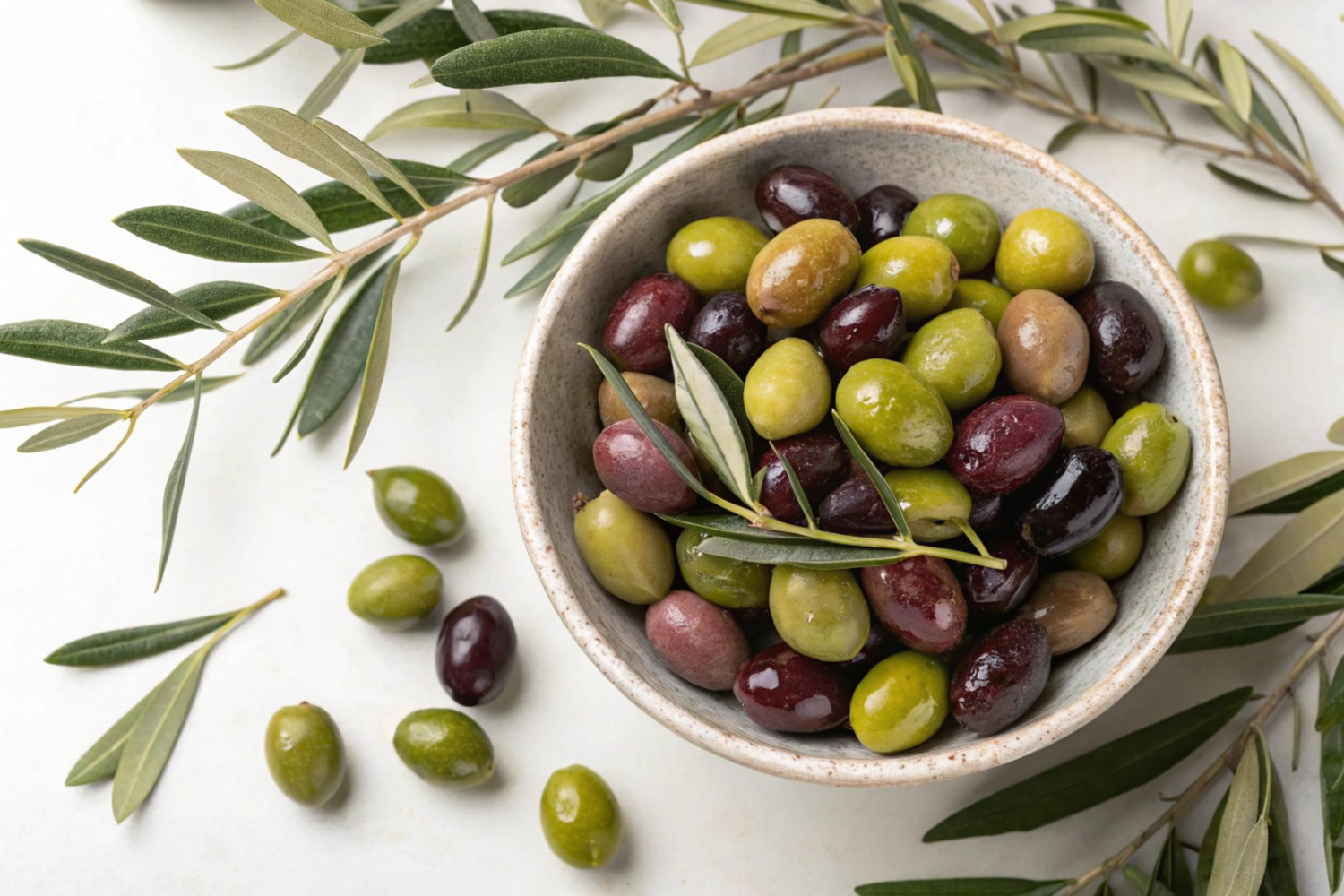
Olives are a Mediterranean staple beloved by millions, yet they’re surprisingly polarizing, especially for those who didn’t grow up eating them. Their briny, salty, sometimes bitter flavor and distinctive texture are an acquired taste that some people adore and others can’t stand. Fans enjoy the huge variety of olives and their savory richness, while detractors find them too salty, bitter, or strange. As with other polarizing foods, familiarity plays a big role: people raised on olives tend to love them, while newcomers may need time to come around. Olives frequently appear on lists of divisive foods, proving that even an ancient, globally cherished food isn’t universally loved.
Why We Love to Hate Certain Foods
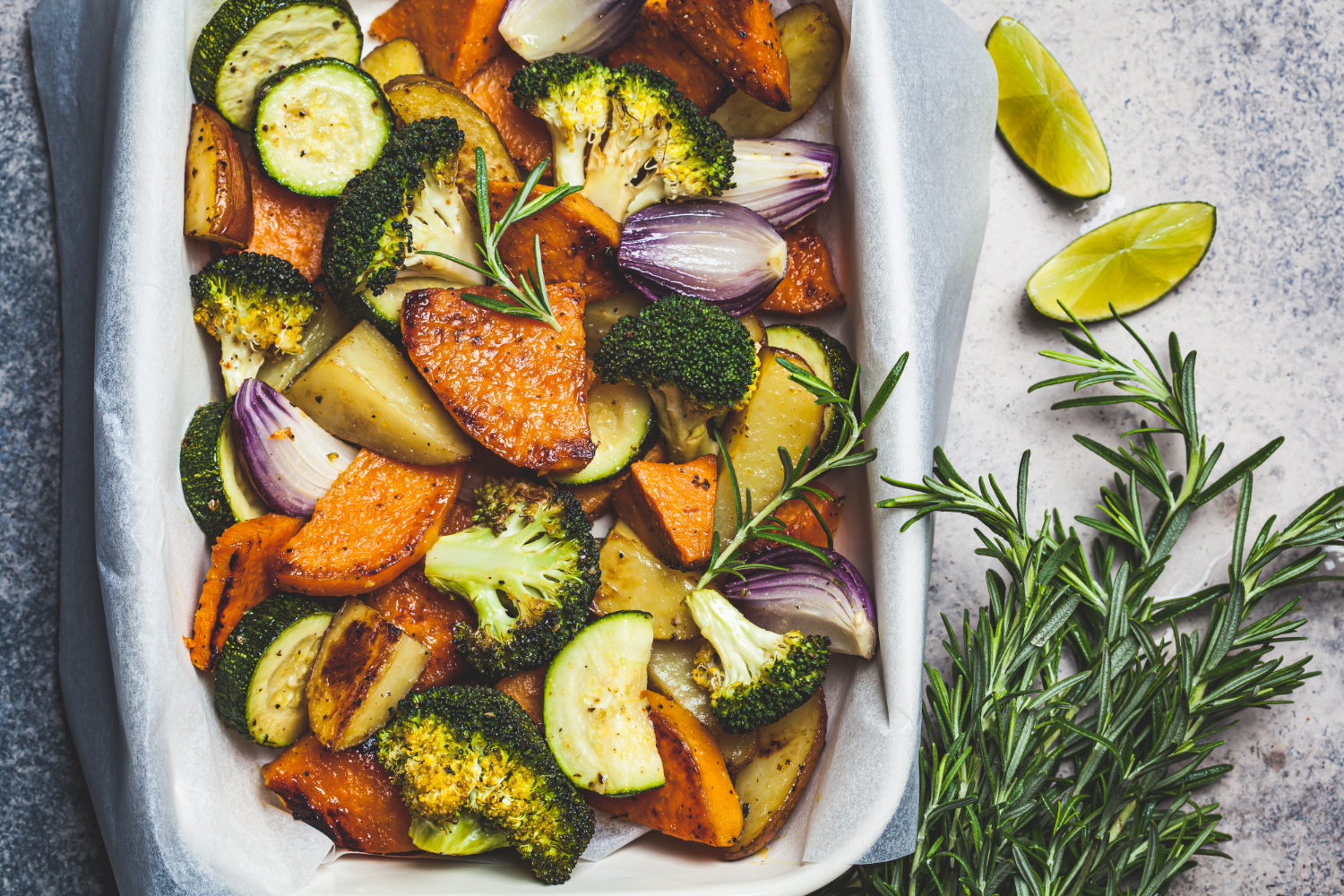
What’s fascinating about polarizing foods is how much the “hatred” comes down to factors beyond the food itself. Genetics explain the cilantro divide; childhood memories of badly cooked vegetables sour people on Brussels sprouts and beets; texture aversions drive reactions to many foods; and unfamiliarity makes acquired tastes like olives or black licorice tough for newcomers. Crucially, preparation matters enormously, many “hated” foods are simply victims of poor cooking and shine when made well. Understanding this helps explain why these foods inspire such strong, divided feelings, and why someone who “hates” a food might be won over by encountering a better version of it.
Give the Haters’ Picks Another Chance
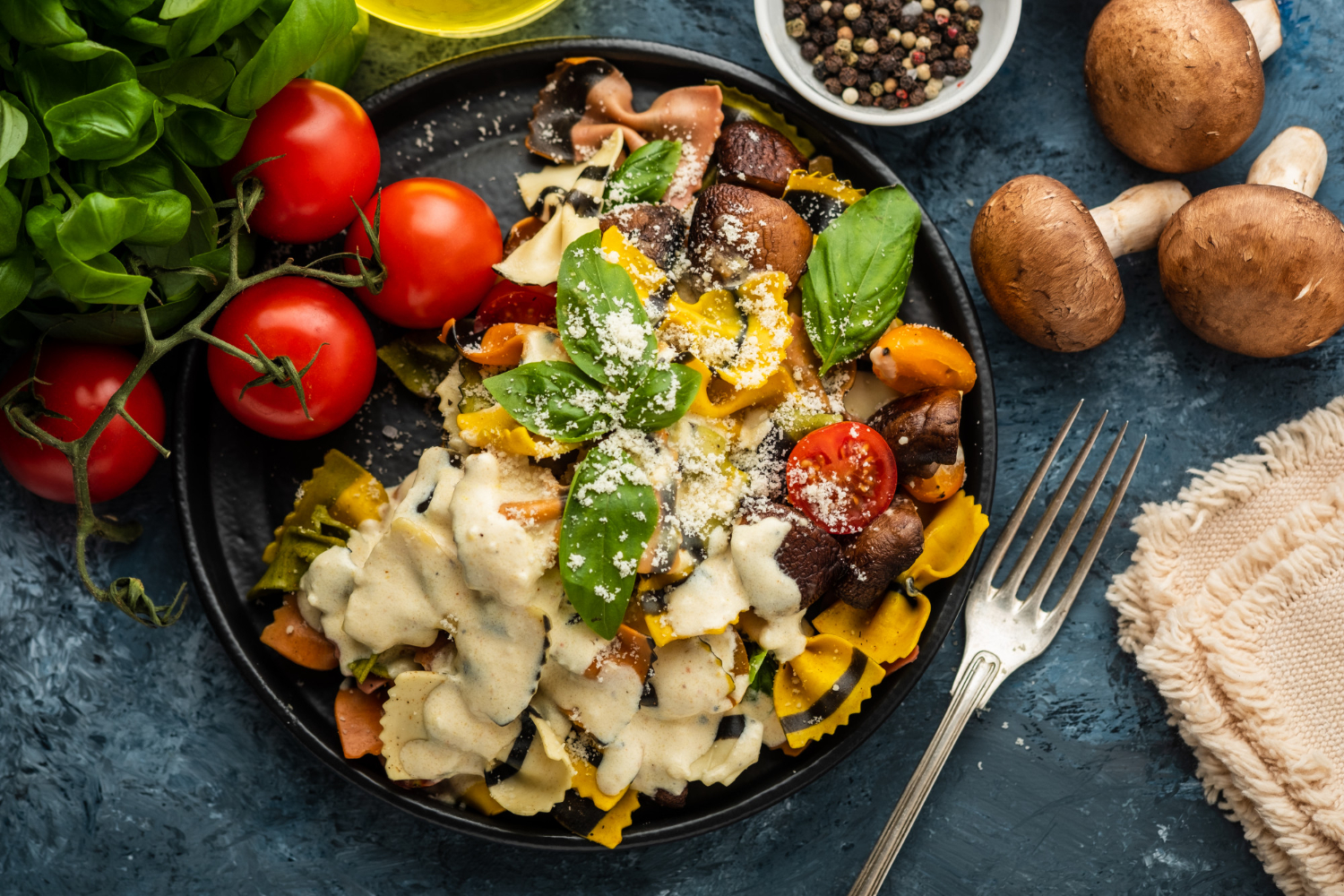
The big takeaway from America’s most polarizing foods is that “hated” is rarely the whole story. Almost every one of these foods has passionate defenders, a scientific or cultural explanation for the divide, and, often, a preparation that can convert skeptics. The cilantro divide is genuinely genetic, but Brussels sprouts, beets, and many others are frequently just victims of bad cooking or childhood trauma at the dinner table. So if there’s a food you’ve always avoided, it might be worth giving it another chance, prepared a different way. You may discover that the foods people love to hate are, in the right hands, surprisingly easy to love after all.