

Imagine setting off on foot from the southern tip of Africa and simply walking, without ever boarding a boat or a plane, until you reach the frozen edge of the Russian Far East. It sounds impossible, but on a map, at least, it can be done. The route, first traced by an internet user playing with mapping software, runs roughly 14,000 miles from Cape Town to the remote Russian port of Magadan, and it has captured imaginations around the world as the longest walk a human could theoretically take. No one has ever completed it, and the practical obstacles are immense, but the landscapes it passes through make for one of the great armchair journeys. Here is a tour of what such a walk would reveal.
A Route Born on the Internet
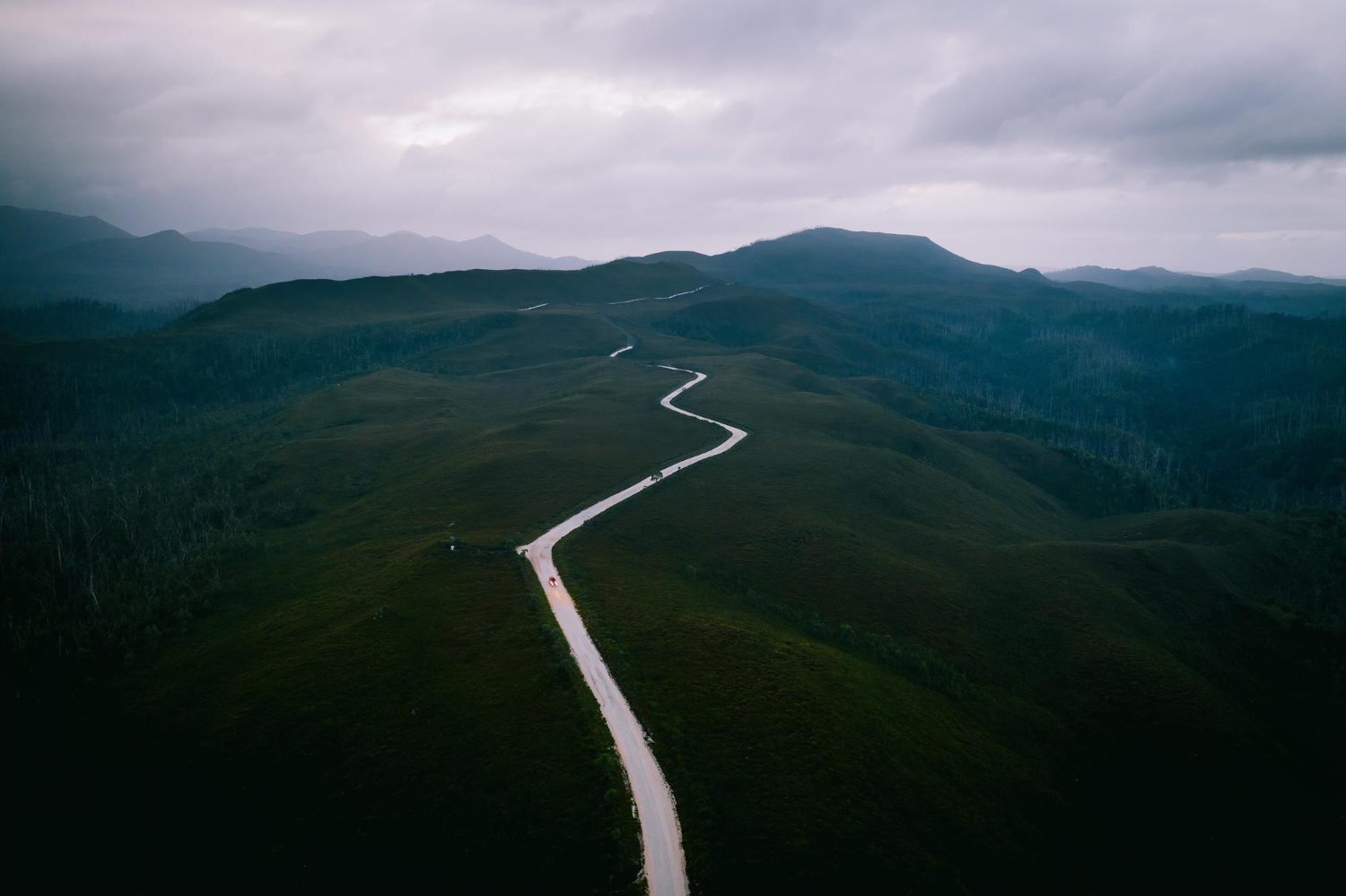
The path itself was not the creation of an explorer but of an internet user who, in 2019, set out to find the longest route that could be walked without crossing an ocean. The result, plotted on mapping software, stretched an astonishing distance across two continents, and it quickly went viral as people marveled at the sheer scale of it.
By the most commonly cited figures, walking non-stop would take about 187 days, and walking a more realistic eight hours a day with no rest would take well over 500 days, roughly a year and a half on foot. Along the way, a walker would climb and descend a cumulative elevation equivalent to scaling Mount Everest more than a dozen times. It is, in every sense, a journey at the absolute limit of what is physically conceivable.
Like our content? Follow us for more.
The African Beginning
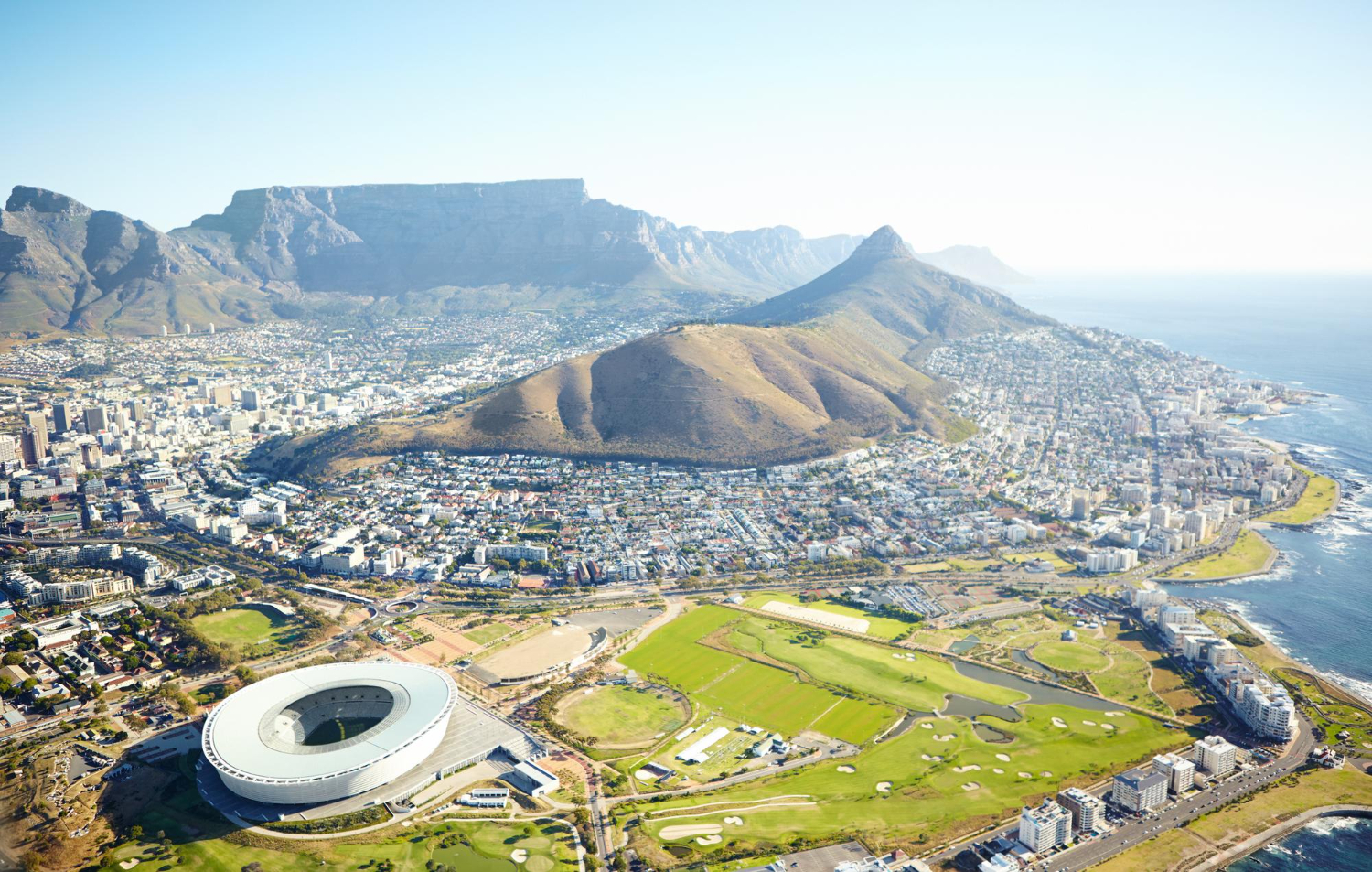
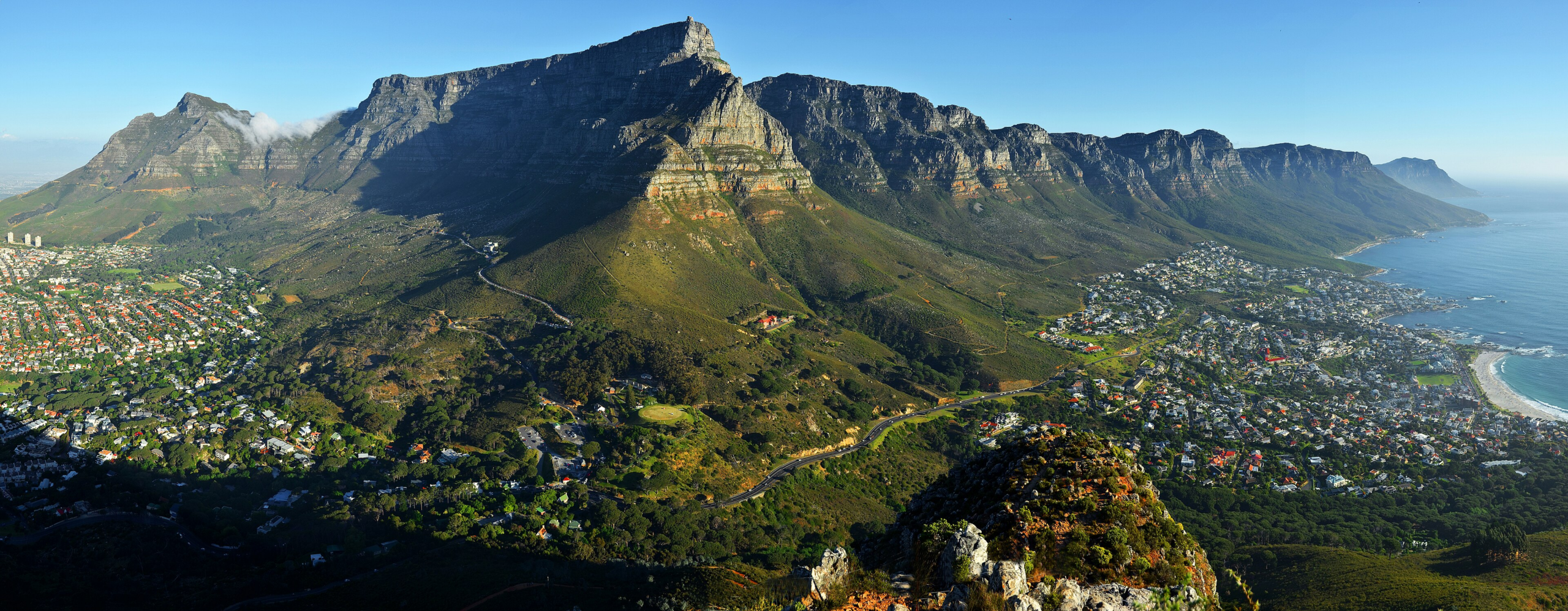
The journey would start at the very bottom of Africa, in Cape Town, beneath the flat summit of the iconic Table Mountain. From this spectacular coastal city, the route heads north, beginning an immense traverse of the African continent that would carry a walker through a remarkable variety of landscapes and nations.
Heading up through southern Africa, the path passes through countries like Botswana, Zimbabwe, and Zambia, putting some of the continent’s greatest natural wonders within reach. This is the land of vast savannas and abundant wildlife, of national parks teeming with elephants, lions, and giraffes, and of the thundering majesty of Victoria Falls on the Zambezi River, one of the largest waterfalls in the world. The early stages of the walk would read like a safari on foot.
Across the Deserts and Into the Middle East
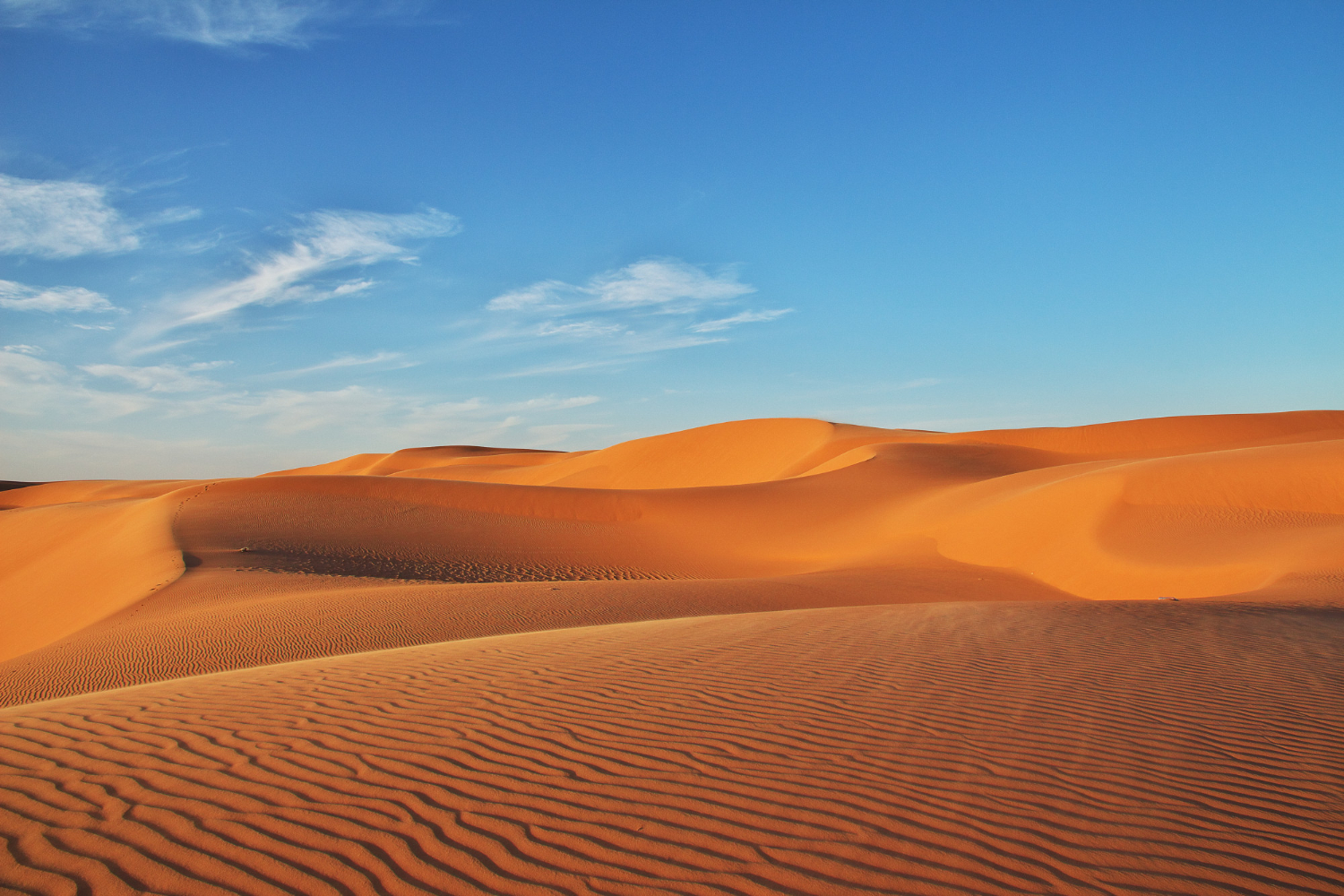
Continuing north, the route enters a dramatically different world. It passes through East Africa and up toward the deserts of Sudan and Egypt, where the landscape shifts to vast, arid expanses and the ancient corridor of the Nile. Crossing near the Suez Canal, the walker would pass from Africa into Asia, a transition that has shaped human history for millennia.
From there, the path threads through the Middle East, a region of deep history and, in places, real instability. This is one of the reasons the route remains theoretical: it passes through areas that have experienced serious conflict, making large stretches genuinely dangerous or impassable in practice. On a map, the line continues unbroken; on the ground, the realities of geopolitics make this one of the most challenging segments to imagine completing safely.
Through Anatolia and the Caucasus
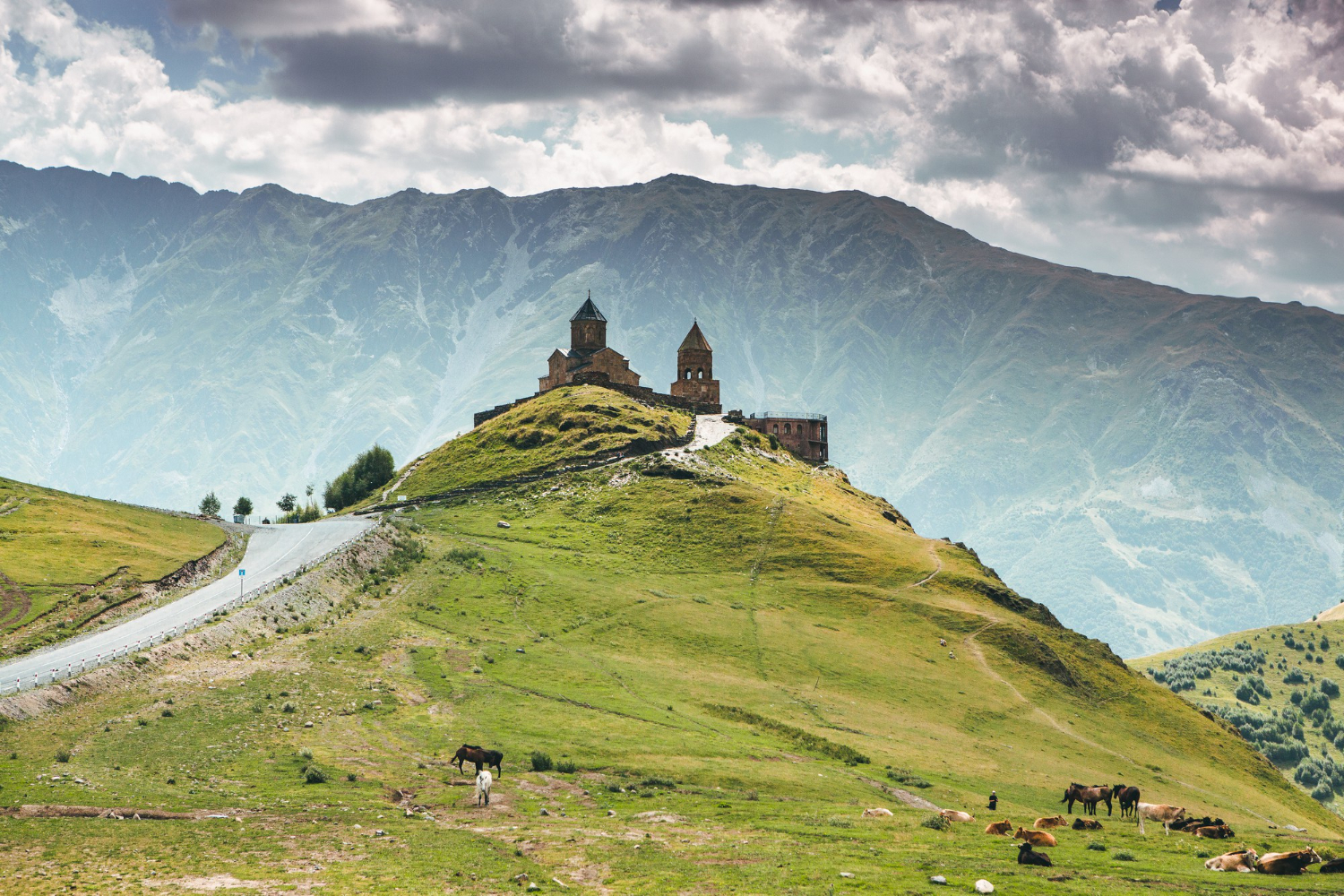
Beyond the Middle East, the route climbs into Turkey, crossing the high plateaus and mountains of Anatolia, a land bridge between continents rich in ancient history and dramatic scenery. The walking here would be demanding, with significant elevation changes, but rewarded by some of the most historically layered landscapes on Earth.
From Turkey, the path pushes into the Caucasus region, passing through Georgia with its cobbled old towns, historic churches, and mountainous terrain. The capital, Tbilisi, with its blend of ancient and Soviet-era architecture, would offer a moment of urban respite. This stretch marks the transition from the Middle East toward the vast expanse of Russia that makes up the journey’s enormous final act.
The Long Russian Finale
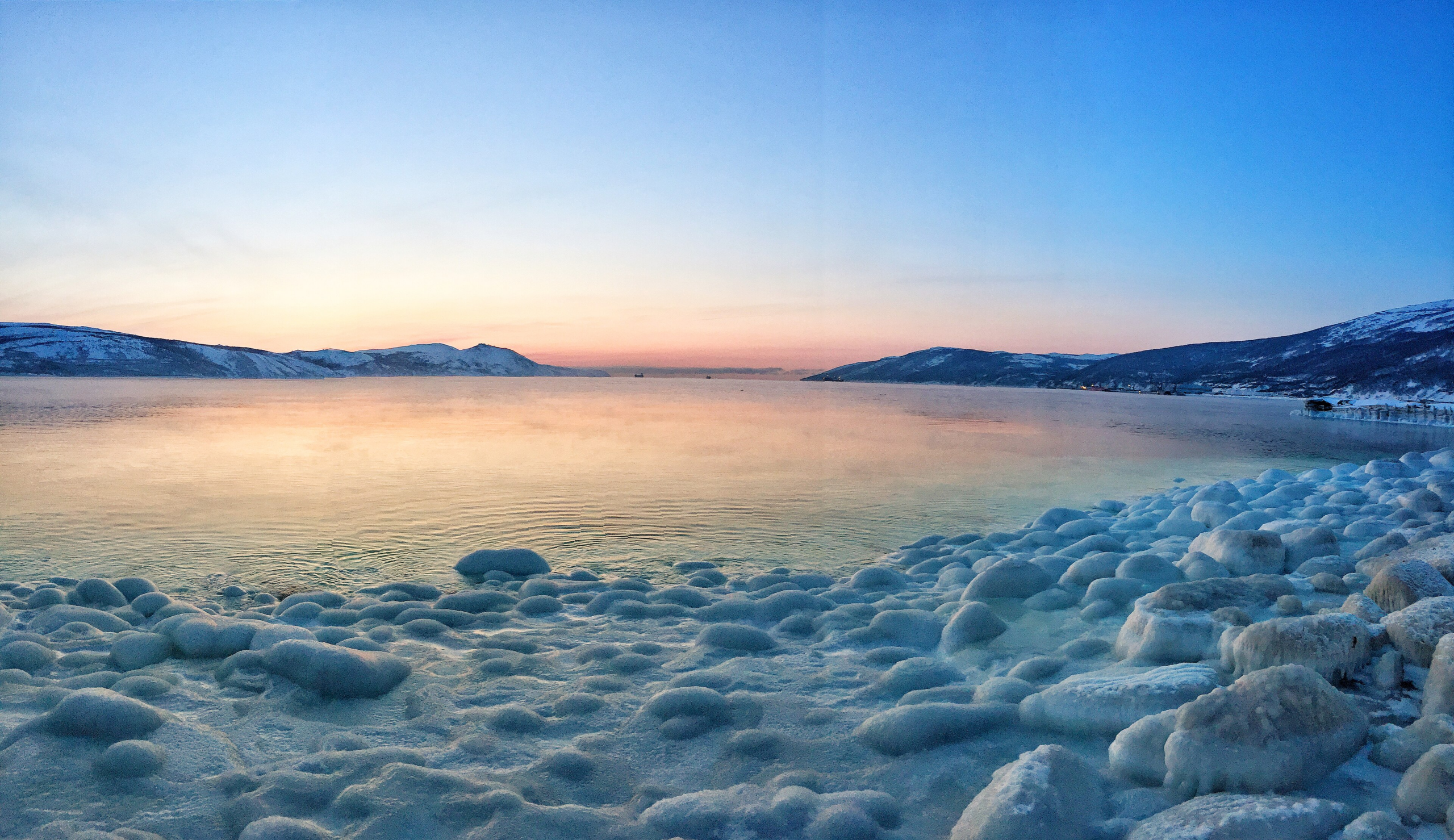
The final and by far the longest portion of the journey unfolds across Russia. After entering the country, the route turns northeast, and the walker faces a months-long traverse of an increasingly remote and forbidding landscape. As the path stretches on, the temperatures drop, settlements grow sparser, and the terrain becomes ever more barren and wild.
The route’s end lies at Magadan, a port city on the Sea of Okhotsk in the Russian Far East, reached only after crossing some of the emptiest and coldest inhabited country on the planet. The approach passes through the region of Siberia known for the harshest winters anywhere people live, along roads built across permafrost. By the time a walker arrived, they would have crossed multiple climate zones, from African heat to Siberian cold, and experienced a span of human cultures few people ever encounter in a lifetime.
Why No One Has Done It
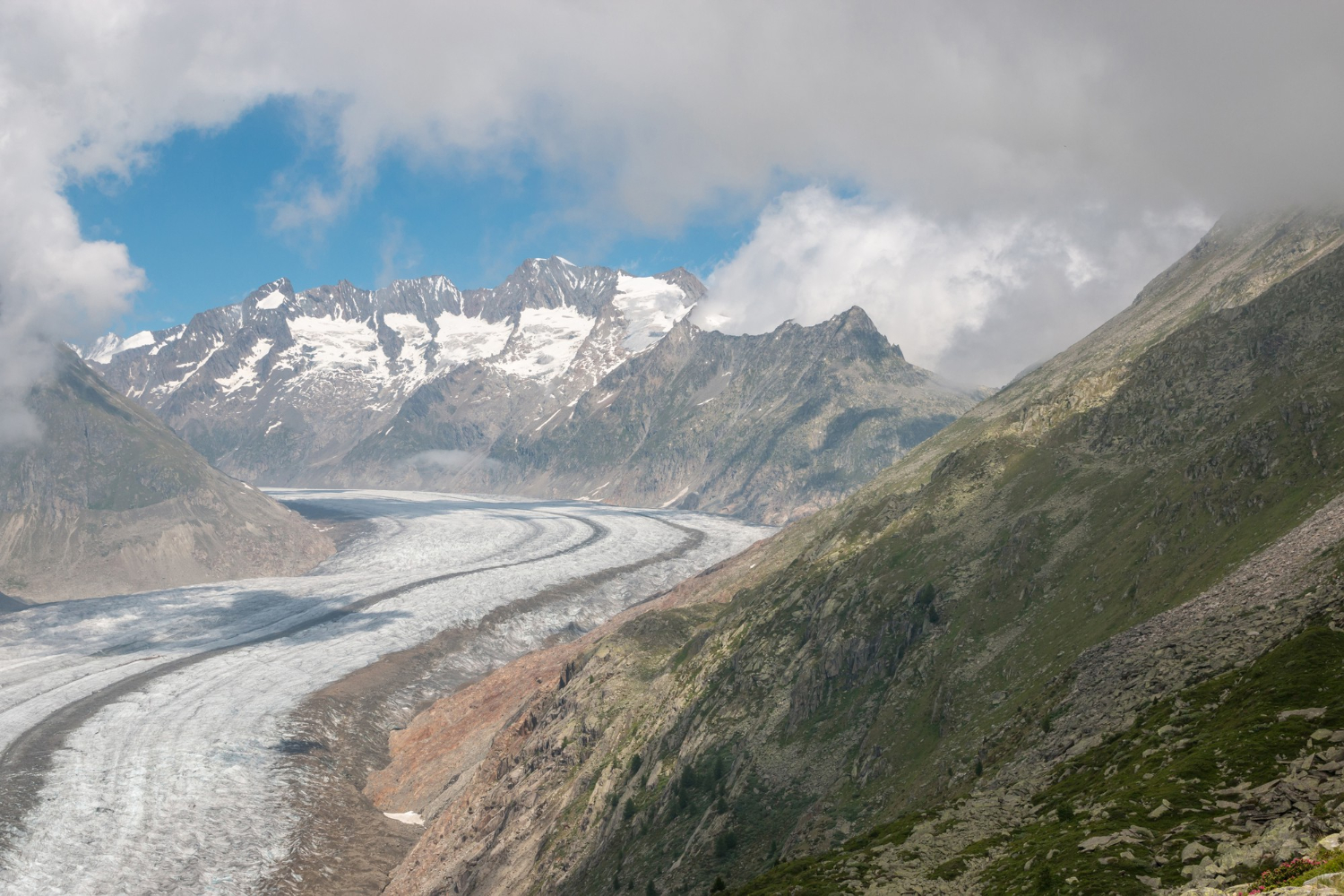
For all its fame, the route remains unwalked, and the reasons are instructive. The distance alone is staggering, demanding a year and a half of continuous walking, but distance is not the main obstacle. The route passes through regions affected by conflict and instability, crosses borders that can be difficult or impossible to traverse, and runs through areas with extreme climates and almost no infrastructure for hundreds of miles at a stretch.
The challenge, as adventure experts have pointed out, is less about raw endurance than about logistics, safety, and geopolitics. Visas, permits, security, supplies, and the sheer unpredictability of conditions across 16 countries make the walk a near-impossibility in practice, however neat it looks as a line on a map. It exists, for now, as a thought experiment rather than an achievable expedition.
A Journey Through Time Zones and Seasons
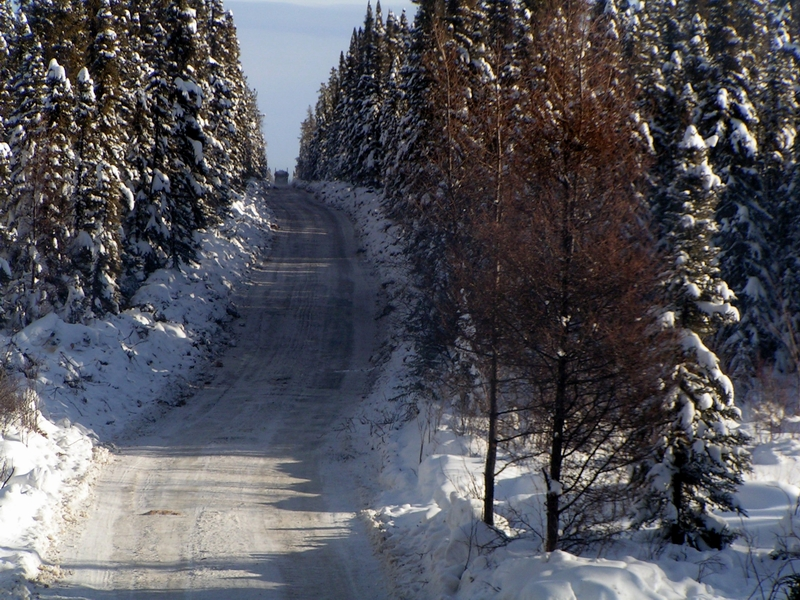
One of the most remarkable aspects of the route is how many different worlds it passes through in a single unbroken line. A walker would cross numerous time zones and experience the full range of the planet’s seasons and climates, often within the same journey. Setting off in one hemisphere’s summer, they might arrive in a brutal northern winter, having passed through tropical heat, desert aridity, temperate farmland, and frozen tundra along the way.
The cultural journey would be just as varied. The route threads through African nations, Middle Eastern societies, the Caucasus, and the vast expanse of Russia, each with its own languages, customs, foods, and ways of life. A traveler would encounter an extraordinary cross-section of humanity, far more than most people meet in a lifetime of conventional travel. This staggering diversity, compressed into one continuous path, is a large part of why the route so captivates the imagination, even as a daydream. It turns the abstract vastness of the world into a single, walkable thread.
The Appeal of the Impossible Journey
So why does this route fascinate so many people? Part of the answer is the sheer romance of the idea, the notion that, in theory, a person could walk from one end of the world to the other on a single unbroken path. It collapses the vastness of the planet into something almost graspable: just keep walking, and eventually you arrive.
The route is also a vivid way to appreciate the incredible diversity of our world. A single line on the map links Table Mountain to Victoria Falls, the Nile to the Caucasus, and the savannas of Africa to the frozen reaches of Siberia. Few journeys, real or imagined, capture so much of the planet’s variety in one continuous sweep. Even if no one ever completes it, the world’s longest walkable route serves as a powerful reminder of how vast, varied, and interconnected our world truly is, and an irresistible daydream for anyone who has ever wondered just how far their own two feet could carry them.
Like our content? Follow us for more.
