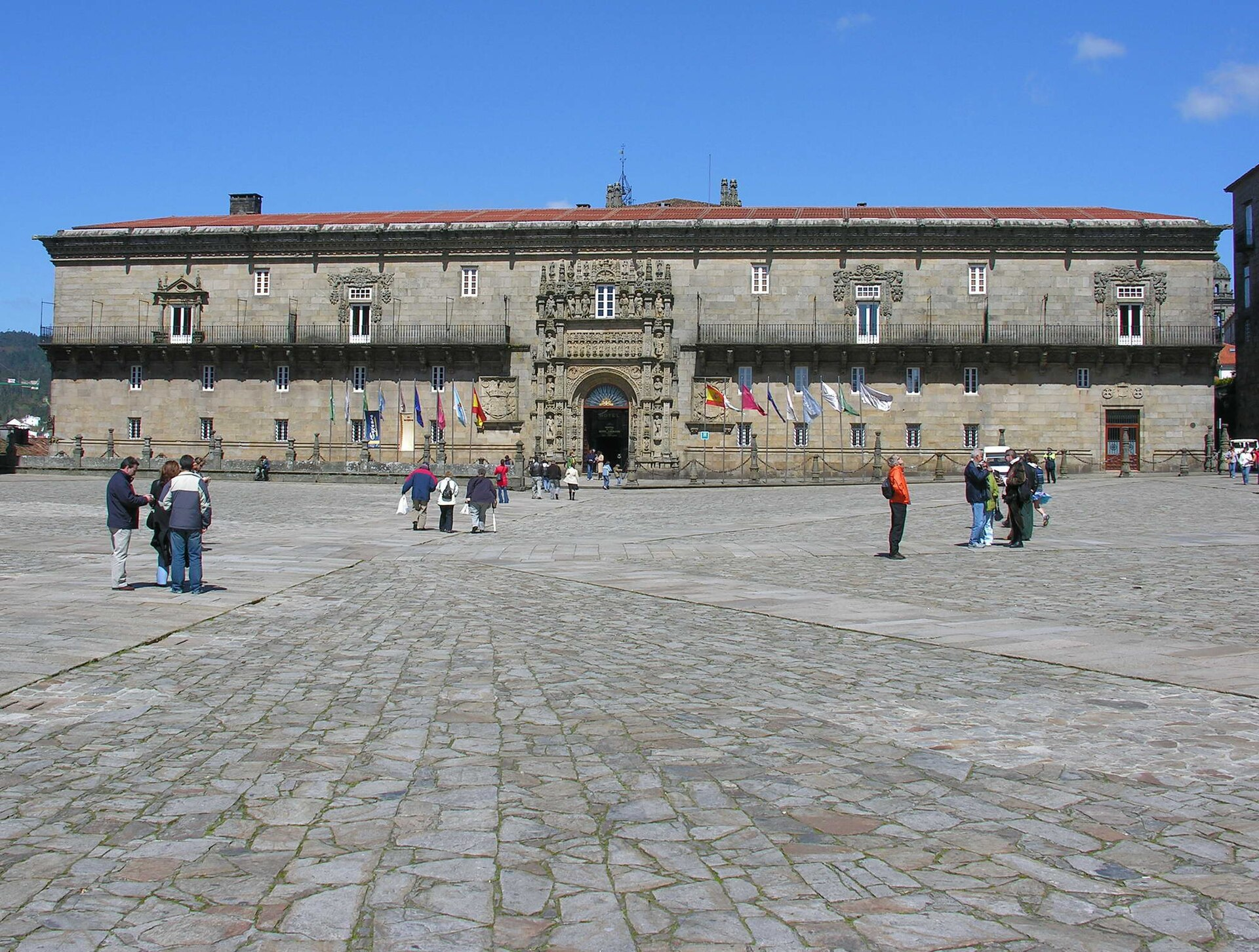
Most hotels measure their history in decades. A rare few measure it in centuries. In the heart of Santiago de Compostela, occupying a place of honor on the famous Praza do Obradoiro right beside the cathedral, stands a building so old and so storied that it has a genuine claim to being among the oldest operating hotels on the planet. Its origins reach back to 1486, and to the very heart of the pilgrimage tradition that gave the city its fame. The story of the Hostal dos Reis Católicos is also a window into a uniquely Spanish way of turning history itself into a place to stay.
A Hotel Born From Pilgrimage
The building’s origins are inseparable from the Camino de Santiago, the network of pilgrimage routes that for over a thousand years has drawn travelers across Europe to the shrine of Saint James in Santiago de Compostela. In 1486, after completing the pilgrimage themselves, Queen Isabella I of Castile and King Ferdinand II of Aragon, the Catholic Monarchs who unified much of Spain, resolved to build a grand hospital and hostelry to care for the weary and often sick pilgrims arriving at journey’s end.
Funds were provided toward the end of the century, construction began in the early 1500s, and the work took more than a decade to complete. The result was the Royal Hospital, a place that combined medical care with shelter and spiritual support. For roughly four centuries, it carried out this charitable function, tending to the streams of pilgrims who reached the cathedral. In its early days, those who could prove they had completed the pilgrimage could stay for several nights at no cost, a tradition of hospitality embedded in the building’s very purpose.
Like our content? Follow us for more.
From Royal Hospital to Five-Star Hotel
Over the centuries, the building’s role gradually changed, and in the 20th century it was transformed into a luxury hotel while preserving its extraordinary historic fabric. Today it operates as a five-star establishment, but it has lost none of its sense of age and grandeur. Guests and visitors encounter a building that is as much a monument as an accommodation.
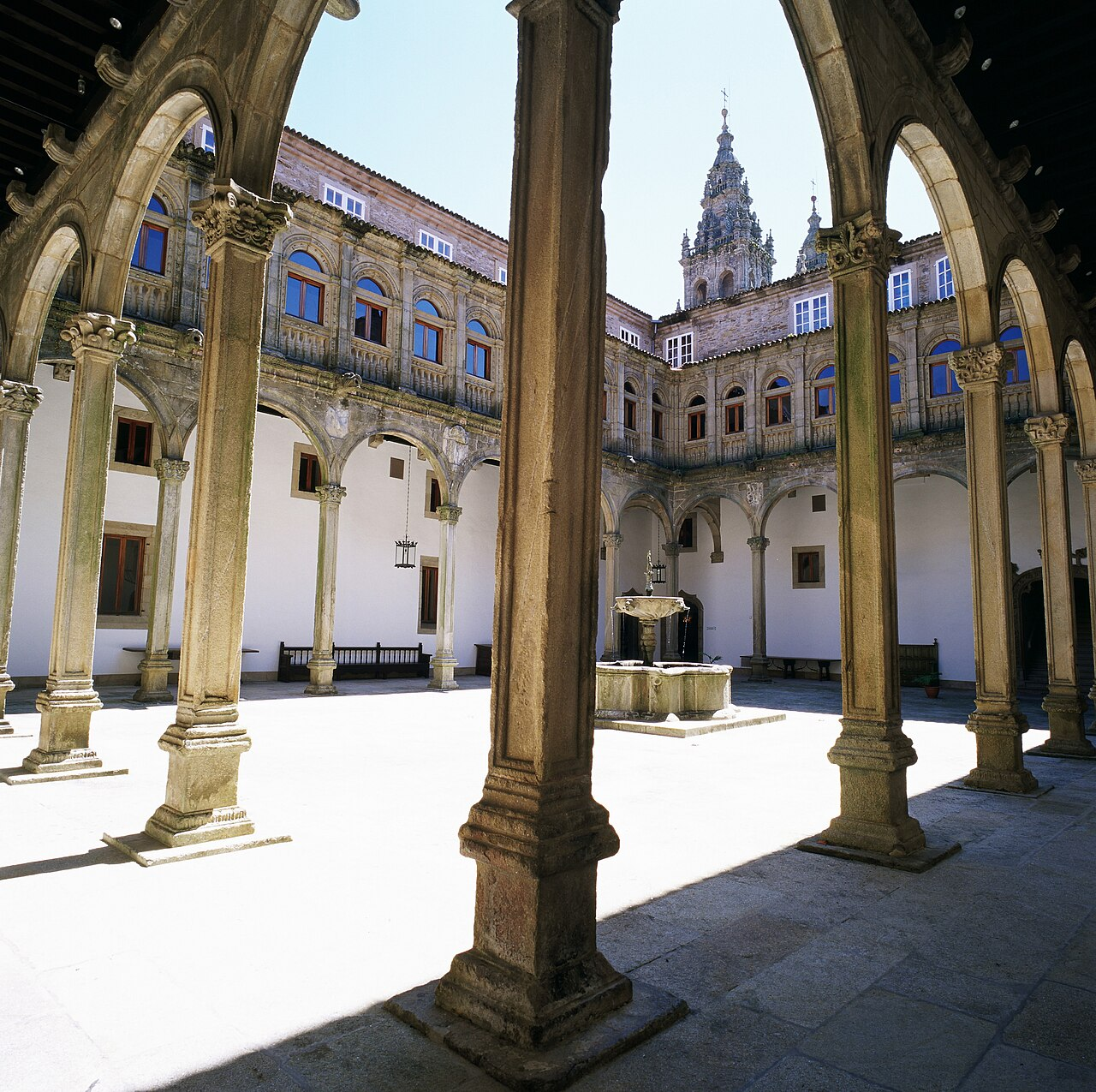
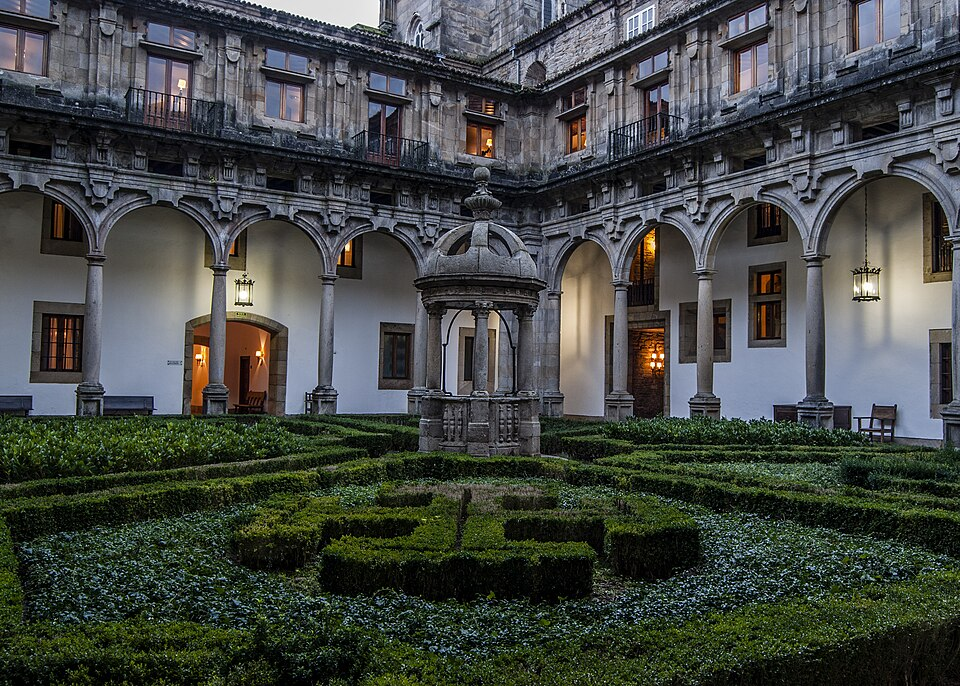
The hotel is celebrated for its ornate Plateresque façade, an intricate style of Spanish Renaissance decoration, designed by a master architect of the era. Inside, it centers on four serene cloistered courtyards, semi-open walkways framing quiet garden quadrangles, along with elegant halls, a chapel, and a remarkable collection of art. Stone archways, vaulted ceilings, antique furnishings, and tapestries fill the interiors, so that walking its corridors feels like moving through a living museum. That it has been called one of the most beautiful hotels in Europe is easy to understand.
Is It Really the Oldest Hotel in Europe?
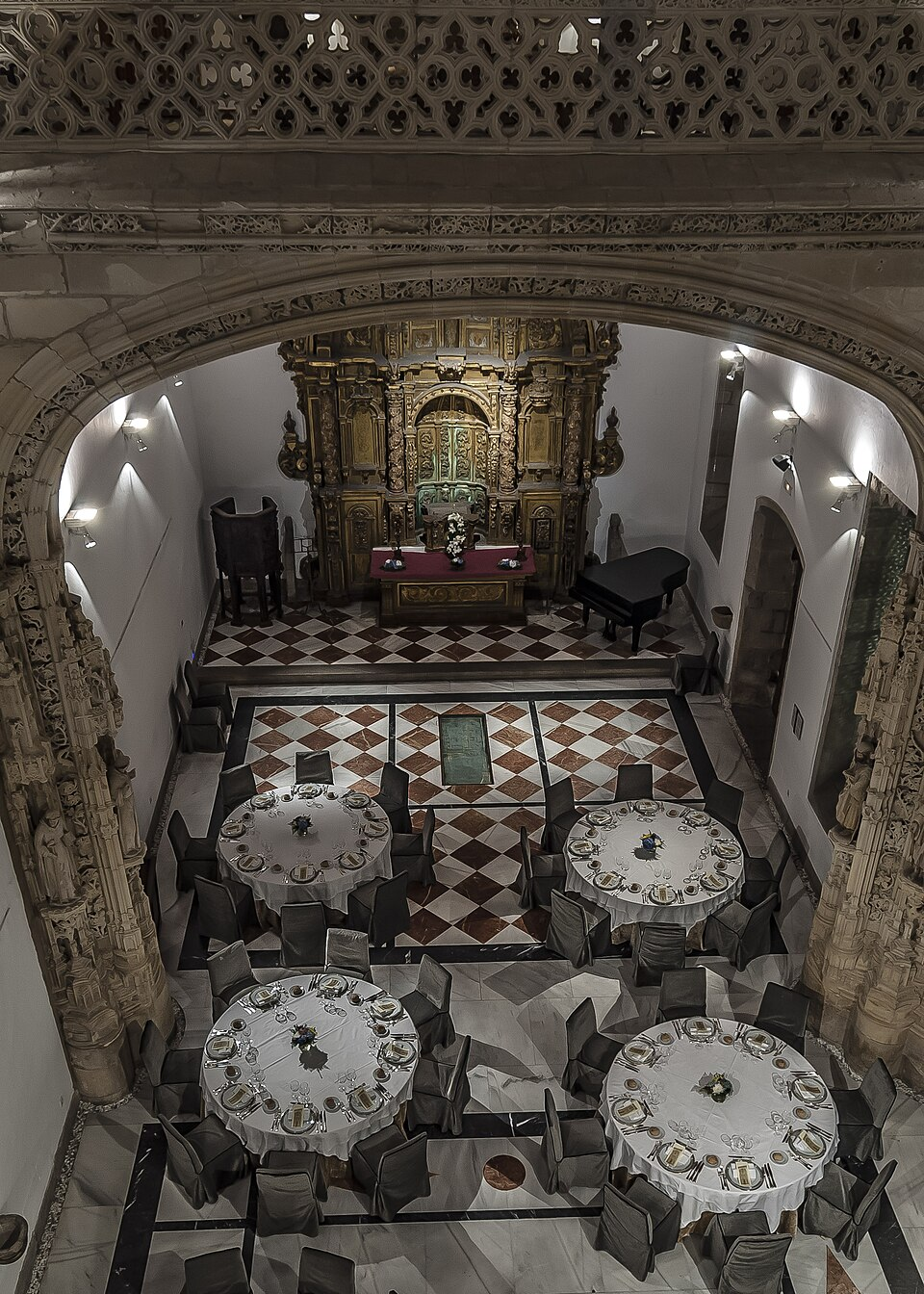
Claims of being the “oldest hotel” are notoriously tricky, because so much depends on definitions: when a building was constructed, when it began operating as lodging, and whether it has run continuously ever since. The Hostal dos Reis Católicos is frequently described as one of the oldest continuously operating hotels in the world, and certainly one of the oldest in Europe, on the strength of its 1486 commissioning and its centuries of welcoming travelers.
It is worth noting that other contenders hold their own claims. The title of the world’s oldest hotel is often given to a hot-spring inn in Japan that has reportedly operated since the early eighth century, far older than any European rival. But within Europe, and especially as a continuously operating establishment of such grandeur, the Santiago hotel’s claim is a strong and widely cited one. Whatever the precise ranking, few hotels anywhere can match the depth of its history.
The Parador System: Sleeping in Spain’s History
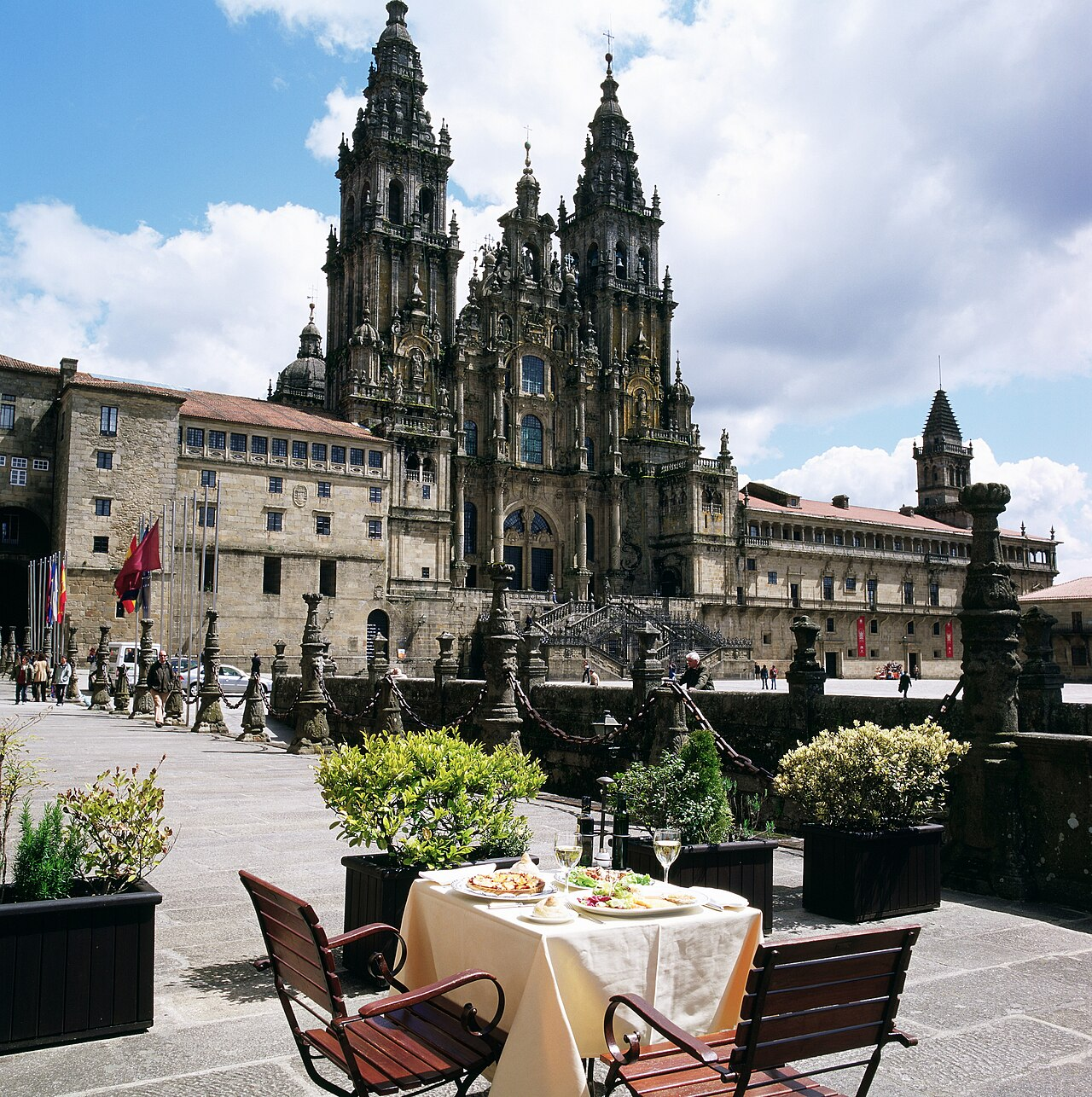
The Santiago hotel is the crown jewel of a wonderfully Spanish institution: the Paradores. This state-owned chain takes historic buildings, including castles, monasteries, convents, and palaces, and converts them into hotels, allowing travelers to spend the night inside genuine pieces of the country’s heritage. It is one of the most distinctive ways to experience Spain, and a model that few other countries can rival.
The idea behind the Paradores was twofold: to preserve important historic buildings that might otherwise have fallen into ruin, and to promote tourism in regions across the country, including lesser-visited corners. The result is a network of remarkable hotels in remarkable places, where the building itself is often the main attraction. A traveler can sleep in a medieval castle one night and a former monastery the next, each lovingly maintained and often set in a spectacular location.
Why These Historic Hotels Matter
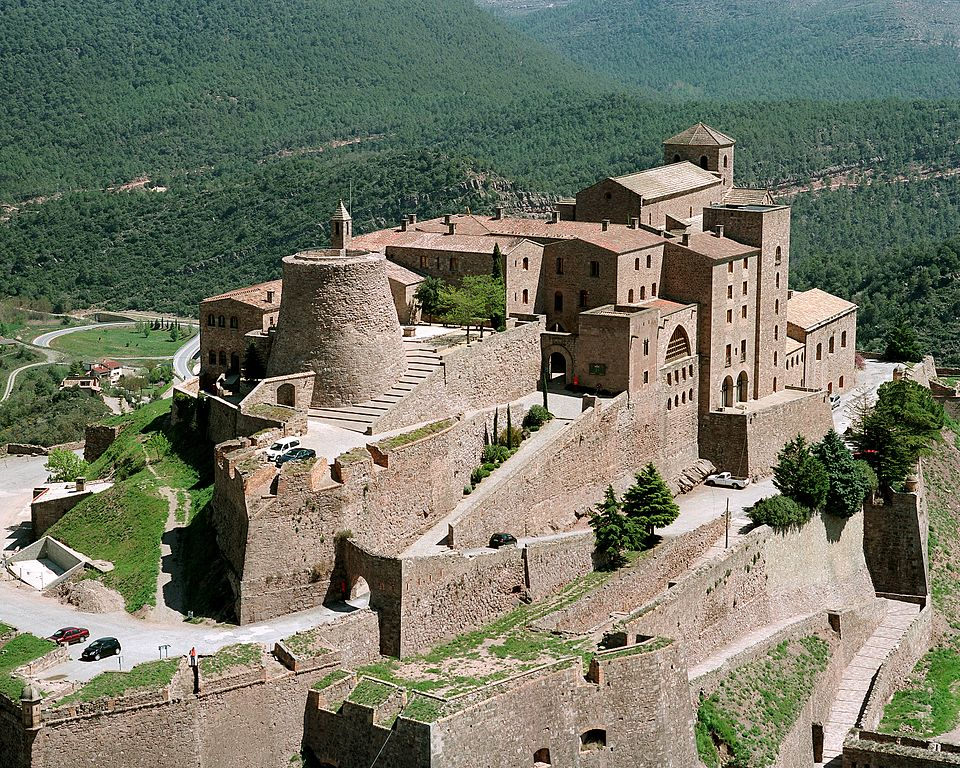
There is something special about staying in a building with centuries of history in its walls. Beyond the comfort and the views, a historic hotel offers a tangible connection to the past, a sense of continuity with the countless travelers who came before. In a place like the Hostal dos Reis Católicos, that lineage stretches back to medieval pilgrims, and the building’s original purpose, the care of weary travelers, finds a graceful echo in its modern role.
For visitors to Spain, these hotels also solve a practical problem: where to stay in a way that enhances rather than interrupts the experience of a historic city. Rather than a generic room, you get a piece of the destination itself. The conversion of old monuments into welcoming hotels has saved many buildings from decay and given them a new lease on life, ensuring they remain part of living communities rather than fenced-off relics.
Other Historic Stays Worth Knowing
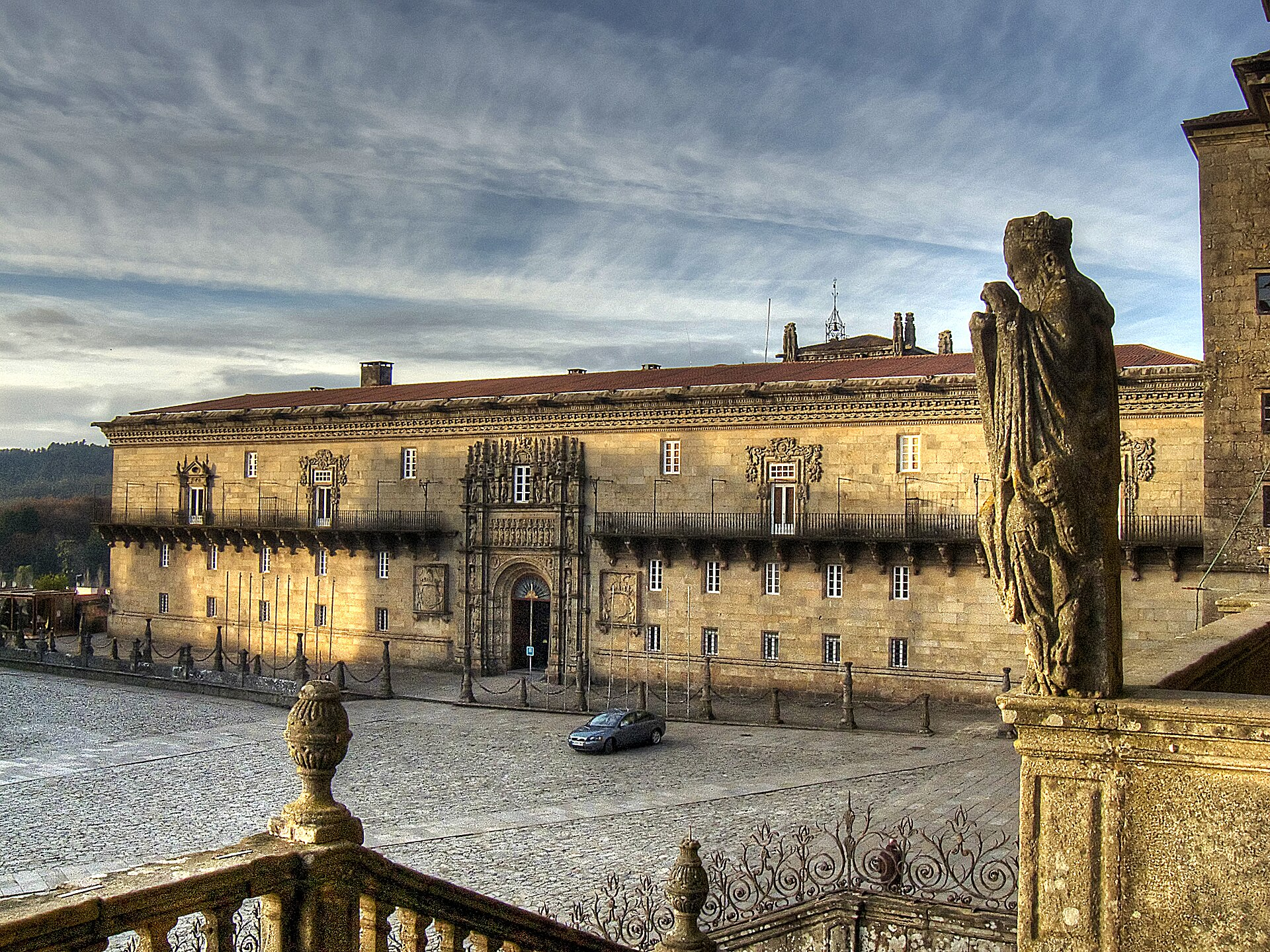
The Santiago hotel may be the most storied, but it is far from the only Parador worth seeking out, and the network gives travelers an extraordinary range of historic places to spend the night. There are paradores housed in hilltop castles with commanding views, in former monasteries with serene cloisters and gardens, in old convents, and in grand palaces, each maintained with care and often set in a town or landscape of real beauty.
Part of the appeal is geographic. Because the network was designed partly to encourage tourism beyond the obvious destinations, many paradores sit in smaller towns and quieter regions that travelers might otherwise overlook, rewarding those willing to venture off the main routes. A road trip built around these hotels becomes a tour of Spanish history and landscape at once, with each night spent inside a different chapter of the country’s past. For travelers who find ordinary hotels forgettable, the idea of choosing a destination partly for the building you will sleep in is a refreshing one, and Spain has turned it into something close to an art form. It is a model that transforms the simple act of finding a room into part of the adventure itself.
Planning a Visit
For travelers drawn to the Camino, to Galician food and culture, or simply to extraordinary buildings, Santiago de Compostela rewards the journey. The city’s old quarter is a UNESCO World Heritage site, with the magnificent cathedral at its heart, and the Hostal dos Reis Católicos sharing its grand square. Even those not staying overnight can often admire the building and, where access allows, glimpse its historic spaces.
More broadly, the Parador network makes it possible to build an entire trip around staying in Spain’s history, from the far northwest to the south. These hotels can be more affordable than their grandeur suggests, and they offer a memorable alternative to conventional lodging. Whether you book a night in a 15th-century former hospital beside a great cathedral or a converted castle on a remote hill, you come away with more than a place to sleep. You come away having lived, however briefly, inside the long story of Spain itself.
Like our content? Follow us for more.