


There is a particular kind of summer evening that anyone who grew up in the 1970s can still feel in their bones: the long golden light, the smell of cut grass and charcoal, the sound of kids playing in the street and grown-ups talking on porches, all stretching lazily toward dark. It was an ordinary nightly ritual, repeated across countless American neighborhoods, and almost no one thought of it as special at the time. Yet that world has steadily slipped away, replaced by air-conditioned interiors and glowing screens. Here is a look back at the American summer evening of 1977, and the forces that caused it to vanish.
Life on the Front Porch
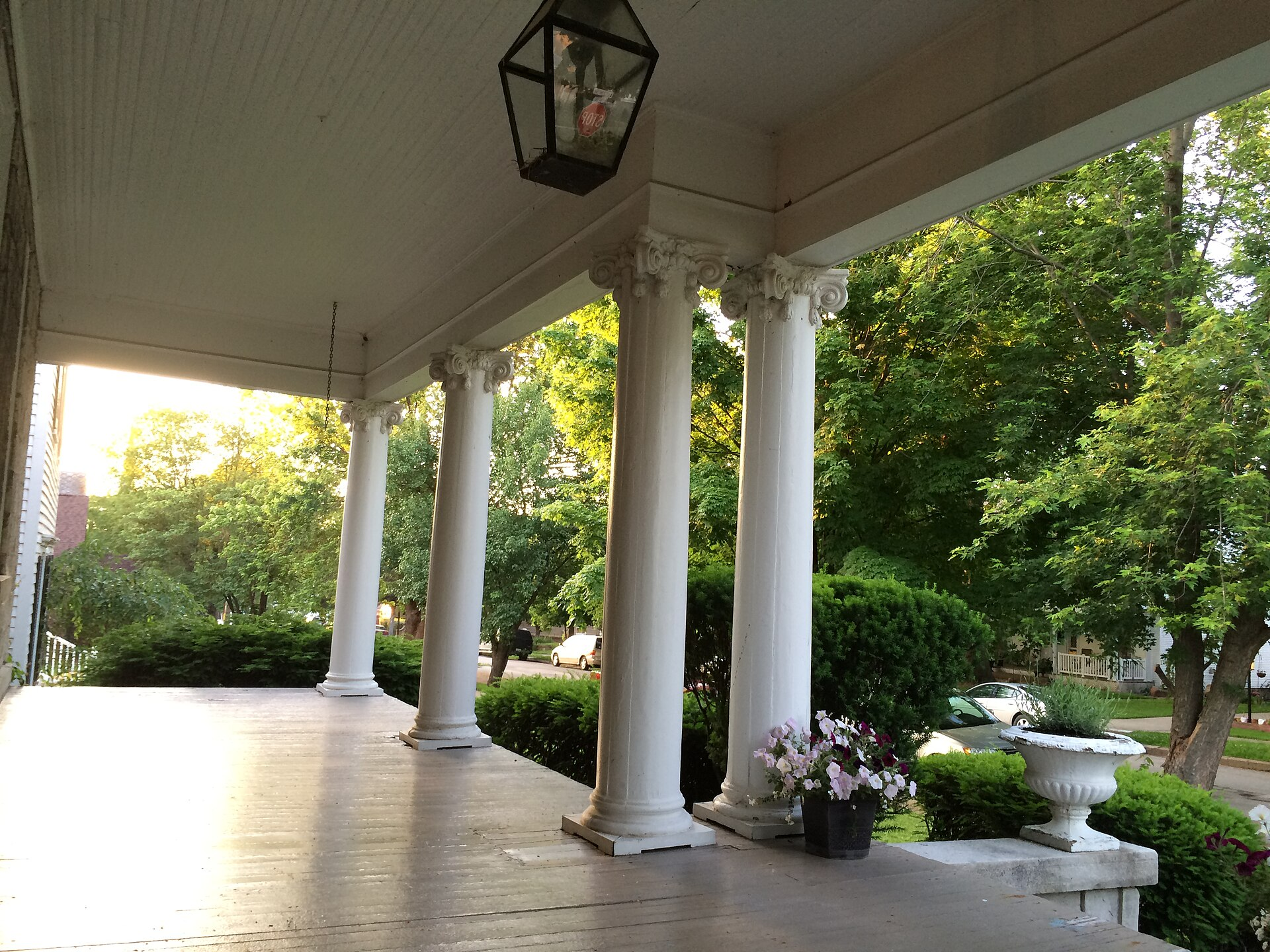
In 1977, the front porch was the command center of the summer evening. With air conditioning still far from universal, families fled the heat of the house to sit outside where it was cooler, settling into porch chairs and steps as the day wound down. The porch was where you cooled off, caught the breeze, and watched the world go by.
It was also profoundly social. Neighbors strolling past would stop to chat, conversations drifting from porch to porch down the street. The front porch faced outward, toward the community, and it kept families connected to the daily life of the neighborhood in a way that has largely disappeared. The evening porch sit was equal parts comfort and connection.
Like our content? Follow us for more.
Kids Playing Until the Streetlights Came On
For children, a summer evening meant freedom. After dinner, kids poured back outside to resume the games that filled their days, tag, hide and seek, ball games in the street, catching fireflies in jars as dusk fell. The neighborhood became one big shared playground.
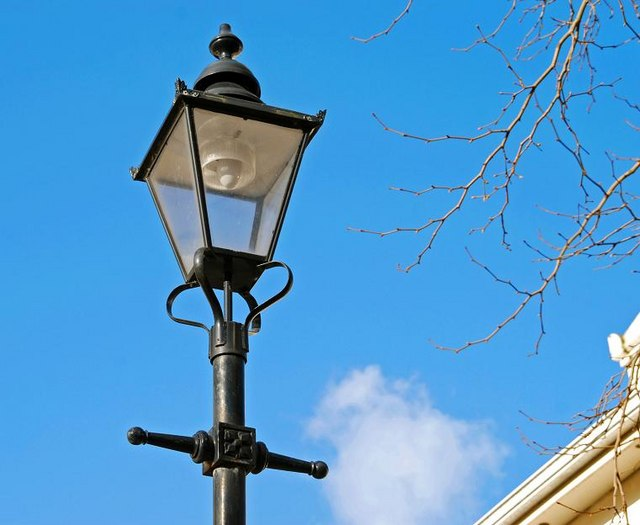
The universal signal that it was time to come home was the streetlights flickering on. That simple rule, be home when the lights come on, gave kids hours of unsupervised play across yards and streets and empty lots. The sound of children’s voices echoing through the neighborhood at dusk was the soundtrack of the American summer, and its fading is one of the most poignant changes of the decades since.
The Backyard Barbecue and Shared Meals

Summer evenings in 1977 often centered on food cooked and eaten outdoors. The smell of a charcoal grill drifting over the fence was an invitation, and impromptu gatherings of family and neighbors around a barbecue were a staple of the season. Meals stretched long into the evening.
These were casual, communal affairs, kids running between yards, adults lingering over the last of dinner, the whole event unhurried and unplanned. Food was the centerpiece, but the real point was the gathering itself. The spontaneous, neighborly summer cookout, easy to organize and open to whoever wandered by, captured the sociable spirit of the era better than almost anything else.
The Evening Stroll and Visiting Without Calling

A defining feature of 1977 was the casualness of social life. Families took evening walks around the neighborhood simply to see who was out, and dropping by a friend’s or relative’s house unannounced was perfectly normal. There was no need to text first or schedule a visit; you just showed up, and you were welcomed.
This easy, spontaneous sociability depended on a shared assumption that people were home and available, and that an unplanned visit was a pleasure rather than an intrusion. The evening stroll doubled as a way to stay connected, catching up with neighbors as you passed. That unscheduled, open-door approach to socializing has largely given way to planned, screen-mediated contact.
The Sounds of a Summer Night
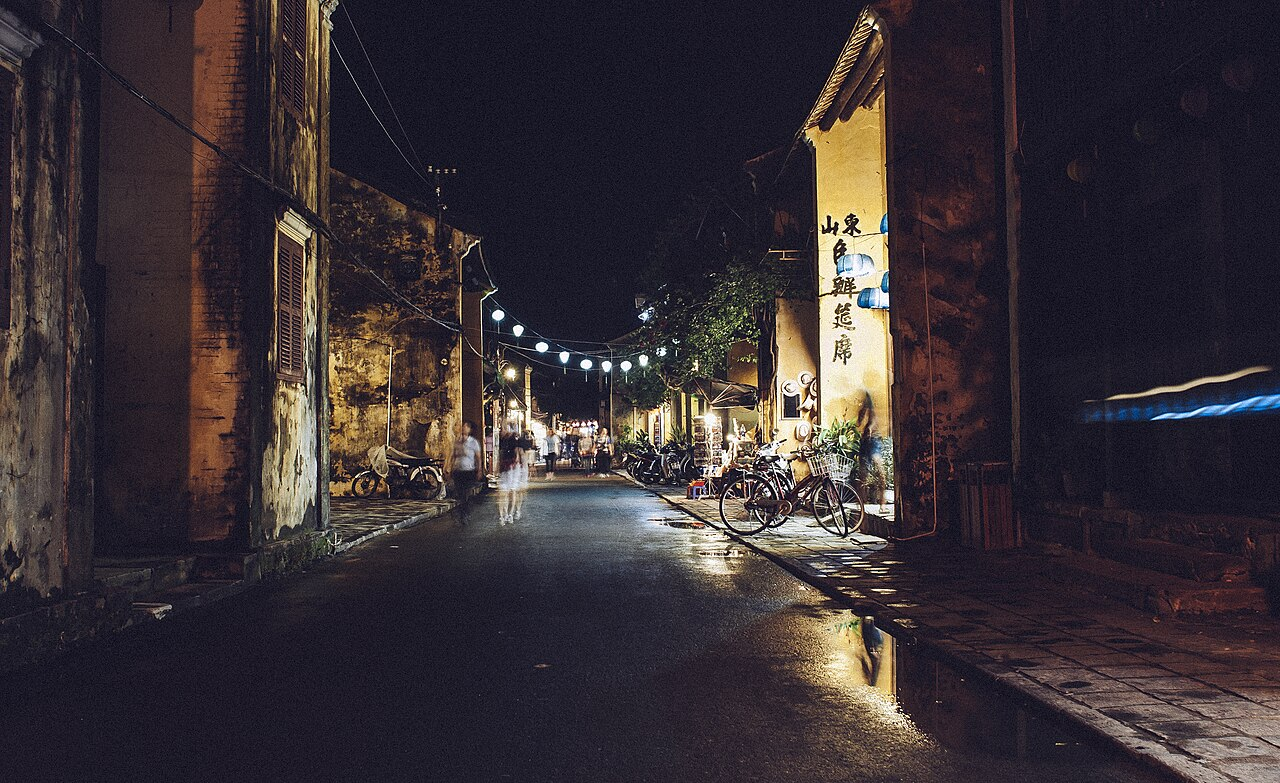
The summer evening of 1977 had its own distinctive soundtrack, and much of it came through open windows, since closed-up, air-conditioned houses were not yet the norm. You could hear the neighborhood: televisions and radios drifting out, screen doors banging, lawnmowers finishing a last pass, the murmur of conversations and the crickets starting up.
This shared sonic landscape knit a neighborhood together, even passively. You knew the rhythms of the families around you, heard the same songs on the radio, felt part of a larger whole simply by having your windows open to the night. The sealed, climate-controlled, individually entertained home has muffled that shared soundscape almost entirely.
The Disappearance of the Front Porch Itself
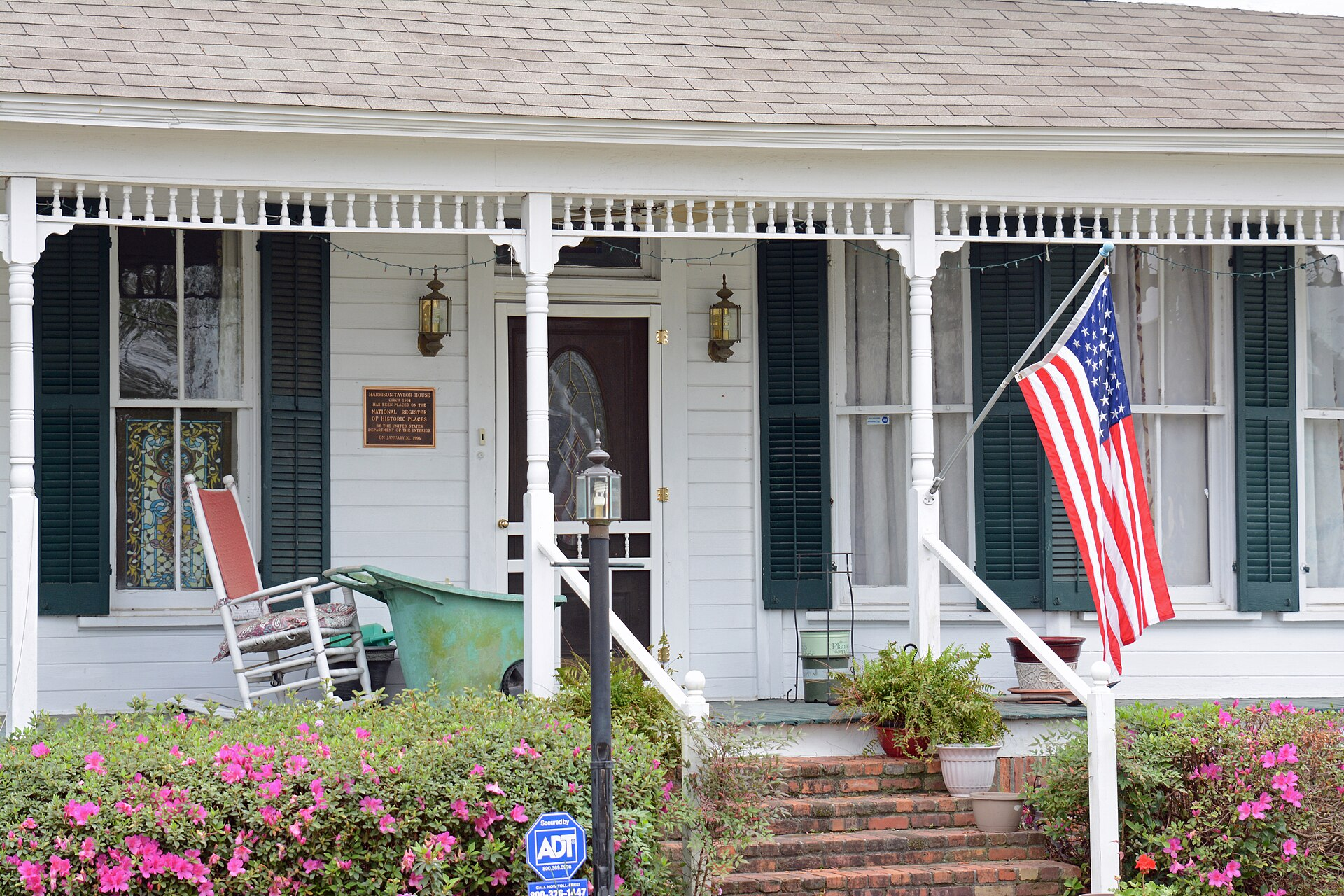
It is worth pausing on a literal architectural change that helped end the summer-evening ritual: the front porch nearly disappeared from new American homes. As suburbs spread and home designs evolved, the prominent, welcoming front porch, oriented toward the street and the neighbors, gave way to the private backyard deck and the attached garage that faced the world with a closed door.
This was more than a stylistic shift; it changed how families related to their neighborhoods. The porch had naturally drawn people outward, into casual contact with passersby. The backyard, by contrast, turned social life inward and private, hidden behind the house. When the garage door became the home’s main face to the street, the spontaneous, outward-facing sociability of the porch era lost its physical setting. The architecture of the American home subtly encoded the move from communal evenings to private ones, and rebuilding that culture may require, in part, rediscovering the simple front porch.
Why That World Vanished
Several powerful forces combined to end the classic American summer evening, and the biggest was almost certainly air conditioning. As central air became affordable and widespread, families retreated indoors to the cool, sealed interior, abandoning the porch and the open window. The very thing that had driven people outside, the heat, was conquered, and with it went the reason to gather outdoors.
Television, and later computers, smartphones, and streaming, pulled attention inward and individualized entertainment that had once been shared. Changing patterns of work, the rise of organized and scheduled children’s activities, heightened concerns about unsupervised play, and the simple fading of the front-porch home design all played their part. Bit by bit, the communal evening dissolved into private, indoor, screen-lit nights.
What Was Lost, and What Remains
It would be easy to romanticize 1977 entirely, and worth remembering that the era had its real hardships and that many modern changes brought genuine comfort and benefit. Air conditioning made brutal summers bearable; modern entertainment connects people across vast distances. Nostalgia should not blind us to what has genuinely improved.
Still, something real was lost when the summer evening moved indoors. The casual, daily, face-to-face connection with neighbors, the unstructured freedom of kids at play, the sense of belonging to a place and the people in it, these are harder to come by now, and many people feel their absence keenly. The good news is that pieces of that world can be reclaimed: a porch sit, a neighborhood cookout, an evening walk, a deliberate choice to leave the screen inside. The summer evening of 1977 is gone as a default way of life, but its spirit can still be summoned by anyone willing to step outside as the light fades and simply be present in their neighborhood. Sometimes the most radical thing a modern family can do is sit on the porch and watch the streetlights come on. It costs nothing, requires no screen, and reconnects us to a rhythm of life that sustained communities for generations. The summer evening of 1977 may be gone as a default, but on any warm night, anyone can step outside, greet a neighbor, and recover a small piece of what that vanished world understood about the simple pleasure of being present, together, as the day fades into dark.
Like our content? Follow us for more.
