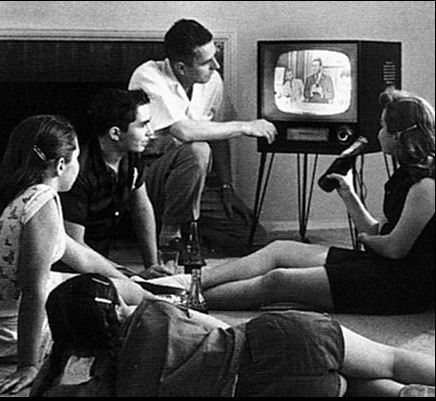
For families in 1979, television was the center of the living room and the heart of the evening’s entertainment. With only a handful of channels and no way to record or stream, what aired was what you watched, and the whole family often watched together. Looking back, a striking amount of what filled those screens, from the content of the shows to the commercials between them to the very way television worked, would be impossible today. Standards have shifted, rules have tightened, and technology has transformed everything. Here is a nostalgic tour of American television in 1979, and the reasons so much of it could never air now.
Smoking, Everywhere, On Screen
In 1979, characters smoked freely on television, and so, often, did the hosts of talk shows and variety programs. Cigarettes were a normal prop, lit casually in living rooms, offices, and studios, reflecting a culture where smoking was woven into everyday life.
As attitudes toward smoking transformed and its health dangers became impossible to ignore, the casual on-screen cigarette largely disappeared from television. What once read as glamorous or ordinary now reads as jarring. The omnipresent haze of cigarette smoke that hung over so much 1979 programming is one of the clearest markers of just how much the culture has changed.
Like our content? Follow us for more.
Cigarette and Hard-Liquor Advertising Echoes

While cigarette advertising had already been banned from American television earlier in the decade, the broader advertising landscape of 1979 still operated under very different rules. Commercials made claims and used approaches that would not fly under today’s tighter advertising standards and regulations.
Over the following decades, advertising rules tightened considerably, particularly around health claims, products marketed to children, and various categories of goods. Many of the commercials that aired freely in 1979 would require disclaimers, face restrictions, or be banned outright today. The advertising break of 1979 was a looser, wilder place than its modern equivalent.
Advertising Aimed Directly at Children
Saturday morning cartoons in 1979 came wrapped in commercials engineered to make kids want sugary cereals, toys, and treats, with few of the limits that would later be imposed. The line between programming and advertising was often thin, and children were a prime target.
Concerns about marketing to children eventually led to rules limiting advertising during children’s programming and addressing the blurring of ads and content. The relentless, barely regulated pitching of products to kids that characterized 1979’s Saturday mornings would run into significant restrictions today. The cereal-and-toy ad blitz of childhood is a regulated activity now.
Stunts and Content With Little Safety Oversight
The variety shows, daredevil specials, and stunt-filled programming of 1979 often featured genuinely risky acts performed with little of the safety disclosure or oversight common today. Audiences thrilled to dangerous feats presented as pure entertainment, with minimal warnings.
Modern broadcasting wraps such content in warnings, disclaimers, and “do not attempt” notices, and standards around depicting dangerous activity have tightened. The casual presentation of risky stunts as wholesome family fun reflects an era with very different ideas about broadcasting responsibility. What aired without a second thought in 1979 would come blanketed in caveats now.
Humor and Stereotypes of the Era

Comedy in 1979 frequently relied on jokes, characterizations, and stereotypes that have since fallen well outside the bounds of what is considered acceptable. Humor that was mainstream then can land very differently today, reflecting genuine shifts in cultural values and awareness.
Many beloved shows of the era contain material that networks would not broadcast new today, and that even streaming reissues sometimes accompany with context or content notes. This is among the more complicated legacies of vintage television: programs remembered fondly that also reflect the prejudices and blind spots of their time. It is a reminder that “could never air today” is sometimes a measure of real social progress.
The Technology Itself
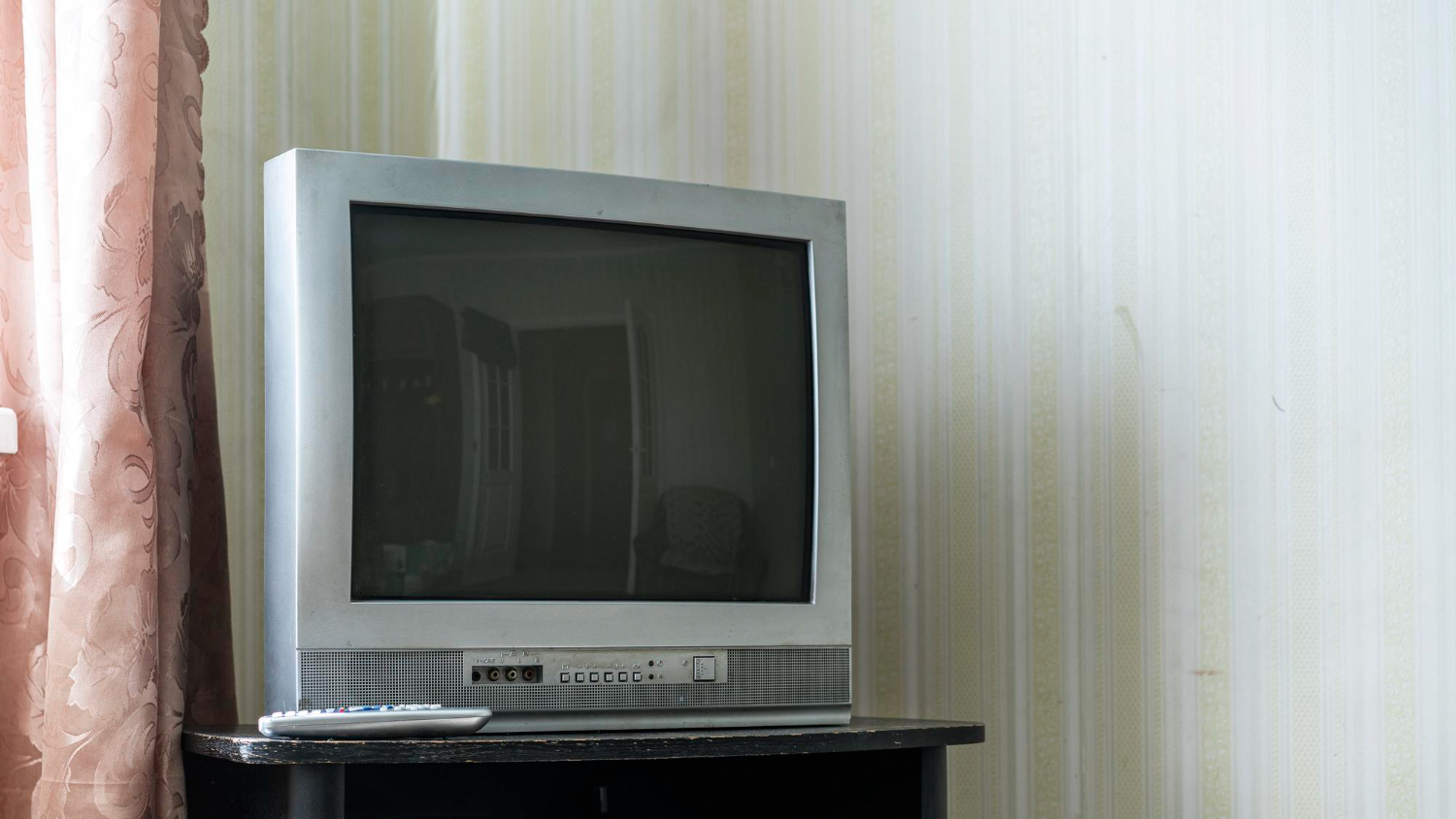
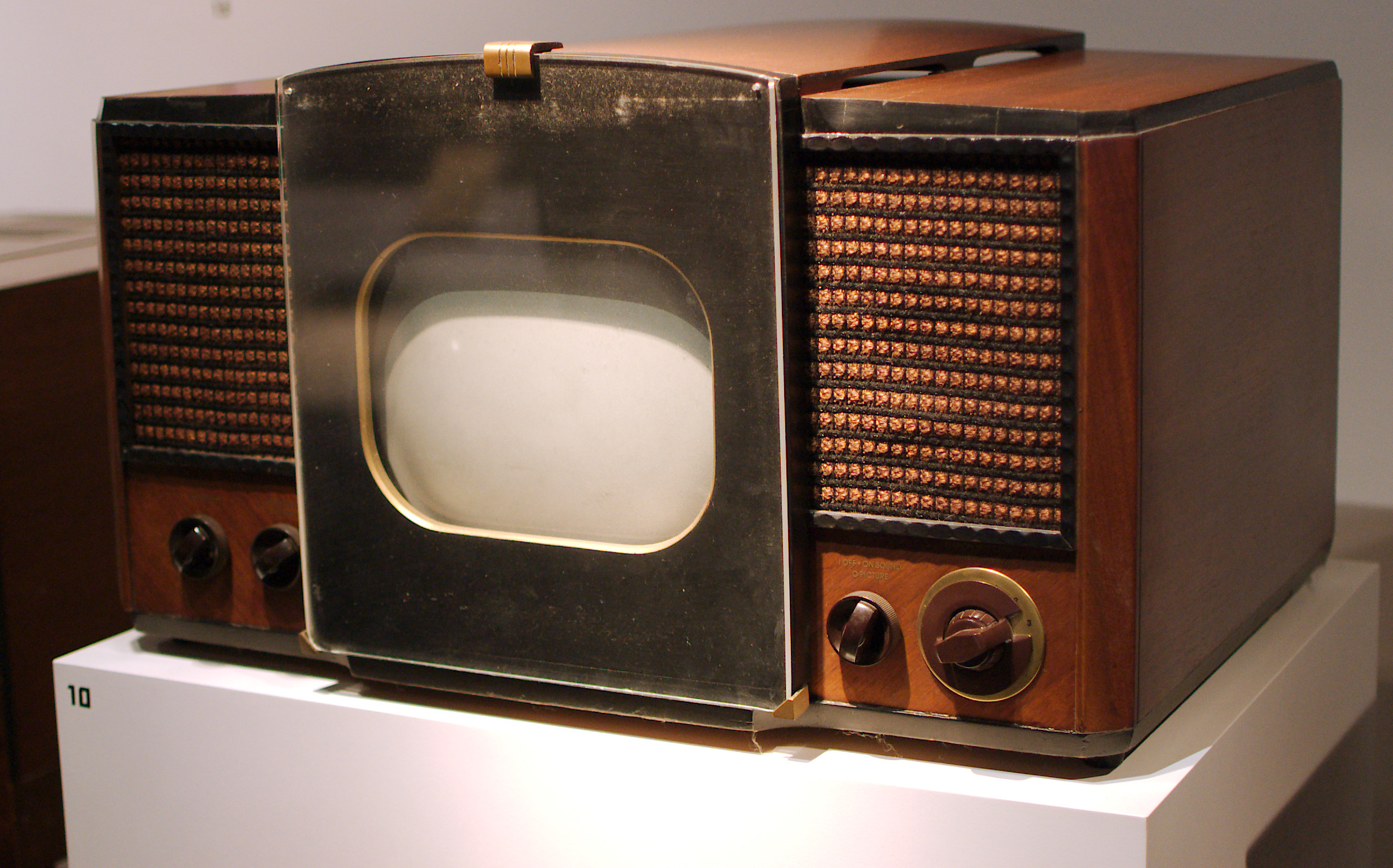
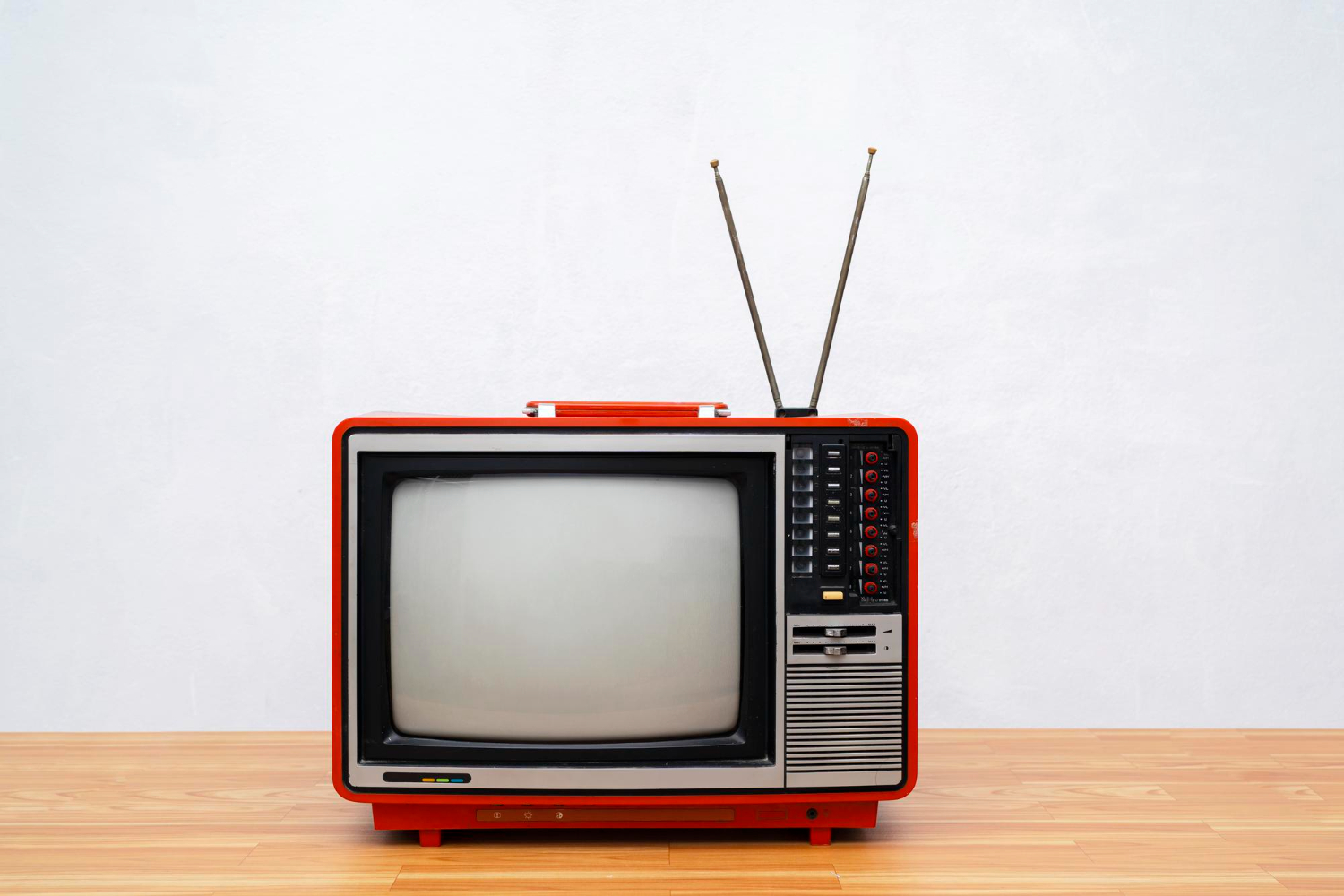
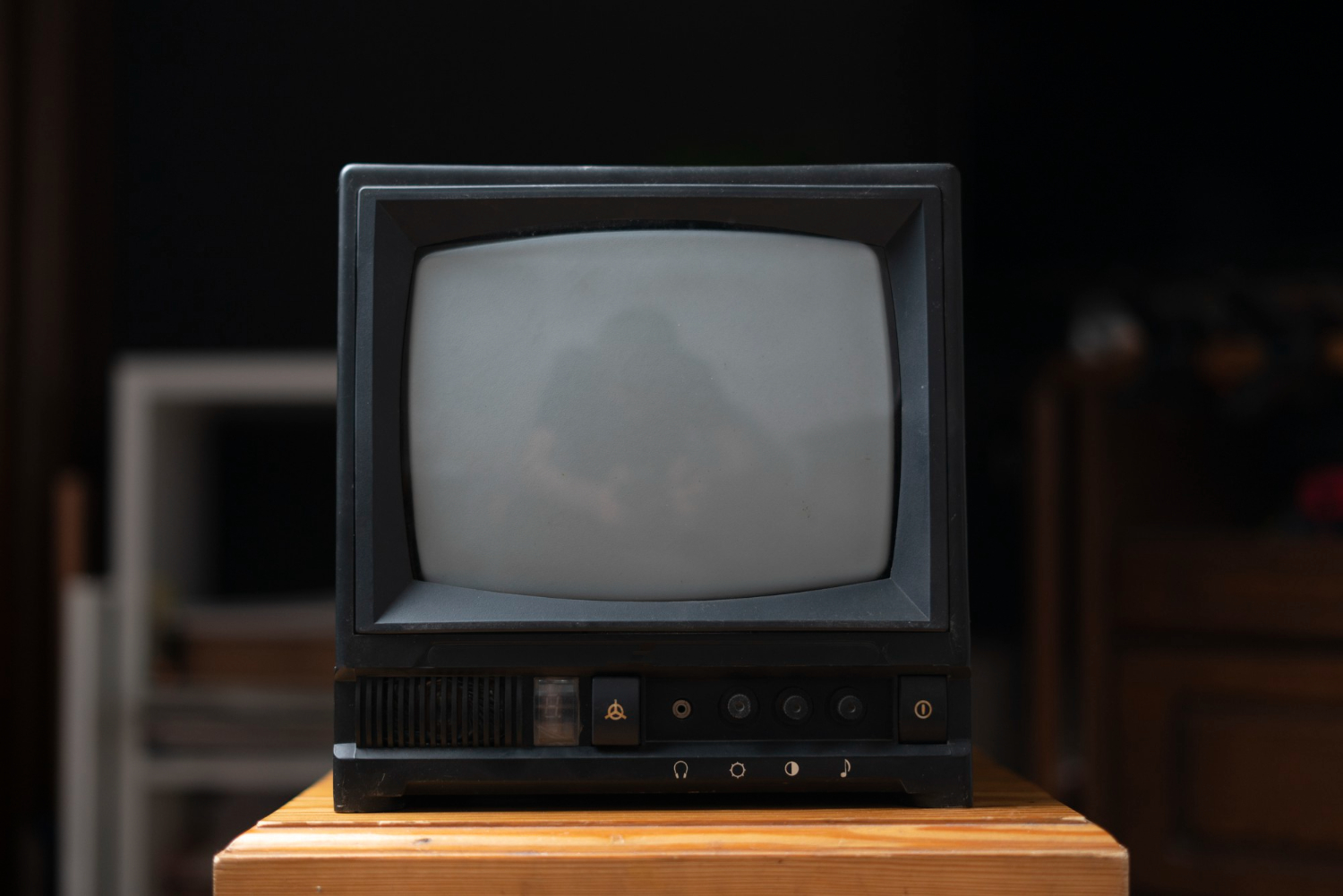
Beyond content, the very mechanics of 1979 television would baffle a modern viewer. There were only a few channels, received over the air through an antenna that required adjusting. There was no way to record, pause, or stream. You watched what was on, when it was on, and if you missed it, you missed it.
This scarcity shaped the entire experience, making television a communal, scheduled, shared event rather than the on-demand, individualized stream it is today. The technological world of 1979 television, antennas, dials, three networks, a fixed schedule, has vanished as completely as any banned content. The way we watch has changed as much as what we watch.
What Endured
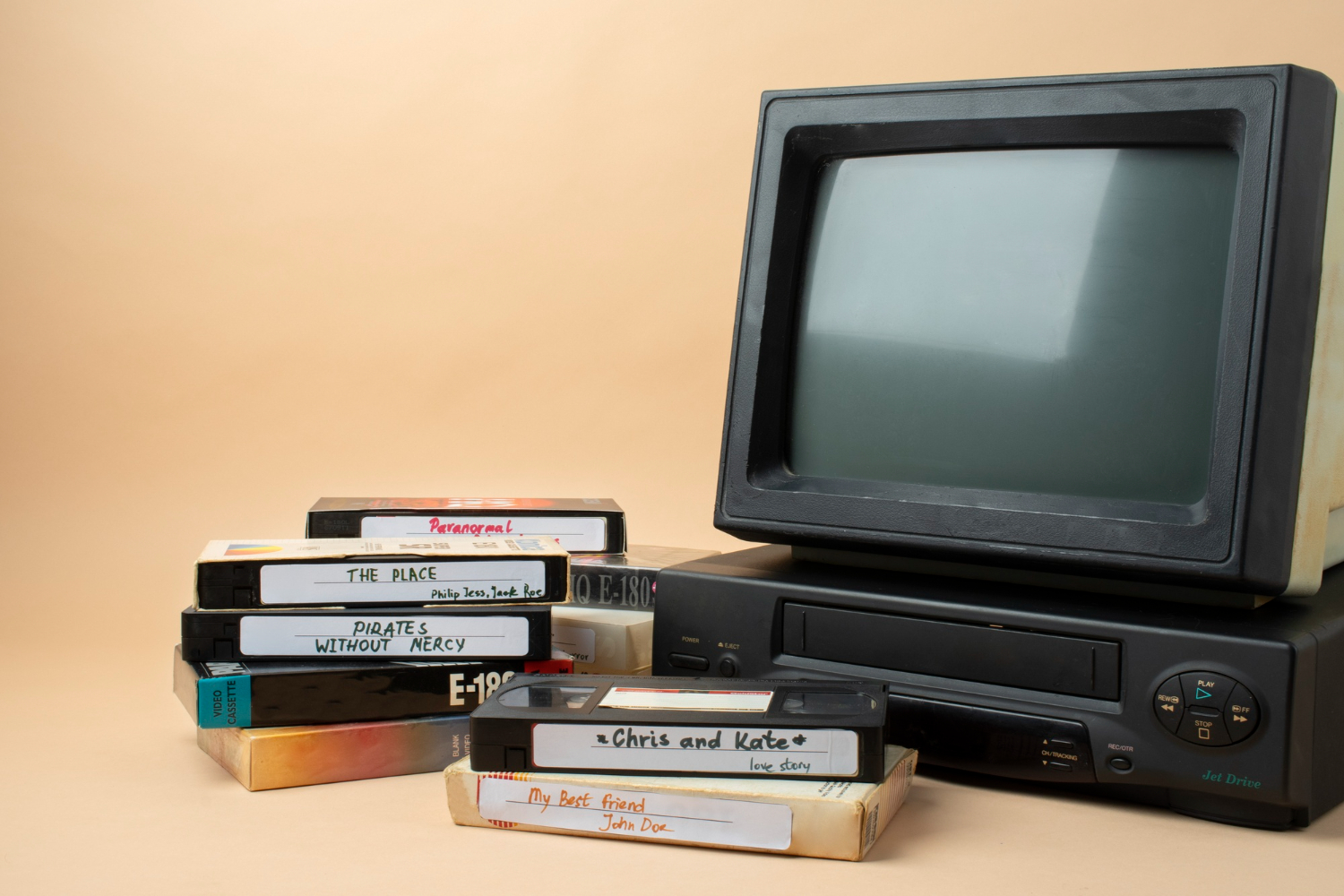
Not everything about 1979 television is gone. Many of the era’s best shows are beloved classics, rerun and streamed for new generations, and the fundamental appeal of great storytelling, comedy, and drama is timeless. The medium evolved, but its power to entertain and bring people together endured.
The survivors tend to be the shows whose quality transcended the standards of their moment, the comedies and dramas still funny or moving decades later. What fell away were the things tied to the era’s specific norms: the smoking, the loose advertising, the dated humor, the antenna-and-three-channels technology. The best of 1979 television lives on; the rest is a fascinating time capsule.
The Shared Experience We Traded Away
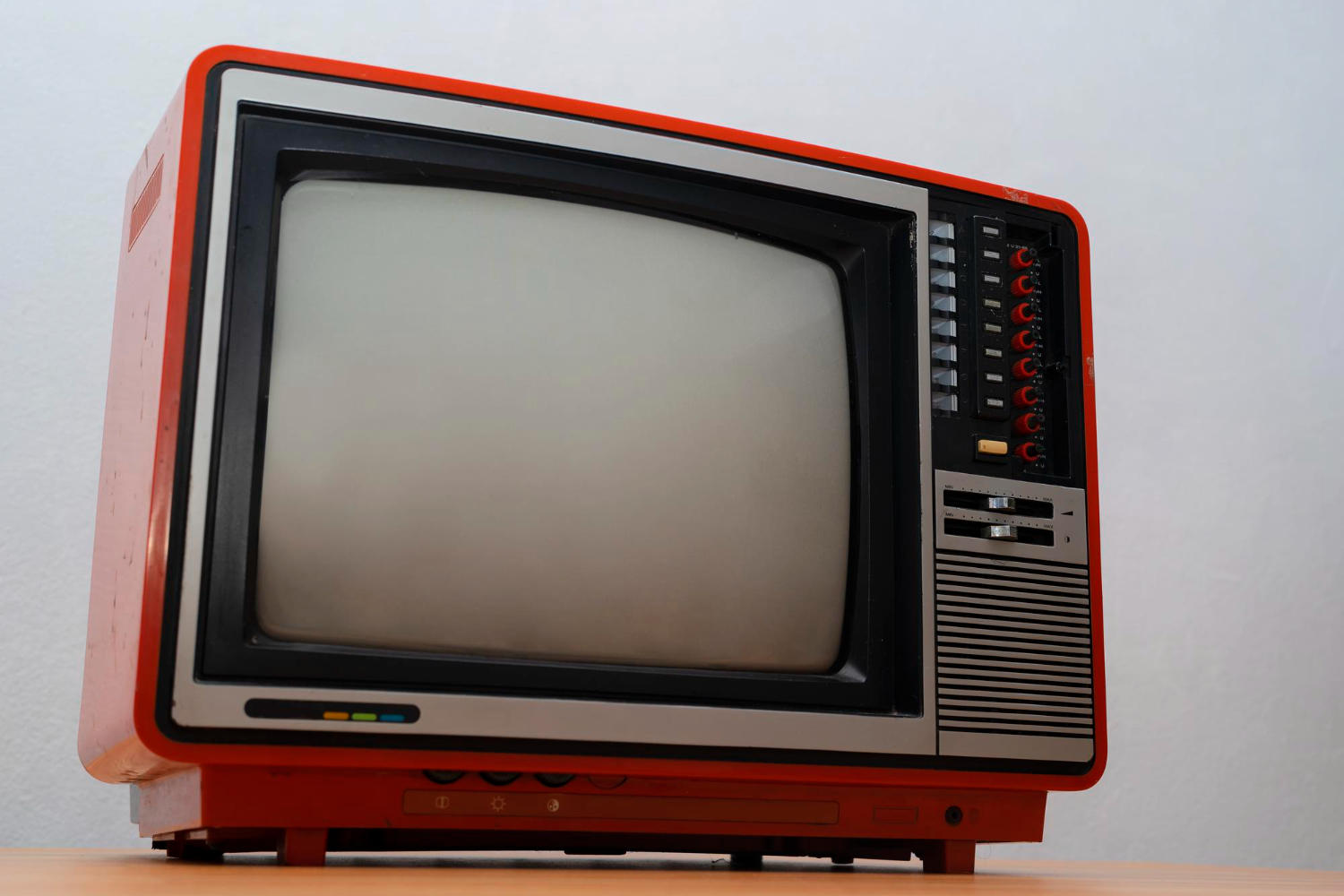
For all that modern television offers, one thing was genuinely lost in the transition from 1979: the shared, communal experience of watching. With only a few channels and no way to time-shift, the entire country effectively watched the same handful of programs at the same time. The next morning, everyone had seen the same show, creating a common cultural conversation.
That shared experience has largely dissolved in the age of endless on-demand choice. Today, with countless streaming options and personalized viewing, two neighbors may have almost no overlap in what they watch. We gained limitless variety and convenience, but we traded away the unifying power of everyone tuning in together. The water-cooler conversation about last night’s can’t-miss show has grown rarer. It is a real, if subtle, loss: 1979’s television was limiting, but its very scarcity created a sense of shared national culture that the infinite, fragmented modern media landscape struggles to replicate.
Why Television Changed So Much
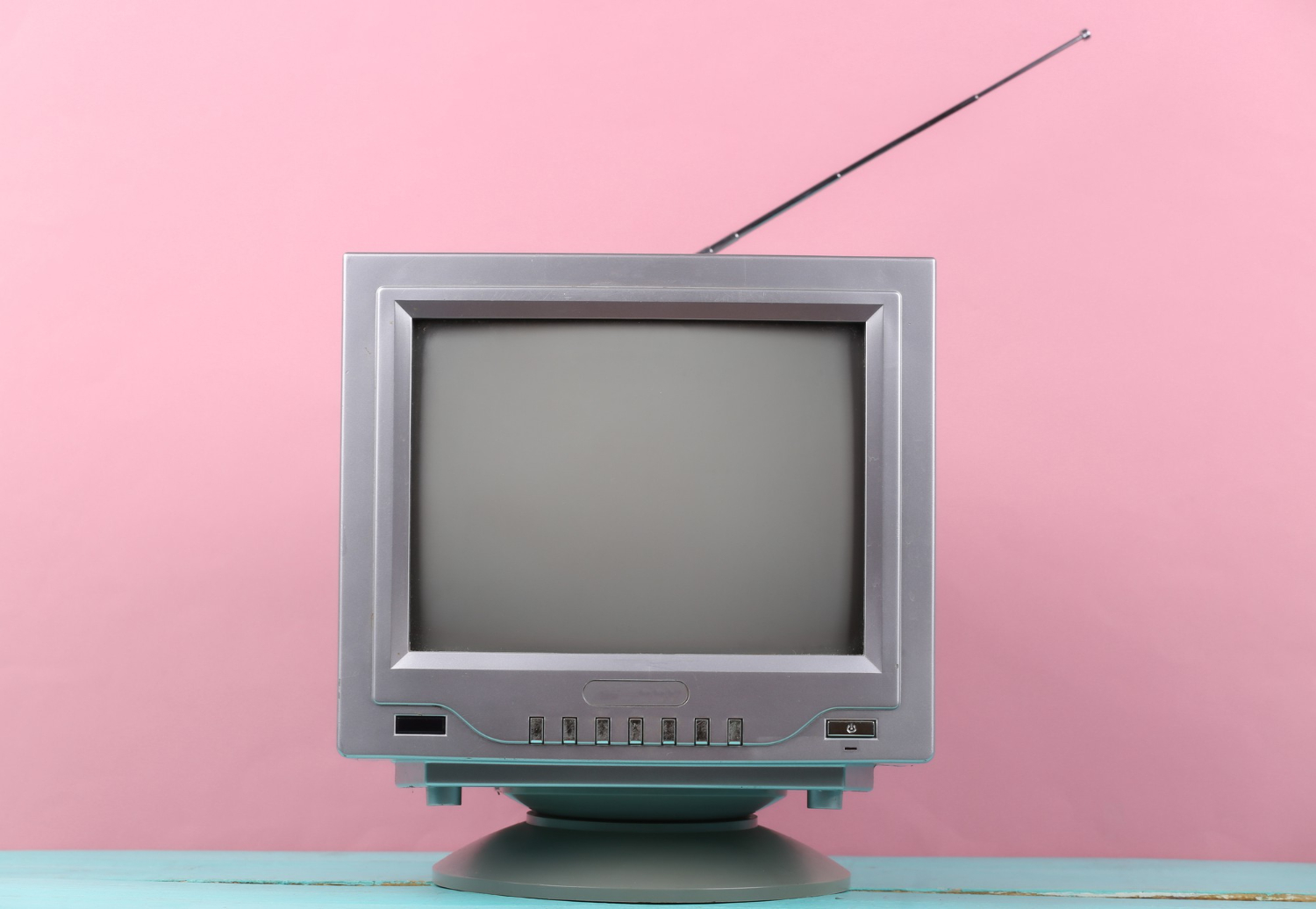
The transformation of American television reflects a convergence of forces: tightening regulations on advertising and content, profound shifts in cultural attitudes, and a technological revolution that upended how programming is made, delivered, and consumed. Each played a part in making 1979’s television a world apart from today’s.
For those who grew up with it, 1979 television evokes powerful nostalgia, the shared rituals, the limited choices that somehow made each show feel more special, the family gathered around a single set. Recognizing why so much of it could never air today is not a knock on the era but a measure of how much has changed, some of it genuine progress, some of it simply the relentless march of technology and taste. The television of 1979 is a vivid record of its time, preserved in reruns and memory, and a reminder of how dramatically the screen at the center of American life has been transformed.
Like our content? Follow us for more.