We tend to think of UNESCO’s heritage protection in terms of monuments and landscapes, the pyramids, ancient cities, great natural wonders. But the organization also safeguards something more fleeting and intimate: living cultural traditions, including the foodways that bind communities together. These are recognized on a list of “intangible cultural heritage,” celebrating not just dishes but the rituals, skills, and shared meals that give them meaning. In late 2025, Italian cuisine became the first entire national cuisine to earn this honor, a landmark moment in the recognition of food as culture. Here is a tour of the foods and culinary traditions UNESCO has enshrined as treasures of human heritage, and what makes each so special.
Italian Cuisine: A Historic First

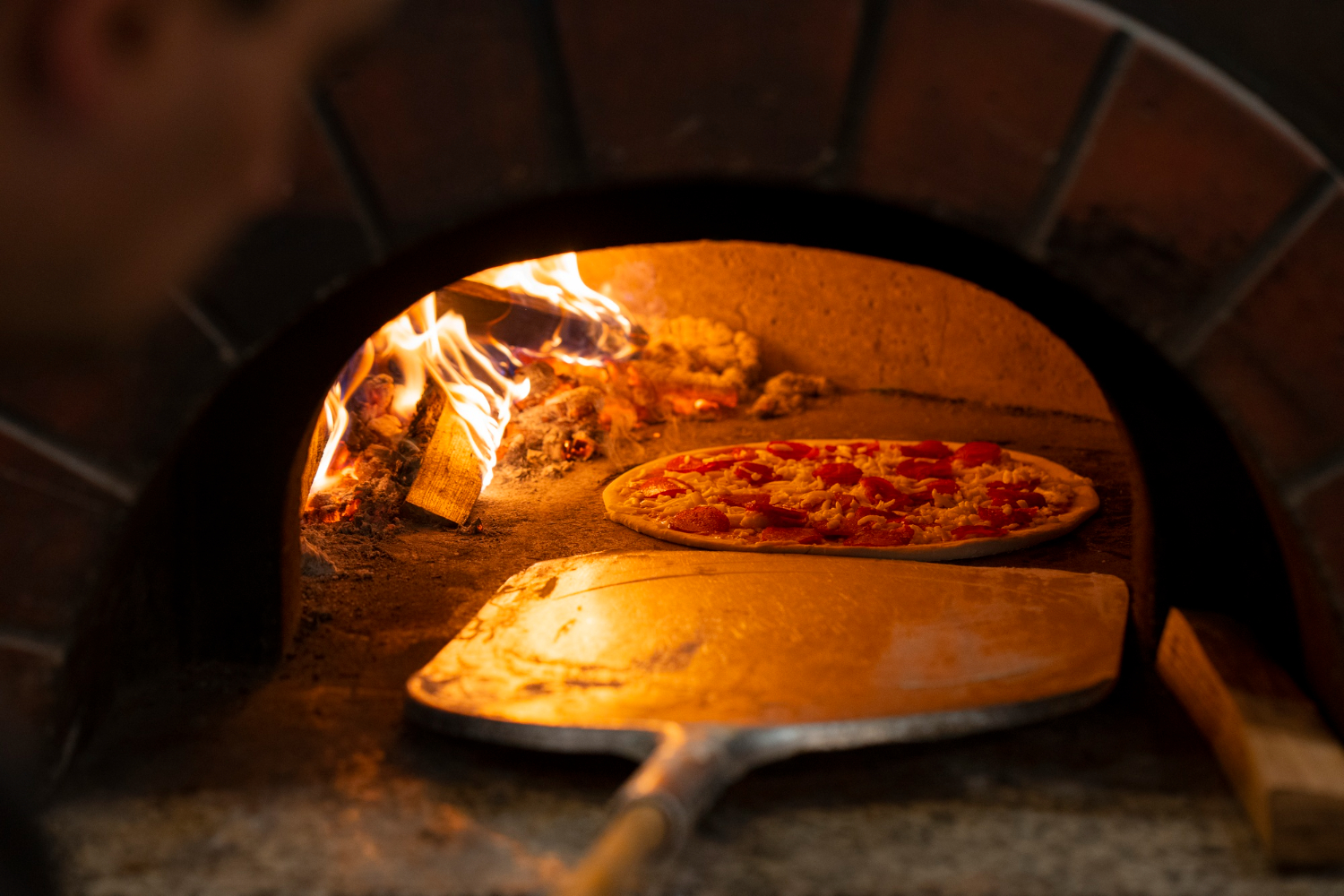
In December 2025, Italian cuisine was inscribed on UNESCO’s Representative List of the Intangible Cultural Heritage of Humanity, becoming the first entire national cuisine ever to receive the distinction. The recognition, decided by a UNESCO committee meeting in New Delhi, capped a campaign Italy had launched in 2023.
Notably, UNESCO did not single out specific famous dishes. Instead, the citation celebrated the everyday rituals around Italian food: the big Sunday family lunch, grandmothers teaching children to make fresh pasta by hand, and the simple act of gathering around the table to share a meal. The honor framed Italian cuisine as a “cultural and social blend” emphasizing intimacy, respect for ingredients, and conviviality. Italy hopes the recognition will boost tourism and help defend authentic Italian food against imitations worldwide.
Like our content? Follow us for more.
Neapolitan Pizza-Making
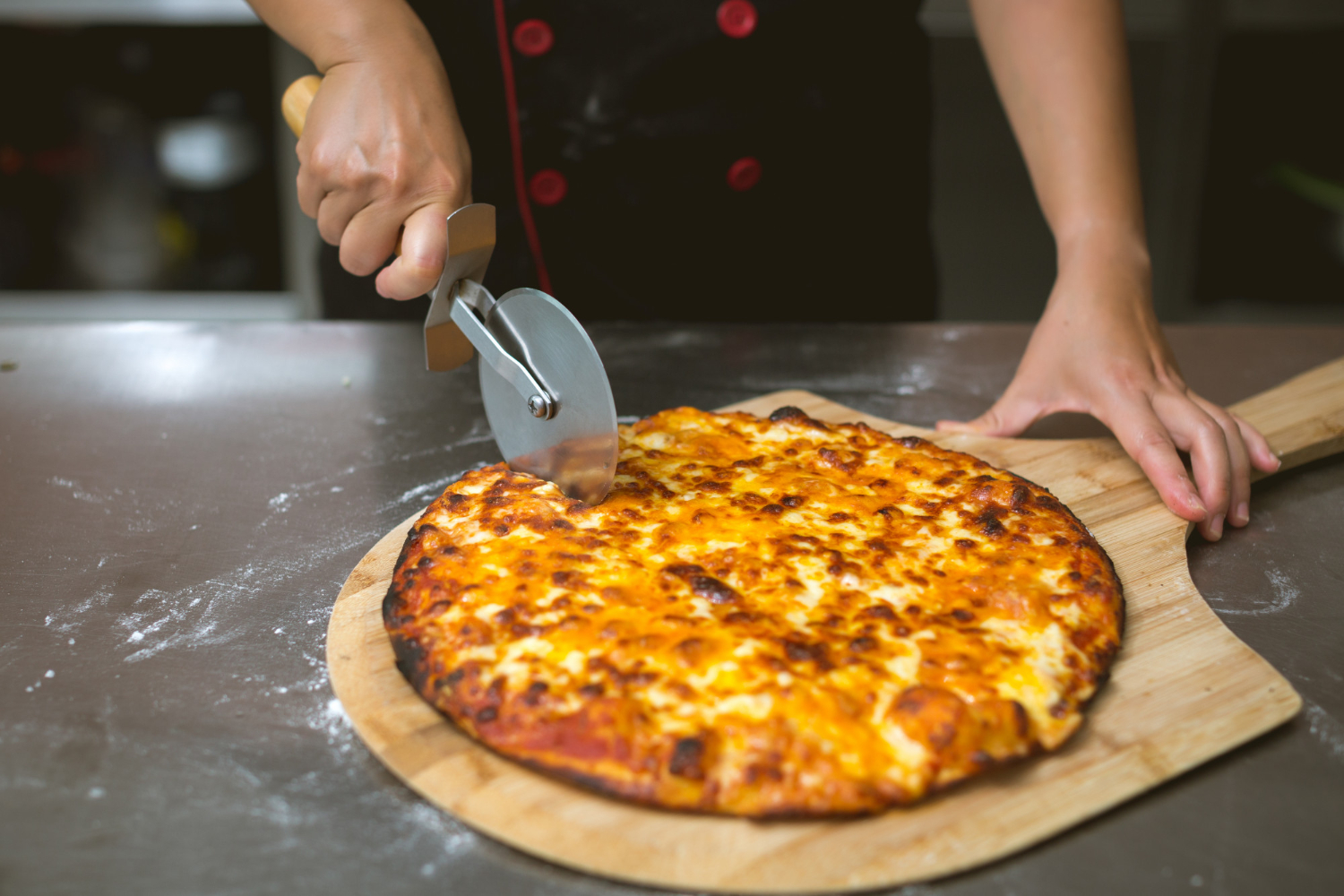
Long before Italy’s entire cuisine made the list, one of its most beloved exports earned its own recognition. The art of the Neapolitan “pizzaiuolo,” the traditional pizza-maker of Naples, was inscribed on UNESCO’s intangible heritage list, celebrating the centuries-old craft and culture surrounding this iconic food.
The recognition honors not just the pizza itself but the skill, knowledge, and social rituals of the pizzaiuolo, the spinning of the dough, the wood-fired oven, and the convivial culture of Naples that surrounds it. Passed down through generations, the craft is a living tradition that unites communities. The honor underscored how a single dish, made with traditional skill and embedded in local culture, can rise to the level of world heritage, a fitting tribute to one of the planet’s most universally loved foods.
The French Gastronomic Meal

France, a nation that takes its food seriously, secured early recognition for the “gastronomic meal of the French.” This honor celebrates not specific recipes but the cherished social ritual of the festive French meal, the careful pairing of food and wine, the structured succession of courses, and the art of dining well together.
The recognition honors the way the French elevate the shared meal into a cultural art form, a celebration of togetherness marking important moments in life. It emphasizes the rituals of selecting good ingredients, pairing dishes with wines, setting a beautiful table, and savoring the experience in good company. As one of the first food traditions to receive the distinction, the French gastronomic meal helped establish the idea that the culture and ritual of eating, not just the food, is worthy of protection.
Japanese Washoku
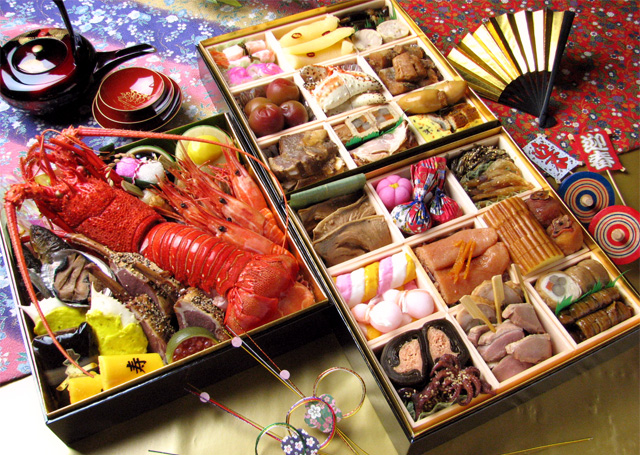
From the other side of the world, Japan’s traditional dietary culture, known as “washoku,” earned UNESCO recognition. This honor celebrates the traditional Japanese approach to food, with its emphasis on fresh, seasonal ingredients, careful presentation, balance, and the deep connection between food and the rhythms of nature and community.
Washoku is associated especially with celebrations like the New Year, when families prepare and share traditional dishes. The recognition honors the spirit of respect for nature, the seasonal awareness, and the social bonds that washoku embodies, rather than any single dish. It reflects a holistic philosophy of eating in harmony with the seasons and with one another. Like the other traditions on this list, washoku is celebrated as a living practice that strengthens family and community ties across generations.
Mexican Cuisine
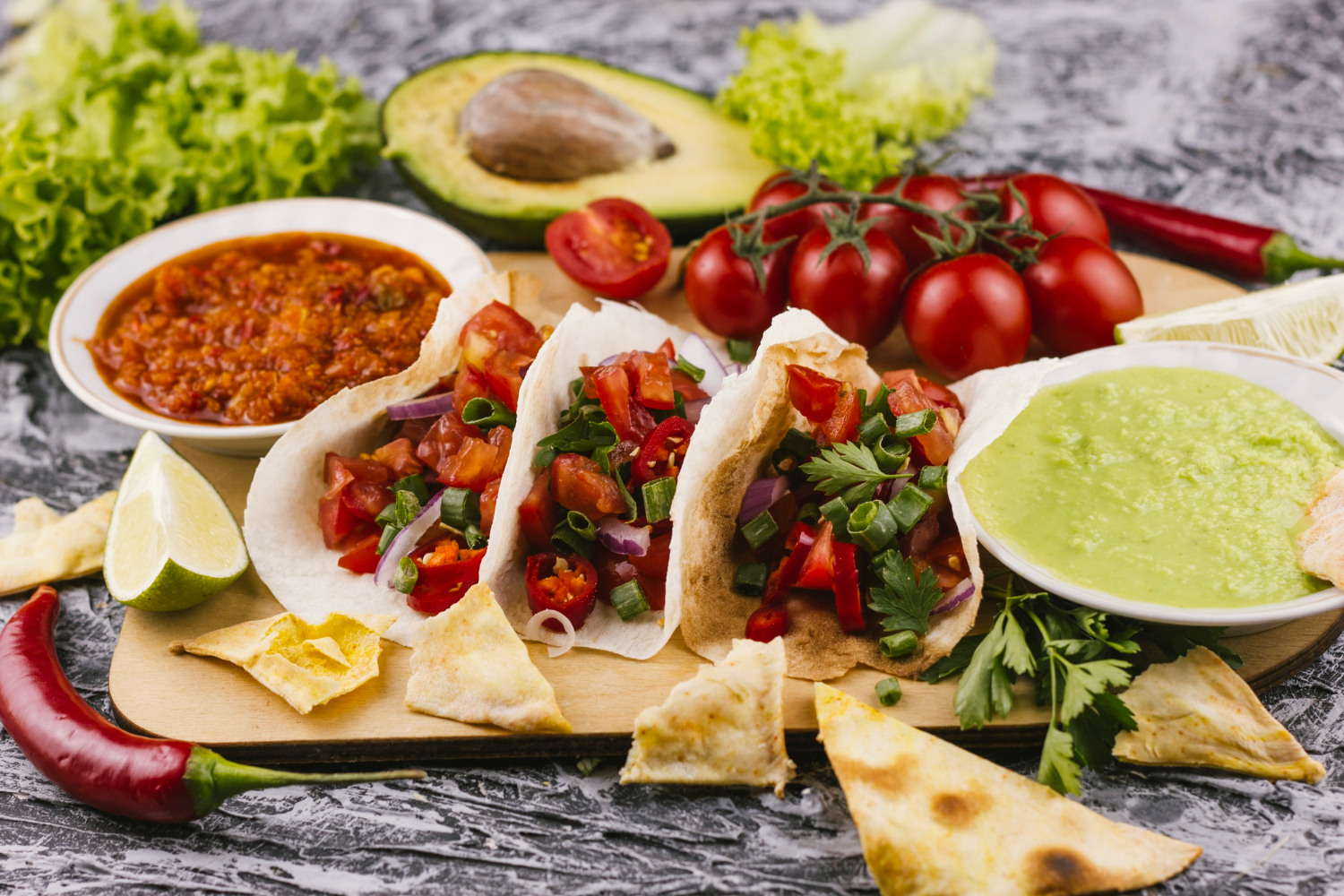
Mexico’s traditional cuisine was among the early culinary traditions to receive UNESCO recognition, celebrated for its deep roots, communal practices, and the way it connects ancient traditions to everyday life. The honor highlighted traditional Mexican food culture, including its native ingredients like corn, beans, and chili peppers, and the communal farming, cooking, and eating practices surrounding it.
The recognition emphasized the entire chain of traditional Mexican foodways, from farming and harvesting to preparing and sharing meals, as a living cultural system passed down through generations. It celebrated the communal nature of the cuisine and its deep connection to identity and community. Mexican cuisine’s place on the list affirmed that food traditions rooted in ancient practices and central to a people’s identity belong among humanity’s cultural treasures.
The Mediterranean Diet and Other Traditions

UNESCO’s roster of food heritage extends much further. The Mediterranean diet, shared across several countries, was recognized not just as a way of eating but as a whole lifestyle and set of social practices built around fresh, local produce, shared meals, and community. It celebrates a cultural pattern as much as a menu.
The list also includes a rich variety of other traditions: the communal making of kimchi in Korea, Belgian beer culture, the social rituals of Turkish and Arabic coffee, the ancient practice of truffle hunting in Italy, the hawker food culture of Singapore, and many more. Each celebrates not merely a food or drink but the human practices, skills, and social bonds that surround it. Together they reflect the astonishing diversity of the world’s foodways and the universal truth that food is about far more than nourishment.
Why Food Belongs Among Humanity’s Treasures

The recognition of these culinary traditions reflects a profound idea: that the way we grow, prepare, and share food is one of the deepest expressions of human culture. UNESCO’s intangible heritage list is not about preserving recipes in amber but about honoring living traditions, the skills passed from grandparent to grandchild, the rituals that gather families around a table, the communal knowledge that defines a people.
Italian cuisine’s landmark recognition as the first whole national cuisine marks a new chapter in this story, affirming that an entire culture’s relationship with food can be a treasure worthy of global protection. In an age of fast food, industrial production, and homogenization, these honors serve as a reminder to cherish and safeguard the traditional foodways that give communities their identity and bring people together. They celebrate the simple, universal, and deeply human act of sharing a meal, and recognize that in doing so, we pass down something essential from one generation to the next.
Like our content? Follow us for more.