
Americans are known for putting in long hours, and a 2026 study by the personal-finance site WalletHub set out to find exactly where the hardest workers live. Comparing 116 of the largest U.S. cities across 11 metrics, the study weighed direct work factors like average workweek hours and employment rates alongside indirect ones like commute times, multiple jobs, and leisure time. The findings put some smaller cities ahead of the big coastal hubs. Notably, the typical American works about 1,796 hours per year, far more than workers in many other industrialized nations. Here are the ten hardest-working cities in America for 2026, counted down to number one.
10. Austin, Texas
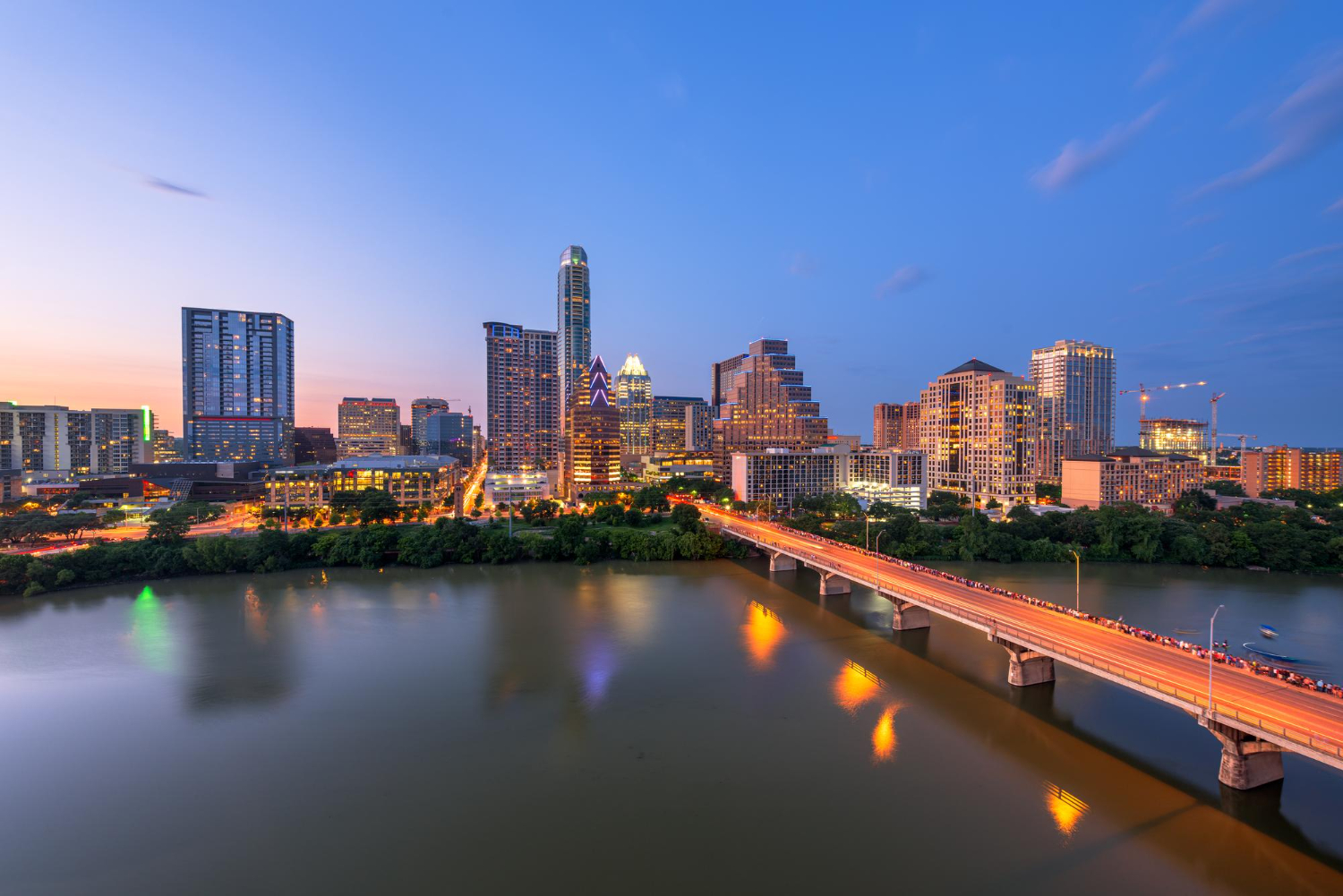
Rounding out the top ten is Austin, the fast-growing Texas capital and tech hub. Its booming economy and ambitious workforce help place it among the hardest-working cities, reflecting the energy that has drawn so many newcomers to the city.
Austin’s strong job market and entrepreneurial culture contribute to its placement among the hardest-working cities. The city’s rapid growth and tech-driven economy keep its workforce busy and productive. Long hours and high employment are part of the picture. Austin’s tenth-place finish reflects how a thriving, fast-expanding economy can translate into a hardworking population, capping a top ten that spans the country from the mountains to the coasts.
Like our content? Follow us for more.
9. Denver, Colorado
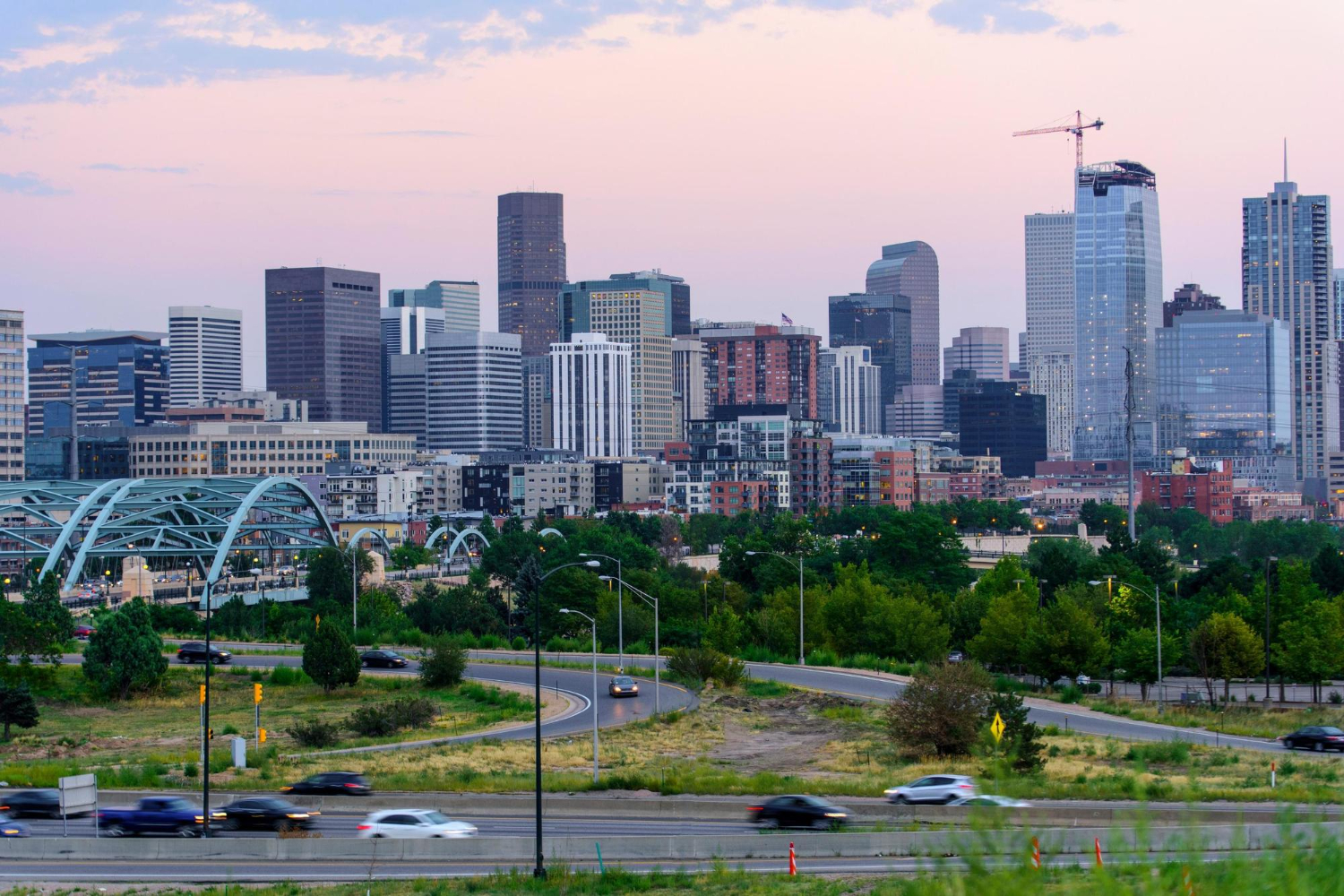
In ninth place is Denver, the Mile High City, where a robust economy and active workforce contribute to long working hours. Denver’s blend of industries and its growing population help place it among the nation’s hardest-working cities.
Denver’s strong employment and busy workforce earn it a spot near the top of the list. The city’s diverse economy keeps residents working hard across many sectors. High employment and long hours contribute to its ranking. Denver’s ninth-place finish illustrates how a prosperous, growing city with a broad economic base can foster a hardworking population, placing it firmly among the hardest-working cities in the country.
8. San Francisco, California
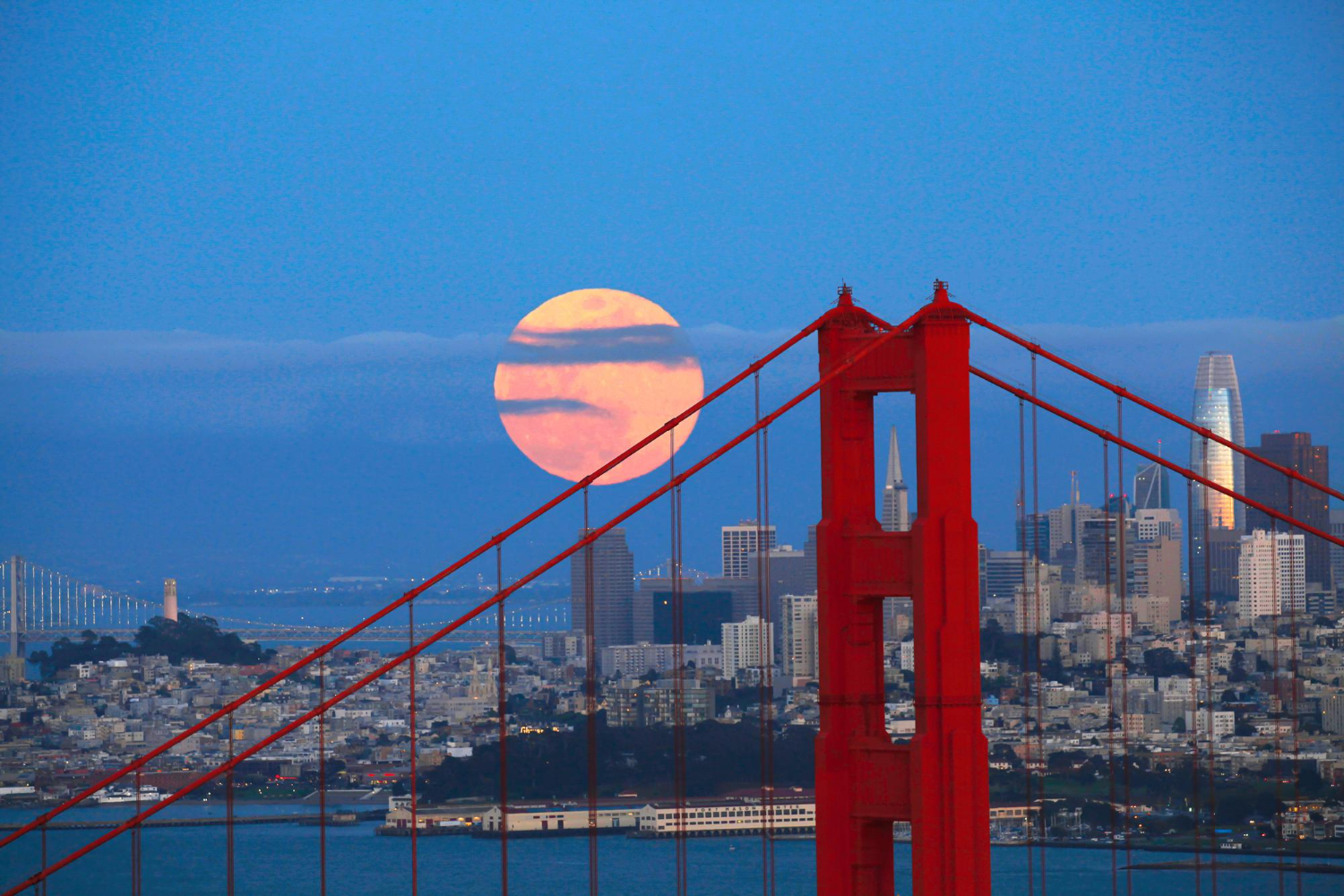
Eighth on the list is San Francisco, the Bay Area hub at the center of the tech industry. Its demanding, high-powered work culture and long hours help place it among the hardest-working cities in the nation.
San Francisco’s intense, ambitious work environment, fueled by the tech sector, contributes to its high ranking. Long hours and a driven workforce are hallmarks of the city. The high cost of living also pushes many to work hard. San Francisco’s eighth-place finish reflects the demanding work culture of the Bay Area, where the pressures and opportunities of the tech economy keep its residents among the hardest-working in America.
7. Dallas, Texas
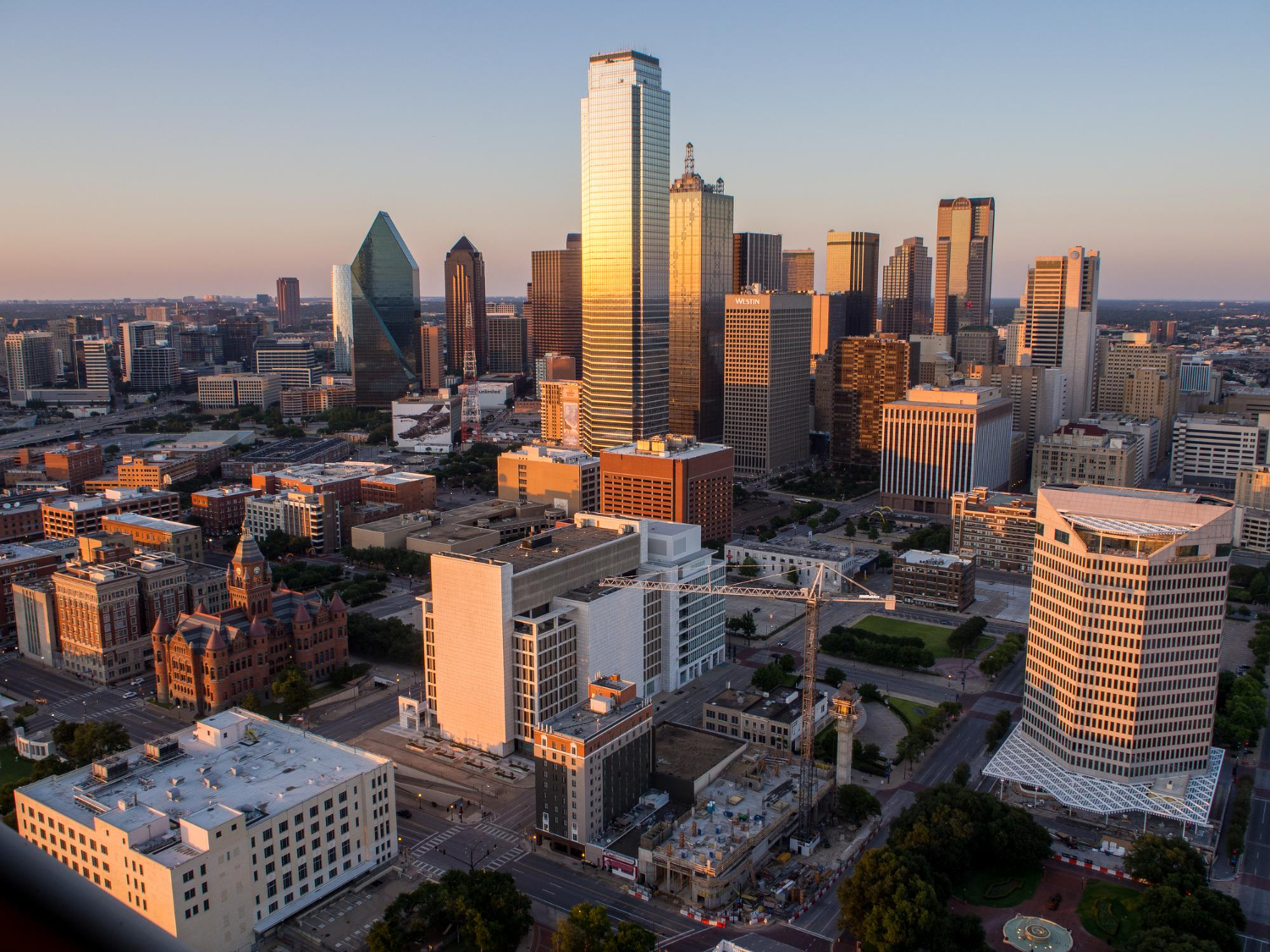
In seventh place is Dallas, a major Texas business center, where residents work an average of about 40.4 hours per week and the employment rate tops 95 percent. Its strong economy and busy workforce place it high on the list.
Dallas combines a long average workweek with very high employment, and a notable share of workers leave vacation time unused. The city’s thriving business economy keeps its workforce hard at work. These factors lift it into the top ten. Dallas’s seventh-place finish highlights how a major economic hub with long hours, high employment, and unused vacation can rank among the hardest-working cities in the nation.
6. Nashville, Tennessee
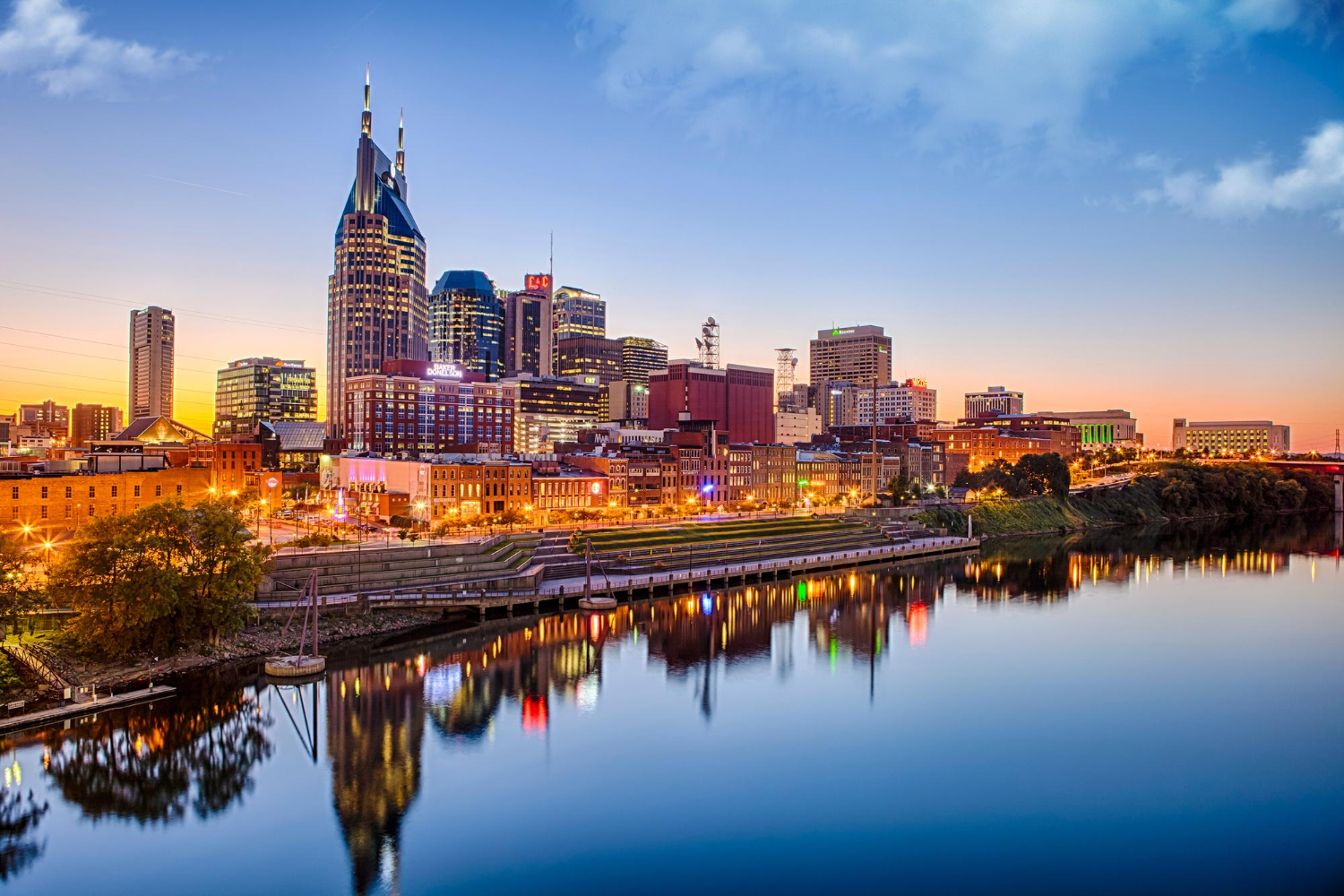
Sixth on the list is Nashville, the booming Tennessee capital known for its music, healthcare, and growing economy. Its energetic, expanding workforce contributes to its standing among the hardest-working cities in America.
Nashville’s rapid growth and strong job market keep its workforce busy and productive. The city’s mix of industries, from music to healthcare, fuels long hours and high employment. Its booming economy contributes to the ranking. Nashville’s sixth-place finish reflects how a fast-growing city with a dynamic, diverse economy can foster a hardworking population, placing it among the hardest-working cities in the country for 2026.
5. Irving, Texas
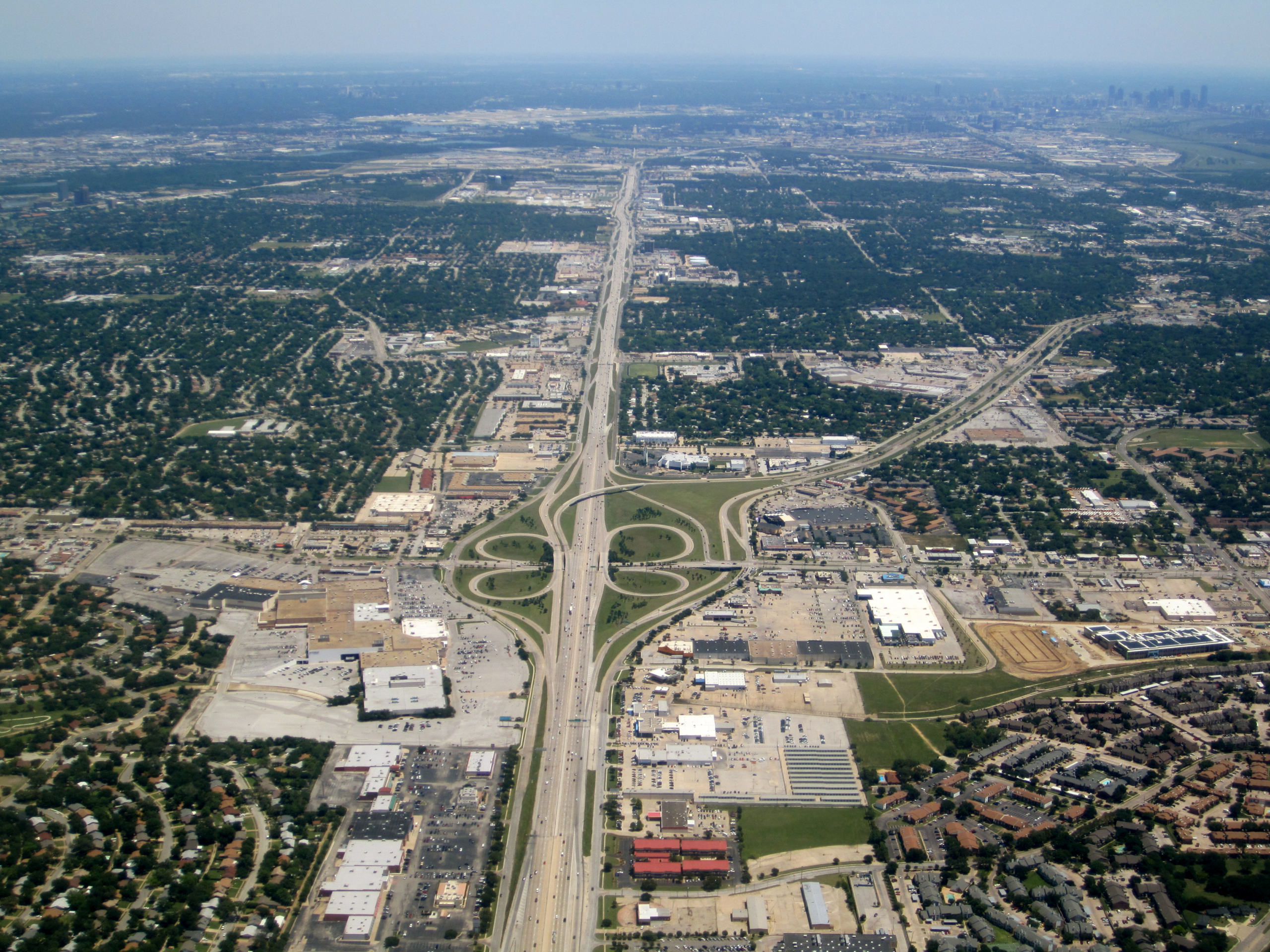
In fifth place is Irving, a Texas city and major corporate center in the Dallas-Fort Worth area. Home to numerous company headquarters, its business-driven economy and busy workforce place it among the hardest-working cities in the nation.
Irving’s concentration of corporate headquarters and strong employment contribute to its high ranking. The city’s business-focused economy keeps residents working hard. Long hours and high workforce participation lift it into the top five. Irving’s fifth-place finish underscores how a corporate hub with a robust, business-driven economy can rank among the hardest-working cities, reflecting the strong work culture of the Dallas-Fort Worth region.
4. Sioux Falls, South Dakota
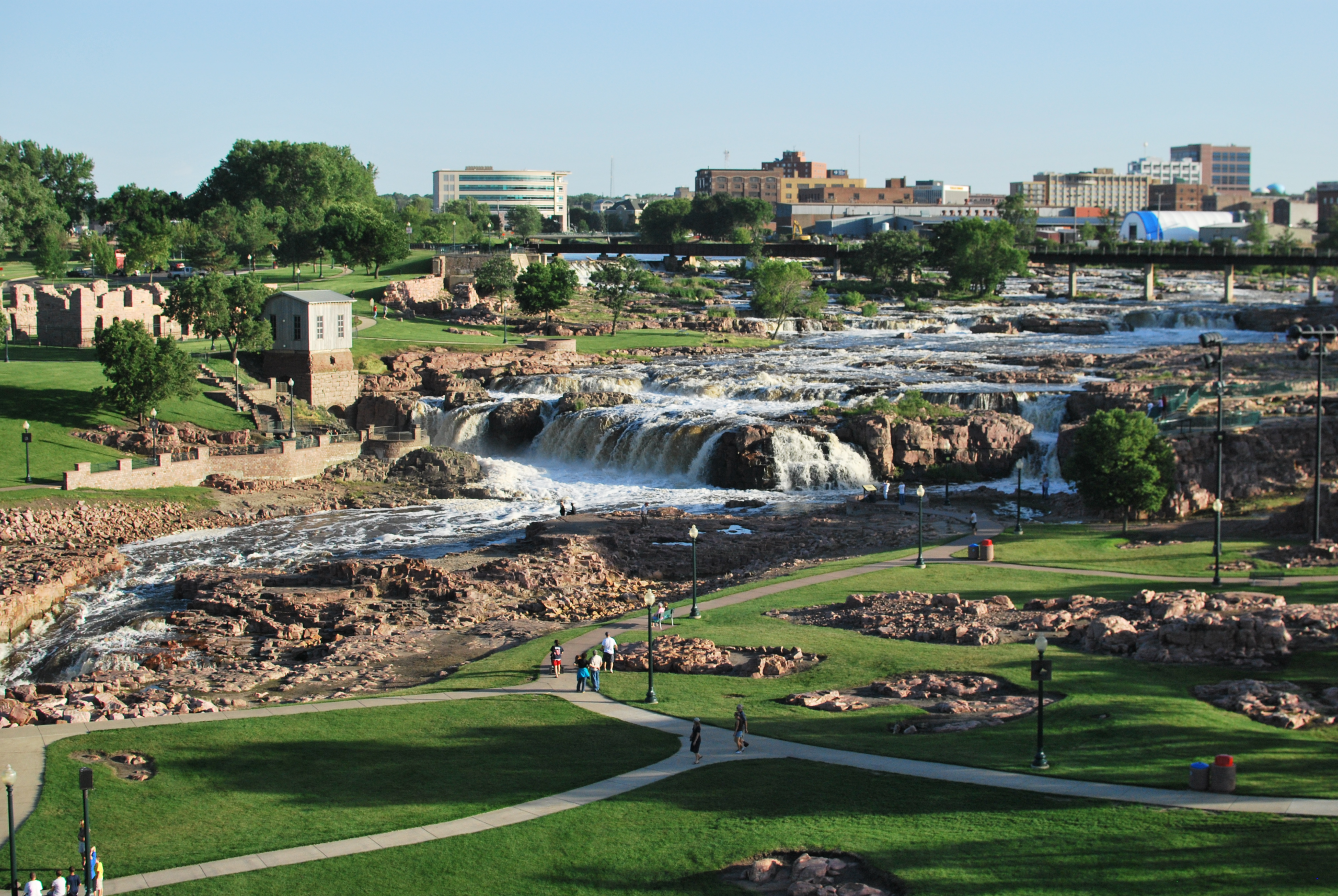
Fourth on the list is Sioux Falls, the largest city in South Dakota, which makes a strong showing thanks to its hardworking, highly employed population. The city demonstrates that the hardest workers are not confined to the big coastal metros.
Sioux Falls has high employment and a diligent workforce, lifting it into the top five. The city’s strong economy and work ethic stand out among larger metros. Its residents put in the hours that define a hardworking city. Sioux Falls’s fourth-place finish illustrates how a smaller Midwestern city with high employment and a strong work ethic can outwork much larger metropolitan areas, ranking among the hardest-working cities in the country.
3. Washington, D.C.
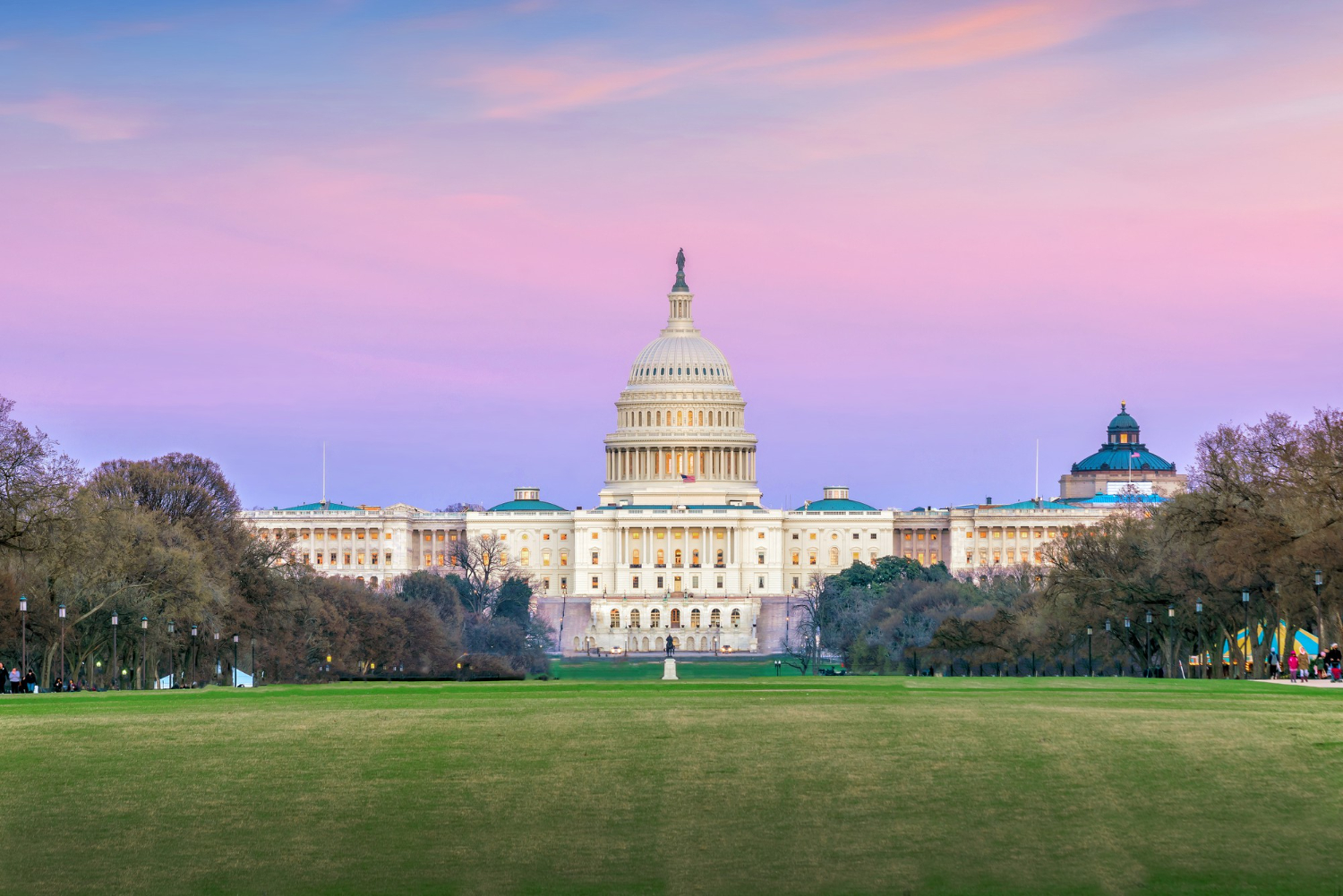
In third place is Washington, D.C., the nation’s capital, where residents work the fourth-most hours per week on average and a striking 64 percent leave vacation time unused, the highest share in the study. Long commutes add still more to the workday.
Washington, D.C., stands out for having the highest share of workers who leave vacation time on the table, at 64 percent, along with long average hours and lengthy commutes. The capital’s demanding work culture keeps residents busy. These factors place it in the top three. Washington’s third-place finish reflects a work culture defined by long hours and unused vacation, illustrating how the nation’s capital ranks among the very hardest-working cities in America.
2. Anchorage, Alaska
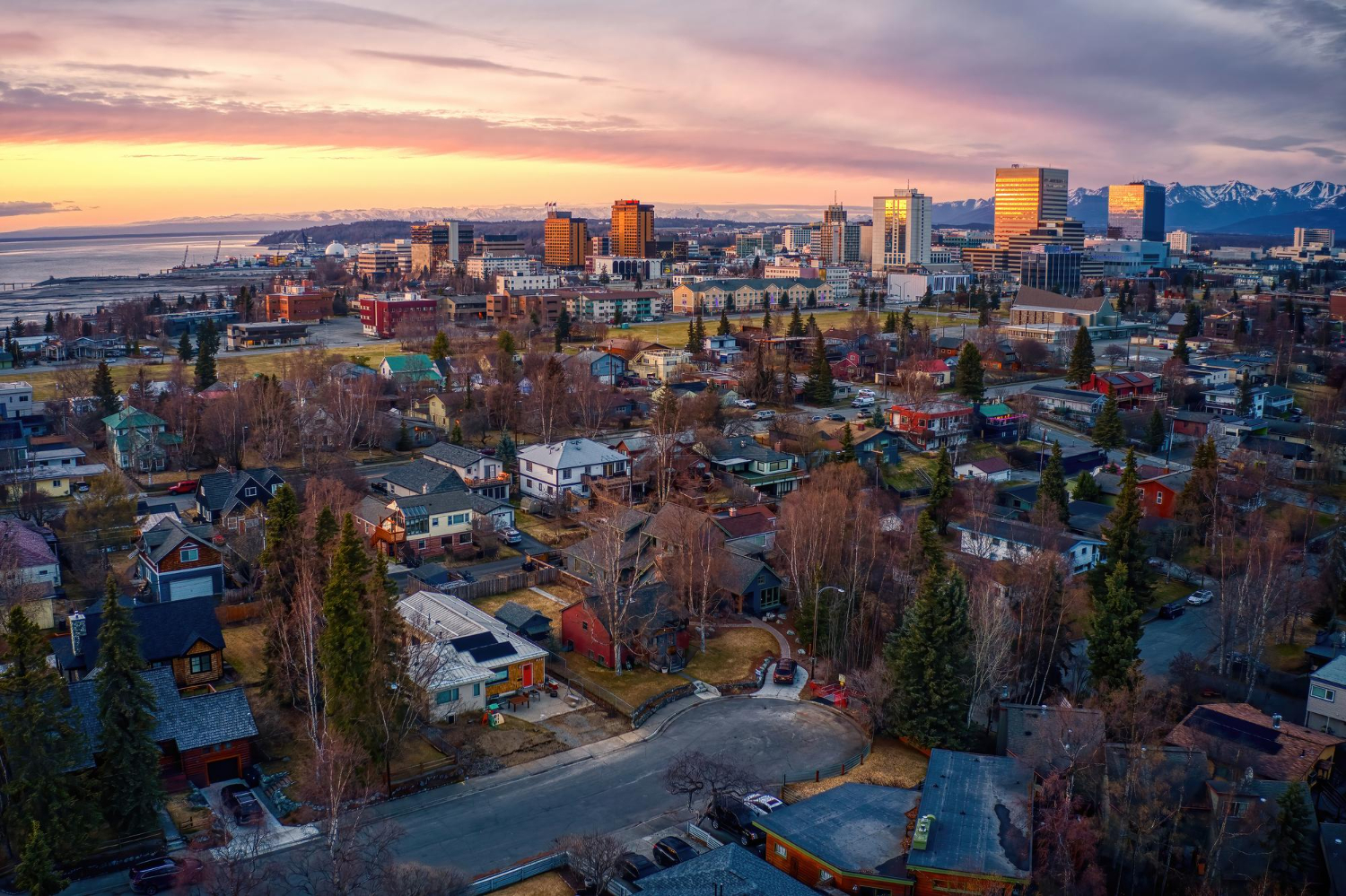
Just missing the top spot is Anchorage, Alaska, where the average person works more than 40 hours per week, one of only a few states where that is the case, and the employment rate tops 96 percent. A high share of residents also work multiple jobs.
Anchorage’s residents are among the hardest workers in the country, with a workweek exceeding 40 hours, very high employment, and many people juggling multiple jobs. The city also has among the lowest average leisure time. These factors place it second. Anchorage’s second-place finish highlights a workforce that puts in long hours with little downtime, ranking it just behind the top city as one of the hardest-working places in America.
1. Cheyenne, Wyoming
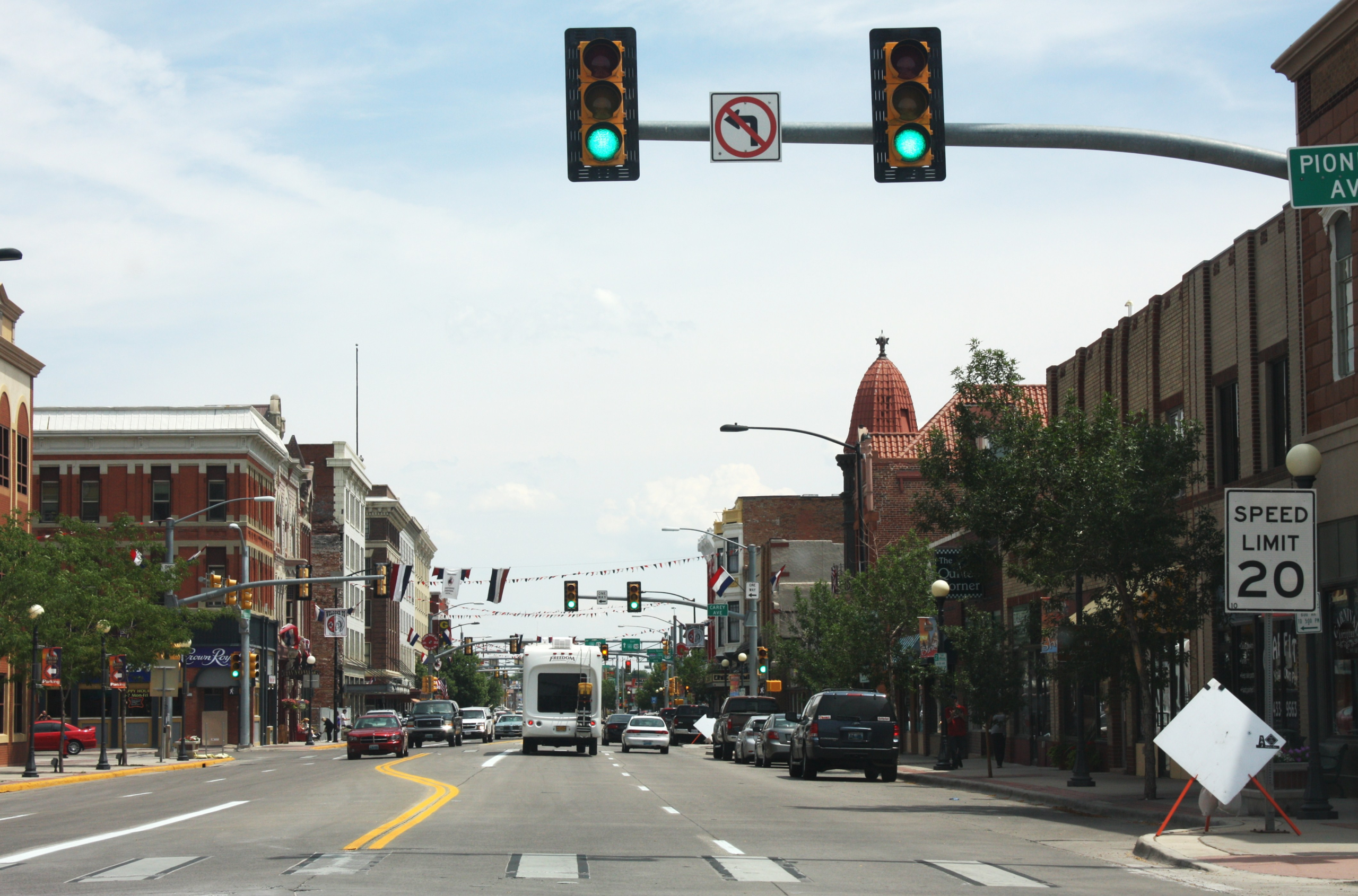
Topping the 2026 list is Cheyenne, the capital of Wyoming, which ranks highest for average workweek length, with employees averaging about 40.7 hours per week. The city also has one of the highest shares of workers holding multiple jobs and among the least daily leisure time.
Cheyenne leads the nation thanks to the longest average workweek of any city studied, at about 40.7 hours, combined with a high share of residents working multiple jobs and limited leisure time. The city’s hardworking population sets it apart. These factors crown it the hardest-working city. Cheyenne’s first-place finish, driven by long hours and multiple jobs, makes the Wyoming capital the hardest-working city in America for 2026, a surprising leader ahead of far larger metros.
What the Rankings Reveal

Taken together, these ten cities reveal that the hardest-working places in America are spread across the country, from Wyoming and Alaska to Texas and the nation’s capital, and that smaller cities can out-hustle the big coastal hubs. Long workweeks, high employment, multiple jobs, and unused vacation emerge as the common threads. The study notes that the typical American works about 1,796 hours a year, far more than workers in countries like Japan, the U.K., and Germany.
While a strong work ethic has helped build the American economy, the study’s authors also offer a note of balance, observing that working long hours, skipping vacation, and juggling side jobs can take a toll on physical and mental health, and that the goal should be to work hard without overworking. A ranking like this is one snapshot of how Americans work, and it offers a thought-provoking look at where the longest hours are logged, and a useful reminder of the value of rest and balance alongside hard work.
Like our content? Follow us for more.