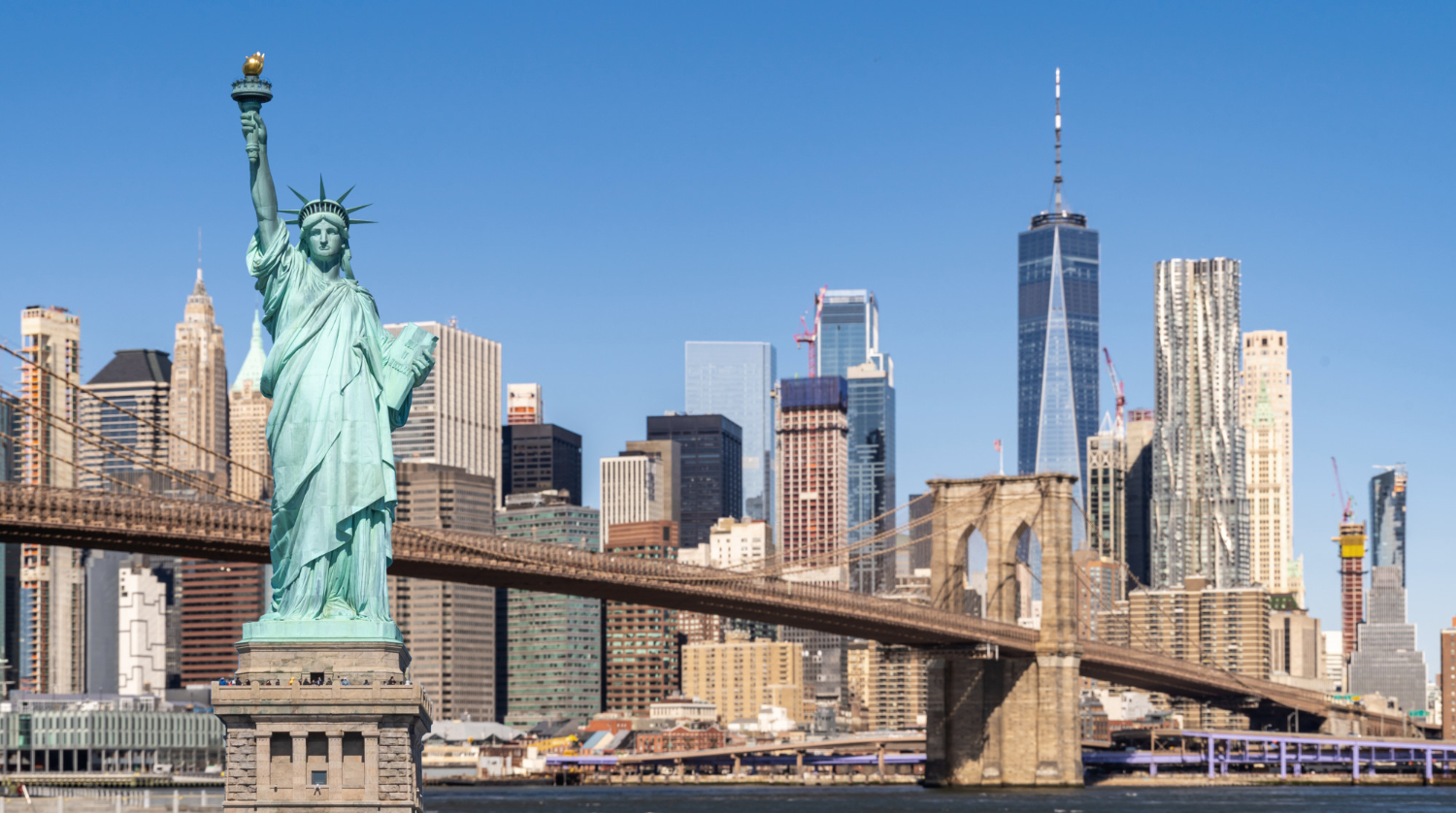
Stress is part of modern life, but where you live can play a real role in how much of it you feel. A 2026 study by the personal-finance site WalletHub set out to measure this, comparing all 50 states across 40 indicators grouped into four categories: work-related stress, money-related stress, family-related stress, and health-and-safety-related stress. The results revealed that the most stressed states were not always the biggest or busiest, but often those facing economic and health challenges. Researchers note that factors like financial security, healthcare access, and safety strongly shape a place’s stress levels. Here are the ten most stressed-out states in America for 2026, counted down to number one.
10. Alabama
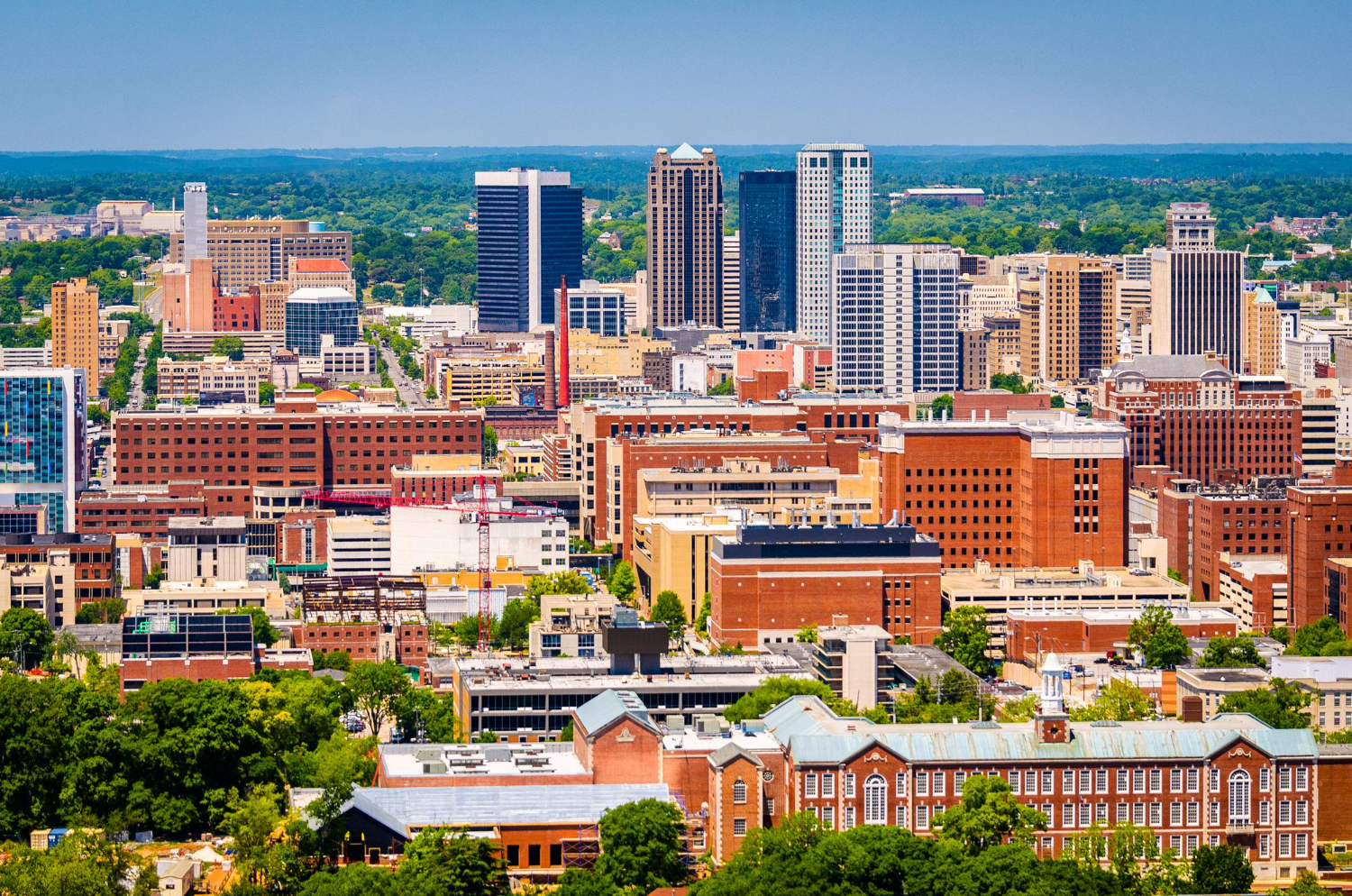
Rounding out the top ten is Alabama, where a combination of economic and health-related pressures contributes to elevated stress levels. Like several of its neighbors in the region, the state faces challenges that weigh on residents’ overall sense of well-being.
Alabama’s ranking reflects a mix of financial and health-and-safety stressors that place it among the more stressed states in the country. Economic pressures and healthcare access are among the contributing factors. The state’s challenges in these areas help account for its position. Alabama’s tenth-place finish highlights how interlocking economic and health factors can raise a state’s overall stress level, a pattern shared by several states in the region.
Like our content? Follow us for more.
9. Mississippi
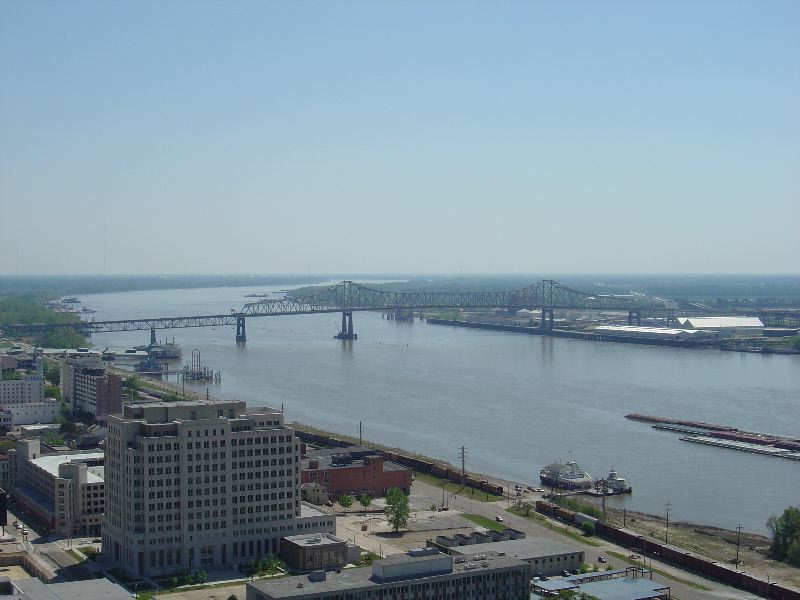
In ninth place is Mississippi, a state that frequently ranks high in measures of economic hardship. Financial strain and related pressures contribute significantly to the stress experienced by its residents, placing it among the most stressed states.
Mississippi’s high ranking is driven in large part by financial stressors, as the state contends with significant economic challenges. Money-related pressures weigh heavily on residents’ well-being. Health and safety factors add to the overall picture. Mississippi’s ninth-place finish underscores how economic hardship can translate directly into elevated stress, a key theme among the states near the top of this list.
8. Oregon
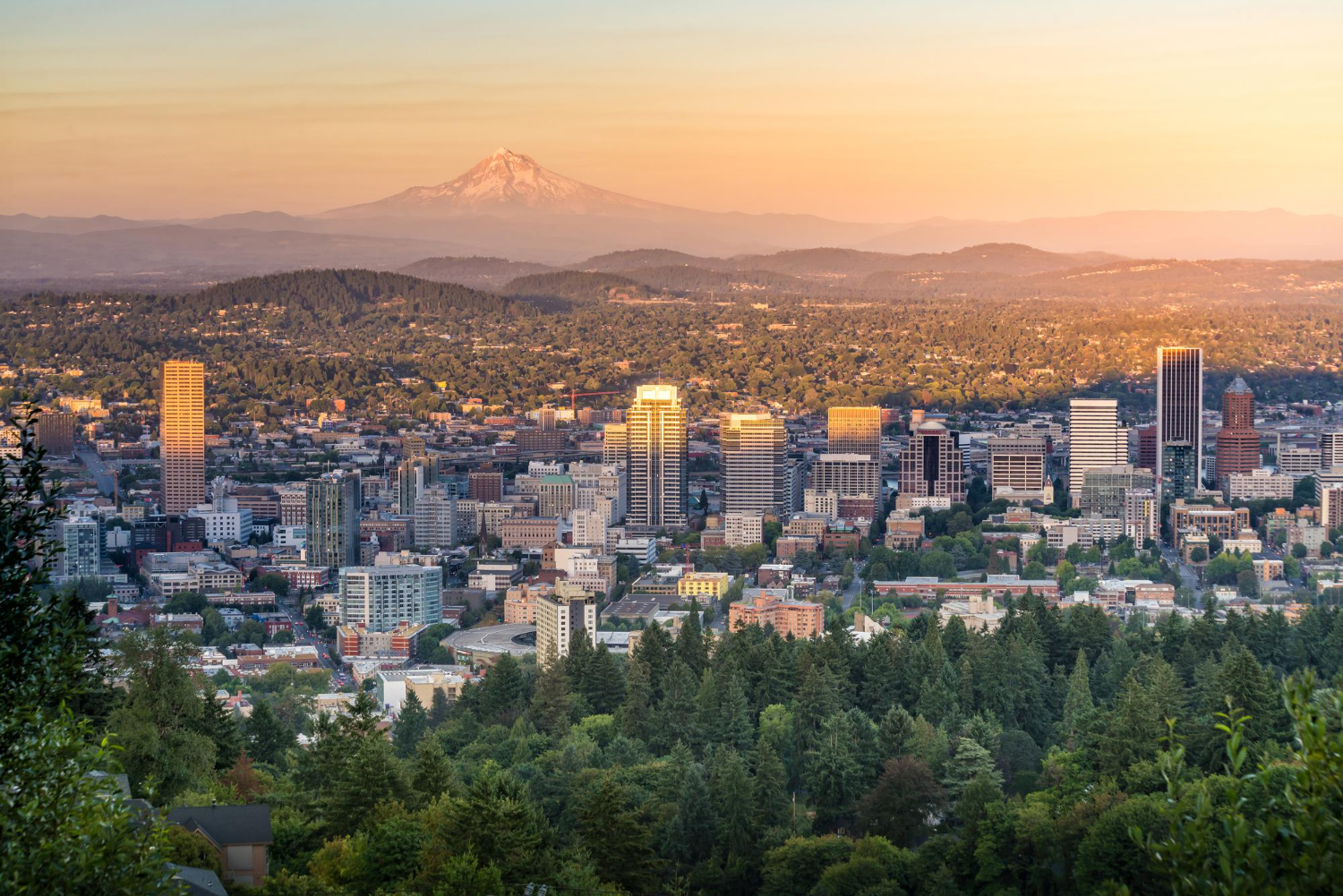
Eighth on the list is Oregon, the only state in the top ten from the Pacific Northwest. Its presence shows that stress is not confined to any one region, with a mix of factors contributing to the pressures its residents feel.
Oregon’s ranking reflects a combination of stressors that place it surprisingly high on the list, standing out among the largely Southern and Southwestern states near the top. Various economic and social factors contribute to its position. Its appearance illustrates that stress is a nationwide issue. Oregon’s eighth-place finish demonstrates that even states with strong reputations for quality of life can rank among the most stressed when the full range of factors is considered.
7. Oklahoma
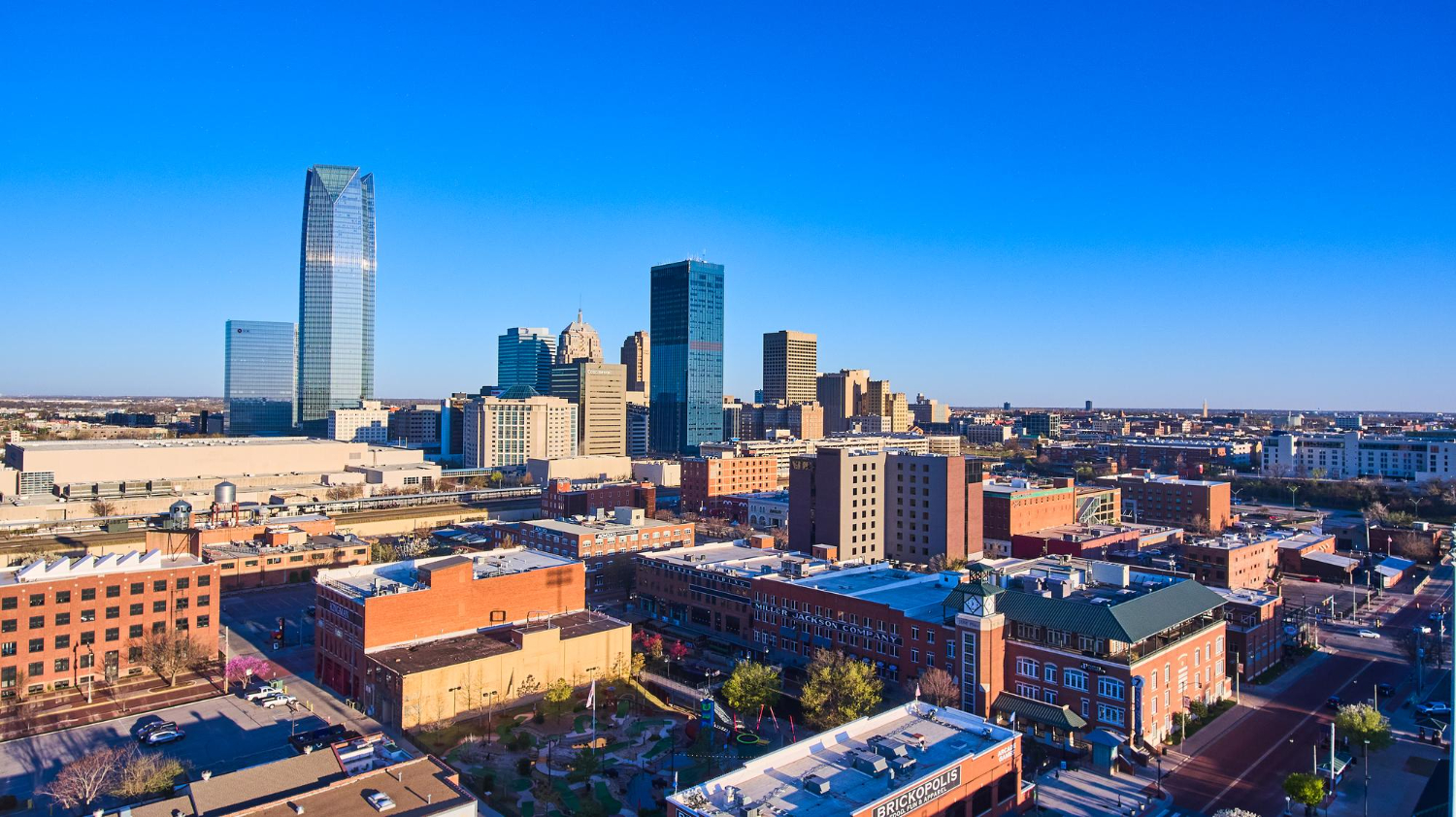
In seventh place is Oklahoma, where economic and health-related challenges combine to elevate stress levels. The state faces pressures similar to those of several of its regional neighbors, contributing to its high placement on the list.
Oklahoma’s ranking stems from a blend of financial, health, and safety stressors that weigh on residents. Economic pressures are a notable contributor. The combination of factors places it firmly in the top ten. Oklahoma’s seventh-place finish reflects the broader pattern seen across the most stressed states, where economic and health challenges intersect to raise the overall level of stress that residents experience day to day.
6. Nevada
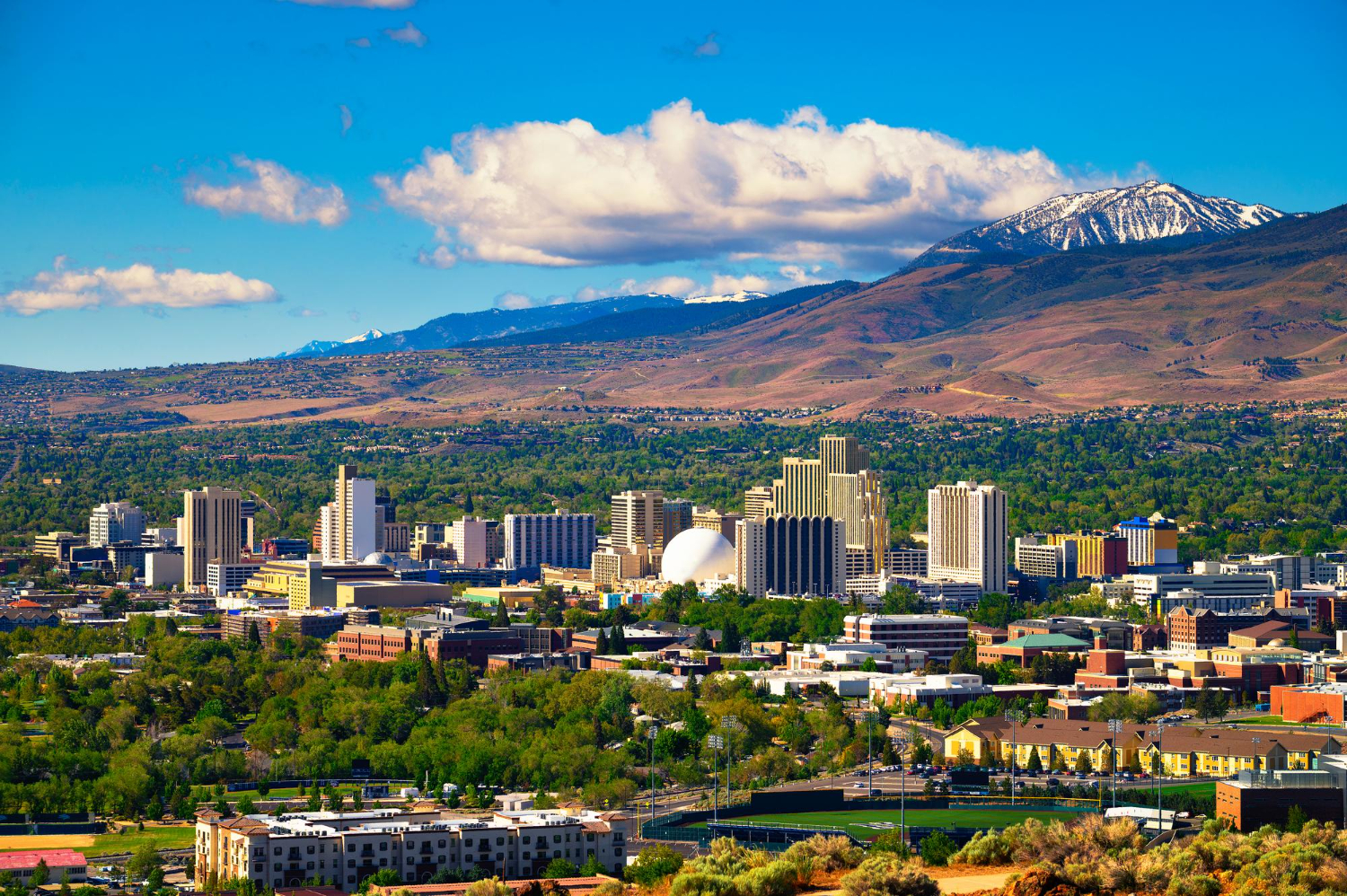
Sixth on the list is Nevada, where a mix of economic, work, and family-related pressures contributes to high stress. The state’s particular economic profile and related challenges help place it among the more stressed states in the nation.
Nevada’s ranking is shaped by a combination of stressors spanning work, money, and family factors. Economic and employment pressures are among the contributors. The state’s challenges in these areas lift it into the top ten. Nevada’s sixth-place finish illustrates how a range of interconnected pressures, particularly economic and work-related ones, can combine to make a state one of the most stressed in the country.
5. Arkansas
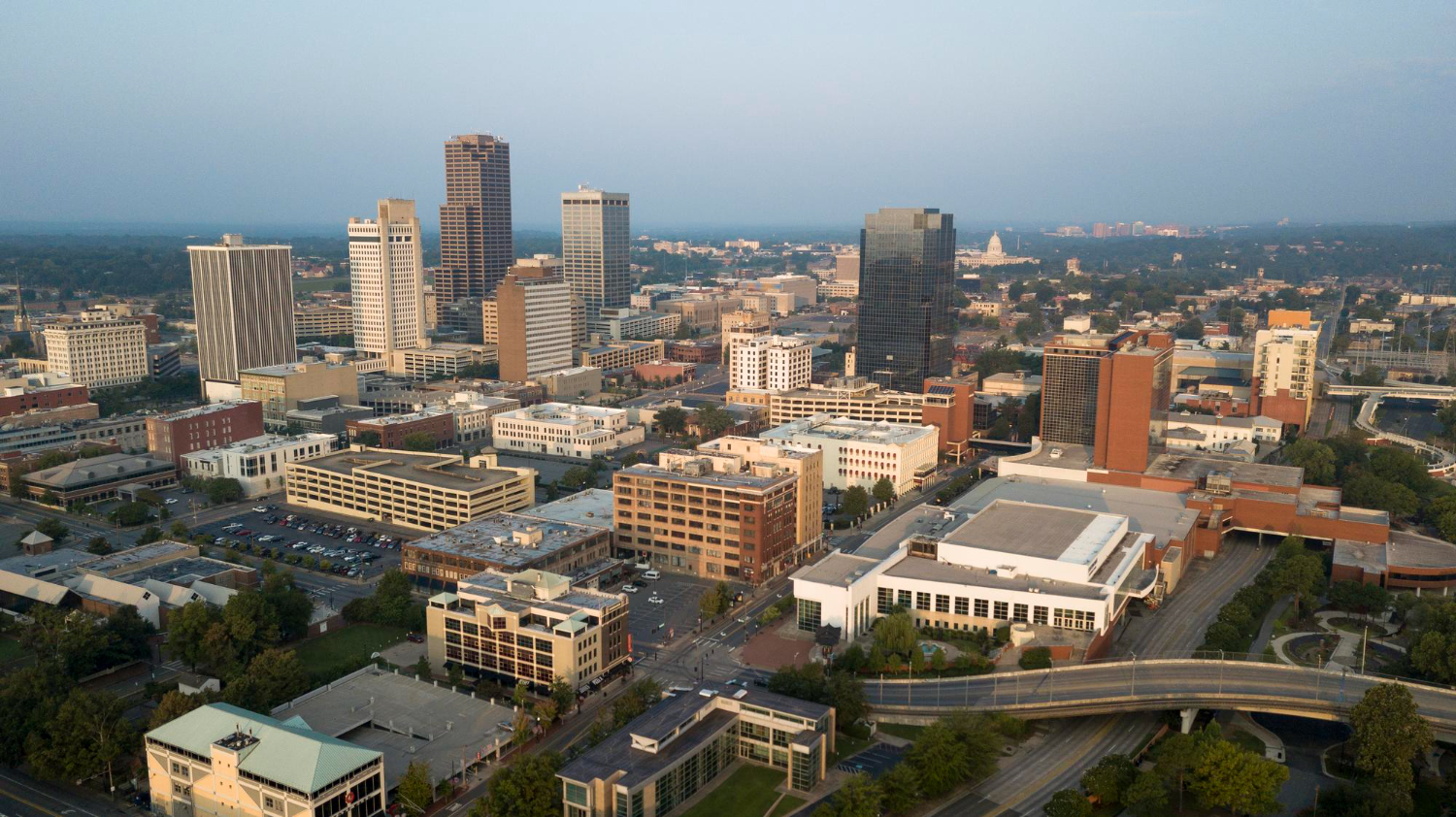
In fifth place is Arkansas, where significant economic and health challenges contribute to elevated stress. The state faces pressures common to the region, with financial and health-and-safety factors weighing on residents’ overall well-being.
Arkansas’s high ranking reflects a combination of financial strain and health-related stressors. Economic challenges are a key driver. Health and safety factors further contribute to its position near the top. Arkansas’s fifth-place finish highlights the now-familiar pattern among the most stressed states, where economic hardship and health challenges reinforce one another to raise the overall level of stress residents face.
4. West Virginia
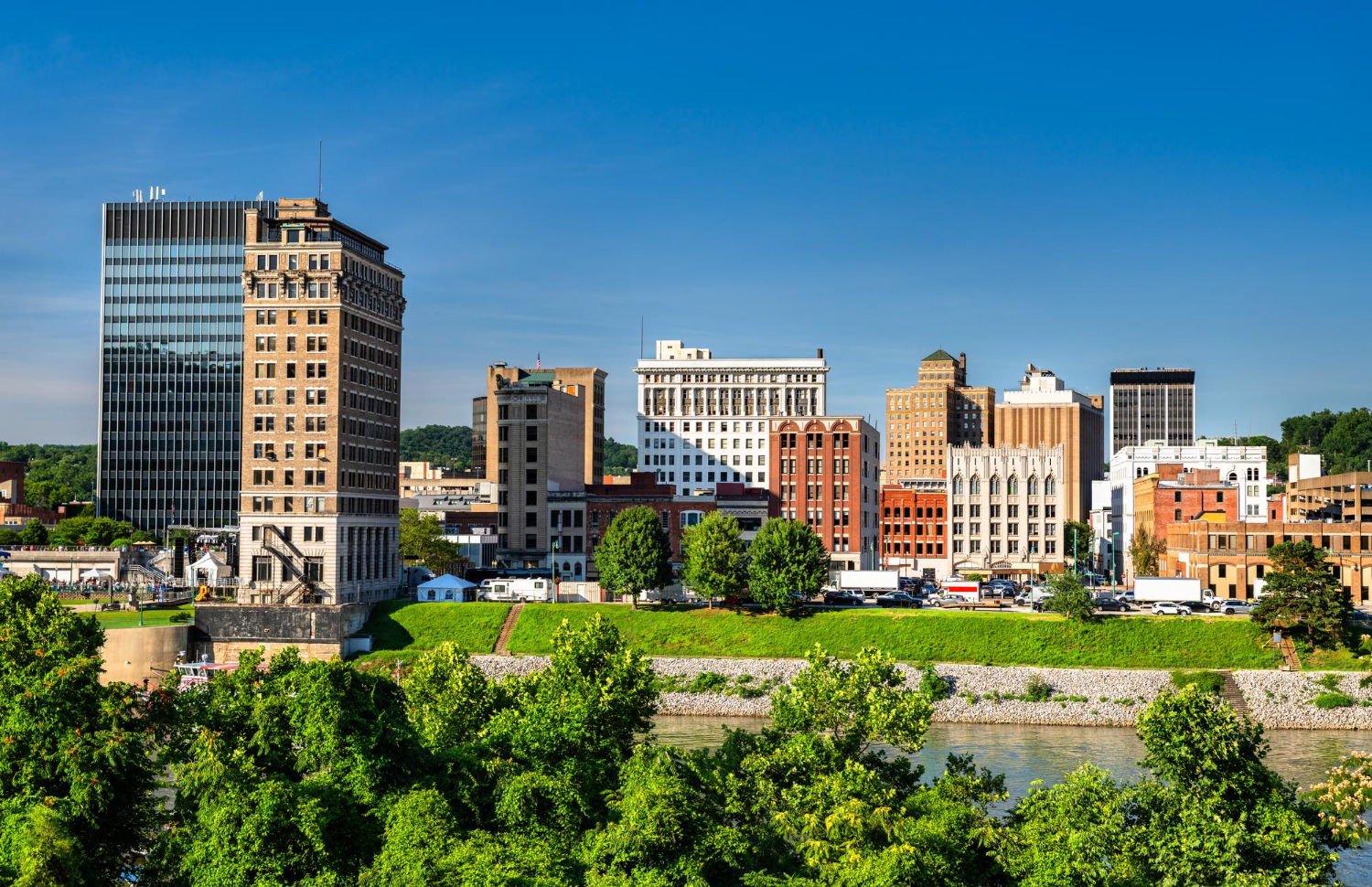
Fourth on the list is West Virginia, a state that consistently faces economic and health-related challenges. These pressures contribute heavily to the stress experienced by residents, placing the state high among the most stressed in the nation.
West Virginia’s ranking is driven by a combination of economic and health stressors that weigh significantly on residents. Financial and health challenges are central to its position. The state’s difficulties in these areas place it in the top five. West Virginia’s fourth-place finish reflects the deep connection between economic and health challenges and overall stress, a relationship that defines the states at the very top of this list.
3. New Mexico
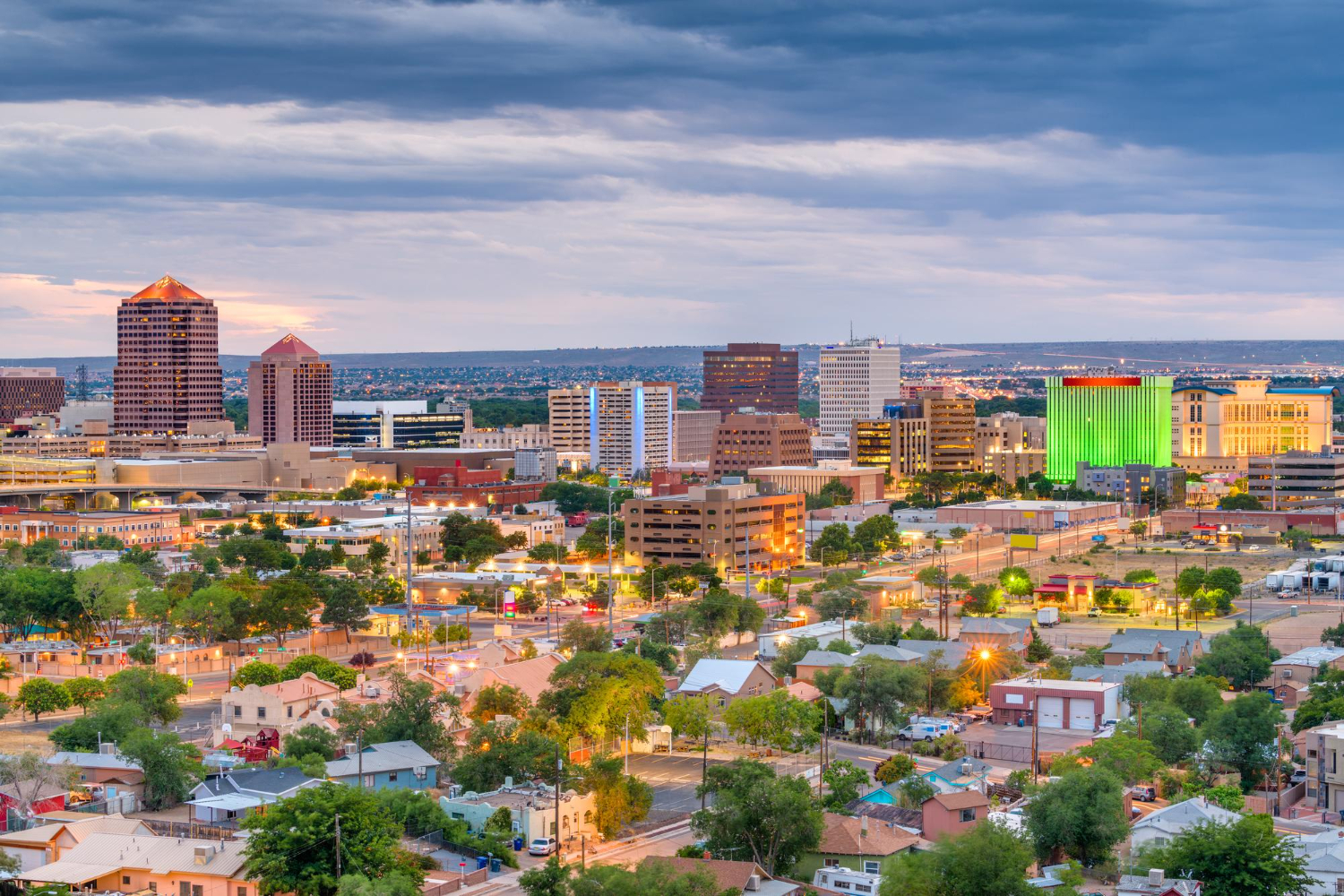
In third place is New Mexico, where a combination of economic, public-safety, and health-related factors contributes to high stress levels. These pressures place the state among the three most stressed in the country for 2026.
New Mexico’s high ranking reflects a mix of financial strain, public-safety concerns, and health challenges. These interconnected stressors weigh heavily on residents’ well-being. The state’s difficulties across multiple categories lift it into the top three. New Mexico’s third-place finish underscores how stress can build from several directions at once, with economic, safety, and health pressures combining to make it one of the most stressed states in the nation.
2. Kentucky
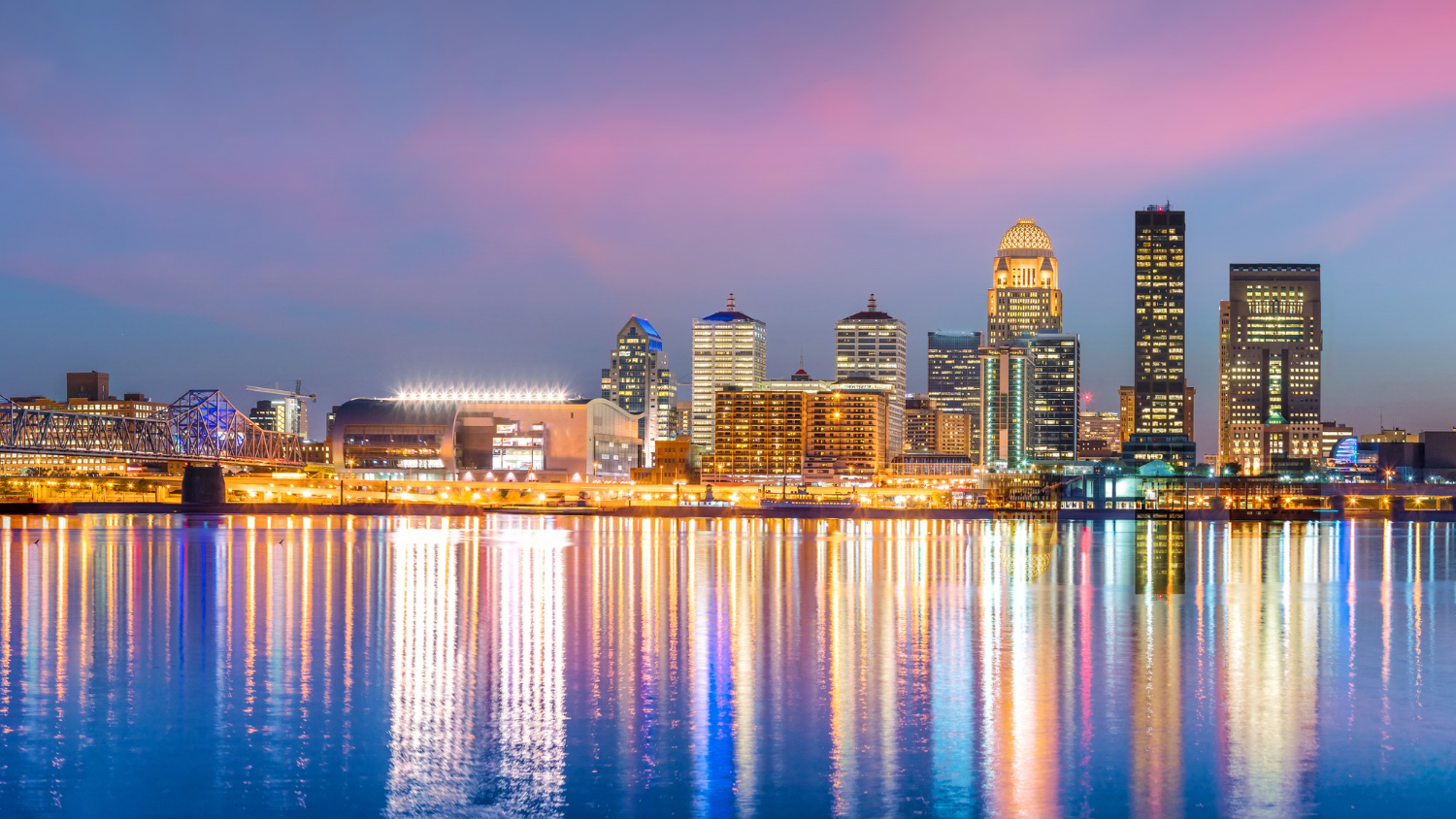
Just missing the top spot is Kentucky, where financial strain is a key factor, including challenges related to employment, debt, and credit. Family-related and health pressures further add to the stress that places the state second on the list.
Kentucky’s second-place ranking is driven largely by financial stressors, alongside family-related and ongoing health challenges. Money-related pressures weigh heavily on residents. The combination of these factors places it near the very top. Kentucky’s second-place finish reflects how financial strain in particular can elevate a state’s overall stress, compounding with family and health pressures to make it one of the most stressed states in the country.
1. Louisiana
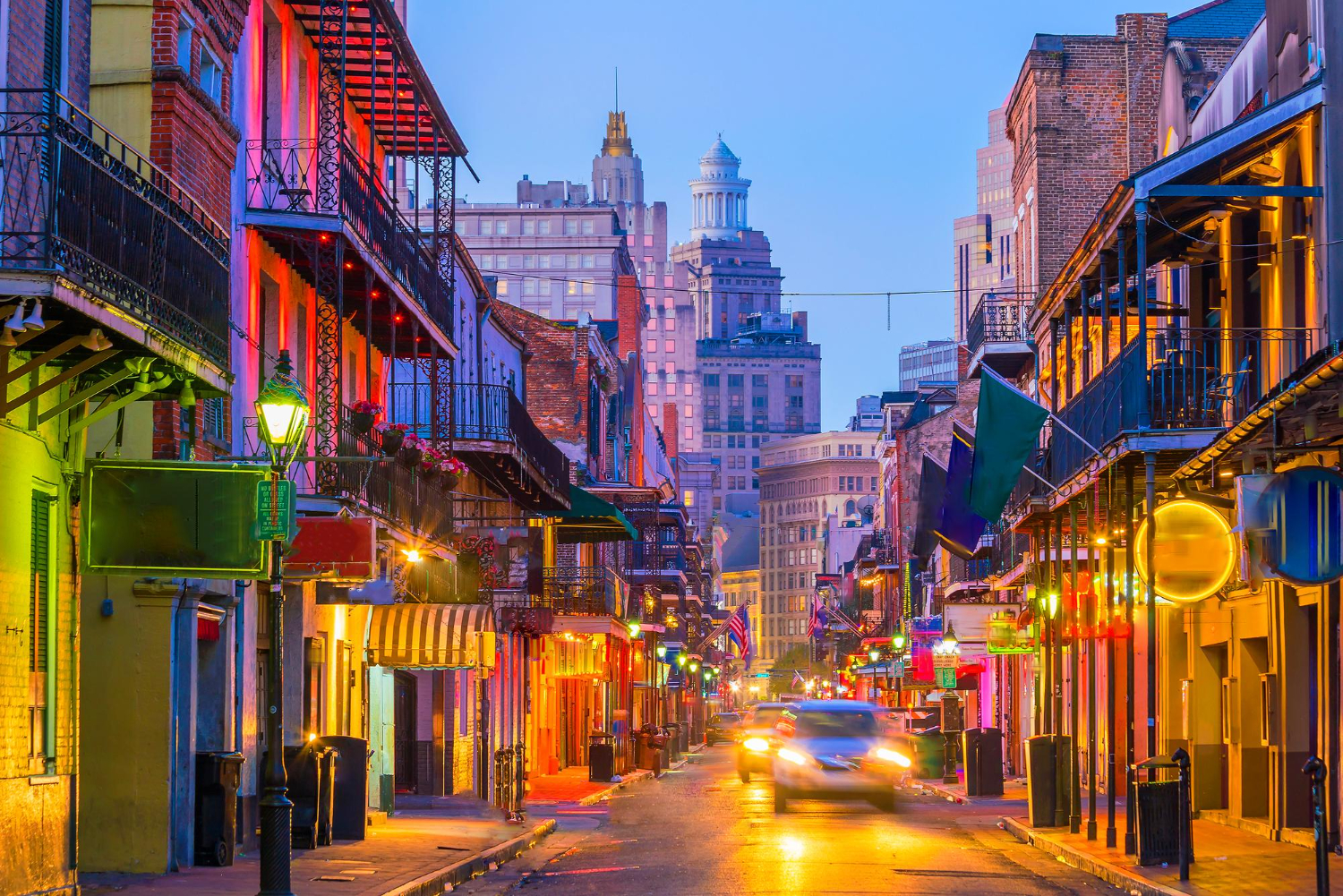
Topping the 2026 list is Louisiana, ranked the most stressed state in America. According to the study, this is driven in large part by economic hardship, including the nation’s highest poverty rate, along with challenges in healthcare access and employment that compound residents’ stress.
Louisiana leads the nation in stress largely because of deep economic challenges, with a high poverty rate, limited healthcare access for some residents, and employment pressures all contributing. These intertwined factors weigh heavily on overall well-being. The study points to financial and health hardships as central drivers. Louisiana’s first-place finish caps a list dominated by states facing significant economic and health challenges, underscoring how closely a place’s prosperity and well-being are tied to the stress its residents feel.
What the Rankings Reveal

Taken together, these ten states reveal a clear pattern: the most stressed states tend to face significant economic and health challenges rather than simply being the busiest or most crowded. Financial strain, limited healthcare access, and safety concerns emerge as powerful drivers of stress, often reinforcing one another. The biggest, most densely populated states did not top the list.
The study’s authors note that location is just one factor among many, and that there are everyday ways to manage stress, from staying active and pursuing hobbies to taking time off and seeking support from a professional when needed. A ranking like this is one snapshot, not a verdict on any individual’s life. Still, the 2026 list offers a thought-provoking look at how economic and health conditions shape well-being across the country, and a reminder of how closely a community’s prosperity and its peace of mind are connected.
Like our content? Follow us for more.