
For American travelers, 2026 brings a wave of new rules and requirements, particularly for trips to Europe. After years of delays, the European Union is rolling out new border systems, the United Kingdom now requires advance authorization, and domestic U.S. air travel has its own updated ID rules. None of these changes need derail a trip, but being caught unaware at the airport can. Understanding what’s new, and what’s still coming, is essential for smooth travels this year. Here are nine key travel rule changes Americans should know before traveling in 2026, counted down one by one. As rules and dates can shift, always confirm the latest official guidance before you travel.
Like our content? Follow us for more.
1. ETIAS Is Coming to Europe (But Not Yet Live)
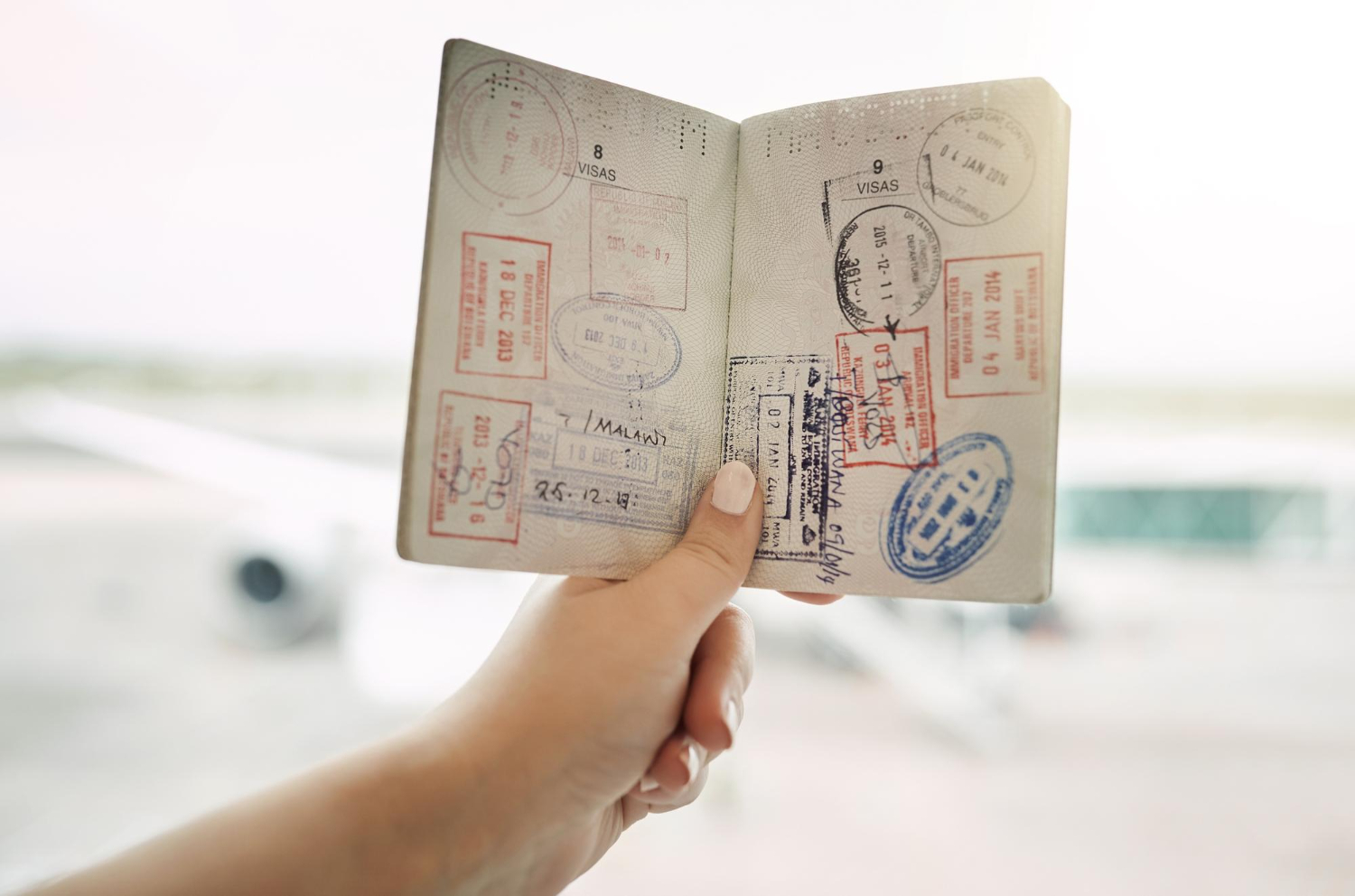
The biggest change on the horizon is ETIAS, the European Travel Information and Authorization System, a new requirement for Americans and other visa-exempt travelers visiting most of Europe. Importantly, as of mid-2026 it is not yet in effect, with launch expected later in the year.
ETIAS is a pre-travel authorization, not a visa, that will be required to enter around 30 European countries for short stays. The latest guidance points to a launch in the final quarter of 2026, roughly October to December, with the EU promising to announce a firm start date several months ahead. Until it goes live, Americans can still travel to Europe without it. ETIAS is the headline travel change to watch for 2026, so travelers should stay informed about its launch and apply once the official system opens.
2. ETIAS Will Cost About €20 and Last Three Years

When ETIAS does launch, the application will be done entirely online, with a fee of around €20, and the authorization is expected to remain valid for three years (or until your passport expires). Travelers under 18 and over 70 are set to be exempt from the fee, though they must still apply.
The ETIAS process is designed to be quick and simple, completed online with most applications approved within minutes, though some could take longer if additional checks are needed. The roughly €20 fee covers a three-year authorization tied to your passport, allowing multiple short trips. Younger and older travelers are slated to apply for free. Knowing the expected cost and validity of ETIAS helps travelers budget and plan, and underscores the value of applying well ahead of any trip once the system is operational.
3. Beware ETIAS Scam Websites

Because ETIAS has generated so much confusion, a critical thing to know is that applications are not open yet, and any website currently asking you to apply or pay for ETIAS is unofficial. When the system launches, travelers should use only the official EU website.
With ETIAS not yet live, no legitimate application exists at this time, so any site claiming to process ETIAS now should be treated with caution. When the real system opens, only the official EU portal should be used, as unofficial sites may charge extra fees or misuse personal data. Staying alert to scams is essential. This is one of the most important things for travelers to understand about ETIAS in 2026: do not be fooled by unofficial sites, and rely only on official government sources when the time comes.
4. The EU’s EES Biometric System Is Now Operational
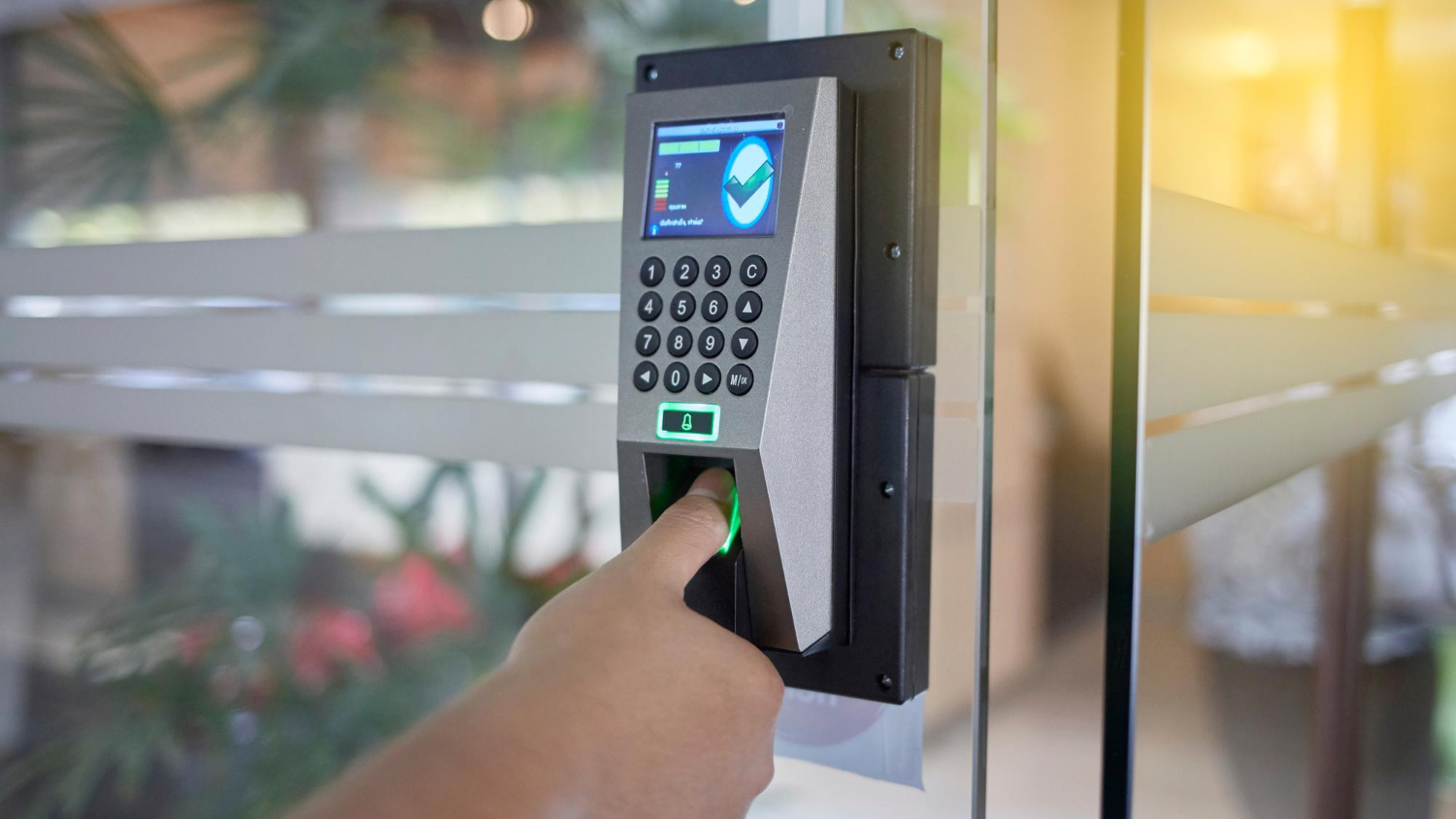
Separately from ETIAS, the EU has rolled out the Entry/Exit System, or EES, a new automated border system that registers non-EU travelers’ biometric data. It began operating in late 2025 and reached full implementation in April 2026.
The EES replaces manual passport stamping with a digital system that records travelers’ fingerprints, facial images, and entry and exit details when crossing into participating European countries for short stays. It launched on a phased basis in October 2025 and became fully operational in April 2026. Unlike ETIAS, EES is a border process, not something you apply for in advance. Travelers should be prepared for biometric registration at European borders, which may mean some extra time at entry points as the system operates.
5. ETIAS and EES Are Not the Same Thing

A common point of confusion worth clearing up is that ETIAS and EES are two separate systems. ETIAS is a pre-travel online authorization you obtain before your trip, while EES is a biometric database used at the border itself. They work together but serve different roles.
Understanding the distinction helps travelers avoid confusion: ETIAS is the authorization you’ll apply for online ahead of travel (once it launches), while EES is the automated system that records your biometrics and crossings at the border. EES is already in operation, whereas ETIAS is still to come. The two complement each other within the EU’s new border framework. Knowing that these are distinct systems, with different purposes and timelines, helps travelers prepare correctly for European trips in 2026.
6. The UK Now Requires an ETA
For travelers heading to the United Kingdom, a separate authorization is now required: the UK Electronic Travel Authorisation, or ETA. Americans have needed it since early 2026, and it is distinct from the EU’s ETIAS.
The UK ETA is a pre-travel authorization required for visitors, including Americans, who became subject to it in early 2026. It carries its own fee, is valid for two years, and must be obtained before traveling to the UK. Crucially, it is separate from ETIAS, so travelers visiting both the UK and mainland Europe will need to handle each requirement individually. Anyone planning a trip to Britain in 2026 should be sure to secure a UK ETA in advance, as it is now a standard entry requirement.
7. REAL ID Is Enforced for U.S. Domestic Flights

On the domestic front, the REAL ID requirement is now in force for air travel within the United States. Since its enforcement deadline in 2025, travelers need a REAL ID-compliant license or another acceptable ID to board domestic flights.
REAL ID enforcement means that a standard driver’s license may no longer be enough to fly domestically unless it is REAL ID-compliant, marked with a star or equivalent. Travelers without one can still use alternatives like a valid passport. The requirement has been phased in and is now enforced at airport security. To avoid problems at the airport, U.S. travelers should check whether their ID is REAL ID-compliant well before a domestic flight, and obtain a compliant ID or carry an acceptable alternative.
8. Remember the Schengen 90/180 Day Rule

A long-standing rule that still catches many travelers off guard is the Schengen 90/180 day rule, which limits visa-free stays in the Schengen Area to 90 days within any rolling 180-day period. Crucially, it applies to the whole zone, not per country.
The 90/180 rule means Americans can spend up to 90 days total in the Schengen Area within any 180-day window without a visa, counting all participating countries together rather than allowing 90 days in each. Exceeding the limit can lead to serious consequences. With the new EES tracking entries and exits precisely, staying within the limit matters more than ever. Travelers planning longer or multiple European trips in 2026 should carefully track their days to remain compliant with this important rule.
9. Check Your Passport’s Validity and Expiration
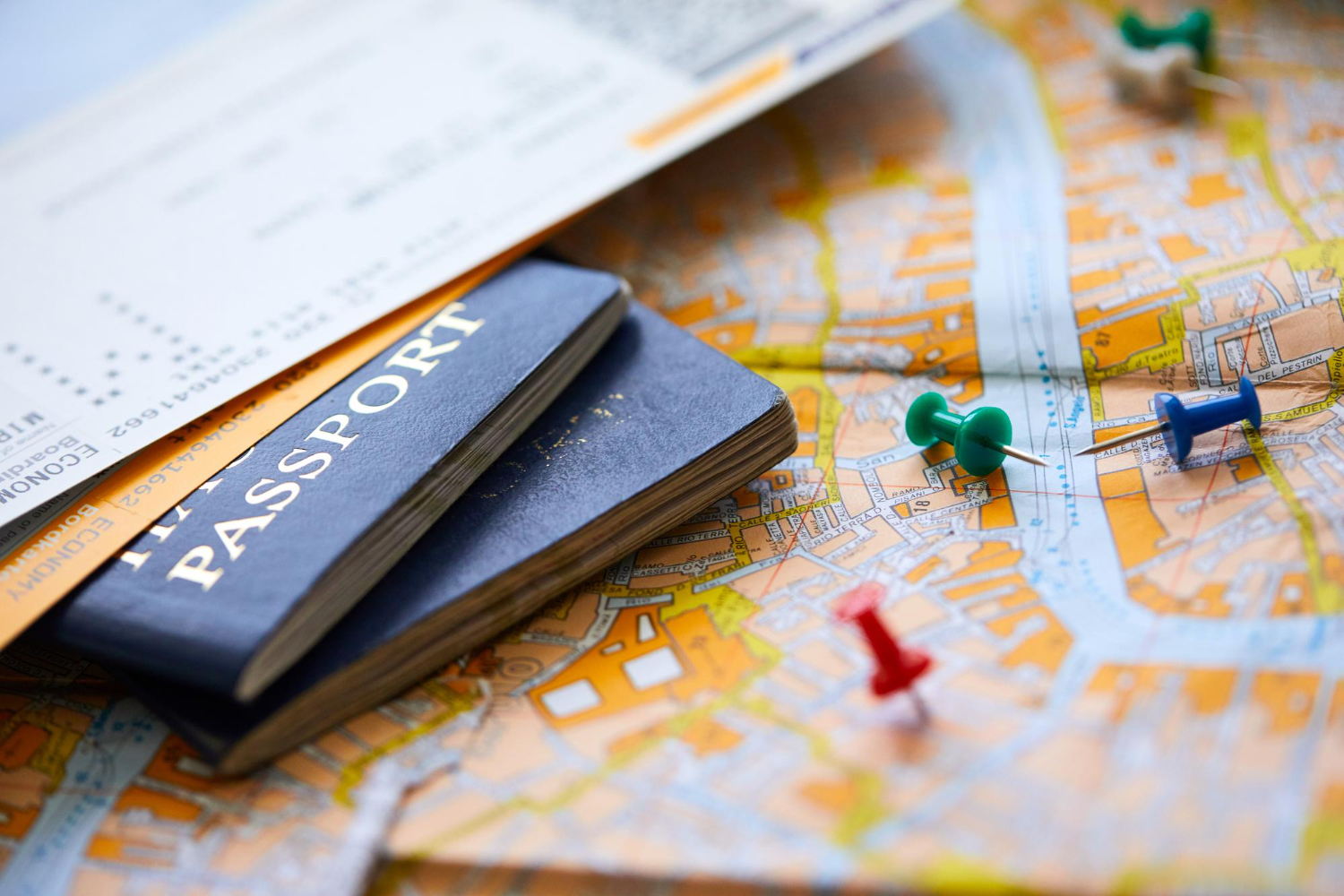
Finally, an essential and easily overlooked step is to check your passport’s validity well before any international trip. Many countries require that your passport be valid for a certain period beyond your travel dates, often several months.
Numerous destinations require that a passport remain valid for a set period, commonly several months, past the date of entry or departure, and some also require blank pages. An expired or soon-to-expire passport can derail a trip before it begins. With passport processing times varying, renewing early is wise. Before any international travel in 2026, travelers should confirm their passport meets the destination’s validity requirements and renew it in plenty of time to avoid any last-minute complications.
Traveling Smart in 2026

Taken together, these nine changes reflect a significant shift in the rules of international travel, especially for Americans heading to Europe. From the arrival of EES and the coming ETIAS to the UK’s ETA and domestic REAL ID enforcement, staying informed is the key to smooth, stress-free trips. A little preparation goes a long way toward avoiding surprises at the airport or border.
Because travel rules, dates, and fees can change, and several of these systems are still being phased in, the most important habit of all is to verify the latest official information before booking and again before departure. Government websites and official sources are the only reliable guides, particularly for new systems like ETIAS that have been repeatedly delayed. By understanding these changes and confirming the current requirements for each destination, travelers can navigate 2026’s new rules with confidence and focus on enjoying the journey ahead.
Like our content? Follow us for more.