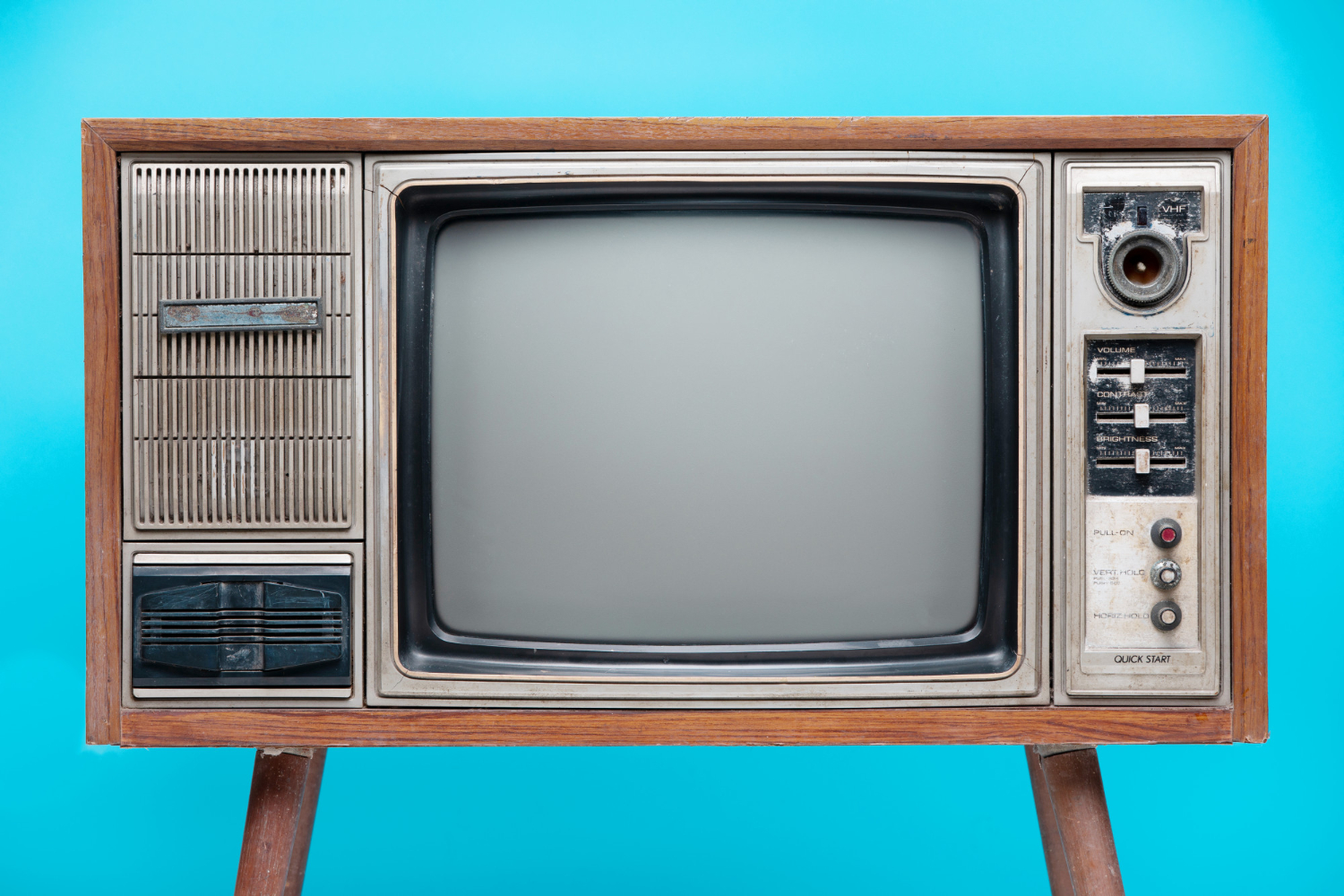
Long before flat screens, streaming, and remote controls, the family television was a big, boxy appliance that demanded a surprising amount of hands-on attention. You adjusted the antenna, turned the channel by hand, fiddled with the picture, and waited for it to warm up. The old TV set, often a substantial piece of furniture in the living room, had a whole set of quirks and features that feel almost unimaginable to younger generations. Looking back at them brings the family TV of decades past vividly to life. Here are thirteen things nearly every old TV set used to have, counted down one by one.
1. The Rabbit-Ear Antenna
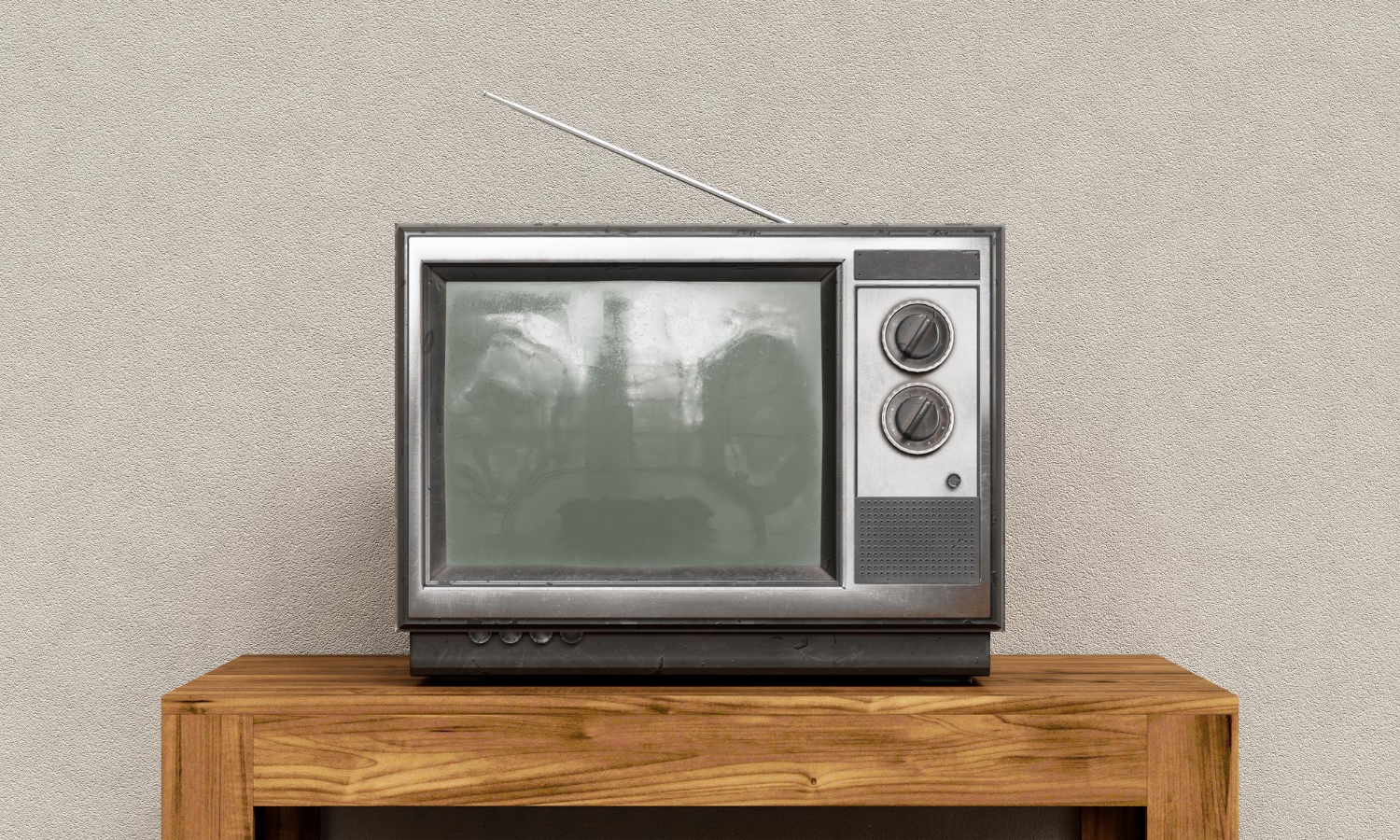
A pair of telescoping antennas sat atop the set for reception. You adjusted them constantly for a clear picture.
Perched atop many a television were the “rabbit ears,” a pair of telescoping metal antennas that pulled in the over-the-air broadcast signal. Getting a clear picture meant endlessly adjusting their angle and length, sometimes adding foil to the tips, and often having someone hold them just so. They were essential and endlessly fiddly. The rabbit-ear antenna is an iconic feature of the old TV set, the adjustable antenna that brought in the broadcast signal and demanded constant fiddling, a hands-on ritual that anyone who watched TV before cable remembers all too well.
Like our content? Follow us for more.
2. The Channel-Changing Knob
You changed channels by turning a knob with a satisfying click. There was no remote control.
Before remote controls, you changed the channel by getting up and turning a knob, often a chunky dial that clicked through the channels with a satisfying ka-chunk. With only a handful of channels, the dial didn’t have far to go, and a second knob handled the UHF stations. Whoever sat closest was the designated channel-changer. The channel-changing knob is a classic feature of the old TV set, the hands-on dial that meant getting up to change the channel and the satisfying click that accompanied it, a small ritual from the days before the remote made channel-surfing effortless.
3. The Test Pattern at Sign-Off
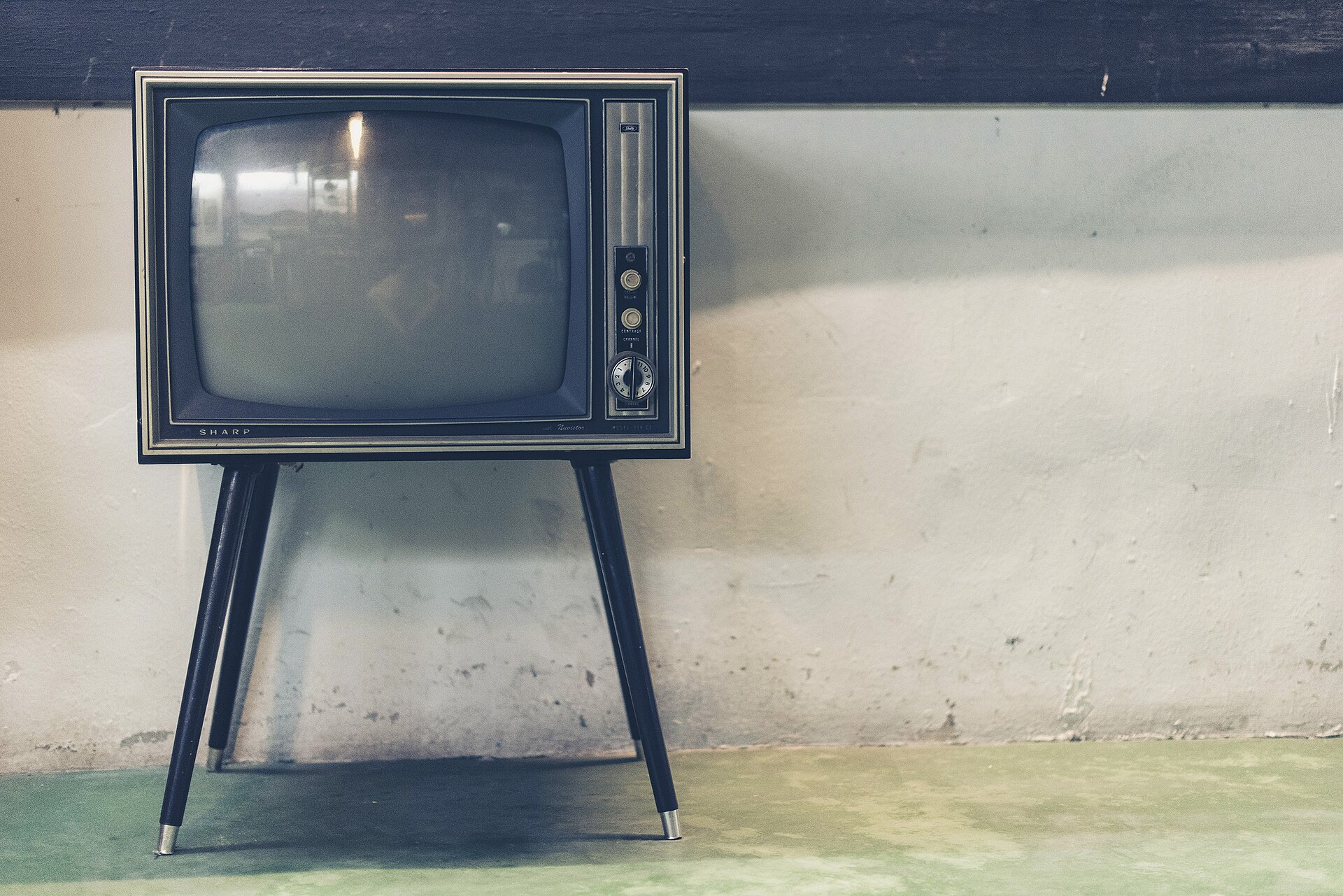
Stations signed off at night, leaving a test pattern on screen. It meant the broadcast day was over.
Television didn’t broadcast around the clock in those days. Late at night, stations would sign off, often after playing the national anthem, and the screen would show a test pattern, a distinctive image used to calibrate the picture, before going to static. The test pattern meant the broadcast day was done. It was a quiet signal to turn off the set. The test pattern at sign-off is a nostalgic feature of the old TV era, the calibration image that appeared when stations ended their broadcast day and a reminder of a time when television wasn’t a 24-hour affair and the TV, like the family, eventually went to sleep.
4. The Warm-Up Time
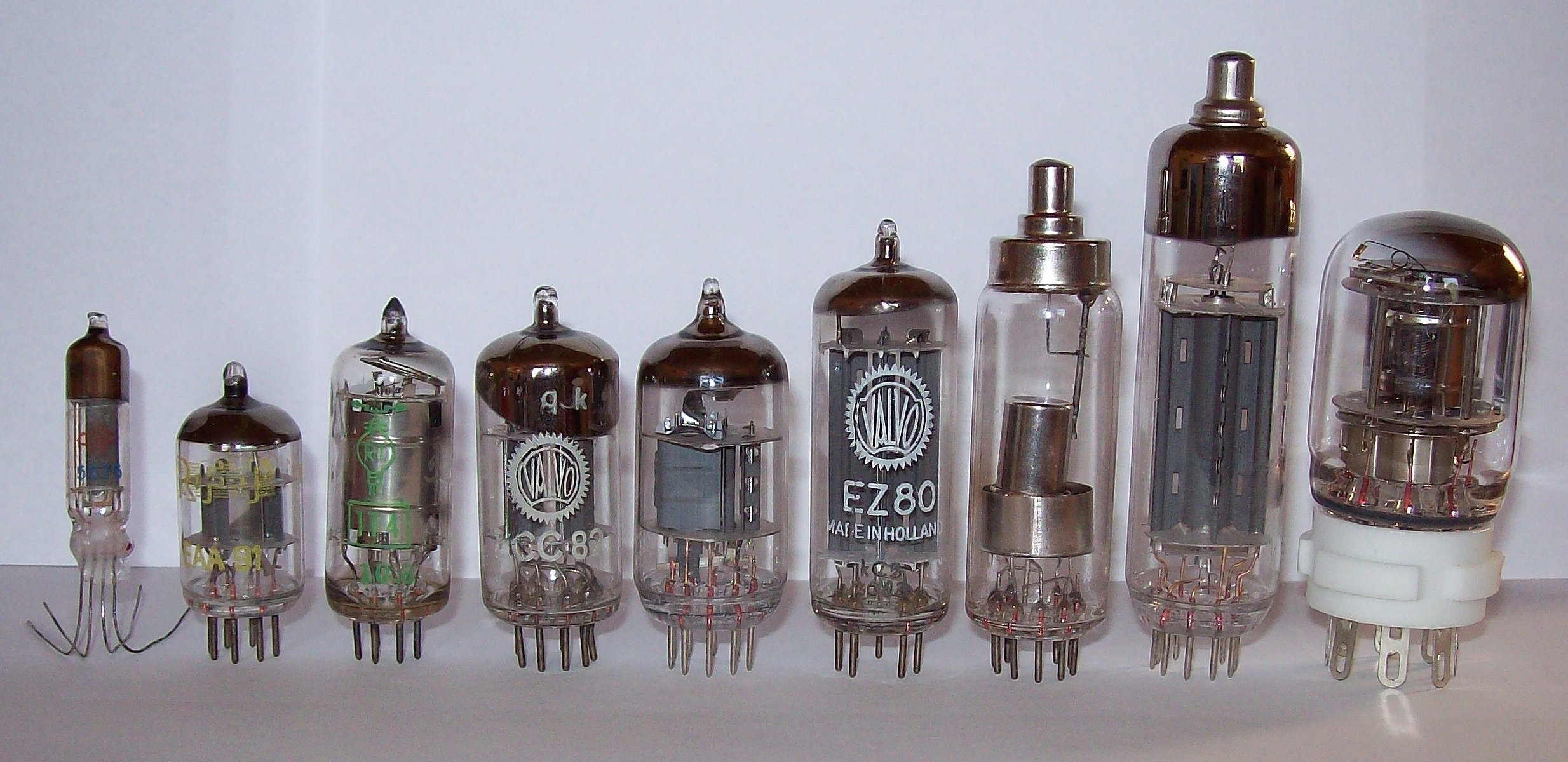
The set took a moment to warm up before the picture appeared. You waited for the tubes to glow.
Old televisions ran on vacuum tubes, which meant that when you switched the set on, you had to wait a moment, sometimes several, for it to warm up before the picture and sound came to life. The screen would slowly brighten from a dot or a glow as the tubes heated up. Patience was required at the start of every show. The warm-up time is a distinctive feature of the old TV set, the brief wait for the tubes to heat up before the picture appeared, a small delay that’s hard to imagine in the age of instant-on screens and a reminder of the tube technology inside.
5. The Picture You Had to Smack
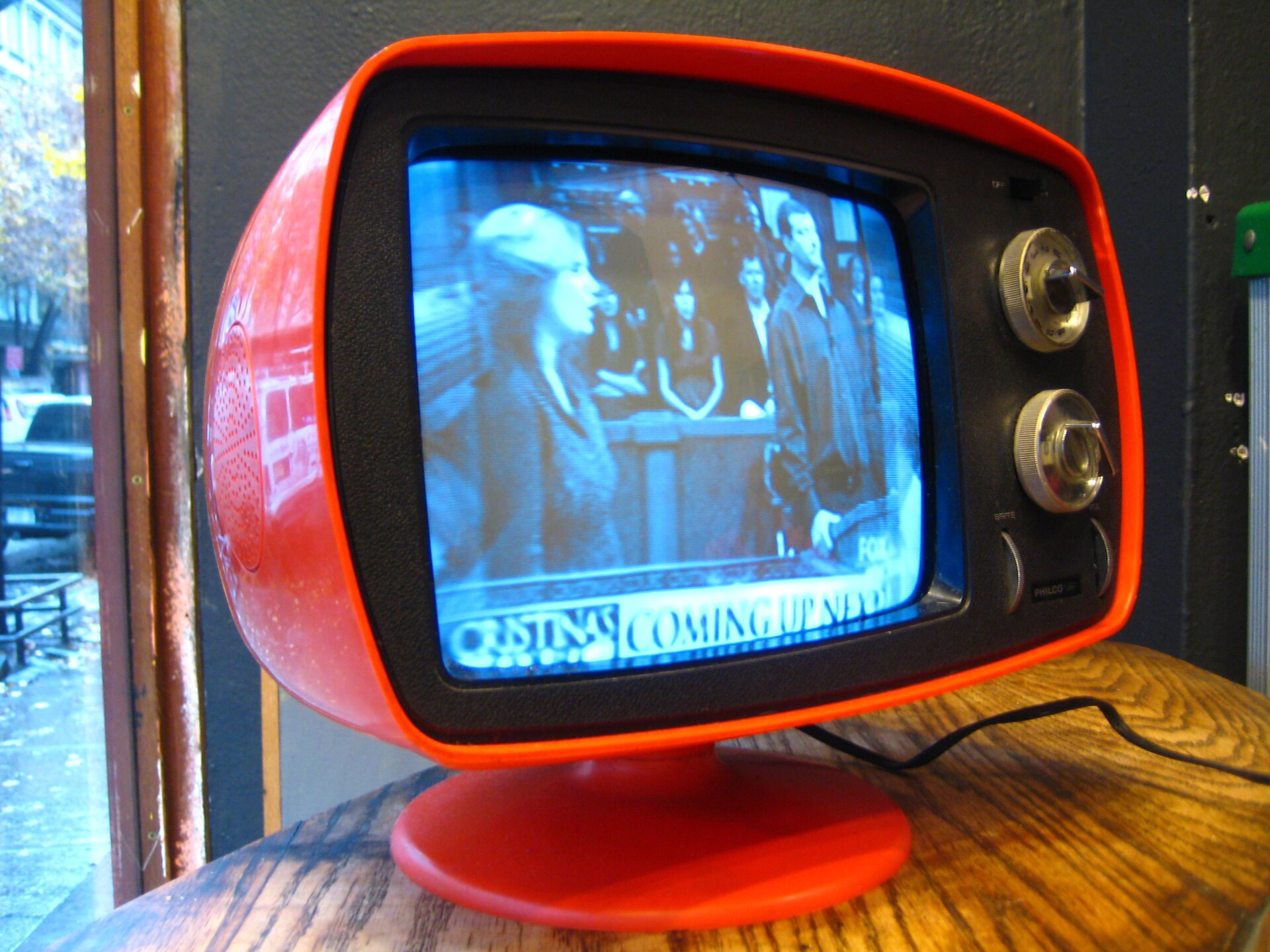
A fuzzy or rolling picture often got a firm whack to fix it. Sometimes it actually worked.
When the picture went fuzzy, rolled, or flickered, a time-honored fix was to give the set a firm smack or thump on the side or top. Remarkably, this jostling of the tubes and connections often actually restored the picture, at least for a while. Whacking the TV became a household reflex. The picture you had to smack is a fondly remembered feature of the old TV set, the percussive “repair” that families relied on to fix a misbehaving picture and one of the quirkier hands-on habits of living with temperamental tube television.
6. The Vertical and Horizontal Hold Knobs
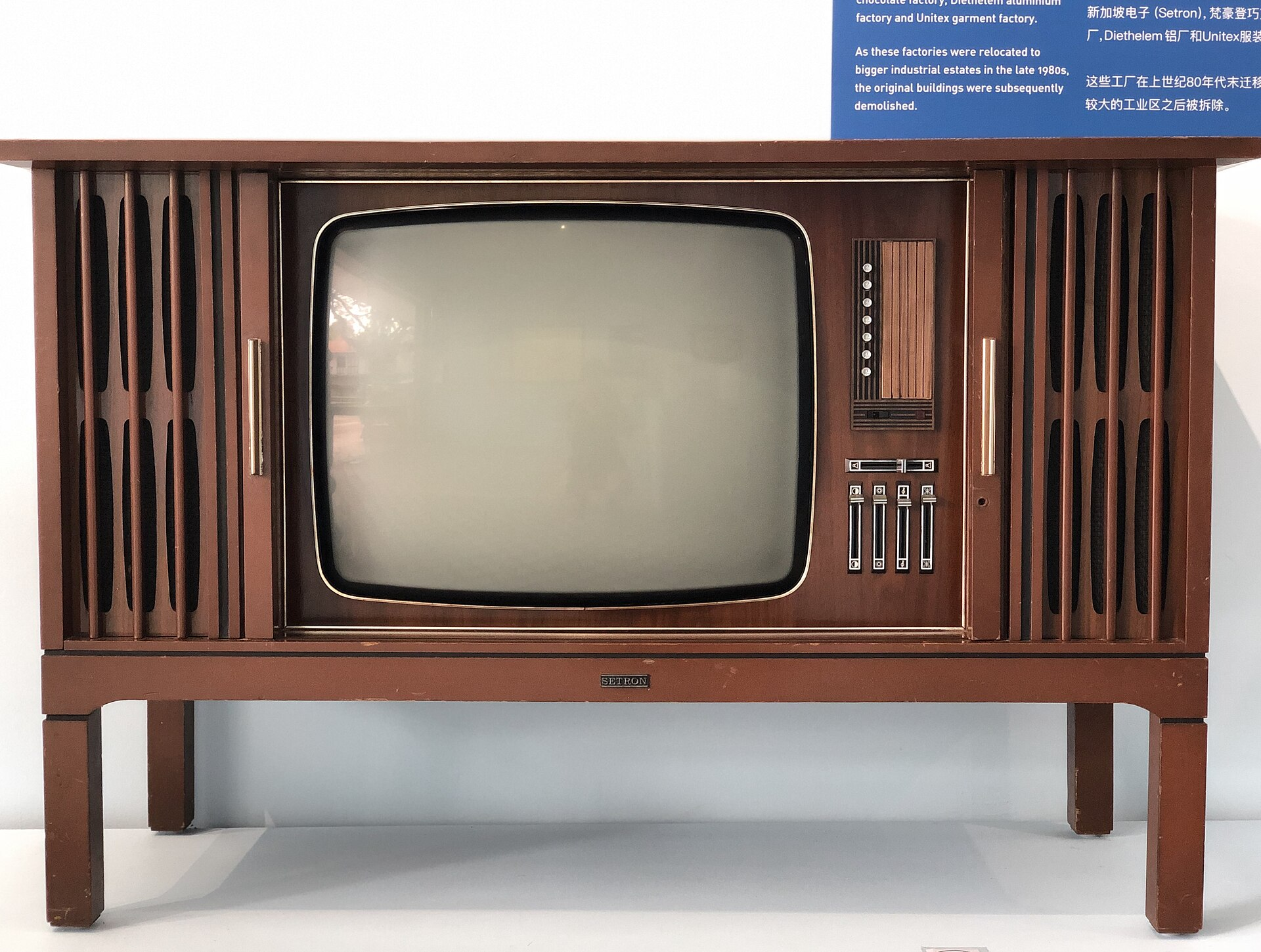
Extra knobs fixed a picture that rolled or skewed. You adjusted them to steady the image.
Old TVs came with a set of adjustment knobs, often on the front or back, including “vertical hold” and “horizontal hold,” used to fix a picture that was rolling up the screen or tearing sideways. When the image started flipping or skewing, you’d reach for these knobs and carefully adjust until it steadied. Fine-tuning the picture was a regular task. The vertical and horizontal hold knobs are a classic feature of the old TV set, the adjustment controls that let viewers manually correct a rolling or distorted picture and reflected just how hands-on keeping a steady image on the screen used to be.
7. The Wooden Console Cabinet
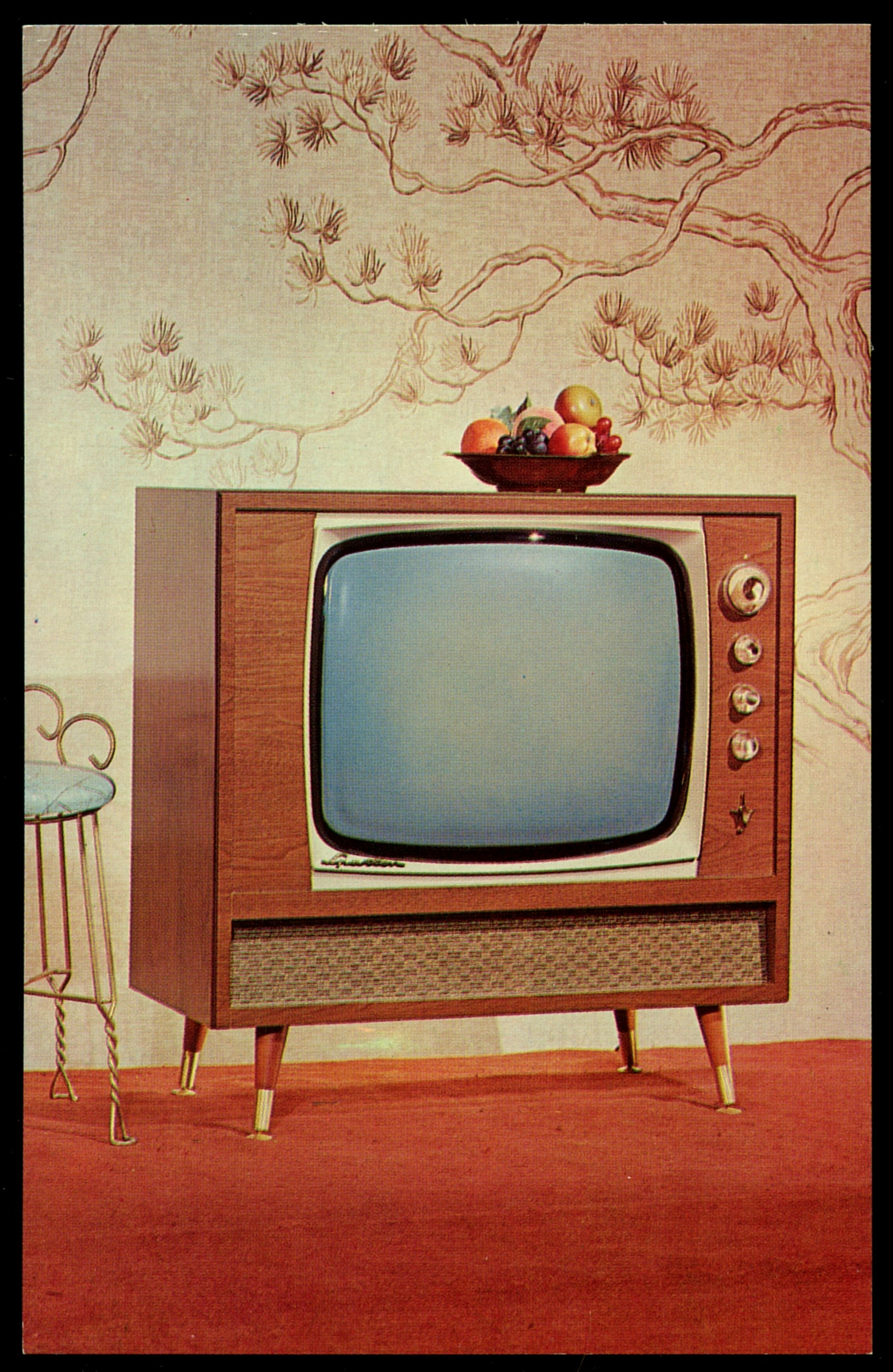
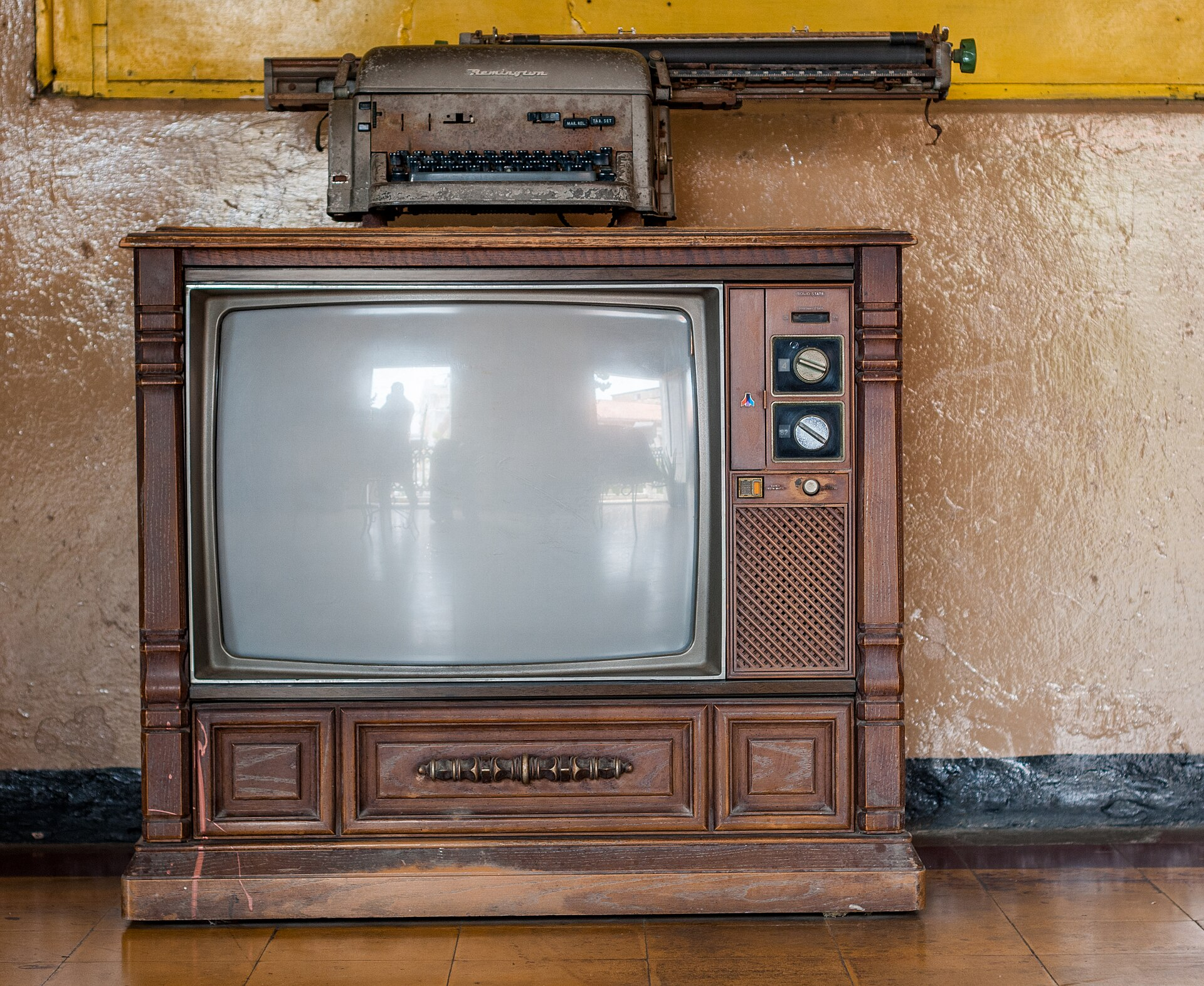
Many TVs were big wooden cabinets, furniture as much as appliance. The set anchored the living room.
Many televisions, especially the larger ones, were housed in substantial wooden console cabinets that stood on the floor like a piece of furniture, sometimes combined with a radio or record player. The handsome cabinet was a centerpiece of the living room, around which the family gathered. The TV was meant to look at home in the decor. The wooden console cabinet is a defining feature of the old TV set, the furniture-style housing that made the television a centerpiece of the living room and reflected an era when the family TV was a prized and prominent fixture of the home.
8. The Tiny Screen in a Big Box
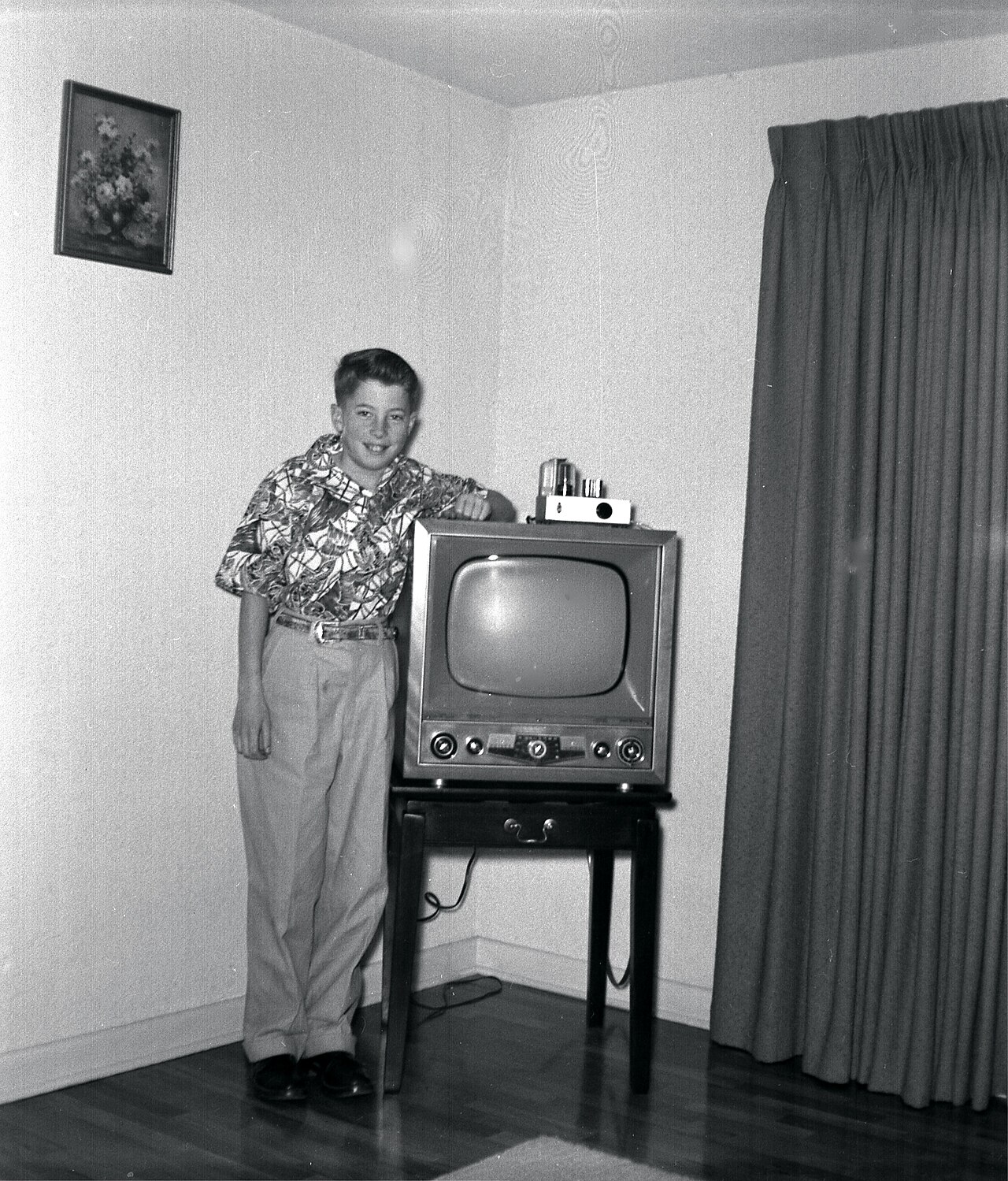
A small, rounded screen sat in a large, heavy box. The picture was modest by today’s standards.
A striking feature of old televisions was the contrast between the large, heavy box and the relatively small, often slightly rounded screen set within it. The bulky cabinet held the big picture tube and components, while the viewable picture was modest by today’s standards. The whole family crowded close to watch. The tiny screen in a big box is a memorable feature of the old TV set, the small, curved picture housed in a hefty cabinet that reminds us how far screens have come and how families once gathered close around a modest picture to watch together.
9. Black-and-White, Then Color
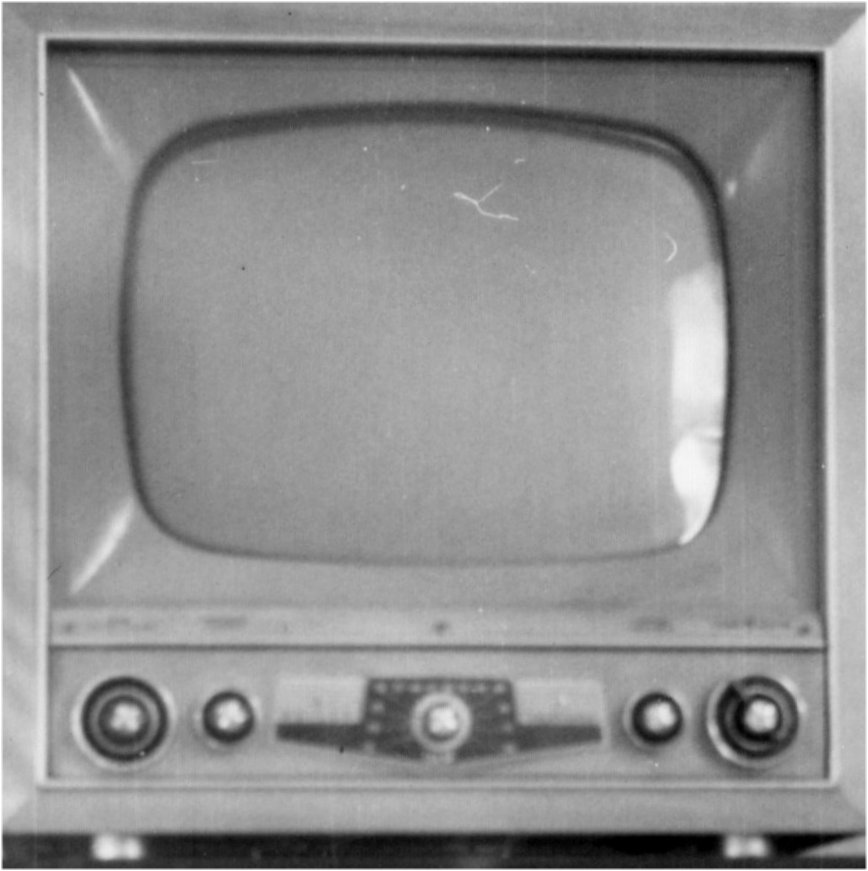
Early sets were black-and-white before color arrived. Getting a color TV was a big event.
For years, television was black-and-white, with families watching their programs in shades of gray. When color sets became available and affordable, getting one was a major household event, and early color could be vivid and a bit unnatural. Some families kept the old black-and-white set in a back room for years. The shift from black-and-white to color is a notable feature of the old TV era, the technological leap that brought programs to life in color and made the arrival of the family’s first color set a memorable milestone in many households.
10. The Limited Channel Lineup
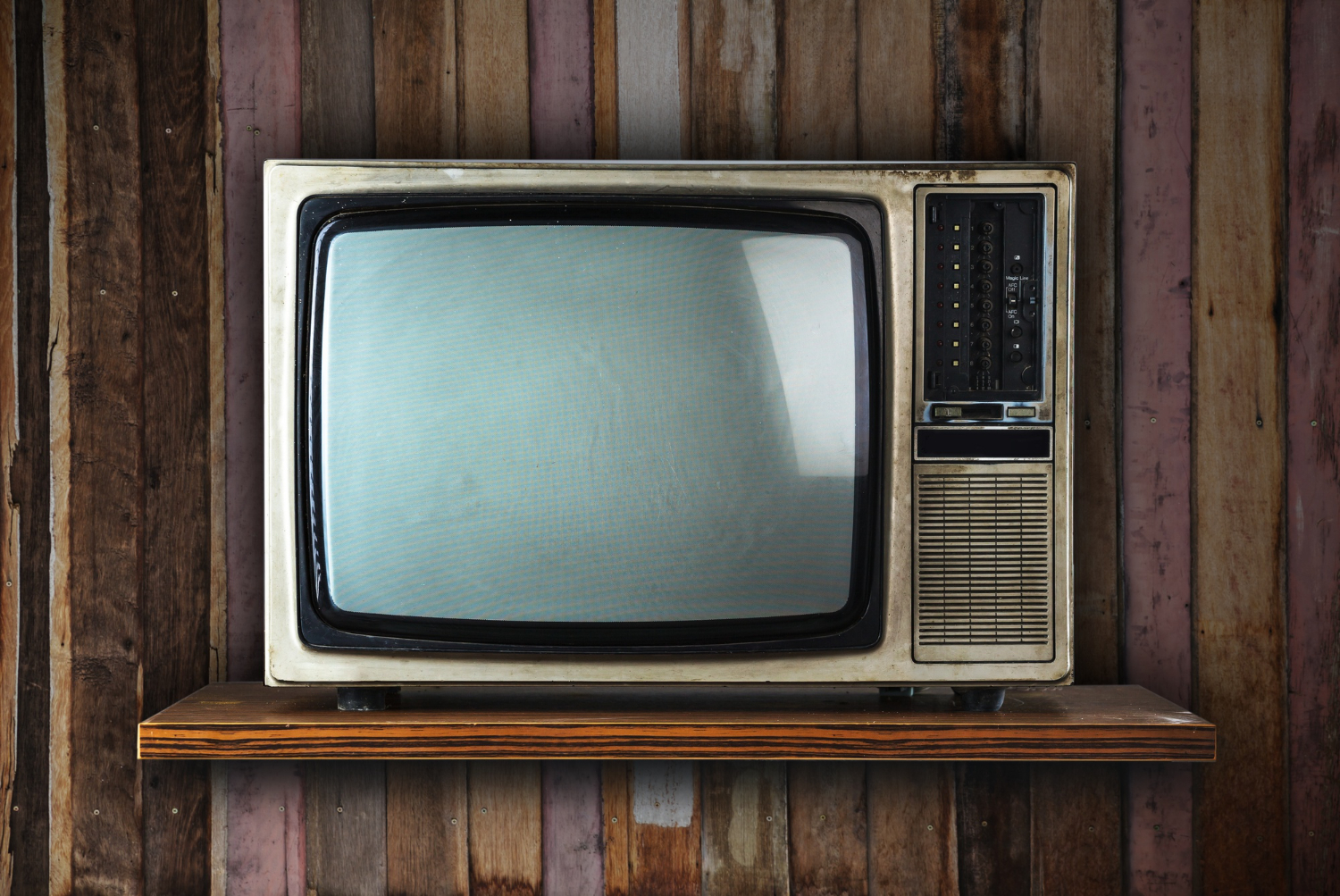
There were only a few channels to choose from. Everyone watched the same handful of shows.
Unlike today’s endless options, the old TV offered only a handful of channels, often just the major networks and a local station or two. With so few choices, families watched the same popular programs, and a hit show was a shared national experience. The limited lineup made television a common cultural touchstone. The limited channel lineup is a defining feature of the old TV era, the handful of stations that everyone watched and the shared viewing experience it created, a stark contrast to the boundless choice of today and a reason classic shows became cultural landmarks.
11. The TV Repairman
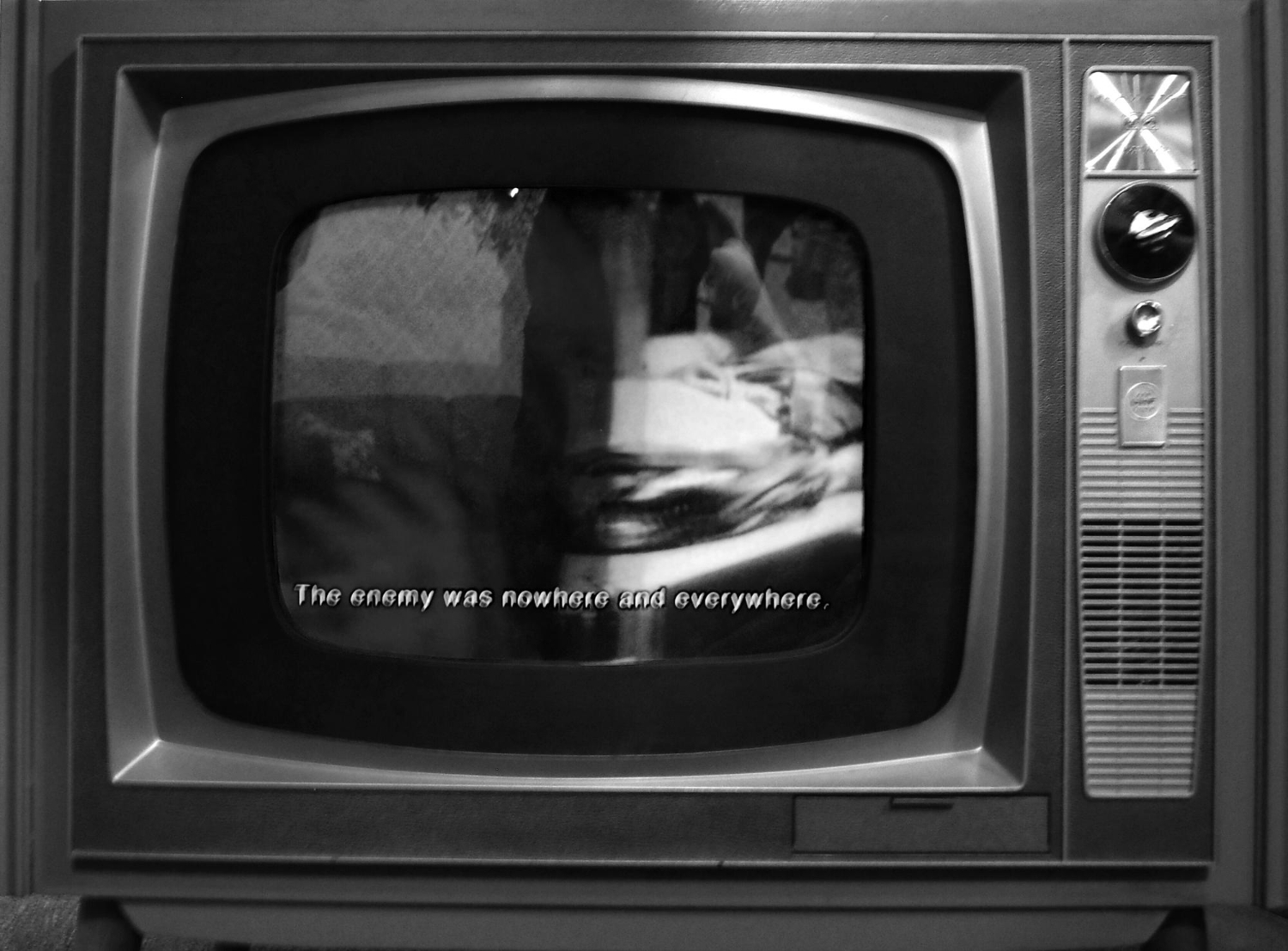
When the set broke, a repairman came to fix it. TVs were repaired, not replaced.
When the television truly broke down, you didn’t throw it out, you called the TV repairman, who came to the house with his case of tools and spare tubes, or hauled the set to his shop. Drugstores even had tube-testing machines where you could check and buy replacement tubes yourself. TVs were built to be fixed. The TV repairman is a classic figure of the old TV era, the skilled technician who kept the family television running in the days when sets were repaired rather than replaced, reflecting a time when appliances were valuable, lasting investments worth fixing.
12. The TV Guide and Scheduled Viewing
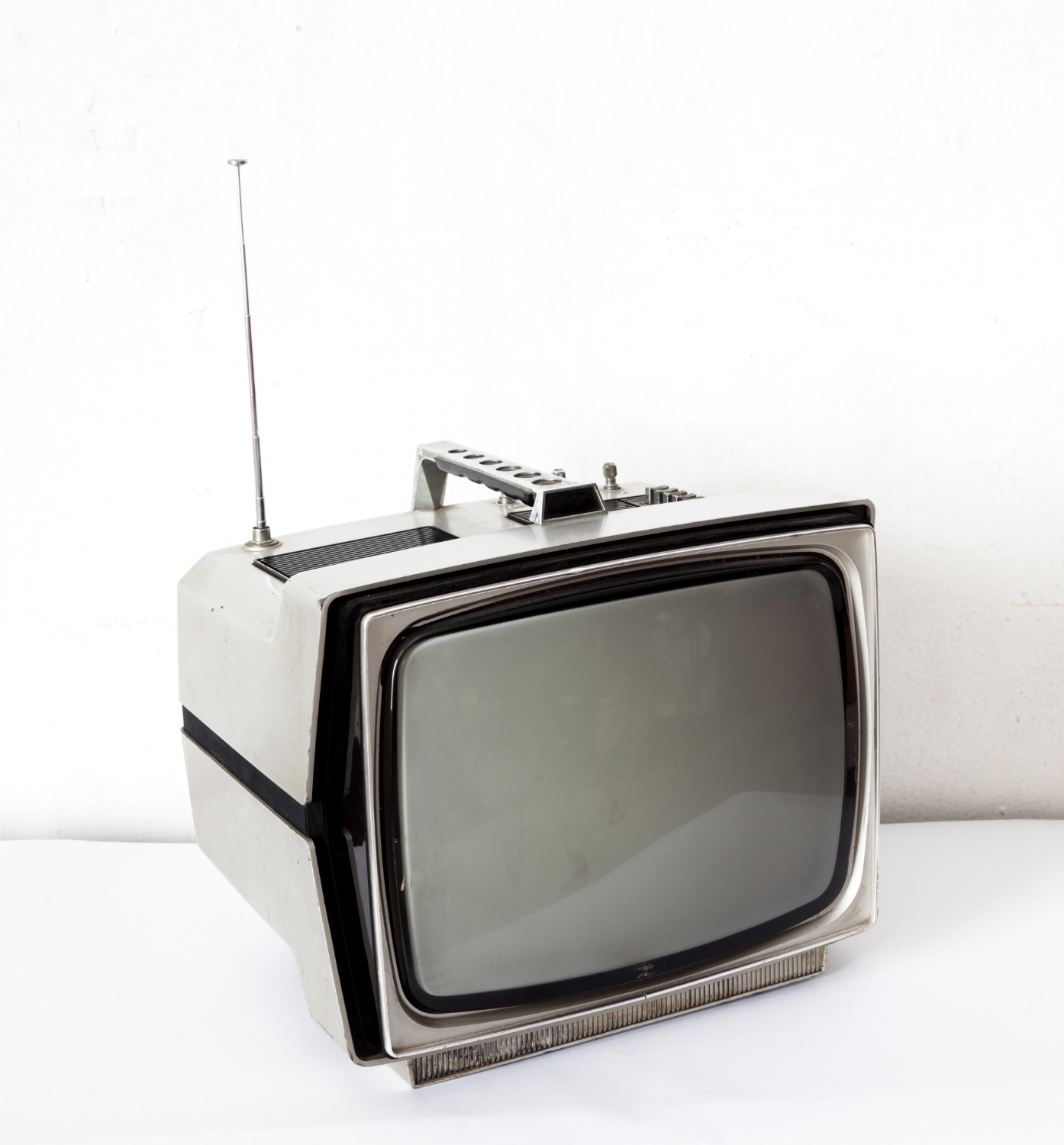
A printed guide told you what was on and when. You planned your evening around the schedule.
With no on-demand viewing, you watched shows when they aired, and a printed TV guide or the newspaper listings told you what was on and when. Families planned their evenings around the schedule, gathering to catch a favorite program at its set time, with no way to pause or replay. Missing an episode meant missing it. The TV guide and scheduled viewing are a defining feature of the old TV era, the appointment-based way of watching built around a printed schedule, a far cry from on-demand streaming and a reason families once gathered together at a set hour to share a show.
13. The Whole Family Gathered Around
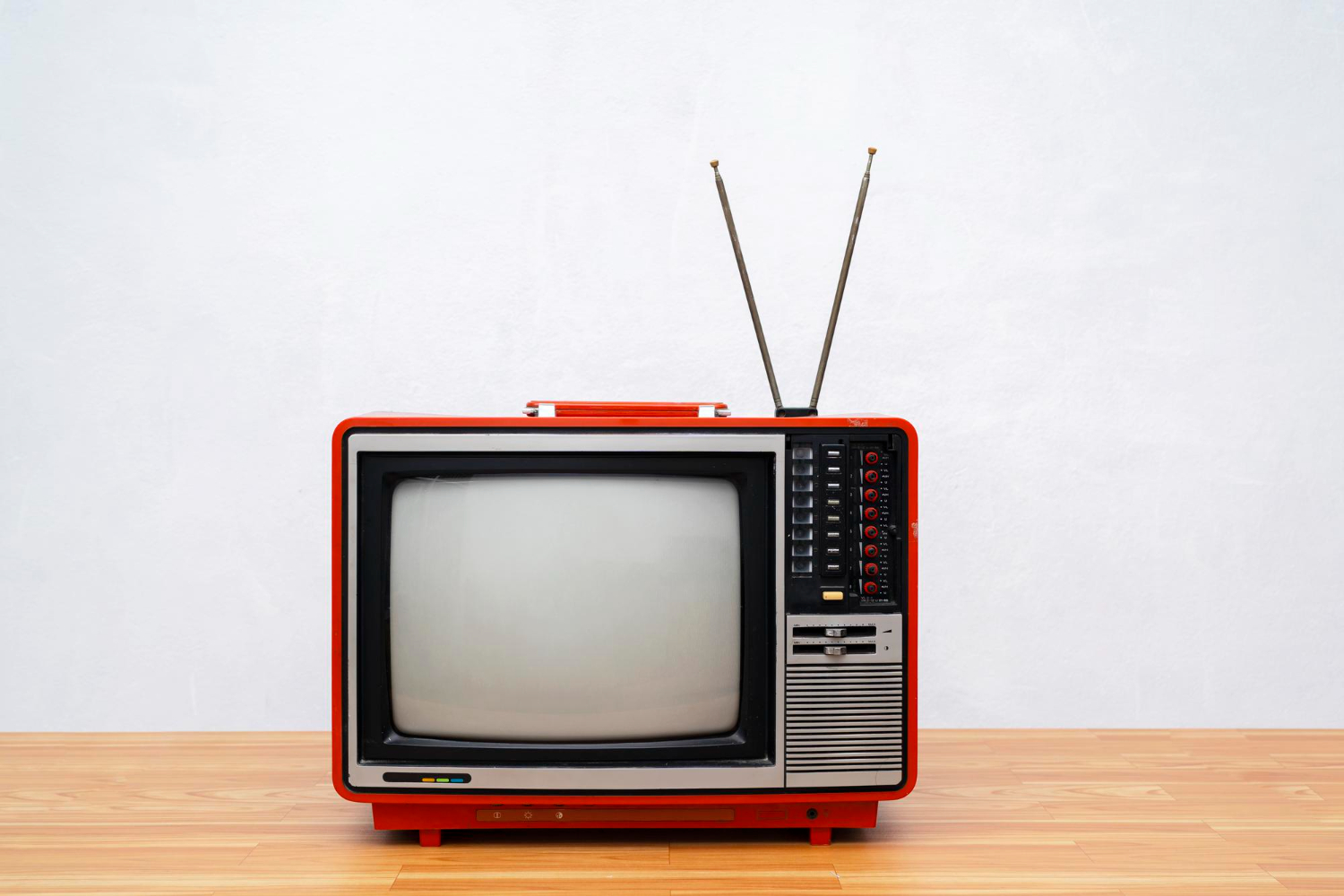
The family watched together around the single set. TV was a shared experience.
Because most homes had just one television, watching it was a shared family experience, everyone gathered together in the living room around the single set to enjoy a program together. This communal viewing brought families together each evening and made watching TV a social event rather than a solitary one. The shared set was the heart of family entertainment. The whole family gathered around is the most cherished feature of the old TV era, the communal viewing around a single set that brought families together each evening and made television a shared, bonding experience in a way that individual screens rarely match today.
A Hands-On Window to the World
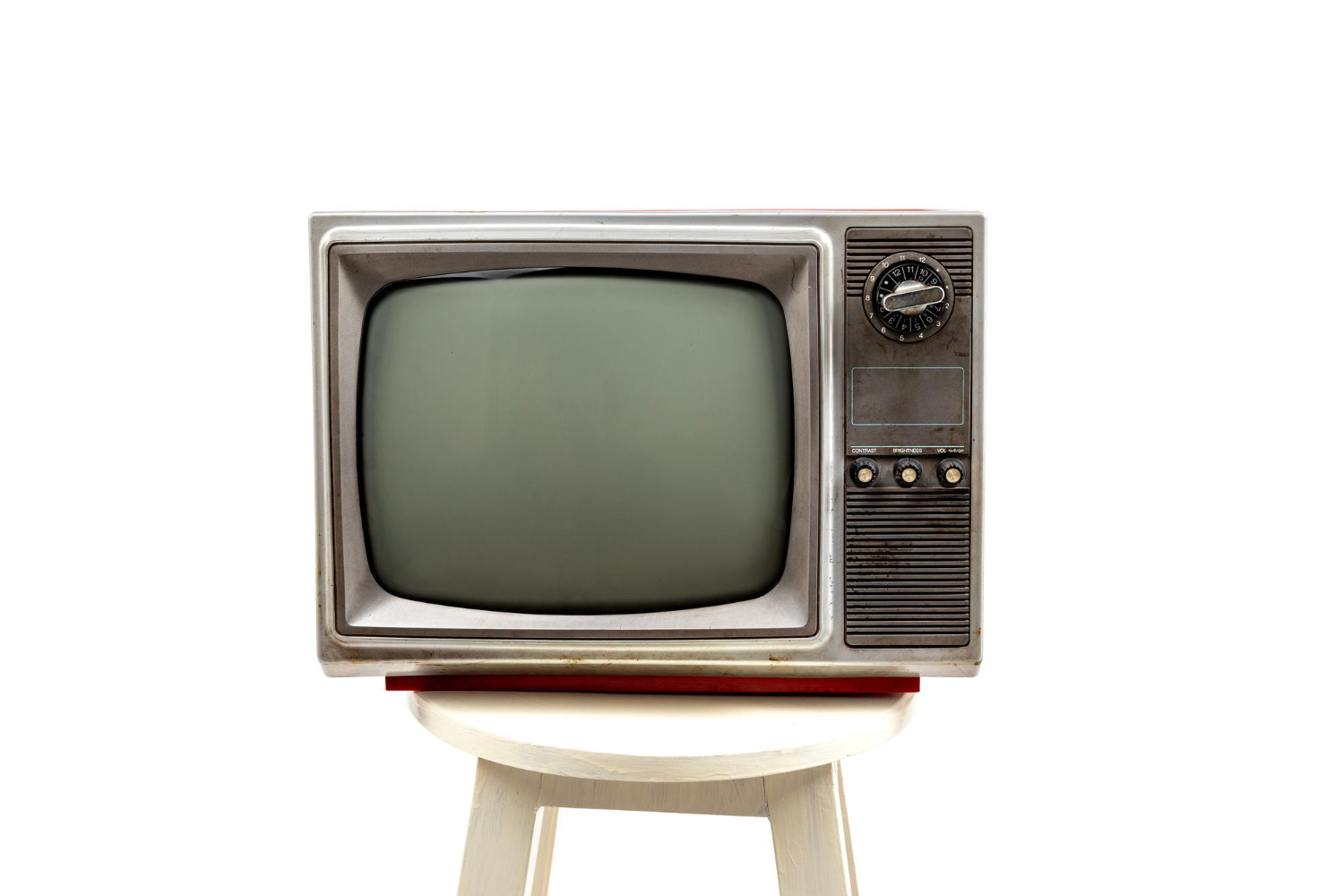
Taken together, these thirteen things capture the experience of the old television set, from the rabbit ears and the channel knob to the test pattern, the picture you had to smack, and the whole family gathered around. It was a hands-on appliance and a shared family centerpiece, a far cry from the effortless, endless screens of today.
Flat screens, cable, streaming, and remote controls transformed television beyond recognition, trading the hands-on quirks of the old set for instant, endless, on-demand convenience. Much was gained, but the shared, appointment-based, fiddle-with-the-antenna experience of the family TV faded along the way. For those who grew up with it, these details bring it all back: the rabbit ears, the warm-up, the single set everyone watched together. Looking back at the old TV set is a fond tribute to a hands-on window to the world, when watching television was a family event and getting a clear picture was half the fun.
Like our content? Follow us for more.