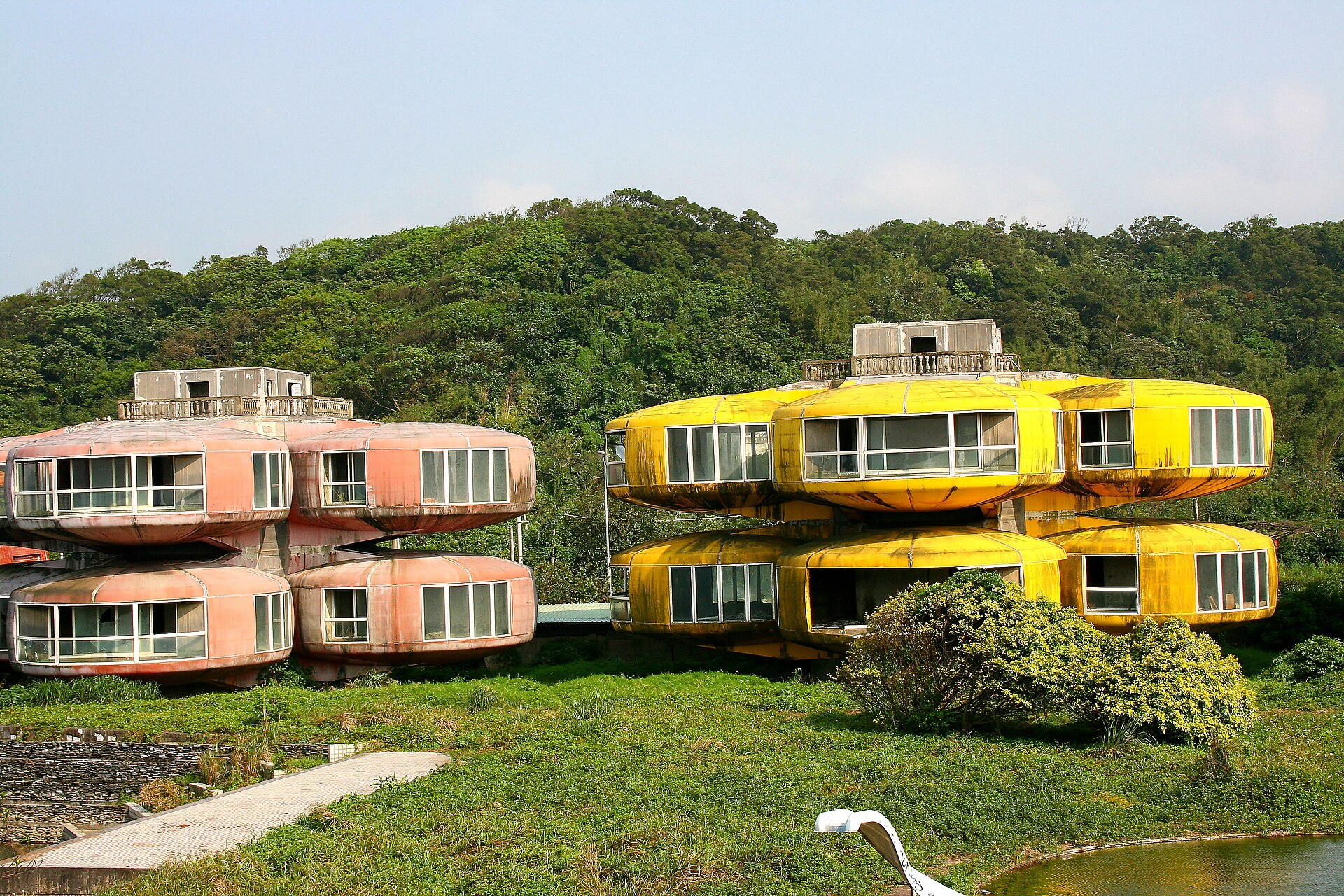
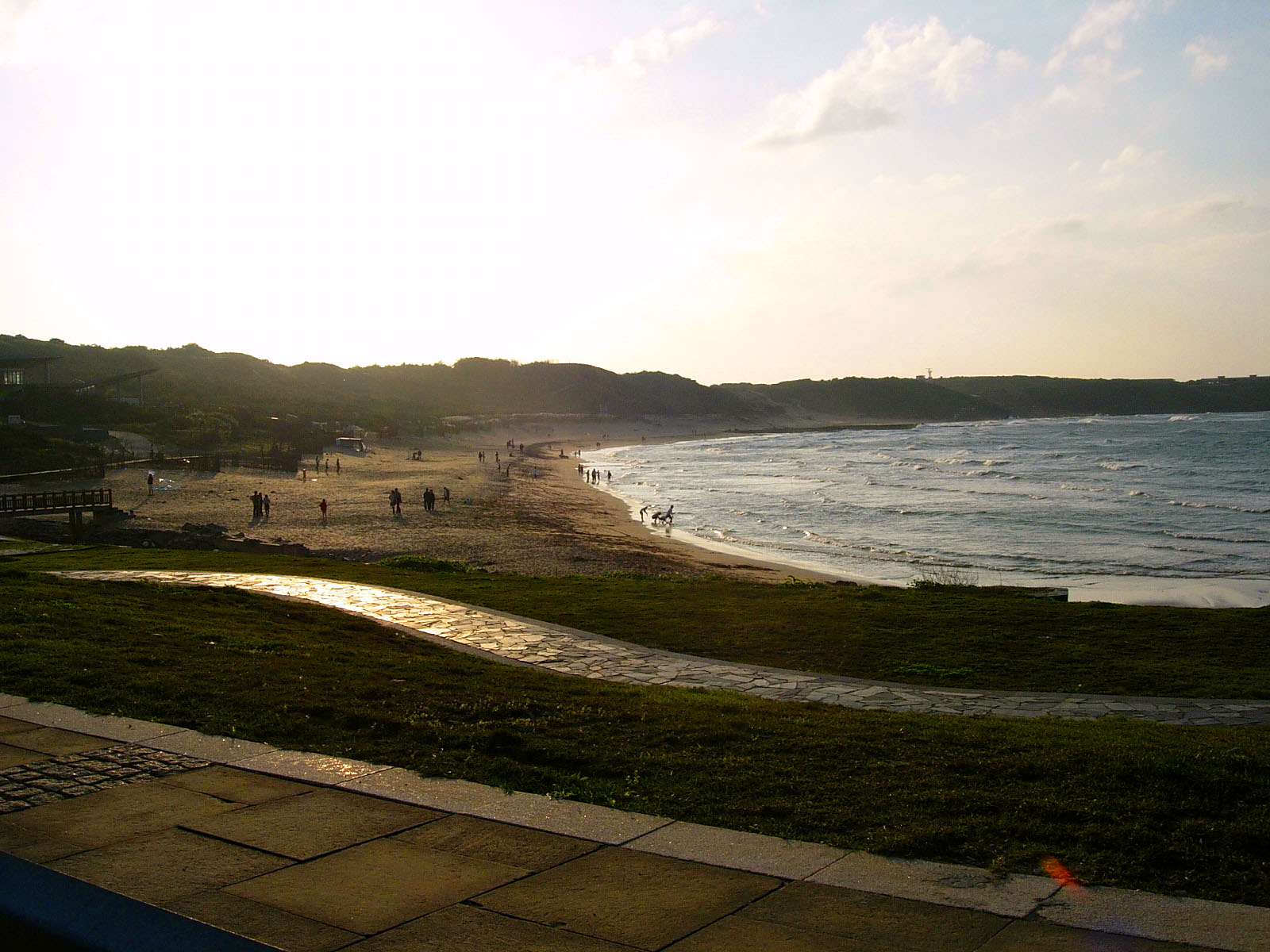
On Taiwan’s northern coast, in a district called Sanzhi near the town of Tamsui, a developer once set out to build a beachside resort unlike anything else in Asia, dozens of pod-shaped, UFO-like vacation homes arranged along the shoreline. The project never welcomed a single guest. Instead, it became one of the world’s most striking cautionary tales about ambition, superstition, and unfinished dreams, a story that ended not with slow decay but with complete demolition.
A Vision Built for the Space Age
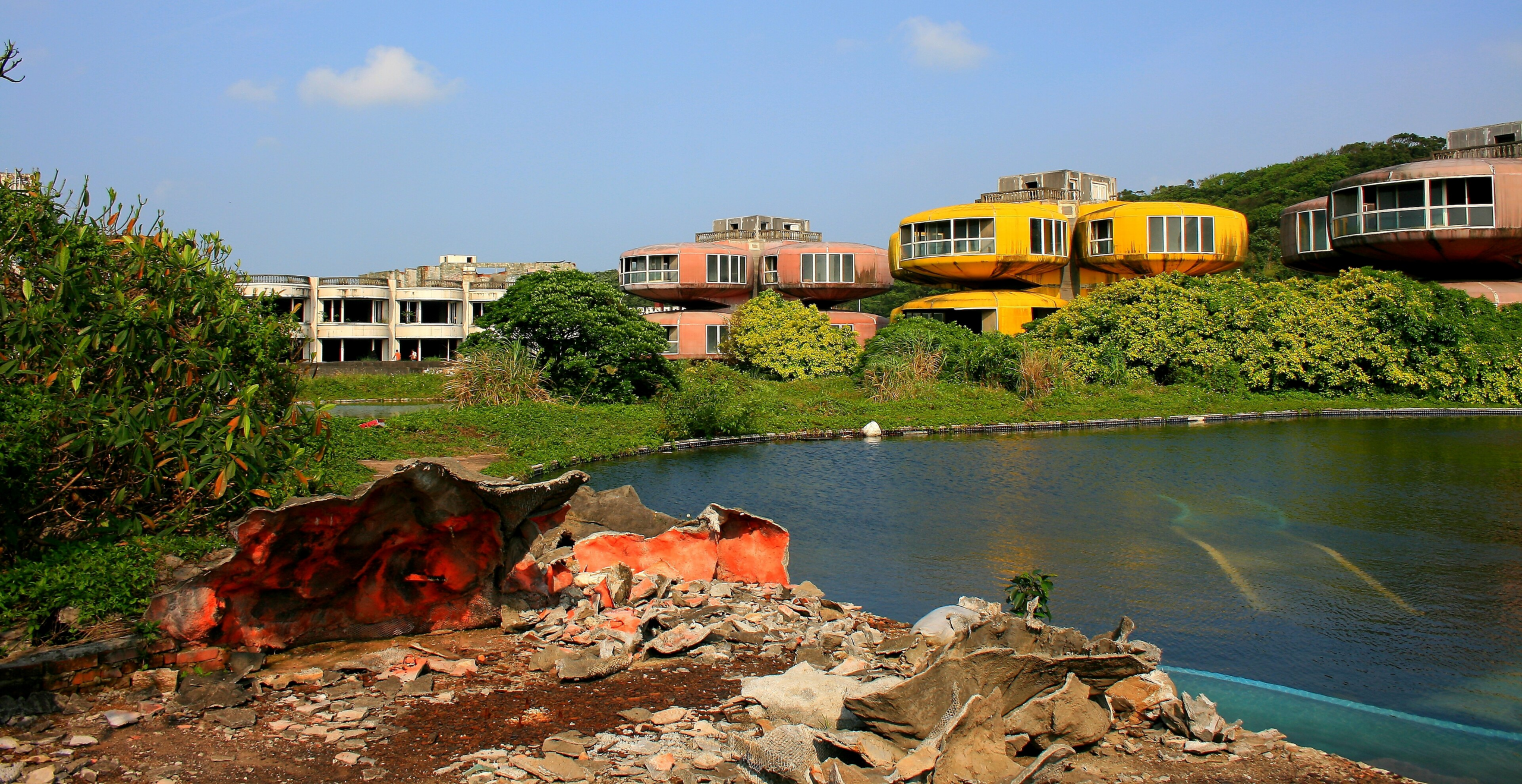
Construction on the Sanzhi Pod Houses, also known as Sanzhi Pod City, began in 1978, developed by the Hung Kuo Group with modular, saucer-shaped units modeled on the Finnish-designed Futuro house, a genuine piece of 1960s space-age architecture built from prefabricated concrete and reinforced fiberglass. The resort was marketed toward two very different audiences: American military officers stationed elsewhere in East Asia looking for a vacation getaway, and wealthy Taiwanese buyers drawn to the futuristic novelty of owning a genuine UFO-shaped second home. For a brief moment, it looked like a bold bet on Taiwan’s growing prosperity and its coastline’s tourism potential.
Like our content? Follow us for more.
Deaths, Debt, and a Superstitious Curse
The project unraveled quickly. Construction was plagued by a series of fatal car accidents, and, according to persistent local accounts, several suicides among workers on the site. Local superstition attributed the misfortune to an act of disrespect earlier in the project: builders had reportedly cut through a Chinese dragon sculpture near the resort’s gate in order to widen the access road, an act many workers believed had angered the spirits associated with the site. Whatever the true cause, mounting financial losses ultimately forced the Hung Kuo Group to abandon the project in 1980, leaving dozens of pod units in various stages of completion, some fully finished, others little more than empty concrete shells.
A Brief, Failed Attempt at Revival
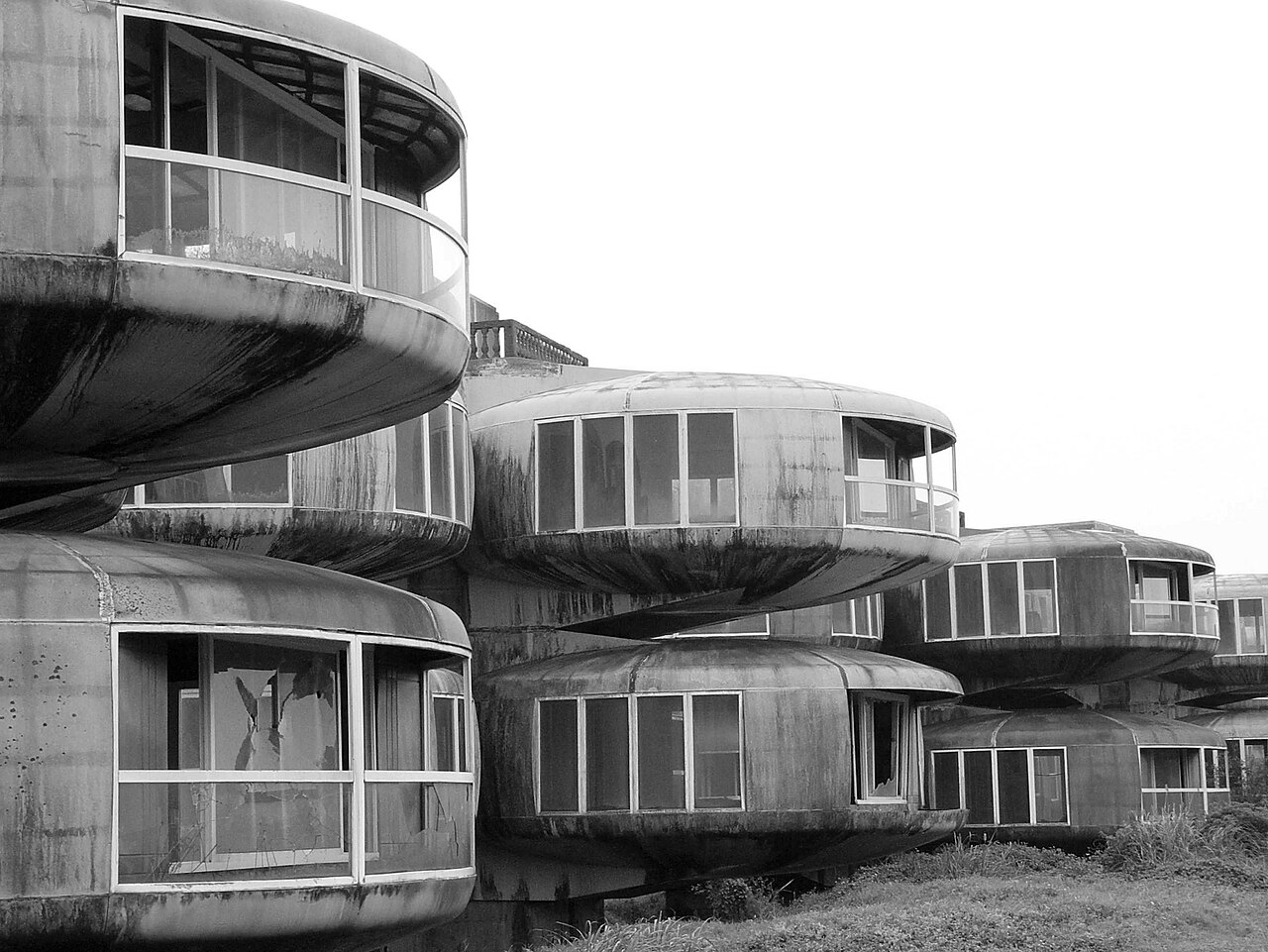
The pods sat untouched for nearly a decade before a local businessman, president of a nearby beer house, proposed reviving the stalled project in 1989, aiming to finish the half-built units without any redesign. That second attempt lasted less than a year. Engineers determined that the existing structures weren’t sound enough to safely withstand the seismic activity common to the region, and combined with lingering superstition and continued financial uncertainty, the revival effort collapsed almost as quickly as it began, leaving the pods abandoned once more, this time for good.
An Accidental Icon of Urban Exploration
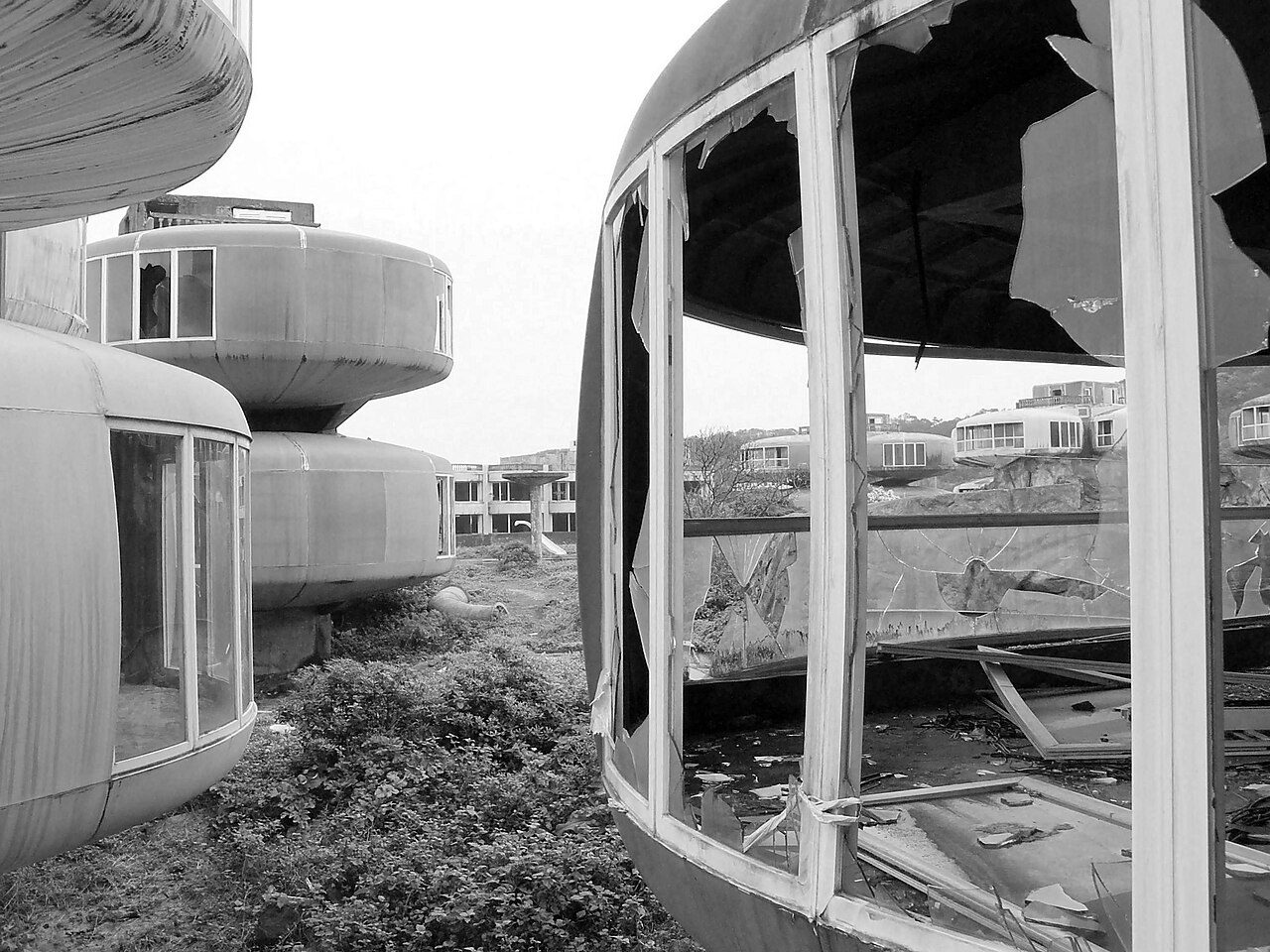
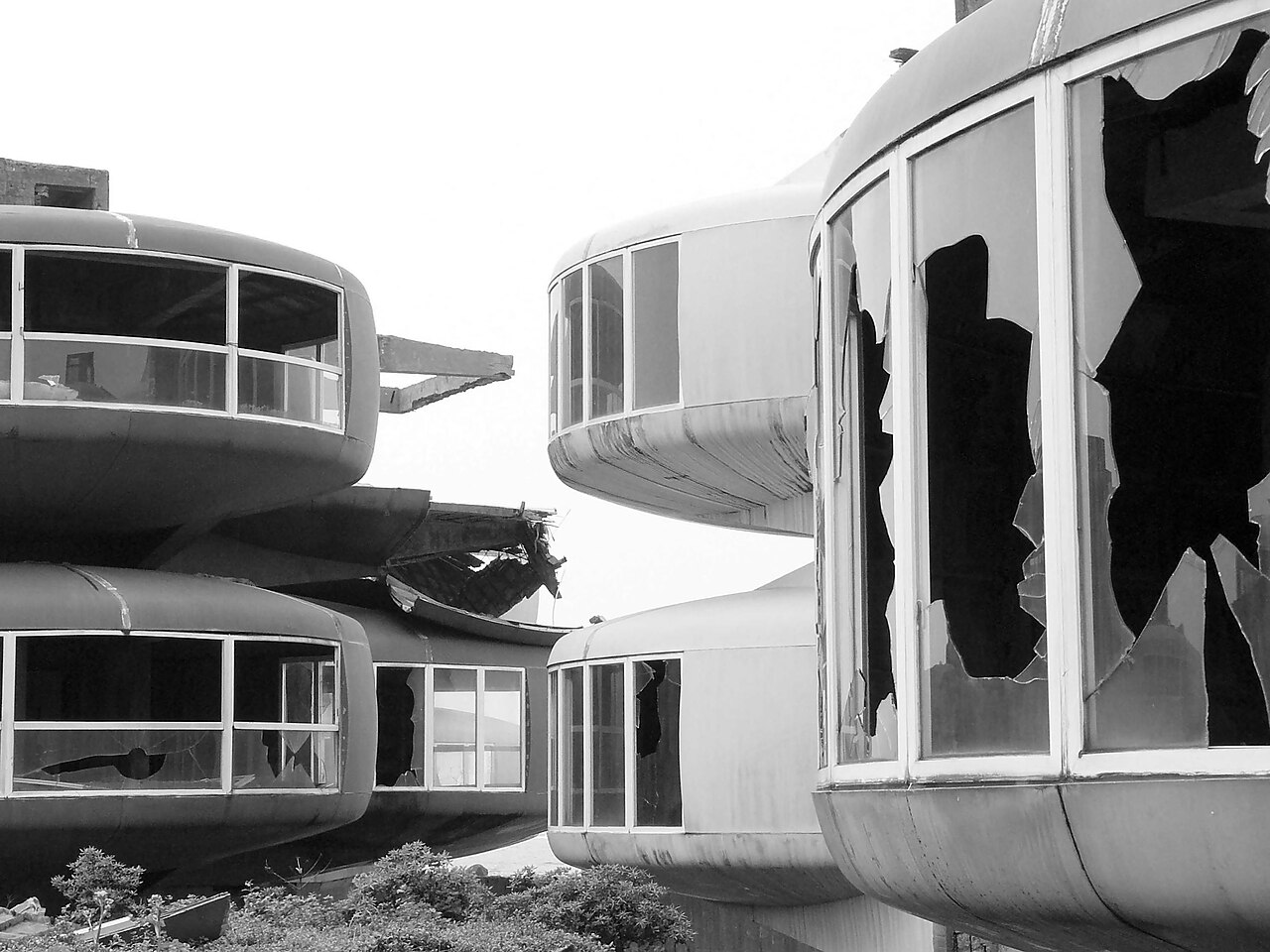
Left to decay through the 1990s and 2000s, the Sanzhi Pod Houses developed an entirely unplanned second life as one of the most visually striking abandoned sites in Asia. Their strange, colorful, oval silhouettes, windows shattered and paint peeling, drew photographers, urban explorers, and eventually music video and film crews, including MTV productions and international artists who used the eerie backdrop for their work. Online galleries of the pods spread widely, and the site became a fixture of “world’s creepiest abandoned places” features well before it ever appeared on typical tourist itineraries.
Debate Over Demolition Versus Preservation
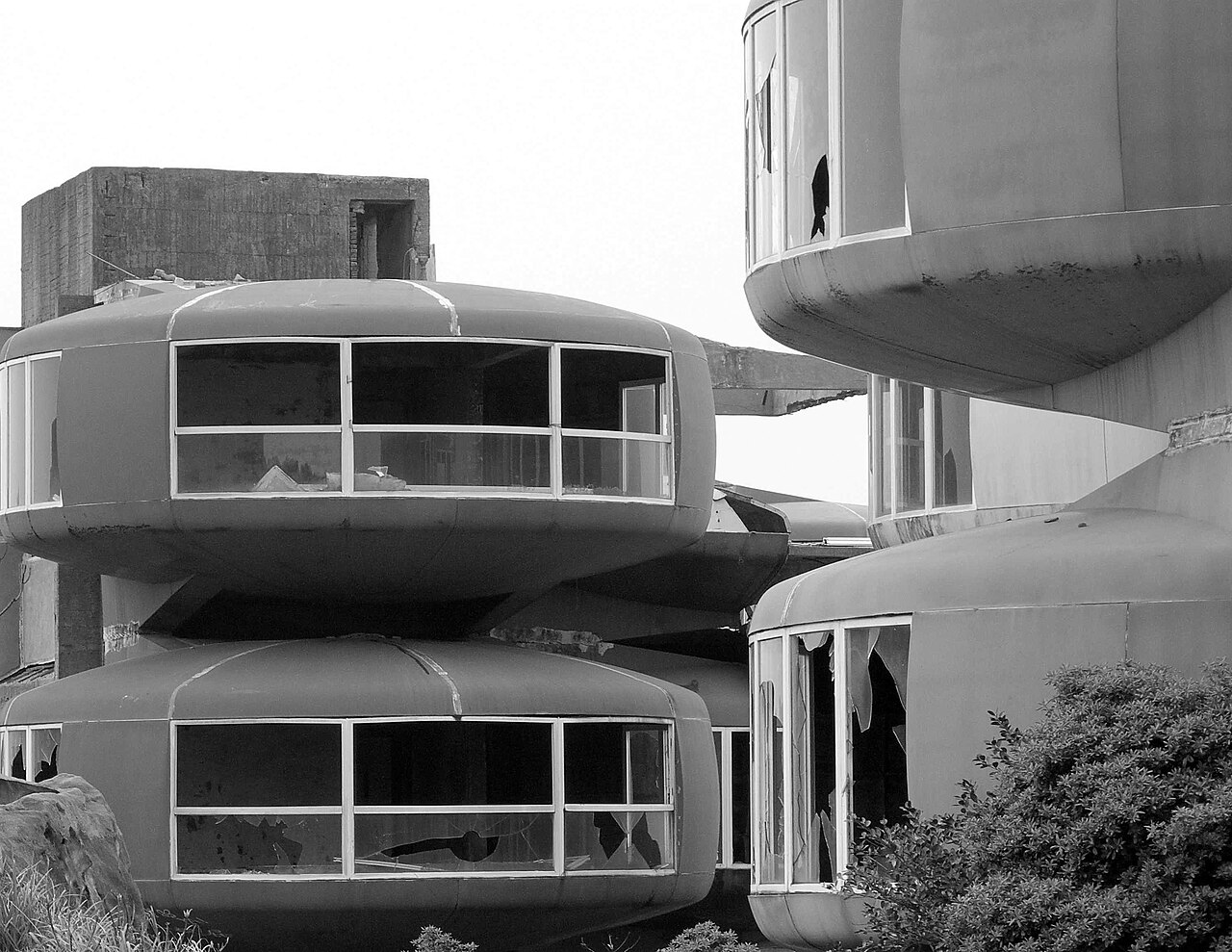
As the pods’ condition deteriorated further, a genuine debate emerged over their fate. Preservationists and fans of unusual architecture petitioned to save at least one unit as a museum dedicated to the site’s strange history and distinctive design. Local authorities and the property’s owners ultimately favored redevelopment instead, planning a new commercial resort and water park for the valuable coastal land. Demolition began in earnest in December 2008, and by 2010, every one of the pod houses had been torn down, erasing the physical structures entirely, though the countless photographs taken over the preceding decades ensured the site’s strange legacy would live on.
Nothing Left to Visit, But Not Forgotten
Today, there is no physical trace of the Sanzhi Pod Houses left standing, the site has been redeveloped, and travelers hoping to see the famous UFO houses in person will find only the area’s more conventional modern development. What remains is a rich photographic record and a story that continues to circulate widely online, referenced in architecture blogs, abandoned-places features, and even sampled in music, including a track on a well-known German pianist’s 2014 album inspired by abandoned cities. The pods exist now purely as a memory, captured in images taken by the curious visitors who found their way there before the bulldozers arrived.
A Cautionary Tale in Concrete and Fiberglass
The story of Sanzhi endures as a genuinely fascinating case study in ambitious architecture meeting financial reality, cultural superstition, and structural limitations all at once. Its saucer-shaped ruins captured global imagination precisely because they looked like nothing else on earth, a vision of a futuristic vacation paradise that never got the chance to welcome a single guest. For anyone fascinated by architectural curiosities and vanished places, Sanzhi remains one of the more remarkable stories of a destination that disappeared entirely before most of the world even learned its name.
Like our content? Follow us for more.