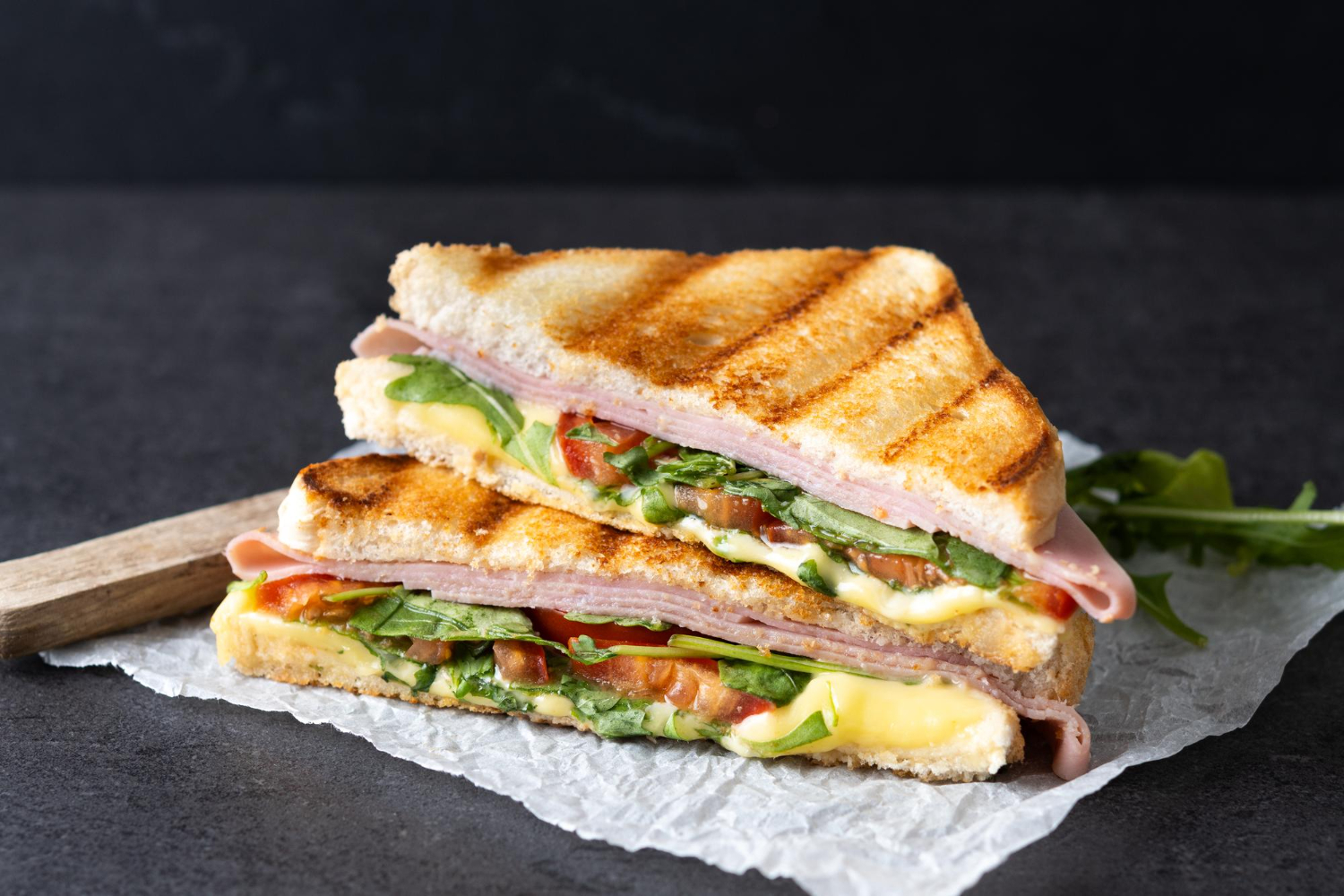
Few foods reveal regional American identity quite like the sandwich, a seemingly simple format that takes on dramatically different personalities depending on where it’s made. From the specific bread to the exact ratio of meat and toppings, each of these regional traditions tells its own story of local history and culinary pride, shaped by whichever immigrant community, industry, or local ingredient happened to define that particular corner of the country. Here are nine genuinely distinct American sandwich styles and what makes each one truly different, counted down here one by one, quite carefully.
1. Philadelphia: The Cheesesteak
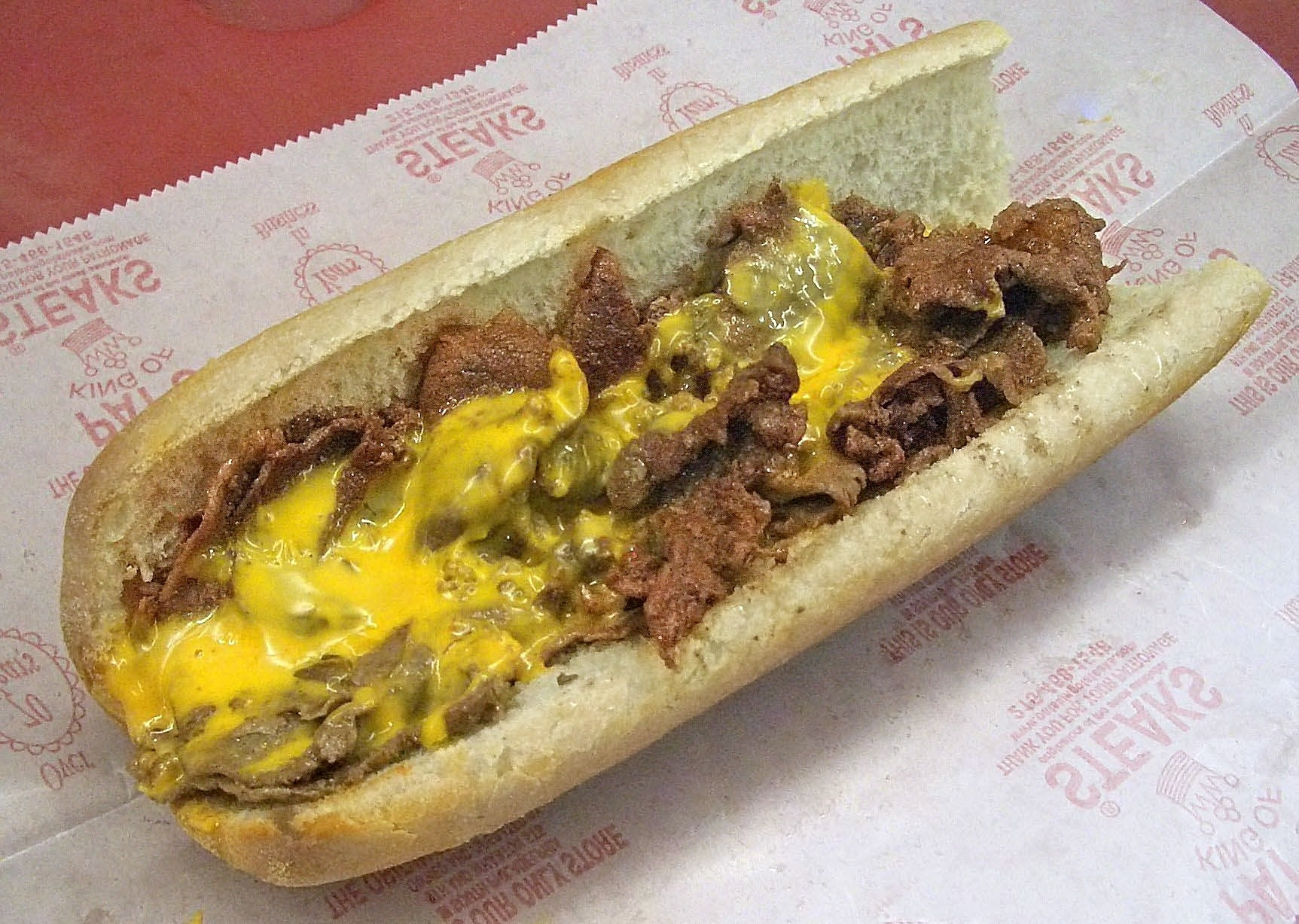
Philadelphia’s cheesesteak layers thin-sliced beef with melted cheese. Rival shops fuel decades of local debate.
Philadelphia’s cheesesteak features thin-sliced, griddled beef topped with melted cheese, traditionally Cheez Whiz, provolone, or American, all piled into a long, soft hoagie roll. Ordering one correctly, specifying cheese type and whether you want onions, is practically a local rite of passage, and rival shops just blocks apart in South Philadelphia have built decades-long reputations on subtle differences in technique. The Philadelphia cheesesteak’s rival-shop rivalry and specific ordering ritual make it one of the most culturally significant sandwiches in the country, a dish inseparable from the city’s identity.
Like our content? Follow us for more.
2. New Orleans: The Po’Boy
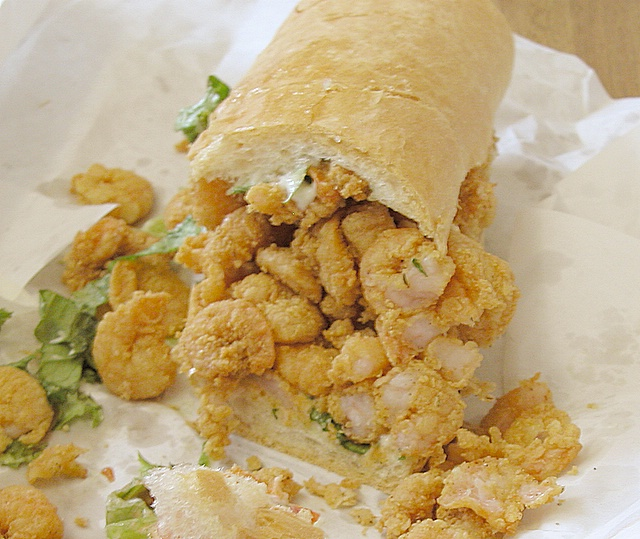
Louisiana’s po’boy is built on distinctive French bread. Fried seafood is the most beloved traditional filling.
The New Orleans po’boy is built on distinctively light, crackly French bread, traditionally stuffed with fried shrimp, oysters, or catfish, dressed with lettuce, tomato, and mayonnaise, in a sandwich whose exact origins are tied to a 1929 streetcar workers’ strike, when local restaurant owners reportedly fed striking workers for free and dubbed the sandwich for their “poor boys.” The po’boy’s unique bread and deep Louisiana roots make it a genuinely singular regional sandwich, one whose history is as flavorful as the sandwich itself.
3. Chicago: The Italian Beef
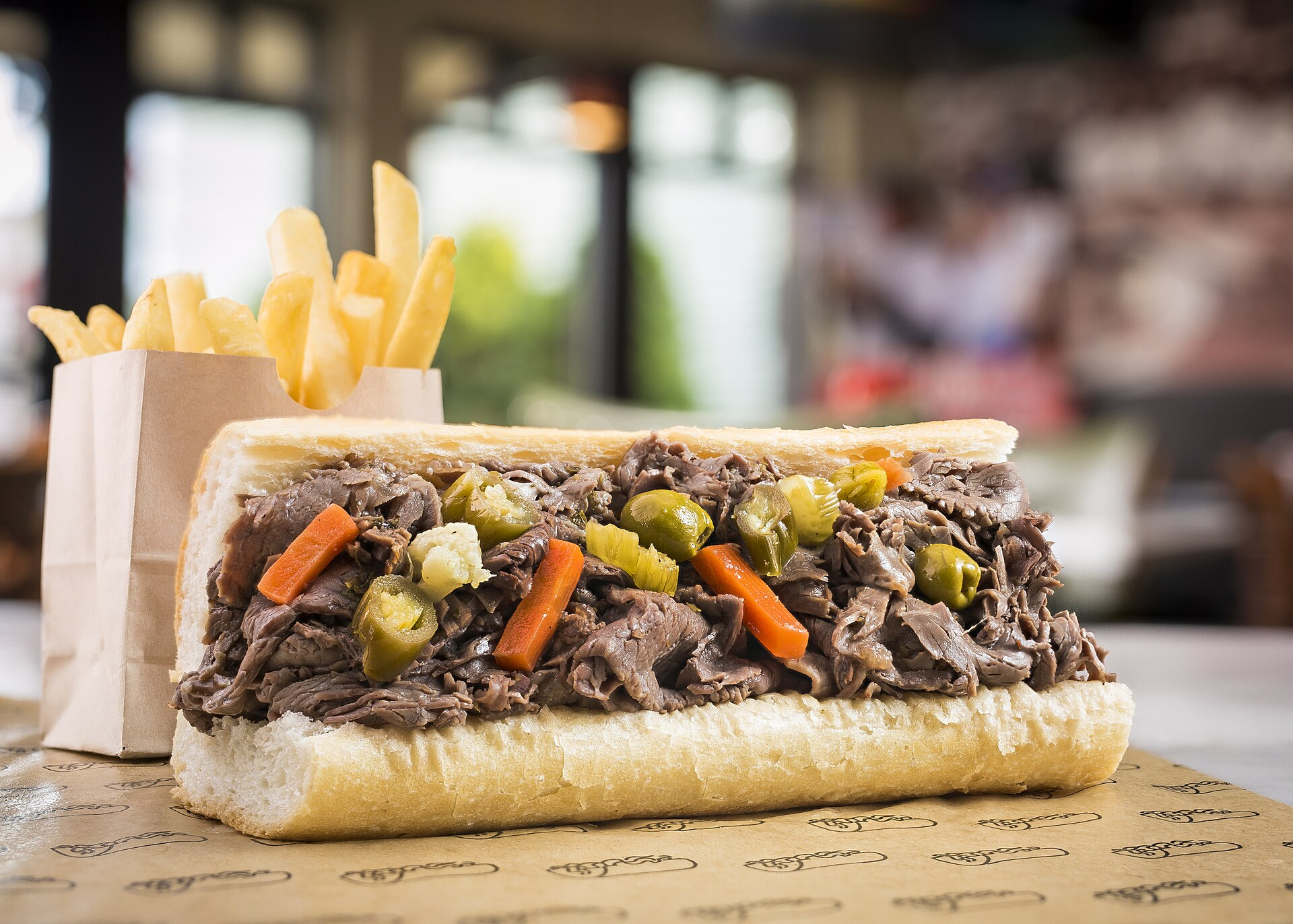
Chicago’s Italian beef features thin-sliced, juice-soaked meat. It’s traditionally served dripping wet, dip optional.
Chicago’s Italian beef sandwich piles thin, slow-roasted beef, soaked in seasoned juice, onto a sturdy roll, often topped with giardiniera or sweet peppers and dipped further into the juice before eating, a genuinely messy but beloved local tradition. The Chicago Italian beef’s soaked-bread approach sets it apart from nearly every other regional sandwich, a deliberately juicy style that rewards eating it exactly the way locals insist it should be enjoyed.
4. New York: The Pastrami on Rye
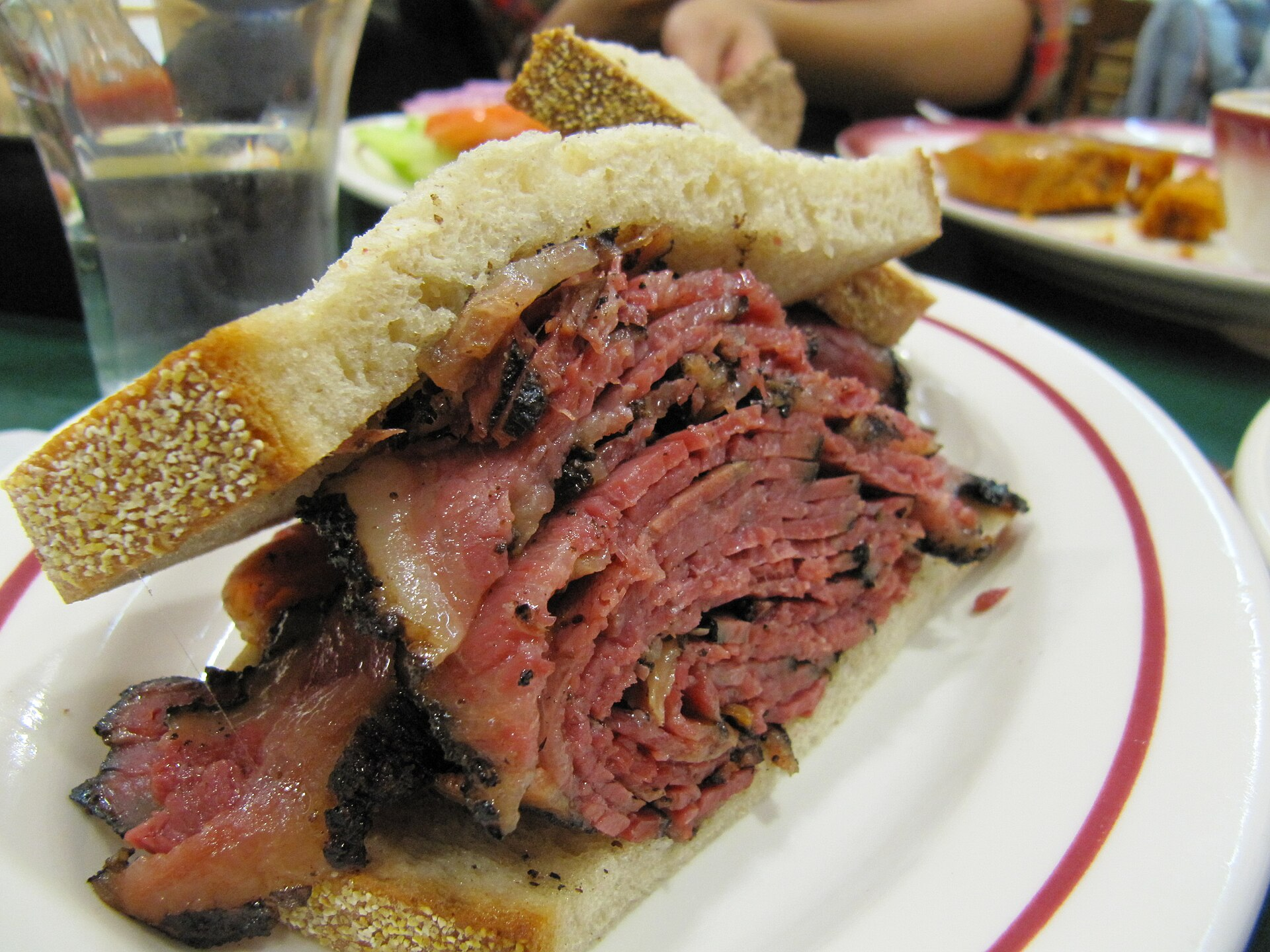
New York’s deli sandwich stacks house-cured pastrami high. Mustard and rye bread complete the classic combination.
New York’s classic deli pastrami sandwich stacks generous, hand-carved layers of peppery, smoked pastrami between slices of rye bread, typically with just a smear of mustard, letting the meat’s flavor and the deli’s skilled hand-cutting technique take center stage. Regulars at the city’s oldest delis often know exactly which counter server carves the most generous, evenly cut portions. The New York pastrami sandwich reflects the city’s deep Jewish deli heritage, a towering, meat-forward creation that has become an internationally recognized symbol of classic New York food culture.
5. Cuban Miami: The Cuban Sandwich
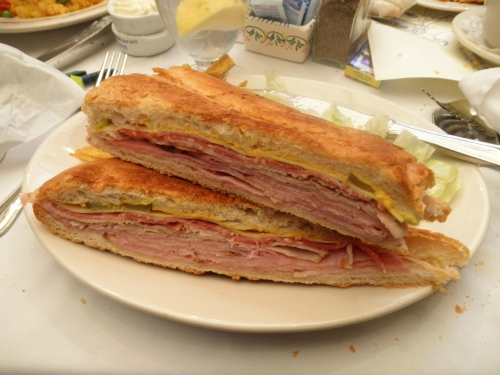
Miami’s Cuban sandwich layers roast pork, ham, and pickles. The whole thing is pressed until crisp.
Miami’s Cuban sandwich layers roasted pork, ham, Swiss cheese, pickles, and mustard between Cuban bread, then presses the entire thing until crisp and warm, a genuinely satisfying combination shaped by the city’s deep Cuban immigrant heritage and the broader Latin American communities who settled throughout South Florida. The Cuban sandwich’s pressed, layered construction reflects Miami’s rich cultural blending, a dish that captures the city’s Cuban culinary influence in one deeply flavorful, satisfying package.
6. St. Louis: The Gerber Sandwich
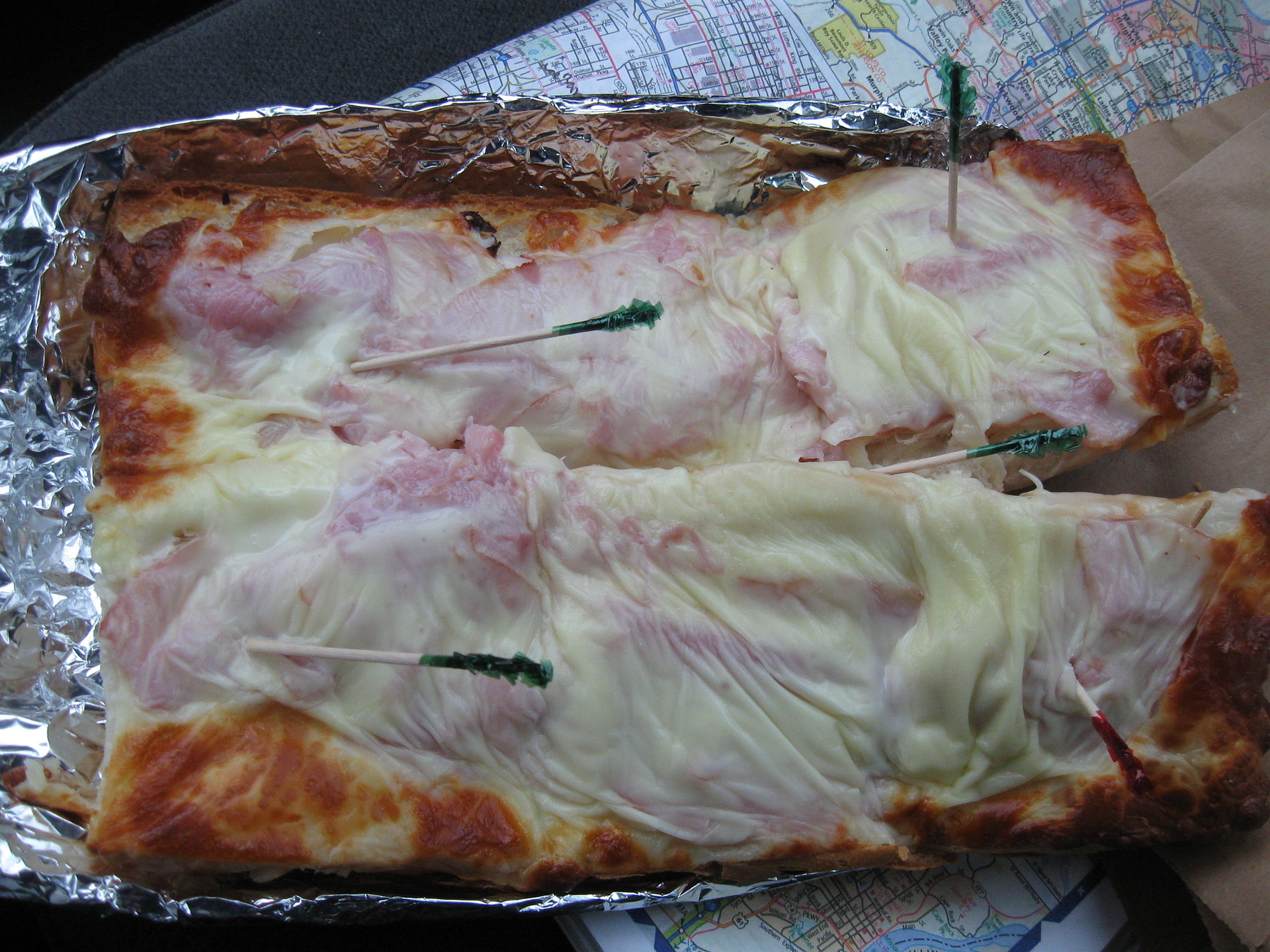
St. Louis favors an open-faced garlic bread creation. Ham and provel cheese anchor this regional specialty.
St. Louis’s Gerber sandwich takes an entirely different approach, an open-faced creation built on garlic bread, topped with ham and the city’s signature Provel cheese, then broiled until bubbling and golden. The Gerber sandwich’s open-faced, broiled format sets it apart from nearly every traditional sandwich style, a distinctly local specialty that showcases the same unique Provel cheese found in St. Louis’s equally distinctive pizza tradition.
7. Southern California: The French Dip
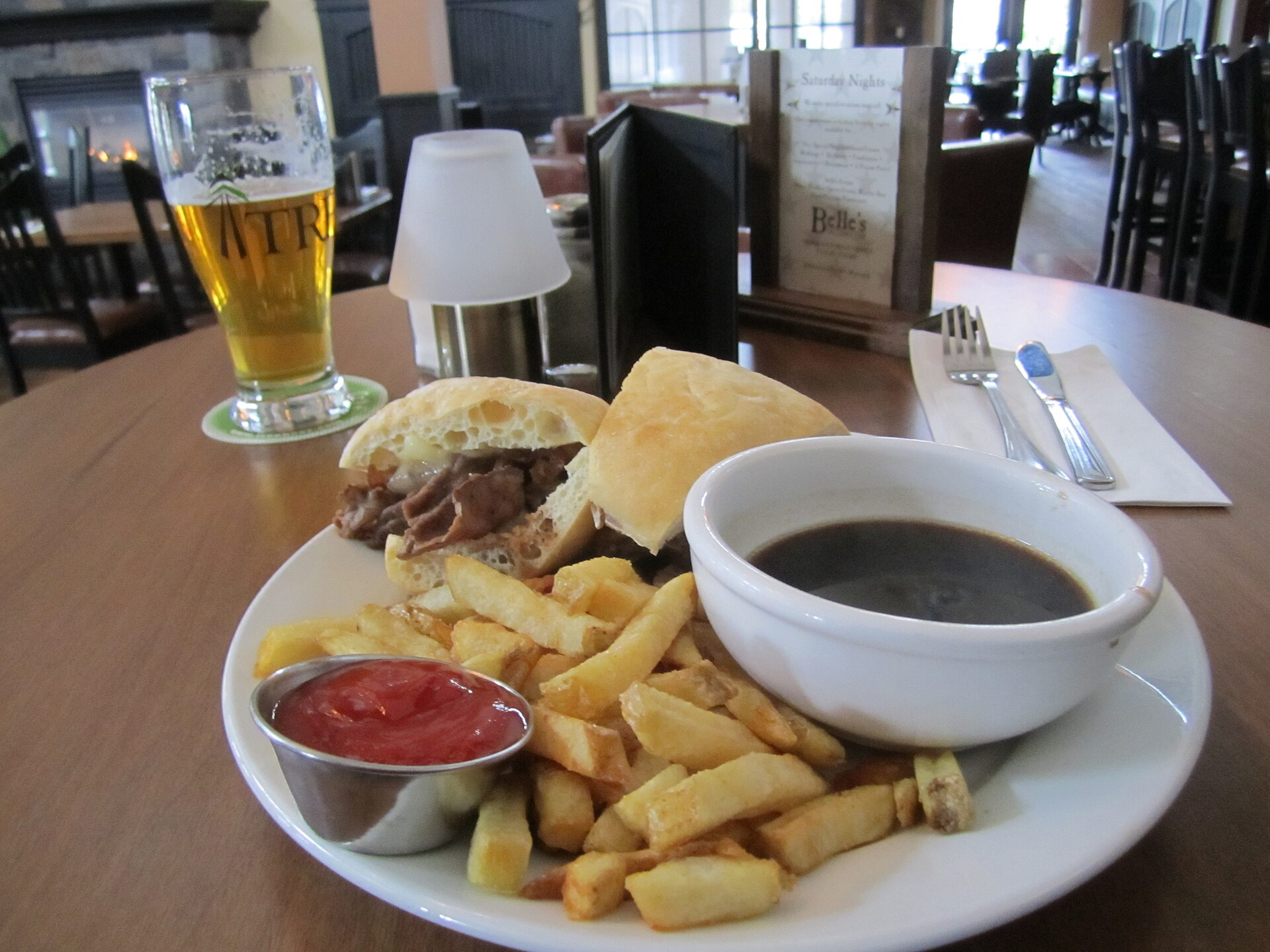
Southern California’s French dip serves sliced roast beef with au jus. Two Los Angeles restaurants both claim its invention.
The French dip sandwich, piled with thinly sliced roast beef on a French roll, served alongside a cup of savory au jus for dipping, traces its disputed origins to two competing Los Angeles restaurants, each claiming to have invented it in the early 20th century. The French dip’s dipping ritual and contested Los Angeles origin story make it a genuinely distinctive Southern California culinary tradition, a sandwich whose history remains a point of ongoing local debate.
8. Kentucky: The Hot Brown
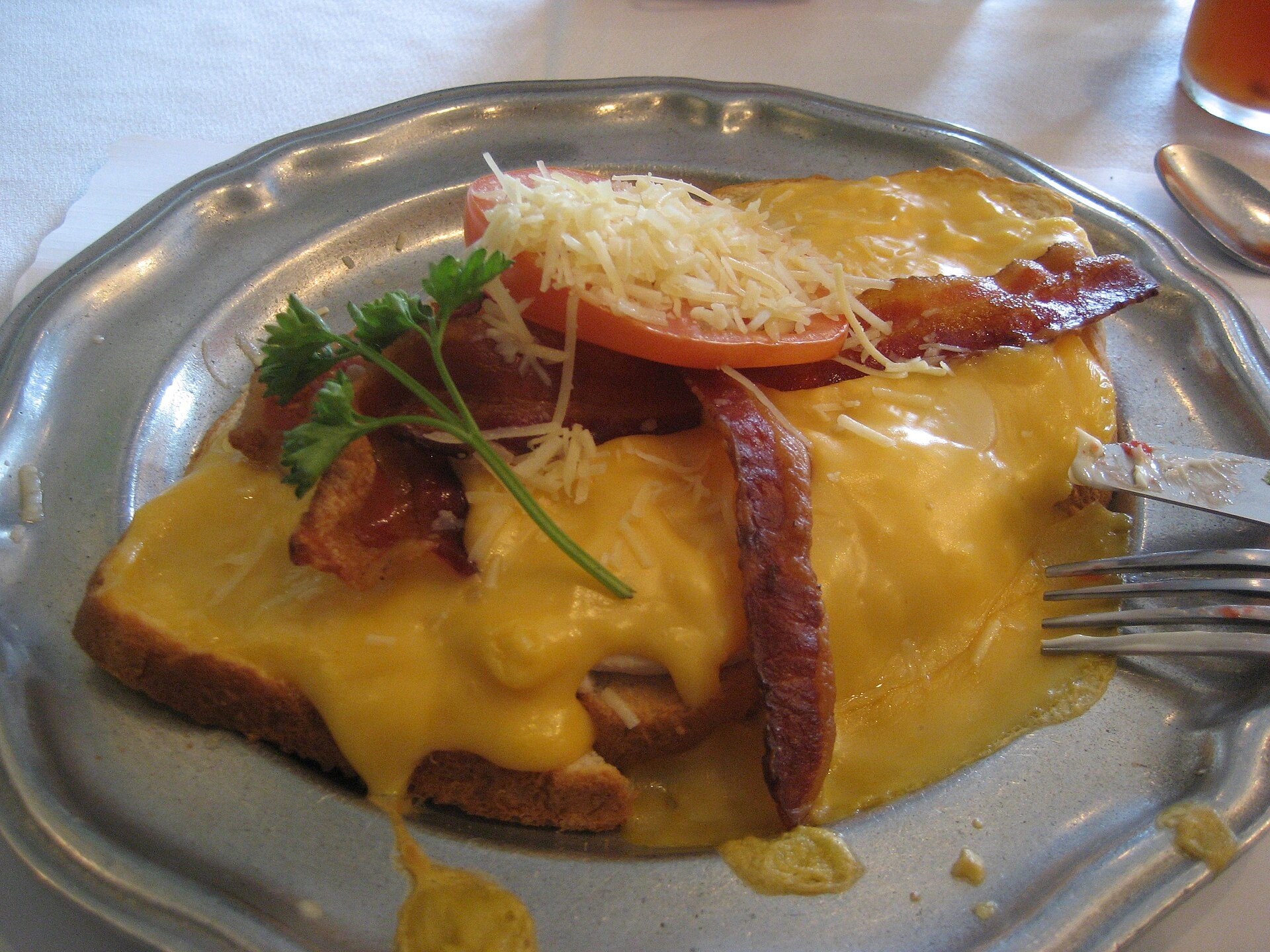
Kentucky’s Hot Brown is an open-faced turkey creation. Rich Mornay sauce and bacon crown the dish.
Kentucky’s Hot Brown, invented at a Louisville hotel in the 1920s, is an open-faced sandwich piled with roasted turkey, smothered in a rich, cheesy Mornay sauce, and topped with crispy bacon and tomato before being broiled until golden. The Hot Brown’s rich, hotel-born origins and knife-and-fork format make it one of the more elegant regional sandwiches in the country, a genuinely indulgent Kentucky specialty with a well-documented history.
9. Maine: The Lobster Roll
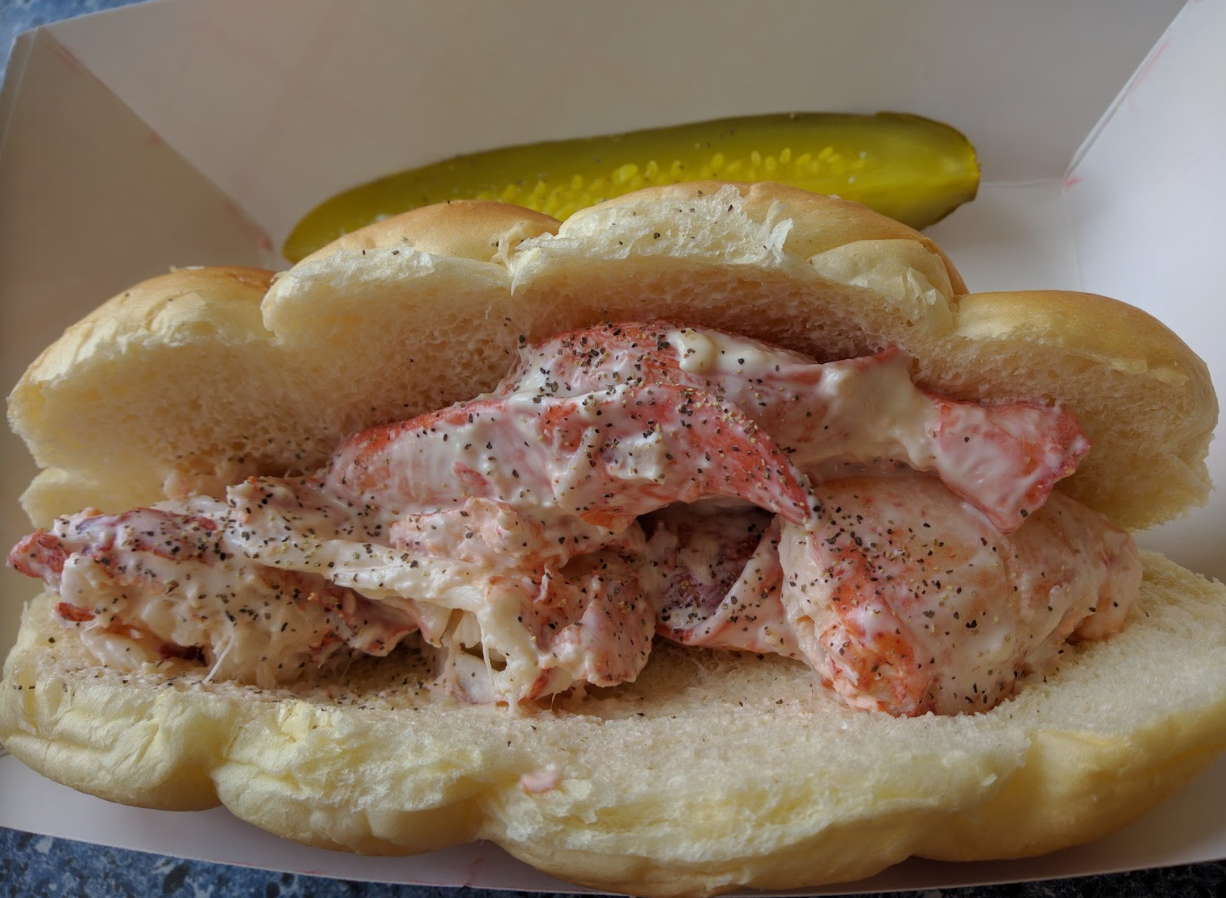
Maine’s lobster roll keeps preparation deliberately simple. Fresh lobster meat is the undisputed star.
Maine’s lobster roll piles chunks of fresh, sweet lobster meat, dressed simply in butter or a light mayonnaise, into a toasted split-top New England-style bun, a deliberately minimal preparation that lets the quality of the seafood itself be the entire point. The Maine lobster roll’s coastal simplicity has made it one of the most sought-after regional sandwiches nationwide, a dish whose reputation has spread to menus far beyond the state’s own shoreline.
A Sandwich Map of America
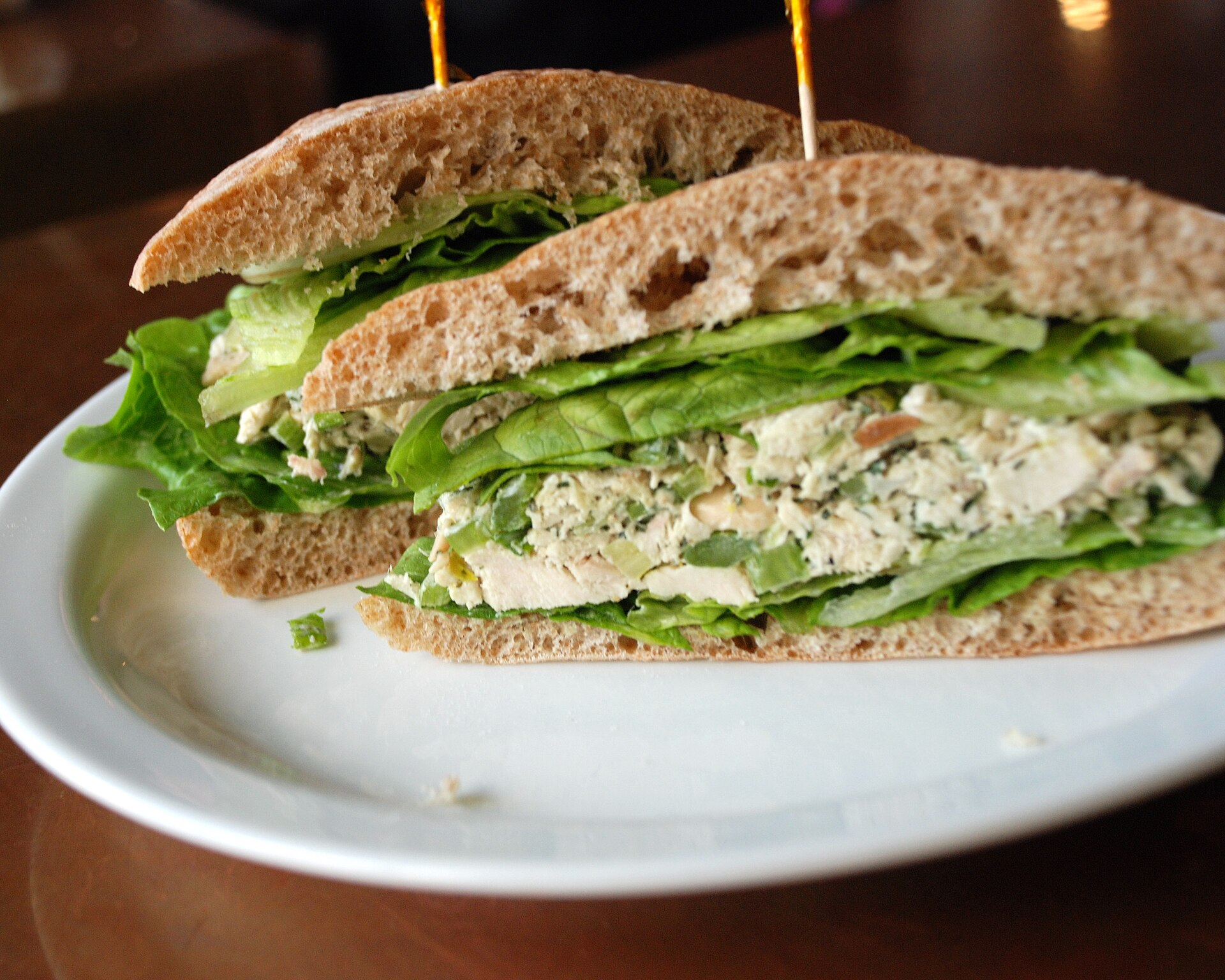
Taken together, these nine sandwiches reveal just how much regional identity, immigration history, and local ingredients shape something as seemingly simple as bread and filling, from Philadelphia’s rival cheesesteak shops to Kentucky’s hotel-born Hot Brown. Each sandwich carries its own distinctive story alongside its distinctive flavor.
What unites these otherwise wildly different creations is how directly each reflects the specific place that produced it, immigrant communities, local ingredients, and generations of neighborhood tradition all converging together into a single, satisfying, handheld meal that somehow tells a genuinely complete regional story. Exploring America’s regional sandwich map is a genuinely delicious way to understand the country’s culinary diversity, since a single sandwich can carry as much local history as any more elaborate regional dish.
Many of these sandwiches have also inspired their own passionate local rivalries and origin disputes, arguments over the “correct” way to order a cheesesteak, or which Los Angeles restaurant truly invented the French dip, that reveal just how personally people identify with their own hometown’s signature creation. A serious sandwich tour of America would cover thousands of miles and reveal an entirely different regional philosophy about bread, meat, and toppings at every single stop along the way. Whichever version you personally consider the best, the sheer variety across these nine traditions is genuine proof that even the humble sandwich contains real multitudes, and that regional food pride runs just as deep for a simple handheld lunch as it does for any more elaborate dish.
Like our content? Follow us for more.