Cake might seem like a universal celebration food, but America’s regional cake traditions reveal genuine local history, immigrant heritage, and community identity baked directly into the batter, shaped by whichever culture, climate, or calendar happened to define that particular corner of the country. Here are eight distinct American cake traditions and what makes each one different, counted down one by one.
1. Louisiana: King Cake
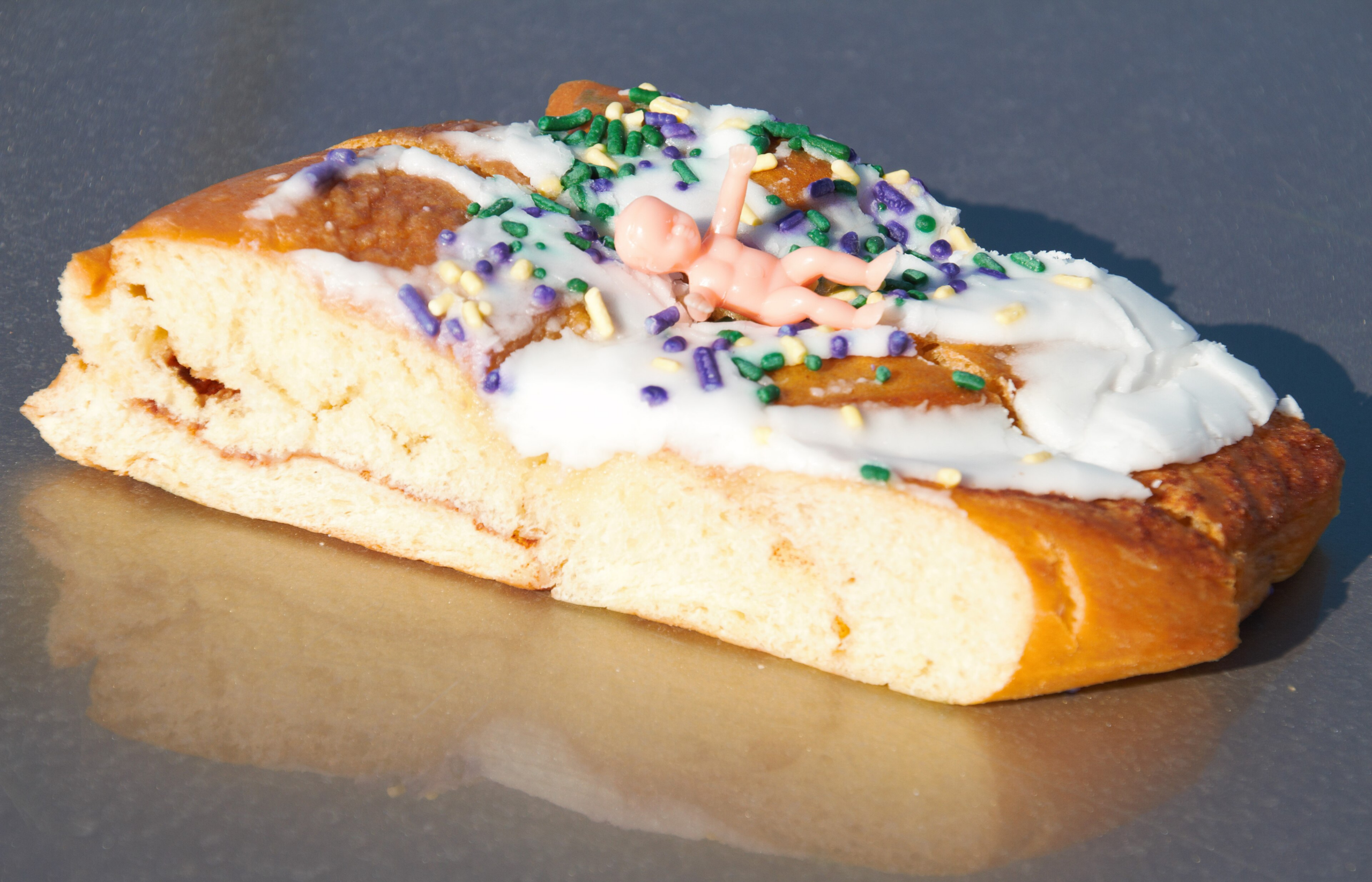
Louisiana’s Mardi Gras cake hides a tiny plastic baby inside. Finding it comes with a fun, well-known obligation.
[IMAGE SUGGESTION] Wikimedia Commons “Louisiana king cake Mardi Gras colors” — CC-licensed image of a king cake.
Louisiana’s king cake, a ring-shaped, cinnamon-swirled pastry topped with purple, green, and gold sugar representing justice, faith, and power, traditionally hides a tiny plastic baby figurine baked inside, and whoever finds the slice containing it is expected to host next year’s party or buy the following king cake. Bakeries across New Orleans and the surrounding region sell king cakes exclusively during the weeks between Epiphany and Fat Tuesday, with entire office break rooms and family gatherings often working through several cakes over the course of a single Carnival season. King cake’s playful hidden-baby tradition and deep ties to the Carnival season make it one of the most culturally rich regional desserts in the entire country, inseparable from Louisiana’s Mardi Gras identity.
Like our content? Follow us for more.
2. The South: Red Velvet Cake
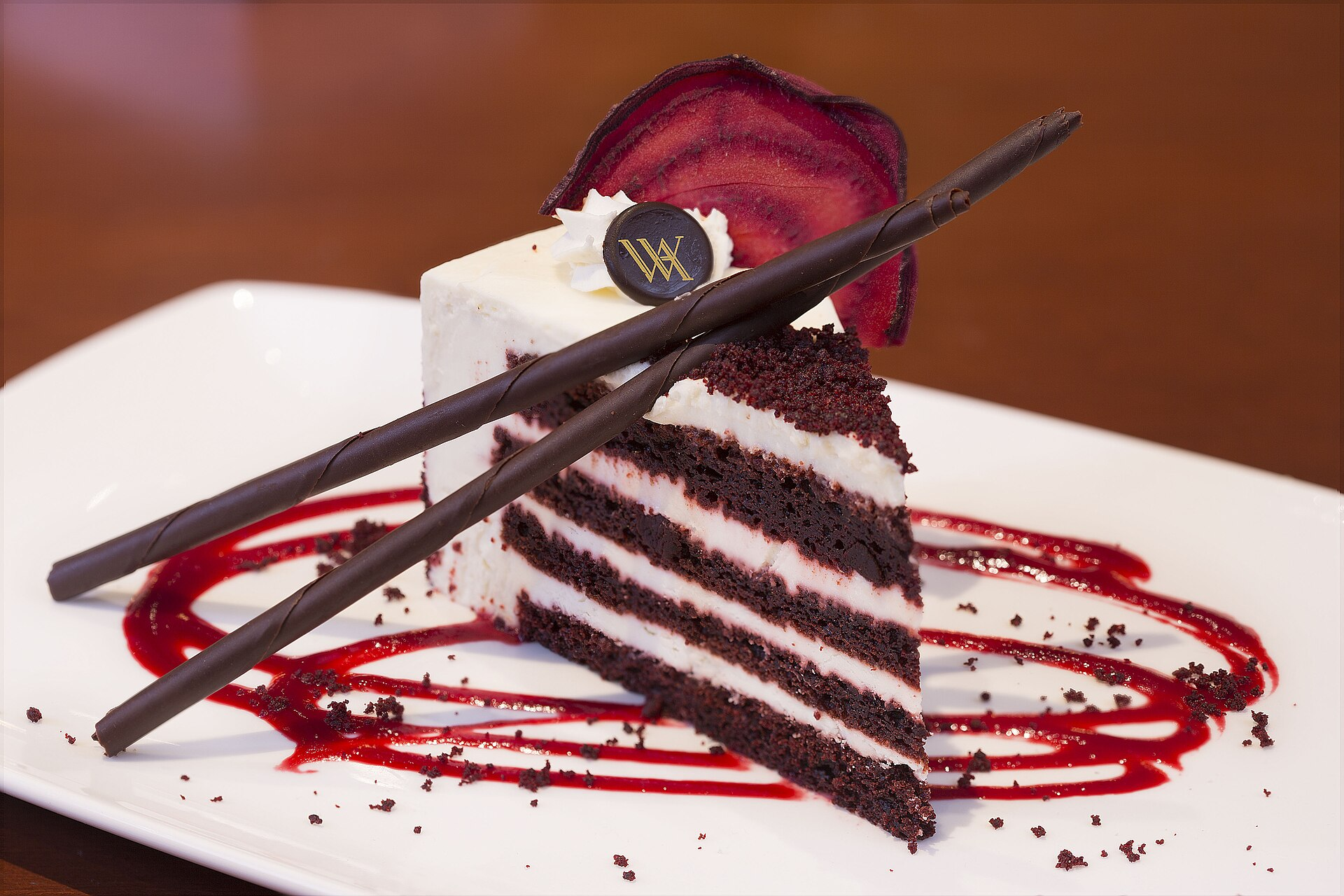
Southern red velvet cake pairs a vivid red hue with cream cheese frosting. Its exact origin remains a point of genuine regional pride and debate.
Southern red velvet cake combines a distinctive deep red color, historically achieved through a chemical reaction between cocoa, buttermilk, and vinegar before food coloring became standard, with a tangy cream cheese frosting that has become the cake’s signature pairing. Various cities and hotels have laid claim to popularizing the recipe over the decades, and Southern home bakers today continue to defend their own particular family version as the definitive one. Red velvet cake’s vivid color and rich Southern hospitality tradition make it one of the most visually striking and beloved regional cakes in the country, a dessert closely associated with formal Southern celebrations and gatherings.
3. Pennsylvania Dutch Country: Shoofly Cake
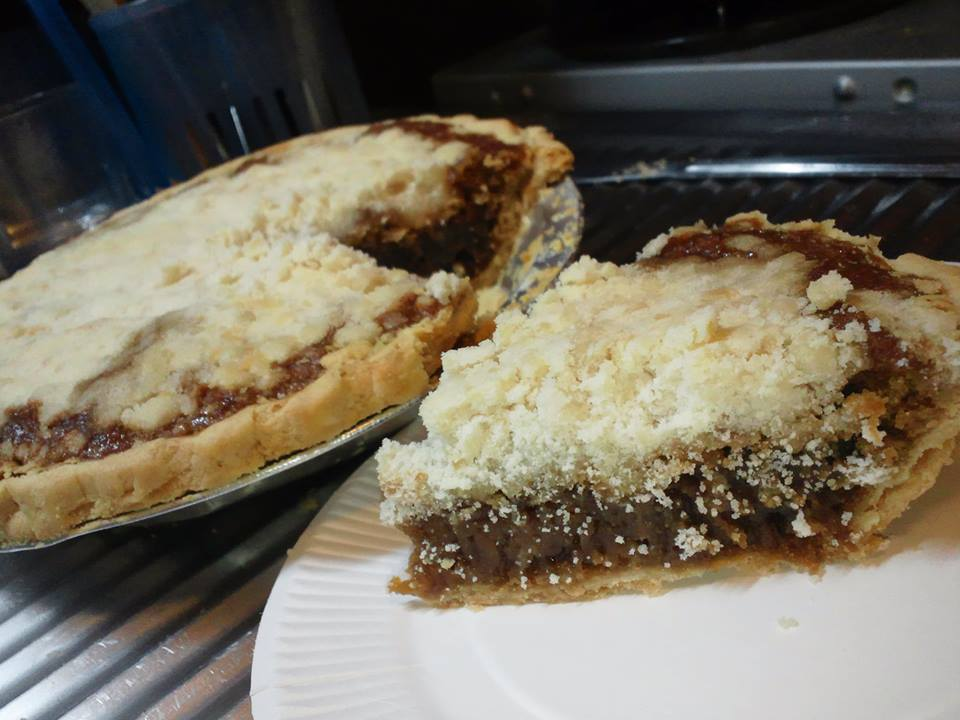
Pennsylvania Dutch bakers created a molasses-rich crumb cake. It shares its name and flavor profile with the region’s famous pie.
Pennsylvania Dutch country’s shoofly cake, closely related to the region’s famous shoofly pie, layers a rich molasses filling beneath a crumbly streusel topping, a dense, deeply sweet dessert rooted in the area’s German immigrant baking heritage and traditions. Shoofly cake’s molasses richness and Pennsylvania Dutch roots make it a genuinely distinctive regional specialty, a dessert that carries the same deep cultural heritage as its better-known pie counterpart.
4. Kentucky: Jam Cake
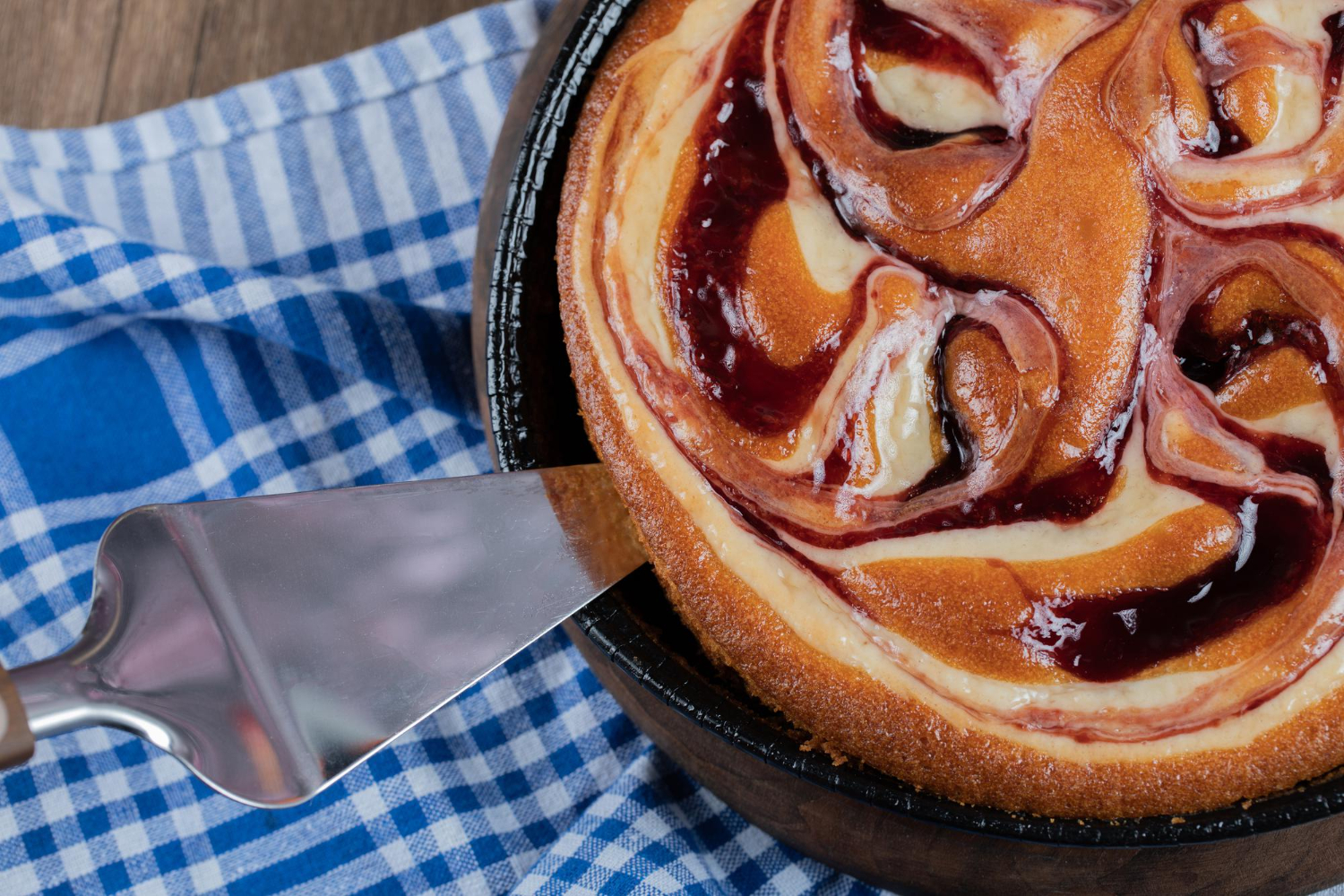
Kentucky’s holiday tradition layers spiced cake with fruit preserves. A caramel frosting typically finishes the dessert.
Kentucky’s jam cake layers a warmly spiced cake with blackberry or other fruit preserves between each tier, traditionally finished with a rich caramel frosting, a beloved holiday specialty that appears on Kentucky tables particularly around Christmas and other special family gatherings throughout the region each year. Jam cake’s layered fruit preserves and caramel finish reflect deep Appalachian and Southern baking traditions, a dessert whose specific combination of ingredients remains a genuinely distinctive regional signature.
5. Hawaii: Chantilly Cake
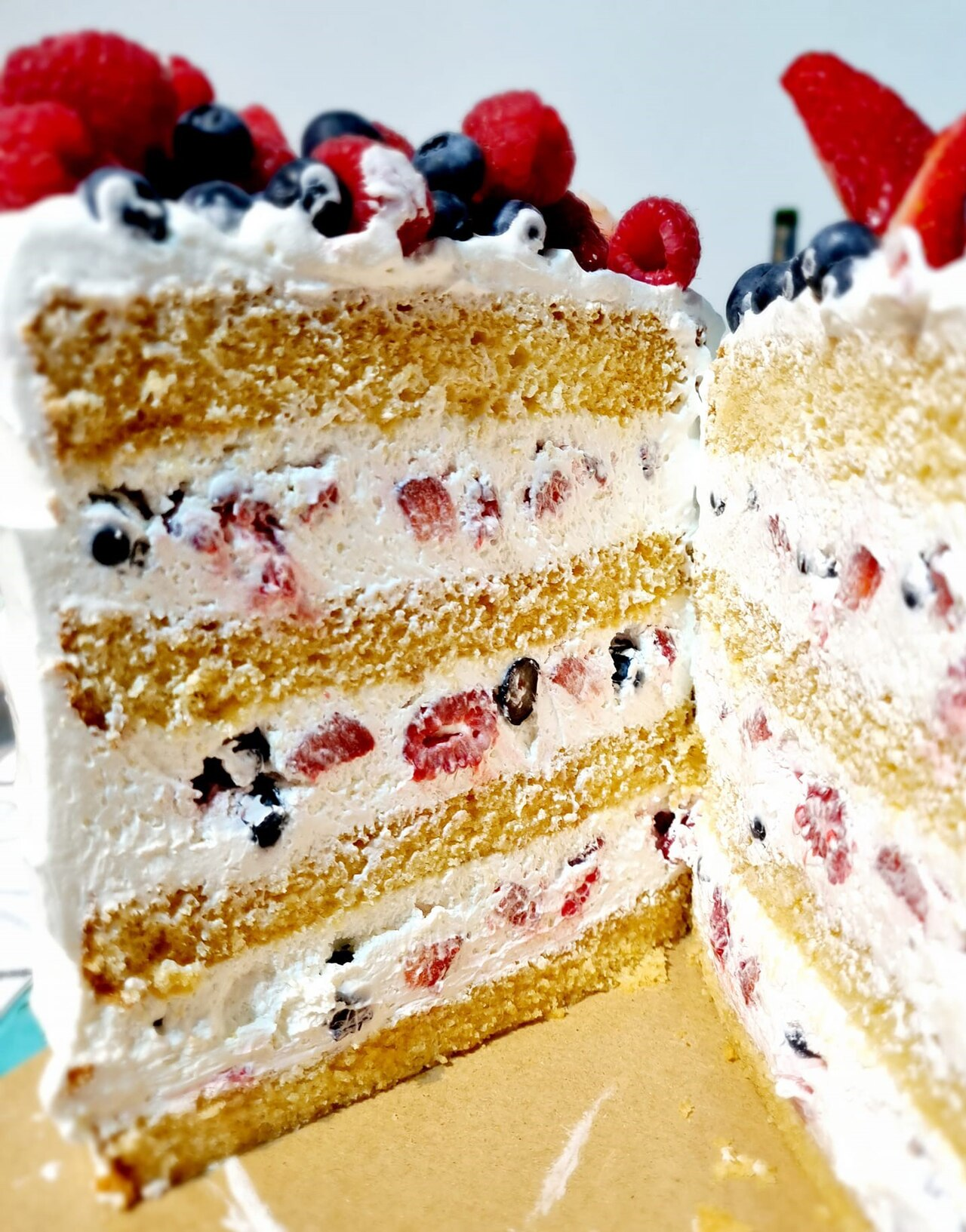
Hawaii’s beloved celebration cake features a whipped, buttery frosting. It’s a genuine staple at island birthdays and gatherings.
Hawaii’s chantilly cake pairs a simple yellow or chocolate cake with a distinctive whipped, buttery chantilly frosting made from evaporated milk, butter, and often chocolate chips, a beloved local specialty that has become a genuine staple at island birthdays, graduations, and family celebrations across every part of the islands. Chantilly cake’s distinctly island character reflects Hawaii’s own evolved baking traditions, a dessert whose specific frosting style remains largely unknown outside the islands themselves.
6. New England: Boston Cream Pie
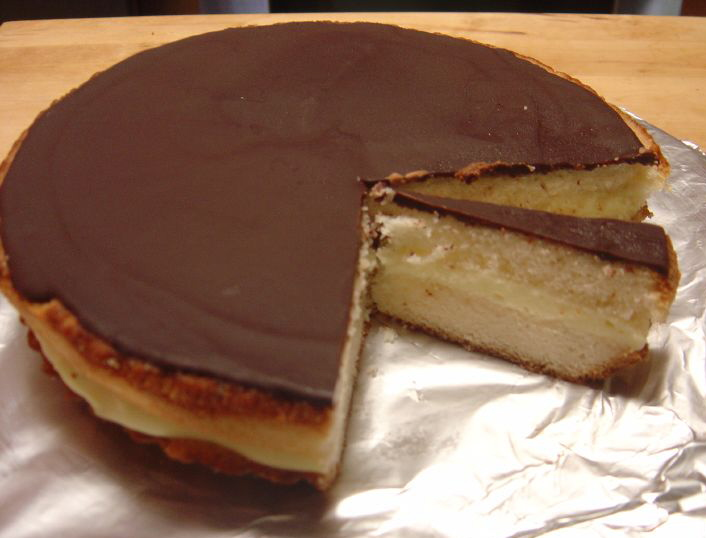
Despite its name, this is genuinely a cake, not a pie. Custard filling and chocolate glaze define the classic combination.
Boston cream pie, despite its misleading name, is actually a genuine cake, two layers of sponge cake filled with rich vanilla custard and topped with a glossy chocolate glaze, a dessert with roots tracing back to a 19th-century Boston hotel where it was reportedly first served. Boston cream pie’s confusing name and elegant custard-chocolate combination make it a genuinely distinctive regional specialty, one so beloved it was officially designated the state dessert of Massachusetts in 1996, cementing its status well beyond a simple local favorite.
7. The Midwest: Poppy Seed Cake
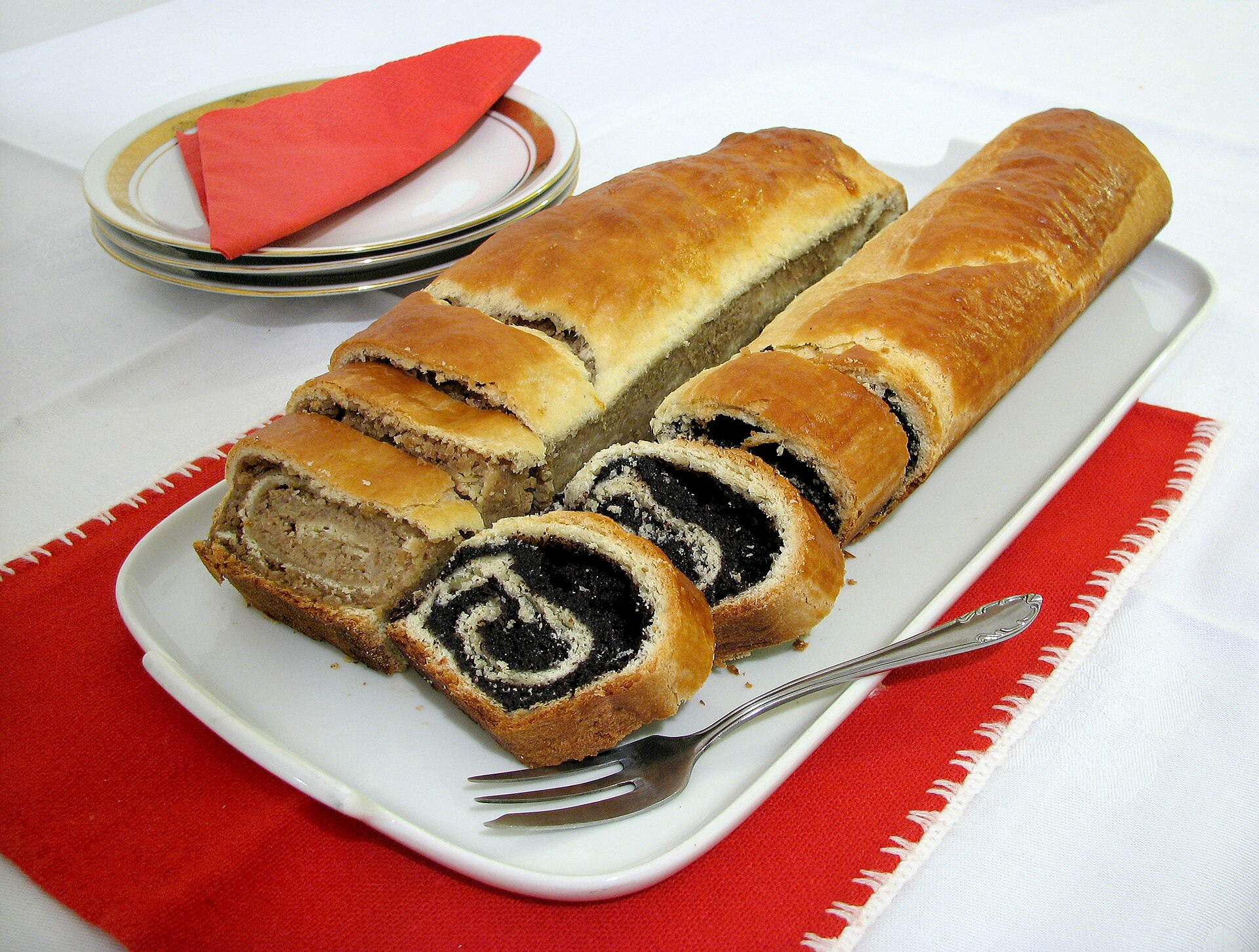
Midwestern communities with German and Eastern European roots favor a distinctive poppy seed filling. It reflects deep immigrant baking heritage.
Midwestern communities with strong German, Polish, and Czech immigrant heritage developed a distinctive poppy seed cake, often rolled or layered with a rich, dense poppy seed filling, a dessert that reflects the deep Central and Eastern European baking traditions carried by generations of immigrant families who settled throughout the region. Poppy seed cake’s distinctive filling and immigrant roots reflect the Midwest’s genuinely diverse baking heritage, a dessert still closely associated with the region’s specific ethnic communities and church-supper traditions.
8. Texas: Tres Leches Cake
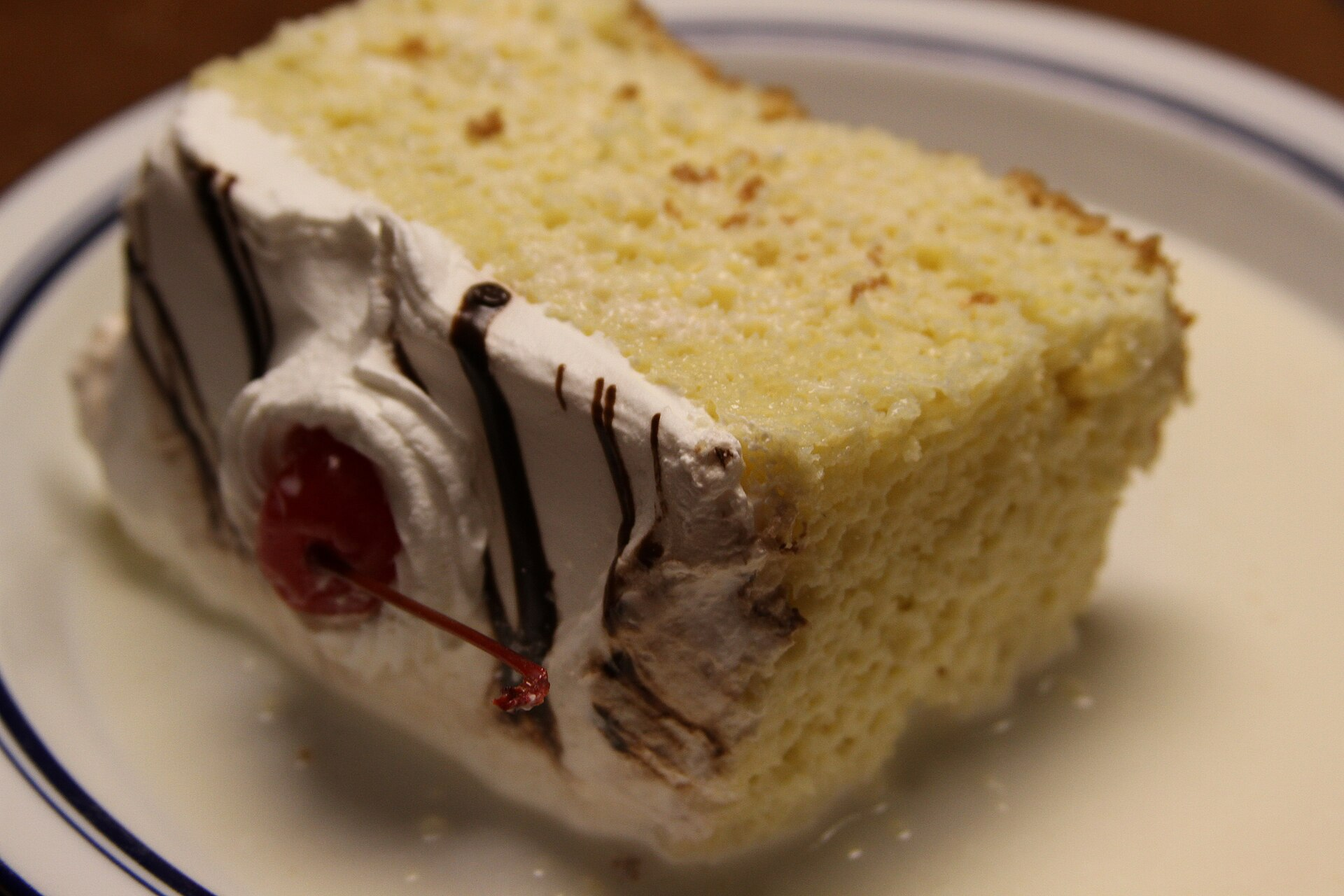
Texas showcases a milk-soaked sponge cake with deep Latin American roots. Its name directly describes the three milks used.
Texas’s beloved tres leches cake, meaning “three milks” in Spanish, soaks a light sponge cake in a mixture of evaporated milk, condensed milk, and heavy cream, a genuinely rich, moist dessert with deep roots in Mexican and broader Latin American baking traditions that have become deeply woven into Texas’s own culinary identity over many generations. Tres leches cake’s milk-soaked richness and Latin American heritage reflect Texas’s genuine cultural blending, a dessert that has become a beloved celebration staple across the state regardless of background.
A Slice of America’s Cultural Story
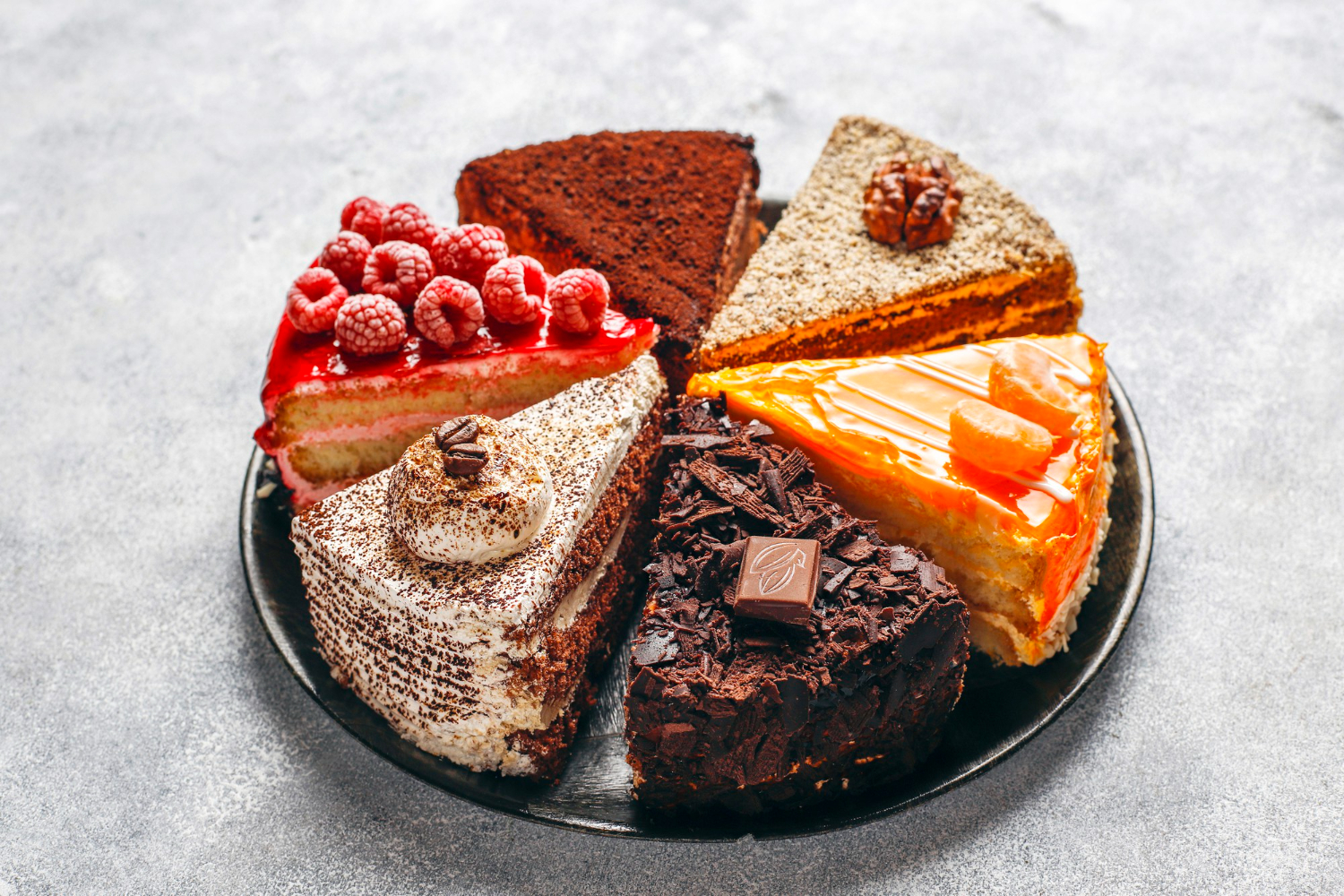
Taken together, these eight cakes show just how much regional identity, immigrant heritage, and local tradition shape even a dessert as universally beloved as cake, from Louisiana’s playful king cake to Texas’s milk-soaked tres leches. Each carries genuine cultural history in every single slice.
What unites these otherwise distinct traditions is how directly each reflects the specific community, immigration pattern, or local celebration that shaped it, a Mardi Gras tradition, a German farming community’s heritage, a Latin American culinary influence, all preserved in cake form and passed down through generations. Exploring America’s regional cake traditions offers a genuinely delicious lesson in the country’s rich, layered cultural history, proving that even the most celebratory dessert can carry deep regional identity in every single bite.
Many of these traditions have also inspired their own passionate local debates and rivalries, arguments over whether red velvet cake truly originated in the South or elsewhere, or which family’s jam cake recipe is genuinely the best, that reveal just how personally people identify with a dessert tied closely to their own regional heritage. Seasonal and celebratory timing plays a real role too, since king cake appears specifically during Carnival season and jam cake shows up largely around the winter holidays, meaning a proper tour of America’s cake traditions would need to account for the calendar as much as the map. For travelers with a genuine sweet tooth and an interest in American food culture, seeking out the authentic, locally made version of each regional cake rather than settling for a generic supermarket imitation offers one of the most delicious ways to understand just how much history a single dessert can carry.
Like our content? Follow us for more.