Few foods inspire as much genuine regional pride and passionate argument as the bagel, a seemingly simple boiled-and-baked bread ring that varies dramatically in size, sweetness, and texture depending on where in North America it happened to be made and by whose specific family recipe. Here are seven distinct bagel styles and what makes each one different, counted down one by one.
1. New York: The Dense, Chewy Classic

New York’s iconic bagel is boiled before baking for a genuinely chewy crust. Malt syrup in the boiling water adds subtle sweetness.
The New York bagel is boiled briefly in malted water before baking, a technique that produces a genuinely dense, chewy interior wrapped in a distinctively glossy, slightly crisp crust, widely considered by many longtime fans and bakers alike to be the definitive American bagel standard against which all others are measured. Some longtime New Yorkers insist the city’s specific water supply plays a genuine role in the bagel’s unique texture, a claim that remains a point of real local pride and ongoing debate. The New York bagel’s dense chew and iconic status make it the benchmark most other regional styles are measured against.
Like our content? Follow us for more.
2. Montreal: The Smaller, Sweeter Wood-Fired Ring

Montreal’s bagel is noticeably smaller and sweeter than New York’s. A wood-fired oven gives it a distinctive smoky char.
The Montreal bagel is noticeably smaller and thinner than its New York counterpart, boiled in honey-sweetened water and baked in a genuine wood-fired oven that imparts a distinctive smoky char and deeper caramelized flavor throughout the crust and the chewy interior beneath it. The rivalry between New York and Montreal bagel traditions remains genuinely fierce and long-running, each city’s devoted fans insisting their own version represents the true, correct bagel experience.
3. St. Louis: The Sliced, Sandwich-Ready Bagel

St. Louis popularized bagels sliced horizontally rather than in half. The format prioritizes practical sandwich-making convenience.
St. Louis-area bagel shops popularized slicing bagels horizontally into several thin layers rather than the traditional single half-and-half cut, a distinctly regional format that prioritizes practical, even sandwich-building convenience over the classic presentation found elsewhere in the country and in most other major American cities. The St. Louis-style sliced bagel reflects a genuinely practical regional innovation, one that generates real, ongoing debate among bagel purists about whether the format honors or undermines the bread’s traditional character.
4. California: The Everything-Adjacent Innovation Hub

California bagel shops have pioneered numerous flavor and topping innovations. The state’s broader food culture shapes a distinctly experimental approach.
California bagel shops, particularly in Los Angeles and the greater Bay Area, have pioneered numerous flavor innovations and unconventional topping combinations, reflecting the state’s broader, more experimental food culture and its openness to reinterpreting culinary traditions imported from elsewhere in the country. California’s bagel scene reflects the state’s genuine culinary creativity, a market willing to blend traditional technique with the kind of fusion approach the region is broadly known for across many food categories, from tacos to pizza to bagels themselves.
5. Texas: The Larger, Softer Breakfast Taco Companion

Texas bagel shops often produce a larger, softer bagel suited to local breakfast culture. The format reflects the state’s broader breakfast traditions.
Texas bagel shops frequently produce a somewhat larger, softer bagel than the classic New York style, a format that fits more comfortably alongside the state’s broader breakfast culture and its own beloved breakfast taco tradition found throughout the region’s diners and taquerias. Texas’s softer bagel style reflects the state’s practical adaptation of an East Coast tradition to fit local breakfast preferences, a regional variation shaped by the surrounding food culture it exists within.
6. The Pacific Northwest: The Whole-Grain, Artisan Approach

Pacific Northwest bakeries emphasize whole grains and artisan technique. The region’s broader food culture shapes a health-conscious interpretation.
Pacific Northwest bagel bakeries frequently emphasize whole grains, artisan sourdough starters, and locally milled flour, reflecting the region’s broader food culture and its emphasis on sustainable, health-conscious baking throughout the greater Portland and Seattle food scenes and their surrounding farming communities. The Pacific Northwest’s artisan approach to bagel-making reflects the region’s genuine culinary identity, a style that reinterprets a traditionally simple food through the area’s broader values around ingredient sourcing and craft technique.
7. Miami: The Cuban-Influenced Bagel Sandwich

Miami’s bagel culture blends East Coast tradition with Cuban culinary influence. The result reflects the city’s genuinely distinctive immigrant heritage.
Miami bagel shops often blend classic East Coast bagel tradition with distinctly Cuban culinary influence, incorporating ingredients like guava, cream cheese with tropical fruit, or Cuban-style pressed sandwich fillings that reflect the city’s genuinely rich immigrant heritage and its deep, ongoing connection to the broader Caribbean and Latin American culinary world. Miami’s Cuban-influenced bagel culture represents a distinctly regional fusion, a blending of East Coast tradition with South Florida’s own deep culinary identity found throughout the broader local food scene.
A Simple Bread, Fiercely Defended in Every American City
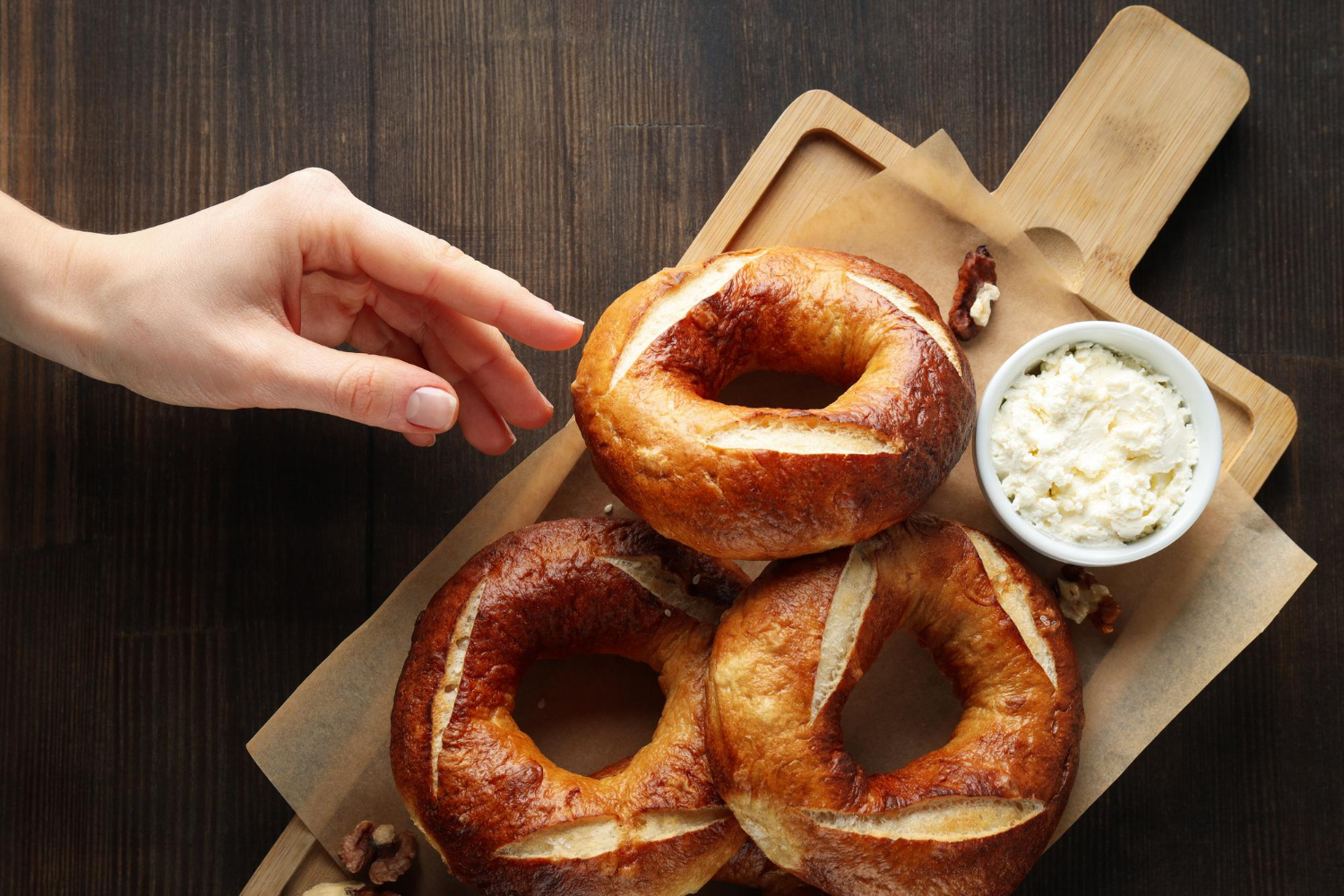
Taken together, these seven bagel styles show just how much regional pride, immigrant heritage, and local technique can transform even the most seemingly straightforward baked good, from New York’s dense, chewy classic to Montreal’s smaller, wood-fired sweetness. Each carries genuine regional identity, and genuine regional rivalry, in every single ring.
Beyond the flavor and texture debates, regional bagel traditions also reflect genuinely different philosophies about what a bagel is even for, some cities treat it as a hearty breakfast anchor meant to be loaded with cream cheese and lox, while others build their local identity around lighter, more versatile versions meant to pair with an enormous range of fillings and toppings throughout the day, from savory lunch sandwiches to simple afternoon snacks
What unites these otherwise distinct traditions is the sheer passion each region brings to defending its own particular version, arguments over water quality, boiling technique, and proper size and sweetness level that reveal just how personally people identify with their hometown’s specific bagel style. Exploring America’s regional bagel traditions offers a genuinely delicious lesson in local food culture, proving that even a simple ring of boiled-and-baked bread can carry deep regional pride from coast to coast.
The New York versus Montreal debate in particular has become something of a genuine cultural touchstone, with devoted fans on each side willing to argue at length over boiling technique, ideal size, and the correct level of sweetness, a rivalry that shows no real sign of resolving itself even after decades of good-natured back-and-forth between the two cities. Bagel shops in both cities have leaned into the rivalry themselves over the years, some proudly advertising their specific city’s traditional method while poking gentle fun at the other tradition’s approach, keeping the good-natured debate alive for each new generation of bagel eaters who visit and inevitably develop their own strong opinion.
Beyond the two most famous traditions, the more recently emerged regional styles reflect how thoroughly the bagel has been absorbed into American food culture more broadly, no longer confined to its East Coast origins but reinterpreted through whatever local culinary identity happens to surround it in any given city. For travelers curious about regional American food culture, trying an authentic bagel in its actual city of origin, made by a shop with real roots in that specific local tradition, remains one of the most delicious and genuinely illuminating ways to understand how a single simple food can carry such different meaning depending entirely on where you happen to be standing when you order it.
Like our content? Follow us for more.