Few foods carry as much regional pride and generational technique as the American biscuit, a seemingly simple combination of flour, fat, and leavening that varies dramatically in texture, height, and purpose depending on which part of the country baked it. Here are eight distinct American biscuit traditions and what makes each one different, counted down one by one.
1. The South: Tall, Flaky Buttermilk Biscuits
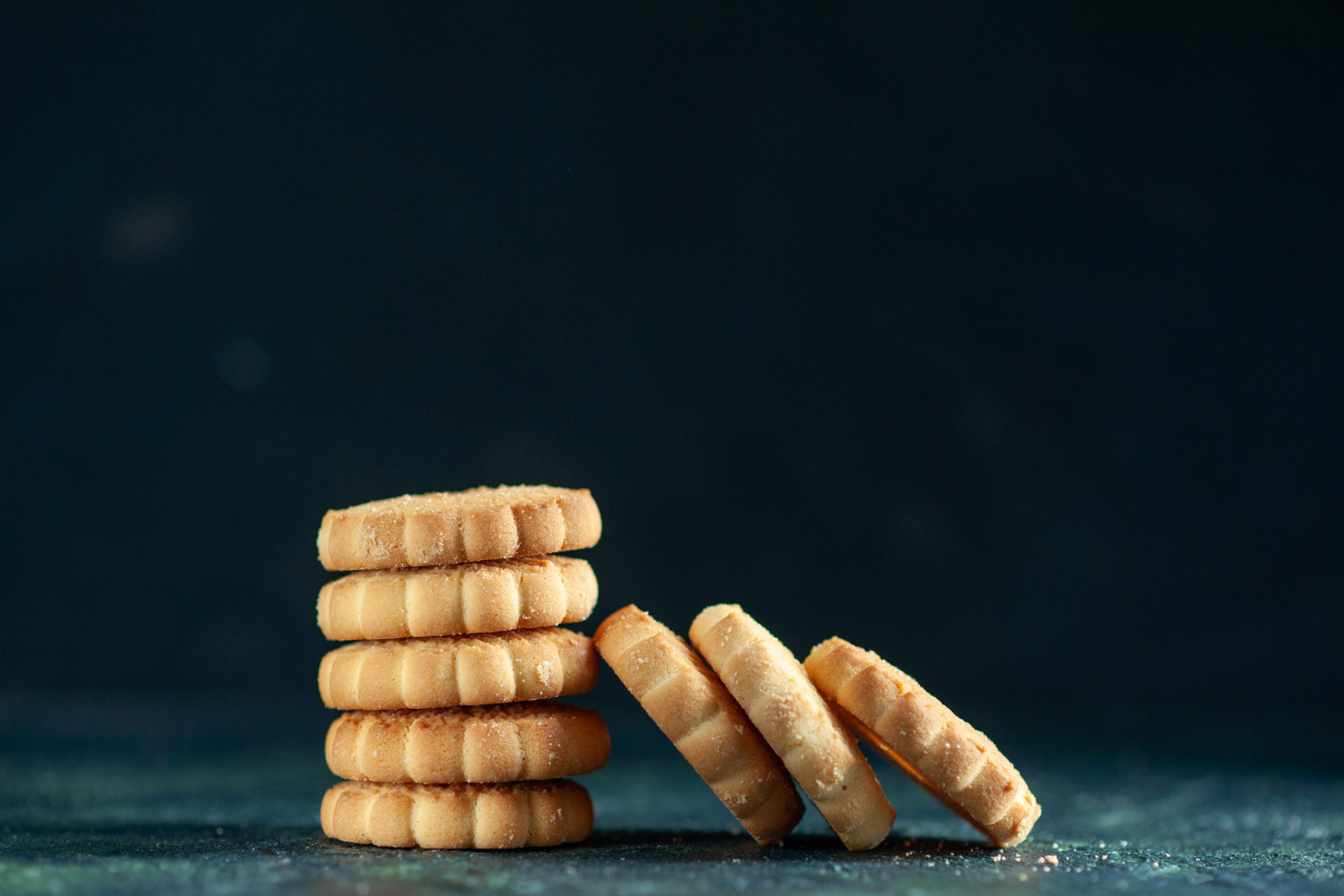
Southern biscuits rise tall with genuinely flaky, layered texture. Buttermilk provides the tang that defines the classic recipe.
The classic Southern biscuit rises tall with genuinely flaky, distinct layers, achieved through a careful folding technique and cold butter cut into the flour, with tangy buttermilk providing both leavening assistance and the recipe’s signature flavor throughout every bite. The Southern biscuit’s height and flakiness make it the standard against which most other American biscuit traditions are measured, a foundational recipe passed down through generations of Southern home cooks and considered essential at breakfast tables throughout the region.
Like our content? Follow us for more.
2. Appalachia: Dense Rock Biscuits Made for Keeping
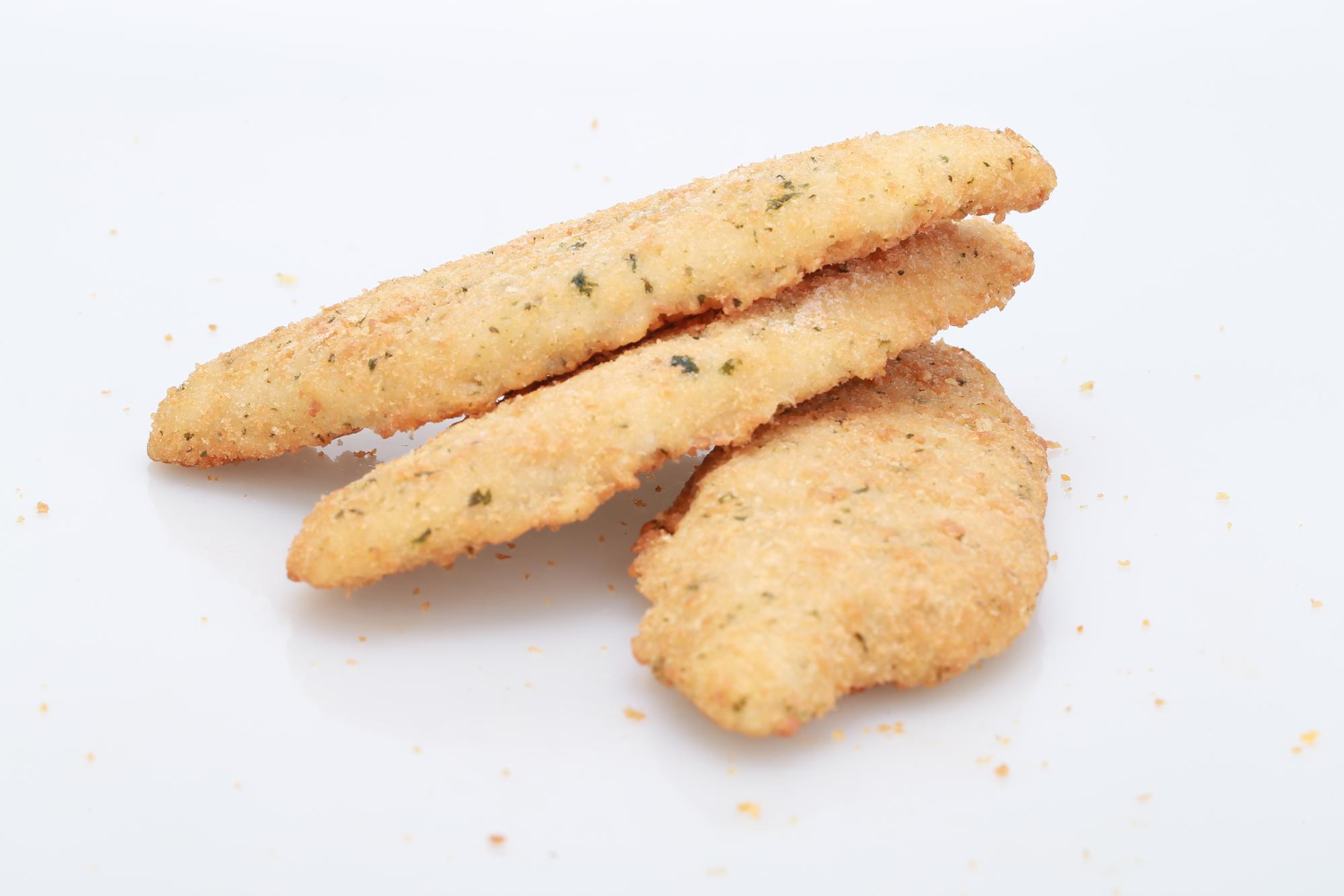
Appalachian mountain families favored a denser, sturdier biscuit. Its keeping quality mattered more than delicate texture.
Appalachian mountain communities historically favored a considerably denser, sturdier biscuit, sometimes affectionately called a “rock biscuit,” prioritizing practical keeping quality over delicate, flaky texture in households where baking happened infrequently and food genuinely needed to last through leaner weeks. Appalachian rock biscuits reflect the resourceful, practical baking traditions of mountain communities, a sturdier style shaped directly by the region’s historical isolation and the genuine need for food that stayed edible over several days.
3. Texas: Biscuits Served With Peppered Cream Gravy
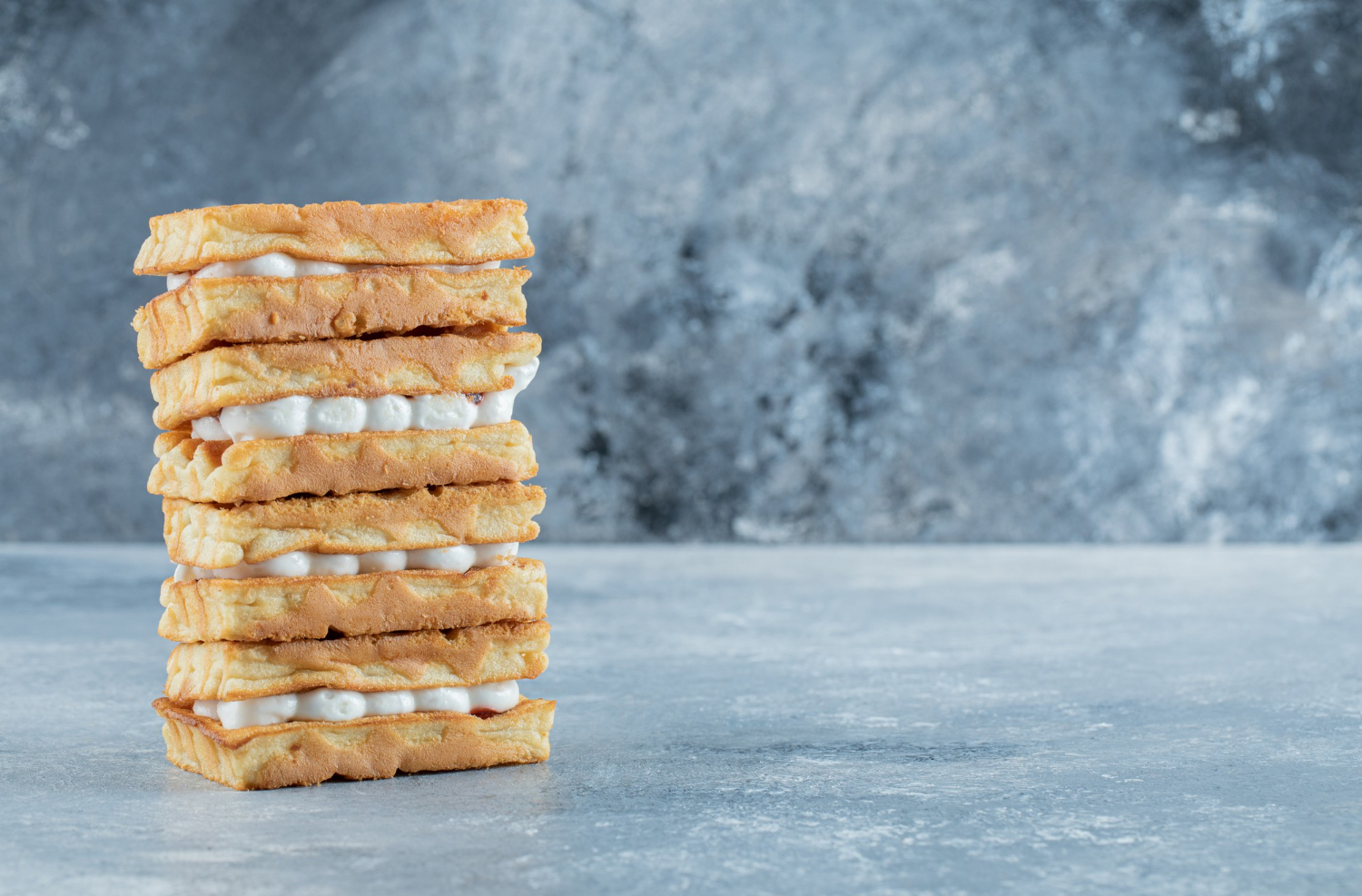
Texas pairs its biscuits with a rich, heavily peppered white gravy. The combination reflects the state’s broader ranch-country comfort food traditions.
Texas biscuit traditions center heavily on the pairing with a rich, genuinely heavily peppered white gravy, a combination deeply rooted in the state’s ranch-country breakfast culture and closely related to the seasoning philosophy behind Texas’s beloved chicken-fried steak. Texas biscuits and peppered gravy reflect the state’s broader comfort food identity, a hearty breakfast pairing built to fuel a full day of demanding ranch and farm work.
4. Angel Biscuits: The South’s Yeast-Leavened Hybrid
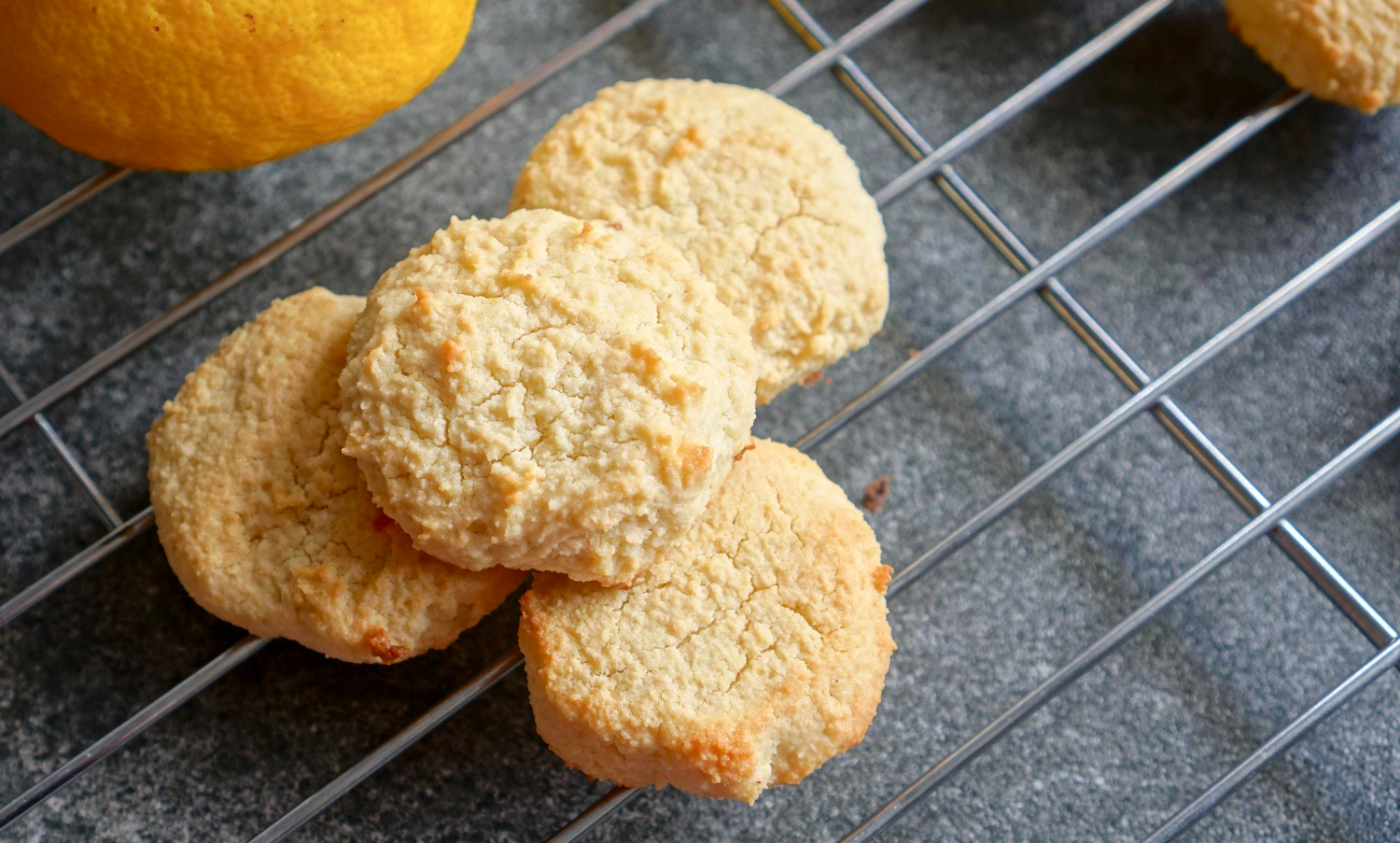
Some Southern bakers combine yeast with traditional biscuit leavening. The result is an unusually light, almost roll-like texture.
The angel biscuit, a distinctly Southern hybrid, combines traditional baking powder and baking soda leavening with a small amount of yeast, producing an unusually light, almost dinner-roll-like texture that genuinely sets it apart from the standard flaky biscuit found elsewhere. Angel biscuits reflect a genuinely inventive Southern baking tradition, a hybrid technique that bridges the gap between a classic biscuit and a soft yeast roll into something distinctly its own.
5. Beaten Biscuits: The Virginia Tradition of Physical Labor
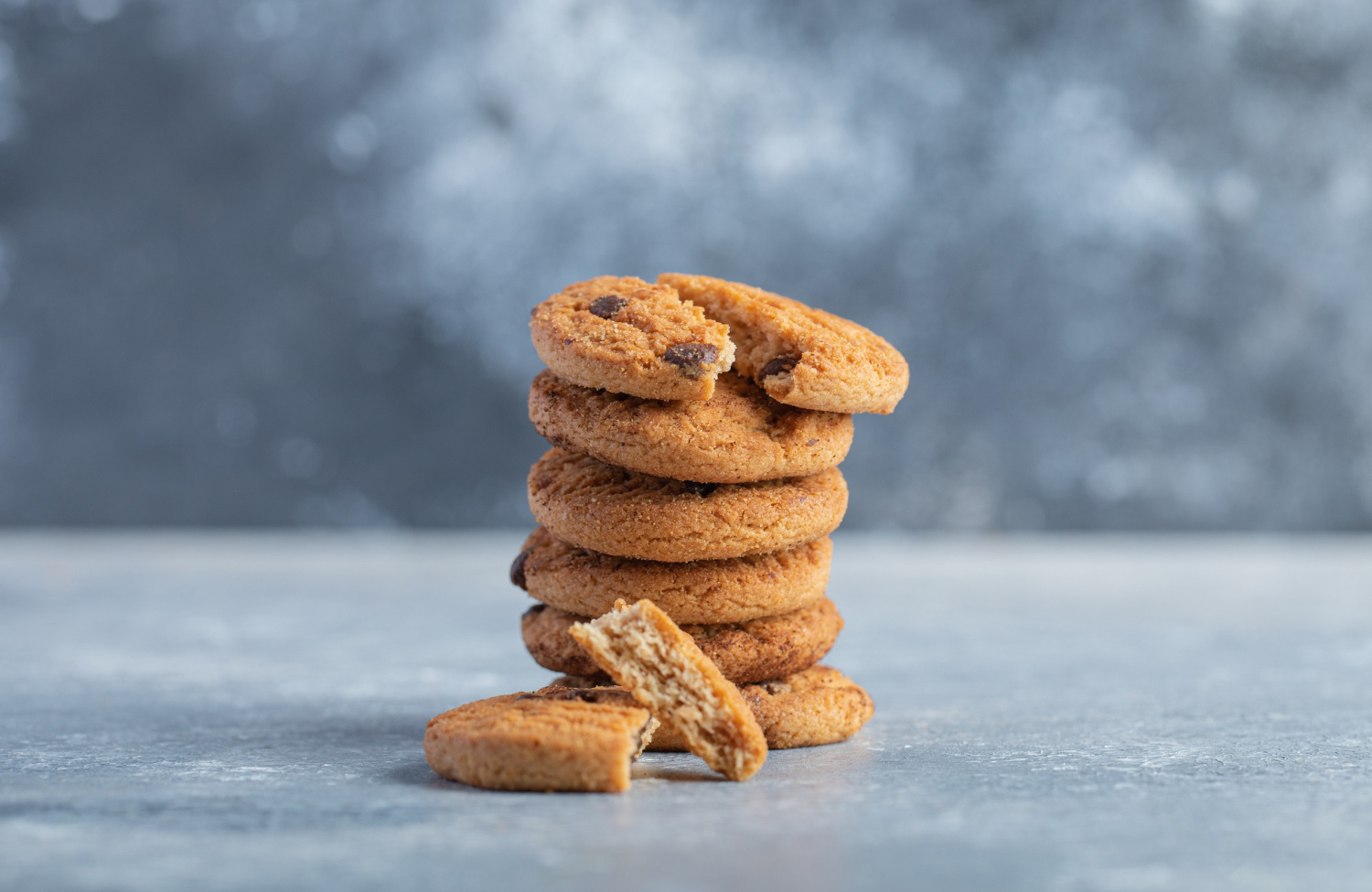
Historic Virginia biscuits required genuinely vigorous physical beating of the dough. The technique produced a distinctively dense, crisp result.
The historic Virginia beaten biscuit required genuinely vigorous, repeated physical beating of the dough, traditionally with a rolling pin or even the back of an axe, a labor-intensive technique that developed the dough’s structure without any chemical leavening at all, producing a distinctively dense, crisp result. Beaten biscuits reflect one of the most historically significant and labor-intensive regional biscuit traditions in the country, a technique rooted in colonial-era Virginia kitchens that predates modern chemical leaveners entirely.
6. The Midwest: Drop Biscuits Made for Quick, Practical Baking
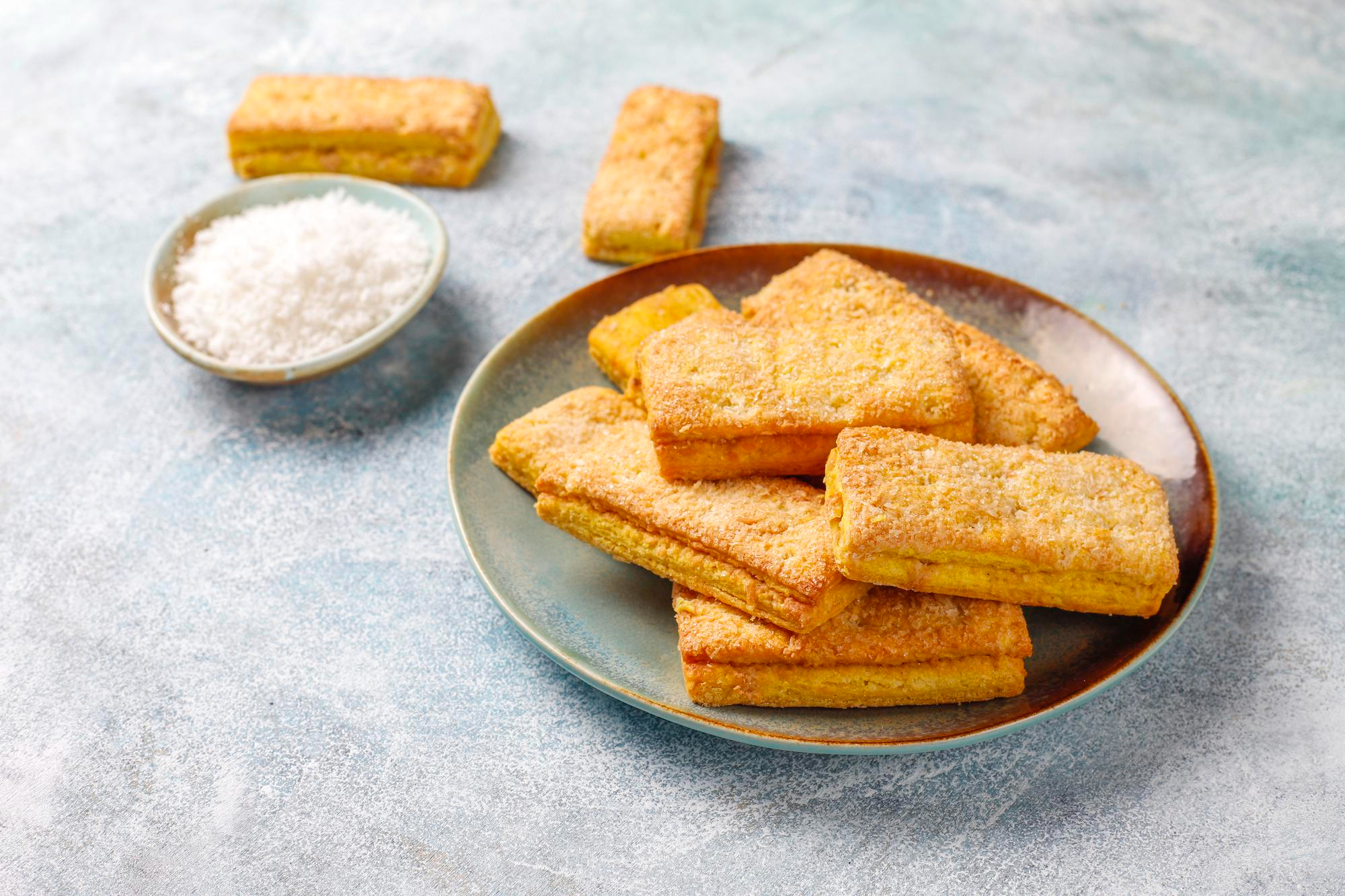
Midwestern home bakers favor a simpler, no-roll biscuit method. Practicality and speed take priority over elaborate technique.
Midwestern home baking traditions lean toward the drop biscuit, a simpler method where the dough is spooned directly onto a baking sheet rather than rolled and cut, prioritizing genuine practicality and speed over the more elaborate technique Southern-style biscuits typically require. Drop biscuits reflect the Midwest’s broader, no-nonsense approach to home cooking, a practical method that delivers a satisfying homemade biscuit without demanding the more exacting technique of other regional styles.
7. New Orleans: Biscuits Enriched With Sweet Praline Influence
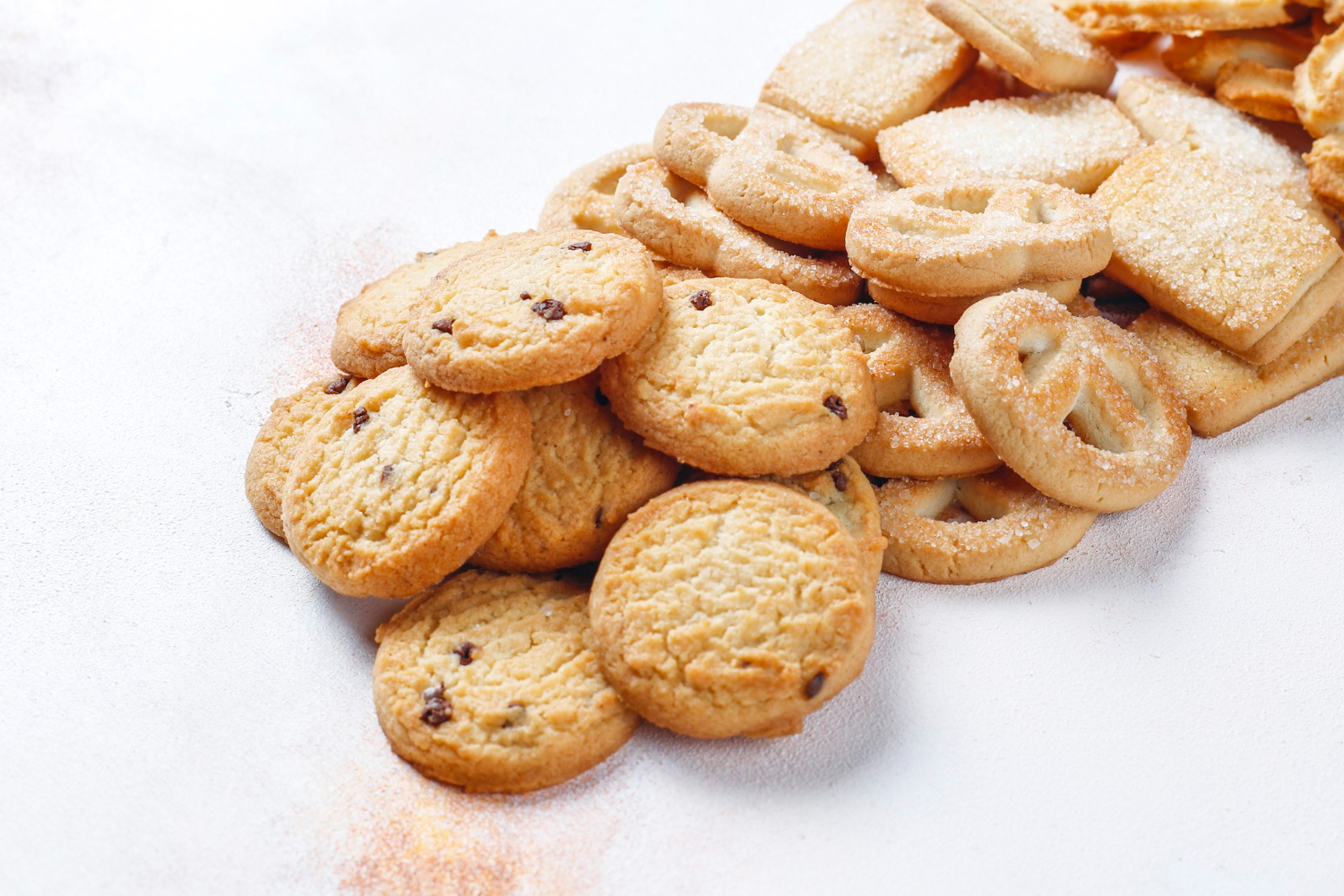
Louisiana’s biscuit tradition sometimes incorporates the region’s beloved pecan praline flavors. The result leans distinctly sweet and rich.
New Orleans and broader Louisiana baking traditions sometimes incorporate the region’s beloved pecan praline flavors directly into biscuit recipes, brown sugar, toasted pecans, and a rich buttery finish that leans distinctly sweeter than the classic Southern buttermilk version. Praline-influenced biscuits reflect Louisiana’s genuinely distinctive culinary identity, a regional variation shaped by the same rich, sweet flavor profile found throughout the area’s broader dessert traditions.
8. Hawaii: Sweet Butter Mochi-Influenced Biscuits
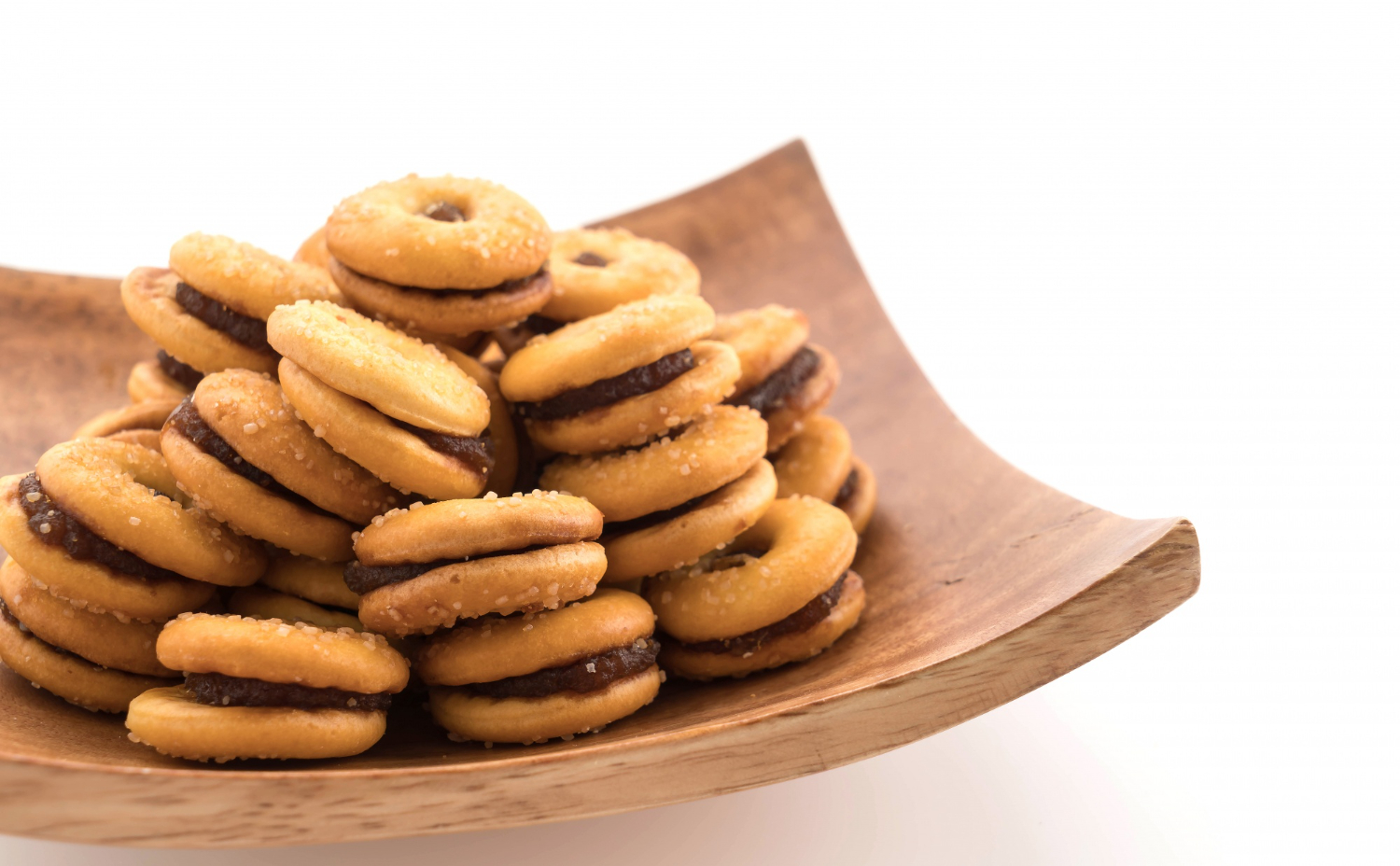
Hawaii’s biscuit tradition sometimes draws on the islands’ rice flour baking heritage. A slightly chewy, sweet result reflects genuine Japanese immigrant influence.
Hawaii’s own biscuit variations sometimes draw on the islands’ broader rice flour baking heritage, incorporating a touch of sweetness and a slightly chewier texture that reflects the deep Japanese immigrant culinary influence found throughout Hawaiian home baking more generally and across the islands’ wider food culture. Hawaii’s sweet, mochi-influenced biscuits reflect the islands’ genuinely blended culinary identity, a regional variation built around ingredients and techniques found almost nowhere else in the broader American biscuit landscape.
A Simple Recipe, Endlessly Reinvented, Fiercely Defended
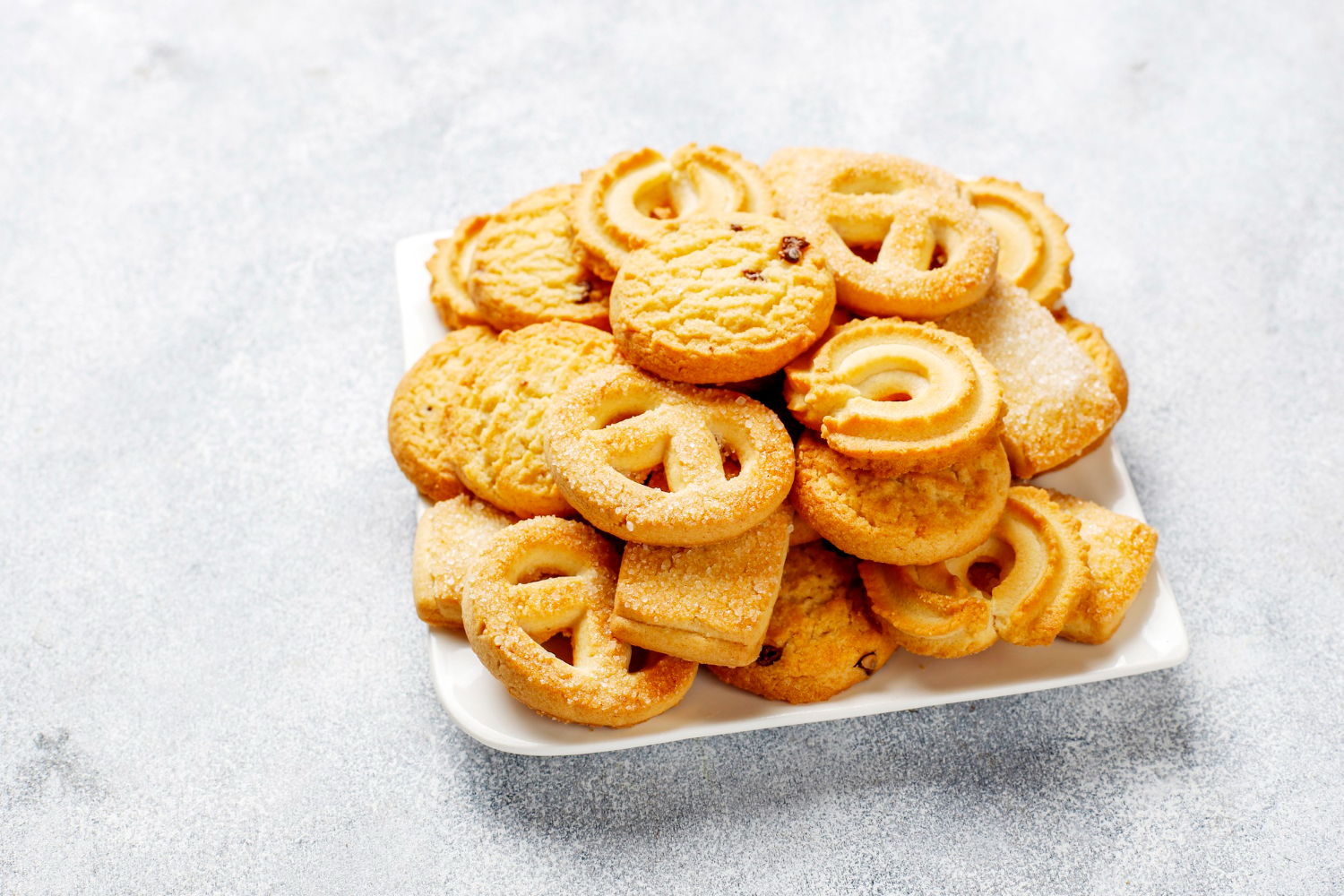
Taken together, these eight biscuit traditions show just how much regional history, immigrant heritage, and practical necessity can shape even the most basic combination of flour and fat, from Virginia’s labor-intensive beaten biscuit to Hawaii’s rice-flour-influenced sweetness. Each carries genuine regional identity in every single bite.
Bakers within each tradition also tend to hold genuinely strong, specific opinions about proper technique, whether the fat should be lard, butter, or shortening, how many times the dough should be folded, and exactly how hot the oven needs to run, debates that reveal just how seriously home cooks in different regions take a food that might otherwise seem simple on the surface at first glance. Family recipes passed down through generations often include small, closely guarded variations on these basic themes, meaning even within a single regional tradition, no two households’ biscuits taste quite the same, a small but genuine point of pride for home bakers who consider their particular version the definitive one.
What unites these otherwise distinct traditions is how directly each reflects the specific history, available ingredients, and cultural influences of the region that created it, a mountain community’s need for food that kept, a colonial kitchen’s labor-intensive technique, an immigrant community’s rice flour heritage. Exploring America’s regional biscuit traditions offers a genuinely delicious lesson in local history, proving that even the humblest baked good can carry deep regional identity across the entire country.
Many of these traditions have also developed their own strong opinions about proper technique, whether the butter should be frozen or merely cold, whether the dough should be kneaded a specific number of times, arguments that reveal just how seriously home bakers in different regions take a food that might otherwise seem simple on the surface. Seasonal and occasion-specific traditions play a role too, some families reserve their best biscuit recipe specifically for holiday breakfasts or Sunday dinners, treating the everyday version and the special-occasion version as genuinely distinct recipes worth keeping separate. For travelers with a genuine interest in American food history, seeking out a truly local biscuit, made using that specific region’s traditional technique, offers one of the most accessible and delicious ways to understand just how much history a single baked good can carry.
Like our content? Follow us for more.