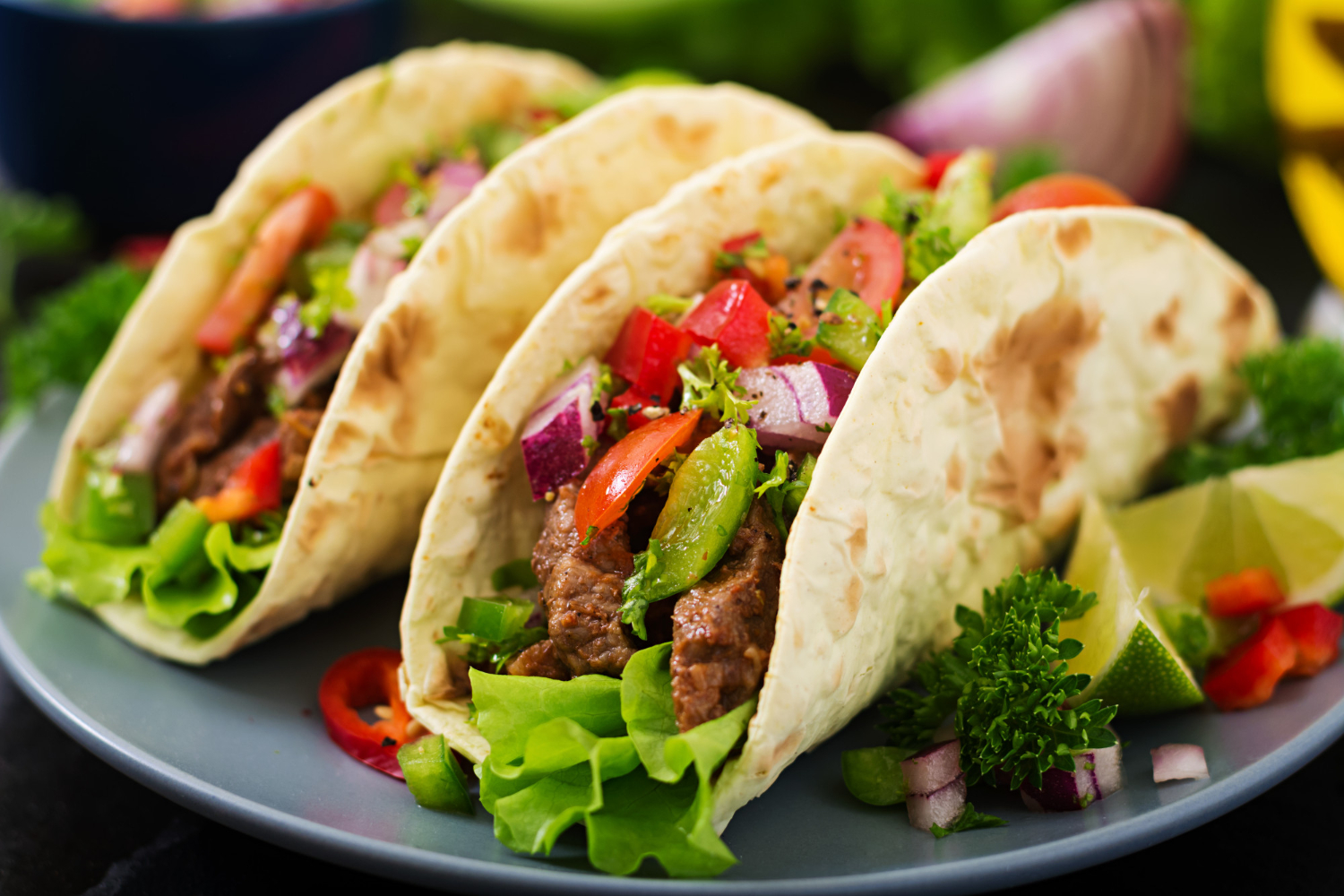
The taco might be one of the most universally beloved foods in America, but regional traditions across the country have shaped genuinely distinct versions, each reflecting a specific local history, immigration pattern, or border-culture influence unique to that community. Here are eight distinct American taco styles and what makes each one different, counted down one by one.
1. San Diego: The Fish Taco
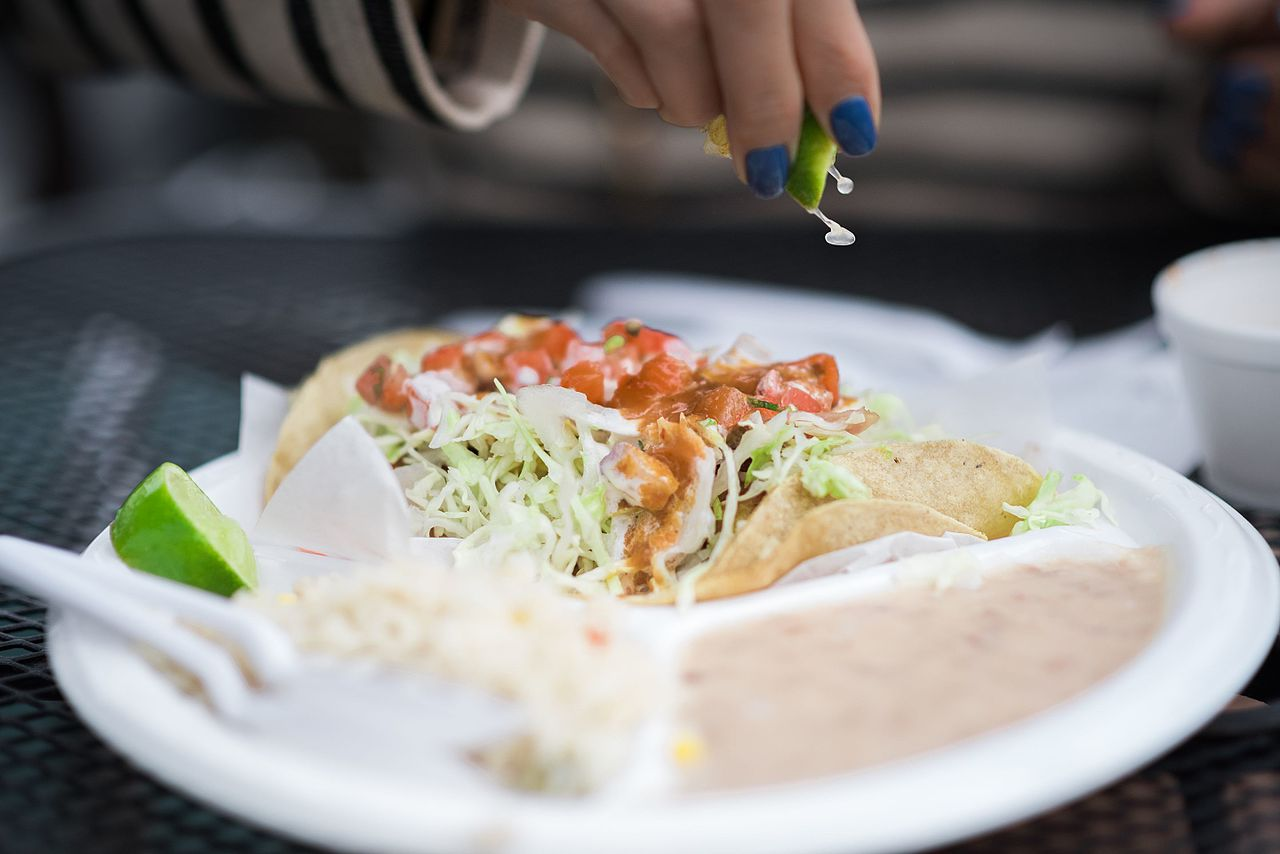
San Diego’s signature taco features battered, fried fish. Crema, cabbage, and a squeeze of lime complete the beloved combination.
The San Diego fish taco layers battered, fried white fish with shredded cabbage, a drizzle of crema, and a generous squeeze of lime, a combination widely credited to Baja California fishing traditions that crossed the border and became a genuine San Diego culinary icon in their own right. The fish taco’s crisp, bright combination and deep ties to Baja fishing culture make it one of the most beloved and widely replicated regional taco styles found anywhere outside its home region.
Like our content? Follow us for more.
2. Texas: The Breakfast Taco
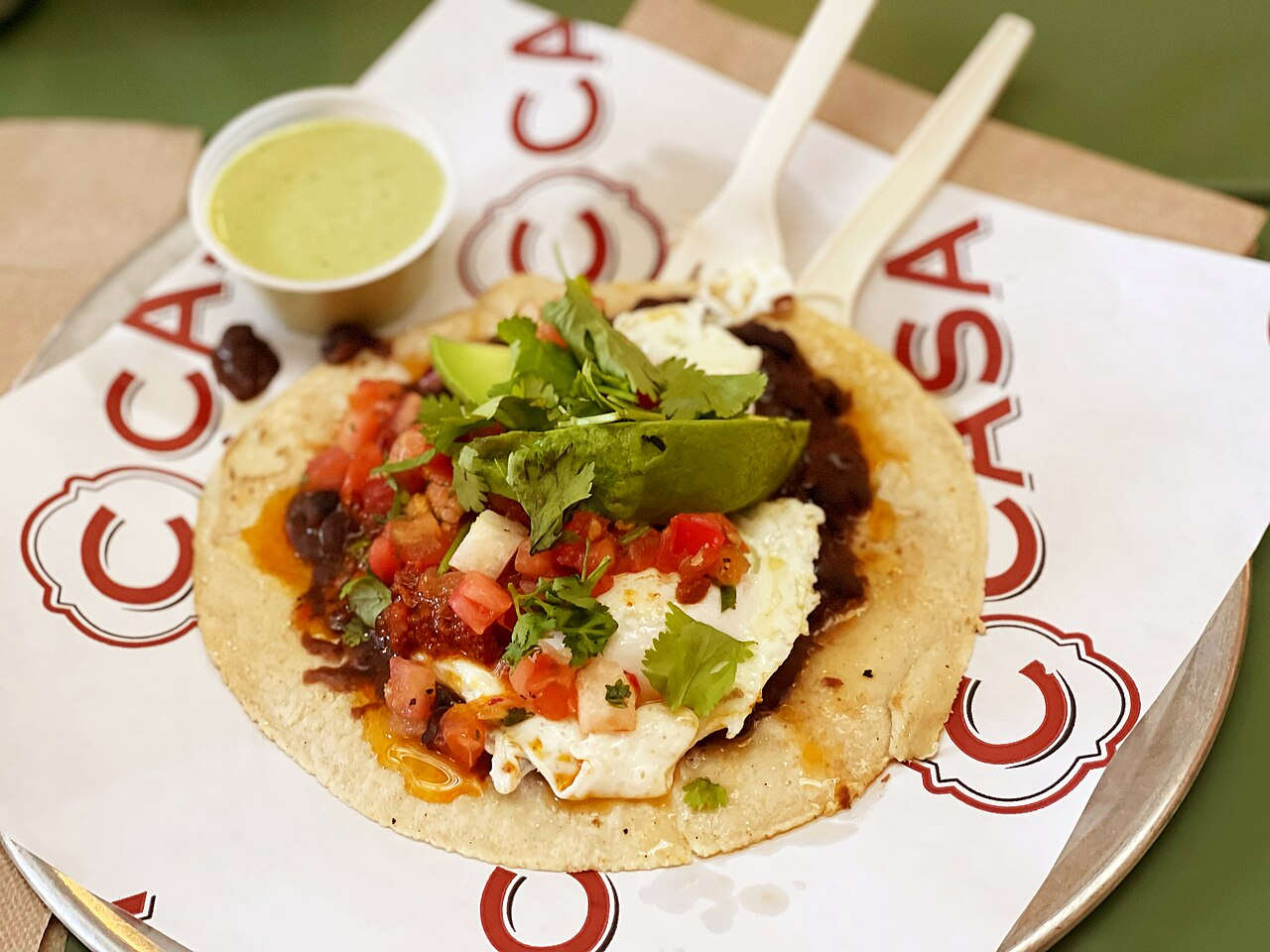
Texas built an entire morning meal tradition around the taco format. Eggs, potatoes, and chorizo are common fillings.
The Texas breakfast taco wraps scrambled eggs, potatoes, chorizo, or bacon inside a warm flour tortilla, a genuinely essential part of the state’s morning food culture, particularly in Austin and San Antonio, where breakfast taco stands and trucks are a beloved daily fixture. The breakfast taco’s deep integration into Texas’s everyday morning routine makes it one of the most culturally significant regional taco traditions in the country, a format Texans consider genuinely essential rather than an occasional treat.
3. Los Angeles: The Taco Truck Al Pastor
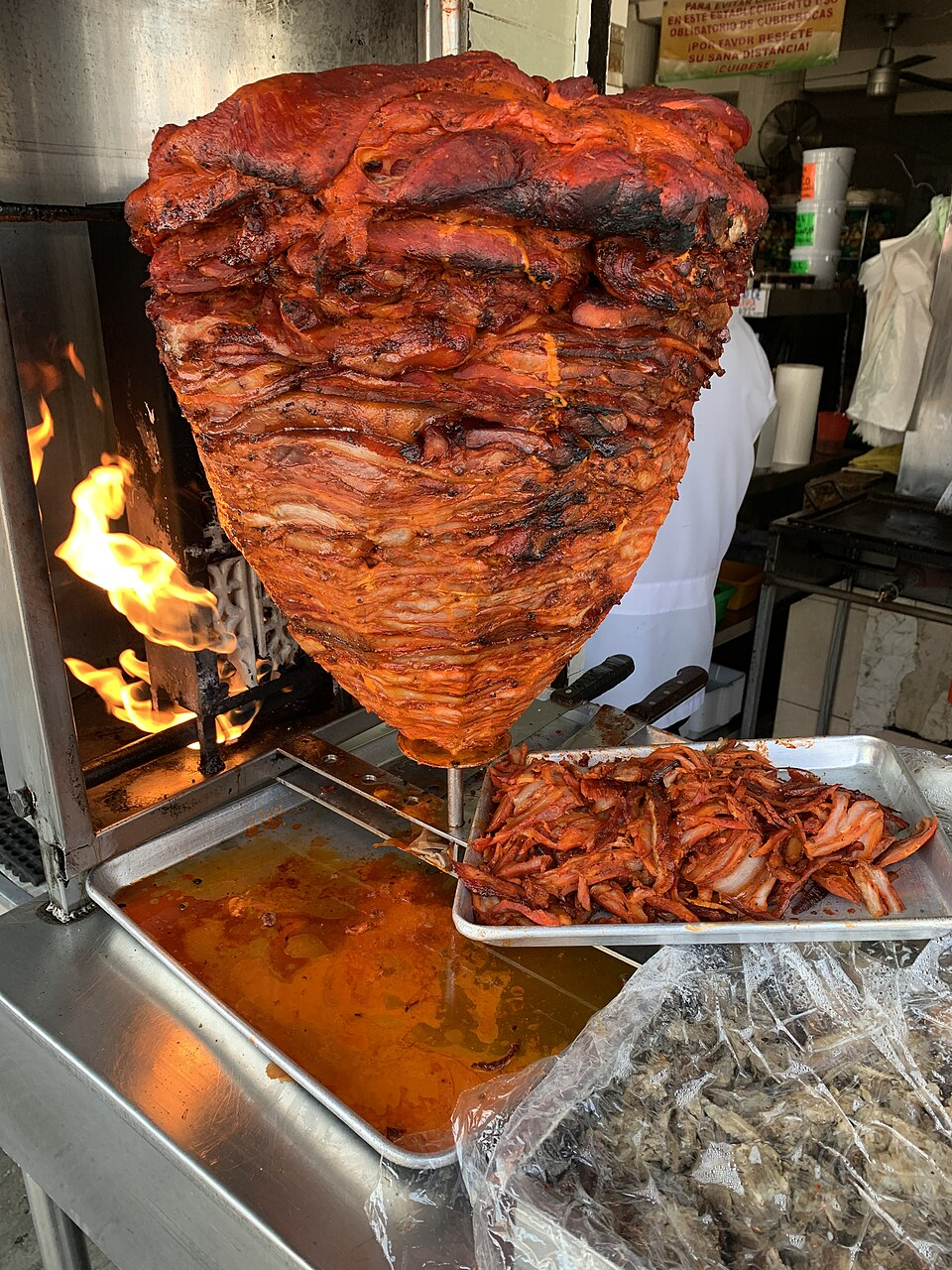
Los Angeles built a genuine street food culture around trompo-cooked pork. Pineapple and cilantro define the classic al pastor combination.
Los Angeles’s beloved taco truck culture centers heavily on al pastor, marinated pork shaved directly off a vertical rotisserie called a trompo, topped simply with diced onion, cilantro, and a piece of caramelized pineapple, a technique with roots in Lebanese immigration to Mexico that eventually found a genuine second home on LA street corners. Al pastor’s rotisserie preparation and deep taco truck culture make it one of the most technically distinctive and beloved regional taco traditions in the entire country.
4. Baja Arizona: The Sonoran-Style Flour Tortilla Taco
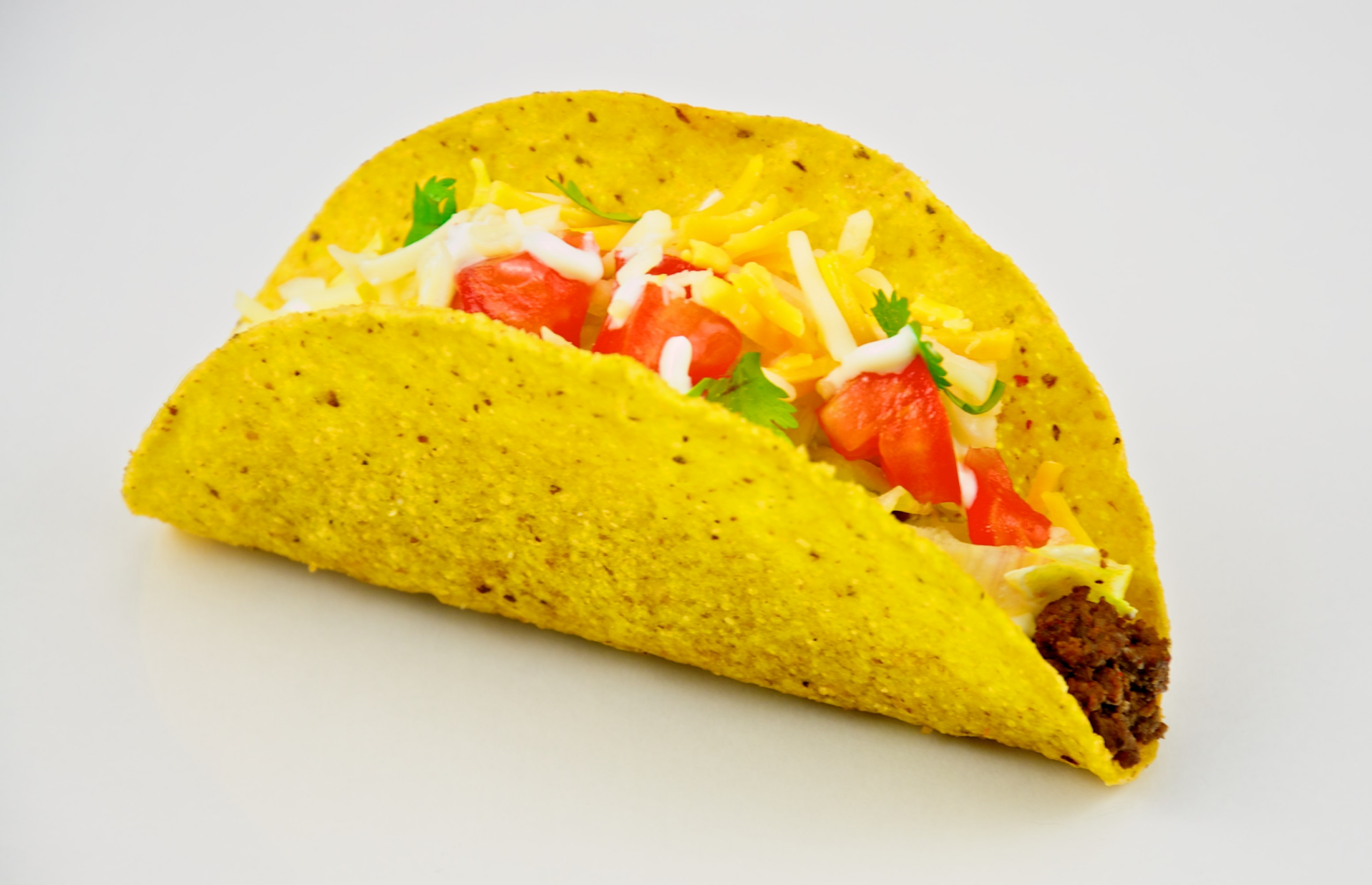
Southern Arizona favors a distinctive large, thin handmade flour tortilla. The technique reflects deep Sonoran Desert culinary heritage.
Southern Arizona’s Sonoran-style tacos are built on a distinctive large, thin, hand-stretched flour tortilla, a technique reflecting the region’s deep culinary ties to Mexico’s Sonoran Desert region just across the nearby border, considerably different from the smaller corn tortillas found in many other parts of the country. The Sonoran-style flour tortilla’s size and technique reflect southern Arizona’s genuine binational culinary identity, a regional specialty shaped directly by its specific proximity to Sonora.
5. New Mexico: The Carne Adovada Taco
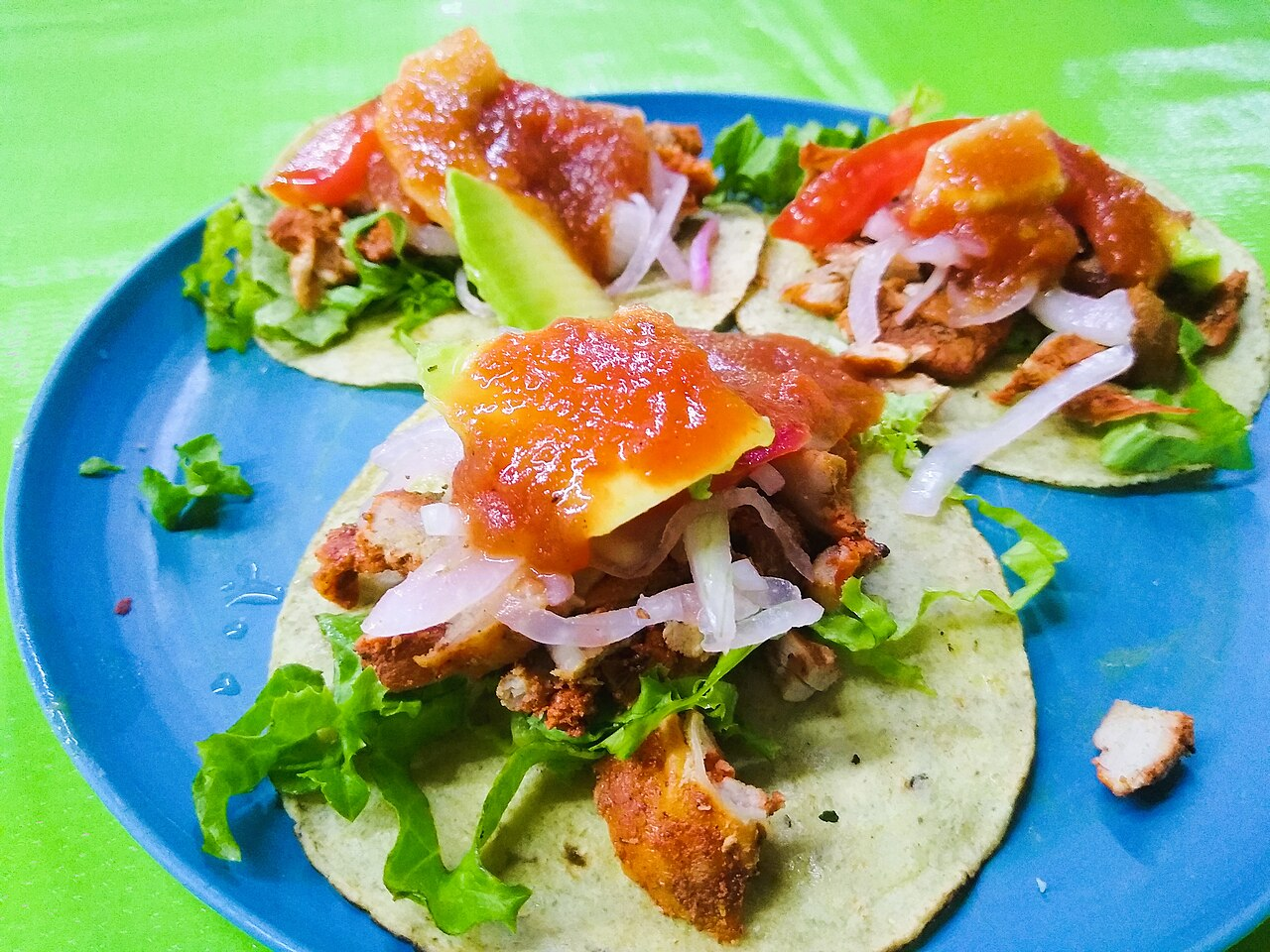
New Mexico fills its tacos with pork slow-braised in red chile. The dish showcases the state’s signature chile culture directly.
New Mexico’s carne adovada taco fills a warm tortilla with pork slow-braised for hours in the state’s distinctive red chile sauce, a genuinely rich, deeply flavored filling that showcases New Mexico’s signature chile culture directly within a familiar taco format. The carne adovada taco’s deep red chile flavor reflects New Mexico’s broader culinary identity, a regional specialty that transforms a familiar dish into something unmistakably tied to the state’s specific chile-growing heritage.
6. The Mississippi Delta: The Hot Tamale-Adjacent Taco Fusion
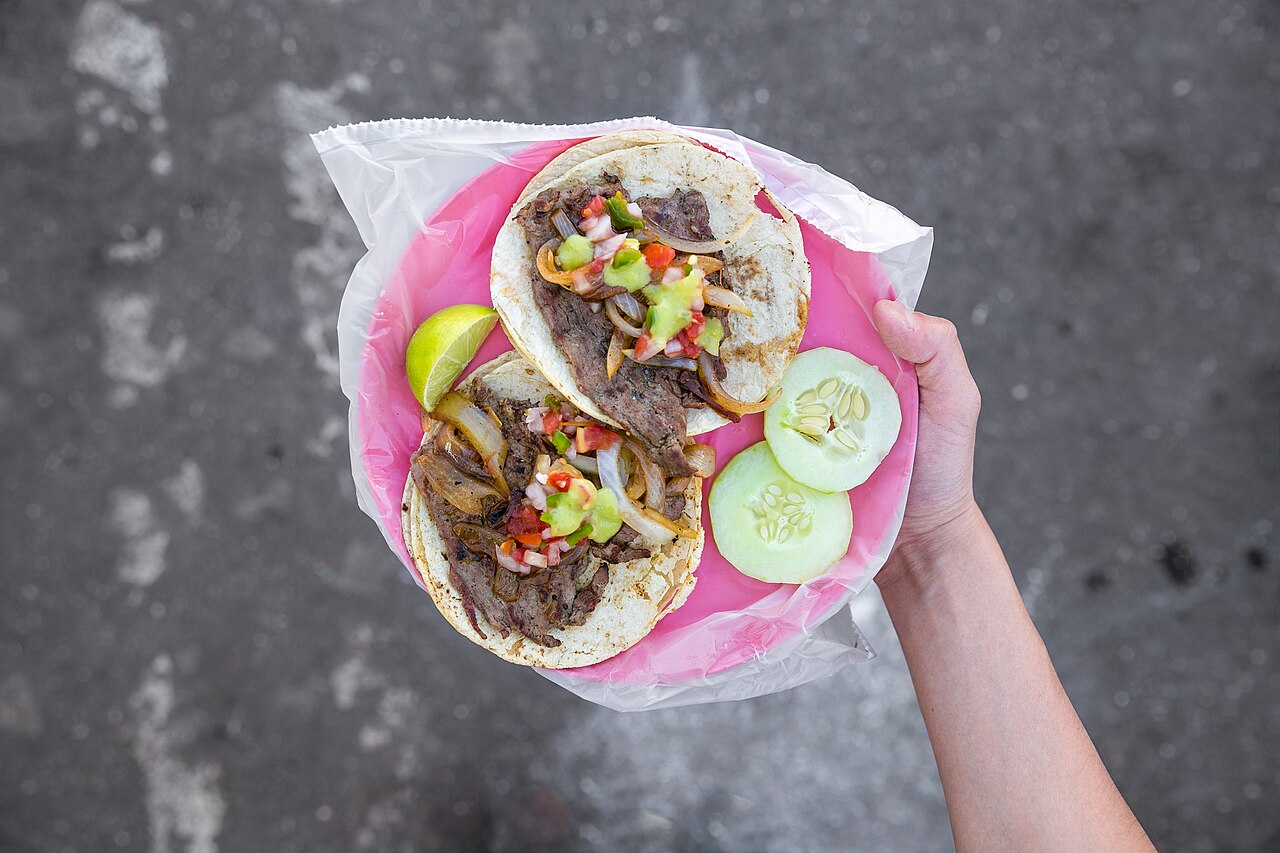
The Mississippi Delta developed a genuinely unique tamale tradition that influences local taco fusion. Mexican laborers’ influence shaped the region’s food culture considerably.
The Mississippi Delta’s distinctive hot tamale tradition, brought by Mexican agricultural laborers in the early 20th century and blended with Southern culinary technique, has influenced a genuinely unique regional food fusion that occasionally extends into local taco interpretations built around similarly spiced, slow-cooked fillings. This Delta fusion tradition reflects one of the more historically significant and lesser-known intersections of Mexican and Southern American food culture, a regional blending shaped by specific 20th-century labor migration patterns.
7. Detroit: The Coney-Influenced Taco Fusion
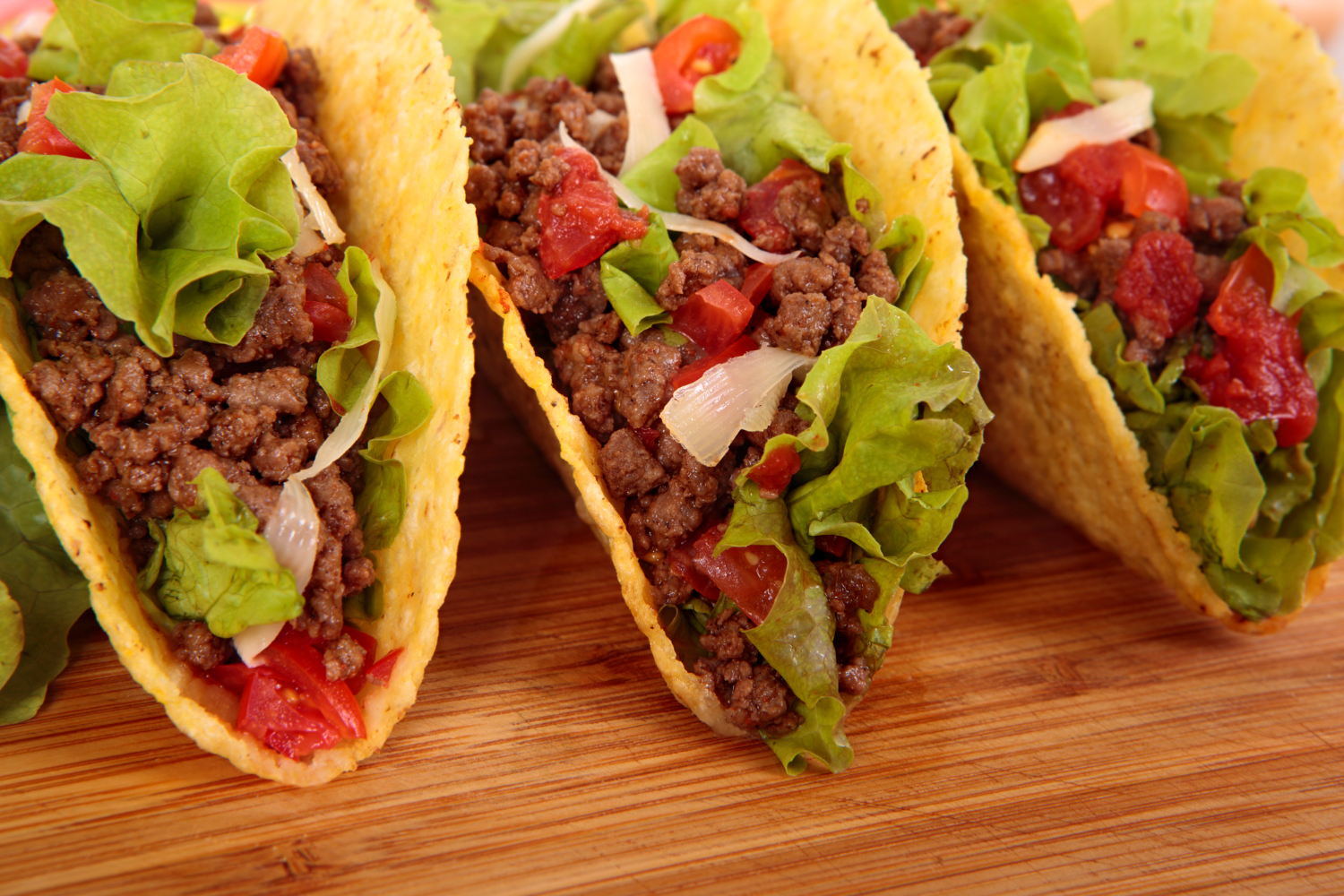
Detroit’s Mexican-American community has blended local coney traditions into distinctive taco variations. The combination reflects the city’s specific immigrant food culture.
Detroit’s historic Mexican-American community, concentrated particularly in the Southwest Detroit neighborhood known as Mexicantown, has developed its own distinctive regional taco traditions that occasionally blend local Midwestern flavors and techniques with authentic Mexican preparation. Detroit’s Mexicantown taco culture reflects the city’s genuinely significant, historic Mexican-American community, a regional food identity built through generations of cultural exchange in a specific Midwestern industrial city.
8. Hawaii: The Kalua Pork Taco
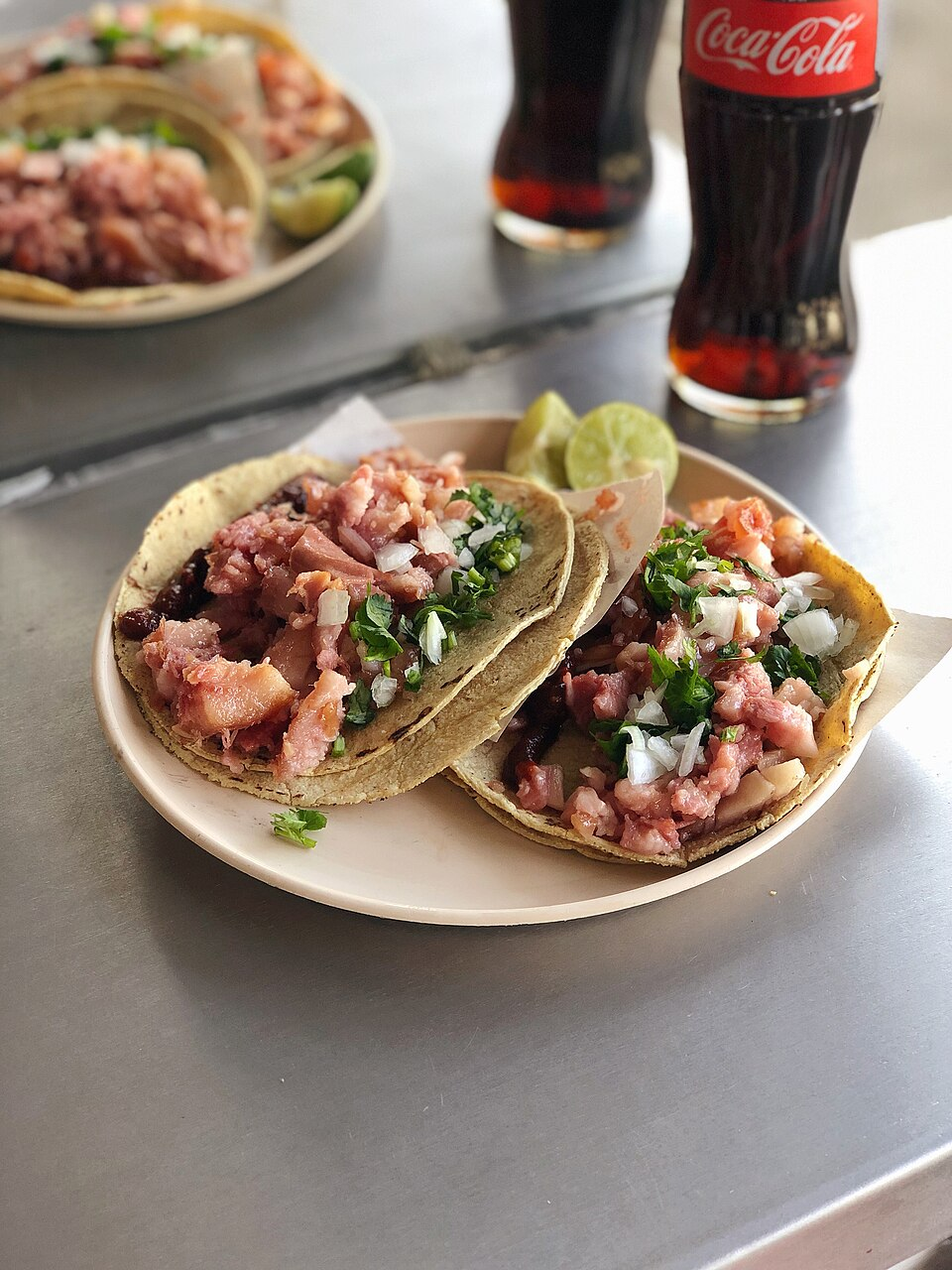
Hawaii fills its tacos with slow-smoked kalua pork. The fusion reflects the islands’ broader plate lunch culinary tradition.
Hawaii’s kalua pork taco fills a warm tortilla with tender, smoky pork traditionally cooked in an underground imu oven, a genuine island fusion that reflects Hawaii’s broader plate lunch culinary tradition and its deep, ongoing blending of Pacific, Asian, and Mexican culinary influences. The kalua pork taco’s smoky island flavor reflects Hawaii’s genuinely blended culinary identity, a regional specialty built around a traditional Hawaiian cooking technique applied to a completely different cultural food format.
A Truly Complete and Genuine Map of Modern American Taco Identity and Rich Border History
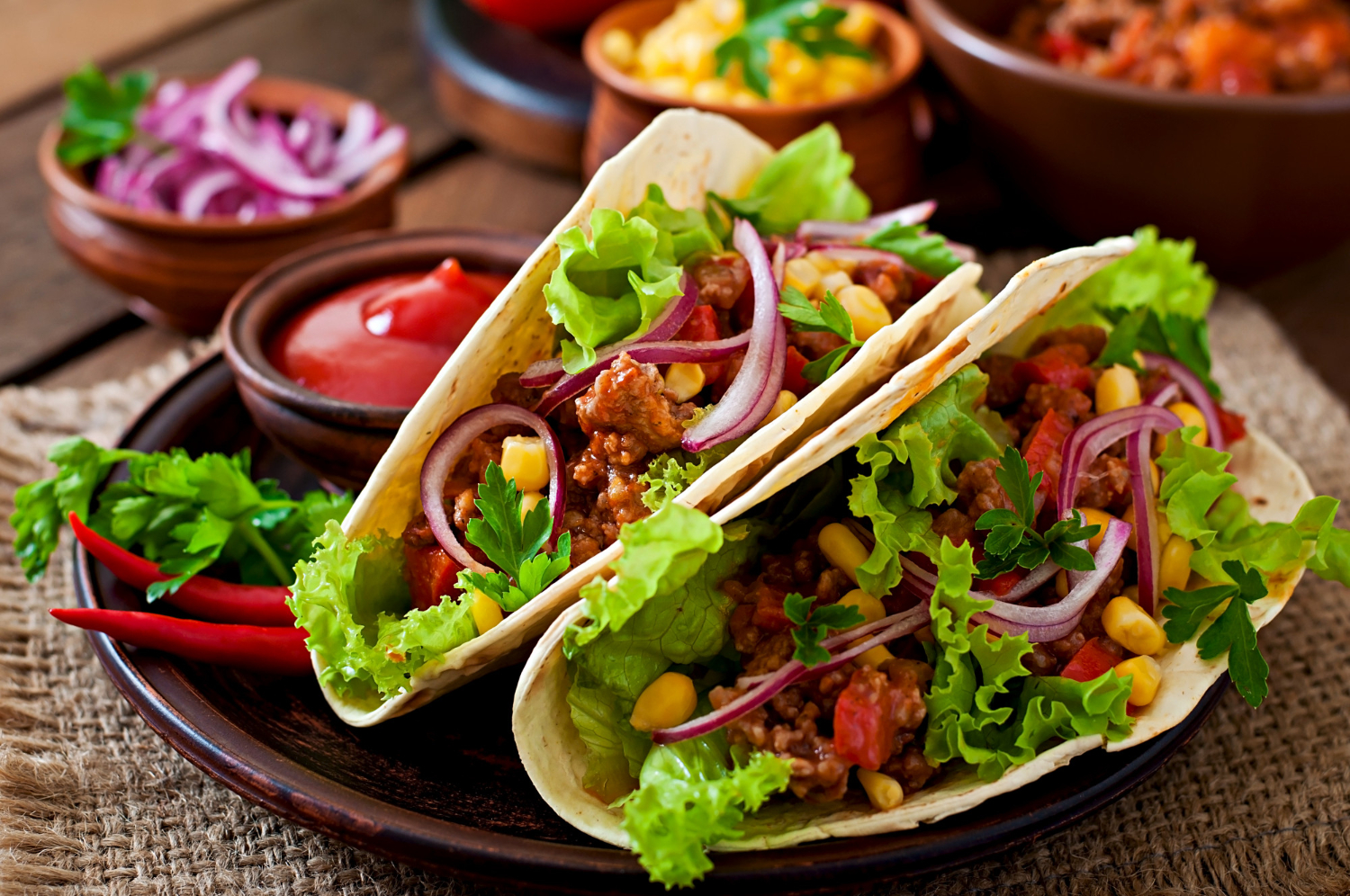
Taken together, these eight styles show just how much regional history, immigration pattern, and border-culture influence can shape even a food as universally beloved as the taco, from San Diego’s Baja-inspired fish taco to Hawaii’s kalua pork fusion. Each carries genuine regional identity in every single bite.
Regional taco styles also tend to reflect the specific time period when each community’s Mexican or Latin American population grew most significantly, meaning the taco traditions found today in a given American city often trace back to a very particular wave of migration decades earlier, rather than a single, uniform national history. Understanding that layered timeline adds real depth to what might otherwise look like simple culinary variation, since each regional taco style carries its own distinct chapter of American immigration history within it.
What unites these otherwise distinct traditions is how directly each reflects the specific community, migration pattern, or border proximity that shaped it, a Baja fishing tradition, a Sonoran Desert tortilla technique, a Delta labor migration story, all converging on the same basic concept of a filled, folded tortilla. Exploring America’s regional taco map offers a genuinely delicious lesson in the country’s diverse immigration and border history, proving that even a globally familiar food can carry deep regional identity depending entirely on where in the country you happen to order it.
Many of these regional styles have also spread well beyond their original home cities in recent years, breakfast tacos in particular have appeared on menus far outside Texas, while al pastor has become a genuinely nationwide favorite well beyond its original Los Angeles taco truck roots and origins. That spread hasn’t diminished each style’s original identity, if anything, it’s introduced countless new fans to techniques and flavor combinations shaped by very specific regional and immigrant histories. For travelers with a genuine interest in American food culture, seeking out each style’s authentic version in its actual home region remains one of the most rewarding ways to understand just how much history a single folded tortilla can carry.
Like our content? Follow us for more.