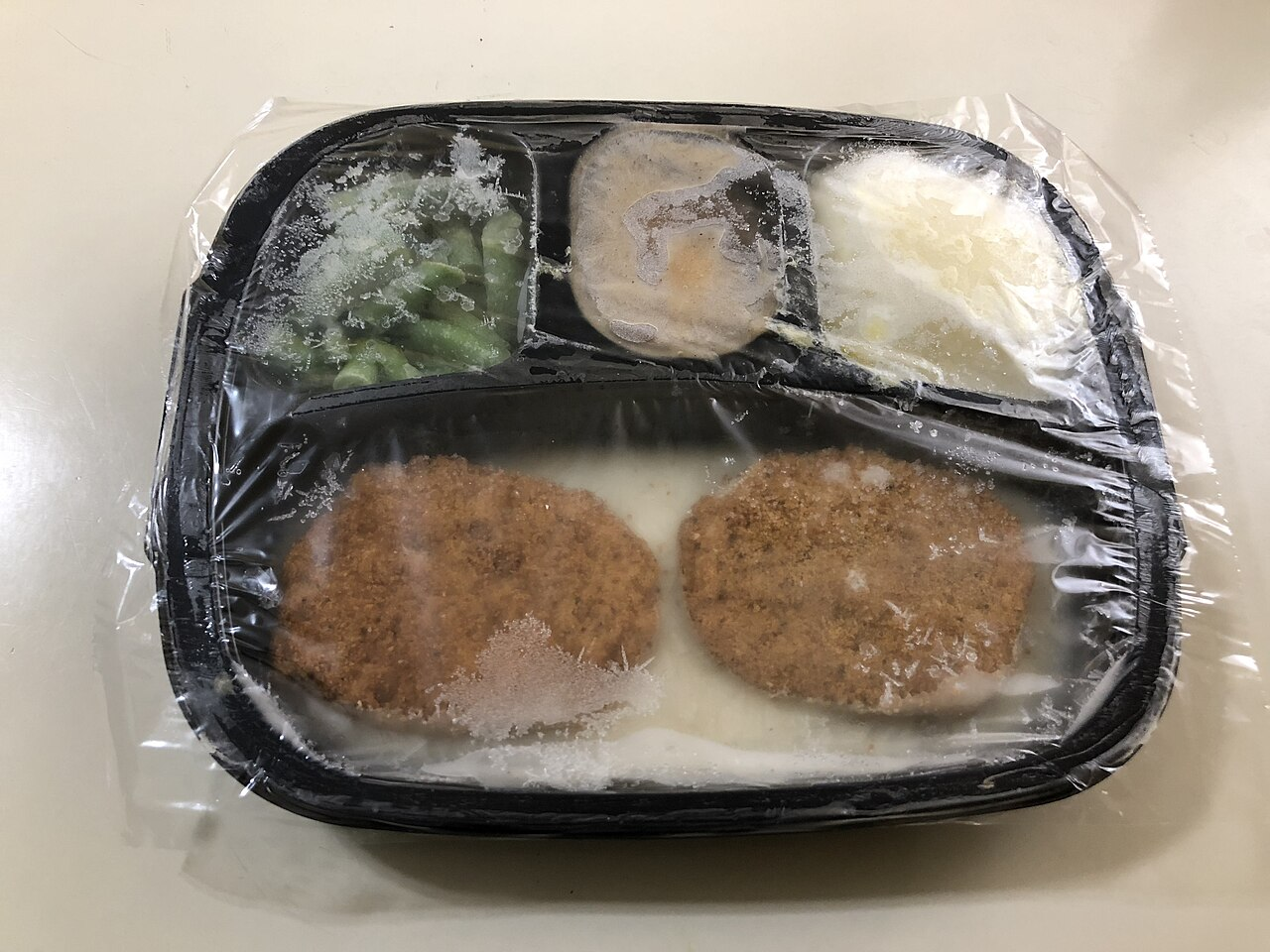
Few American food innovations trace back to as strange an origin story as the frozen TV dinner, a product born not from careful market research but from a genuine corporate emergency involving ten railcars of turkey nobody wanted to buy.
Frozen Food Technology Predates the TV Dinner by Decades
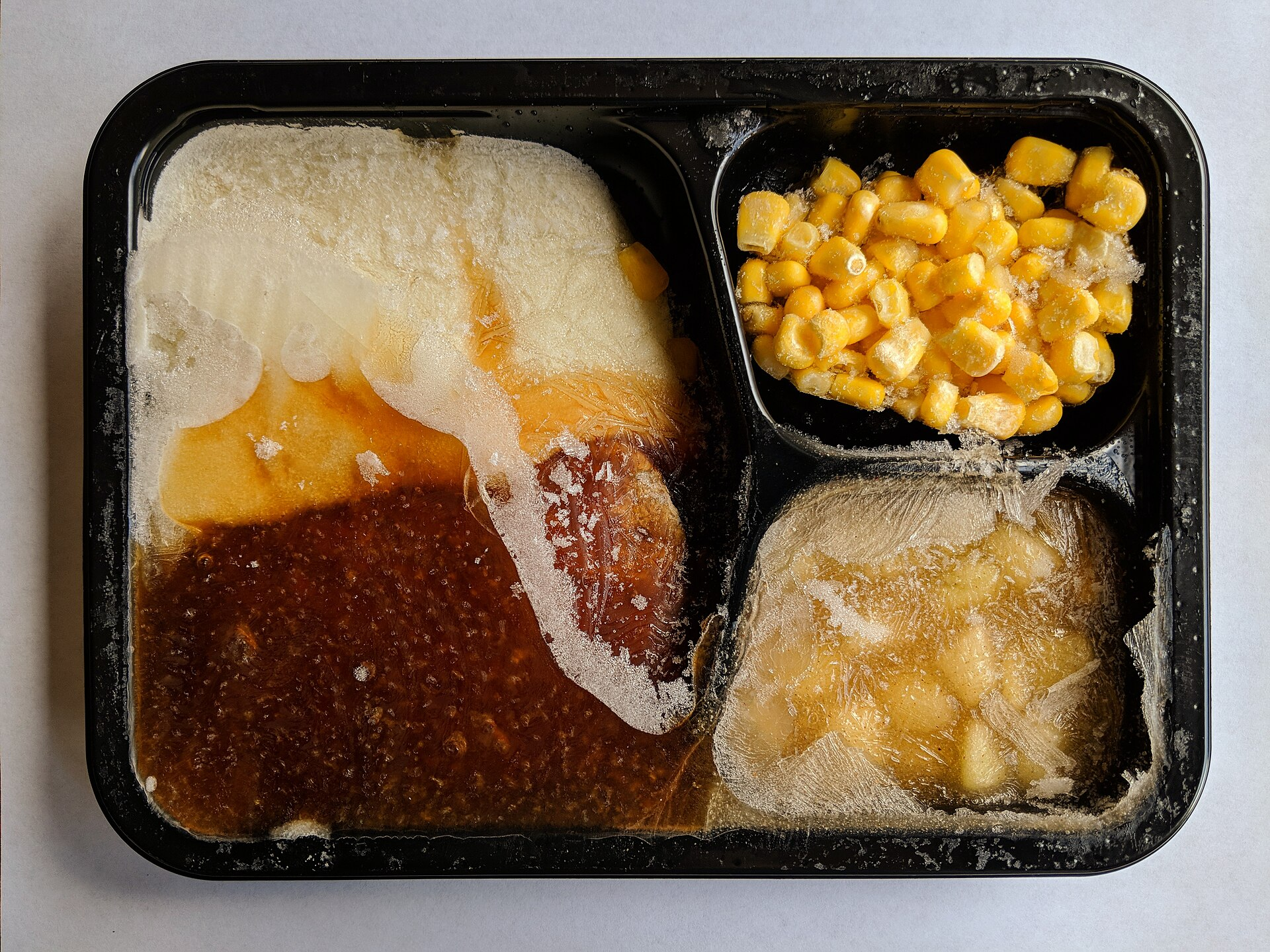
The underlying technology that made frozen dinners possible traces back to inventor Clarence Birdseye, who developed a fast-freezing process in the 1920s after observing how Arctic fishermen preserved their catch. Birdseye’s method locked in freshness far better than slow freezing, and by the 1940s and 50s, frozen food had become an established, if still somewhat novel, category in American grocery stores.
Like our content? Follow us for more.
A Genuine Turkey Surplus Crisis
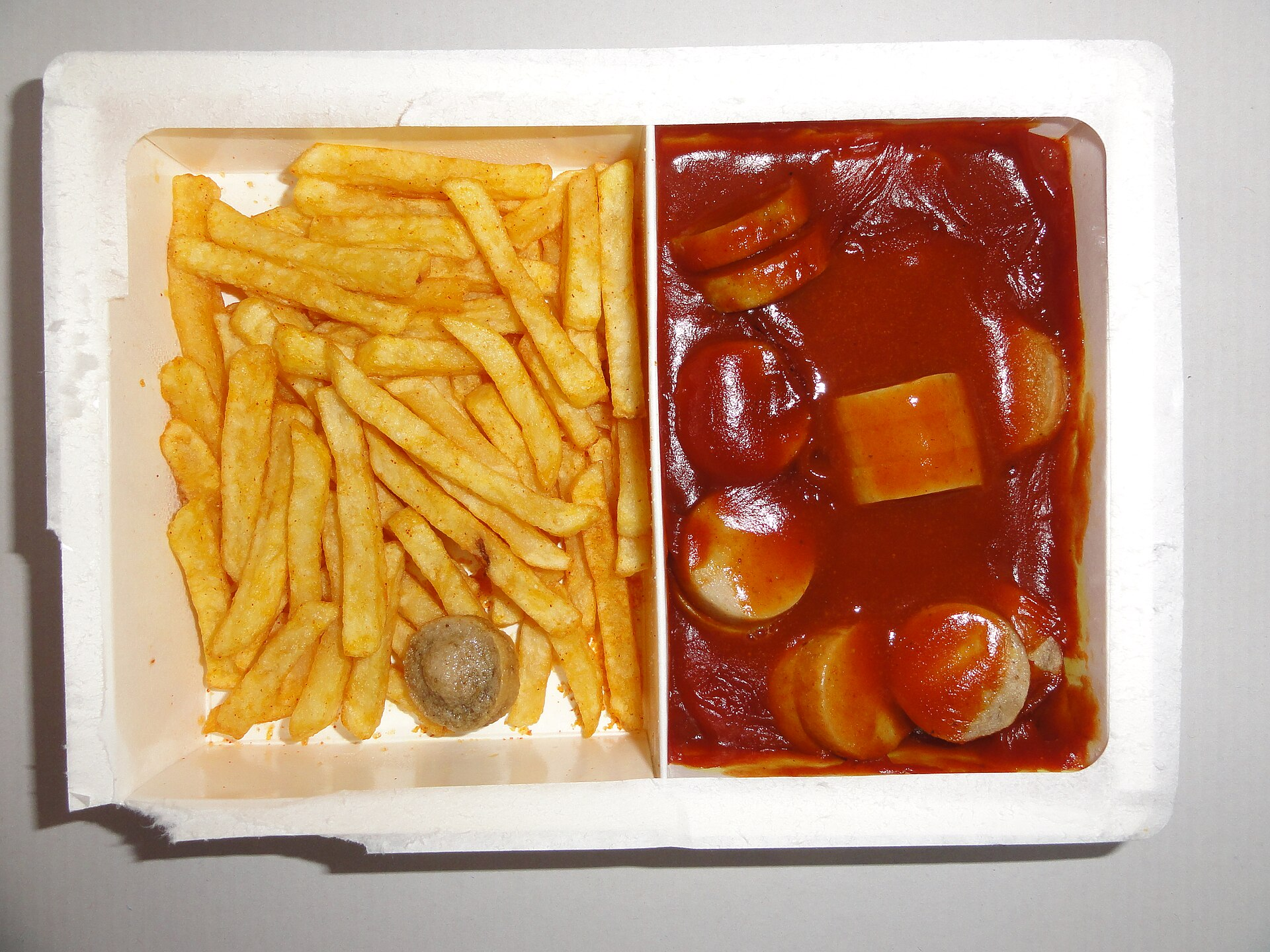
The specific invention most credited with launching the TV dinner phenomenon involves C.A. Swanson & Sons, a food company that found itself in 1953 with an enormous surplus of unsold Thanksgiving turkey, reportedly ten refrigerated railcars’ worth, sitting with nowhere to go. According to the most widely repeated version of the story, a company salesman suggested repurposing the surplus turkey into complete, pre-portioned frozen meals, an idea that solved the immediate inventory crisis and, almost by accident, created an entirely new category of American food.
The Aluminum Tray That Defined a Generation
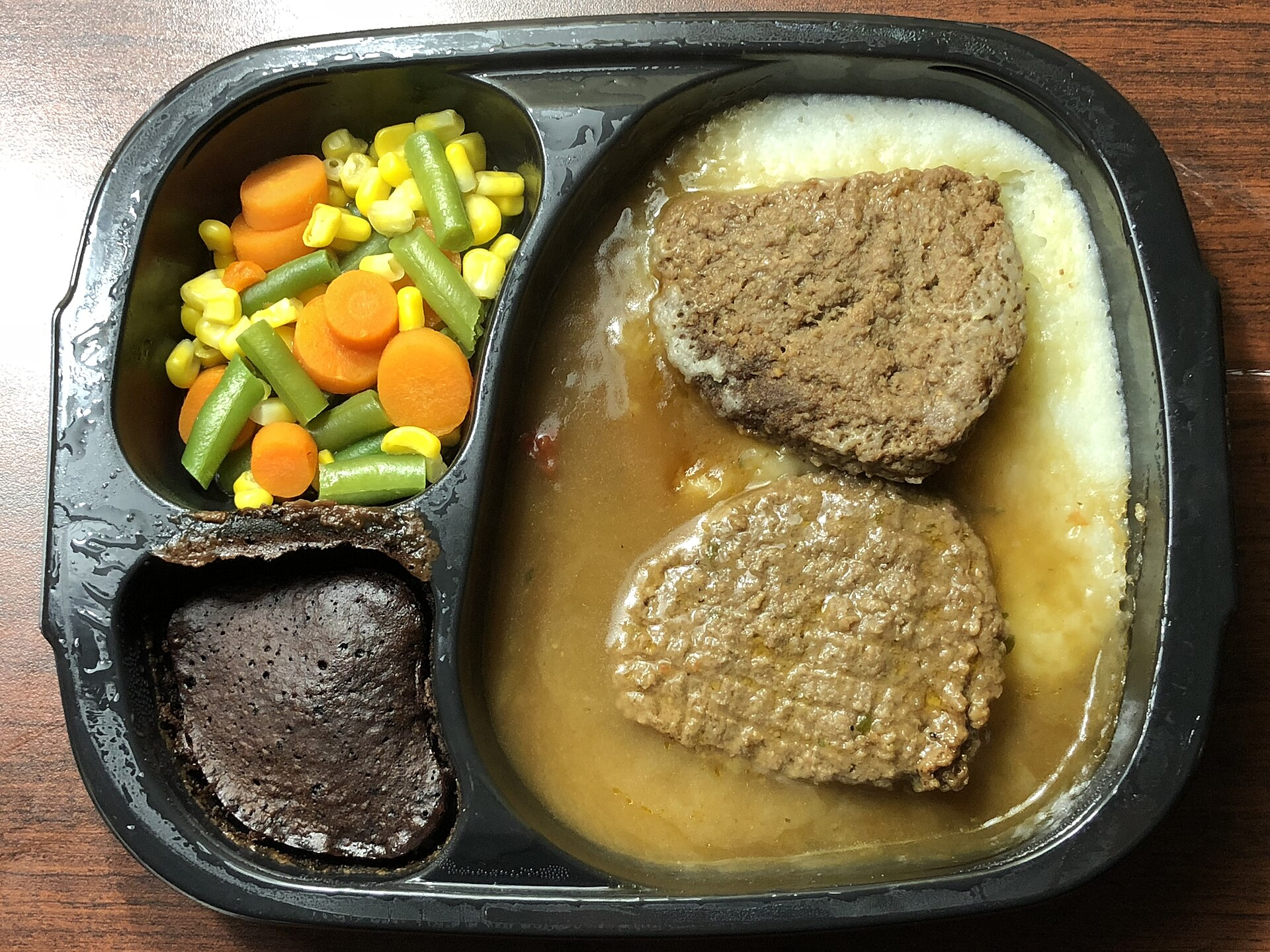
Swanson’s resulting product packaged turkey, cornbread stuffing, peas, and sweet potatoes into a segmented aluminum tray, designed explicitly to be heated in the oven and eaten directly from the same container, minimizing cleanup for busy families. The tray’s design, and the product’s marketing name, deliberately tied the meal to television, a rapidly spreading household technology at the time, positioning the frozen dinner as the perfect companion for eating while watching a favorite program rather than gathering at a traditional dining table.
An Immediate, Genuine Commercial Success
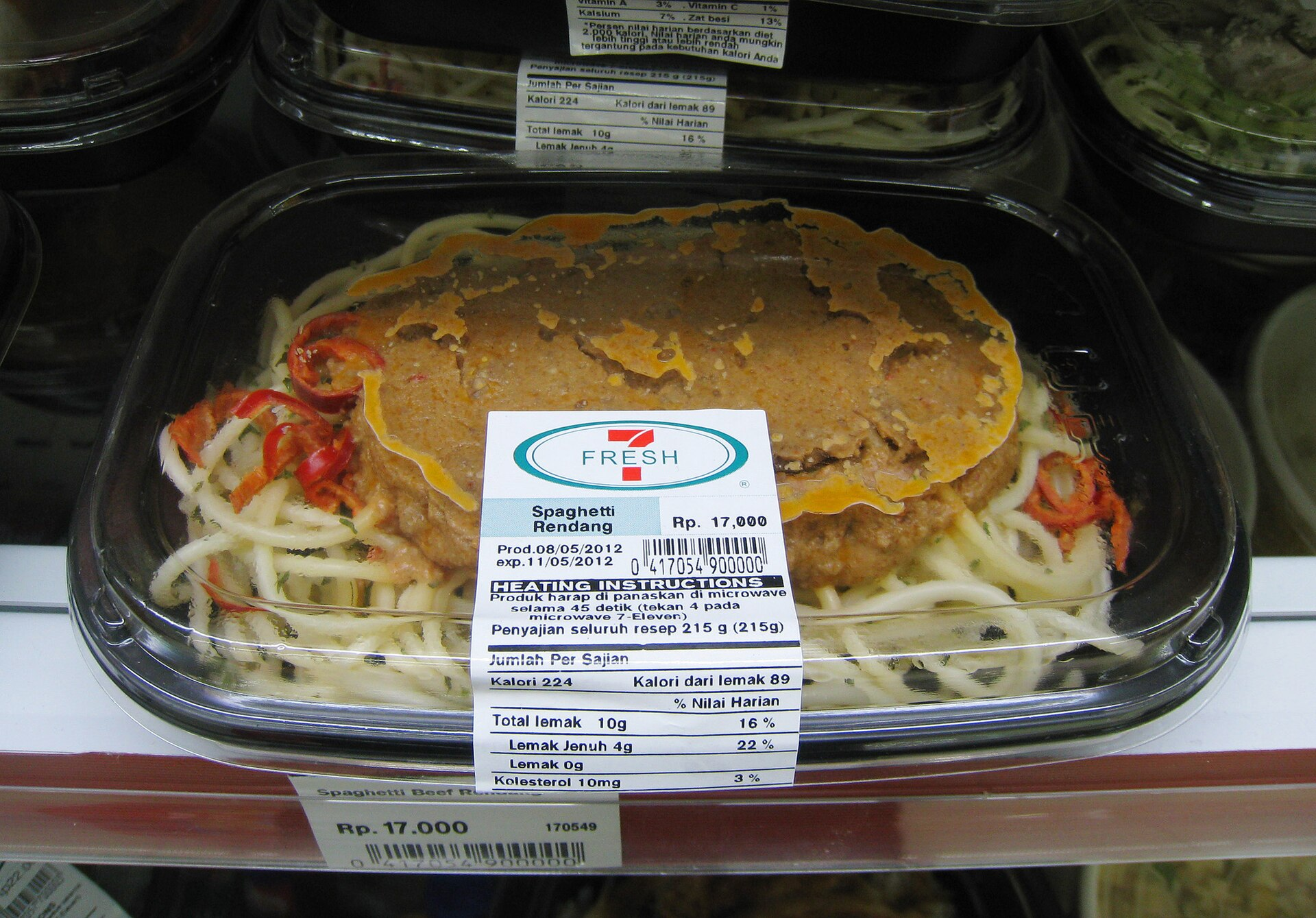
Swanson’s TV dinner launched in 1953 at a price of ninety-eight cents, and the company reportedly sold about ten million units within the first year alone, a genuinely remarkable success that validated the product far beyond its original purpose as a turkey-surplus solution. The timing coincided perfectly with television’s own explosive growth in American households, and the two technologies, frozen food and TV ownership, reinforced each other’s popularity throughout the decade.
A Genuine Shift in How American Families Ate
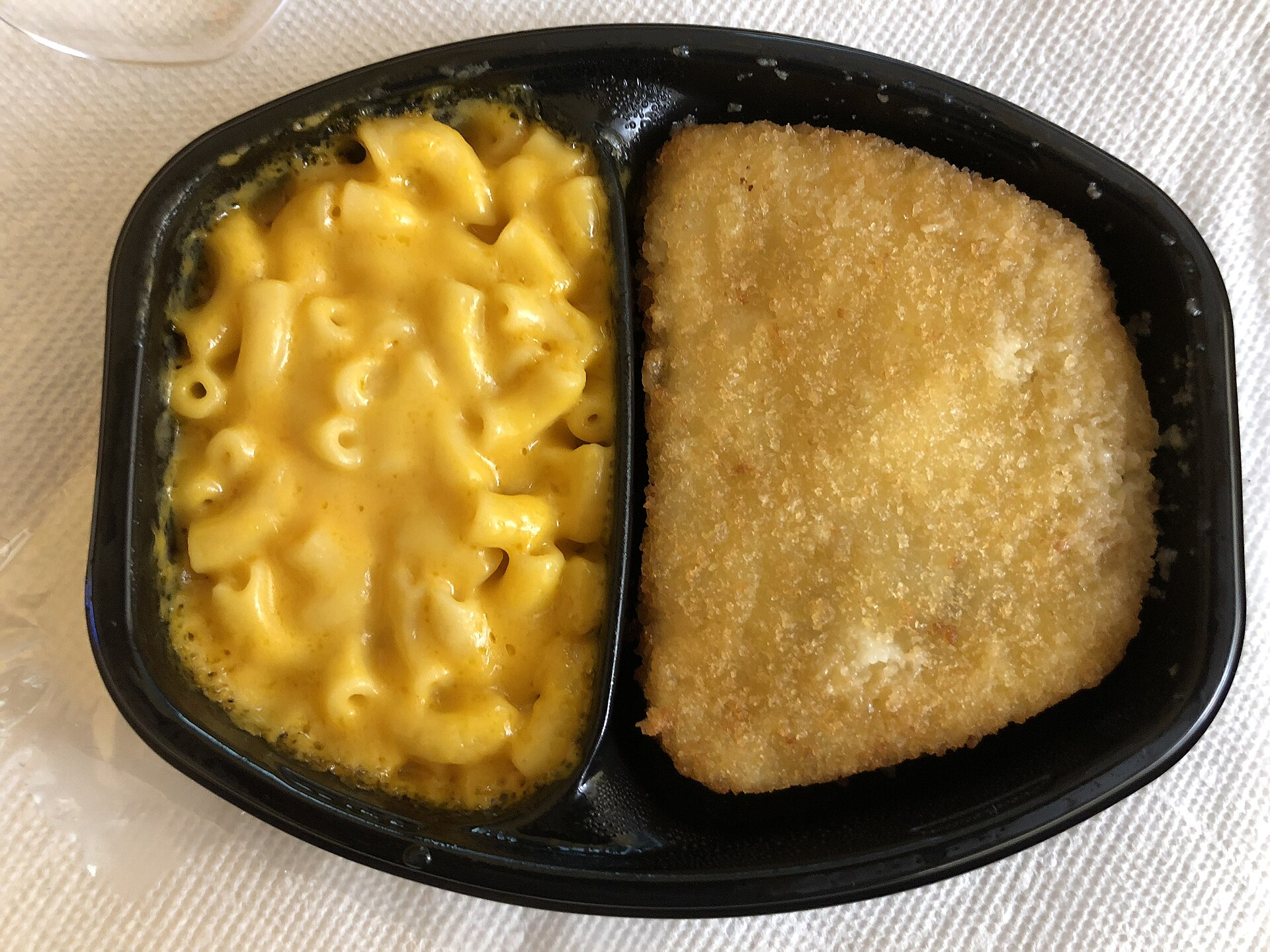
The TV dinner’s success reflected, and accelerated, a genuine shift already underway in American domestic life, as more women entered the workforce and evening schedules grew busier, the promise of a complete meal ready in under half an hour with minimal preparation held real, practical appeal. The product also subtly reshaped mealtime culture itself, normalizing eating in front of the television rather than gathered around a formal dining table, a shift some social commentators at the time viewed with genuine concern about the decline of shared family dinner conversation.
Competition and Genuine Product Evolution
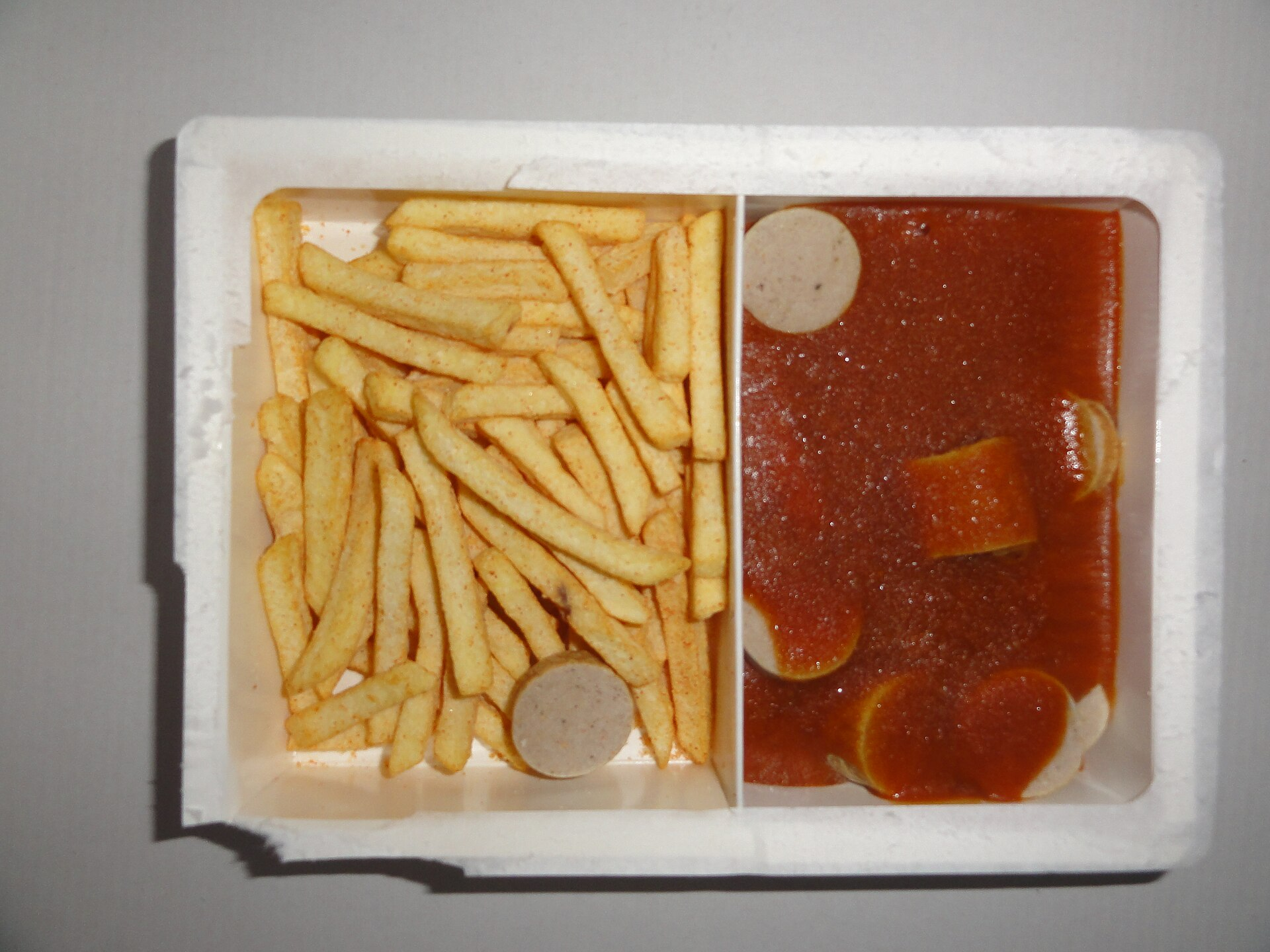
Swanson’s early success quickly drew competitors into the frozen dinner market, and the category expanded considerably over subsequent decades, adding new cuisines, dietary options, and eventually microwave-safe packaging that replaced the original aluminum trays entirely by the 1980s and 90s. The industry’s genuine evolution reflected changing American tastes and technology alike, from Salisbury steak and fried chicken varieties in the 1960s to considerably more diverse and health-conscious options in later decades.
A Product That Became a Genuine Cultural Touchstone
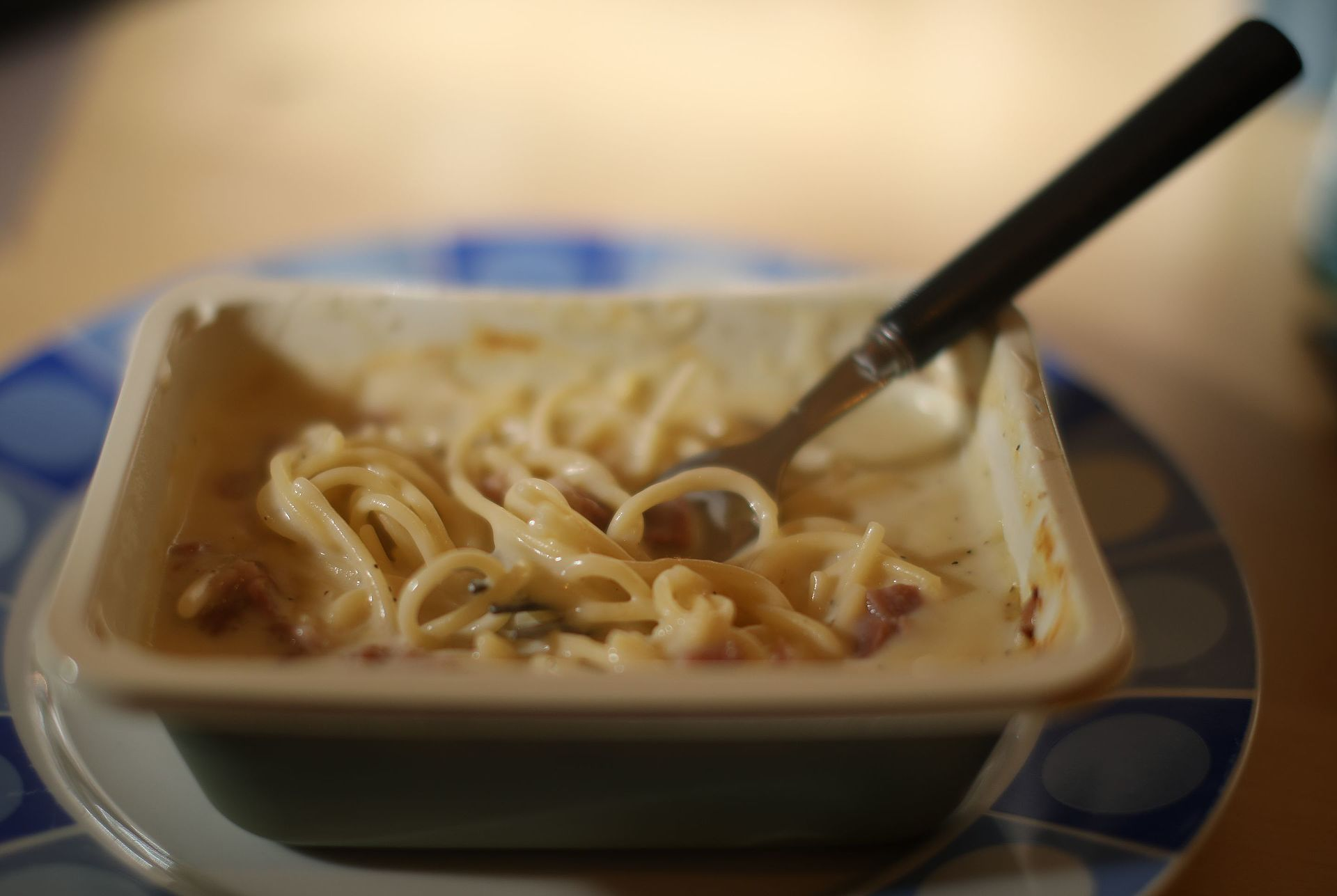
Beyond its commercial success, the TV dinner became a genuine cultural touchstone, referenced constantly in television shows, films, and popular culture as shorthand for a particular kind of mid-century American domestic life, convenient, modern, and organized around the television rather than older traditions of shared, unhurried family meals. The product’s name itself, TV dinner, eventually became a generic term for any frozen, pre-portioned meal, regardless of which company actually manufactured it.
How the Product Line Kept Evolving
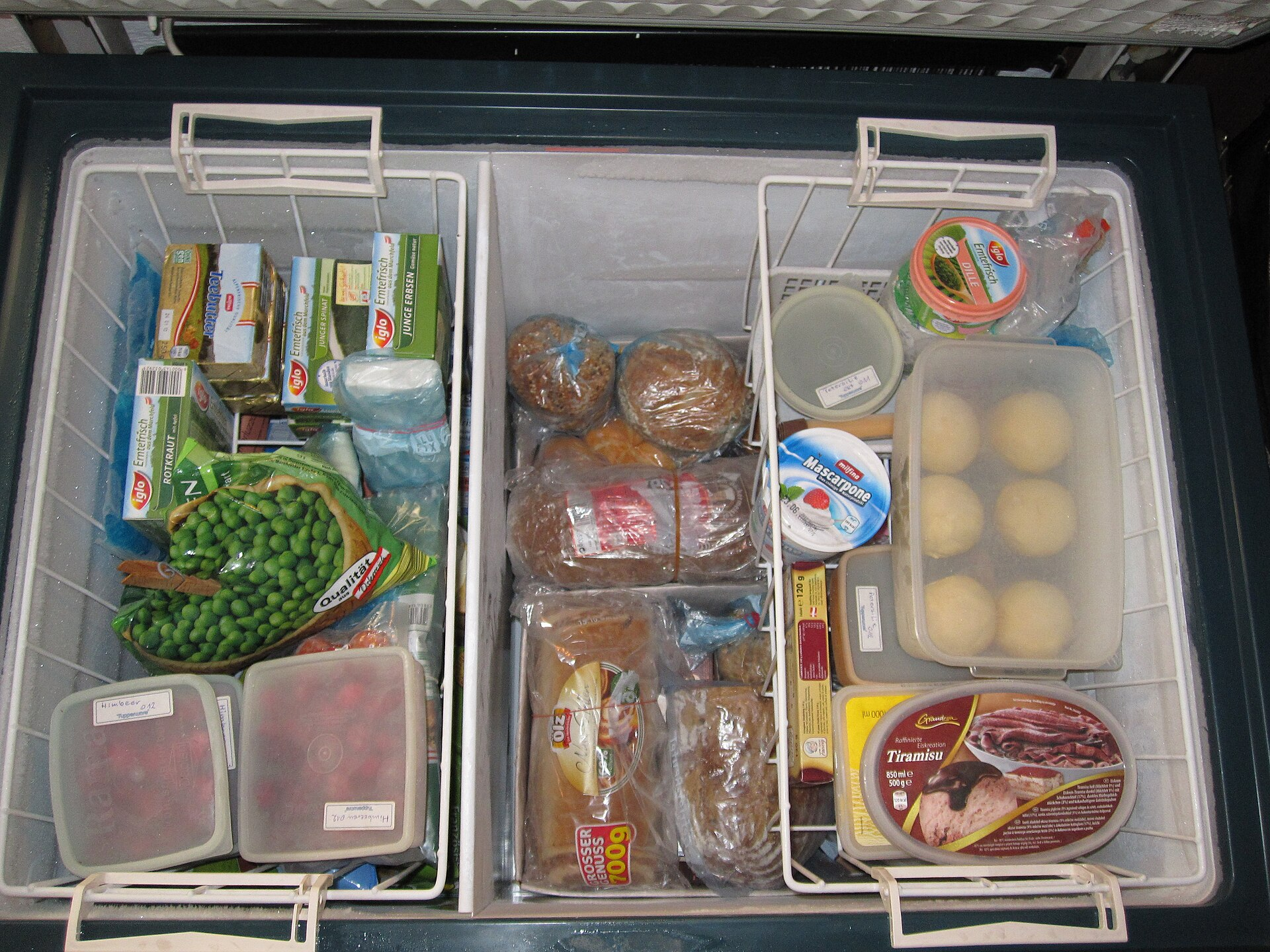
Swanson itself continued refining the format for decades after its initial launch, introducing new entrées, expanding portion sizes, and eventually adding dessert compartments to the original tray design as consumer expectations grew more sophisticated. Rival companies entered the category throughout the 1960s and 70s with their own competing lines, and by the 1980s, the entire frozen meal category had diversified into ethnic cuisines, calorie-conscious options, and eventually the microwave-safe packaging that made stovetop or oven preparation entirely unnecessary for the first time.
A Genuinely Accidental Legacy
The TV dinner’s origin story, an emergency solution to a turkey surplus that accidentally created an entirely new category of American food, remains one of the more genuinely unlikely corporate invention stories in American culinary history. Nearly seventy years later, the frozen meal aisle Swanson’s improvised solution helped create remains a permanent fixture of American grocery stores, a lasting legacy of a problem that was never actually about convenience at all, but about what to do with ten railcars of turkey nobody wanted to buy.
Like our content? Follow us for more.