

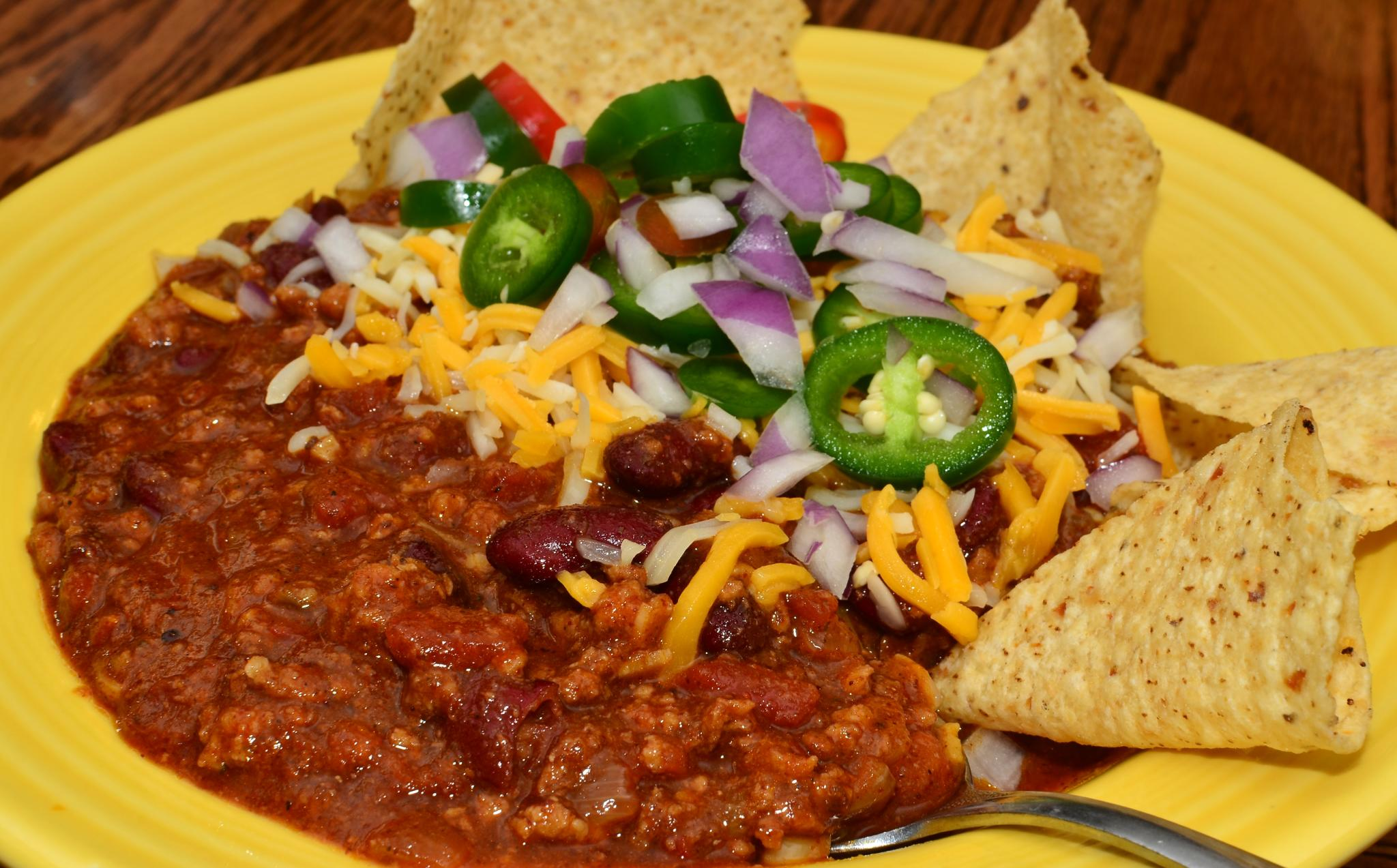
Few dishes start more arguments at an American table than chili, a food so regionally distinct that the presence of a single bean, a strand of spaghetti, or a spoonful of cinnamon can mark a bowl as belonging to one specific corner of the country and absolutely nowhere else. Here are eight distinct American chili styles and what makes each one different, counted down one by one.
1. Texas Red: No Beans, No Apologies
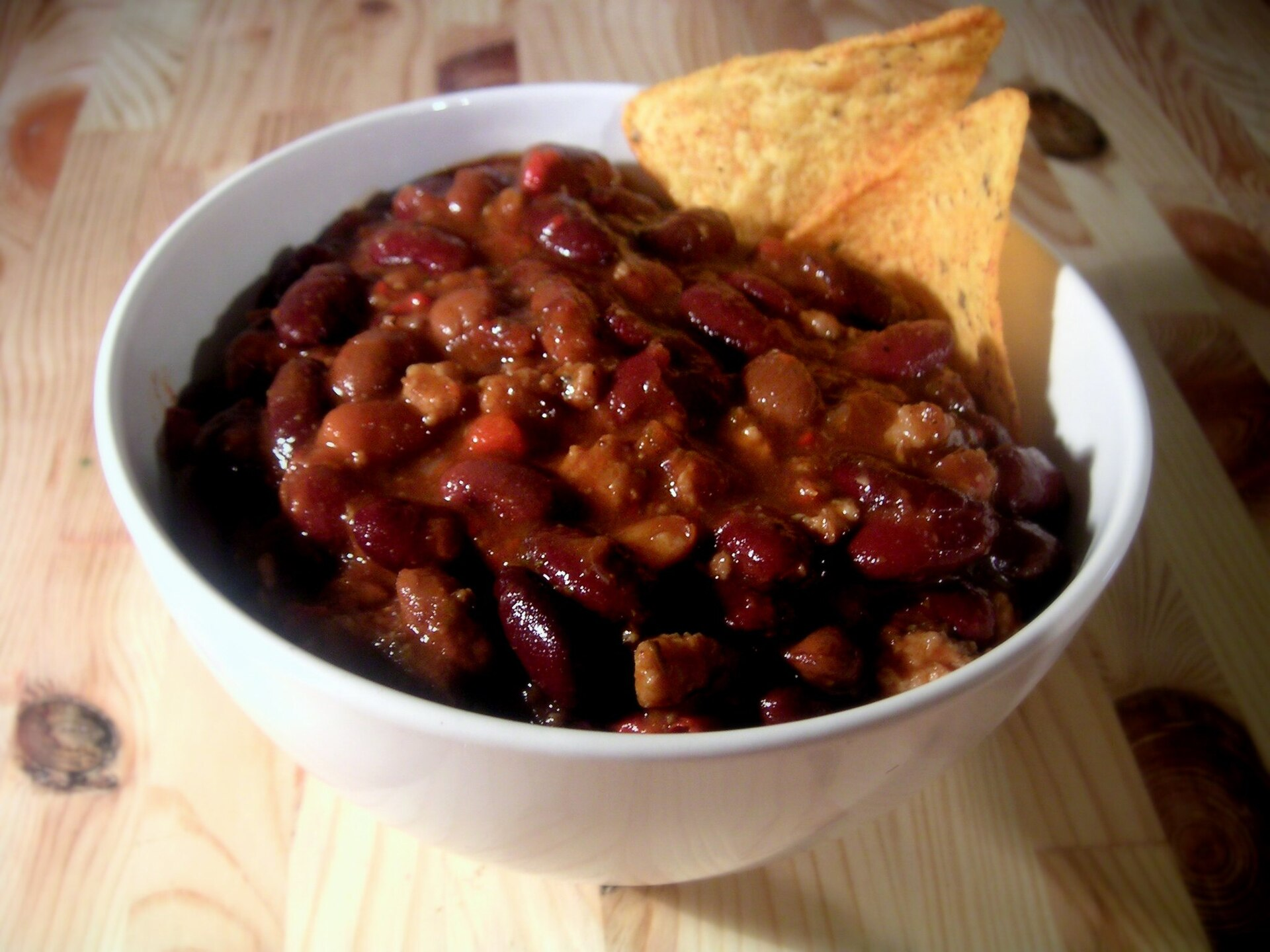
Texas chili is built on beef and dried chiles alone. Beans are famously, proudly, and permanently excluded.
The original “bowl of red” is a Texas institution built on cubed or coarsely ground beef simmered in a deep, brick-colored sauce of rehydrated dried chiles, cumin, and garlic, with tomatoes used sparingly and beans excluded so firmly that their absence is practically a point of state law. Texas red, with no beans and no apologies, is the style every other chili gets measured against, a purist’s dish whose defenders consider it not one variety of chili but the only one.
Like our content? Follow us for more.
2. Cincinnati Chili: Ladled Over Spaghetti by the Way
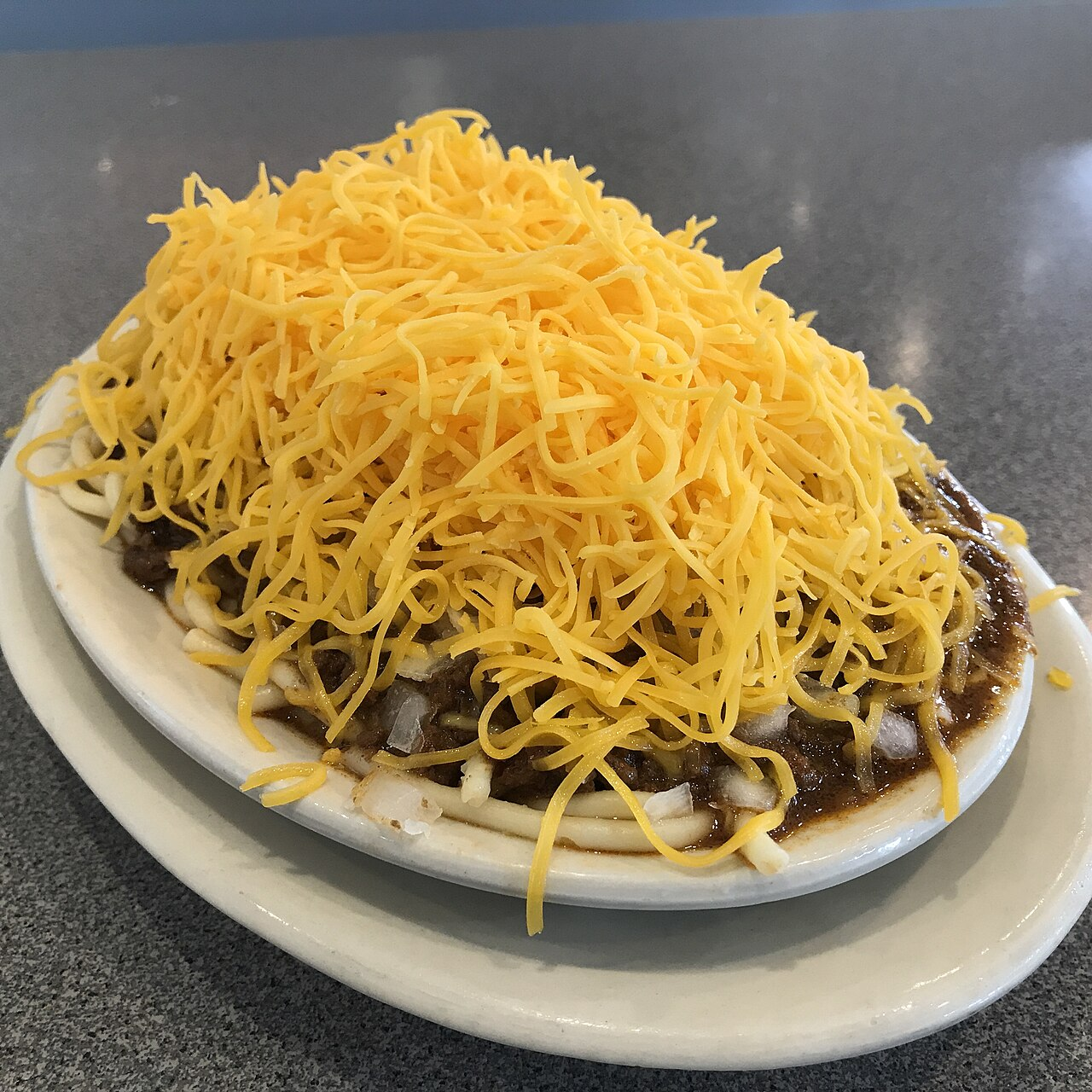
Cincinnati serves its chili over a plate of spaghetti. Warm spices like cinnamon set the flavor apart completely.
Cincinnati’s famous version is a finely ground, sauce-like chili seasoned with warm spices, cinnamon, allspice, and sometimes a trace of chocolate, ladled over spaghetti and ordered by the “way,” with a three-way adding shredded cheddar and four- and five-ways stacking on onions and beans. Cincinnati chili, ladled over spaghetti by the way, is the most distinctive regional style in America, a Mediterranean-influenced creation that its home city consumes with genuine devotion and outsiders never forget trying.
3. New Mexico Green Chile Stew: The Chile Is the Point
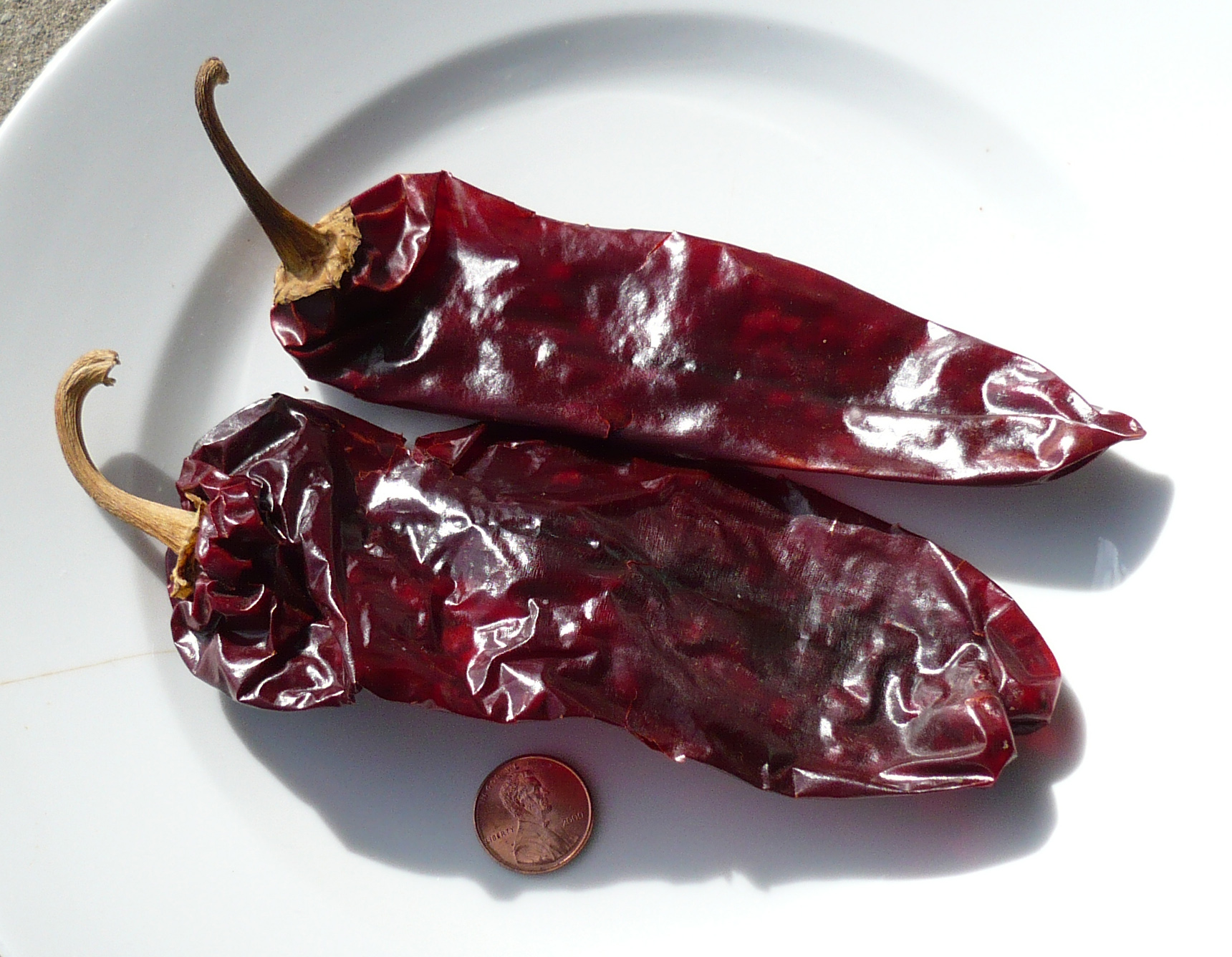
New Mexico’s bowl is built on roasted green chiles. Pork and potatoes simmer in the peppers’ famous flavor.
In New Mexico the star is the chile itself, fire-roasted green pods, most famously from the Hatch Valley, simmered with pork and often potatoes into a green chile stew whose smoky, vegetal heat is so central to state identity that the official question is simply “red or green?” New Mexico green chile stew, where the chile is the point, represents the oldest chile-growing tradition in the country, a style rooted in centuries of regional agriculture rather than any cook-off.
4. Chili Verde: The Southwestern Pork Simmer
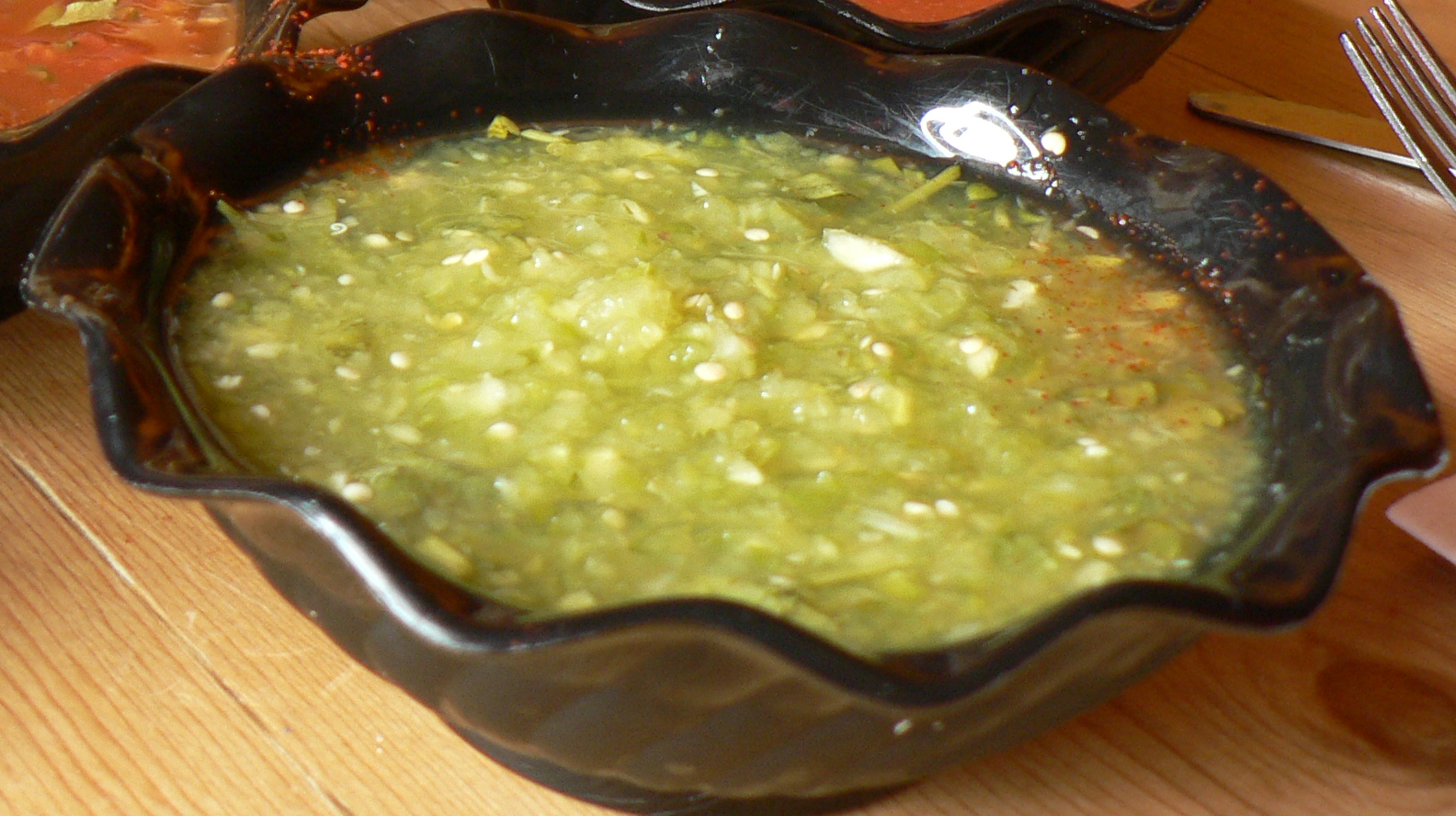
Chili verde slow-simmers pork in a green tomatillo sauce. Its tang separates it from its New Mexican cousin.
Across the broader Southwest and much of the West Coast, chili verde slow-simmers chunks of pork shoulder in a bright green sauce built on tomatillos, jalapeños, and cilantro, producing a tangier, saucier bowl than New Mexico’s chile-forward stew and one most often scooped up with tortillas. Chili verde, the Southwestern pork simmer, shows how far the green side of the chili family has traveled, a Mexican-rooted style that has become a fixture of American Southwestern cooking.
5. Midwestern Chili: Beans, Tomatoes, and a Family Recipe
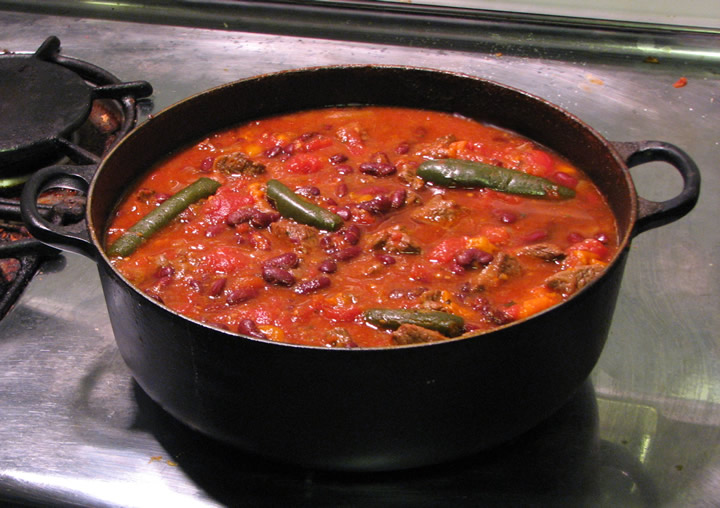
The Midwest builds chili on ground beef, beans, and tomato. Sometimes noodles turn the pot into chili mac.
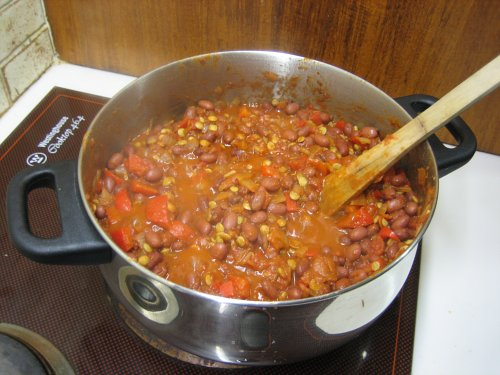
The chili most Americans grew up on is the Midwestern family-recipe pot, ground beef, kidney beans, tomatoes, and chili powder simmered on the stove for supper or a crowd, sometimes with macaroni stirred in to become chili mac, and always better the second day. Midwestern chili, with beans, tomatoes, and a family recipe, is the everyday heart of American chili cooking, the style handed down on recipe cards and simmered in more home kitchens than any other.
6. Chili Colorado: The Deep Red Border Classic
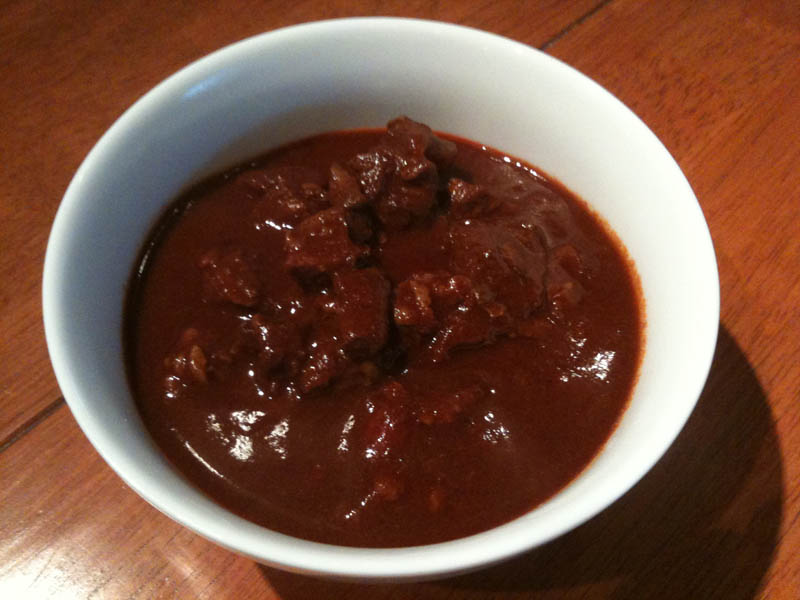
Chili colorado bathes beef in a pure red chile sauce. The name refers to the color, not the state.
Chili colorado, named for its deep red color rather than any state, simmers chunks of beef in a smooth, glossy sauce made purely from dried red chiles, a border-region classic of northern Mexican and Southwestern kitchens that is closer to a braise than a stew and is served with rice, beans, or folded into burritos. Chili colorado, the deep red border classic, represents the direct ancestral line of American chili, the pure chile-and-meat tradition from which the Texas bowl of red descends.
7. White Chicken Chili: The Pale Newcomer That Stuck
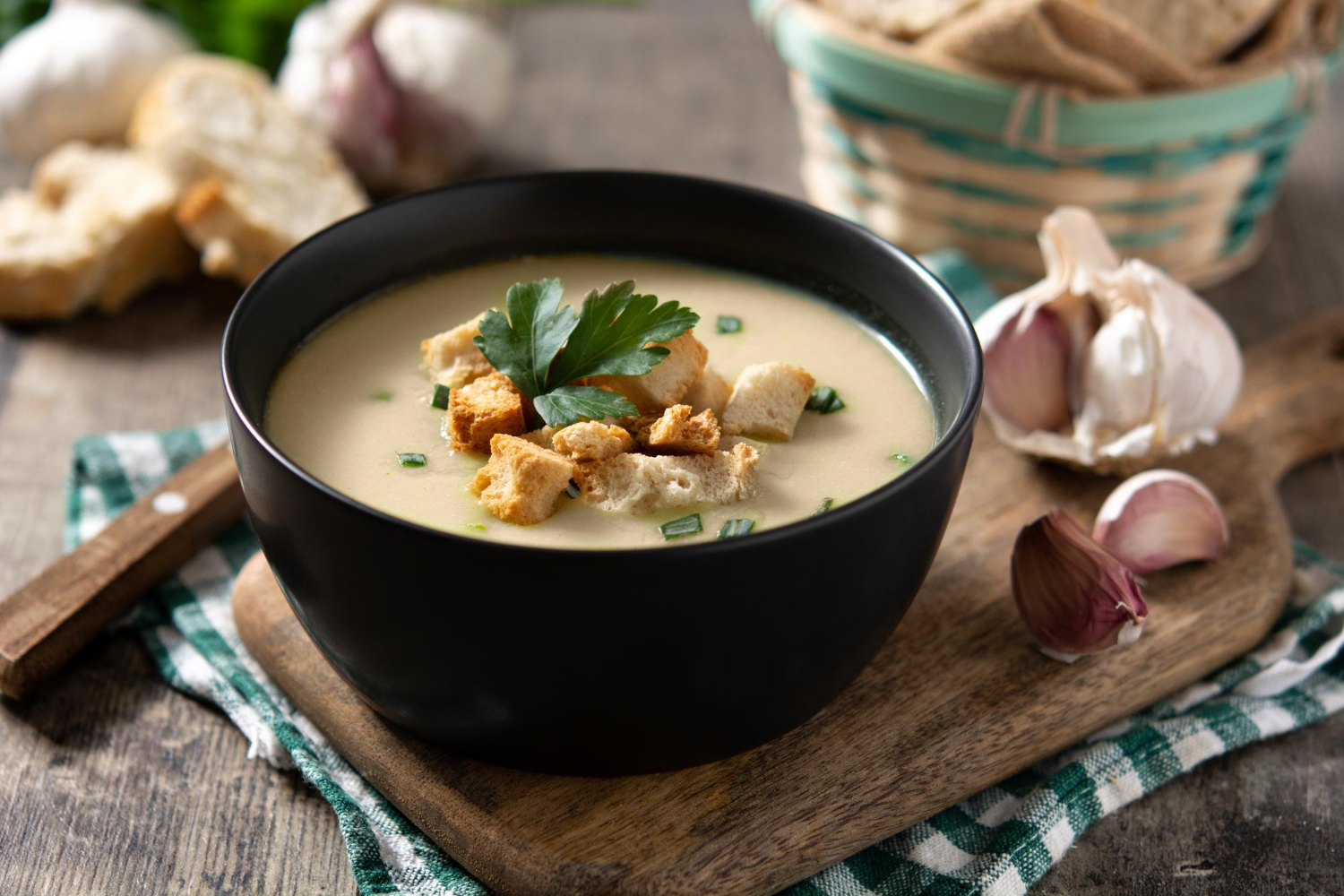
White chili swaps in chicken, white beans, and green chiles. A creamy finish makes it the family of the mildest bowl.
The youngest style in the family, white chicken chili emerged in American kitchens in the 1980s with a completely inverted formula, chicken instead of beef, white beans instead of red, green chiles instead of red chile sauce, and often a creamy finish, becoming a potluck and cook-off staple within a generation. White chicken chili, the pale newcomer that stuck, proves the chili family is still growing, a modern invention that earned its place in the rotation without a single drop of red.
8. Chili Dogs and Coney Sauce: Chili as a Topping
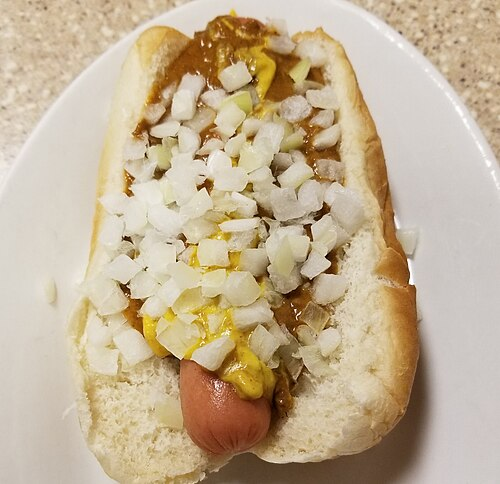
Some regions treat chili as a sauce for hot dogs. Fine-ground coney sauce is its own beloved tradition.
In much of the industrial Midwest and the South, chili’s most beloved form isn’t a bowl at all but a topping, the fine-ground, bean-free coney sauce spooned over hot dogs with mustard and onions, a tradition built by Greek and Macedonian immigrant diner owners in the early twentieth century. Chili dogs and coney sauce, chili as a topping, complete the family portrait, proof that in some American towns the argument was never red versus green but simply how much to ladle on.
One Dish, Eight Fierce Loyalties
Taken together, these eight styles capture how completely chili has been reinvented across the American map, from the beanless purism of Texas red and the cinnamon-scented plates of Cincinnati to the roasted green heart of New Mexico and the coney sauce of the diner counter. Each one is defended by its home region with a loyalty few foods inspire.
The regional lines around chili formed the way most American food borders did, through immigration, local agriculture, and decades of church suppers, diner counters, and cook-offs that hardened preferences into identity. The differences persist because every region genuinely believes its version is the original point of the dish. For anyone who grew up with one style, the others read almost like foreign cuisine, which is exactly what makes crossing those borders, bowl by bowl, one of the most satisfying food road trips in America. However you take yours, red or green, beans or not, over spaghetti or over a hot dog, the answer says exactly where you’re from.
Like our content? Follow us for more.
