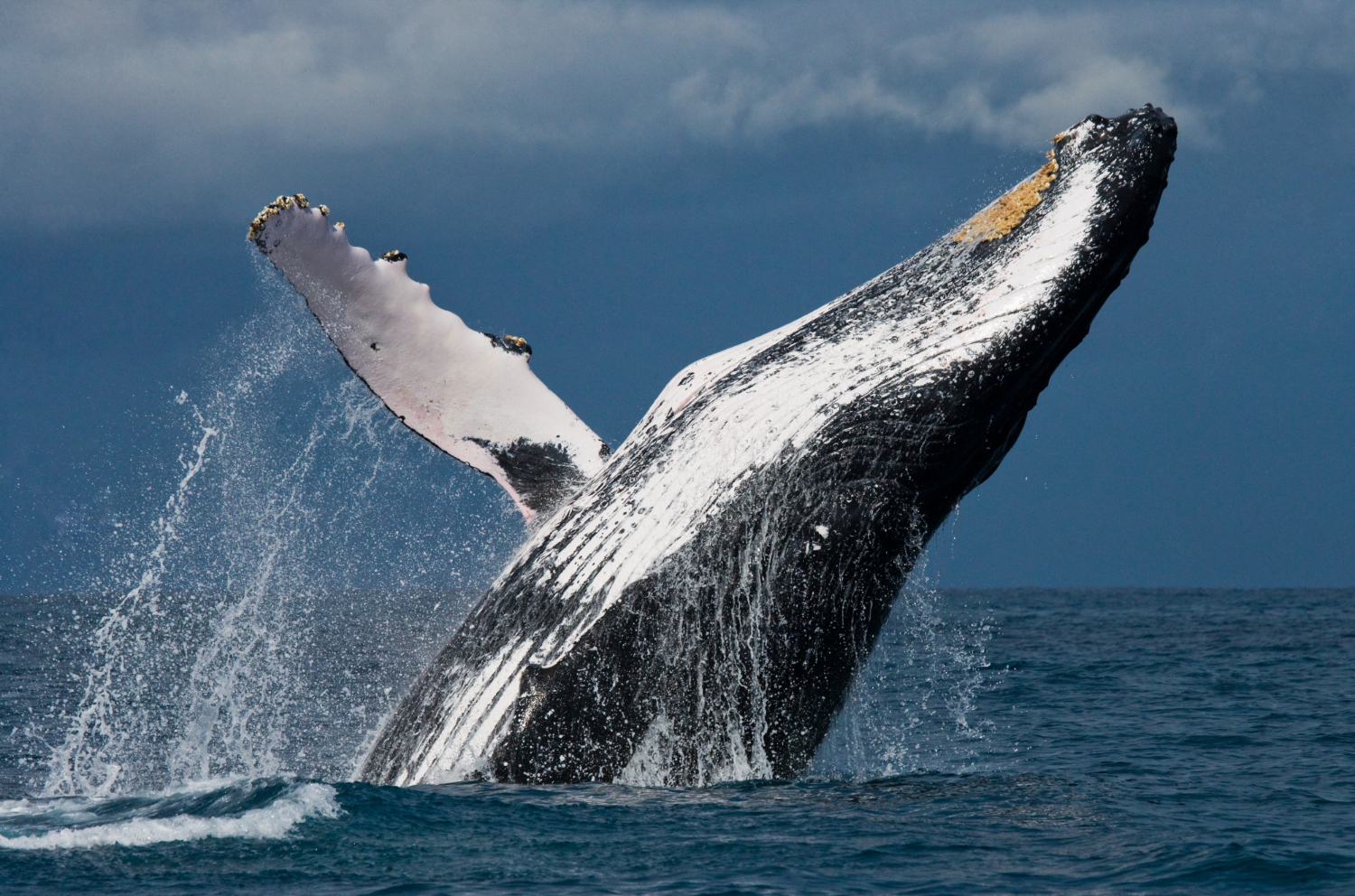
There’s a difference between seeing a whale on a screen and feeling the deck go silent as a spout erupts a hundred yards off the bow. For Whale and Dolphin Day, here are ten of the planet’s premier destinations where that moment is truly within reach — coastlines where the underwater geography, the seasons, and the wildlife align to offer some of the best whale and dolphin watching on Earth. Pick one, find a responsible operator, and go meet a giant.
1. Kaikoura, New Zealand — Sperm Whales, All Year

A deep canyon just offshore brings giant sperm whales close to a small South Island town year-round.
Kaikoura is one of the few places on Earth where you can reliably see sperm whales — the largest of the toothed whales, deep-diving giants immortalized in Moby-Dick — close to shore all year long. The secret is geography: a very deep underwater canyon lies just off the coast, bringing nutrient-rich cold water and the squid these whales hunt within easy reach of the town. Add dusky dolphins in the hundreds, fur seals, and albatross, and this dramatic stretch of the South Island, framed by snow-capped mountains meeting the sea, ranks among the greatest marine-wildlife destinations anywhere.
Like our content? Follow us for more.
2. The Azores, Portugal — A Mid-Atlantic Whale Hotspot

Deep Atlantic waters around these volcanic islands draw a remarkable variety of whales and dolphins.
The Azores — a cluster of green volcanic islands far out in the mid-Atlantic — sit above some of the deepest water in the region, and the result is one of the richest whale and dolphin destinations on the planet, with a large number of species recorded in its waters. Resident sperm whales and several dolphin species can be seen much of the year, while the spring and early summer bring the great migrating baleen whales, including blue whales and fin whales, past the islands. Once a whaling center, the Azores have reinvented themselves as a model of respectful whale watching, often guided by former whale-spotters using the same shoreline lookouts.
3. Baja California, Mexico — The Friendly Gray Whales
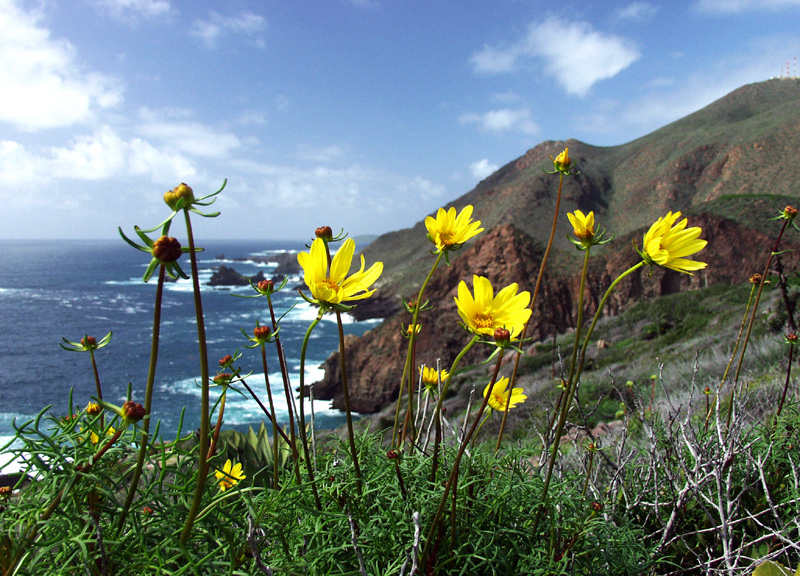
In sheltered lagoons, gray whale mothers famously bring their calves right up to the boats.
The lagoons of Mexico’s Baja California peninsula host one of the most extraordinary wildlife encounters in the world: each winter, gray whales arrive to breed and calve, and in these protected waters the mothers and their young are famously curious, often approaching the small boats and allowing gentle contact, an experience that leaves visitors speechless. Beyond the lagoons, the Sea of Cortez teems with life, drawing humpbacks, blue whales, and vast pods of dolphins. Few places offer whale encounters this intimate, and the gray whales’ apparent willingness to seek out human contact makes Baja utterly unique.
4. Húsavík and Iceland’s North — Europe’s Whale Capital
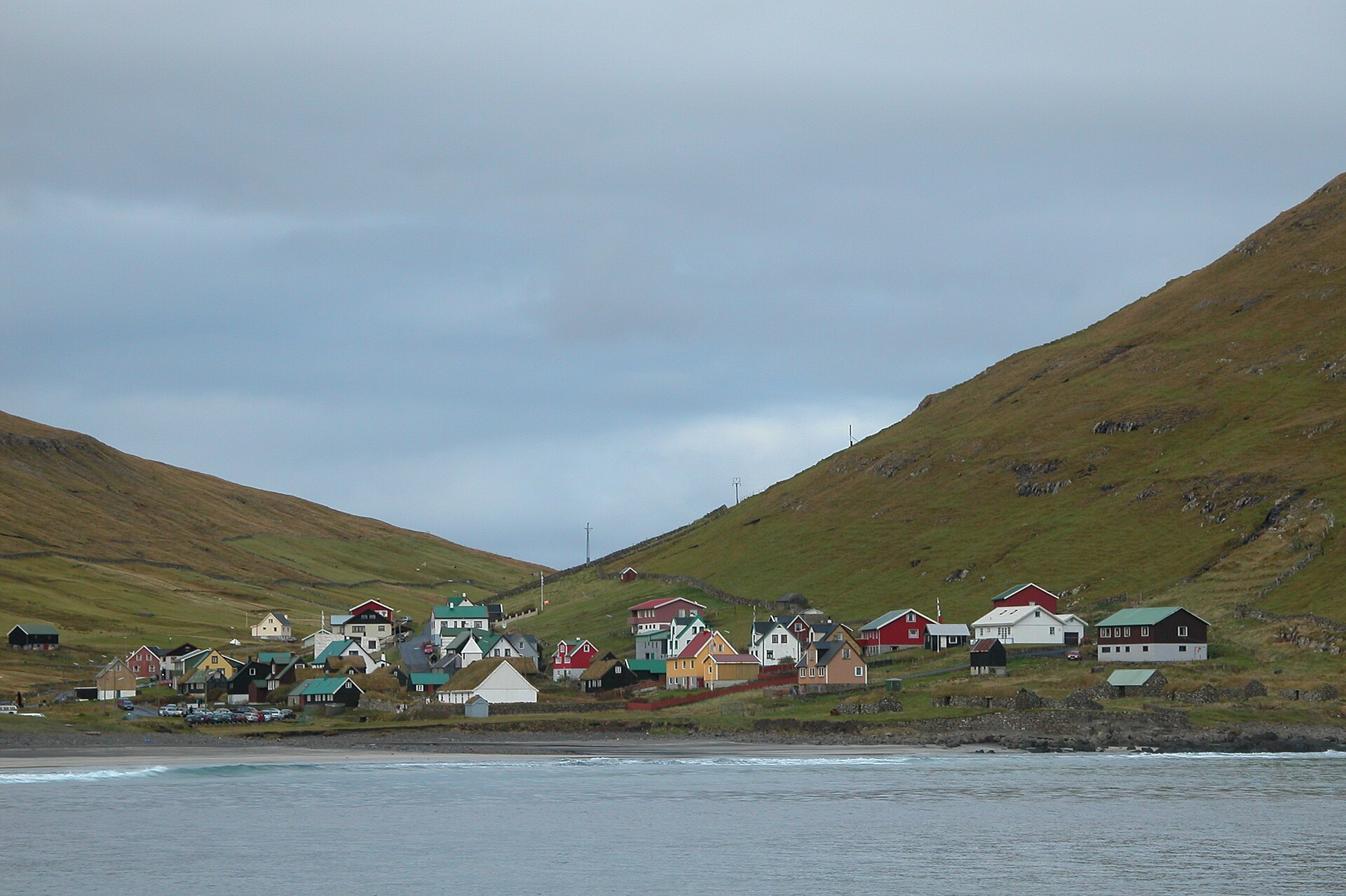
Rich Arctic-fed waters make Iceland one of the world’s most reliable whale-watching spots.
Iceland has become one of the planet’s top whale-watching destinations, and the northern town of Húsavík bills itself as the country’s whale capital. The cold, nutrient-rich waters off Iceland attract humpbacks, minke whales, white-beaked dolphins, and — in the right places and seasons — even the colossal blue whale, all against a backdrop of dramatic Arctic scenery. Boats depart from Reykjavík and the north through the long days of the northern summer, and the combination of near-guaranteed sightings and otherworldly landscape has made Iceland a bucket-list destination for anyone hoping to see whales.
5. Hermanus, South Africa — Whales From the Cliffs

You don’t even need a boat: southern right whales come close enough to watch from shore.
The seaside town of Hermanus, near Cape Town, is celebrated as one of the best places in the world for land-based whale watching. Each year during the Southern Hemisphere winter and spring, southern right whales come remarkably close to the town’s rocky shoreline to breed and calve, allowing visitors to watch these enormous animals breach and roll from cliff-top paths — no boat required. The town even famously employs a “whale crier” who announces sightings, and its whale season is a full-blown local celebration. For accessible, spectacular, shore-based whale watching, Hermanus is hard to beat.
6. Monterey Bay, California — Wildlife on America’s Doorstep
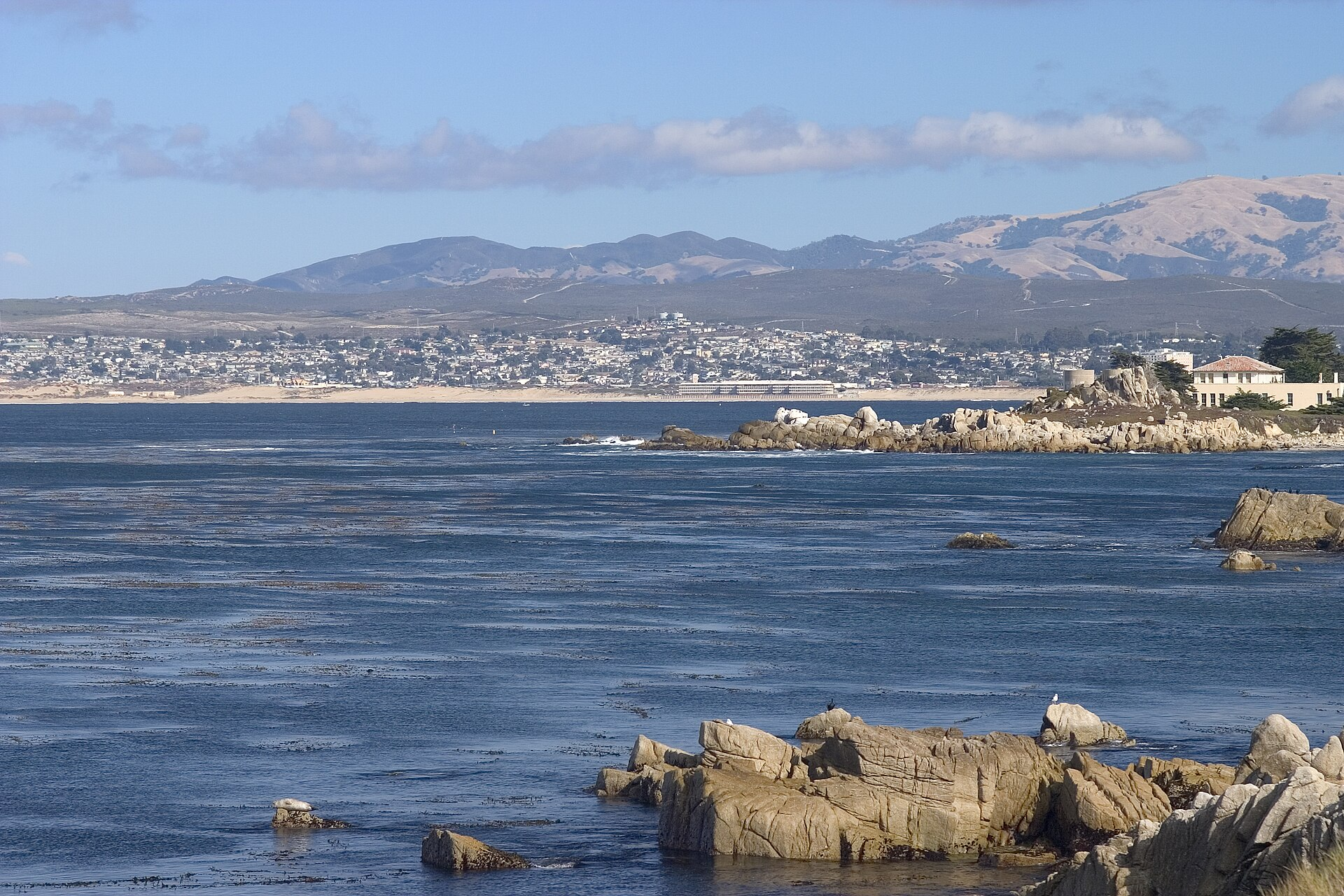
A deep submarine canyon makes this California bay one of the richest marine spots in the U.S.
For American travelers, Monterey Bay offers world-class whale watching without a passport. A deep submarine canyon plunges just offshore, funneling nutrients and marine life close to the coast and supporting an incredible density of wildlife: humpback and blue whales in the warmer months, gray whales passing on migration, orcas, and huge numbers of dolphins and sea lions. Monterey’s rich waters and long whale-watching tradition make it one of the premier spots on the U.S. mainland, and the surrounding coastline, aquarium, and scenery round out a perfect wildlife-focused trip.
7. Dominica, Caribbean — Sperm Whales in Warm Water

This small island is one of the only places with resident sperm whales you can visit year-round.
The lush Caribbean island of Dominica has steadily become one of the world’s most remarkable whale destinations, home to a resident population of sperm whales that can be encountered in its deep coastal waters year-round — a rarity that has made the island a focus of both tourism and scientific study. Warm water, calm conditions, and reliable sightings of these deep-diving giants set Dominica apart from colder northern destinations, and the island’s dramatic volcanic landscape above the water matches the drama below. For a warm-weather whale encounter, few places rival it.
8. Norway’s Fjords and Arctic North — Orcas in Winter

In the far north, orcas and humpbacks gather in the fjords to feed on winter herring.
Northern Norway offers one of the most dramatic whale spectacles anywhere: each winter, huge numbers of herring pour into the fjords near Tromsø and beyond, and following them come orcas and humpback whales in impressive concentrations, feeding in the cold, dark, spectacularly scenic Arctic waters. Watching orcas hunt beneath the northern lights, framed by snow-covered fjords, is a really unforgettable experience and a very different flavor of whale watching from the sunny lagoons of Baja. For adventurous travelers, the Norwegian Arctic in winter is a marine bucket-list destination.
9. Sri Lanka — Blue Whales Off a Tropical Coast

One of the most reliable places on Earth to glimpse the largest animal that has ever lived.
Sri Lanka has emerged as one of the best places in the world to see the blue whale — the largest animal ever to exist — thanks to deep water close to shore off its southern and eastern coasts, where these giants pass in reliable numbers during the right seasons. To share the water with a creature approaching 100 feet long is among the most humbling experiences travel can offer, and Sri Lanka delivers it in warm tropical waters alongside sperm whales, spinner dolphins, and the island’s famous cultural and wildlife riches on land. It’s a destination that pairs the ocean’s largest animal with one of Asia’s most rewarding countries.
10. New England, USA — Humpbacks on the Historic Coast
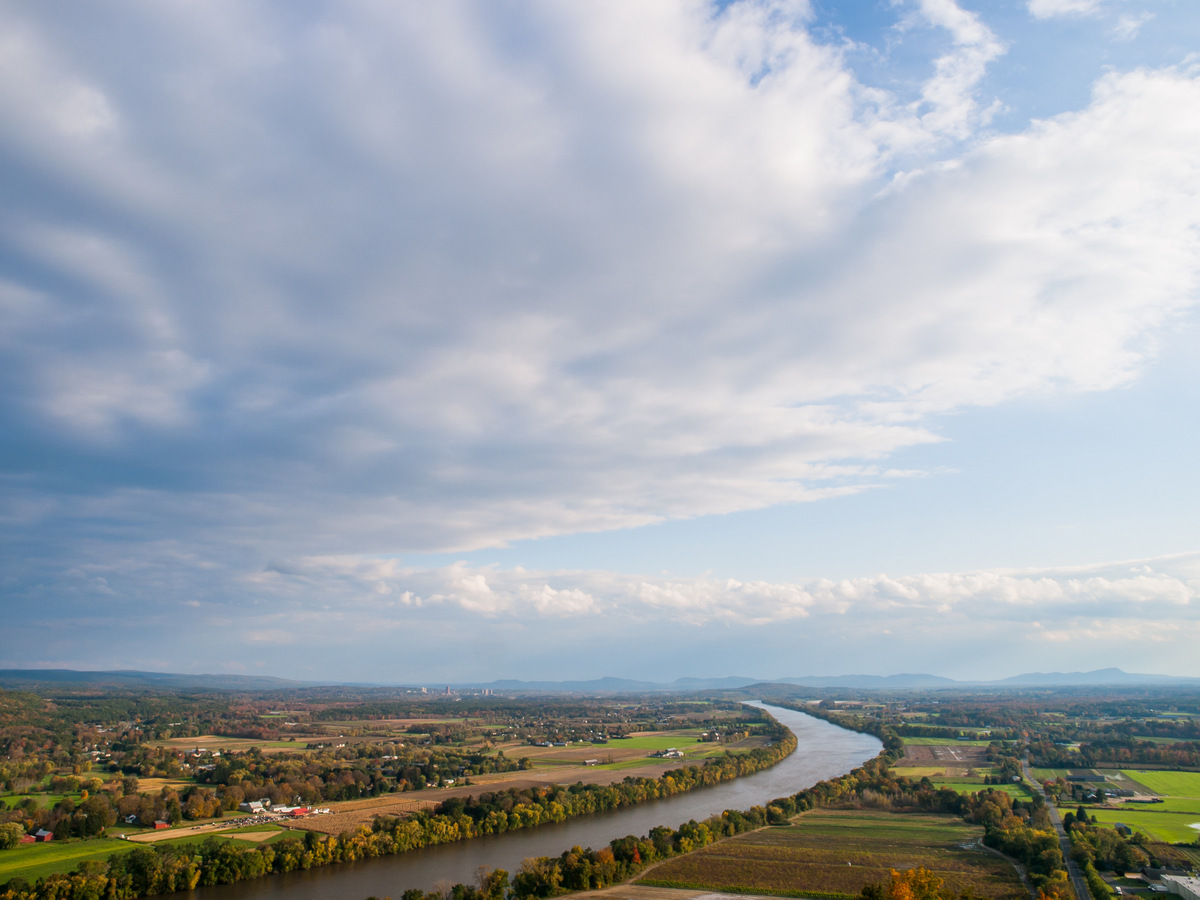
Rich feeding grounds off Massachusetts bring humpbacks within reach of America’s Northeast.
Off the coast of New England, the productive waters of feeding grounds like Stellwagen Bank draw humpback whales, finbacks, minkes, and more each summer and fall, making the region one of the East Coast’s top whale-watching destinations. Boats out of Boston, Cape Cod, and coastal Maine and New Hampshire regularly deliver spectacular humpback sightings — the acrobatic breaches and tail-slaps that make this species a crowd favorite — within an easy trip of the Northeast’s cities. It’s proof that a world-class whale encounter can sit just off one of the most historic and visited coastlines in the country.
The Ocean’s Giants Are Closer Than You Think
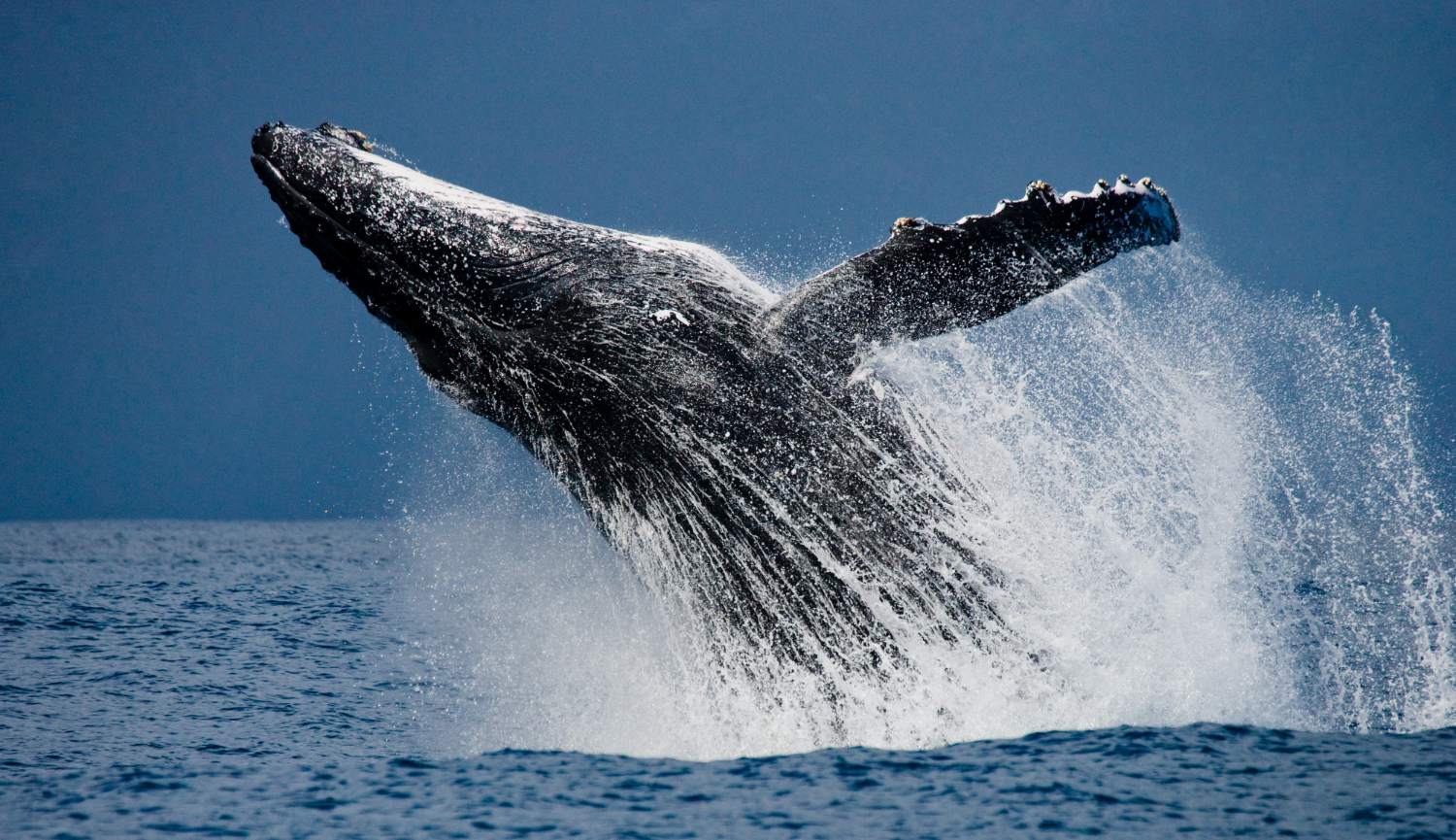
Sperm whales off New Zealand, friendly grays in Baja, blue whales off Sri Lanka, and humpbacks within reach of Boston — the world’s great whale-watching coasts prove that the ocean’s most astonishing animals are, with a little planning, honestly reachable. Every destination on this list offers the same priceless payoff: the moment the water breaks and something enormous rises into view.
The best way to honor Whale and Dolphin Day is to start planning to see one, choosing a reputable, conservation-minded operator who keeps a respectful distance and lets the animals set the terms. Match the destination to the right season, book with care, and put yourself on the water — because no documentary, however stunning, compares to the real thing surfacing beside your boat. The giants are out there right now. This is the year to go meet one.
Like our content? Follow us for more.