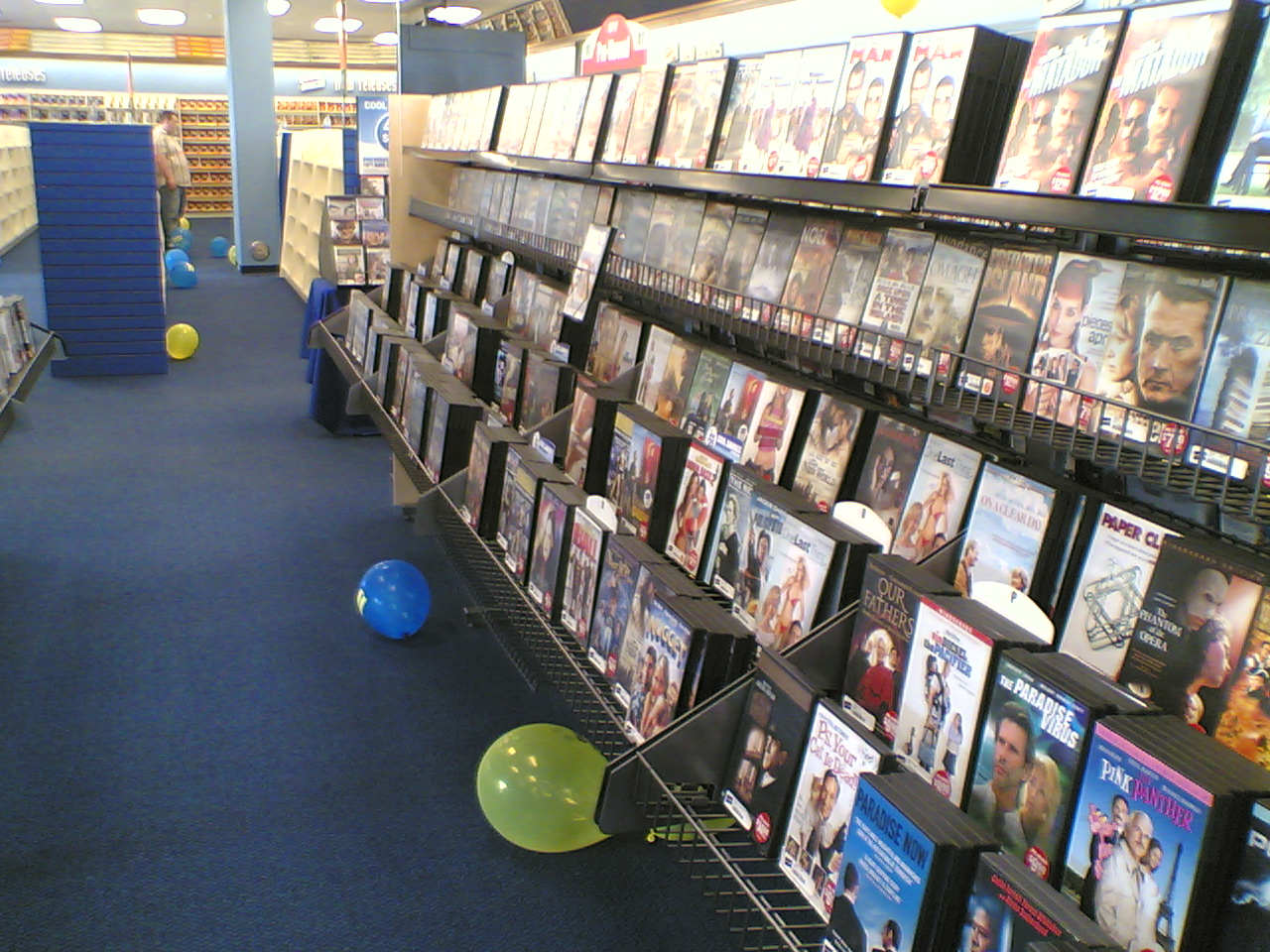
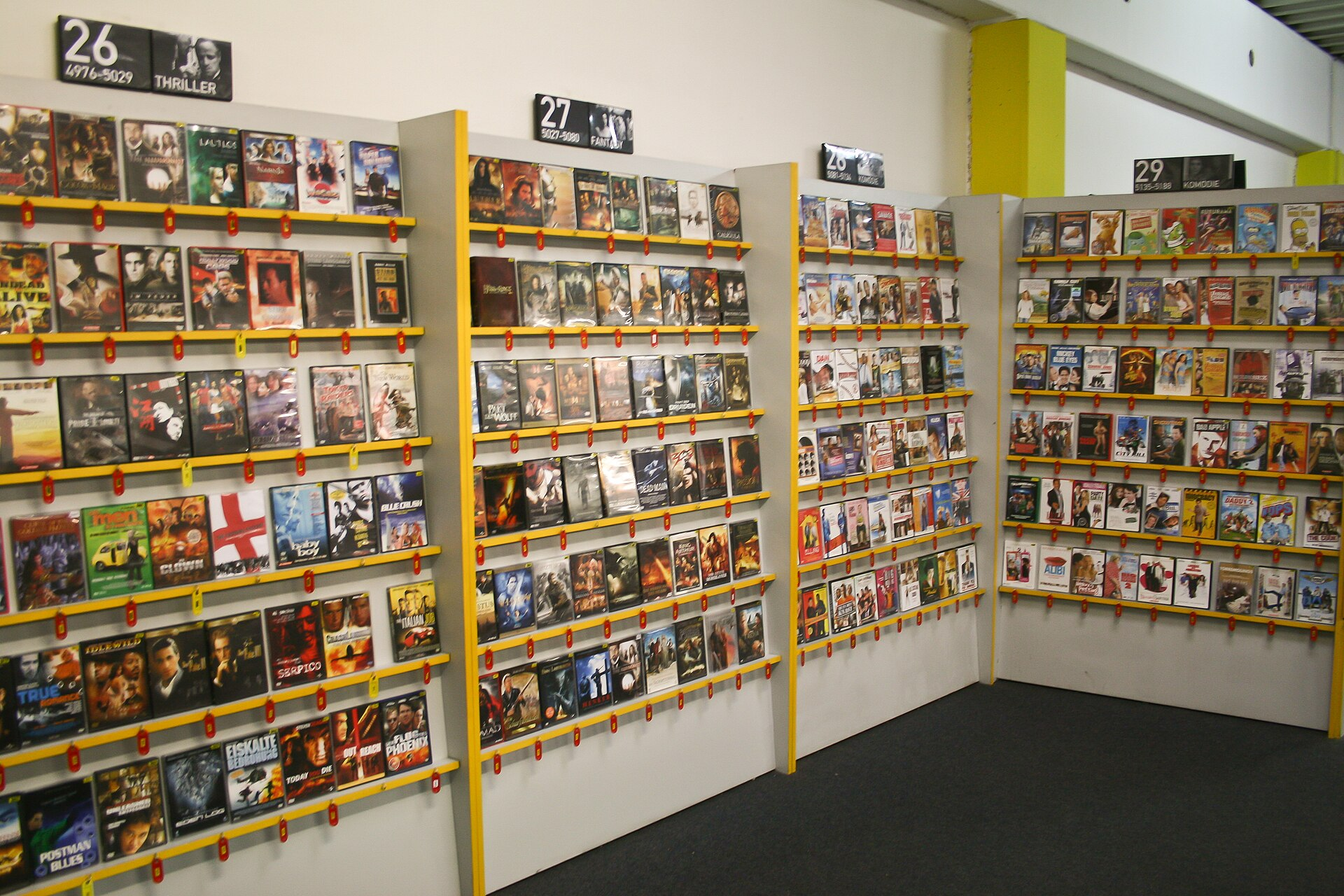
For anyone who came of age in the 1980s, 90s, or early 2000s, the memory is vivid and specific: the Friday-night trip to the video store. The particular fluorescent brightness of the aisles, the walls of movie boxes with their empty cases waiting to be matched to a tape or disc behind the counter, the family debate over what to rent, the popcorn and candy by the register, and the small anxiety of the due date and the dreaded late fee. Renting a movie was not a transaction so much as an event — an outing, a ritual, a weekly pilgrimage that shaped how a whole generation experienced entertainment.
And then it was gone. In the space of just a few years, the mighty video rental industry — dominated by a single blue-and-yellow giant with thousands of stores — collapsed almost completely, undone by a technological shift it failed to see coming until it was far too late. The rise and spectacular fall of the video store is one of the great business cautionary tales of the modern era, but it’s also something more tender: the story of a beloved shared experience that simply disappeared, taking with it a Friday-night ritual that millions of people still remember with real fondness. This is how the video store conquered America, and how it vanished.
The Store That Was Everywhere
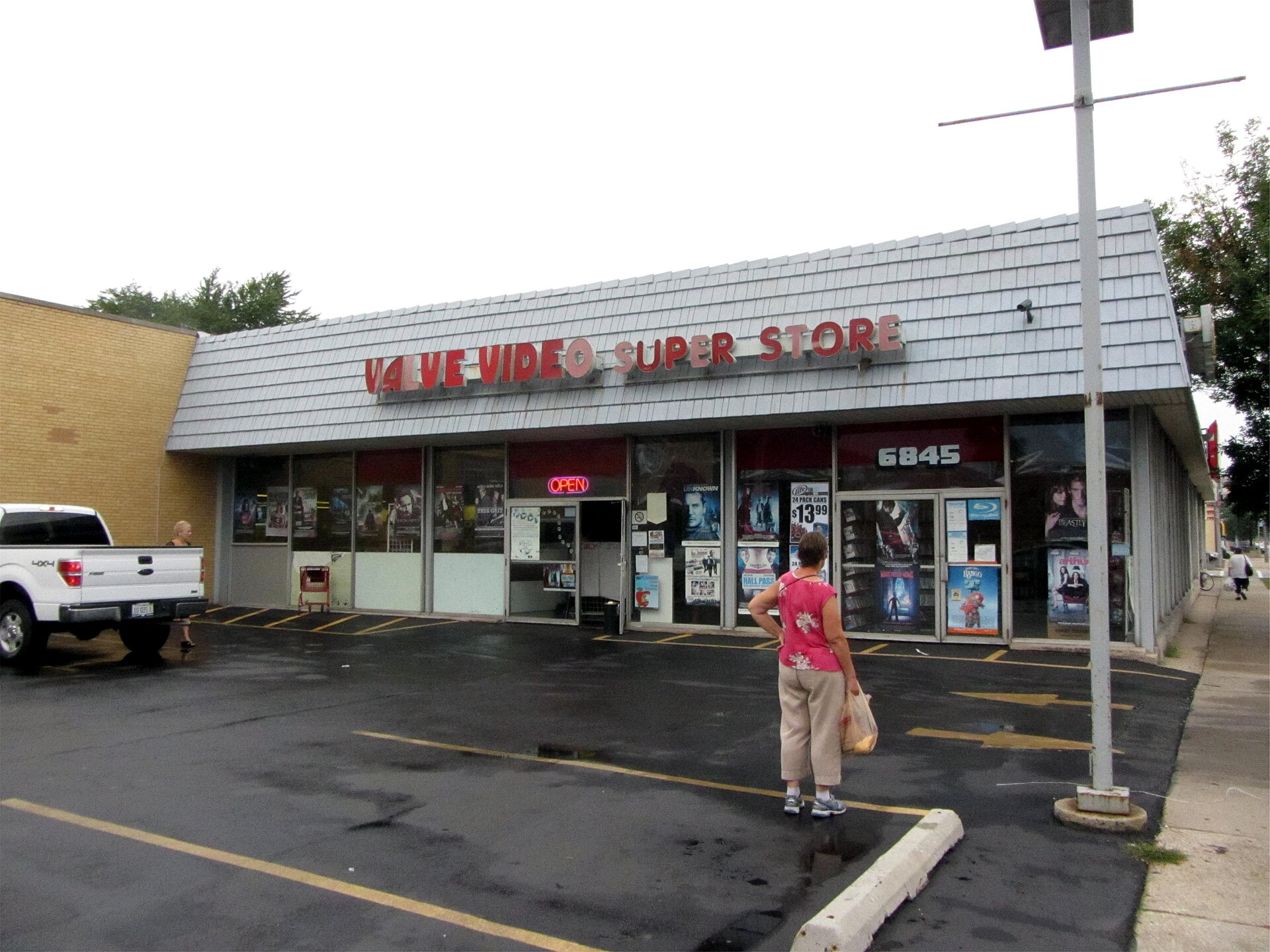
The video rental store rose alongside the home video revolution. Once VCRs became affordable household items in the 1980s, a new business emerged to feed them: stores that stocked shelves of rentable movies, letting families watch Hollywood films at home for a small fee rather than waiting for them to air on television. The industry exploded, and out of a crowded field emerged a dominant national chain that would become synonymous with the entire concept of renting movies, spreading across the country with astonishing speed.
At its height, the chain was a real cultural institution and a retail juggernaut, operating on the order of 9,000 stores worldwide and employing tens of thousands of people, its outlets a fixture of virtually every American strip mall and shopping center. For a period spanning the 1990s and into the 2000s, it was simply where movies came from — the place you went, week after week, to bring entertainment home. The company’s blue-and-yellow branding became instantly recognizable, its membership card lived in millions of wallets, and its stores were woven so completely into the routines of American life that the trip to rent a movie became a shared national ritual, as familiar as a run to the grocery store.
Like our content? Follow us for more.
The Ritual Itself
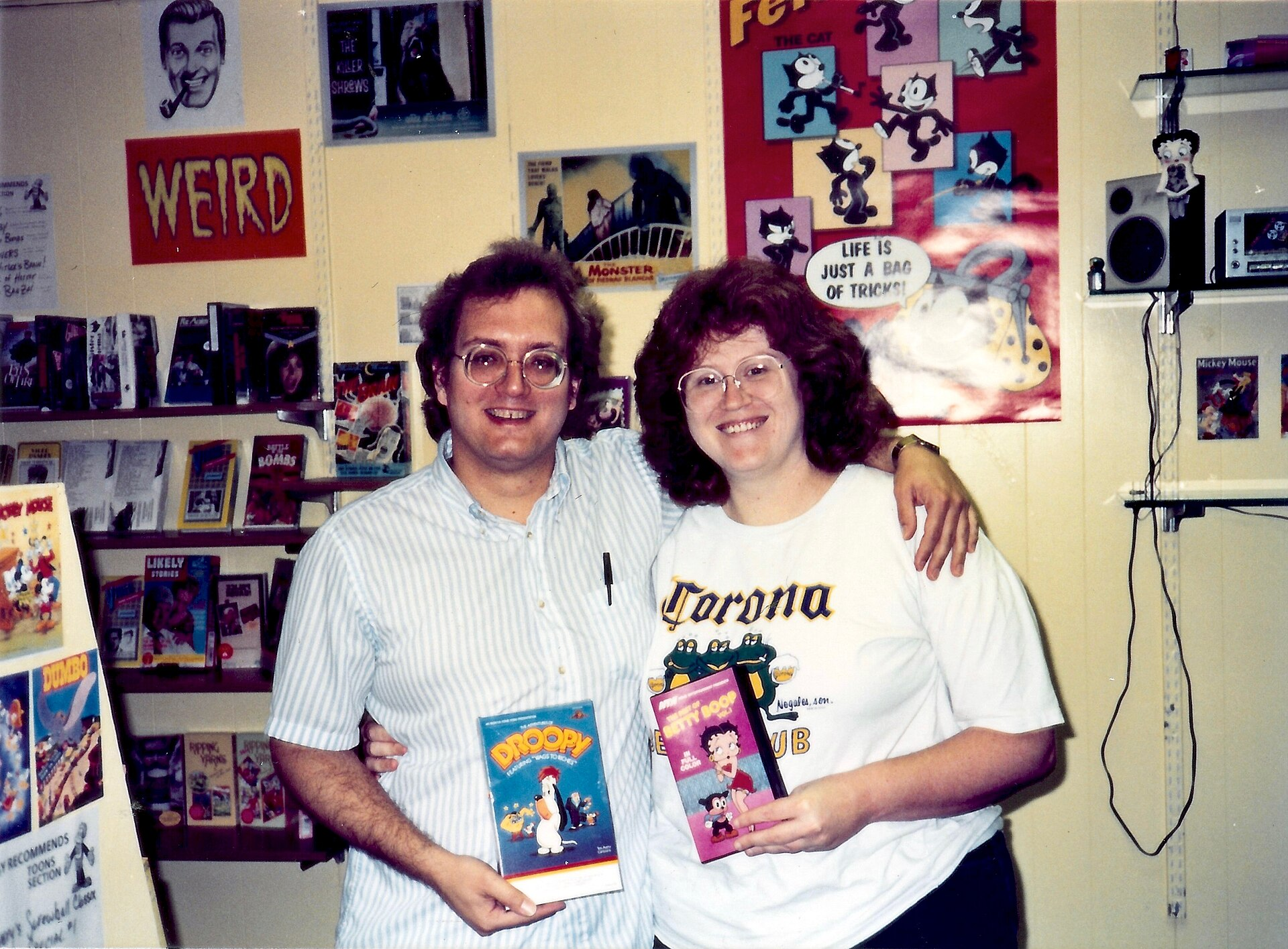
What people remember, more than the business, is the experience — and it was a rich one. A trip to the video store was a sensory event with its own distinct rhythms and pleasures. There was the browsing: wandering the aisles organized by genre, reading the backs of boxes, discovering films you’d never heard of, the new releases displayed prominently up front and picked over on a busy Friday. There was the family negotiation, the eternal challenge of finding one movie that satisfied everyone, conducted in the aisles with the clock ticking. There was the thrill of snagging the last copy of a hot new release, and the disappointment of finding the shelf empty, the coveted title all rented out.
And there were the small institutions that surrounded the rental itself: the candy and popcorn and soda by the counter, turning a movie rental into a full night’s entertainment package; the specific ritual of rewinding tapes (and the guilt of returning one un-rewound); and, hovering over it all, the late fee — the small penalty for keeping a movie past its due date that became one of the most universally shared minor frustrations in American life, grumbled about by essentially everyone who ever rented a movie. These late fees, it should be noted, were also a significant source of the industry’s revenue, a fact that would later loom large in the story of its downfall. The whole experience added up to something that streaming, for all its convenience, has never quite replaced: a communal, tactile, out-of-the-house ritual around the simple act of choosing a movie.
The $50 Million Mistake
The most famous chapter of the video store’s story is the one that has hardened into legend, and it centers on a decision so shortsighted in hindsight that it has become a business-school parable. Around the turn of the millennium, a small, struggling startup that rented DVDs by mail — a company called Netflix — reportedly approached the video rental giant with an offer to sell itself, for a figure commonly cited around $50 million. The giant, at the height of its power and dismissive of the tiny mail-order upstart, is widely reported to have passed on the opportunity, seeing no threat in the little company’s model.
It was, in retrospect, one of the most expensive missed opportunities in modern business history. The company that was waved away went on to pioneer first mail-order DVD rental without late fees, and then streaming video, ultimately growing into a global entertainment powerhouse worth vastly more than the giant that had declined to buy it — and, in the process, helping to render the entire video-store model obsolete. The giant’s failure to recognize the threat, and to adapt its own business before it was too late, has become the textbook example of a dominant company undone by its inability to see a disruptive technology coming. Whether every detail of the famous meeting is precisely as legend holds, the broad arc is well documented and undeniable: the industry leader had a chance to absorb its future killer, and it said no.
The Collapse
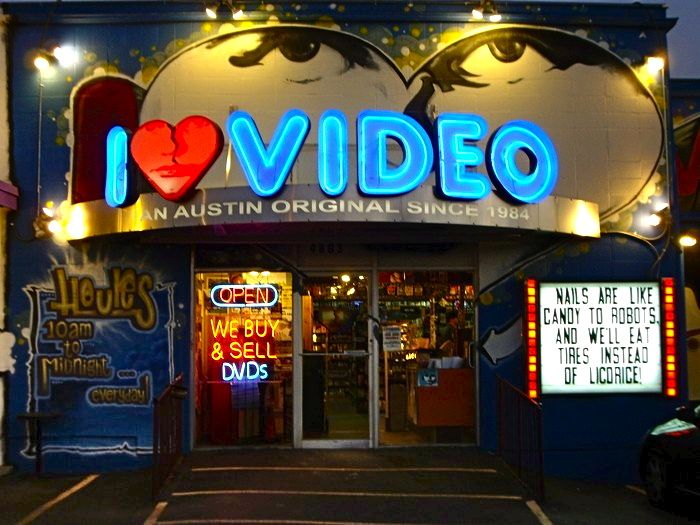
The fall, when it came, was breathtakingly fast. The forces that undid the video store arrived in waves. First came the mail-order DVD model, which eliminated the trip to the store and, pointedly, the late fees. Then came the mail-order-DVD kiosks and, most decisively, streaming — the ability to watch movies instantly, at home, on demand, with no store, no drive, no due date, and no penalty. Against the sheer convenience of pressing a button and watching immediately, the model of driving to a store, hoping the desired movie was in stock, and driving back to return it on time simply could not compete.
The giant tried, belatedly, to adapt — launching its own mail and online offerings and even, eventually, dropping the hated late fees — but it moved too slowly and too late, weighed down by the enormous overhead of thousands of physical stores and by strategic missteps, and burdened by debt. The decline accelerated into a rout. The company filed for bankruptcy, and its thousands of stores began closing in waves, the familiar blue-and-yellow outlets going dark across the country year after year until virtually all of them were gone. An empire of some 9,000 stores dwindled to almost nothing in a stunningly short span, one of the most complete collapses of a dominant brand in recent memory. The strip-mall fixture that had been part of American life for a generation simply disappeared, its stores converted to other uses, its signs taken down, its membership cards rendered worthless.
The Last Store Standing
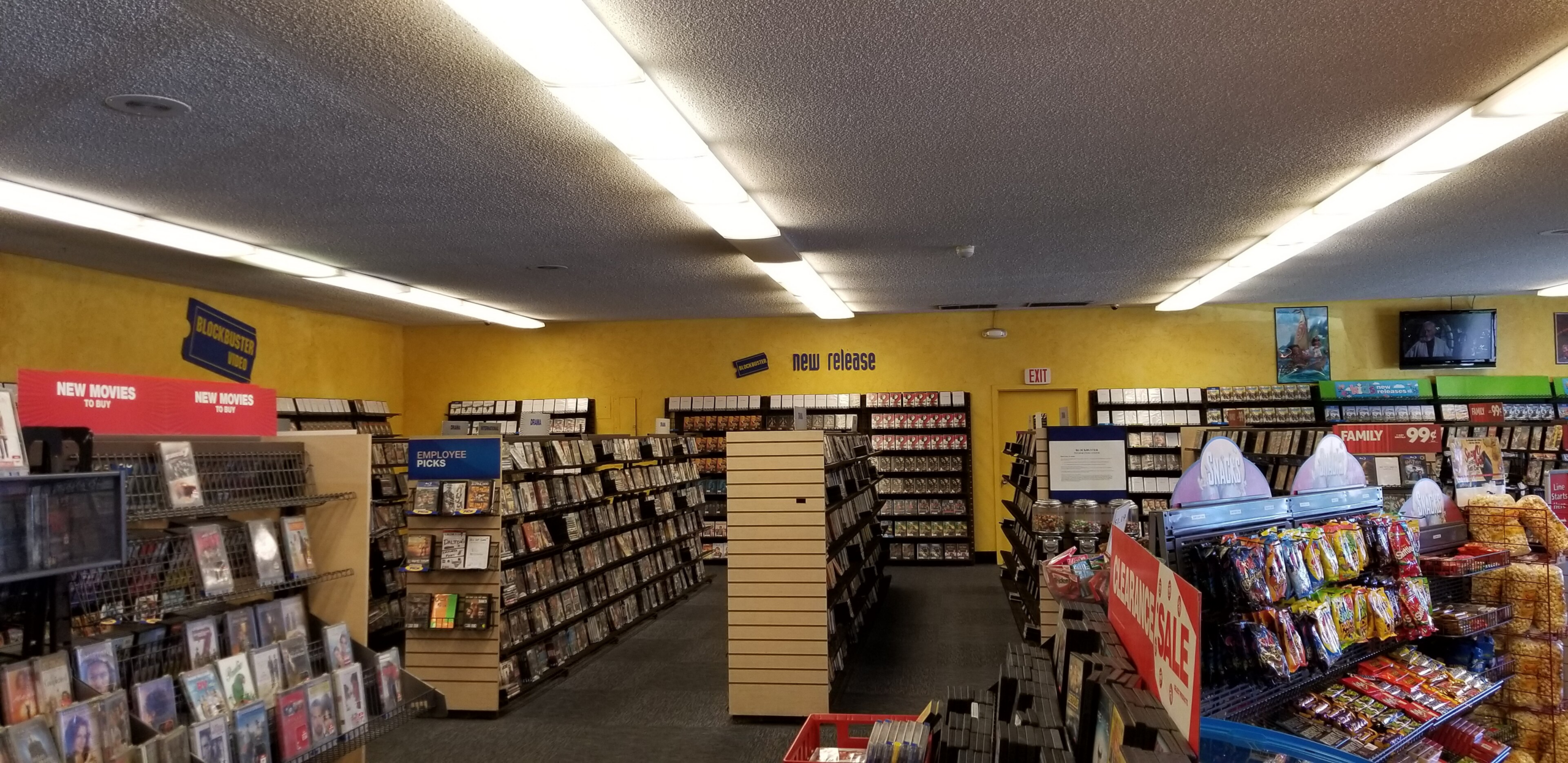
In a poignant coda that has itself become a piece of pop-culture lore, the collapse left behind, for a time, a single surviving store — one lone outlet in Bend, Oregon, that outlasted every other location to become the last of its kind, a solitary holdout of a once-mighty empire. The last store became an unlikely destination and a symbol, drawing curious visitors, nostalgic pilgrims, and media attention from around the world, all coming to see the final survivor of a vanished retail species. It endured as a functioning video store and a kind of living museum, a place where the Friday-night ritual could, improbably, still be performed, and where the walls of movie boxes still stood as they had everywhere a generation before.
The survival of that single store speaks to how deeply the video-store experience lodged itself in the collective memory. People didn’t make pilgrimages to the last outlet because they urgently needed to rent a DVD; they came because it represented something they’d lost — a specific texture of pre-streaming life, a communal ritual, a piece of their own younger years preserved against all odds in a single unlikely location.
What We Lost With the Late Fees
The disappearance of the video store was, in most practical respects, pure progress. Streaming is more convenient by every measure — vast libraries available instantly, no trips, no due dates, no late fees, no empty shelves. Almost no one would seriously trade the convenience of modern streaming for the hassles of the old model. And yet the nostalgia for the video store is real and widespread, because what vanished was never really about the technology. It was about the experience.
What the generation that grew up with video stores misses is the ritual itself: the outing, the browsing, the serendipity of discovering a movie you’d never have found in a search algorithm, the shared family negotiation in the aisles, the anticipation of carrying a physical movie home for the night. Streaming delivers infinite choice with zero friction, but in doing so it dissolved the event of choosing a movie into a solitary scroll on a couch. The video store made an occasion out of entertainment — got you off the couch, into the car, and into a bright room full of possibilities and other people doing the same thing. That’s what the fondness is for, and it’s why an entire generation still speaks of the Friday-night video-store run with a warmth that the far superior technology that replaced it has never managed to inspire. The late fees, nobody misses. Everything else, a great many people do.
Like our content? Follow us for more.