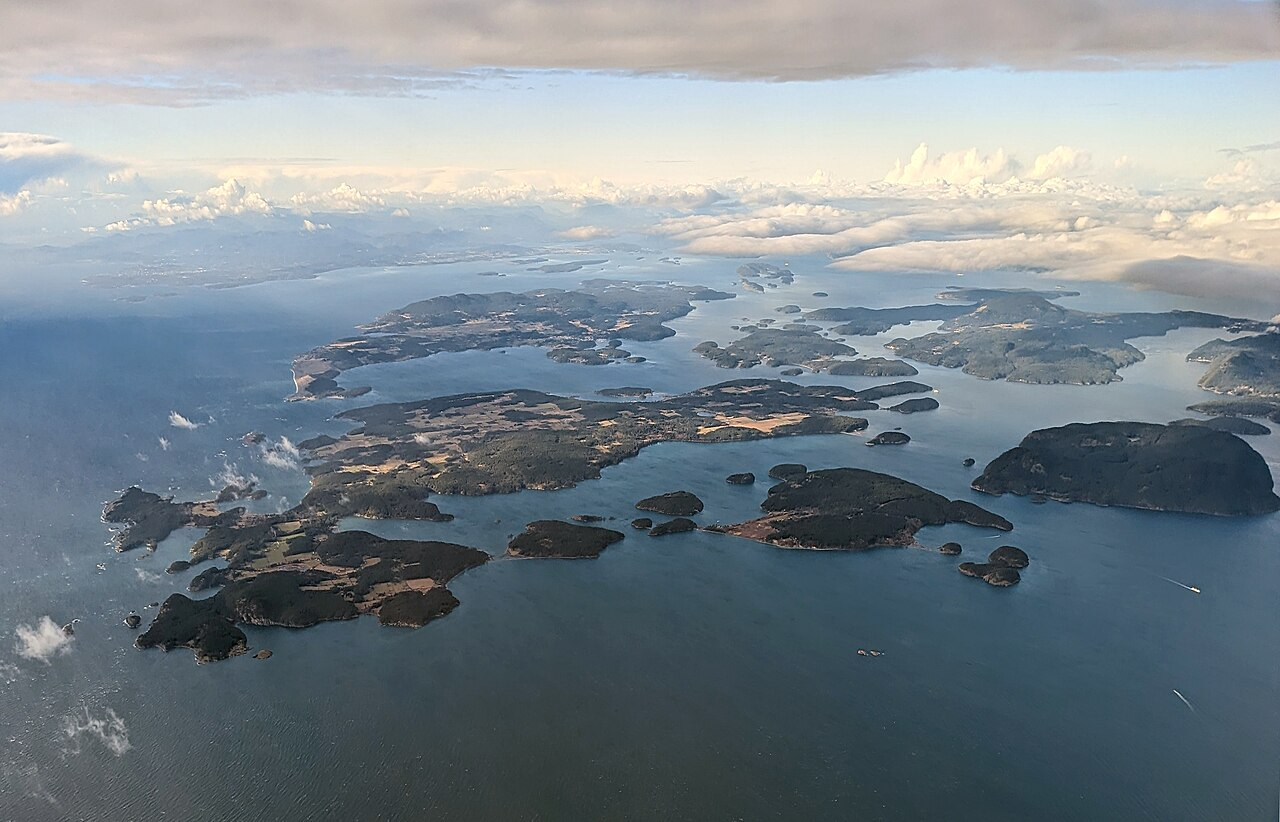
It is one of the few episodes in military history where the entire body count consists of a single hog. In the summer of 1859, on a green island in the waters between what is now Washington State and Vancouver Island, an American farmer lost his temper at a pig that kept eating his potatoes, shot it, and unintentionally triggered an international crisis that brought the United States and the British Empire within an argument’s distance of open war.
The Pig War, as it inevitably came to be called, is remembered today as one of history’s great absurdities — a confrontation involving warships, artillery, and hundreds of troops, escalating from a dispute over a dead pig and a rejected offer of ten dollars. But the comedy sits on top of something serious: a truly unresolved border, two nations with a history of shooting at each other, and a handful of local officials whose decisions in a few tense weeks could have started a war neither government wanted. That it ended without a shot fired at a human being is a small triumph of diplomacy, and the reason the whole affair is remembered with such affection.
A Border That Left One Question Unanswered
The root of the trouble was a treaty that did most of its job. In 1846, Britain and the United States settled their long-running dispute over the Oregon Country by drawing the boundary along the 49th parallel and continuing it through the channel separating the mainland from Vancouver Island. The trouble was the wording: more than one channel could reasonably be described that way, and depending on which one you chose, the San Juan Islands fell either to Britain or to the United States. The treaty simply failed to say.
Both nations therefore claimed the San Juans, and both encouraged their citizens to settle there, since occupation strengthened a claim. The British presence came through the Hudson’s Bay Company, which had established a large sheep operation on San Juan Island in the 1850s, running thousands of animals across the island along with free-ranging cattle and pigs. American settlers arrived too, including men drifting back from unsuccessful gold prospecting on the Fraser River, who staked claims on land the company considered its own. Two sets of people, two sets of laws, one island, and no agreement about whose rules applied. The tension had been building for years before a pig walked into a potato patch.
Like our content? Follow us for more.
The Pig, the Potatoes, and the Ten Dollars
On the morning of June 15, 1859, an American settler named Lyman Cutlar found a large boar rooting through his potatoes. It was not the first time. The animal belonged to Charles Griffin, the Hudson’s Bay Company man who managed the sheep farm, and it had raided the unfenced patch repeatedly despite Cutlar’s complaints. This time — reportedly needled by the laughter of a company herdsman watching the whole scene — Cutlar shot the pig.
Then he did the reasonable thing: he went to Griffin, admitted what he’d done, and offered to pay for the animal. Accounts of the exchange vary in detail, but the shape is consistent and faintly ridiculous. Cutlar offered ten dollars. Griffin considered the boar worth a great deal more — one hundred dollars, by the common telling — and the two men argued. Cutlar, insulted, dug in; by one version he retorted that the pig had been eating his potatoes and the responsibility ran the other way. Griffin reported him to the British authorities, who threatened to arrest Cutlar and haul him off for trial.
That threat was the spark. To the American settlers, a British corporation was asserting the right to arrest an American on American soil — because they considered the island American. To the British, an American squatter had destroyed company property on British territory and was refusing to make it right. Both positions followed logically from the unanswered treaty question, and neither side could back down without conceding the larger claim. The settlers armed themselves and asked the U.S. Army for protection.
From One Dead Pig to Warships
What happened next is a case study in escalation. The local American commander sent troops — an initial detachment of a few dozen soldiers — to San Juan Island to protect the settlers. Britain responded by dispatching warships. The Americans, seeing warships, sent more men and artillery. Britain sent more ships still. Within weeks a squabble over livestock had produced a real military standoff, with hundreds of American soldiers dug in on the island and British naval vessels standing offshore carrying a far heavier armament and a substantial force of Royal Marines.
The British naval commander in the region was under pressure to land troops and remove the Americans, and the story that has come down through the histories has him refusing on the grounds that he would not start a war between two great nations over a pig — a sentiment that, whether or not the phrasing is exact, captures the restraint that kept the affair bloodless. On both sides, the men on the scene appear to have understood that they were one hot-headed order away from a catastrophe neither capital wanted. The soldiers glared at each other across the water and, reportedly, occasionally traded insults and invitations to fight, but nobody fired.
When word finally reached Washington and London, both governments were appalled to learn how close their local officials had brought them to war. The U.S. dispatched a senior general to defuse the situation, and an agreement was reached: rather than fight over the island, both nations would jointly occupy it while the boundary question went to arbitration. Each side would keep a small garrison — roughly a hundred men apiece — at opposite ends of San Juan Island.
Twelve Years of the Friendliest Standoff in History
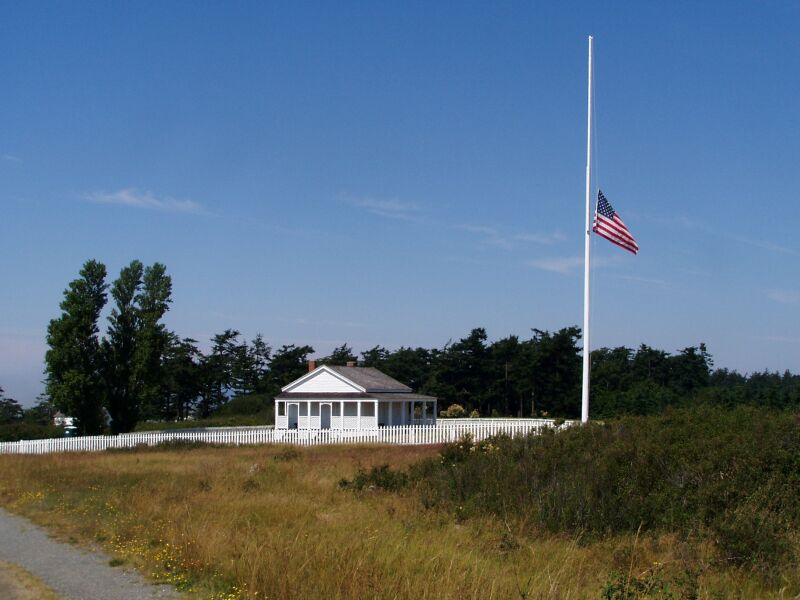
The joint occupation began in 1859 and lasted until 1872, and it was, by every account, remarkably congenial. The Americans established a camp at one end of the island and the British at the other, and with no fighting to do and a small population of countrymen on a beautiful island, the two garrisons settled into a routine of coexistence that looked less like a military confrontation than a long neighborly acquaintance. The soldiers visited each other’s camps, shared meals and holidays, competed in athletic contests, and by all accounts got on rather well. The greatest hazard of the Pig War, it has often been observed, was boredom.
The underlying dispute, meanwhile, went nowhere for years — partly because the United States became rather busy with the Civil War. Only afterward did the two nations agree to settle the matter by submitting it to a neutral arbiter, and they chose Kaiser Wilhelm I of the newly unified Germany. He referred the question to a commission, which examined the competing readings of the 1846 treaty and, in October 1872, ruled in favor of the United States. The British accepted the decision and withdrew from the island within weeks. The San Juan Islands became American, the boundary was finally fixed, and the whole affair ended exactly as it should have — with a ruling, not a battle.
Visiting the War Where Nobody Died
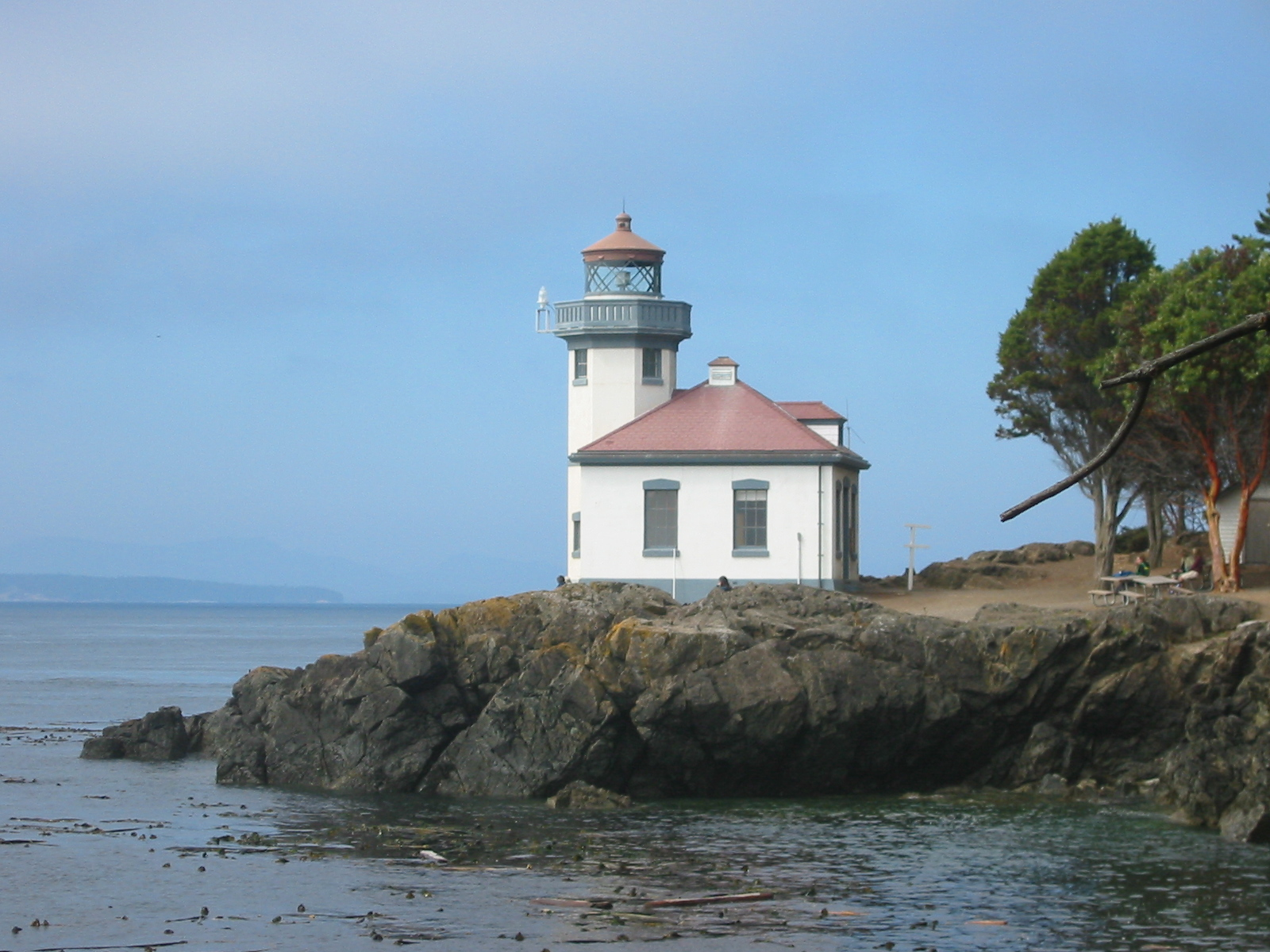
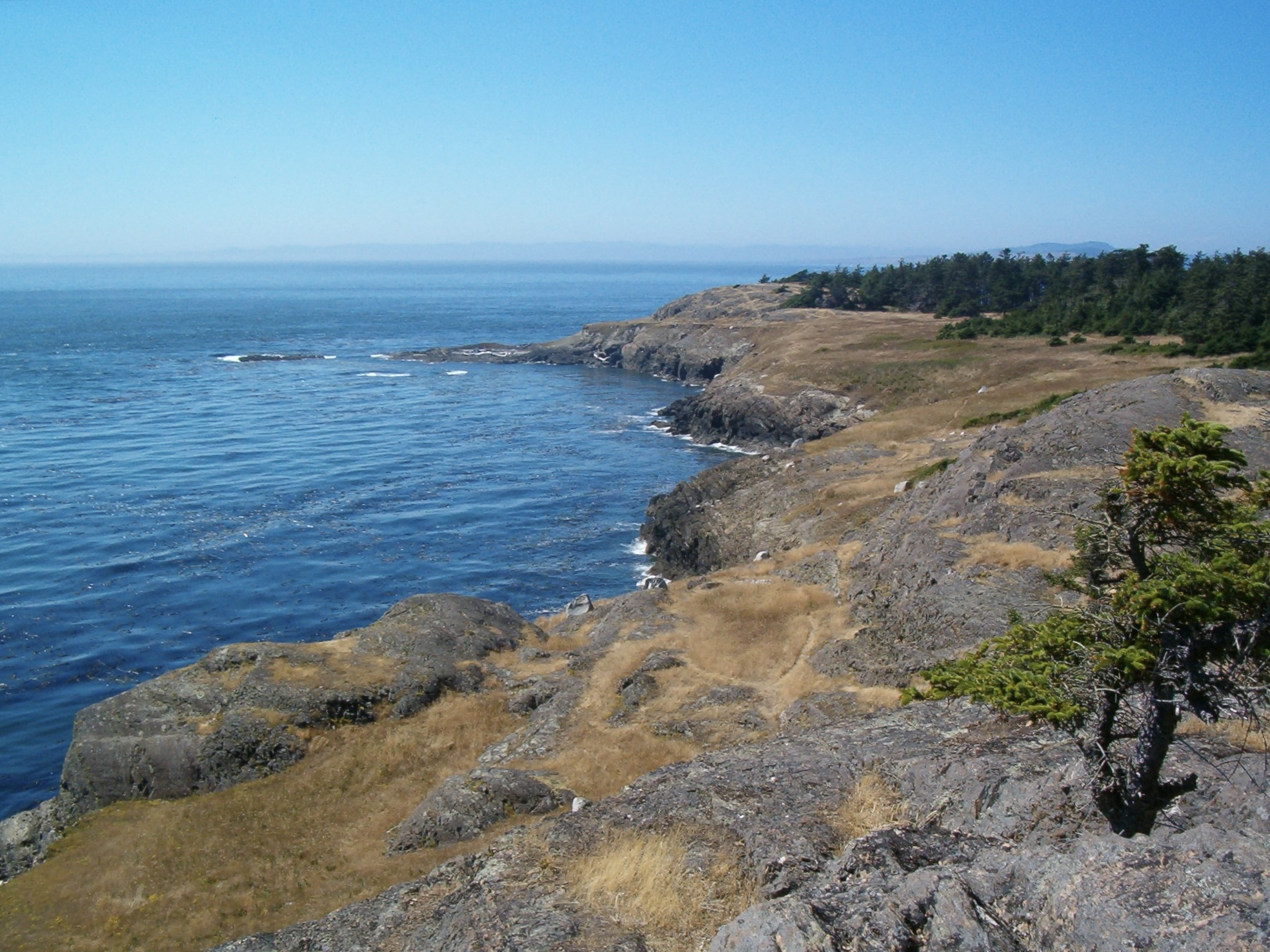
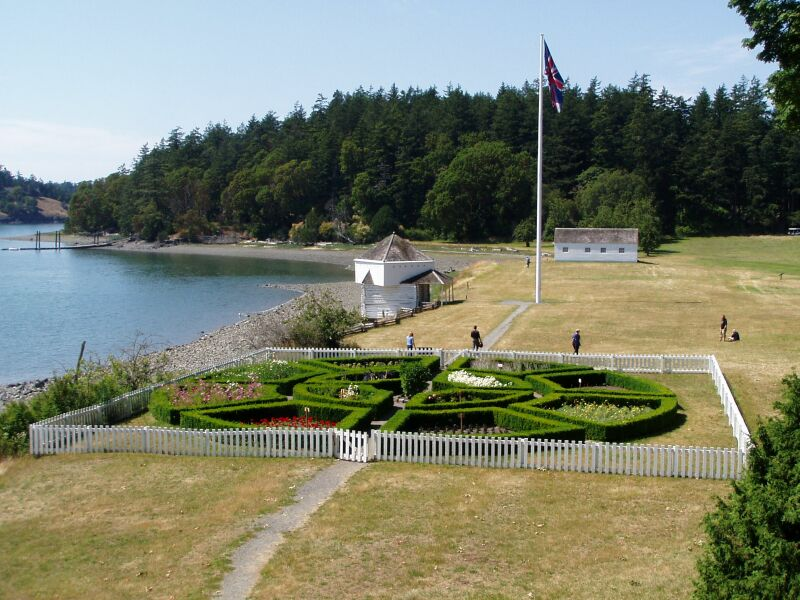
Today the episode is preserved as San Juan Island National Historical Park, which protects both American Camp and English Camp at opposite ends of the island — the two encampments that stared each other down for over a decade. It’s one of the more charming historical sites in the country: rolling meadows and shoreline, restored buildings, interpretive exhibits explaining the crisis, and the mild absurdity of a battlefield where no battle occurred.
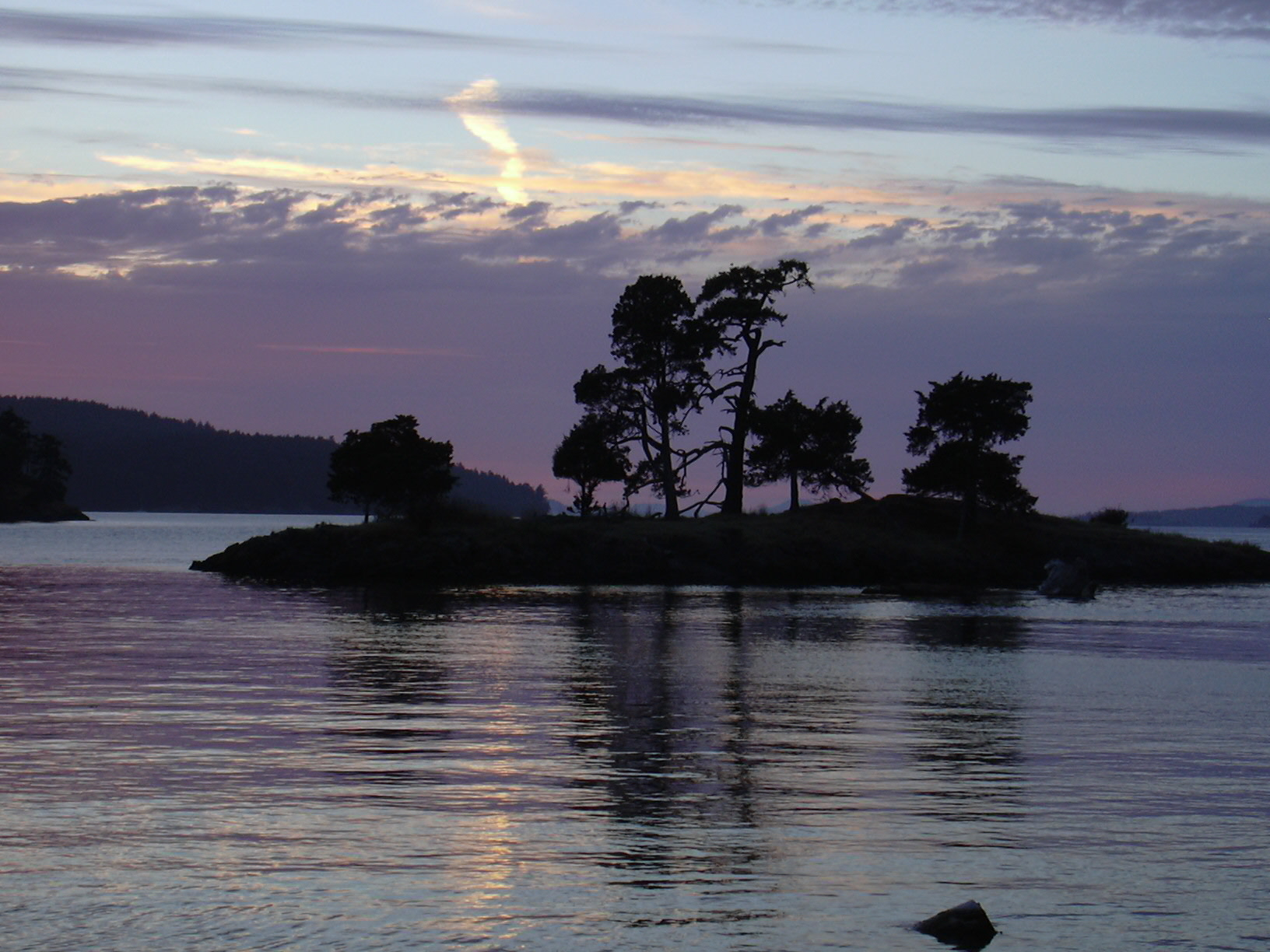
The islands themselves are a fine destination independent of the history — reached by ferry from the Washington mainland, known for whale watching, quiet villages, cycling, and some of the loveliest scenery in the Pacific Northwest. History travelers can walk the ground where American troops dug in, cross the island to the parade ground and formal garden of the British camp, and appreciate that this pleasant landscape was, briefly, the flashpoint where two empires almost came to blows over a boar and a potato patch.
The Best Possible Kind of War
The Pig War endures in memory because it inverts everything a war story usually is. There is no slaughter, no heroism under fire, no tragedy to be solemn about — just a chain of small human decisions, each one understandable, adding up to an absurd crisis that sensible people then declined to make lethal. The whole thing turns on a farmer’s temper, a rejected ten dollars, an unclear sentence in a treaty, and a series of local officials who each thought they were doing the obvious thing.
And it ends the way the histories almost never do: with arbitration, a ruling, an orderly withdrawal, and a border that has been peaceful ever since. That’s the reason the story is told with a grin rather than a grimace, and why the park interpreting it can afford to be lighthearted. Two nations spent thirteen years and considerable expense confronting each other over a disputed island, and when the accounting was finally done, the total casualties came to exactly one pig — who, it should be noted, was the only party in the entire affair who was simply trying to eat some potatoes.
Like our content? Follow us for more.