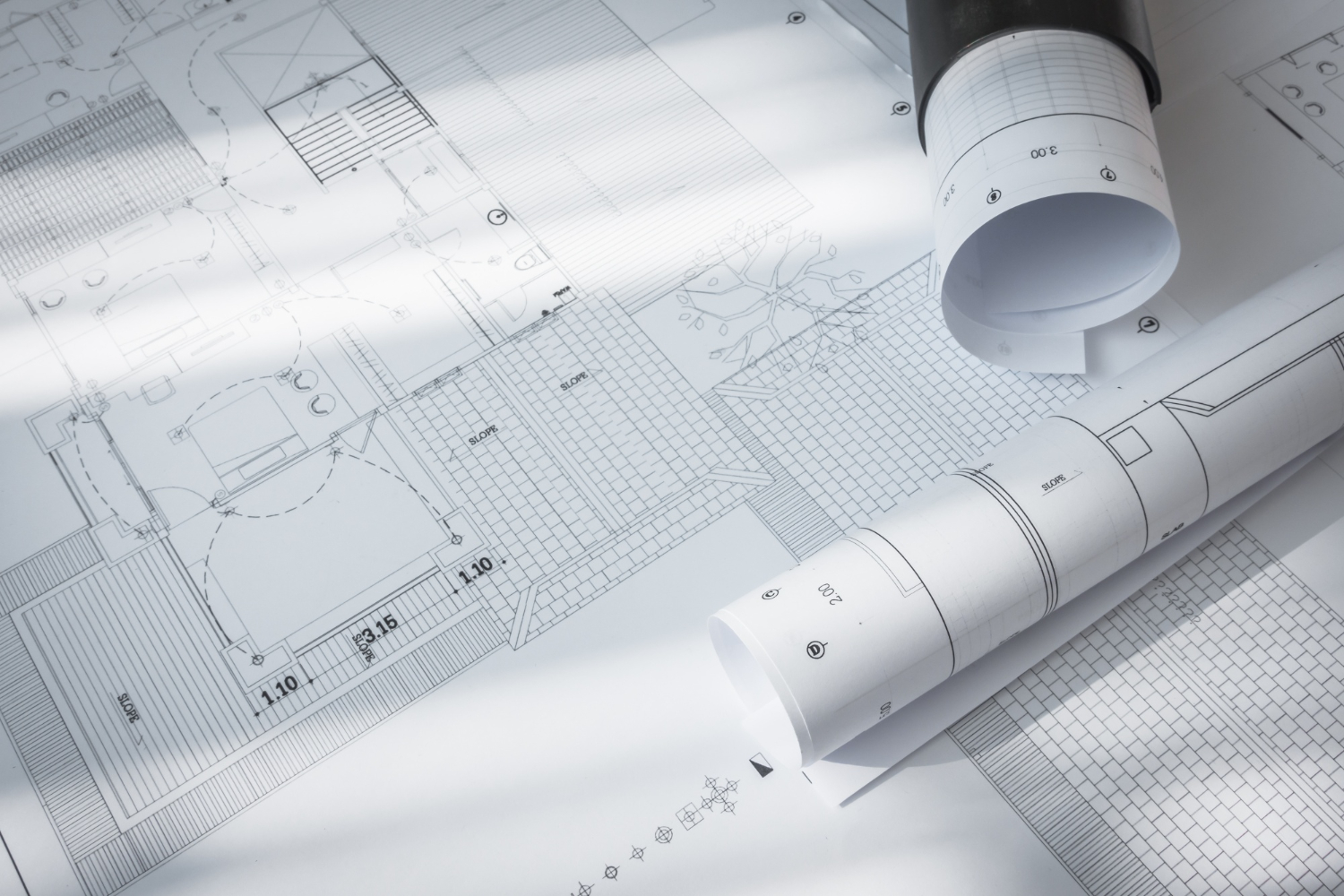
Every famous landmark looks inevitable once it’s standing. The reality is that most of them emerged from competitions, arguments, budget crises, and rejected alternatives, and a surprising number were nearly something else entirely — a different shape, a different site, a different material, or a temporary structure that was supposed to come down. Here are twelve of the best examples of how close the world’s most recognizable buildings came to looking nothing like they do.
1. The Eiffel Tower Was Meant to Be Temporary
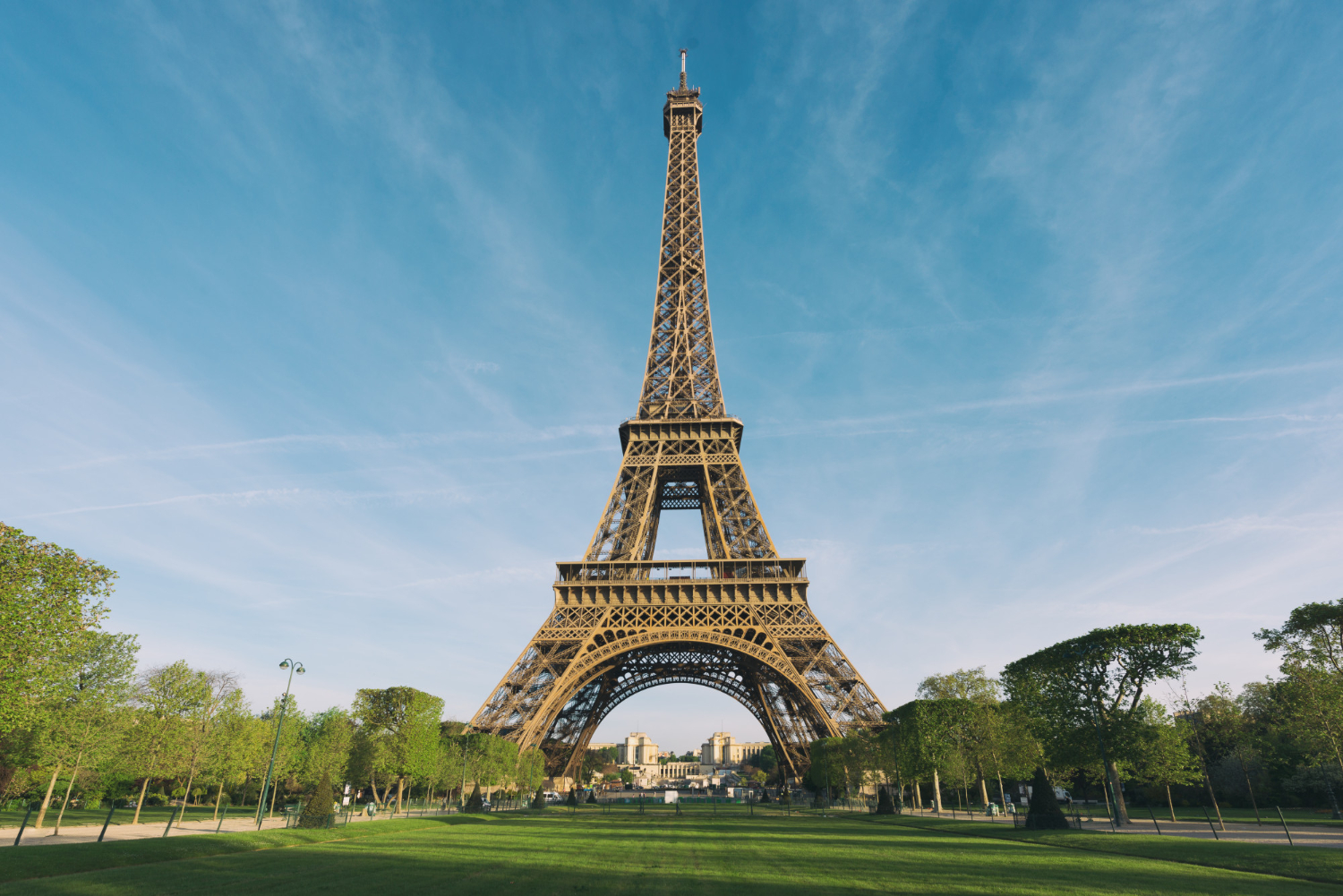
It was built for a world’s fair with a permit that anticipated demolition after 20 years.
The most famous structure in France was conceived as a temporary exhibit. Built as the centerpiece of the 1889 world’s fair marking the centenary of the French Revolution, the tower was erected under an arrangement that anticipated it being dismantled after about two decades. It was also fiercely opposed — a group of prominent artists and writers published a protest denouncing it as a monstrous eyesore that would disfigure Paris. What saved it was usefulness rather than beauty: the tower proved extremely valuable as a radio and telegraph transmission mast, and a structure with a military and communications function was not going to be torn down. The most beloved landmark in Europe survives because it made a good antenna.
Like our content? Follow us for more.
2. The Statue of Liberty Was Pitched for Egypt First
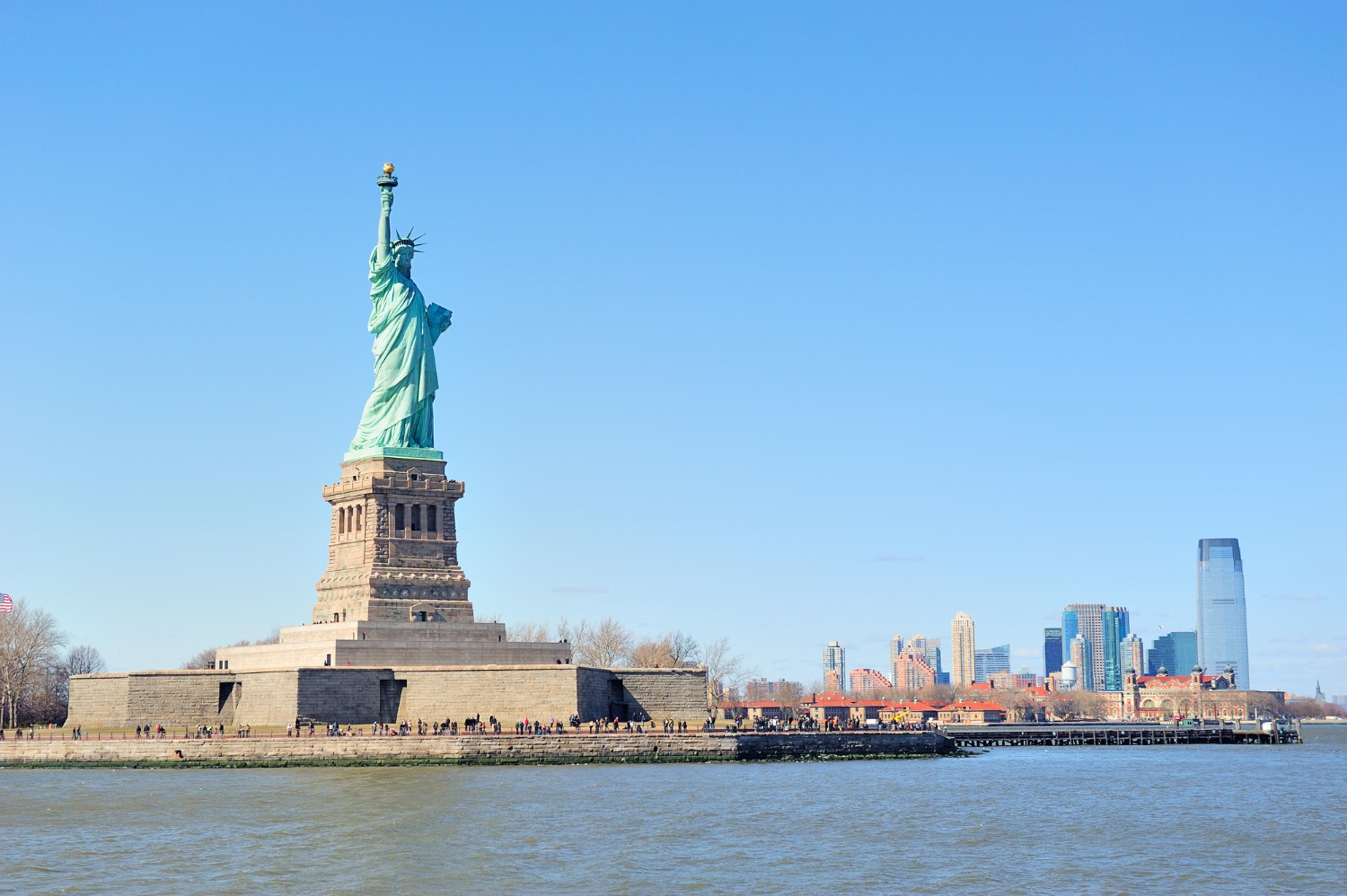
Its sculptor initially proposed a colossal figure at the entrance to the Suez Canal.
Before it became the symbol of New York, the concept behind the statue had a different destination. Its sculptor, Frédéric Auguste Bartholdi, had earlier proposed a monumental figure of a robed woman holding a light aloft to stand at the entrance to the Suez Canal in Egypt, envisioned partly as a lighthouse. The Egyptian project was not built, and the sculptor subsequently pursued the American commission that became Liberty Enlightening the World. Scholars debate how directly the earlier design fed into the final statue, but the underlying idea — a colossal robed woman with a raised torch marking a maritime gateway — clearly predates its arrival in New York Harbor.
3. The Sydney Opera House Was Rescued From the Rejected Pile
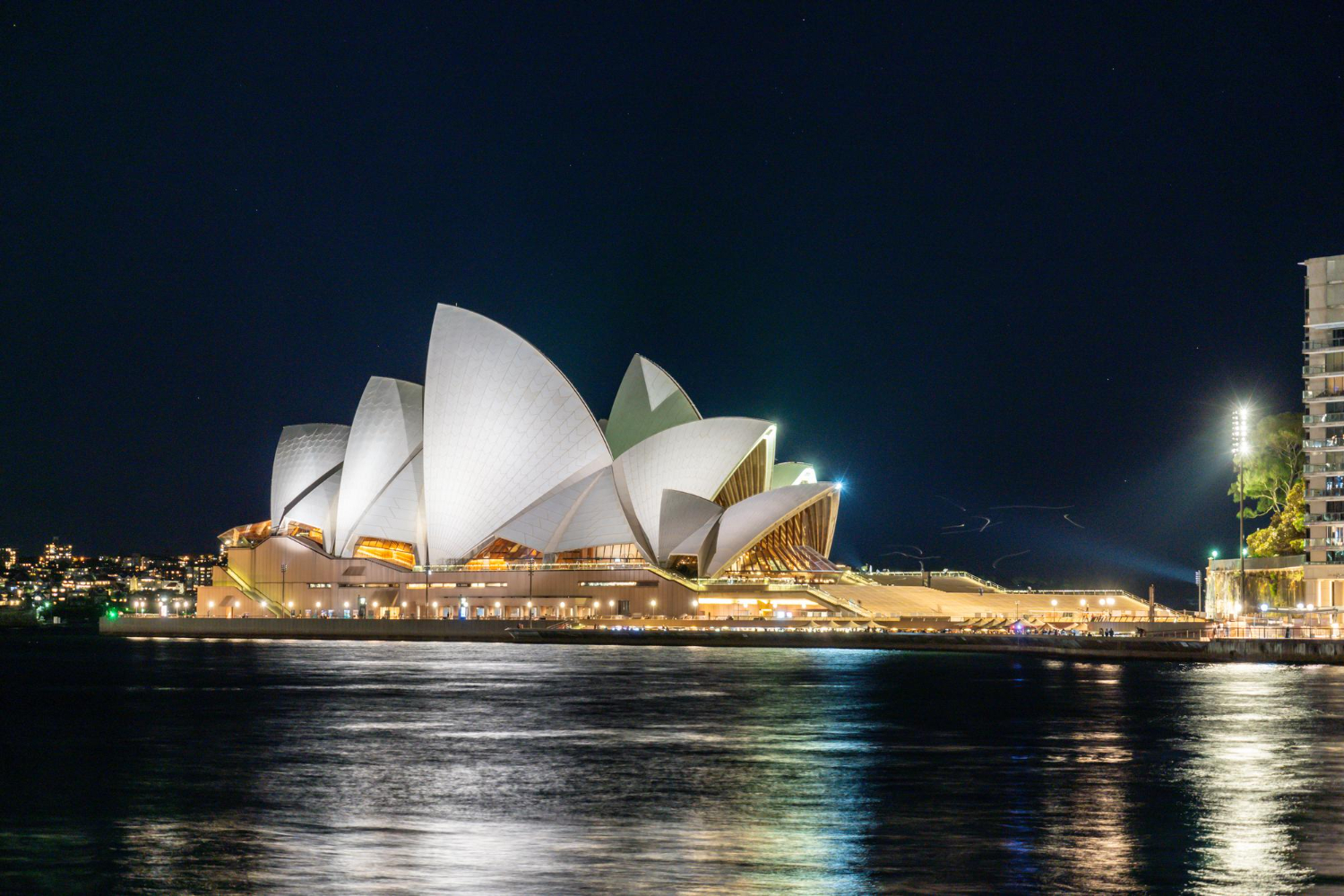
The winning design had already been discarded by other judges before a late panelist retrieved it.
By the widely told account, Jørn Utzon’s design for the Sydney Opera House had been set aside during the 1957 international competition, and was pulled back into contention by the architect Eero Saarinen, who arrived late to the judging, went through the discarded entries, and championed it. The design then proved so difficult to build that the roof geometry required years of additional work to resolve into a constructible form, the budget escalated dramatically, and the architect departed the project before completion amid disputes. The most photographed building in Australia was nearly thrown away twice — once in the judging and repeatedly during construction.
4. The Washington Monument Was Designed With a Circular Colonnade
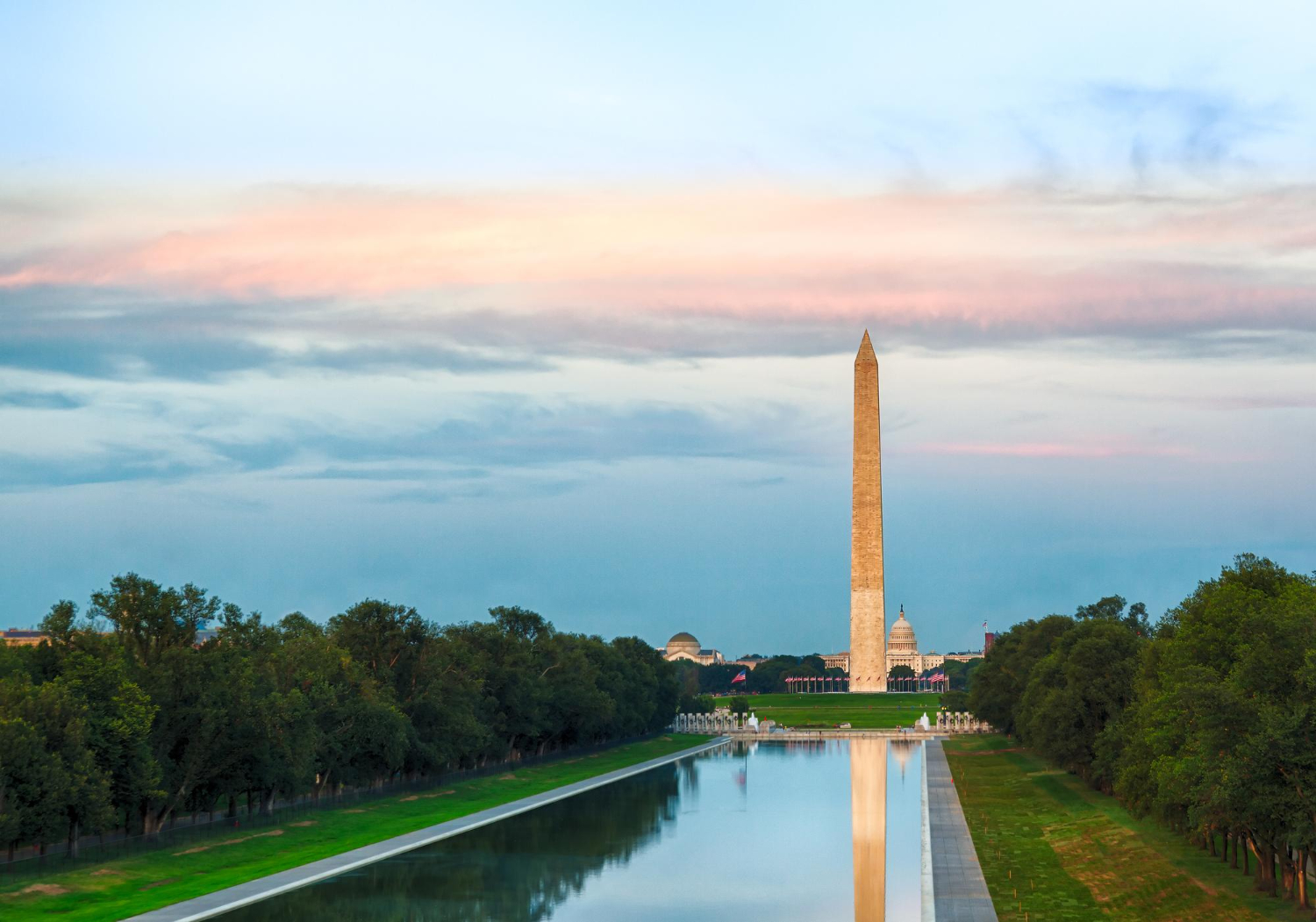
The original scheme surrounded the obelisk with an elaborate temple-like base.
The severe stone obelisk on the National Mall was not the original plan. The winning design by Robert Mills envisioned the shaft rising from a large circular colonnaded structure — a temple-like base ringed with columns and intended to hold statuary. Funding ran out, construction halted for years, and when work eventually resumed the elaborate base was abandoned in favor of the plain obelisk. The long pause is still visible today: the stone above a certain height came from a different source and doesn’t quite match, leaving a permanent horizontal line about a third of the way up.
5. The Golden Gate Bridge Was Nearly Painted Black and Yellow
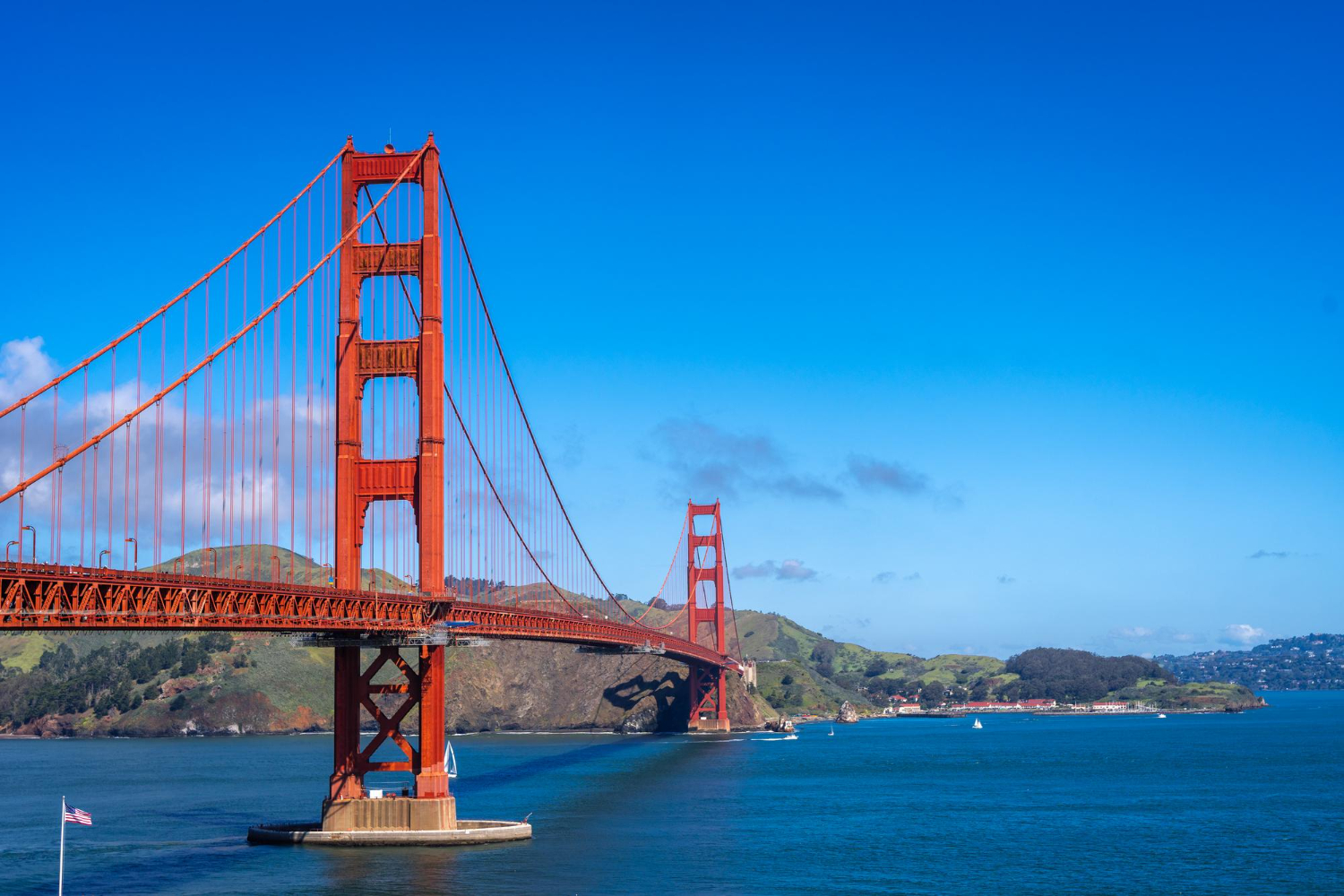
The famous orange was a primer coat that people liked enough to keep.
The bridge’s distinctive color exists because someone overruled the practical suggestions. The steel arrived coated in a reddish primer, and the consulting architect argued for keeping that color rather than the alternatives under discussion, which included schemes intended to maximize visibility — proposals for black with yellow stripes and for grey were both in play, with the Navy reportedly favoring high-visibility striping. The primer color, refined into what is now called International Orange, was retained because it suited the setting and stood out well against fog. One of the most recognizable colors in the world started as undercoat.
6. The Lincoln Memorial Was Nearly Built Somewhere Else Entirely
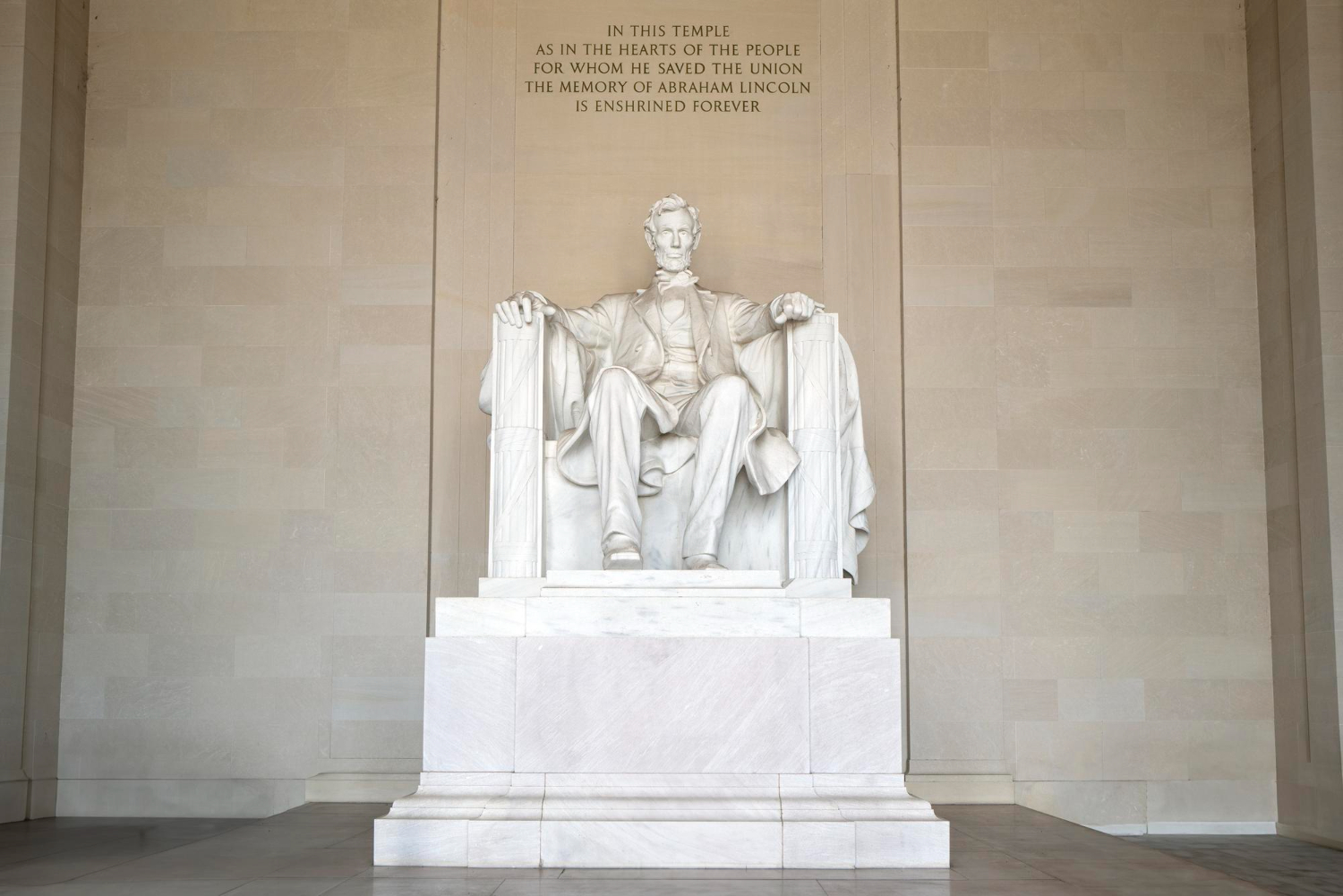
Proposed alternatives included a highway, and the chosen site was reclaimed swampland.
The memorial’s location and form were argued over for decades. Various proposals were floated, including a memorial highway running from Washington to Gettysburg, and there was significant resistance to the eventual site — then recently reclaimed marshy ground at the end of the Mall, which critics considered remote and unsuitable. The classical temple design also had detractors who felt a Greek temple was a poor match for Lincoln’s character. The site won out, the design was built, and the location that was dismissed as a swamp at the edge of nowhere became one of the most symbolically charged pieces of ground in the country.
7. The Chrysler Building’s Crown Was a Last-Minute Secret
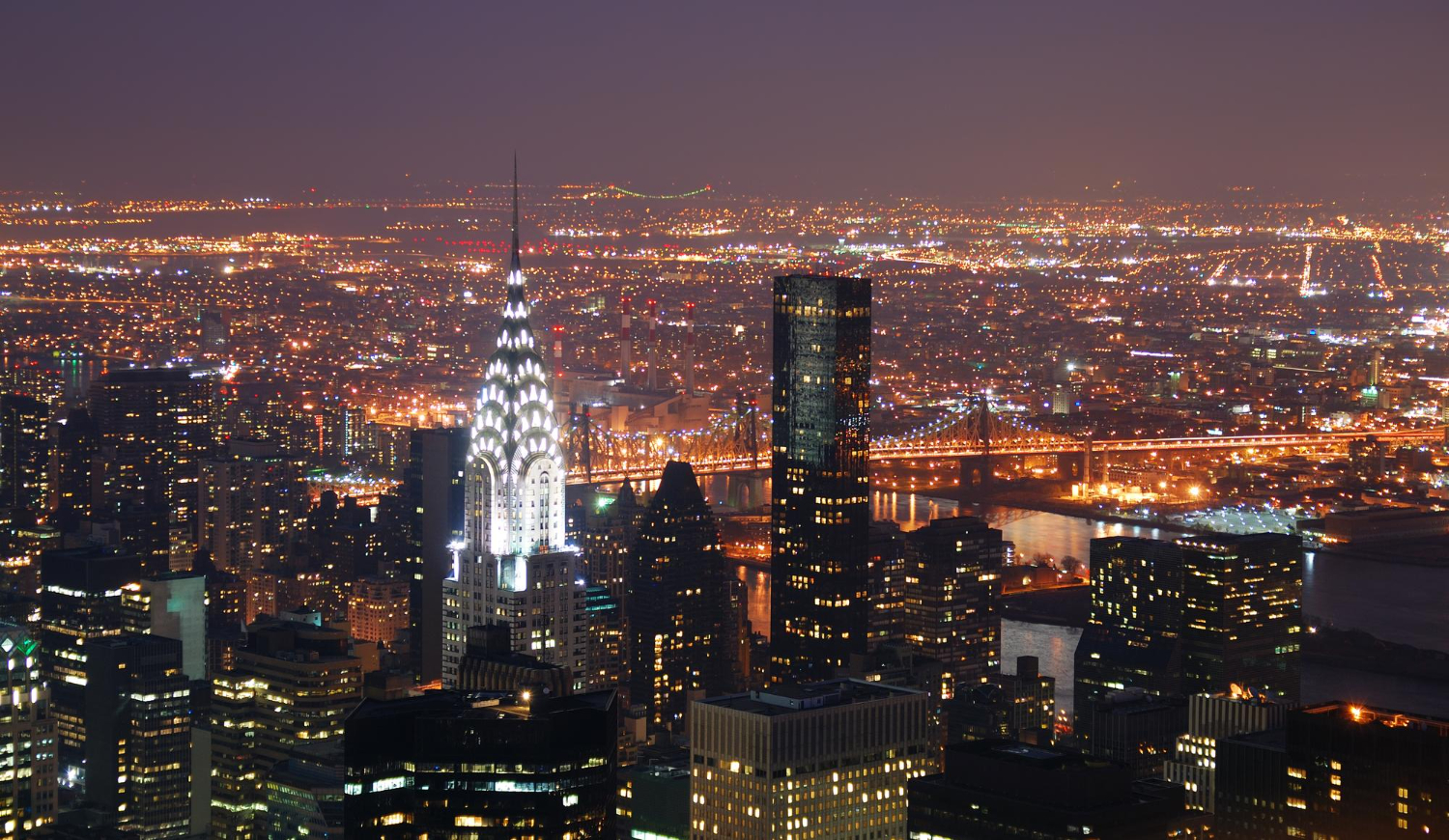
Its spire was assembled inside the building and raised to win a height race.
The building’s iconic stainless steel crown exists because of a rivalry. Locked in a race with another New York tower to be the world’s tallest, the architect had a slender spire assembled in sections in secret inside the building’s own shaft, then raised it into position in about ninety minutes to claim the record — surprising his competitor, who believed the contest was already won. The design of the crown itself, with its tiered arches and triangular windows, went through revisions, and the final form is one of the most recognizable silhouettes in the world. It held the height record for roughly eleven months.
8. The Sagrada Família Has Been Under Construction for Over 140 Years
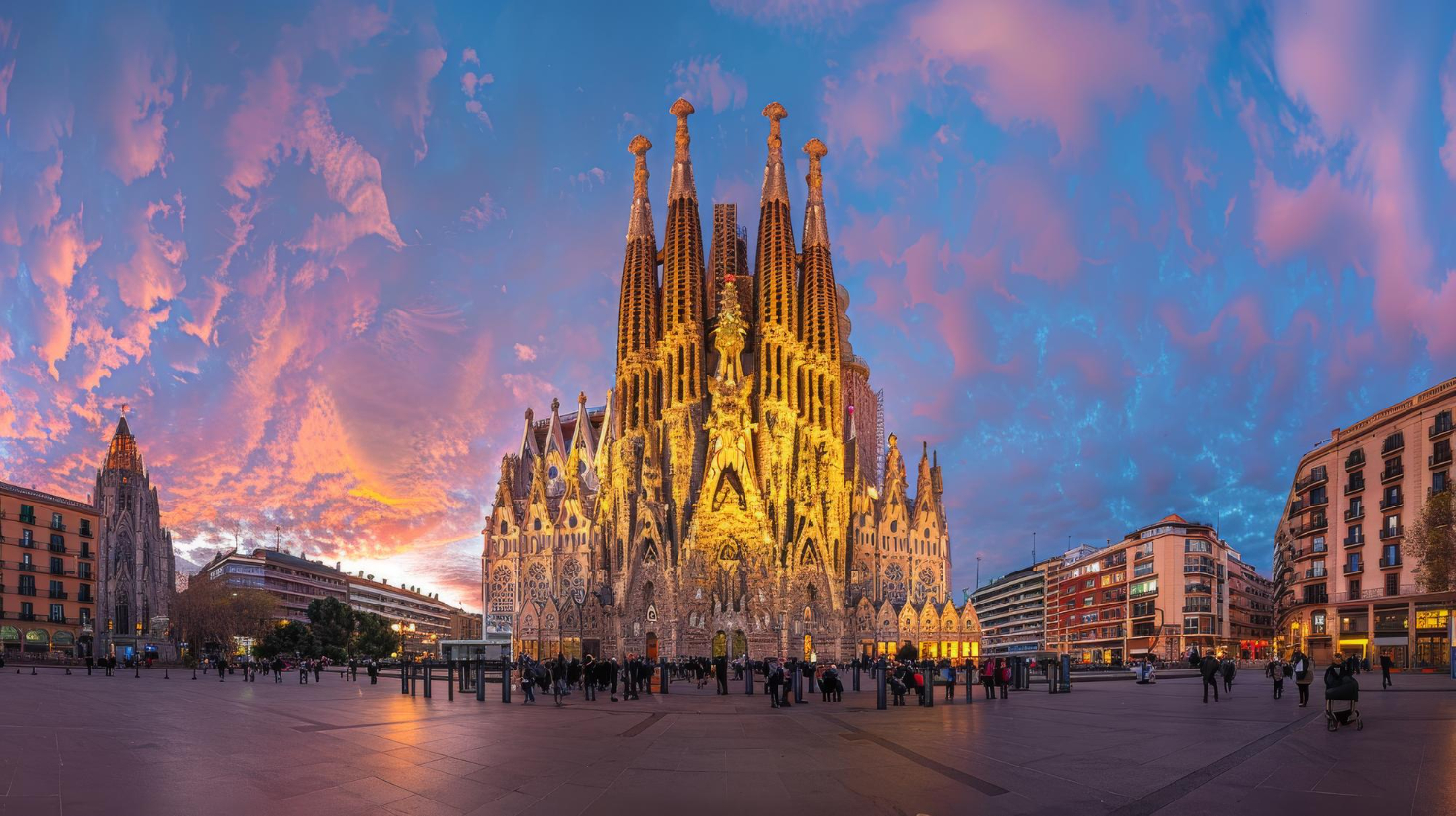
Its architect took over an existing conventional design and completely transformed it.
Barcelona’s basilica began in 1882 under a different architect with a fairly conventional neo-Gothic design. When Antoni Gaudí took over the following year, he transformed the project into something without precedent, redesigning it around his own structural and geometric ideas. He worked on it for decades and was still far from finished at his death in 1926, leaving the building to be completed from surviving plans, models, and interpretation — a process complicated when much material was damaged during the Spanish Civil War. Construction has continued in fits and starts ever since, funded largely by visitors, making it one of the longest-running building projects in the world.
9. The Space Needle Started as a Sketch on a Napkin
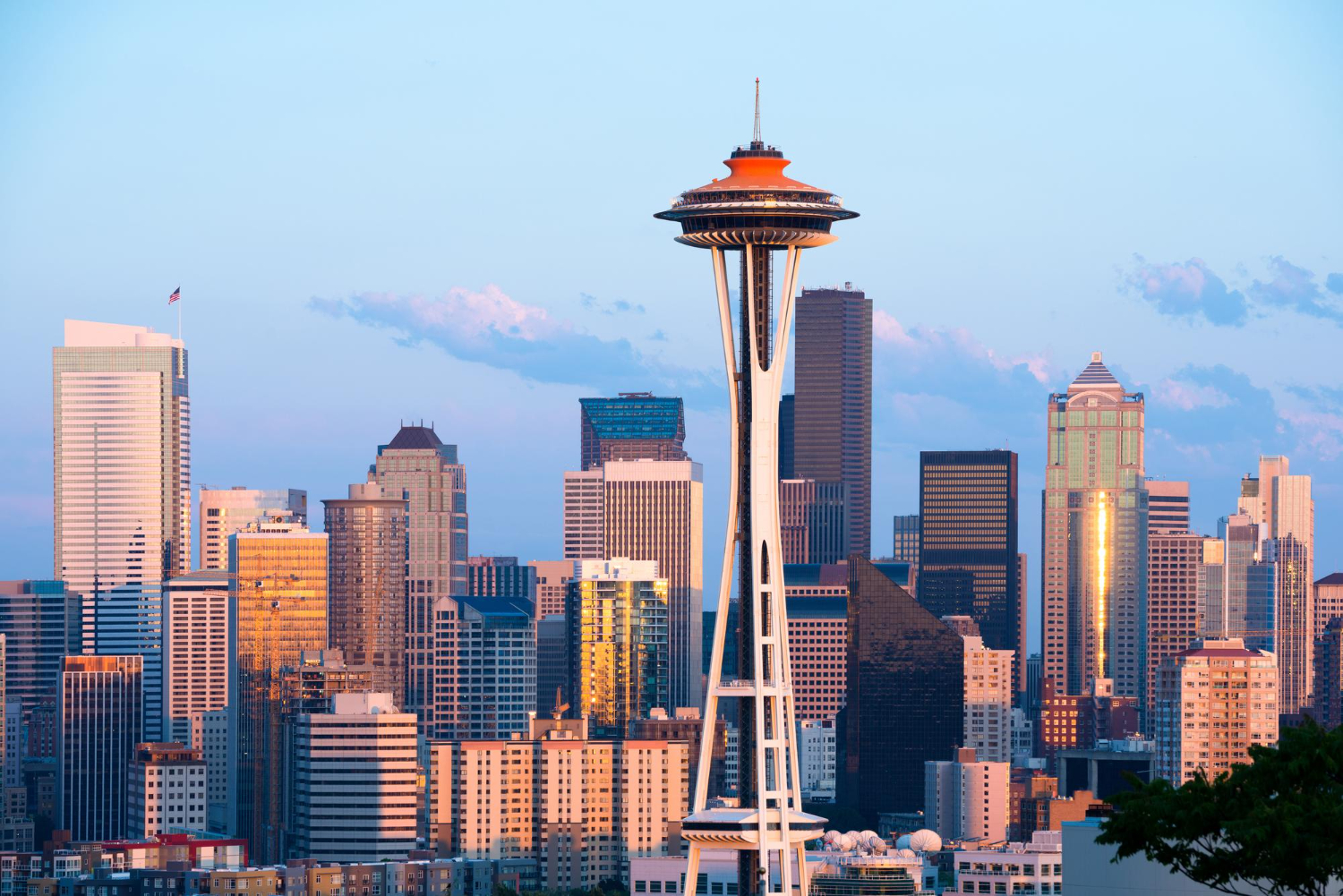
Its design changed repeatedly, including the shape and color of the top.
Seattle’s tower, built for the 1962 world’s fair, famously originated in a rough sketch — by the widely repeated account, drawn on a coffeehouse napkin or placemat — inspired by the idea of a tethered balloon or a flying saucer atop a slender support. The concept went through substantial revision by the architects involved, with the top’s shape, the number of legs, and the overall proportions all changing during design. The project was privately financed and built on a tight schedule, and the color scheme applied for the fair included a distinctive orange top. The finished tower looks nothing like the earliest sketches, and became the symbol of its city anyway.
10. The Louvre Pyramid Was Fiercely Opposed
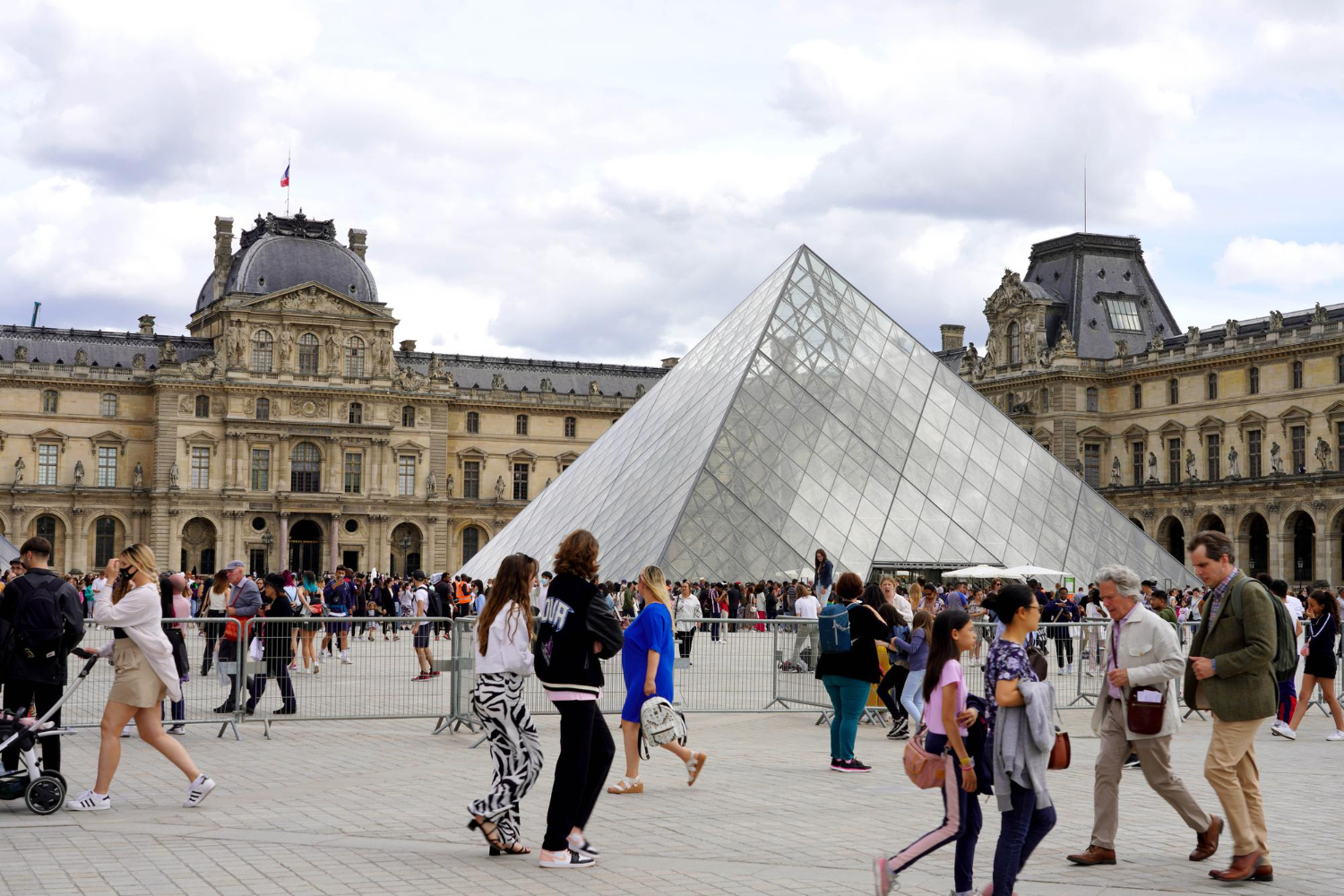
The glass pyramid was denounced as an insult to the palace before becoming its emblem.
When I. M. Pei’s glass pyramid was proposed as the new entrance to the Louvre in the 1980s, the reaction in France was ferocious. Critics considered a modernist glass structure in the courtyard of a historic royal palace an act of vandalism, the choice of a foreign architect was itself contentious, and the design was attacked in the press at length. Alternatives and modifications were pushed. The pyramid was built, solved a real practical problem by consolidating a confusing entrance sequence for a museum handling enormous crowds, and is now so thoroughly identified with the Louvre that it appears on souvenirs of the very institution it was said to be ruining.
11. The Empire State Building Was Topped With a Mooring Mast for Airships
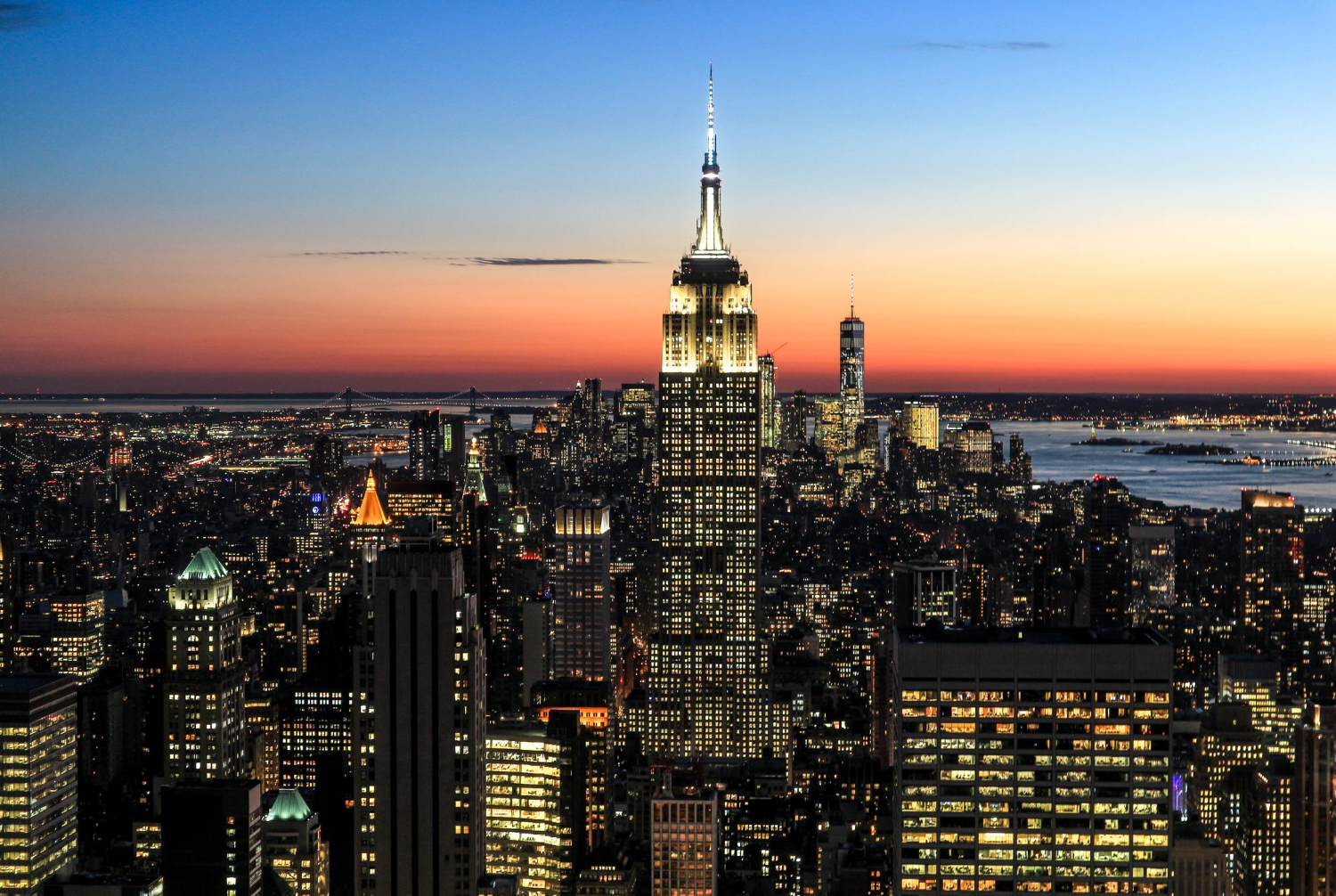
The famous spire was built as a docking point for dirigibles, which never worked.
The tower at the top of the Empire State Building was not purely decorative or a height-race trick — it was designed and promoted as a mooring mast where airships would dock, allowing passengers to disembark and descend into the building. The plan was announced with considerable fanfare. It was also, in practice, unworkable: winds at that altitude around a tall building made securing a dirigible extraordinarily dangerous, and after a small number of attempts the idea was abandoned. The structure remained, was later adapted for broadcast antennas, and became one of the most recognizable rooflines in the world — a monument to an aviation future that never happened.
12. The Gateway Arch Was Nearly a Very Different Shape
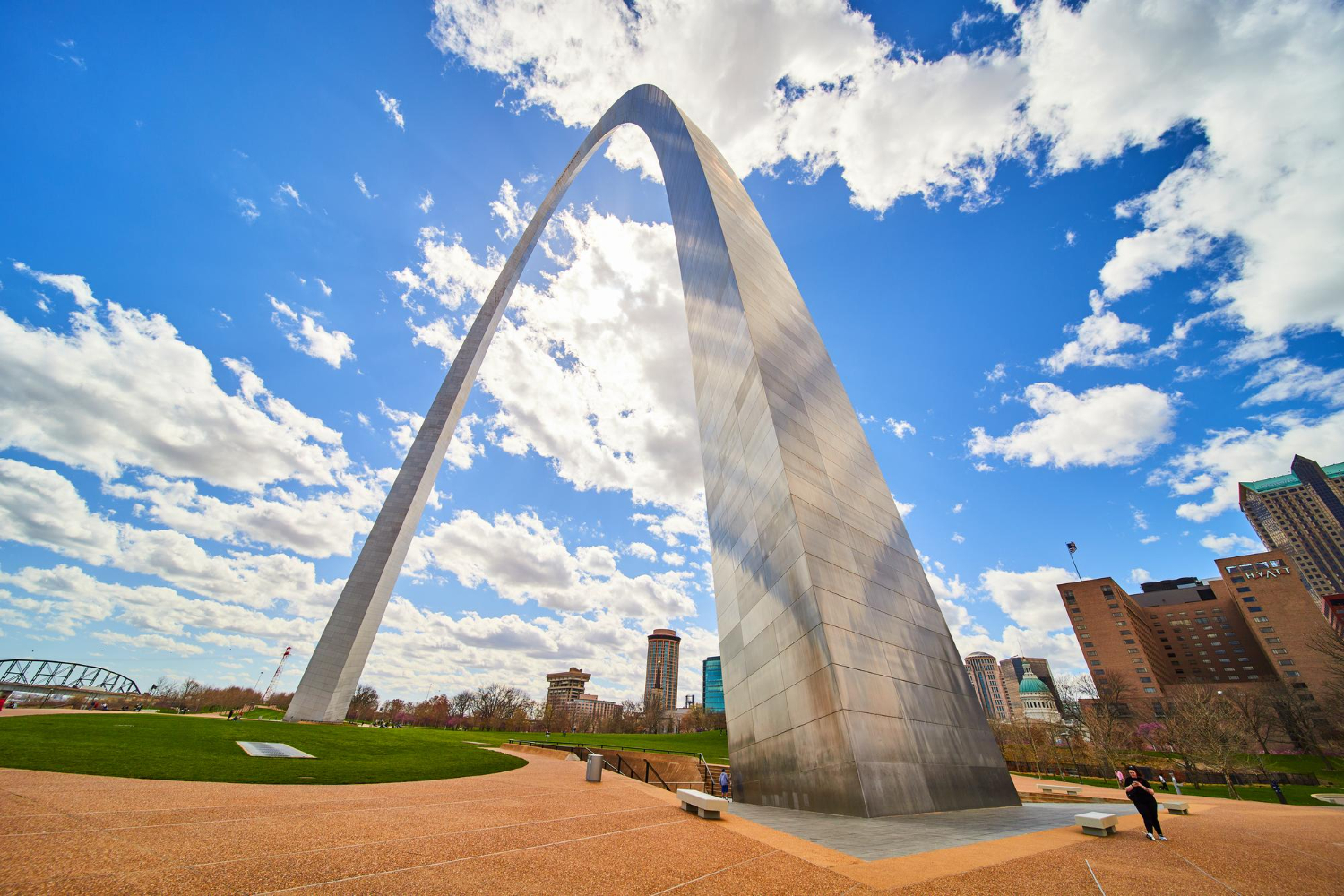
Its final curve was refined substantially from the competition-winning design.
Eero Saarinen’s arch in St. Louis won a design competition in 1947–48, but the structure that was eventually built differed meaningfully from the winning entry, with the proportions and the precise mathematical curve refined over the following years before construction finally began in the 1960s. There is also a well-known piece of competition lore attached to it: the telegram announcing the win was reportedly delivered to the wrong Saarinen, going to the architect’s father Eliel, also an entrant, before the error was discovered. The arch’s slender, tapering final form is the product of considerable revision, and its cross-section changes as it rises — a detail almost nobody notices.
Nothing About Them Was Inevitable
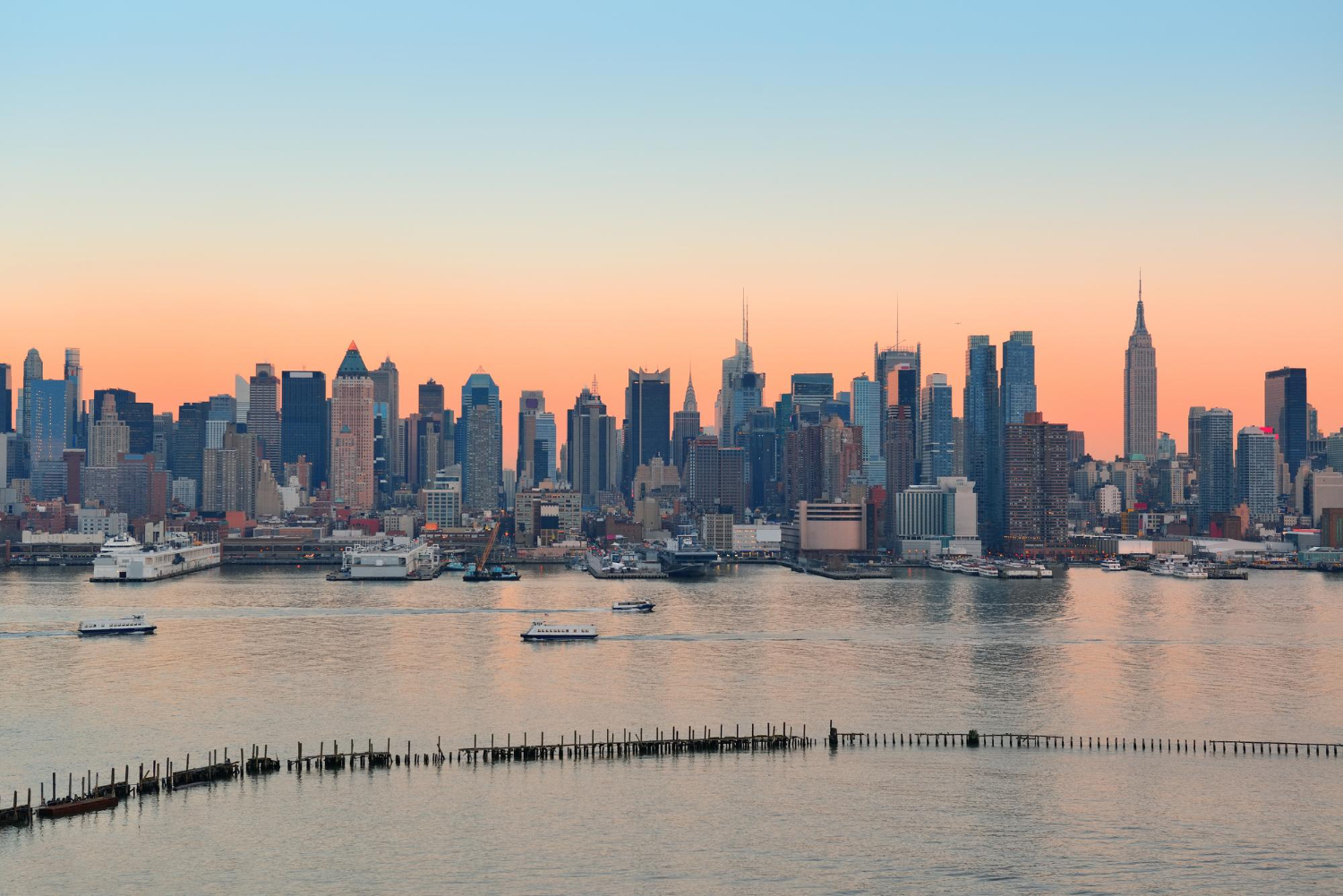
A tower built to be demolished, a statue first offered to Egypt, an opera house saved from a discard pile, a bridge colored by its primer, and a skyscraper topped with a dock for airships — the world’s most recognizable structures are the surviving branch of a great many decisions that could easily have gone the other way.
What’s striking across the whole list is how often the beloved feature was the contested one. The Eiffel Tower was denounced by artists, the Louvre pyramid was called vandalism, the Sydney Opera House was nearly discarded and then nearly abandoned, and the Golden Gate’s color was an accident that someone had to fight to keep. It’s worth remembering the next time a new building gets savaged on arrival — a fair number of the things people now travel across the world to photograph were, at the time, exactly what everyone said should never have been allowed.
Like our content? Follow us for more.