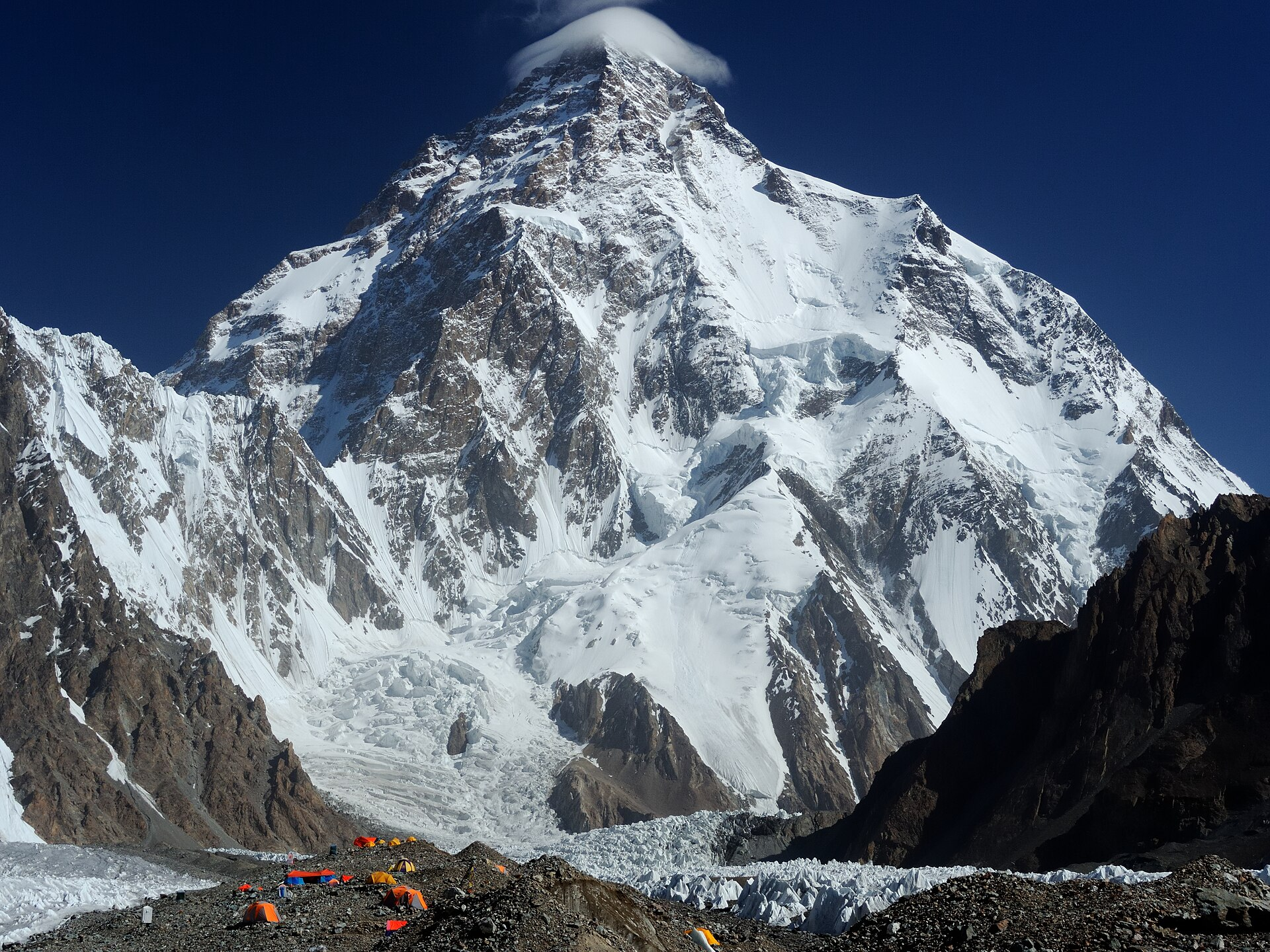
Rising to over 28,000 feet on the border between Pakistan and China, K2 is the second-highest mountain on Earth, lower only than Everest. But among mountaineers, K2 holds a fearsome reputation that Everest cannot match. Steeper, more technically difficult, more prone to deadly weather, and far more lethal, K2 has earned the grim nickname “the Savage Mountain,” and reaching its summit is considered one of the ultimate tests in all of climbing. On July 31, 1954, that summit was reached by human beings for the very first time, in a feat that electrified the world and became a source of enormous national pride for Italy.
The first ascent of K2 was the culmination of decades of dreaming, planning, and failed attempts, a hard-won victory over one of the most hostile environments on the planet. It was a real triumph of courage, endurance, and determination. And yet, in one of the great ironies of mountaineering history, this magnificent achievement became inseparable from a bitter and long-running controversy over the conduct of the climbers high on the mountain, a dispute that would embroil the participants in accusations and legal wrangling for half a century. Here, on the anniversary of that historic day, is the story of how humans first conquered the Savage Mountain, and the shadow that fell across their triumph.
The Mountain That Defeated Everyone
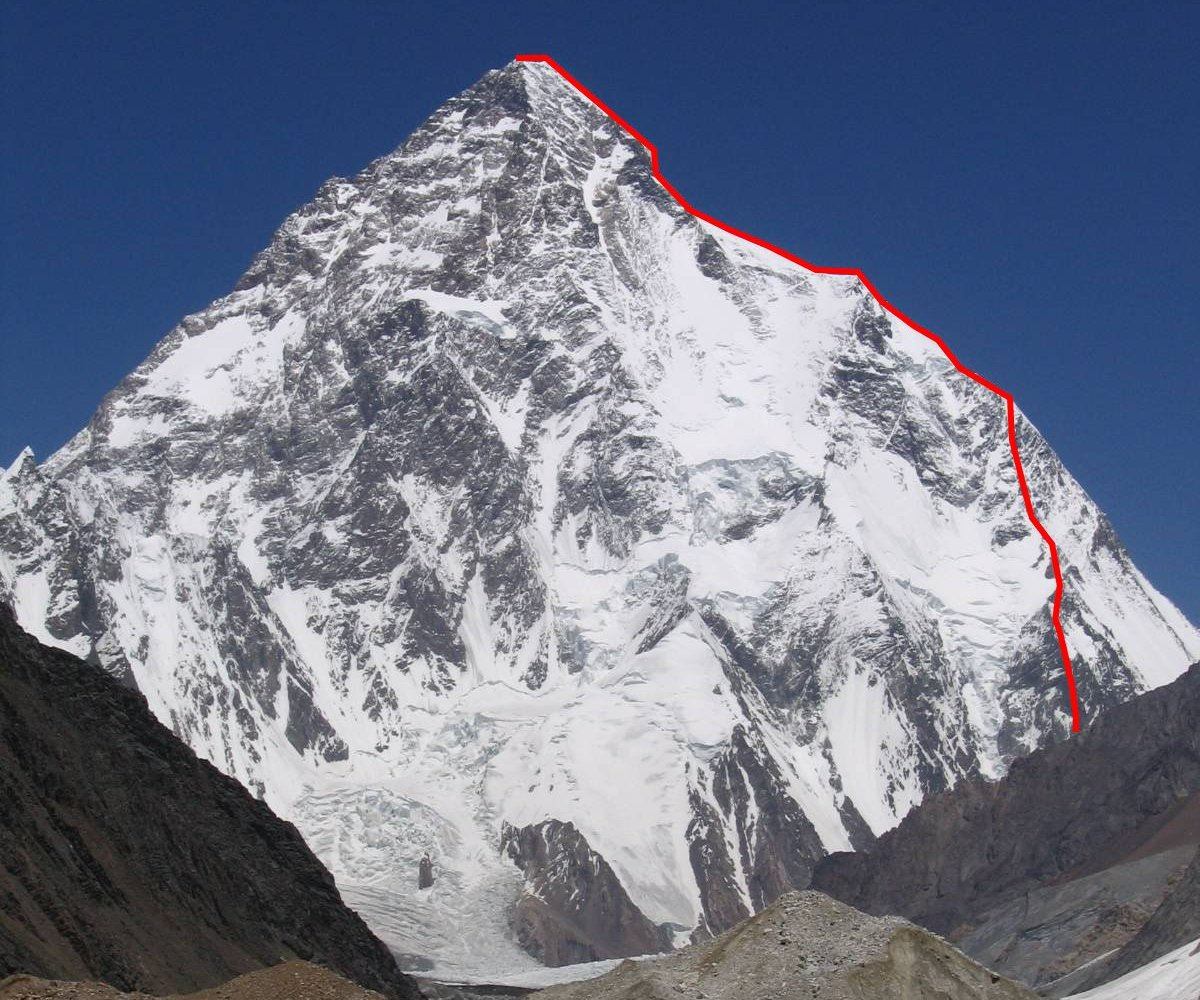
K2 got its unusual name from the surveyors who first cataloged the peaks of the Karakoram range in the nineteenth century, labeling it simply as the second peak measured, “K2.” The name stuck, and it suits the mountain’s austere, forbidding character. Unlike Everest, which sits amid other great Himalayan peaks and has more accessible routes, K2 is a remote, pyramid-shaped monster of rock and ice, notorious for sudden violent storms and brutally steep, dangerous terrain.
For decades, K2 defeated everyone who tried to climb it. The first attempts to reach its summit date back to the very end of the nineteenth century and continued through the early twentieth, as expeditions from several nations tested themselves against the mountain and were turned back, sometimes with tragic loss of life. The mountain’s difficulty and danger became legendary; it seemed almost unclimbable. Notable attempts, including American expeditions in the 1930s and a heartbreaking 1953 American effort that ended in near-disaster and the death of a climber, added to K2’s mystique as a peak that would not be conquered. By the early 1950s, K2 stood as one of the last great prizes in mountaineering, an unclaimed summit that had humbled the world’s best climbers. It would take an enormous, well-organized national expedition to finally succeed.
Like our content? Follow us for more.
The Italian Expedition
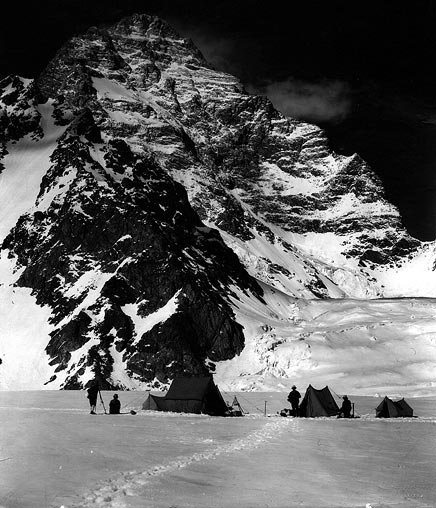
The successful assault on K2 came from an ambitious Italian expedition mounted in 1954. Led by the geologist and veteran explorer Ardito Desio, the expedition was a major national undertaking, backed by Italian scientific and mountaineering institutions and staffed with a team of the country’s finest climbers, along with scientific researchers and, crucially, a large group of Pakistani porters whose labor was essential to hauling supplies up the mountain.
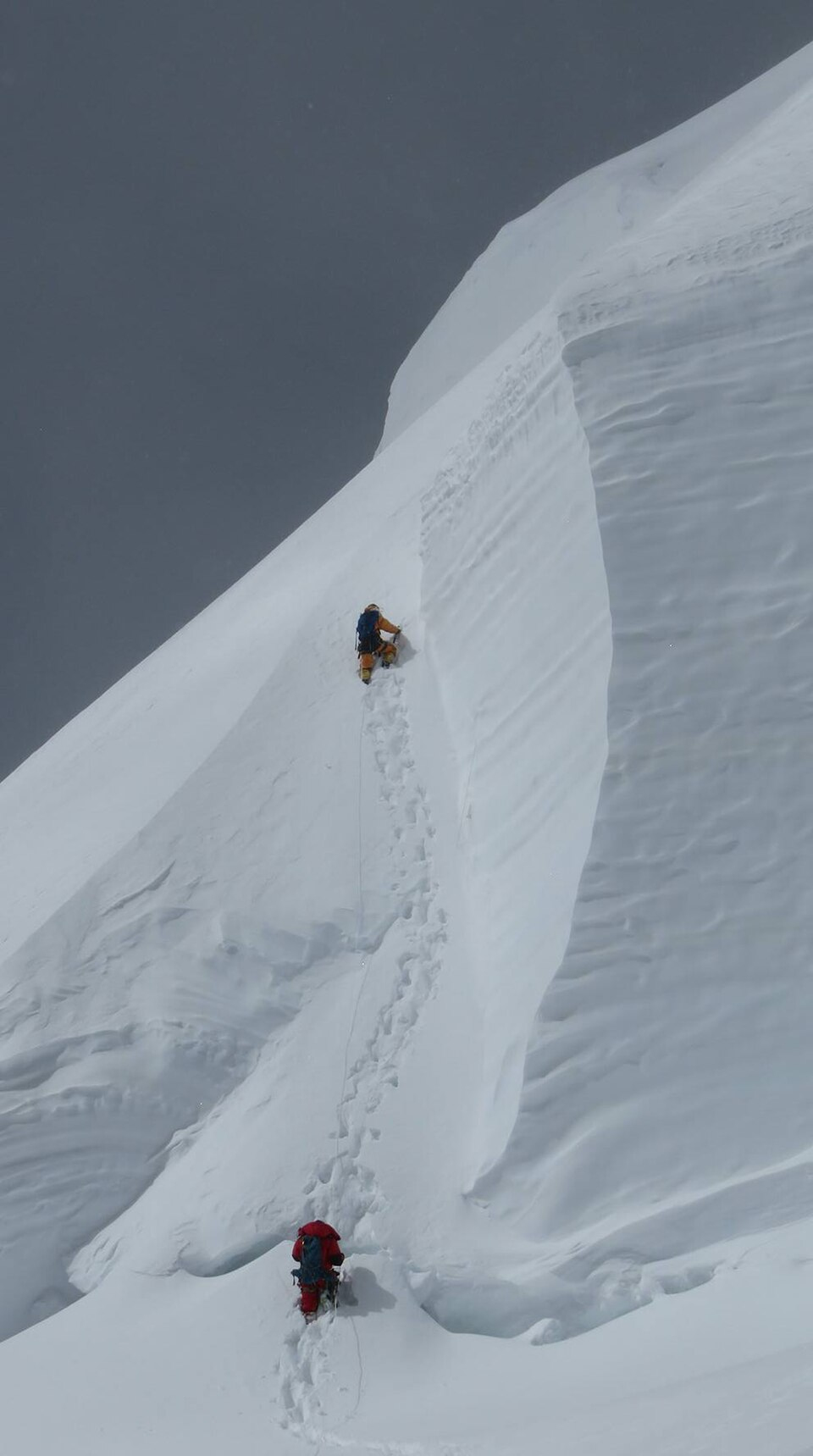
The expedition set out with meticulous planning and considerable resources, establishing a series of camps up the mountain’s flanks in the classic siege style of the era, in which climbers gradually stock higher and higher camps to position a summit team for a final push. The climb was grueling and dangerous, conducted at extreme altitude in thin air and punishing cold, and the expedition suffered the loss of one of its members, Mario Puchoz, to illness during the effort. But the team pressed on with determination, slowly working its way up the mountain toward the summit. By late July, after weeks of exhausting effort, the expedition had positioned itself for a final attempt on the peak, with two climbers selected to make the historic bid for the top.
Reaching the Summit
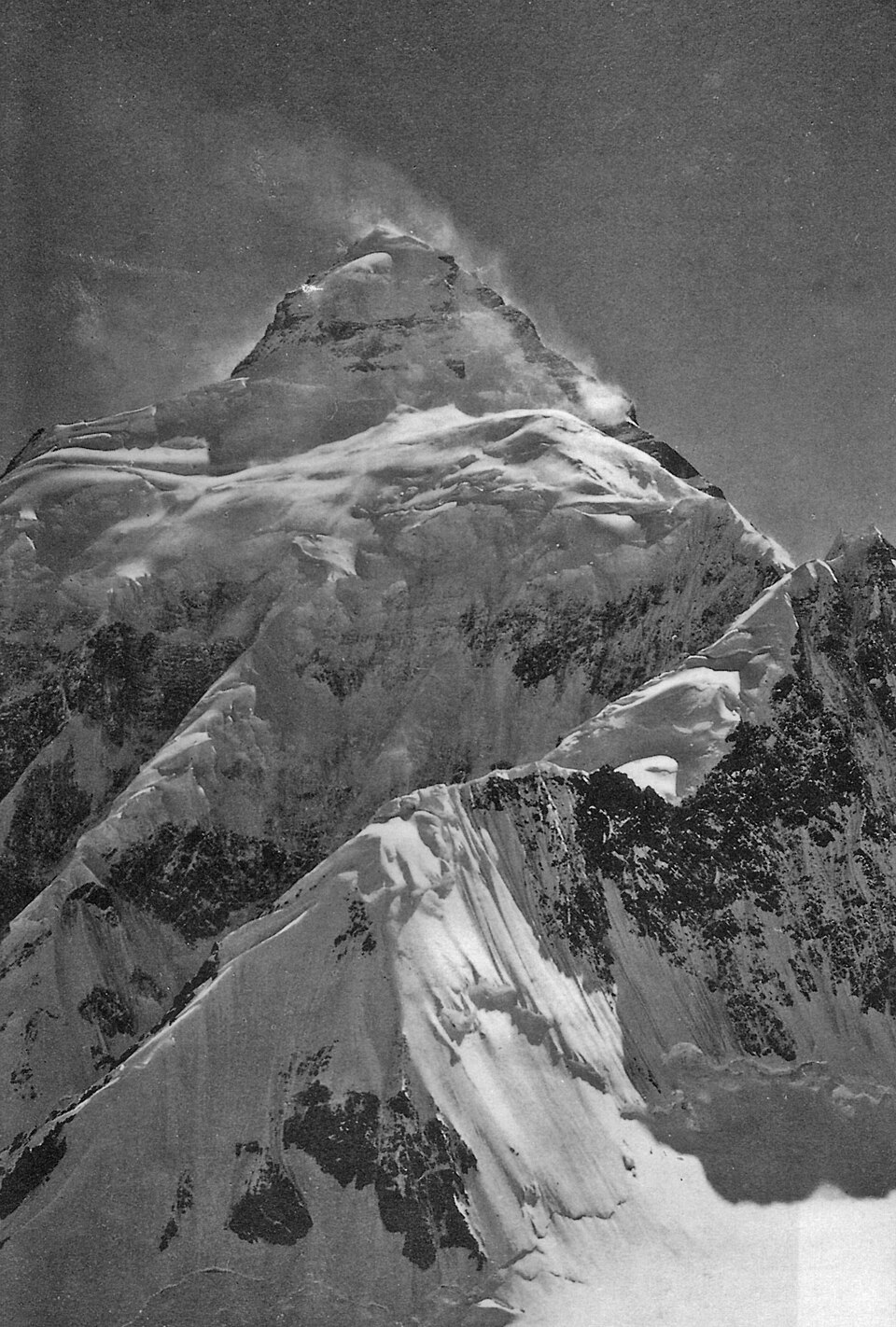
The two men chosen for the summit push were Achille Compagnoni, the older and more experienced of the pair, and Lino Lacedelli, a superb rock climber. On July 31, 1954, after a final harrowing climb through the mountain’s upper reaches, breathing bottled oxygen and battling the extreme conditions near the top of the world, Compagnoni and Lacedelli reached the summit of K2. They became the first human beings ever to stand on the peak of the Savage Mountain.
It was a monumental achievement, the conquest of the world’s second-highest and most difficult major mountain, and the news was greeted with jubilation in Italy and admiration around the world. The pair had accomplished what many had thought might be impossible, planting their flag on a summit that had defeated every previous attempt. The photographs of the climbers at the top became iconic images of human achievement, and the first ascent of K2 took its place among the landmark accomplishments of the golden age of Himalayan mountaineering, alongside the first ascent of Everest just the year before. For Italy, still recovering from the war, the triumph on K2 was a moment of tremendous national pride. But even as the country celebrated, the seeds of a bitter controversy had already been sown high on the mountain, in the events of the day and night before the summit was reached.
The Shadow Over the Triumph
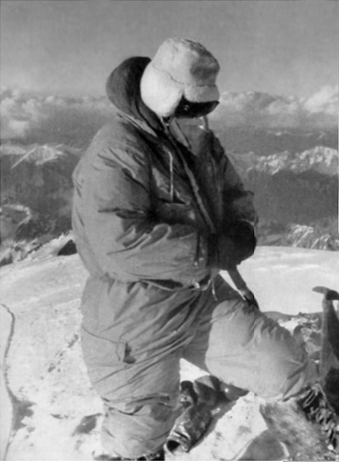
Behind the glorious success lay a story of conflict that would fester for decades. The controversy centered on the crucial role played by two other expedition members, the young climber Walter Bonatti and a Pakistani porter named Amir Mehdi, in the final push. On the eve of the summit bid, Bonatti and Mehdi had performed the vital and dangerous task of carrying the heavy bottles of oxygen that the summit pair would need for their attempt up to a high point on the mountain.
But when Bonatti and Mehdi climbed up to deliver the oxygen, they were unable to reach the summit team’s high camp, which had been placed in a different and higher location than Bonatti says he had been led to expect. Unable to find the camp as darkness fell and unable to climb back down safely, Bonatti and Mehdi were forced to endure a terrifying, unplanned night in the open at an extreme altitude, without a tent or sleeping bags, a bivouac of the sort thought to be almost unsurvivable. They lived through the ordeal, but Mehdi suffered severe frostbite that would cost him toes. The summit pair recovered the oxygen the following morning and went on to their triumph. In the years that followed, Bonatti grew increasingly aggrieved at how the official account portrayed these events and the roles of those involved, and a long, bitter dispute erupted over exactly what had happened that night, why the camp had been placed where it was, and whether the oxygen had run out before or after the summit was reached.
Fifty Years to the Truth
The controversy over the first ascent of K2 became one of the most famous and acrimonious disputes in mountaineering history, dragging on for around fifty years. Bonatti spent much of his life defending his account of events and his reputation against what he saw as distortions in the official expedition narrative, and the affair generated books, accusations, rebuttals, and a great deal of bitterness among the participants and the wider climbing community. What should have been a story of unalloyed triumph became tangled in argument and recrimination.
Decades later, in an effort to settle the matter, the Italian Alpine Club, which had sponsored the expedition, appointed a panel to investigate the competing claims and establish the truth of what had happened on the mountain in 1954. After careful examination of the evidence, the official position was eventually revised in a way that substantially supported Bonatti’s long-maintained account of events, a vindication that came after he had spent most of his life fighting for it. The episode stands as a cautionary tale about how the pressures of glory, national pride, and human ego can complicate even the most heroic of achievements, and how the truth, though it may take fifty years, can eventually come to light. Bonatti went on to become one of the most celebrated mountaineers of all time, his reputation ultimately secure.
A Historic Summit Remembered
Today, the first ascent of K2 is remembered as one of the great achievements in the history of exploration, a testament to human courage and perseverance against one of nature’s most formidable challenges. The controversy, painful as it was, is now part of the full, complex story of that day, a reminder that even our proudest triumphs are carried out by real people with all their ambitions, flaws, and rivalries. The mountain itself remains as savage as ever; to this day, K2 is far deadlier than Everest, and reaching its summit remains one of the most dangerous and revered feats in all of mountaineering.
On the anniversary of that historic July day in 1954, it’s worth remembering both sides of the story: the extraordinary triumph of the first ascent of K2, and the human drama that unfolded alongside it. The men who climbed the Savage Mountain that day, and those who made their summit possible through their own sacrifice and suffering high on the peak, all earned their place in history. K2 has been climbed many times since, but it has never been tamed, and that first ascent, seven decades ago, remains one of the most remarkable and hard-won victories humans have ever achieved in the high places of the world.
Like our content? Follow us for more.