Noodles solve the same problem everywhere: cheap starch, fast cooking, and a vehicle for whatever flavour you have. What differs is everything else. Here are fifteen dishes from around the world, each worth getting right.
1. Cacio e Pepe — Italy
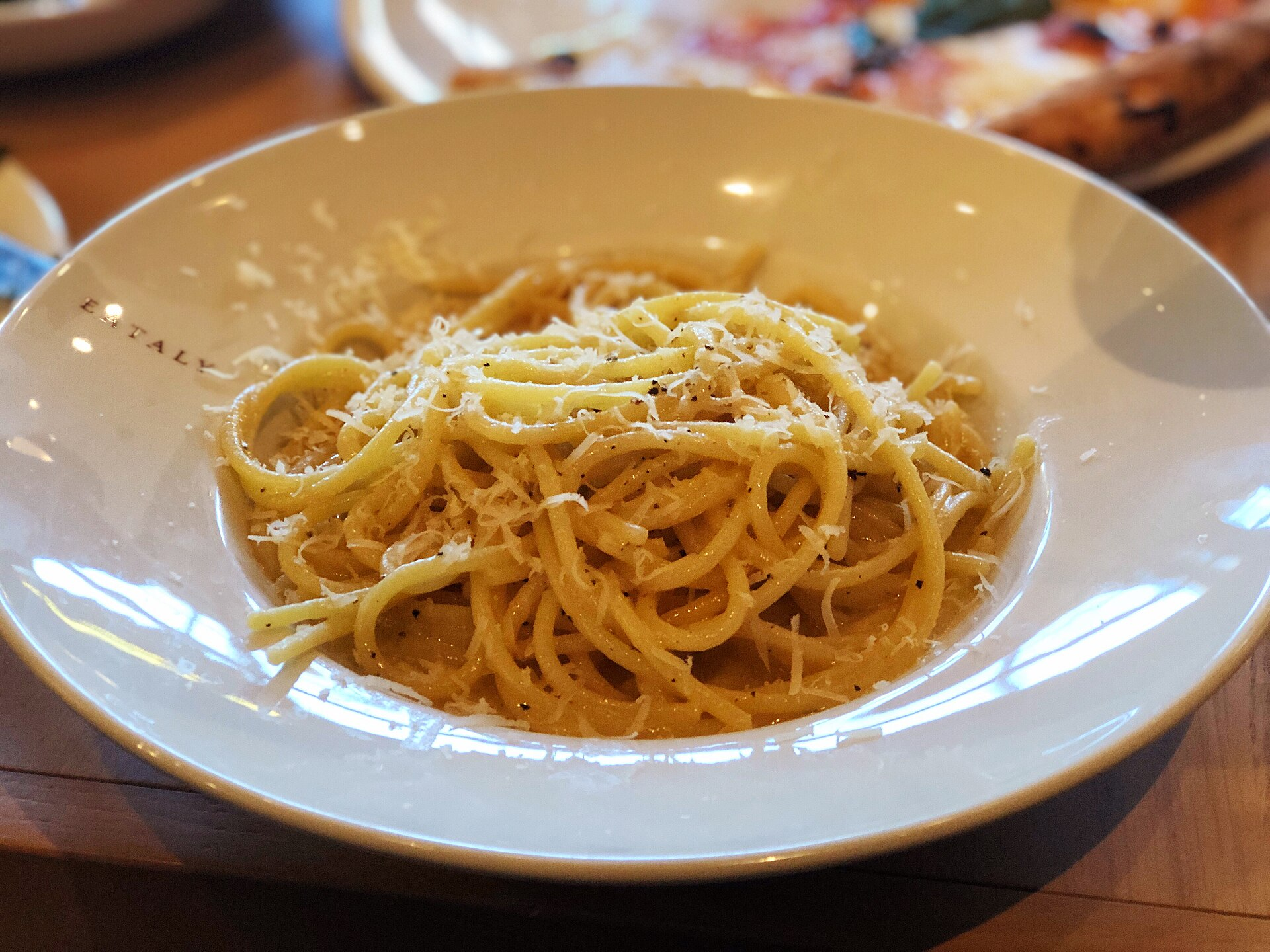
Three ingredients: pasta, pecorino and black pepper. There is nowhere to hide.
The technique is the entire dish — emulsifying the cheese with starchy pasta water into a smooth sauce without letting it seize into clumps. Get the temperature wrong and it splits. Cacio e pepe is the noodle dish that teaches you more about technique than any recipe with twenty ingredients.
Like our content? Follow us for more.
2. Pad See Ew — Thailand
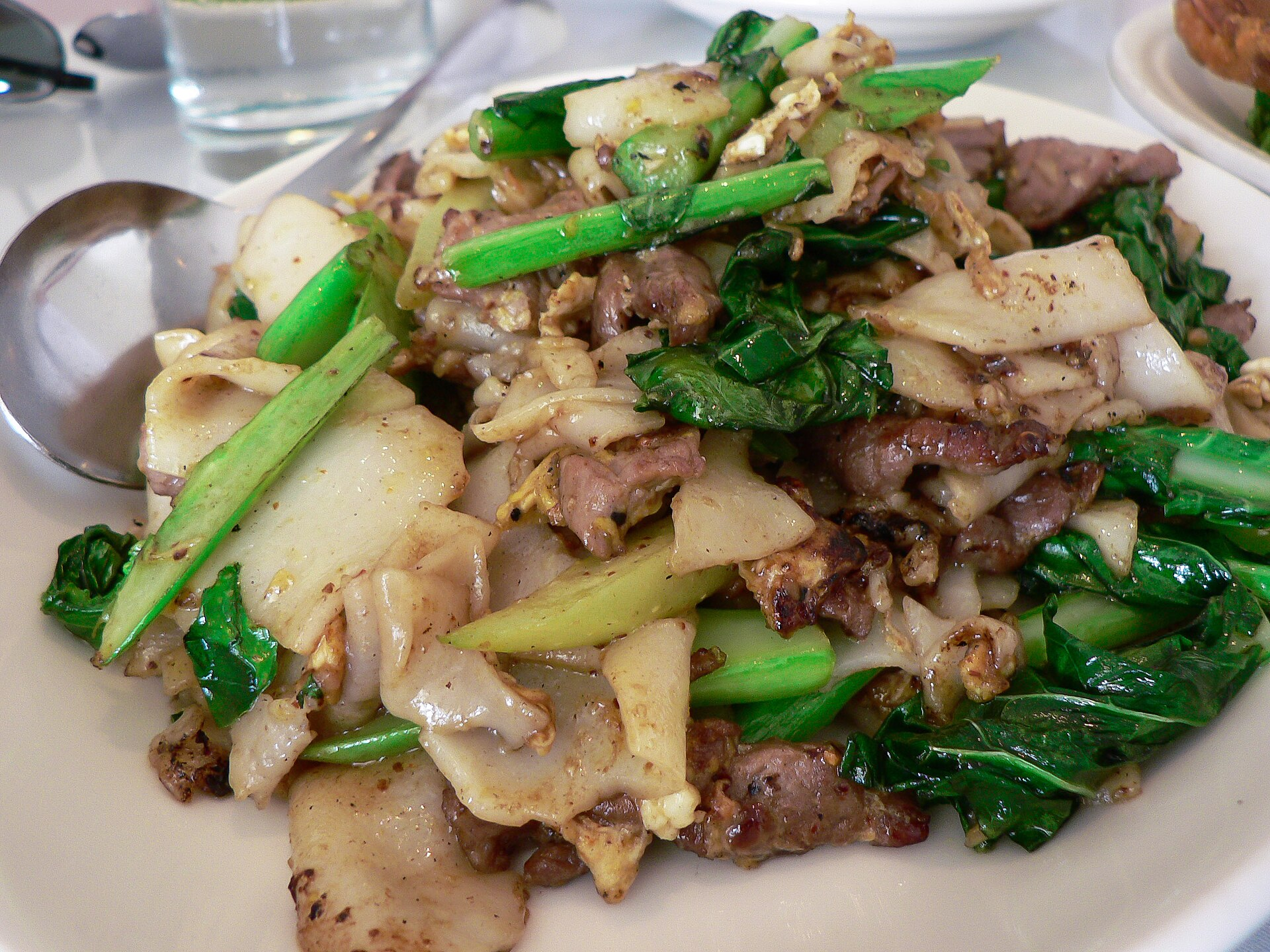
Wide rice noodles stir-fried hard with dark soy, egg, Chinese broccoli and your choice of protein. Char is the point.
It needs a very hot pan and speed; the appeal is the smoky note that comes from noodles catching briefly on hot metal. Sweeter and gentler than its chilli-heavy neighbours. Pad see ew is the noodle dish that rewards a hotter pan than you think you need.
3. Japchae — Korea
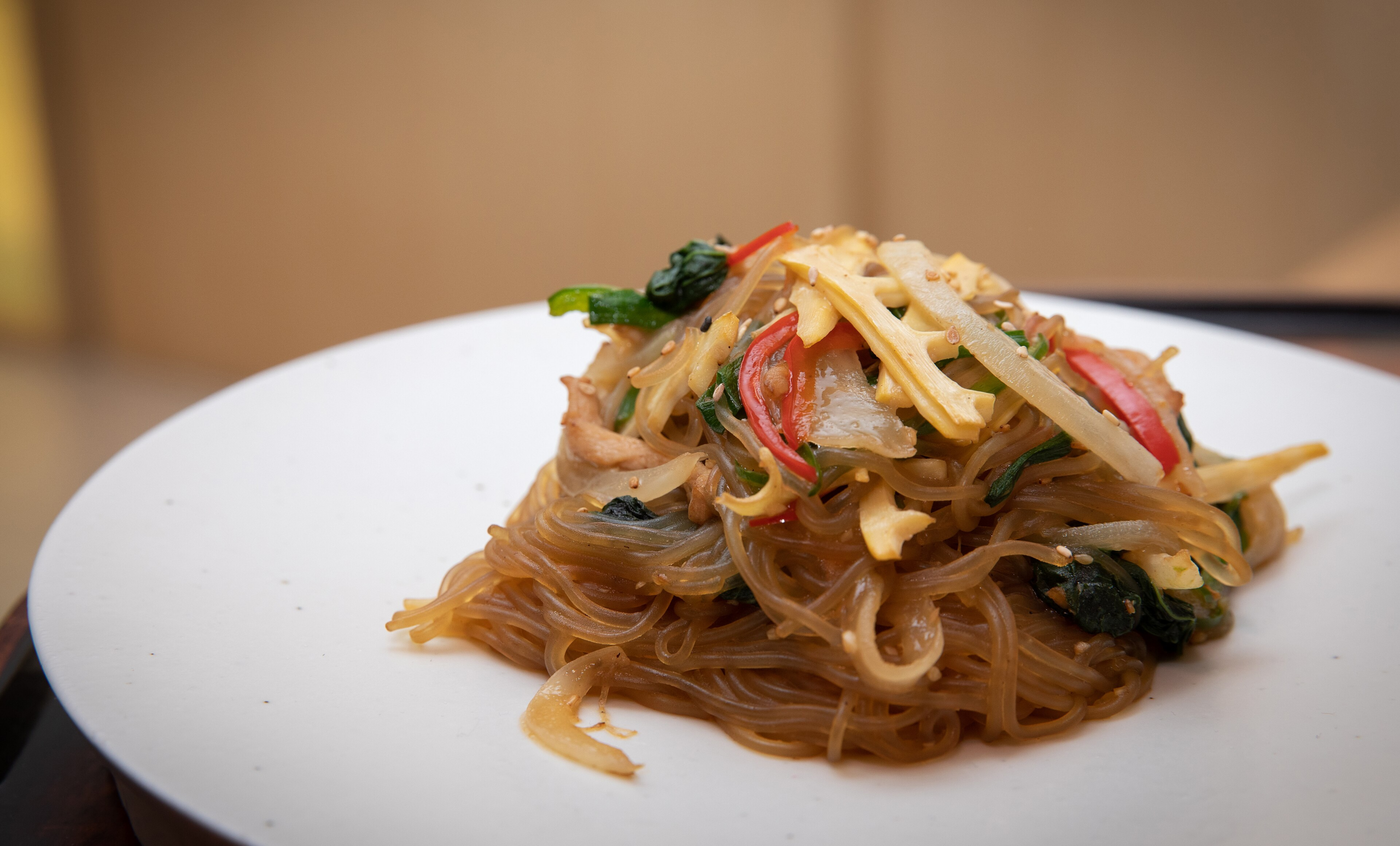
Chewy sweet potato starch noodles tossed with sesame oil, soy, and a collection of separately cooked vegetables and beef. It is served warm or at room temperature.
Each component is traditionally cooked on its own and combined at the end, which is more work but keeps every element distinct. The texture is unlike any wheat noodle. Japchae is the noodle dish built around a starch most Western cooks have never used.
4. Beef Chow Fun — Southern China
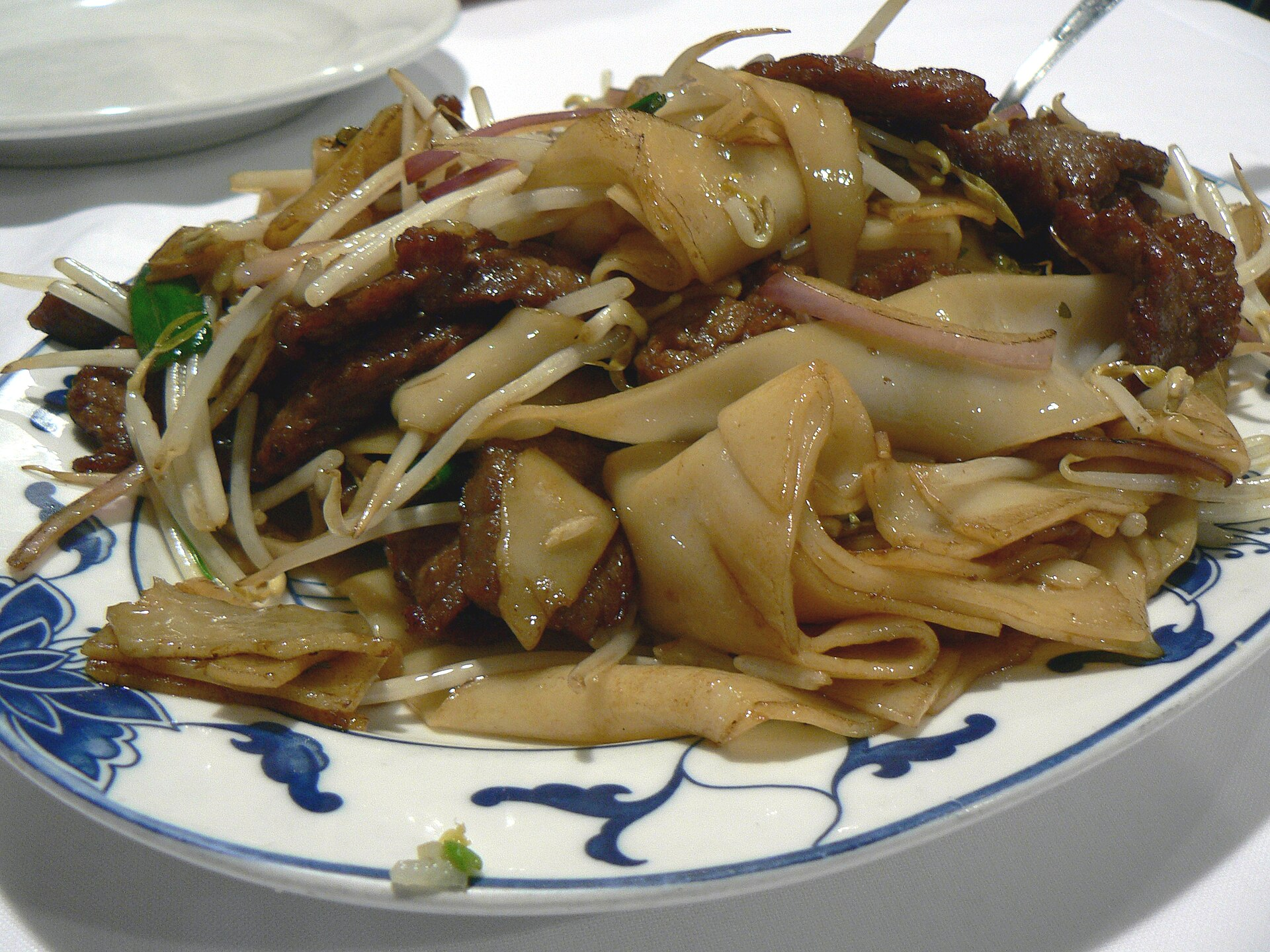
Wide, flat rice noodles seared with beef, bean sprouts and spring onion. The prized quality is a smoky character that comes off a searing-hot wok.
The noodles must be handled gently or they break into fragments, which makes it a truly difficult dish to do well at home. Cantonese cooks judge it by aroma. Beef chow fun is the noodle dish where the pan matters as much as the ingredients.
5. Spaghetti alla Carbonara — Italy
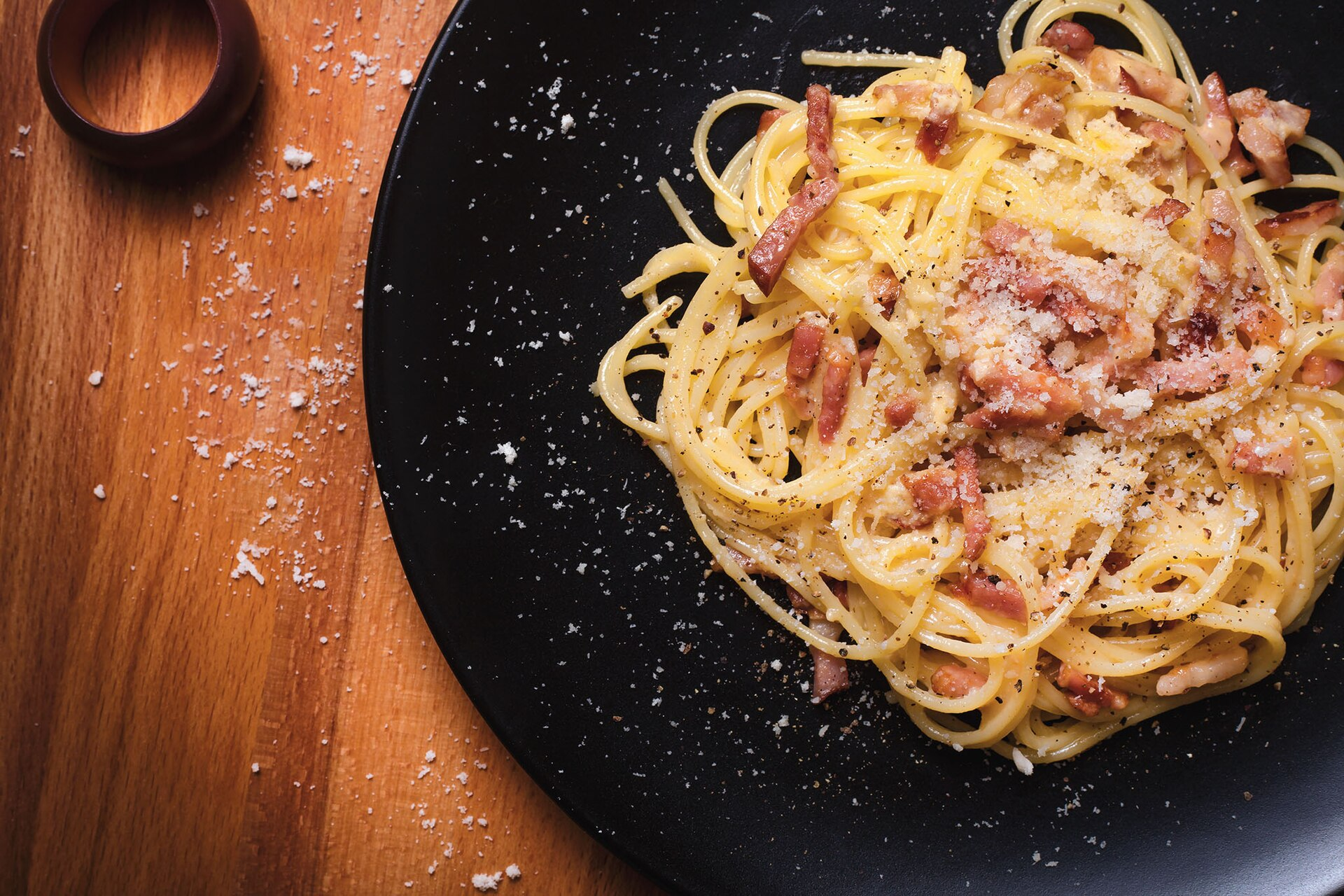
Egg, hard cheese, cured pork and black pepper, with no cream anywhere near it. The sauce is made by residual heat alone.
Beat the eggs with cheese, combine off the heat with hot pasta and rendered fat, and the result is glossy rather than scrambled. Timing is everything. Carbonara is the noodle dish most frequently ruined by adding something it does not need.
6. Laksa — Malaysia and Singapore
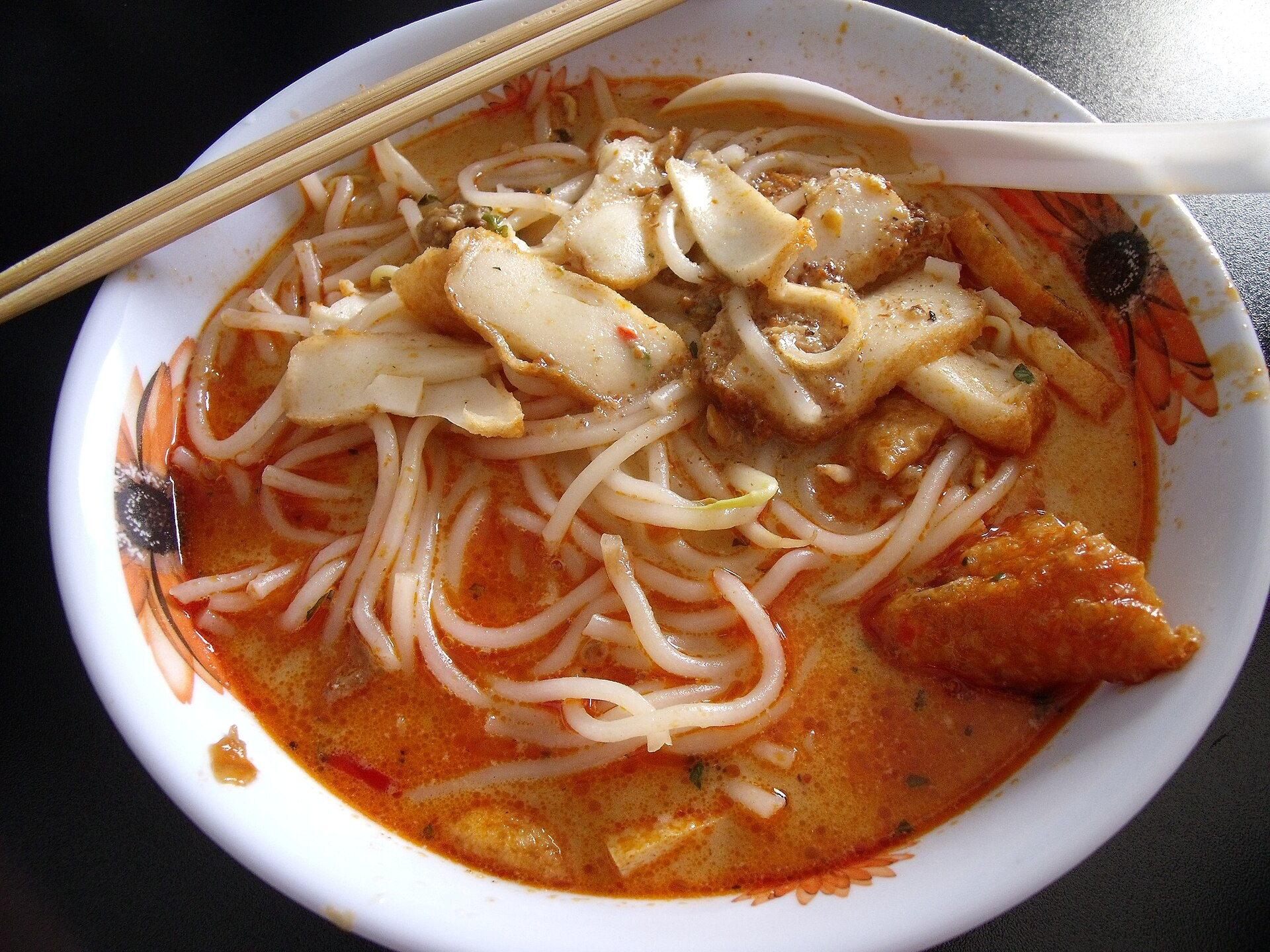
Noodles in a rich, spiced coconut broth built on a paste of chillies, lemongrass, galangal and shrimp paste. Regional versions differ substantially.
The curry-style version is the widely known one, but sour, tamarind-based versions exist and taste completely different. It is usually topped with prawns, tofu puffs and egg. Laksa is the noodle dish that changes character entirely depending on which town you order it in.
7. Bún Chả — Vietnam
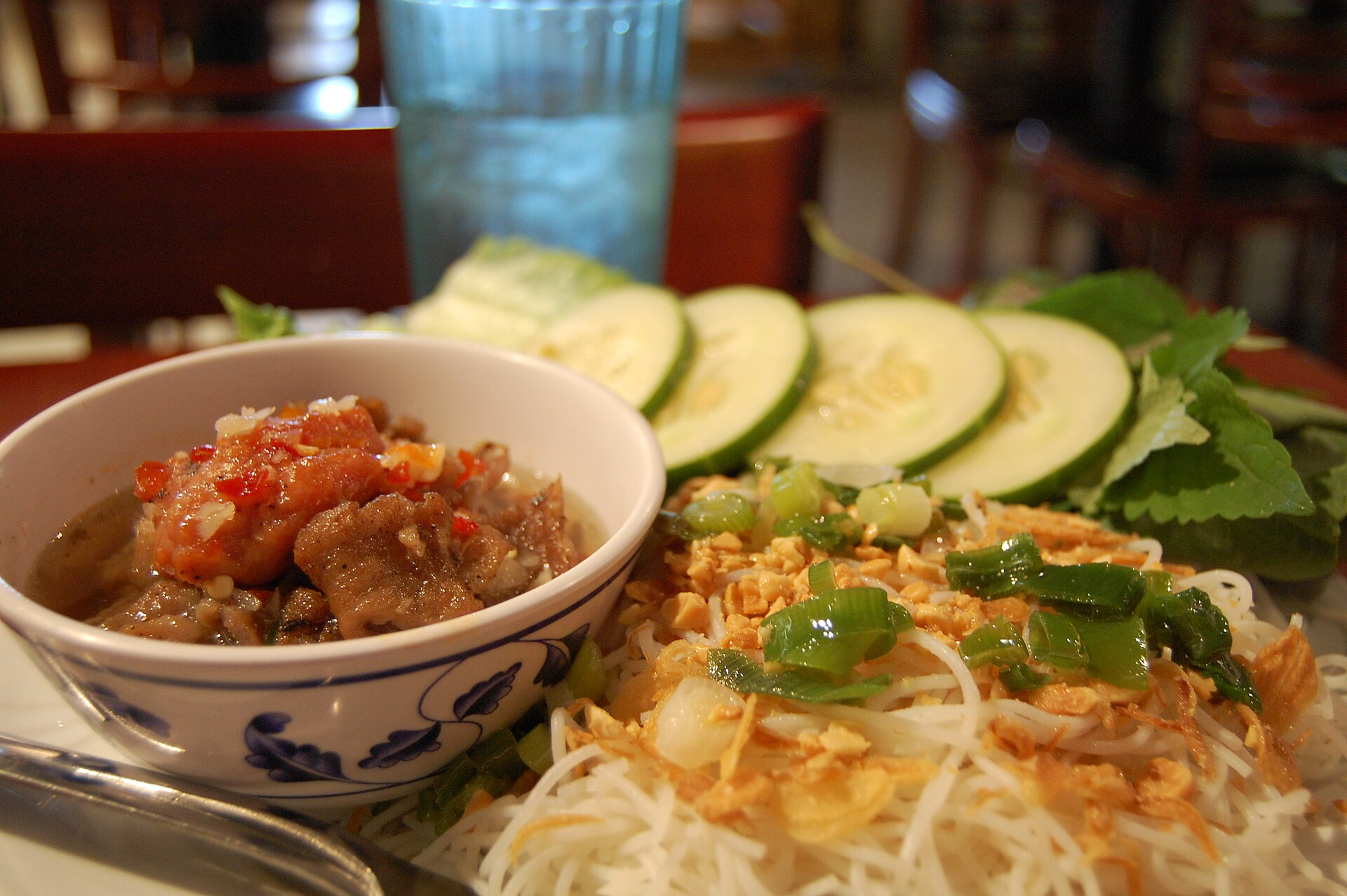
Grilled pork served with cold rice vermicelli, a bowl of sweet-sour dipping broth, and a pile of fresh herbs. You assemble each mouthful yourself.
The contrast is the appeal: hot charred meat, cool noodles, sharp broth and raw herbs, combined at the table rather than in the kitchen. Bún chả is the noodle dish designed to be built bite by bite.
8. Zaru Soba — Japan
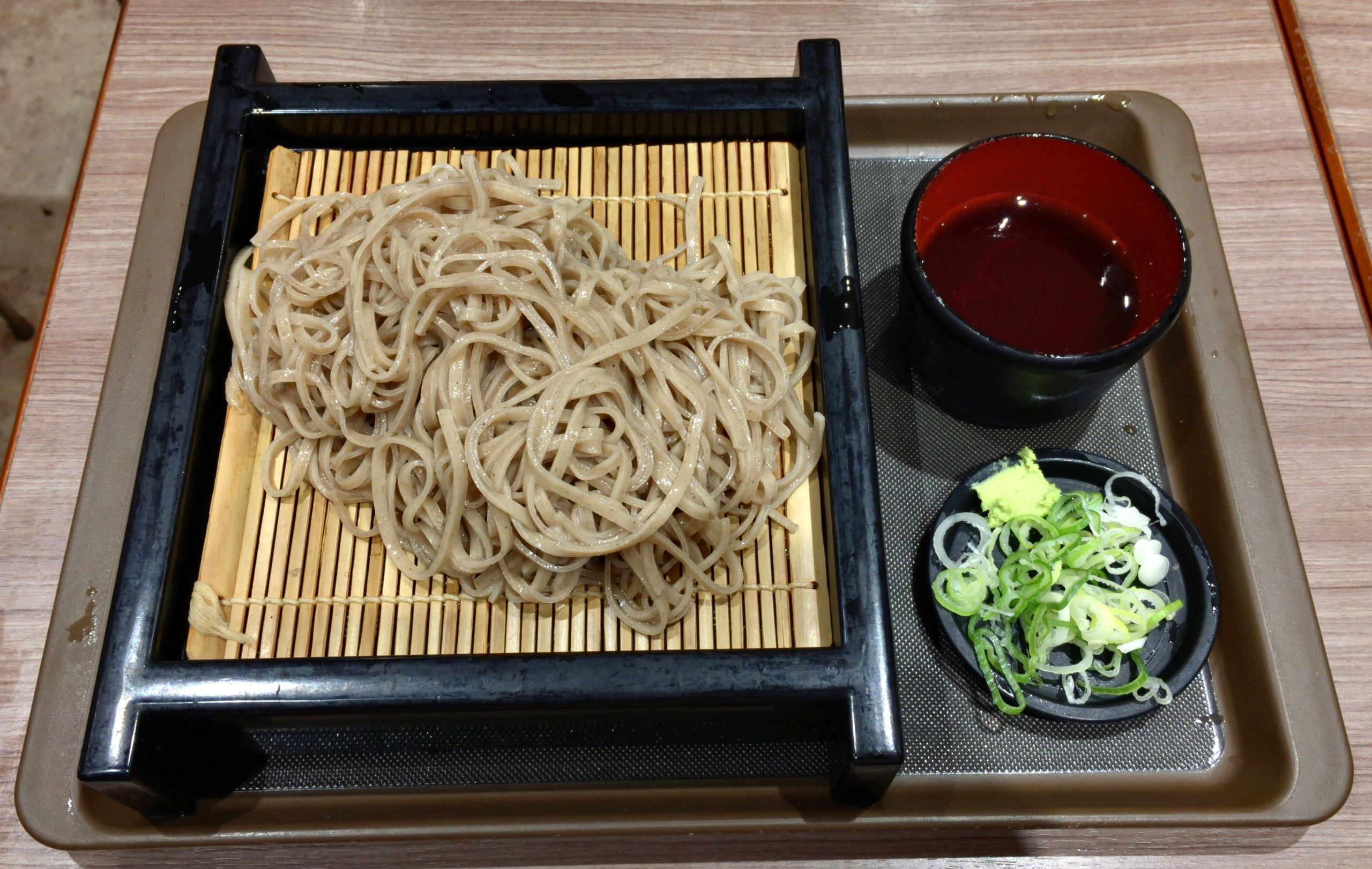
Chilled buckwheat noodles served on a bamboo mat with a soy-based dipping sauce, spring onion and wasabi. It is a summer dish and almost aggressively minimal.
Good soba is about the noodle itself — its nuttiness and firm bite — which is why it is served cold and largely unadorned. The cooking water is often drunk afterwards. Zaru soba is the noodle dish that puts the noodle entirely in the foreground.
9. Dan Dan Noodles — Sichuan, China
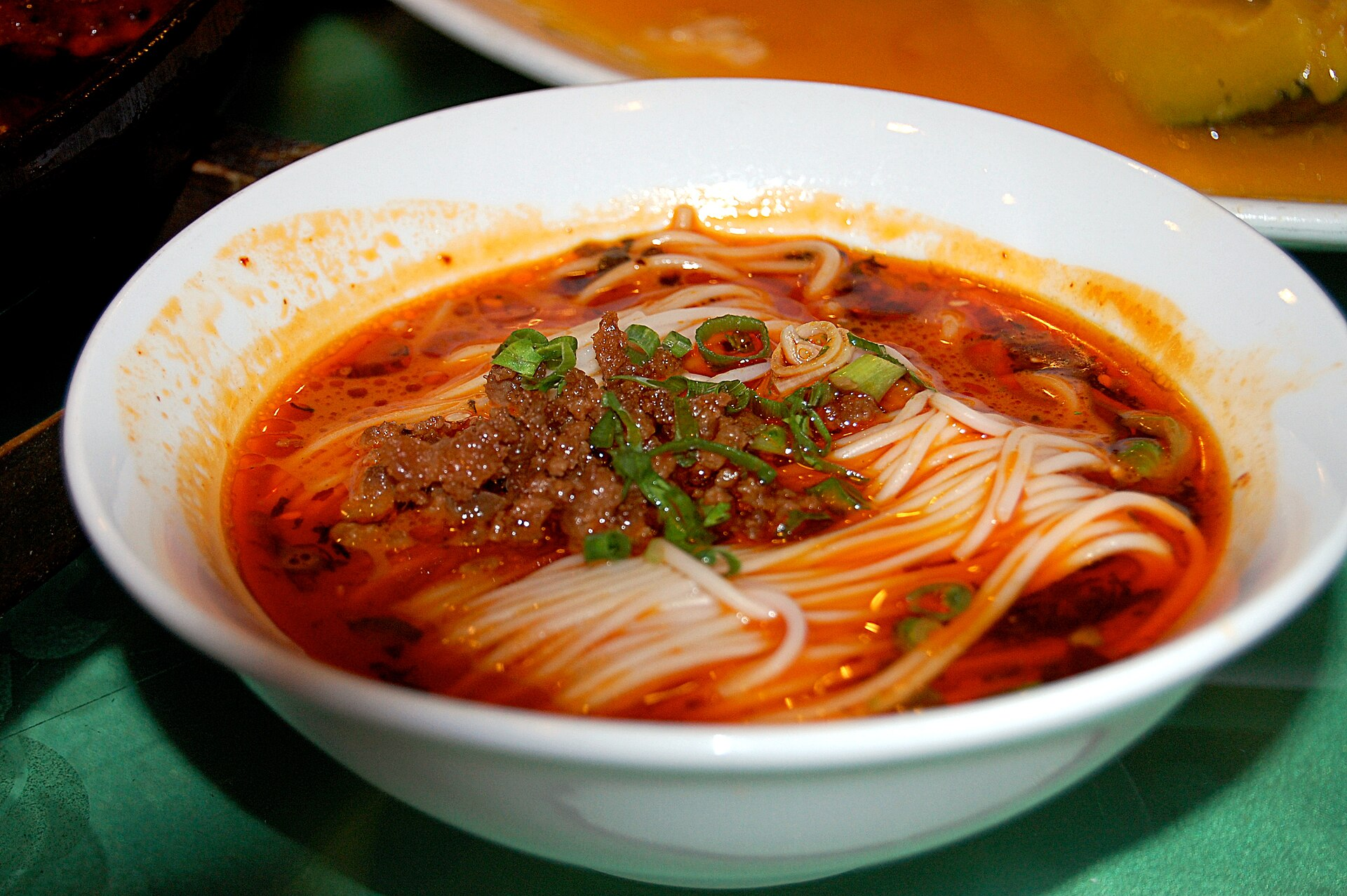
Wheat noodles under a sauce of chilli oil, sesame paste, preserved vegetable and minced pork, with the numbing tingle of Sichuan pepper.
It arrives looking unmixed and is meant to be stirred vigorously before eating, which brings the sauce up from the bottom. The tingling sensation is a distinct feature, not heat. Dan dan noodles are the noodle dish that introduces most people to Sichuan pepper.
10. Pancit Canton — Philippines
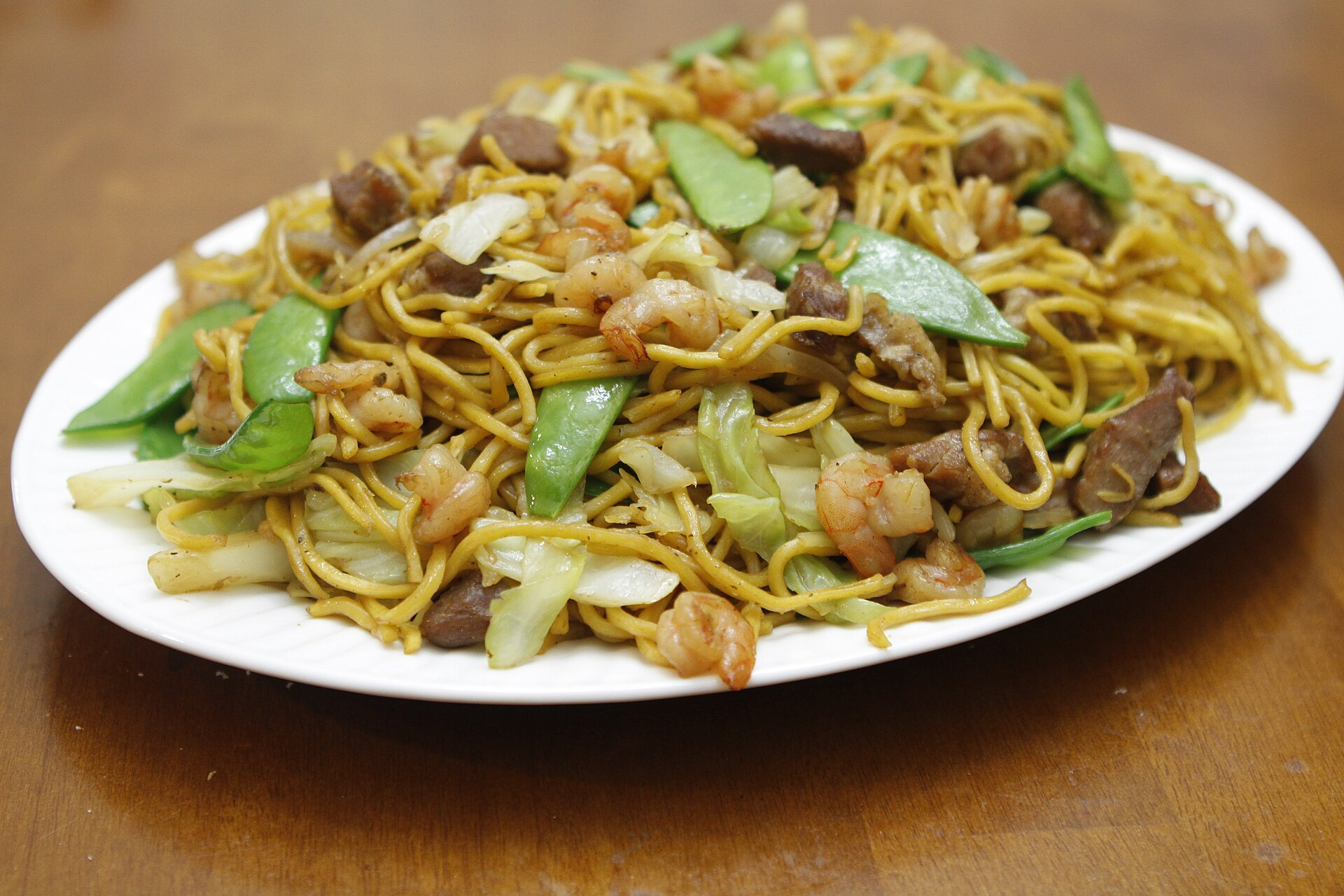
Wheat noodles stir-fried with soy, calamansi, vegetables and a mix of meats or seafood. It appears at essentially every celebration.
Long noodles are traditionally associated with long life, which is why it is a fixture at birthdays. It is forgiving and endlessly adaptable to whatever is in the fridge. Pancit canton is the noodle dish most likely to be found at a Filipino party.
11. Khao Soi — Northern Thailand
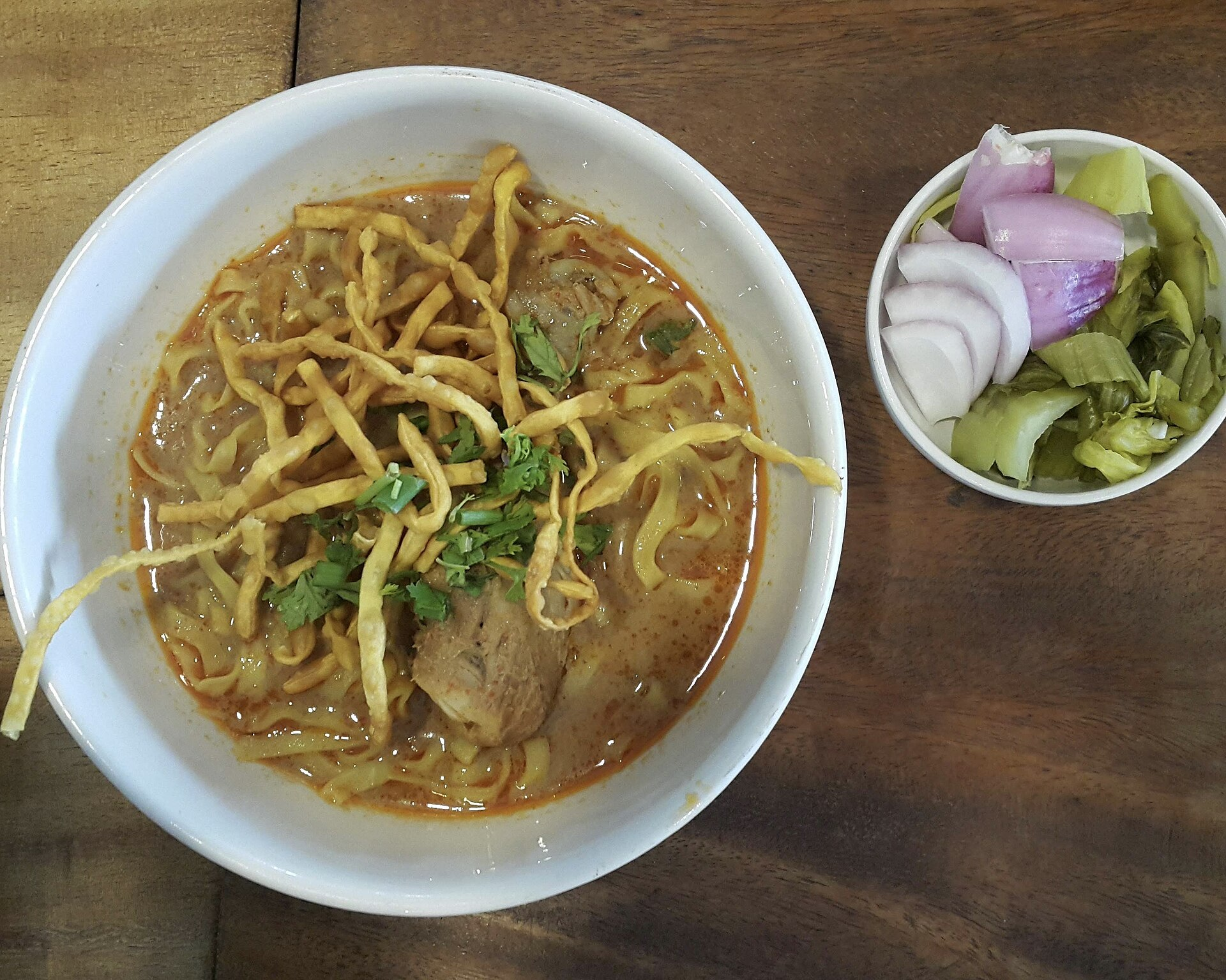
Egg noodles in a coconut curry broth, topped with a nest of crisp fried noodles, pickled mustard greens, shallot and lime.
The double noodle treatment — soft in the broth, crunchy on top — is what makes it distinctive, and it sits closer to Burmese cooking than to central Thai food. Khao soi is the noodle dish that puts two textures of the same noodle in one bowl.
12. Lo Mein and Its Relatives — Chinese Diaspora
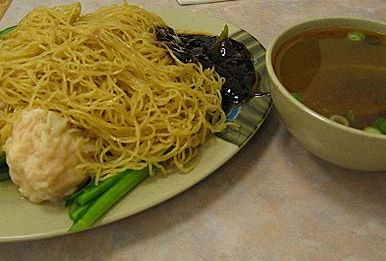
Soft wheat noodles tossed rather than seared, with sauce and vegetables, in a style that developed and spread through Chinese communities abroad.
The distinction from chow mein is real: lo mein noodles are boiled and tossed, chow mein noodles are fried for crispness. Most people use the names interchangeably and shouldn’t. Lo mein is the noodle dish whose name is most often applied to the wrong thing.
14. Naengmyeon — Korea
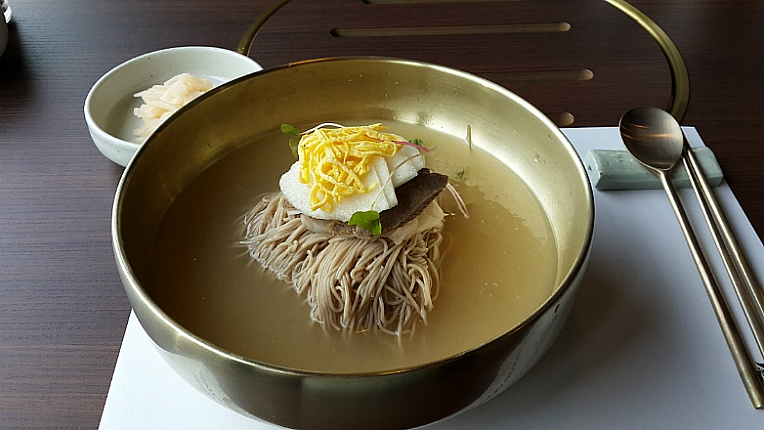
Thin buckwheat noodles in an ice-cold broth, sometimes with actual slush in the bowl, topped with pear, cucumber, egg and beef.
It is startling on first encounter — cold soup with noodles reads as wrong until you eat it in summer heat, at which point it makes complete sense. Scissors are provided. Naengmyeon is the noodle dish that seems like a mistake until the weather is right.
15. Spätzle — Germany, Austria and Switzerland
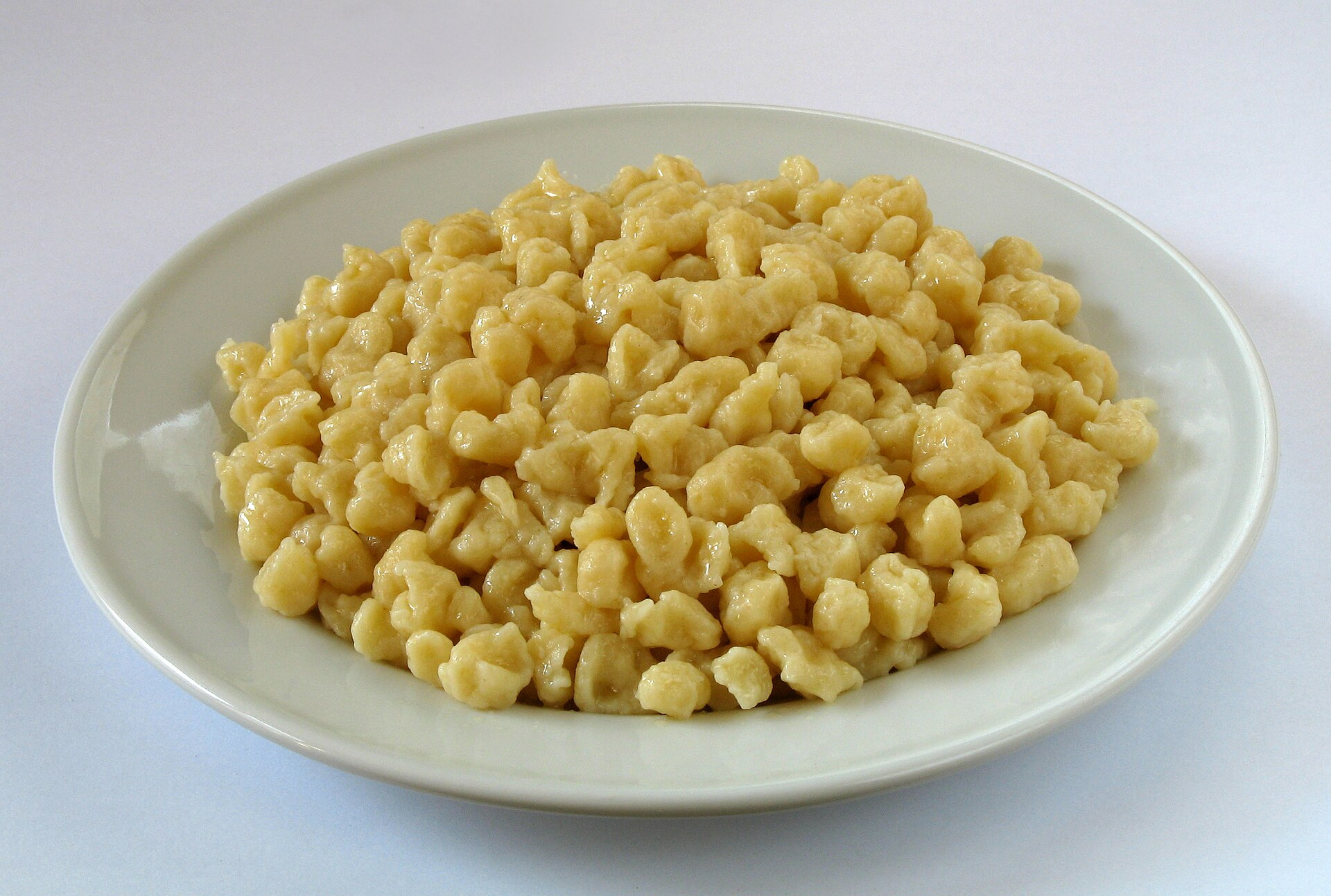
Soft egg noodle dumplings scraped or pressed into boiling water, then usually pan-fried in butter or layered with cheese and fried onion.
The dough is loose and wet rather than rolled and cut, which produces irregular, tender pieces quite unlike any Asian or Italian noodle. Spätzle is the noodle dish that proves central Europe has its own tradition entirely.
16. Sesame Noodles — Chinese and Chinese-American
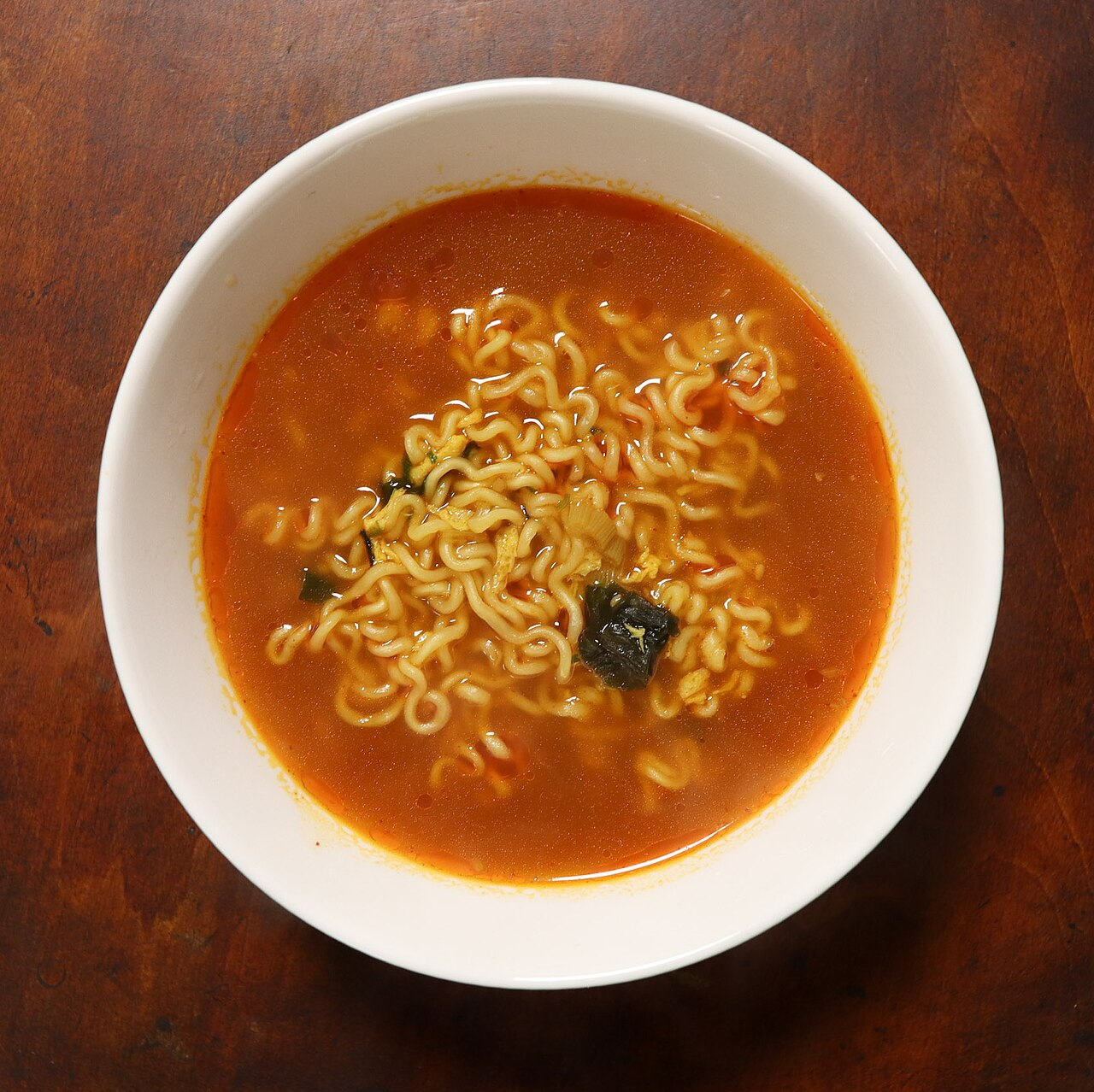
Cold wheat noodles in a sauce of sesame paste, soy, vinegar, garlic and a little chilli oil, topped with cucumber and spring onion.
It takes about fifteen minutes, keeps well, and is arguably the highest ratio of reward to effort on this entire list. Balance the sesame paste with enough acid or it turns heavy. Sesame noodles are the noodle dish to make when you have almost no time.
One Idea, Fifteen Answers
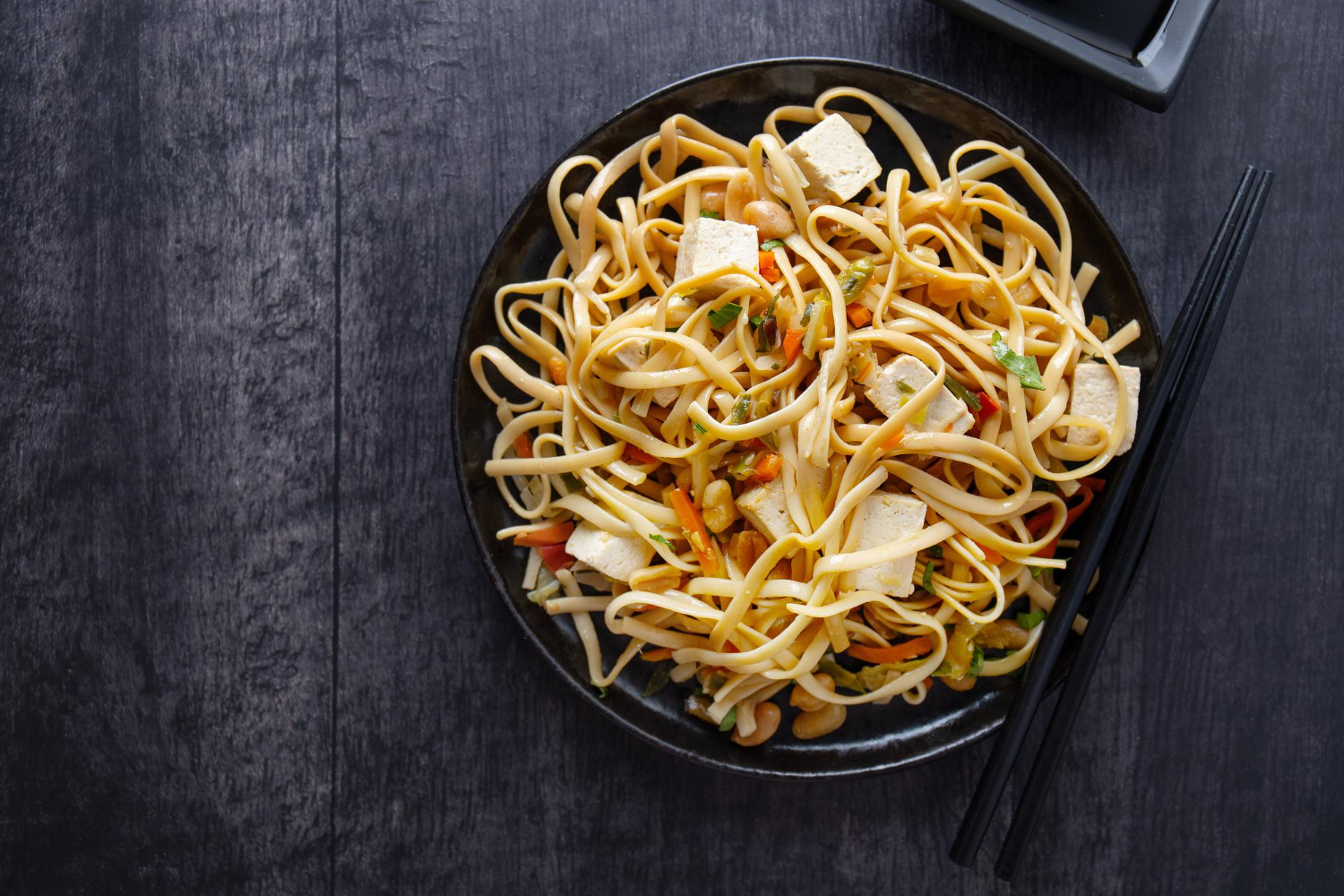
Wheat, rice, buckwheat, sweet potato starch; hot, cold, fried, sauced, in broth. What unites these is a cheap staple treated with enough care to become the centre of a meal rather than a filler.
Most of these are within reach of an ordinary kitchen, and the ones that are not — the wok dishes that want more heat than a domestic hob produces — are still worth attempting. Pick the one made from a starch you have never cooked with and start there.
Like our content? Follow us for more.