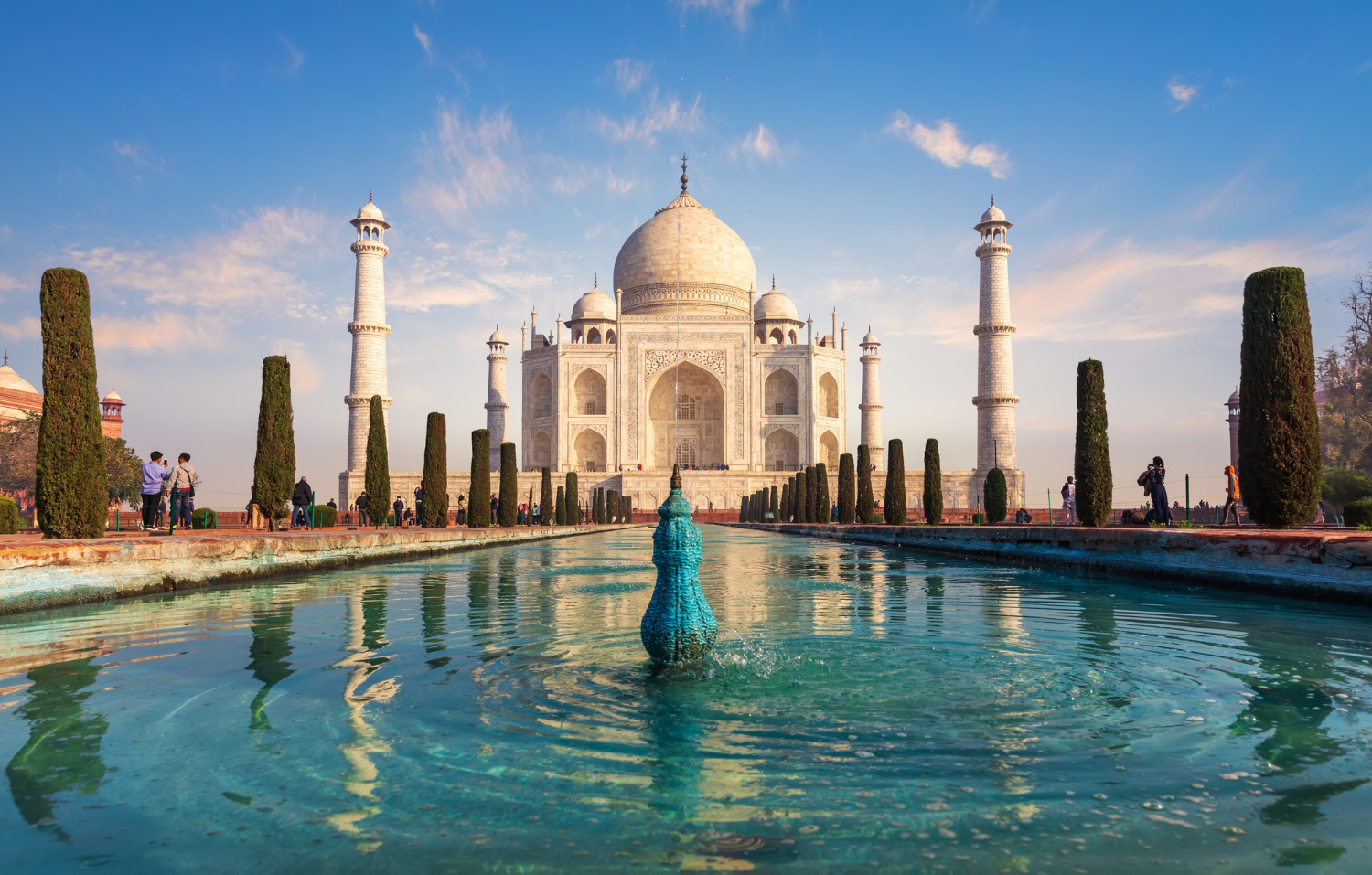
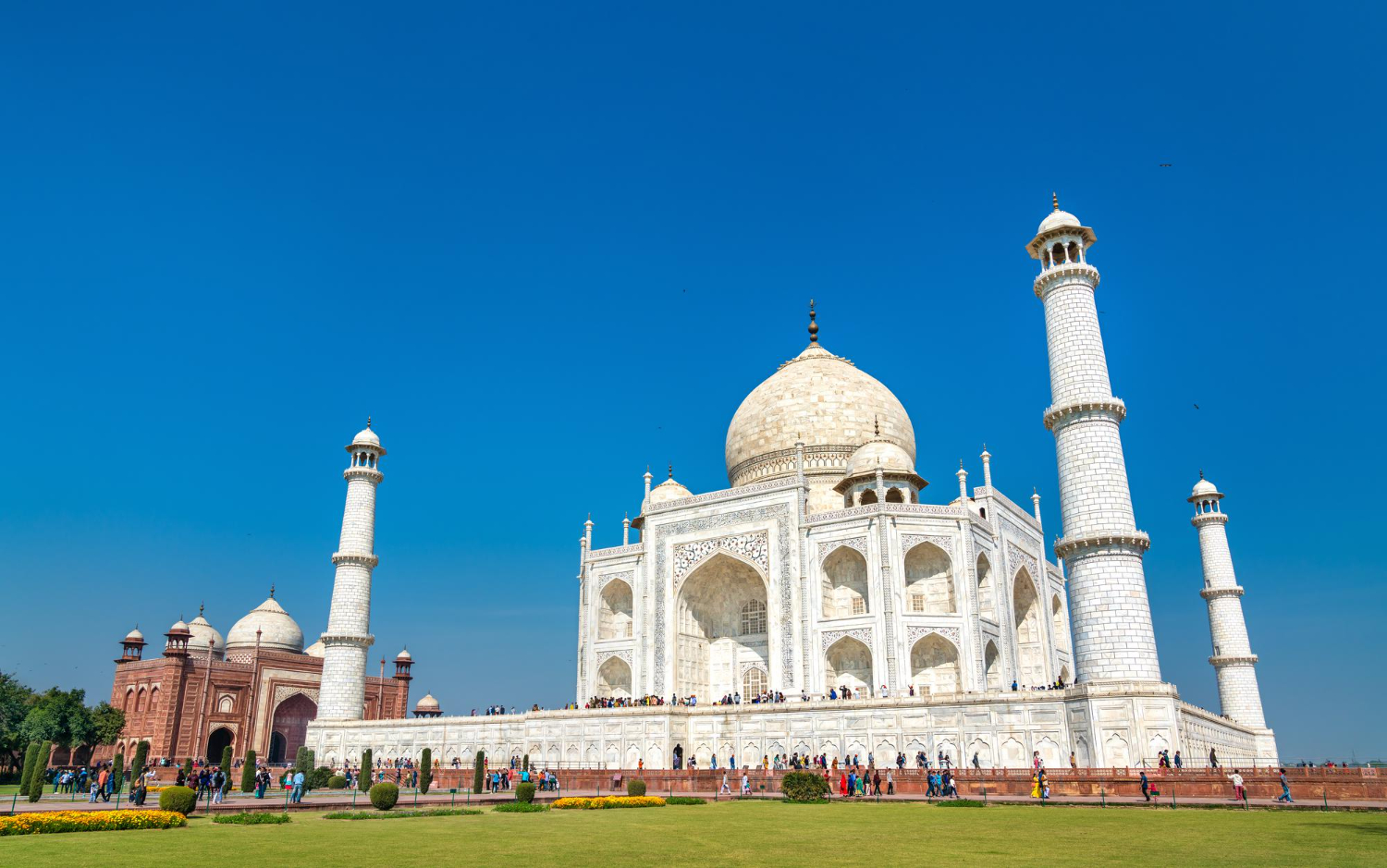
The Taj Mahal was built by the Mughal emperor Shah Jahan as a mausoleum for his wife Mumtaz Mahal, and it has become the world’s most recognizable monument to grief. Everything about it is designed around symmetry: the gardens, the flanking buildings, the reflecting pools, the facade itself.
Everything except one thing. Shah Jahan’s own tomb sits inside, beside his wife’s — and it is off-centre. In a building where every element is balanced, the emperor’s cenotaph is the single asymmetric feature, added after his death.
That anomaly is the seed of a legend. If the man who built the most symmetrical building in the world ended up in an asymmetric grave, perhaps he had planned something else: a matching mausoleum of his own, in black marble, directly across the river, joined to the white one by a bridge.
The story has been told for over three centuries. It has a documented origin, physical evidence that appeared to support it, and an archaeological investigation that appears to have resolved it. Here is what happened.
The Legend and Where It Came From
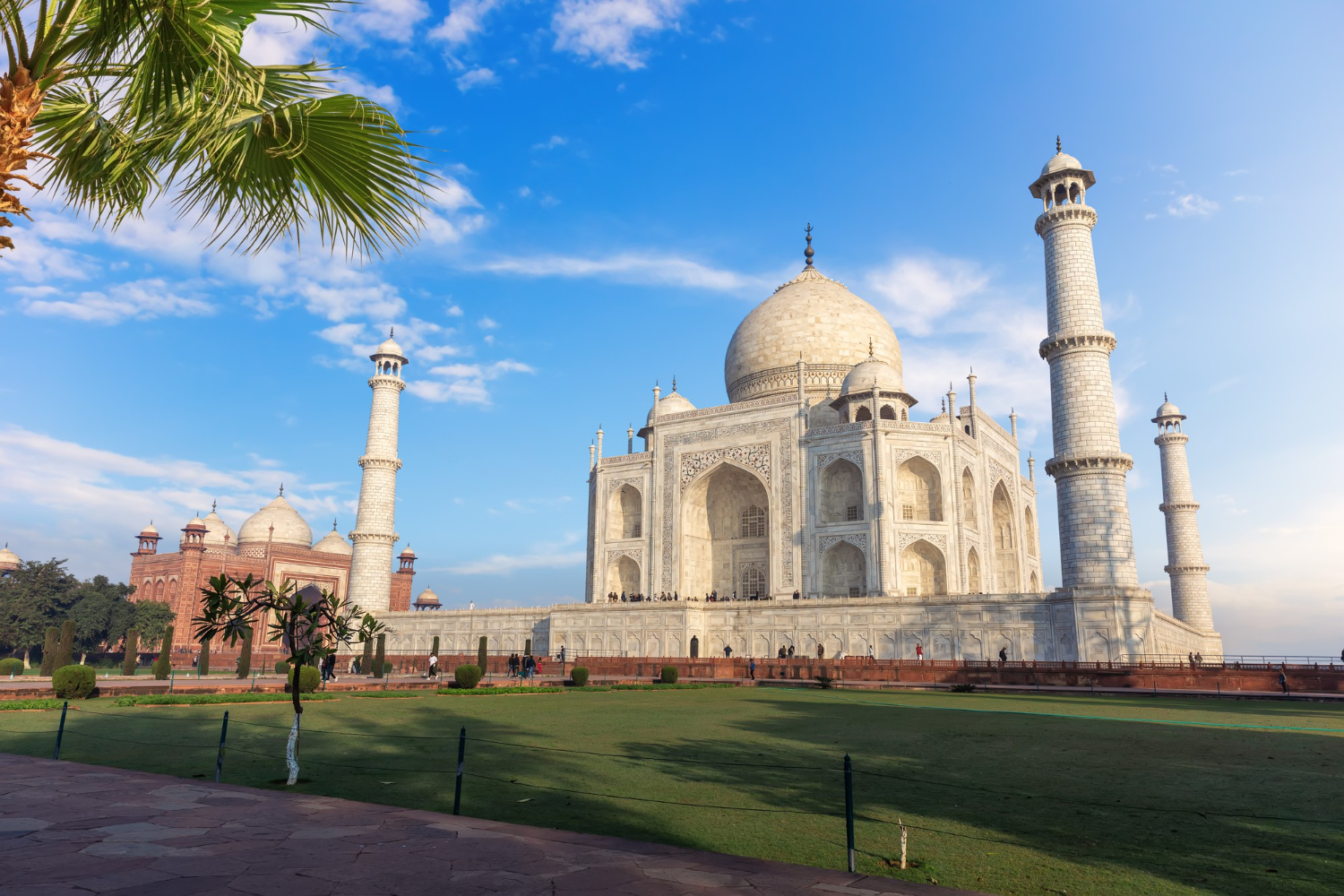
The tale is specific. Shah Jahan intended to build a second mausoleum of black marble at Mehtab Bagh, the Moonlight Garden, on the northern bank of the Yamuna directly opposite the Taj Mahal. The two structures — one white, one black — would mirror each other across the water, connected by a bridge. Construction was begun and then halted when his son Aurangzeb overthrew him in a coup and imprisoned him in Agra Fort, where he spent his final years looking at the white tomb from a window, never seeing his own completed.
The earliest known source is identifiable: Jean-Baptiste Tavernier, a French gem merchant and traveller who visited Agra in 1665 and recorded that Shah Jahan had begun a black marble mausoleum before the project was stopped.
That is a contemporary-ish account from a named European visitor, which is why the story carried weight. It also fits everything known about Shah Jahan: an emperor obsessed with architectural symmetry, capable of enormous expenditure, and truly devoted to his wife.
And for a long time, visitors to Mehtab Bagh were shown blackened stone remains as physical confirmation.
Like our content? Follow us for more.
What the Excavations Found
The Archaeological Survey of India excavated Mehtab Bagh in the 1990s, with further investigation into the 2000s, and the results dismantled the physical evidence.
The supposed black marble was not black marble. It was white stone, discoloured. Centuries of exposure to weather, moss and pollution had stained it dark, producing the appearance of black ruins to anyone who wanted to see them.
Nor did the excavations find what a halted construction project should leave behind. There were no foundations for a mausoleum, no evidence of material preparation, no signs of the serious construction activity that a monument on that scale would require. What they found instead was a garden: gardens, fountains, and a large octagonal water tank, aligned symmetrically with the Taj Mahal across the river.
Mehtab Bagh, it turns out, was exactly what its name suggests. It was a Mughal pleasure garden, originally founded by the emperor Babur, designed to provide a perfectly framed and symmetrical view of the Taj Mahal from the opposite bank — a place to look at the monument, particularly by moonlight.
The documentary record supports the same conclusion. Court records, architectural documents and contemporary accounts contain no mention of a black mausoleum project, despite the fact that Shah Jahan’s other building works are extensively documented. An empire that recorded its construction projects in detail left no trace of this one.
The Explanation That Fits Better
If there was no black building, where did the image come from? The most persuasive answer is beautifully simple, and it was demonstrated rather than argued.
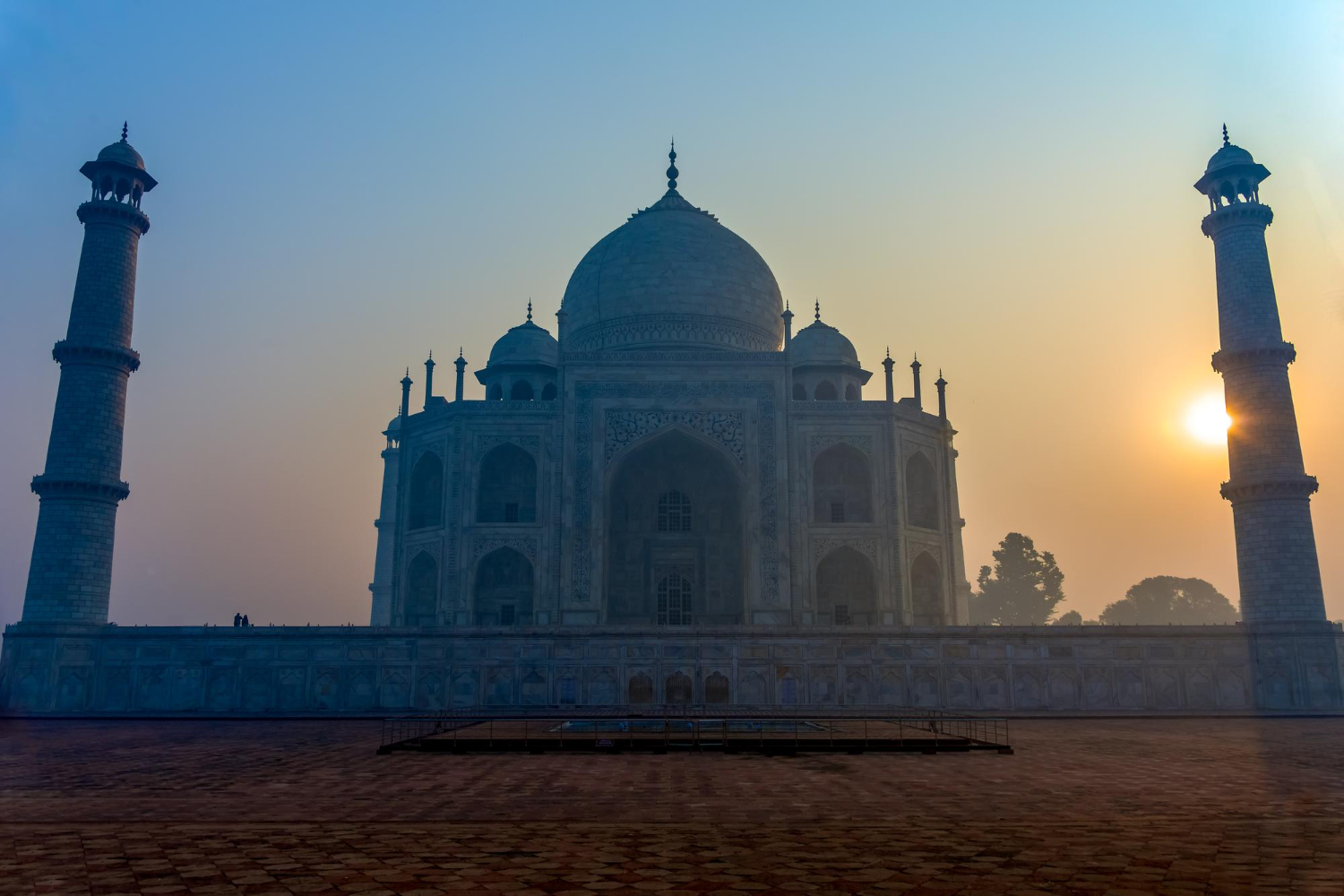
In 2006, archaeologists reconstructed part of the pool in Mehtab Bagh. When it held water, the white mausoleum’s reflection appeared in it — and a reflection of white marble in still, dark water reads as a dark building.
Stand in the Moonlight Garden at night, with the pool filled, and you would see the Taj Mahal and, beneath it, a second Taj Mahal in shadow. That is precisely the symmetry Shah Jahan is known to have prized, achieved not by building a twin but by positioning a pool to produce one.
On this reading, the black Taj was real in the sense that mattered to its designer. It simply was not made of marble.
Why It Persisted Anyway
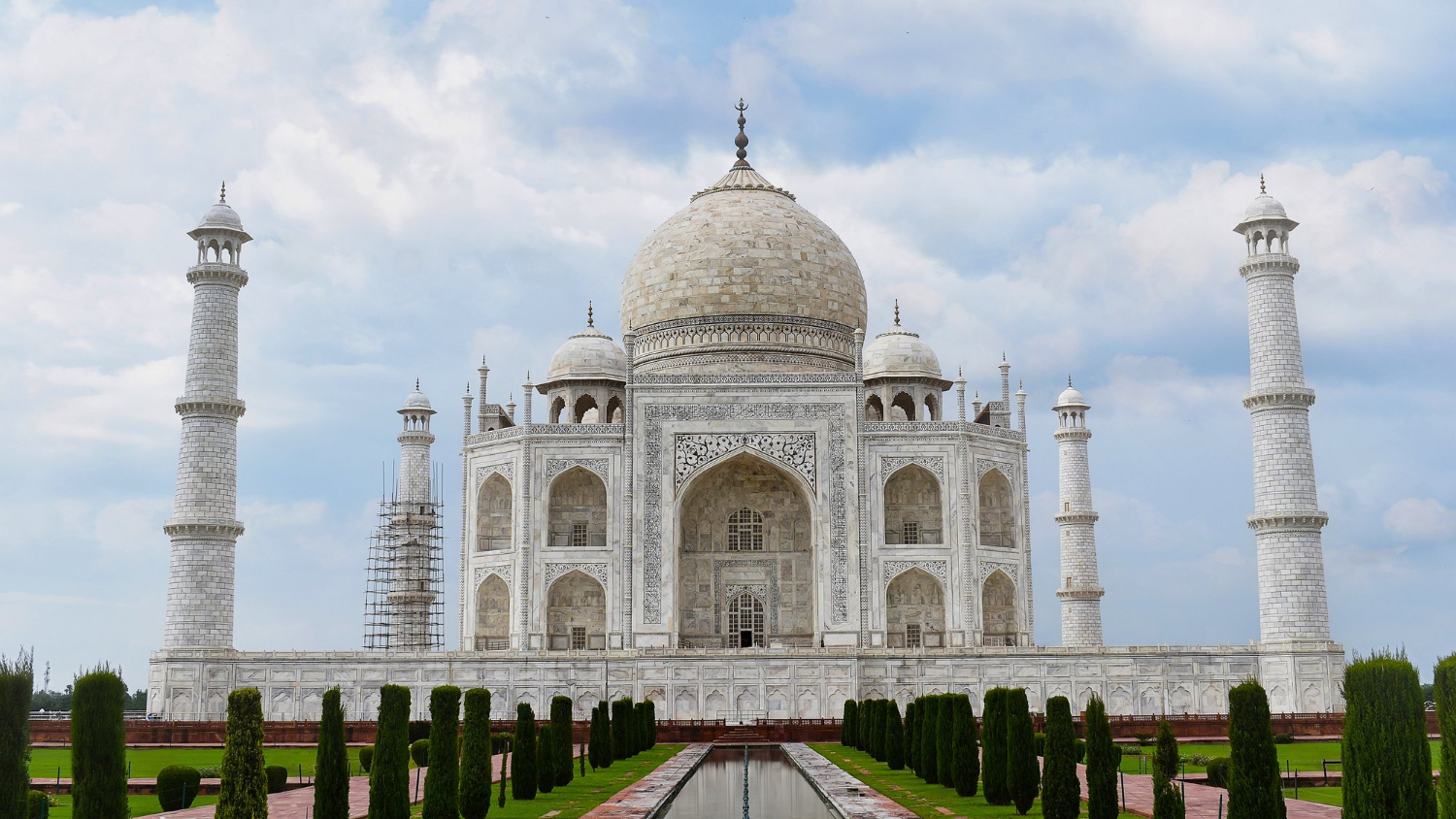
A myth with a traceable origin, no documentary support and a debunking excavation should have died. It has not, and the reasons are worth examining.
The first is emotional fit. The Taj Mahal is understood as a monument to love and loss, and a dark mourning twin completes that story perfectly. As one account of the legend puts it, the myth endures because it is emotionally satisfying — but emotion is not evidence.
The second is that the surrounding facts are all true. Shah Jahan was obsessed with symmetry. Aurangzeb did depose and imprison him. He did spend his final years in Agra Fort. His cenotaph in the Taj is truly asymmetric. A story assembled from accurate components feels accurate.
The third is that it was told by a named eyewitness-adjacent source in 1665, which grants it a pedigree most legends lack.
And the fourth is that visitors were shown ruins. Physical evidence, even misinterpreted physical evidence, is extraordinarily persuasive.
It is worth noting that most historians say there is no credible proof Shah Jahan commissioned or began such a building, while some allow that he may well have intended some form of balanced arrangement across the river, given his documented preferences. Intending symmetry and commissioning a black marble tomb are different claims, and the second is the one that fails.
The Other Myths the Taj Attracts
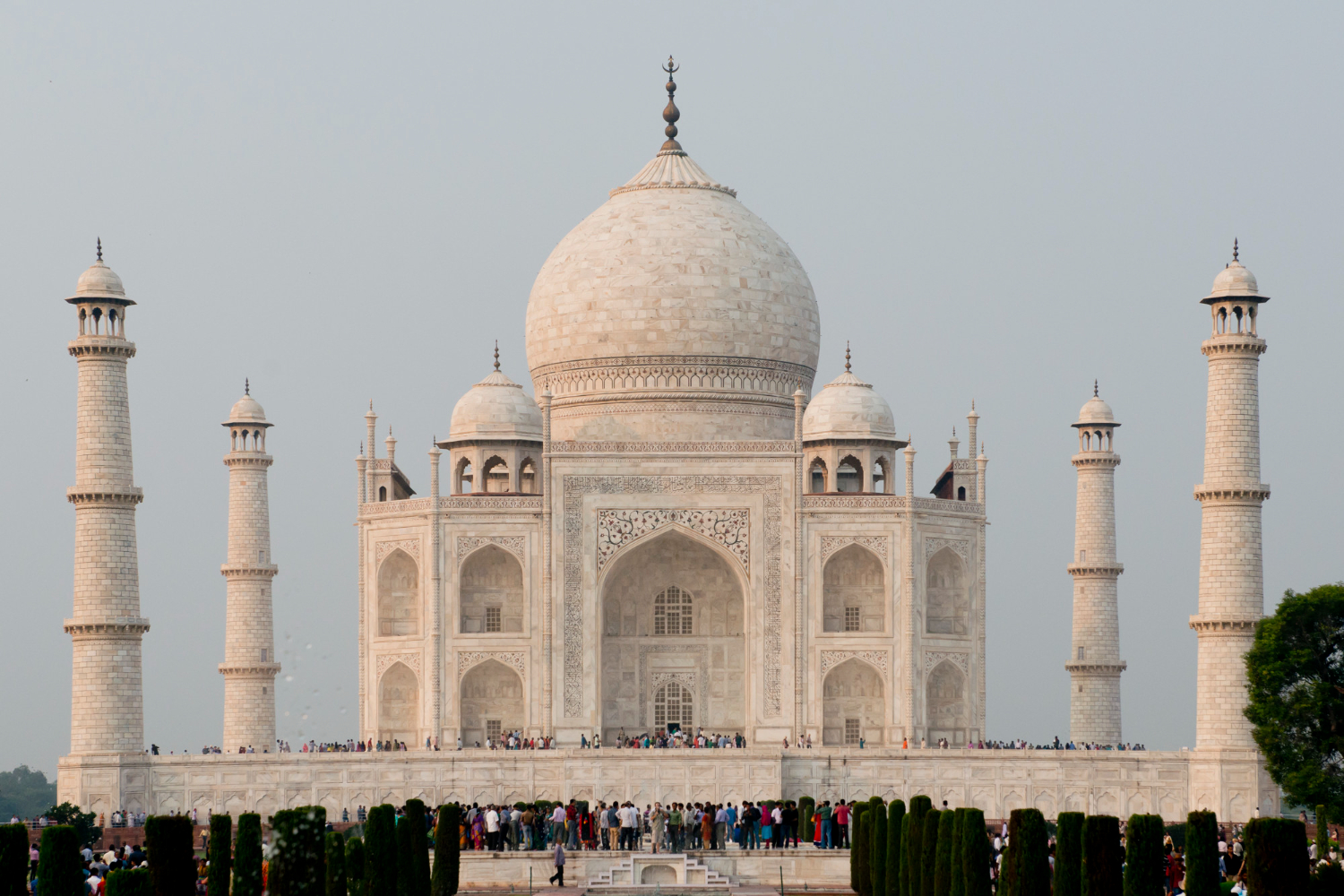
The black Taj is one of a cluster of legends attached to this building, and they share a pattern.
There is the story that Shah Jahan had the hands of the craftsmen cut off so they could never build its equal — a persistent tale with no historical support. There is the claim that the British planned to dismantle the monument, when in fact Lord Curzon led major restoration work. There is the assertion that it was built atop a Hindu temple, which archaeological evidence does not support; the site previously held a mansion. And there is the belief that its construction bankrupted the empire, when estimates put the cost at something on the order of two to three years of imperial revenue — enormous, but not ruinous.
The common thread is instructive. As one analysis of these myths puts it, they emerged from the monument’s seemingly impossible perfection, prompting people to invent dramatic explanations for something that was actually the product of exceptional skill, resources and dedication.
There is a real Black Taj, incidentally, though not the legendary one — the name is sometimes applied to another Mughal structure elsewhere, which has fed the confusion further.
What Is Actually Known About the Building
Set against the legend, the documented history of the Taj Mahal is remarkable enough without embellishment.
Construction began in the early 1630s and the main mausoleum was largely complete within roughly a decade, with the wider complex taking around twenty years. It employed an enormous workforce and drew materials from across Asia: white marble from Rajasthan, and inlay stones including jasper, jade, turquoise and lapis lazuli brought from as far as Central Asia and beyond.
The decoration is inlay work rather than paint — semi-precious stones cut and set into the marble in floral patterns, a technique requiring extraordinary precision at that scale.
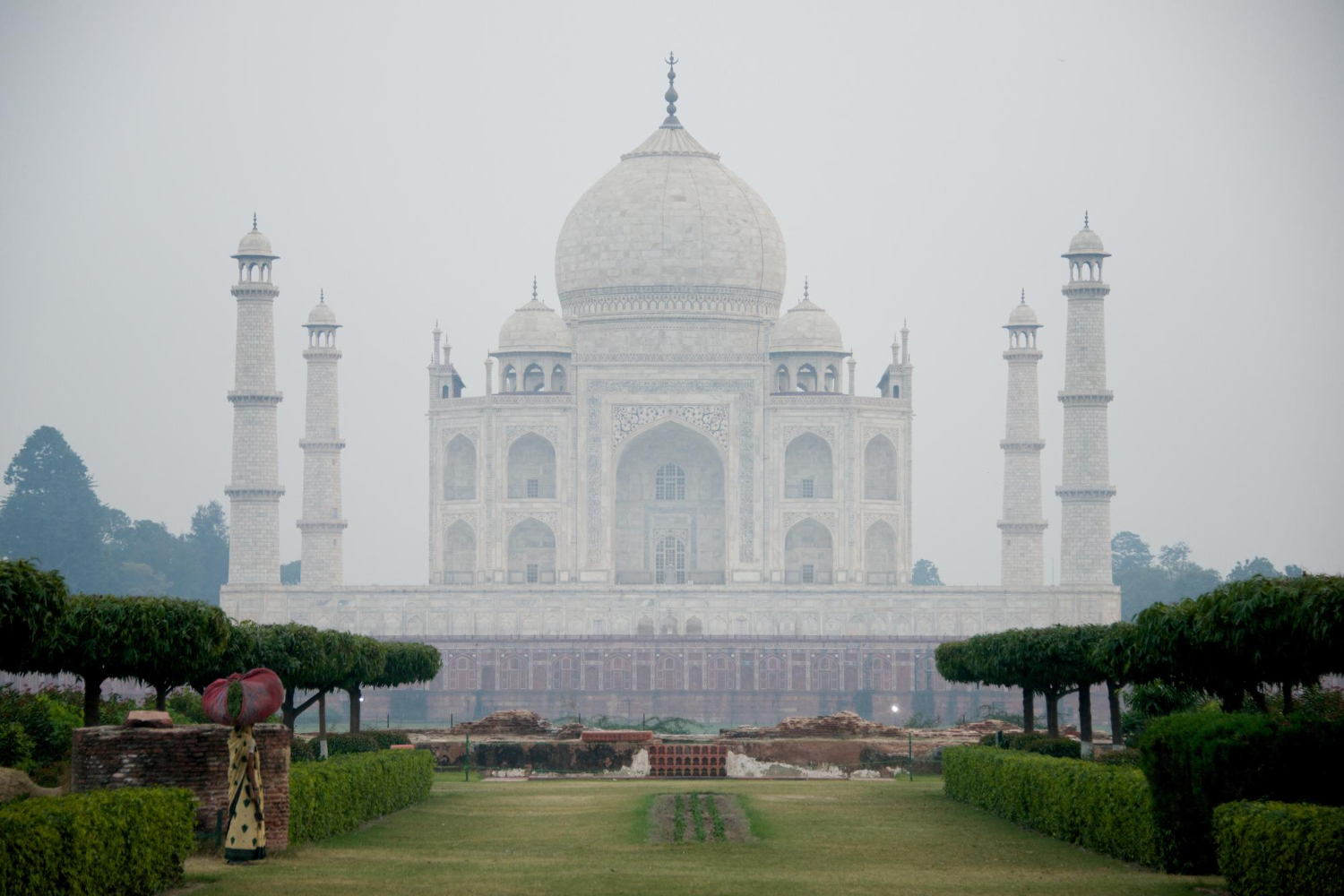
The optical design is deliberate. The minarets lean very slightly outward, a choice generally understood as protecting the central dome had they ever fallen. The calligraphy framing the entrance arch increases in size with height so that it appears uniform from the ground.
And the marble itself changes appearance through the day, taking on different tones in morning, midday and evening light — an effect frequently attributed to romance and actually the product of a translucent stone responding to changing conditions.
What to Do With a Beautiful Story
None of this makes Mehtab Bagh less worth visiting. It is arguably the best place to see the Taj Mahal: the view is symmetrical, uncrowded, and at sunset the monument glows across the water in exactly the way the garden’s designers intended.
Standing there explains why the legend took hold. The composition is so deliberate, so obviously built around a facing relationship, that the mind reaches for a facing building.
The truth is that Shah Jahan already had his symmetry. He got it with water, a garden and a sightline, which is a subtler achievement than a second mausoleum and required no black marble at all.
The legend survives because it is lovely. But the reality — an emperor who understood that a reflection is a building you do not have to construct — is the better story, and it has the advantage of being supported by what is actually in the ground.
Like our content? Follow us for more.