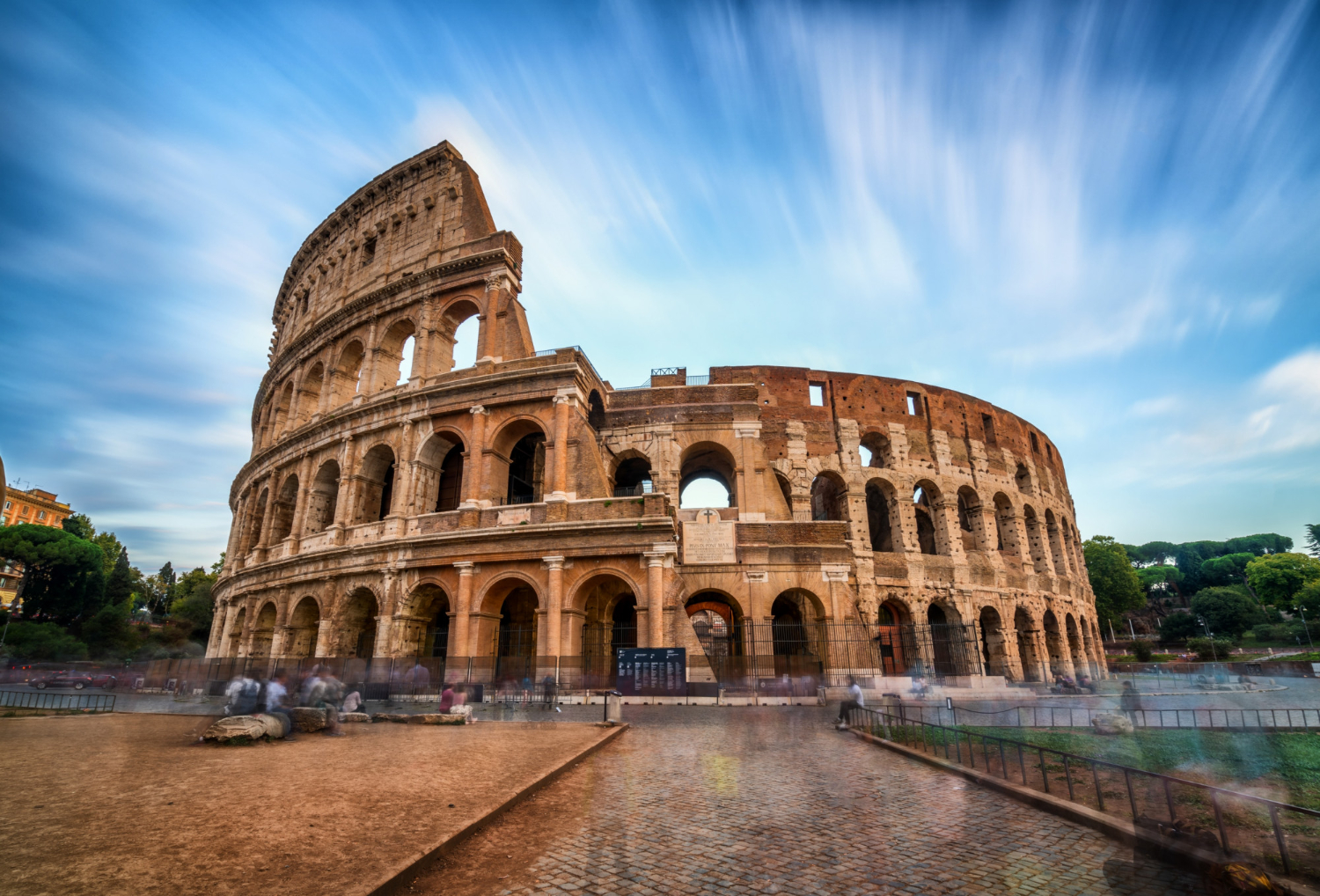
The Colosseum is the most recognizable building surviving from the ancient world, and one specific claim about it has proved unusually durable: that the Romans filled it with water and staged naval battles inside.
The claim comes with ancient authority. Writers including Cassius Dio and the poet Martial recorded such spectacles during the inaugural games held by the emperor Titus in 80 AD, and the Romans had a word for them: naumachia, meaning a staged sea battle.
It also comes with a substantial problem. Not a single water pipe has ever been found inside the Colosseum. Archaeologists have been arguing about whether these events actually happened there, and if so how, for a very long time. The most recent revival of the argument came from a film, but the underlying scholarly dispute long predates it.
The answer that emerges is more interesting than a simple yes or no, and it hinges on a piece of construction that closed the door forever. Here is what the evidence actually supports.
What the Ancient Sources Say
The written record is the starting point, and it is not vague.
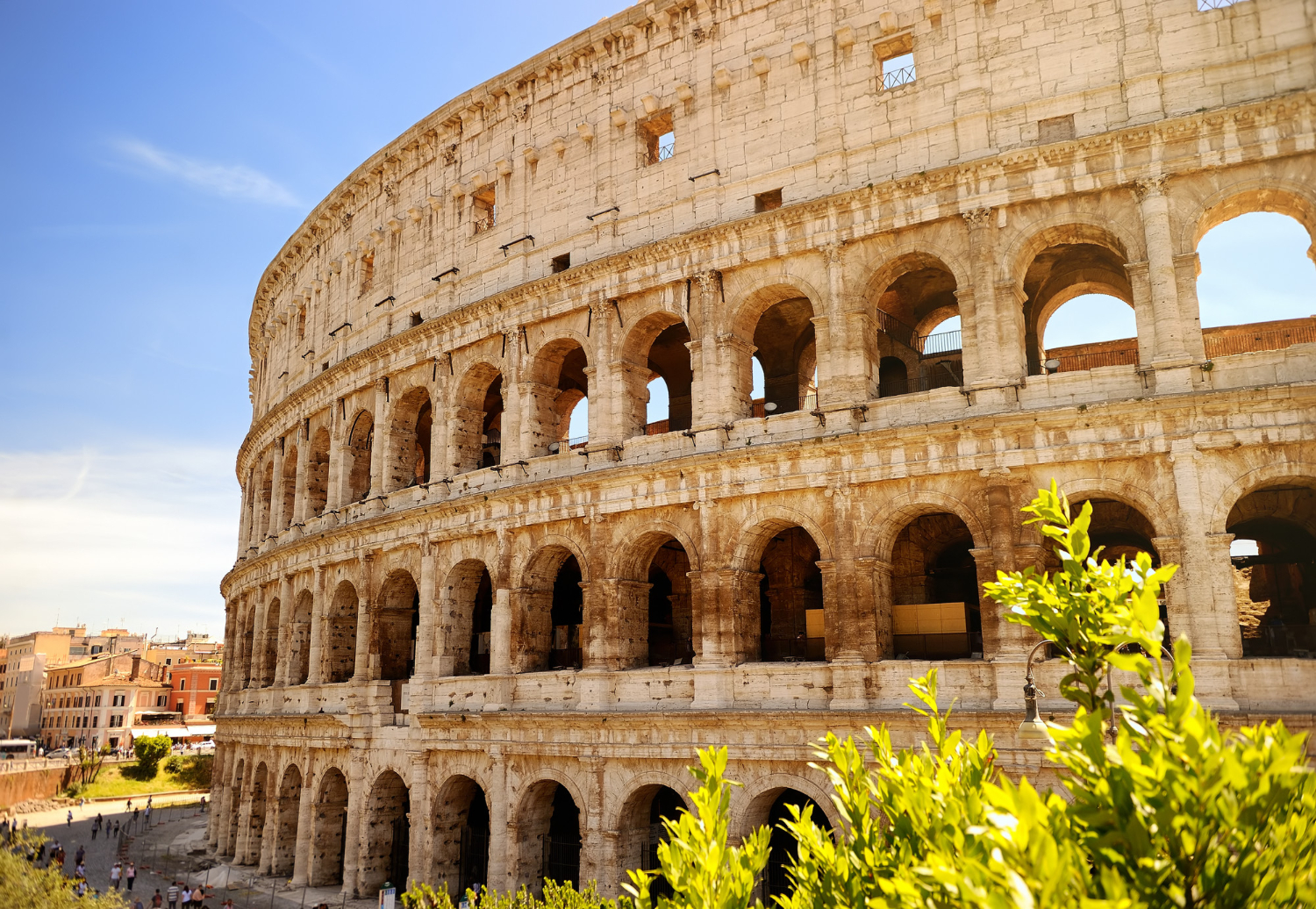
Cassius Dio and Martial both describe water spectacles at the Colosseum’s inaugural games in 80 to 81 AD. Suetonius records that the emperor Domitian arranged a naumachia in the Colosseum around 85 AD. These are separate sources describing events at a specific venue.
Naumachiae were not invented for the Colosseum. They were an established, extremely expensive form of Roman spectacle, usually staged on lakes or in purpose-built basins. Augustus built a dedicated naumachia basin, inaugurated in 2 BC, measuring well over 1,800 by 1,200 feet and fed by its own aqueduct. Domitian later built another venue for them on the banks of the Tiber, where the ships used were reportedly close to the size of real naval vessels.
That context matters. Roman engineers demonstrably could stage water battles at enormous scale. The question is only whether they did it inside this particular building.
It is worth stating plainly that these were not theatrical performances in the modern sense. The combatants were condemned prisoners and captives, and the events involved real fighting. That is part of the historical record and is noted here without further detail.
Like our content? Follow us for more.
The Case That It Happened
Several strands of physical evidence support the ancient accounts.
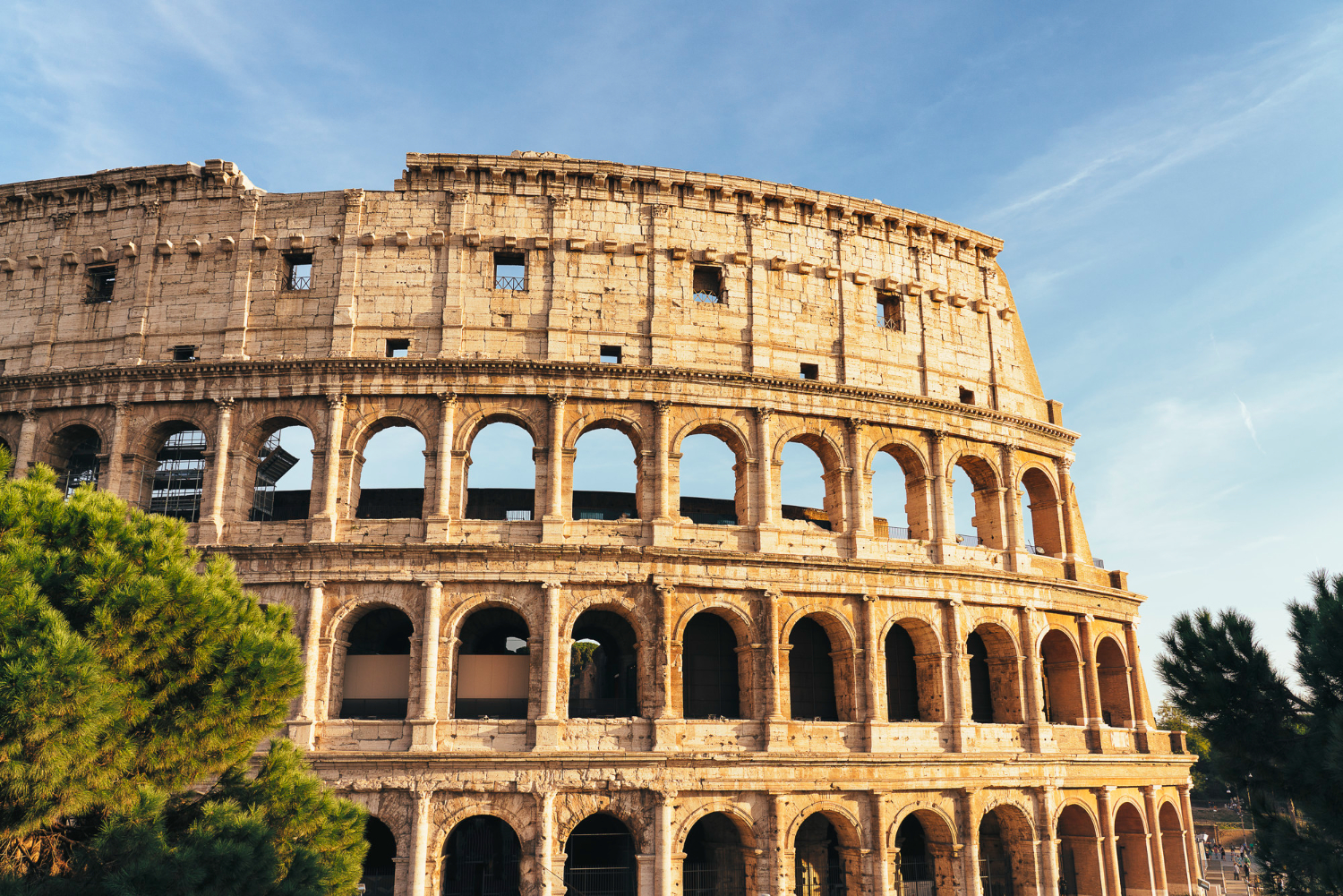
The first is the arena floor itself. Coins minted during Titus’s reign depict the amphitheatre with a flat arena floor and no sign of the underground complex. That suggests the substructures had not yet been built when the building opened, leaving a flat, sealed basin.
The second is waterproofing. Sections of the lower arena walls preserve remnants of opus signinum, a pinkish hydraulic plaster the Romans used specifically to resist water. The obvious question follows: why waterproof stone unless you intended it to hold water?
The third is engineering analysis. In the early 2000s Martin Crapper, a civil engineer now at Northumbria University, examined whether flooding the Colosseum was practical, combining archaeological evidence with modern hydraulic engineering. His paper, published in the Proceedings of the Institution of Civil Engineers in 2007, assessed how quickly the Romans could have filled the arena and where the water would have come from. He found that the underground chamber at the base of the building was partially lined with mortar, which he read as a clear sign of early waterproofing.
The water supply was available. The Colosseum was served by a branch of the Aqua Claudia aqueduct — the same system that had previously fed Nero’s artificial lake, which had occupied the site before the amphitheatre was built on it.
Current scholarly thinking suggests that before the underground level was excavated, the arena could plausibly have been sealed and filled to a depth of roughly 1.5 metres.
The Case Against
The objections are serious, and they are why the debate persists.
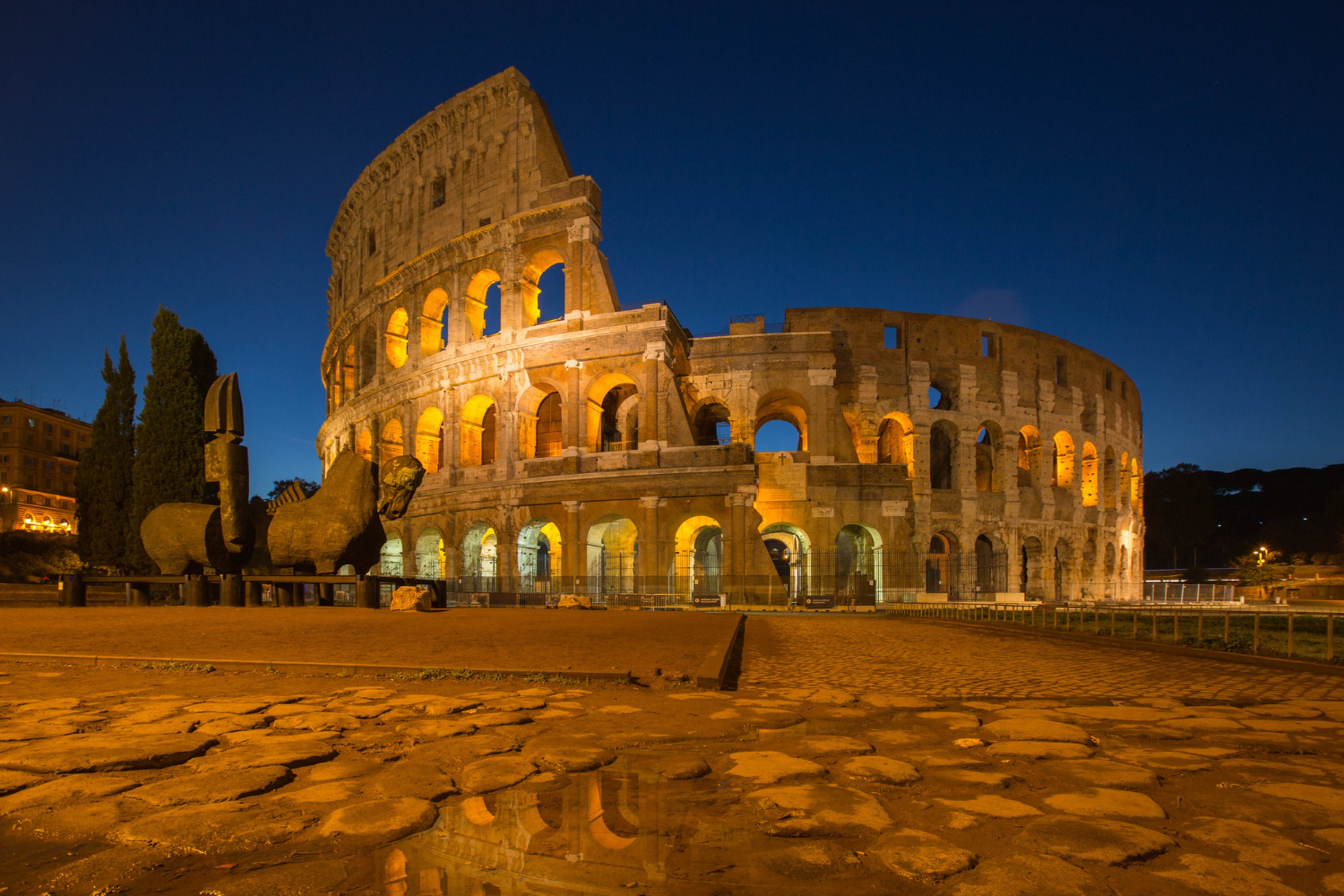
The most damaging is the absence of plumbing. No actual water pipes have been found inside the Colosseum. What exists are stone inlets where pipes may have run, and fountains that would have used them. That is suggestive rather than conclusive.
Then there is size. The arena is not large by naval standards, and a pool a metre and a half deep would not float anything resembling a real warship; hulls would ground. Heinz-Jürgen Beste, an archaeologist at the German Institute of Archaeology in Rome who has studied the building extensively, notes that this lack of evidence combined with the relatively small size has led some archaeologists to conclude naumachiae simply were not possible there.
There is also a structural objection. A study by the University of Bath estimated the total weight of the water at roughly twenty thousand tons, which would have loaded the foundations far beyond their design intent.
And there are logistics. Ships would have to be brought through the streets of Rome, the arena drained afterward, and the whole operation staged in a building being used for other spectacles.
Beste’s own position is that the Romans may have used smaller vessels built specifically for the purpose, and he notes there was strong political incentive: it was important for Titus to demonstrate what his new amphitheatre could do.
What the Hypogeum Settled
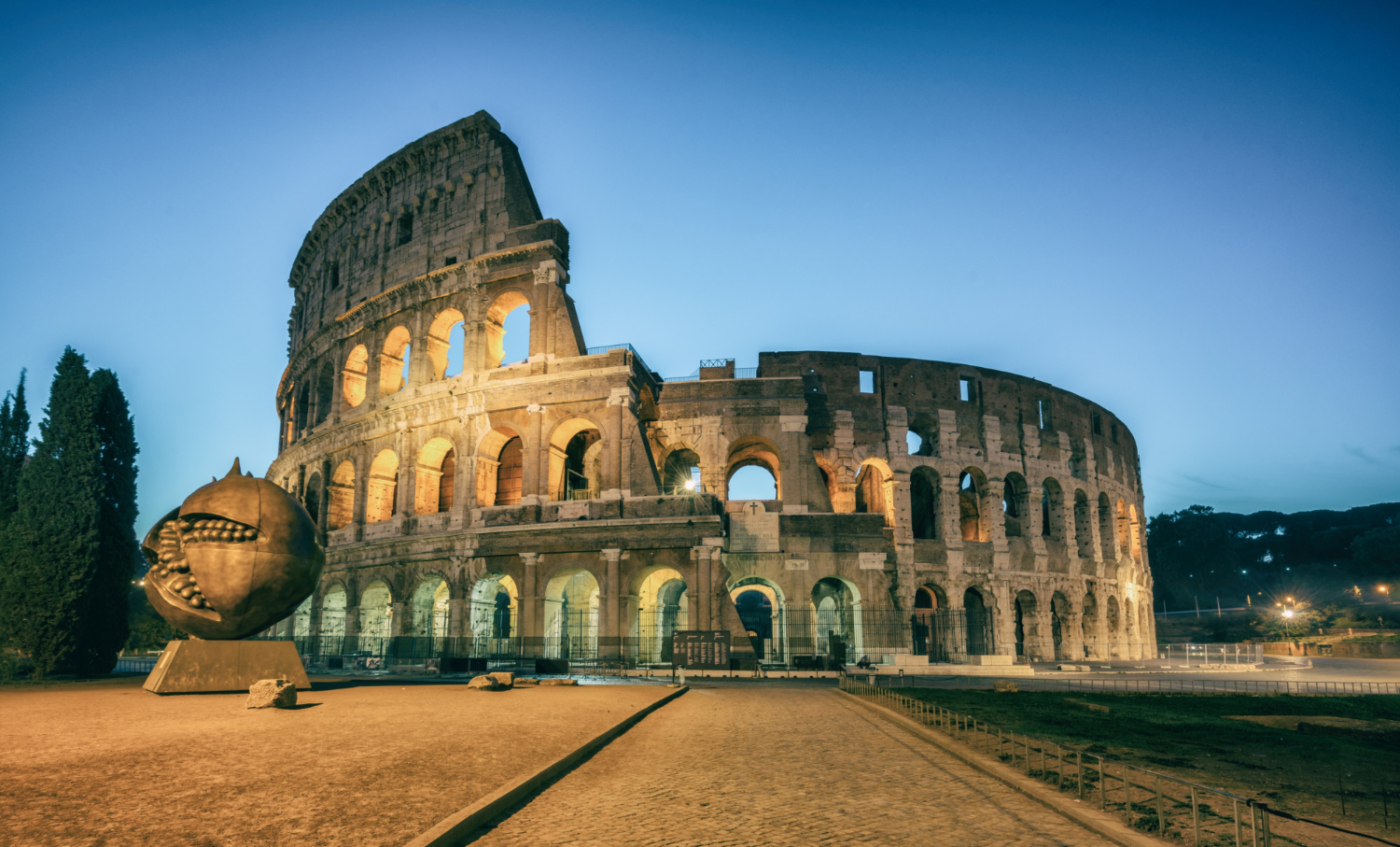
The most decisive piece of the puzzle is what came next.
Under Domitian, who ruled from 81 to 96 AD, the arena floor was dug out and replaced with the hypogeum: a two-level network of tunnels, cages, corridors, lifts and machinery used to hold gladiators, animals and equipment, and to produce the elaborate staging effects the games became famous for.
Once that existed, flooding the arena was over. You cannot fill a basin that has a warren of wooden machinery and animal pens underneath it. Ancient sources record no further naval spectacles in the building after the hypogeum was completed, and Domitian built his separate riverside venue for them instead.
There is a neat irony in that. The structure that enabled the Colosseum’s most sophisticated spectacles simultaneously ended its briefest and strangest one.
It also explains the evidentiary problem. The underground area has been altered beyond recognition, which is precisely why reconstructing how the flooding worked is so difficult. The evidence was dug away.
Looking Sideways for Answers
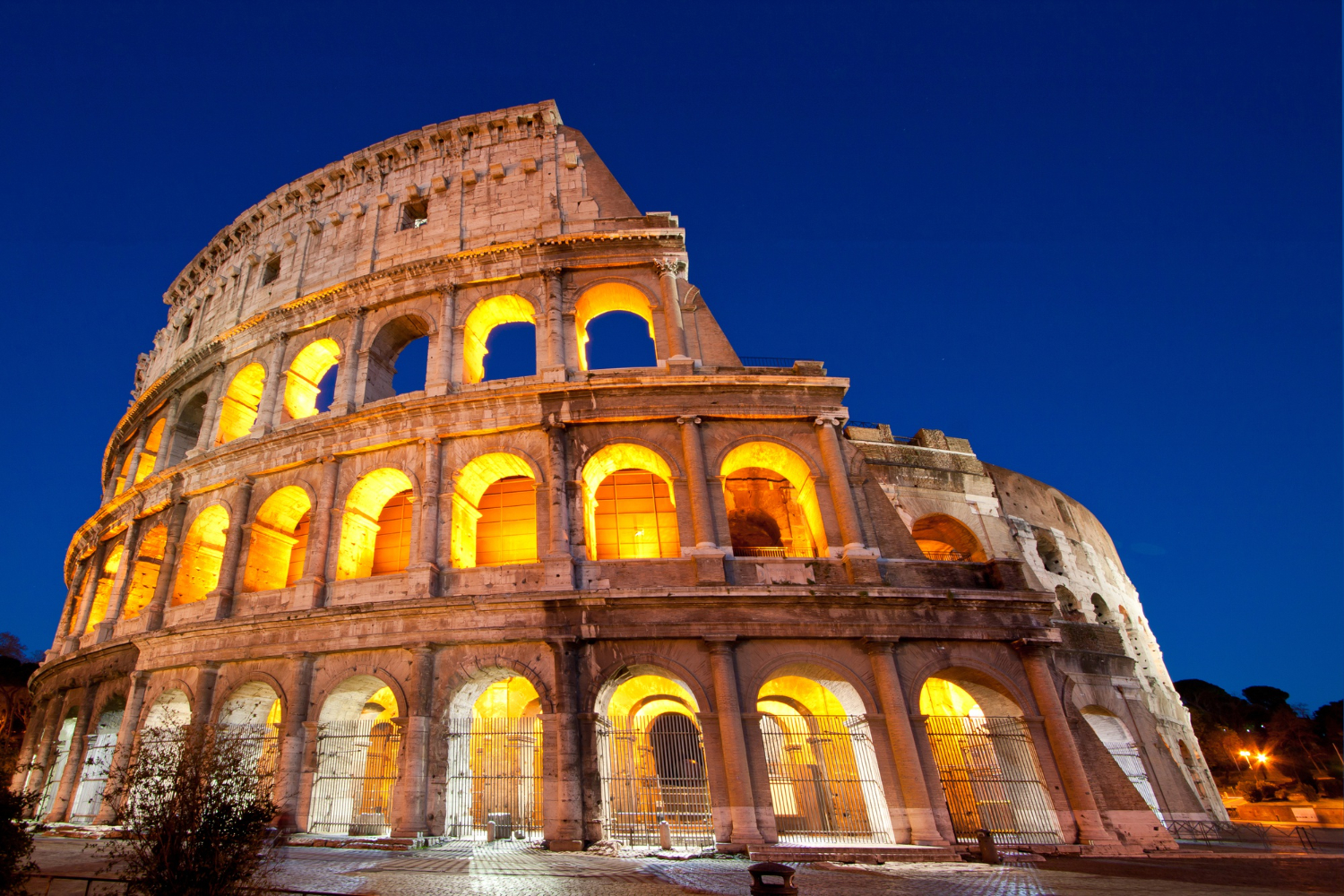
Because the Colosseum’s own substructure is gone, researchers have looked at comparable buildings, and one in particular is informative.
The Roman arena at Verona has a basin beneath it connected to two axial conduits. One would have connected to an aqueduct to fill the basin; the other was designed to drain water out into the Adige river. That is a functioning flood-and-drain system in a Roman amphitheatre, which demonstrates the concept was real and gives a plausible model for how the Colosseum might have worked before its underground was excavated.
Arena-based naumachiae appear to have become more popular than lake or purpose-built basin versions precisely because they were cheaper and could therefore be staged more often.
Modern investigation continues. In 2014 Italian engineers used ground-penetrating radar to map the Colosseum’s foundations, and study of the building’s drainage systems has already revealed a great deal about what happened there, down to what animals were present and what spectators ate.
Where the Water Would Have Come From
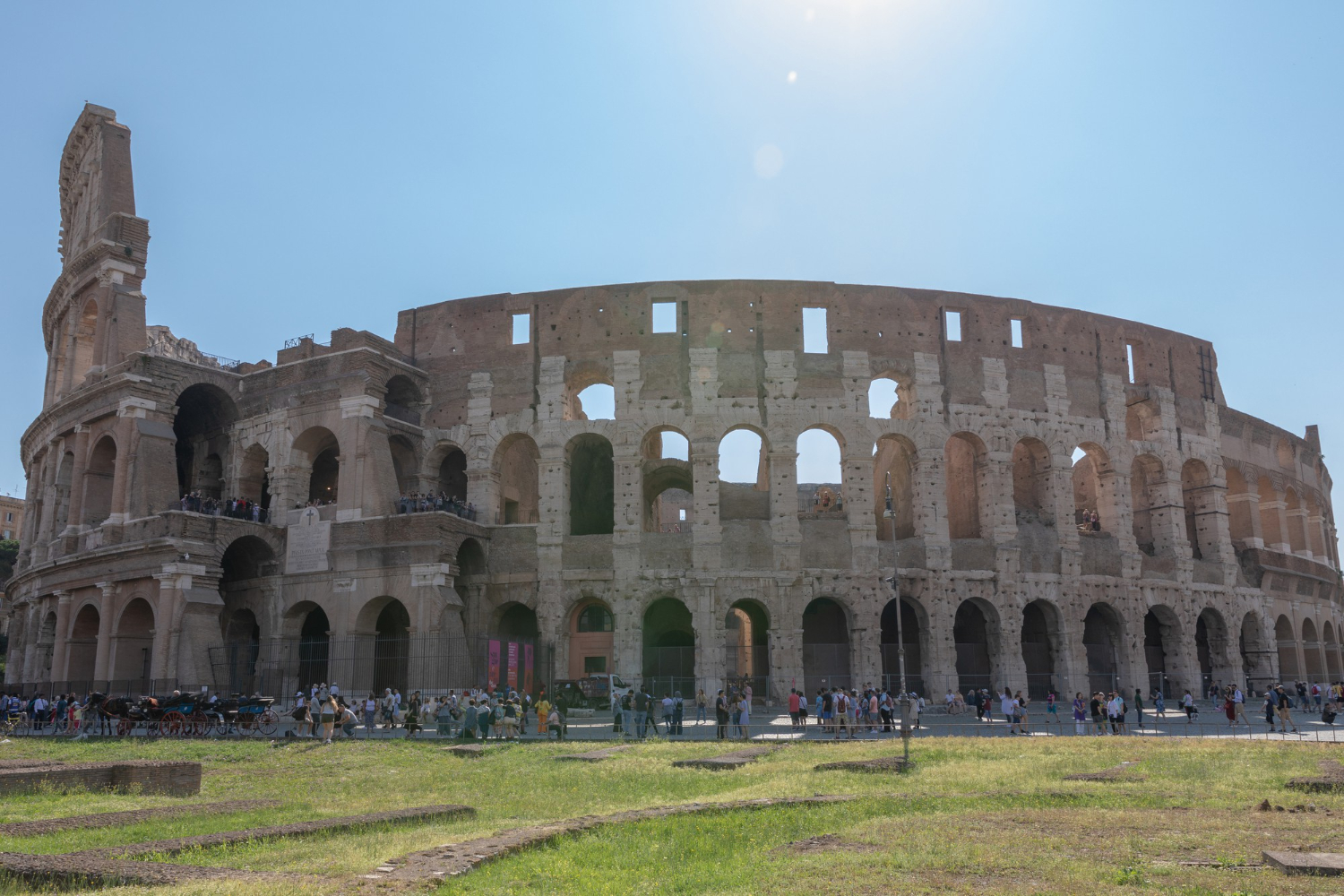
One practical question deserves its own answer, because it is the part most people assume was the obstacle.
Supplying the water was not the hard problem. Rome had one of the most sophisticated water networks in the ancient world, with aqueducts delivering enormous volumes into the city continuously, and the Colosseum sat on a site already plumbed for water at scale — Nero’s artificial lake had occupied the ground before the amphitheatre was built over it, fed by a branch of the Aqua Claudia.
Crapper’s engineering assessment addressed exactly this, working out how quickly the arena could have been filled and from where. The conclusion was that it was achievable within the timescales a public spectacle would require.
Drainage was equally feasible. Roman amphitheatres were built with substantial drainage systems to handle rainfall on an open structure, and the Colosseum’s have been studied in detail.
So the objections to the naumachia story are not really about whether the Romans could move the water. They are about whether this particular building, at this particular size, with a floor that was shortly to be dug out, was ever actually used that way.
What the Argument Is Really About
The honest summary is this: the Romans very probably did flood the Colosseum, at least once, during its inaugural year, in shallow water, with small purpose-built craft — and then stopped permanently within a few years.
That is substantially less cinematic than the popular image of full-size warships manoeuvring inside the arena. Historians generally think actual naval manoeuvring was unlikely given the space, and that props may have stood in for much of the fleet.
What makes the case truly instructive is what it shows about reading history. The ancient sources were not lying. They were writing for effect, and they left out the numbers. Martial mentions ships without saying how many or how large. Archaeology supplies fragments — plaster, coins, inlets — that constrain the possibilities without settling them. And modern imagination fills the remaining space with something scaled to a film budget.
The truth sits somewhere in between, which is where it usually sits. The Romans did it. They just did not do it the way we picture, and they only did it briefly, before building something underneath that closed the option for good.
Like our content? Follow us for more.