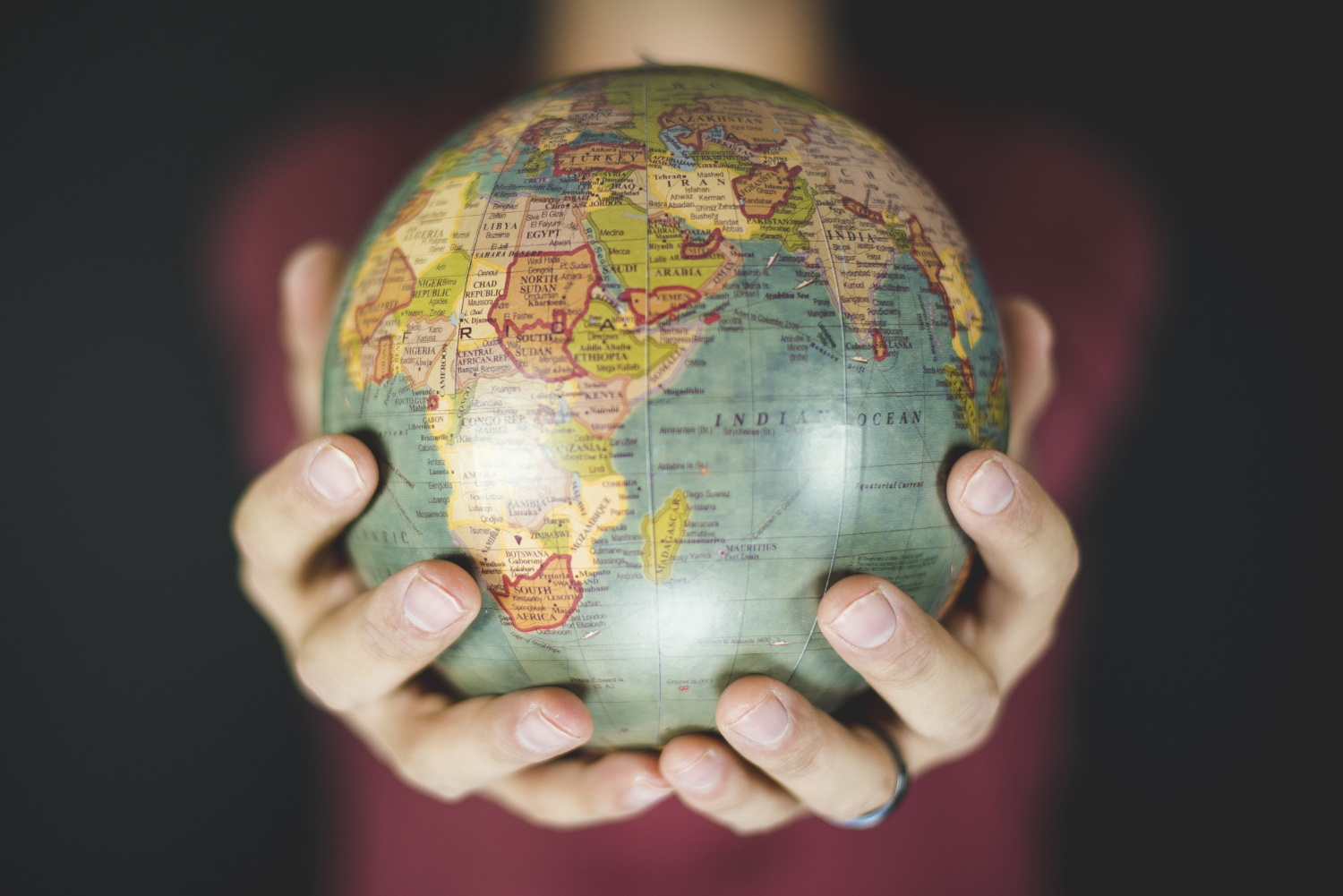
Some words carry a location inside them. A city that made a fabric, a port that shipped a wine, an island that lent its name to a shape — the place stayed put and the word travelled. Here are fourteen everyday examples.
1. Denim
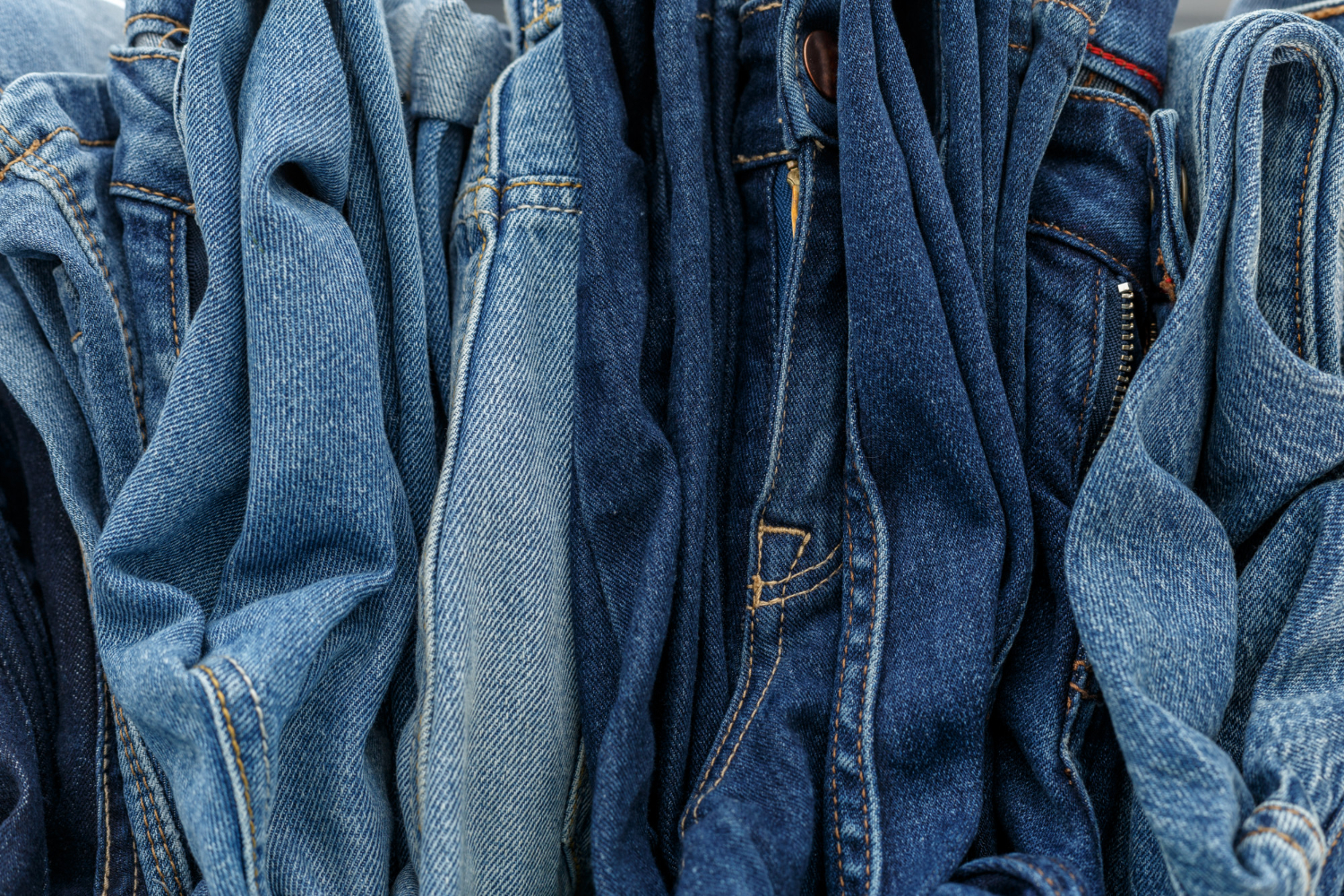
The fabric takes its name from Nîmes in southern France, where a sturdy twill was produced. The French phrase referred to serge from Nîmes.
Anglicised over time, the phrase collapsed into a single word, and the material became the most widely worn fabric on the planet. The city is still there. Denim is the everyday word that carries a French city in its first syllable.
Like our content? Follow us for more.
2. Jeans
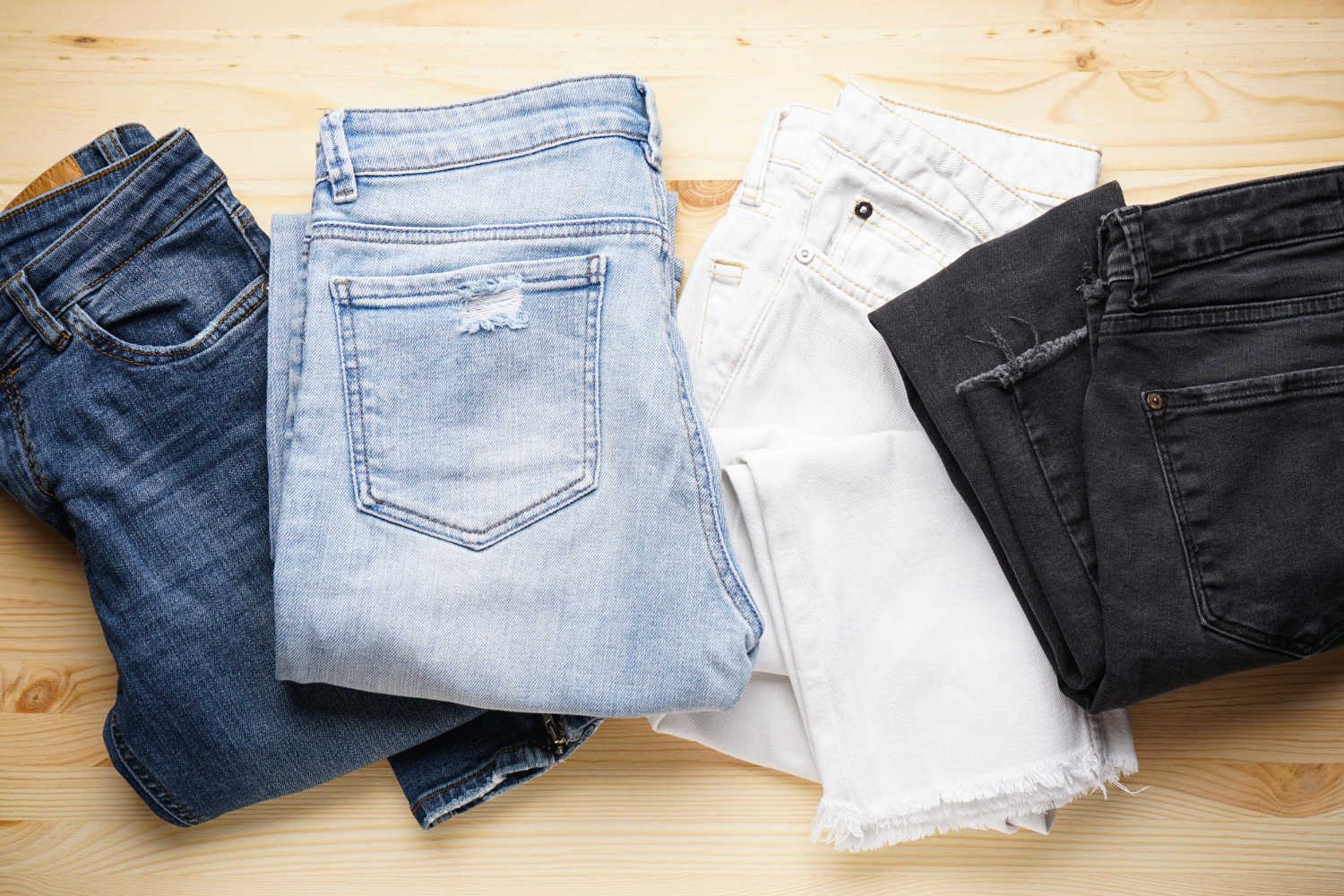
The garment name comes from Genoa in Italy, where a similar hard-wearing cotton cloth was made and shipped. The French name for the city gave the word.
So the fabric is named for Nîmes and the trousers for Genoa, which means a pair of denim jeans is a small compound of two European cities. They are rarely worn together in name. Jeans is the everyday word for a garment named after an Italian port.
3. Bikini

The two-piece swimsuit was named in 1946 after Bikini Atoll in the Pacific, where nuclear weapons testing was being conducted at the time.
The designer’s reasoning was that the garment would cause a comparable sensation, which says a great deal about mid-century marketing. The atoll’s own name long predates it. Bikini is the everyday word taken from a Pacific atoll for reasons that were pure publicity.
4. Cheddar
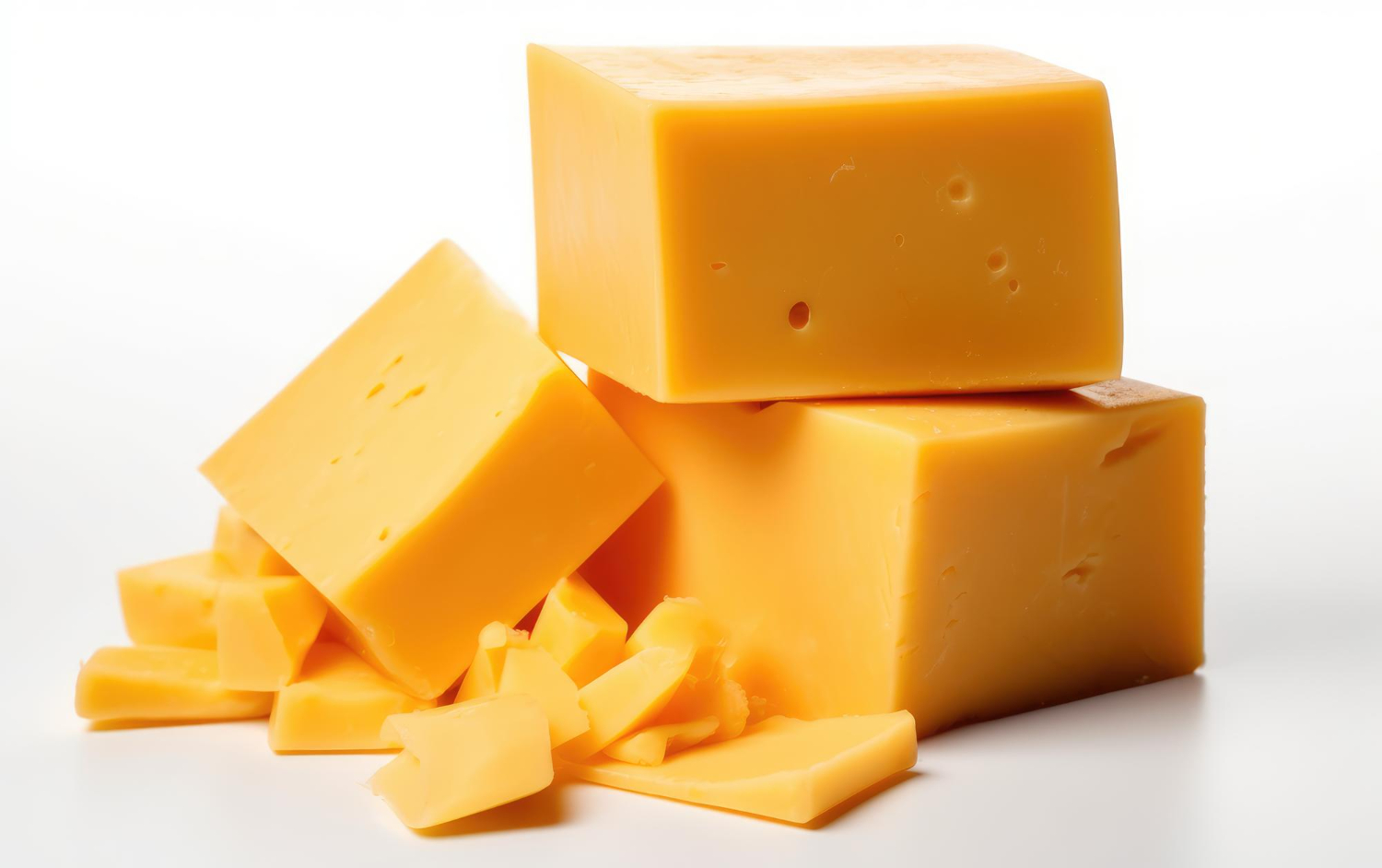
The cheese is named after the village of Cheddar in Somerset, England, where it was originally made and matured in the local gorge caves.
The name was never protected, which is why cheddar is now produced worldwide and why most of it has no connection to the village at all. The gorge is still there. Cheddar is the everyday word for a cheese that escaped its own hometown entirely.
5. Marathon

The race distance is named for the Battle of Marathon in ancient Greece, and specifically for the legendary run from Marathon to Athens carrying news of the outcome.
The story is of uncertain historical reliability, but it inspired the event’s inclusion in the first modern Olympics. The place is a real town northeast of Athens. Marathon is the everyday word for a distance named after a Greek plain.
6. Tuxedo

The formal jacket is named after Tuxedo Park, a wealthy residential enclave in New York state, where the style was popularised in the late nineteenth century.
In Britain the same garment is a dinner jacket, which is why the two names coexist for one item of clothing. The place name itself derives from an Indigenous language. Tuxedo is the everyday word for formalwear named after a New York village.
7. Cologne

Eau de Cologne originated in the German city of Köln, known in French and English as Cologne, where a citrus-scented preparation was produced from the early eighteenth century.
The word generalised into a category term for lighter fragrances, detached entirely from the original product. The city is unaffected. Cologne is the everyday word for a fragrance category that began as one city’s local speciality.
8. Duffel

The heavy woollen cloth, and later the bag and the coat, take their name from Duffel, a town in Belgium where the material was made.
The bag became strongly associated with military and naval use, and the coat with a distinctive toggle fastening. The town is near Antwerp. Duffel is the everyday word for a bag named after a Belgian textile town.
9. Sardine

The small fish is generally held to take its name from Sardinia, the Mediterranean island around which it was abundantly caught.
The etymology is widely accepted though not absolutely certain, and the word now covers several species rather than one. The island is substantially larger than its namesake. Sardine is the everyday word for a fish named after an Italian island.
10. Turquoise
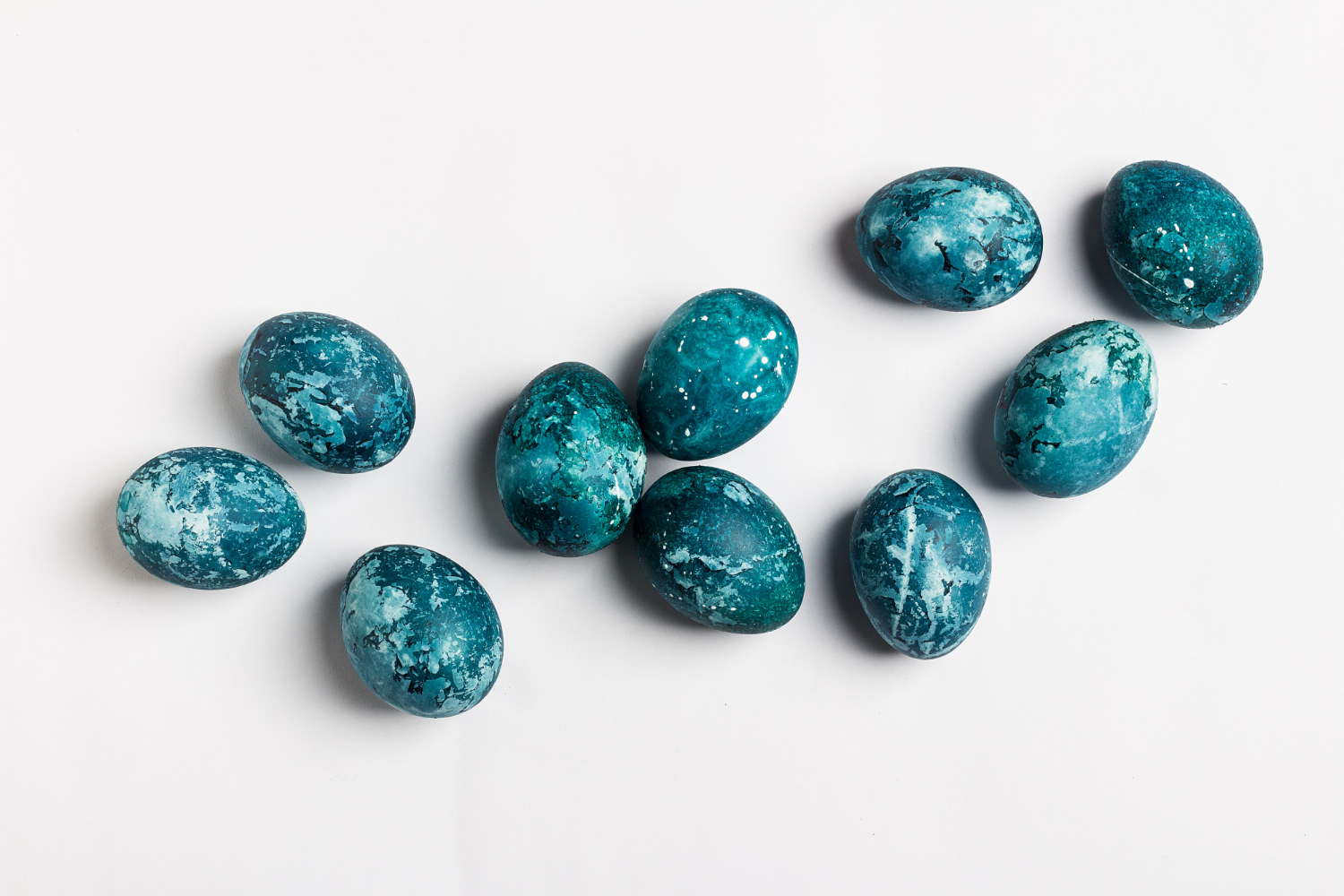
The blue-green stone and colour take their name from the French for Turkish, because the mineral reached Europe via Turkish trading routes rather than from Turkey itself.
The stone was mined elsewhere, notably in Persia, and simply arrived through Turkish intermediaries. The name records the route, not the source. Turquoise is the everyday word that names a stone after the road it travelled rather than where it came from.
11. Hamburger

The name derives from Hamburg in Germany, via the Hamburg steak, a preparation of minced beef associated with the city and carried abroad by emigrants.
The modern sandwich developed in the United States, but the name arrived with the meat. The city’s connection is real if indirect. Hamburger is the everyday word that made a German port the most spoken city name in fast food.
12. Jersey

The knitted fabric, and the garment made from it, take their name from the Channel Island of Jersey, where a distinctive woollen cloth was produced for fishermen.
The word later travelled into sport, where a team jersey is now standard vocabulary worldwide. The island is a few miles off the French coast. Jersey is the everyday word for a fabric named after a small island in the English Channel.
14. Currant
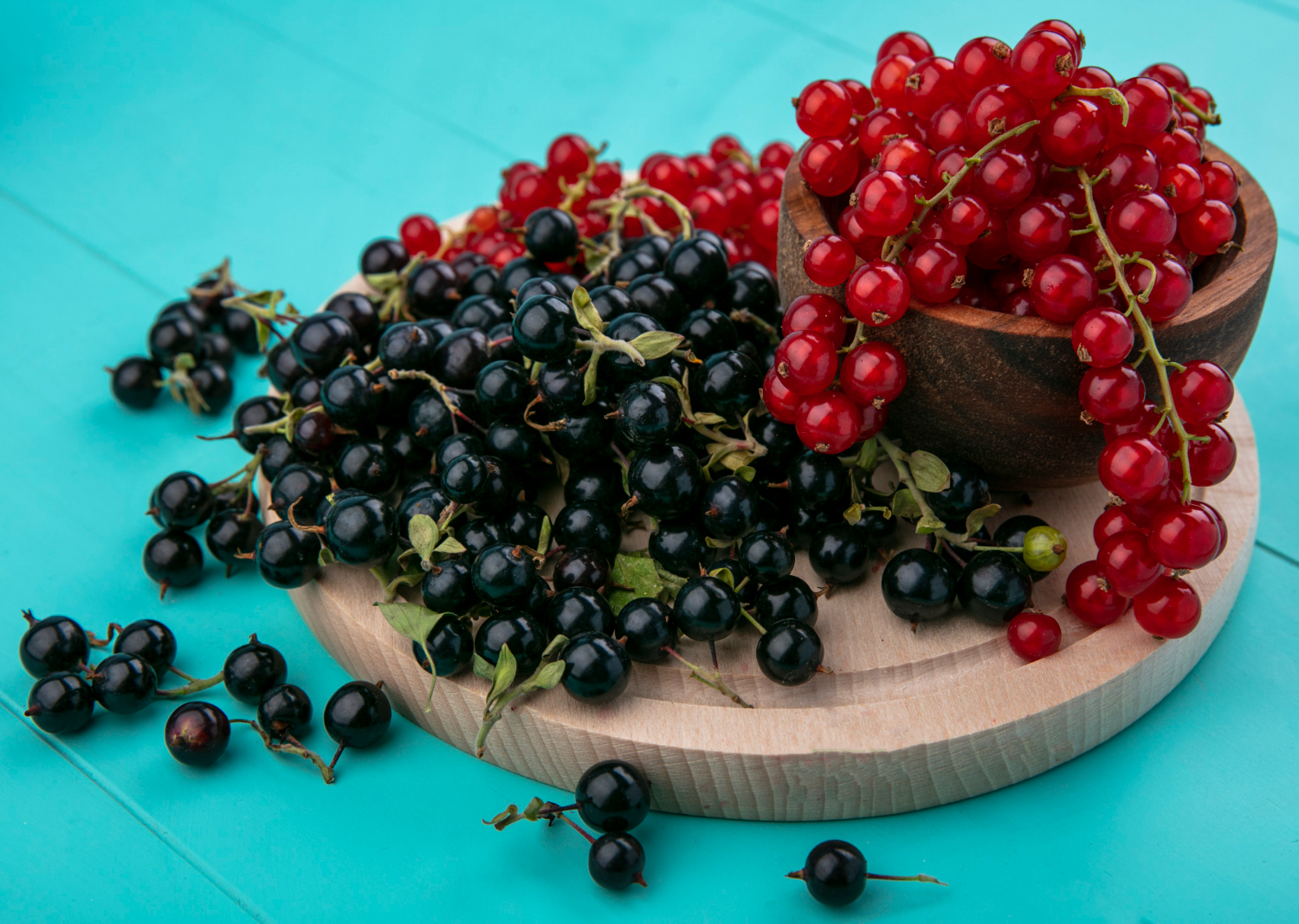
The dried fruit takes its name from Corinth in Greece, via a medieval phrase describing raisins of Corinth, from where they were exported.
The word later transferred confusingly to unrelated fresh berries, which is why blackcurrants and dried currants share a name despite being different plants. The confusion persists. Currant is the everyday word that carried a Greek city into two separate fruits.
15. Rugby

The sport is named after Rugby School in Warwickshire, England, where a distinct handling code of football developed in the nineteenth century.
The school took its name from the town, so the sport is a place name at one remove. The founding story involving a single pupil is traditional rather than well evidenced. Rugby is the everyday word for a global sport named after an English market town.
Places Hiding in Plain Sight

Toponyms record trade routes, textile towns, ports and battles, preserved in words that outlived any memory of why. Most of them travelled because something useful came from that place and kept the label.
Once you start noticing them, the pattern is everywhere: a fabric, a cheese, a wine, a stone, a coat. Each one is a small piece of economic history frozen into vocabulary, still doing its job long after everyone stopped wondering where the word came from.
Like our content? Follow us for more.