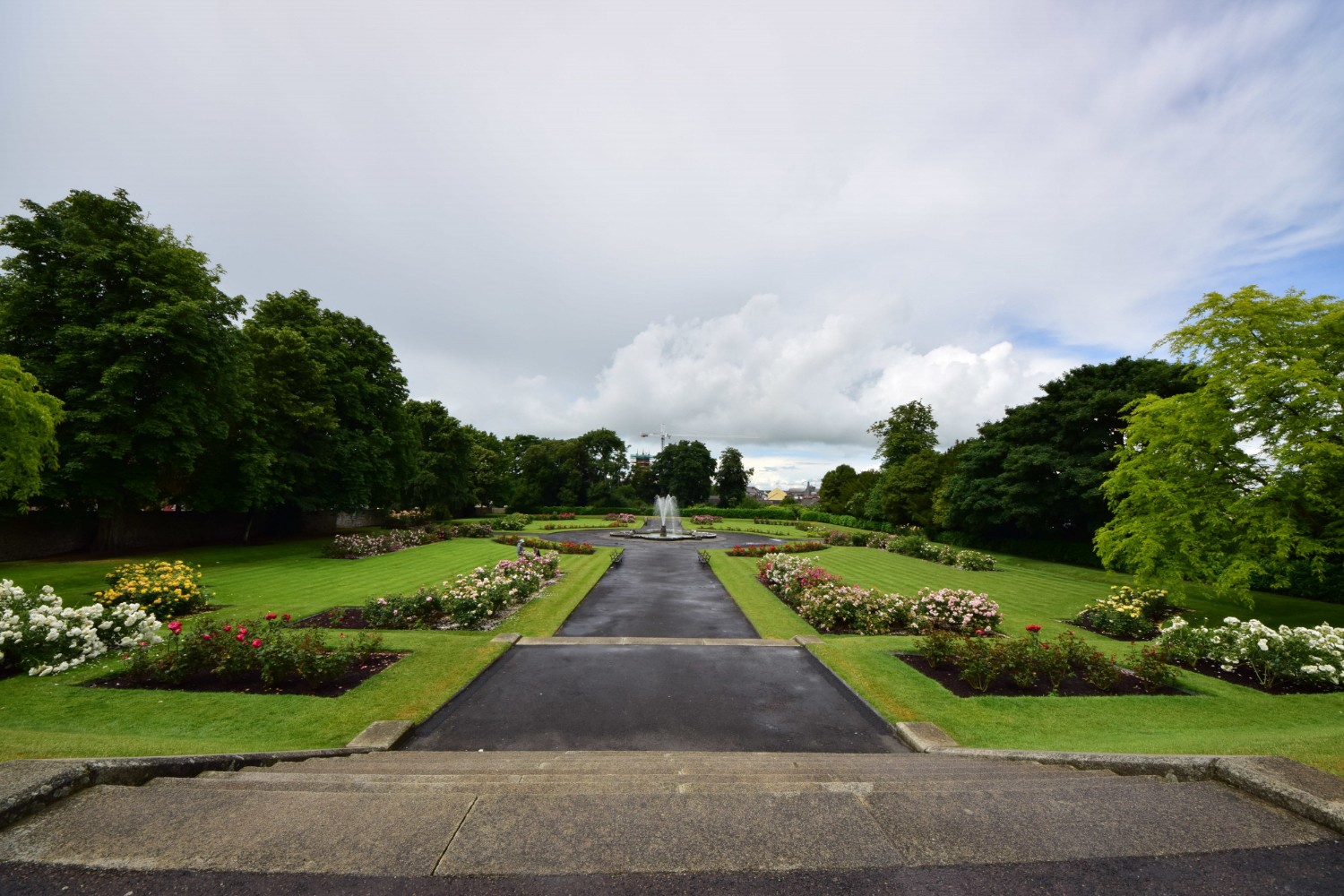
Gardens are architecture made of living material, which means they are never finished and never the same twice. Here are fifteen worth the journey.
1. Kenroku-en, Kanazawa, Japan
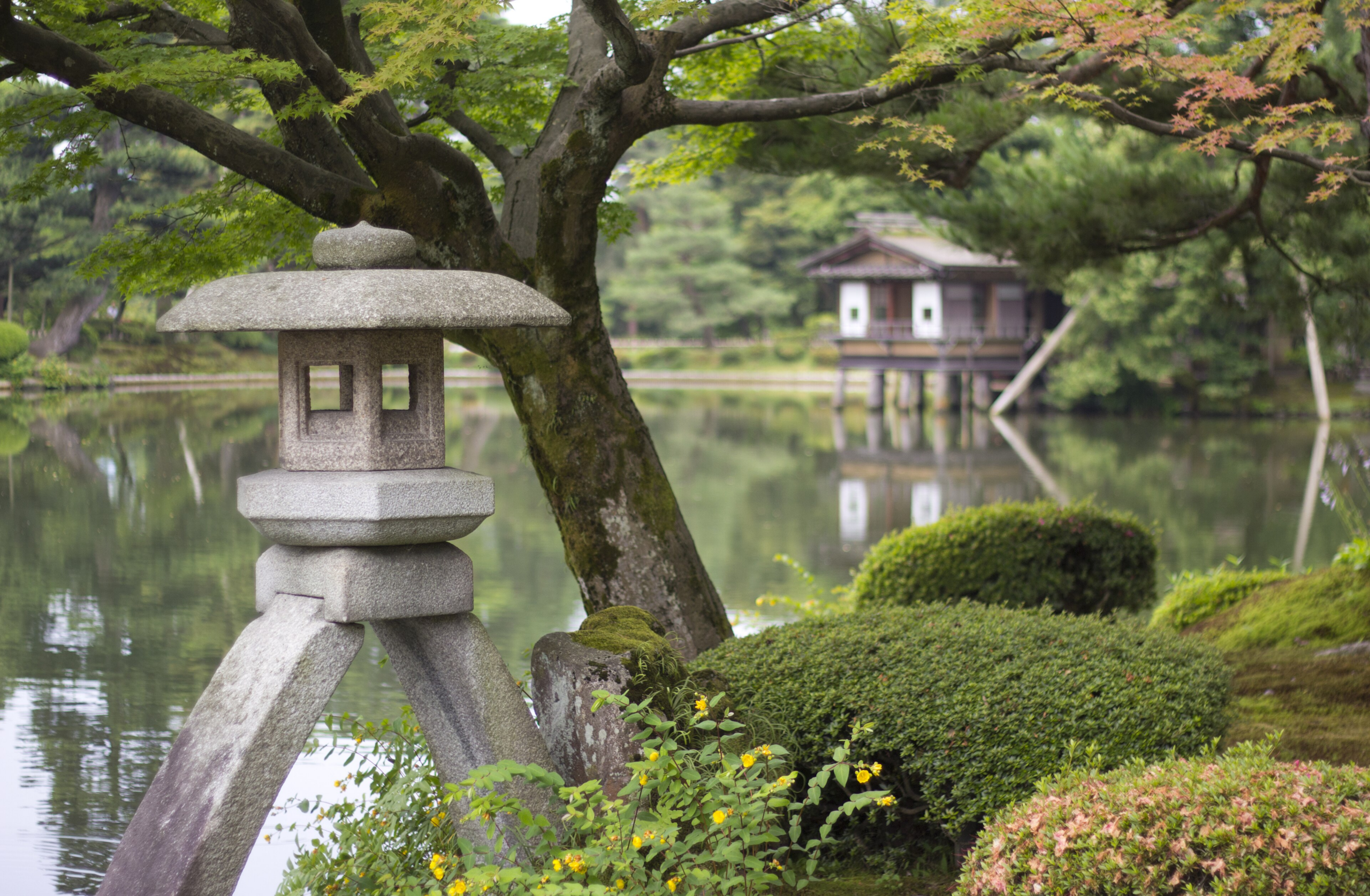
One of Japan’s most celebrated landscape gardens, designed around six classical qualities that were traditionally thought impossible to combine.
In winter the pines are supported by rope structures against snow, which has become the garden’s signature image. Kenroku-en is the garden most photographed in the season when nothing is flowering.
Like our content? Follow us for more.
2. Villa d’Este, Tivoli, Italy
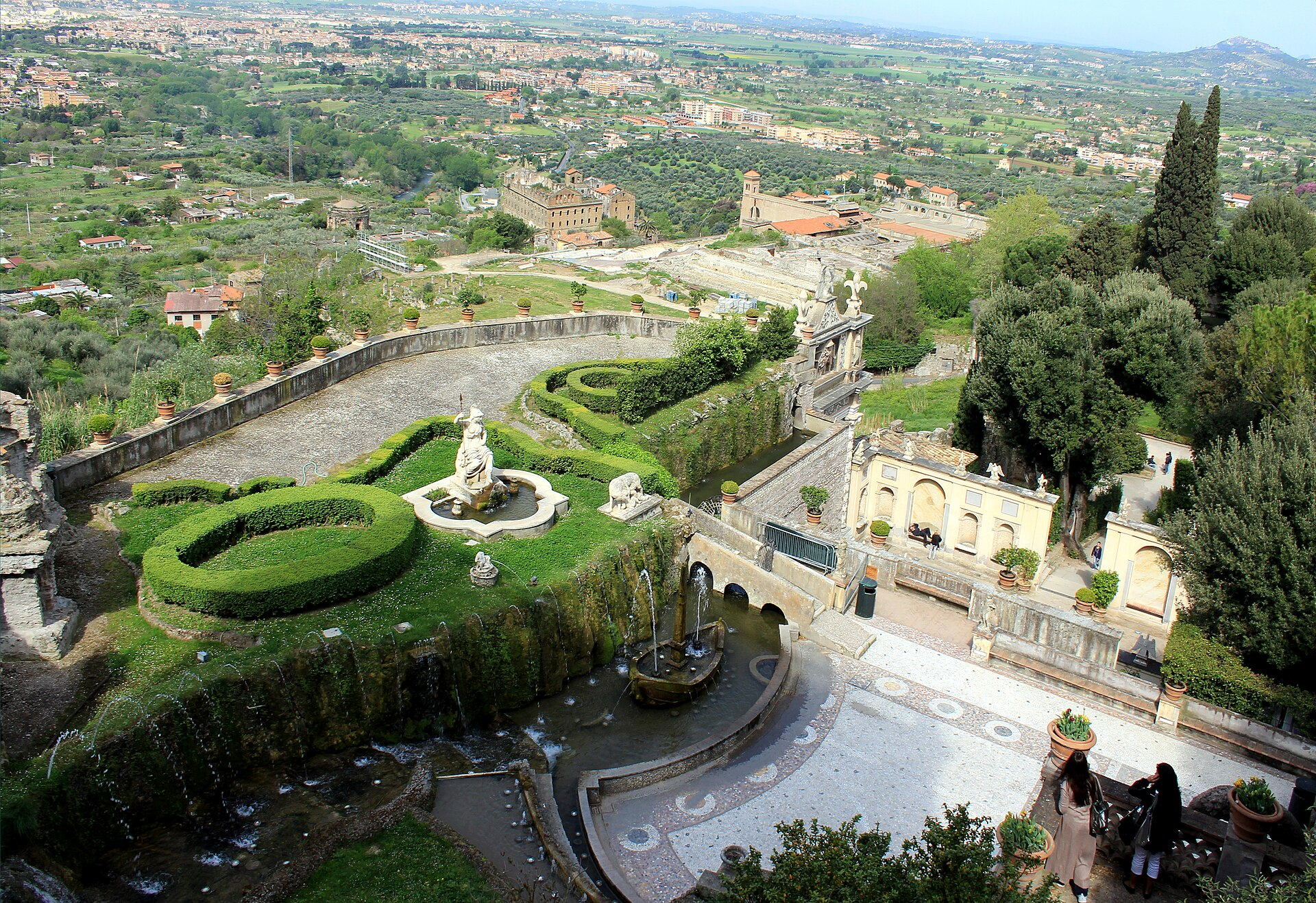
A Renaissance hillside garden built around water, with hundreds of fountains fed entirely by gravity from a diverted river.
No pumps are involved in the historic system, which makes the hydraulics as impressive as the planting. Villa d’Este is the garden where the engineering is the attraction.
3. Sissinghurst, England
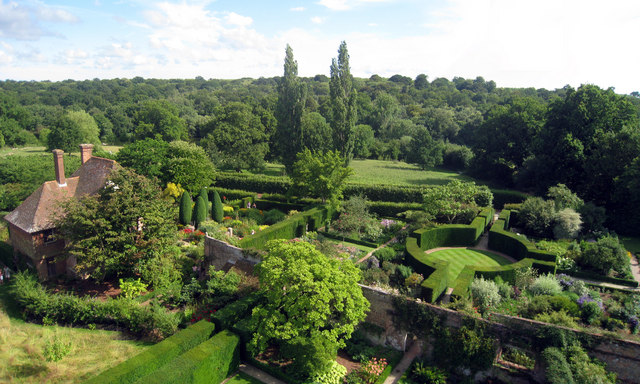
A twentieth-century garden arranged as a series of enclosed rooms, each with a distinct planting scheme, within the remains of an old estate.
The white garden is the best known of the rooms and is best seen in the evening. Sissinghurst is the garden built as a sequence of separate spaces rather than one view.
4. Keukenhof, Netherlands
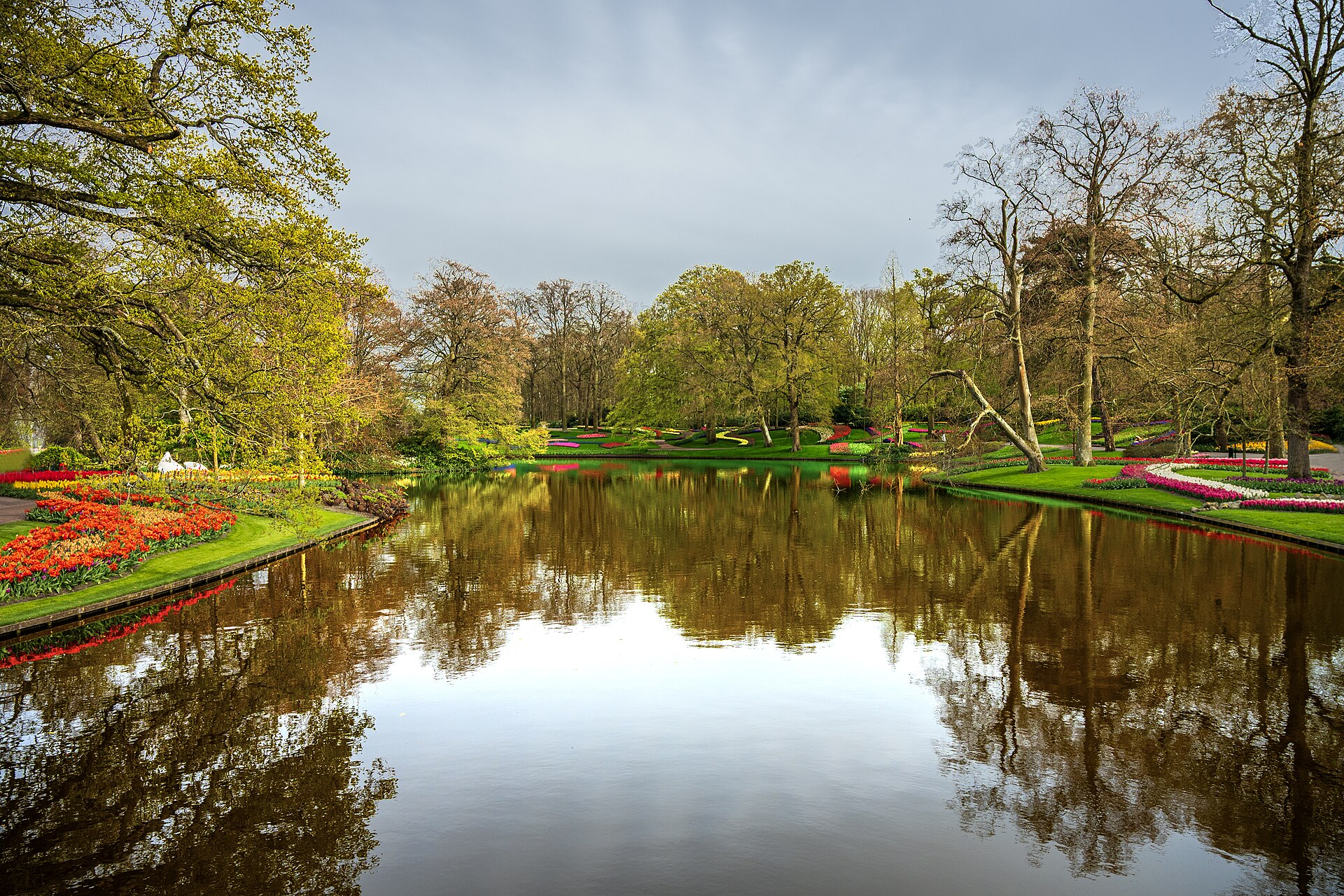
A vast bulb garden open for roughly two months in spring, planted with millions of bulbs replanted every year.
It exists only in that window and is closed the rest of the year, so timing is not optional. Keukenhof is the garden that only exists for eight weeks.
5. Gardens by the Bay, Singapore
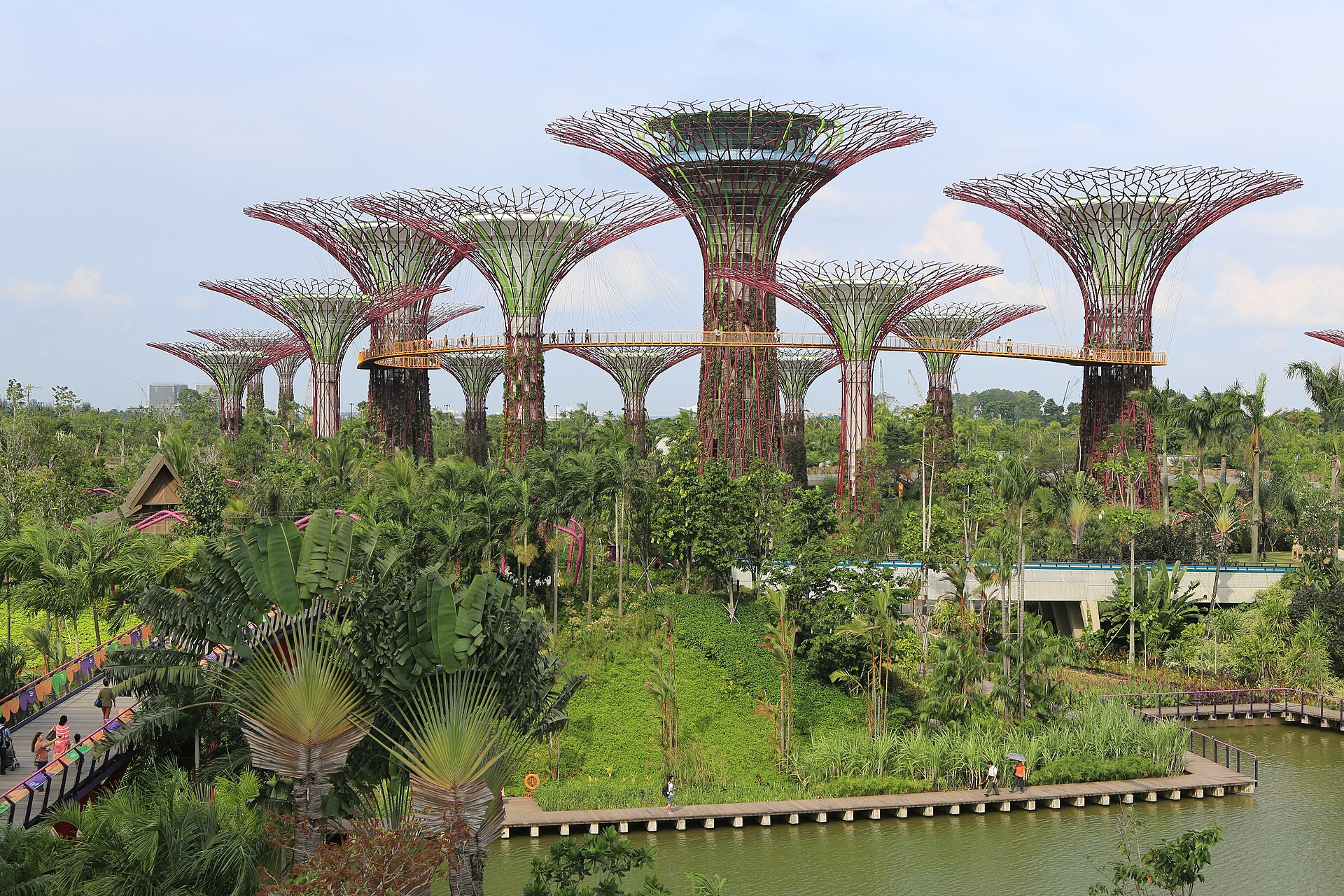
A modern botanical development with conservatories and enormous artificial tree structures supporting living plants.
It is the clearest demonstration that garden design is still an active discipline rather than a heritage exercise. Gardens by the Bay is the garden built in this century and designed like infrastructure.
6. Suzhou Classical Gardens, China
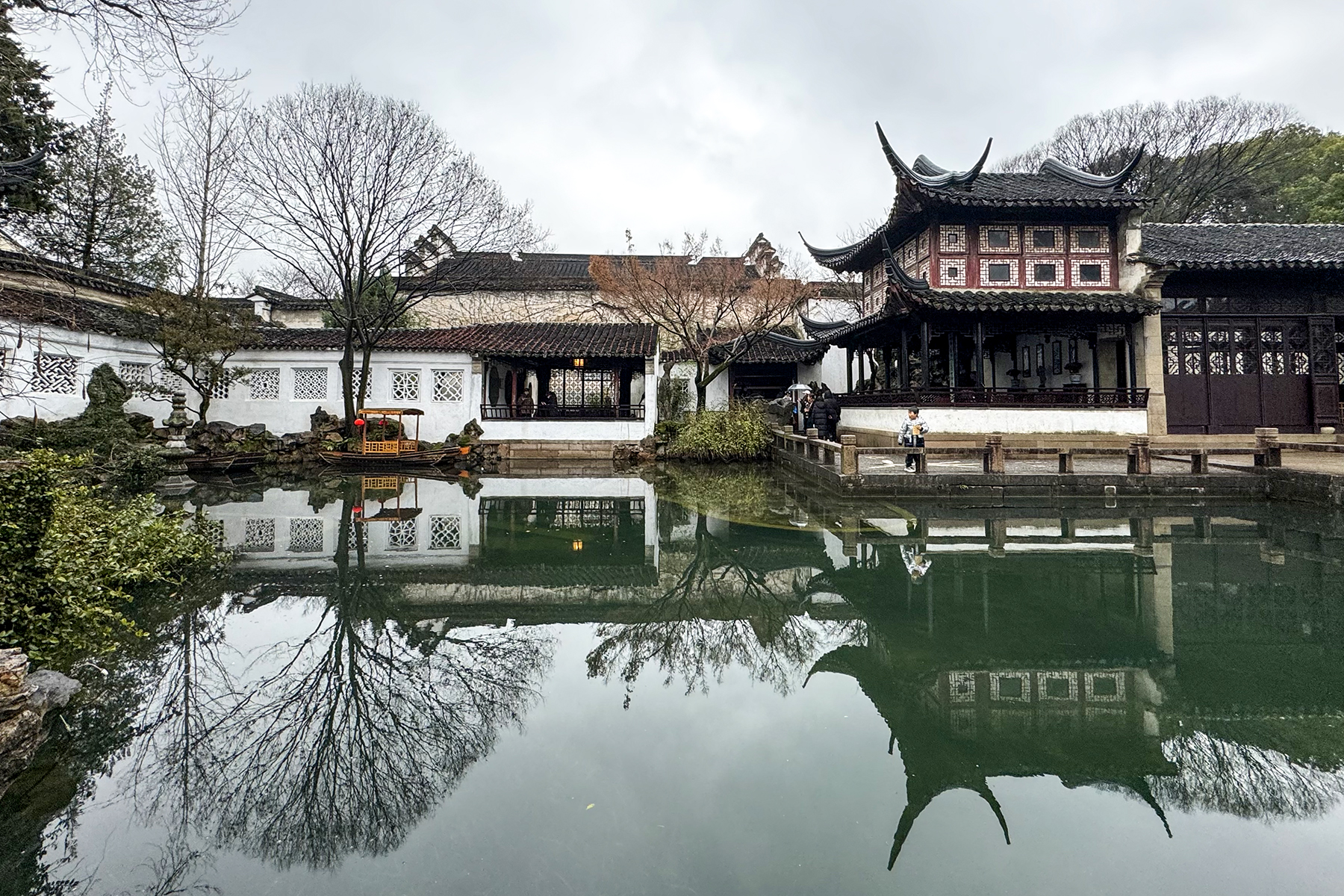
A group of historic scholar gardens where rocks, water, walls and windows are arranged to frame views and control what is visible from each point.
The framing devices are the whole design language, and the gardens are small rather than expansive. The Suzhou gardens are the ones designed around what you cannot see.
7. Butchart Gardens, Canada
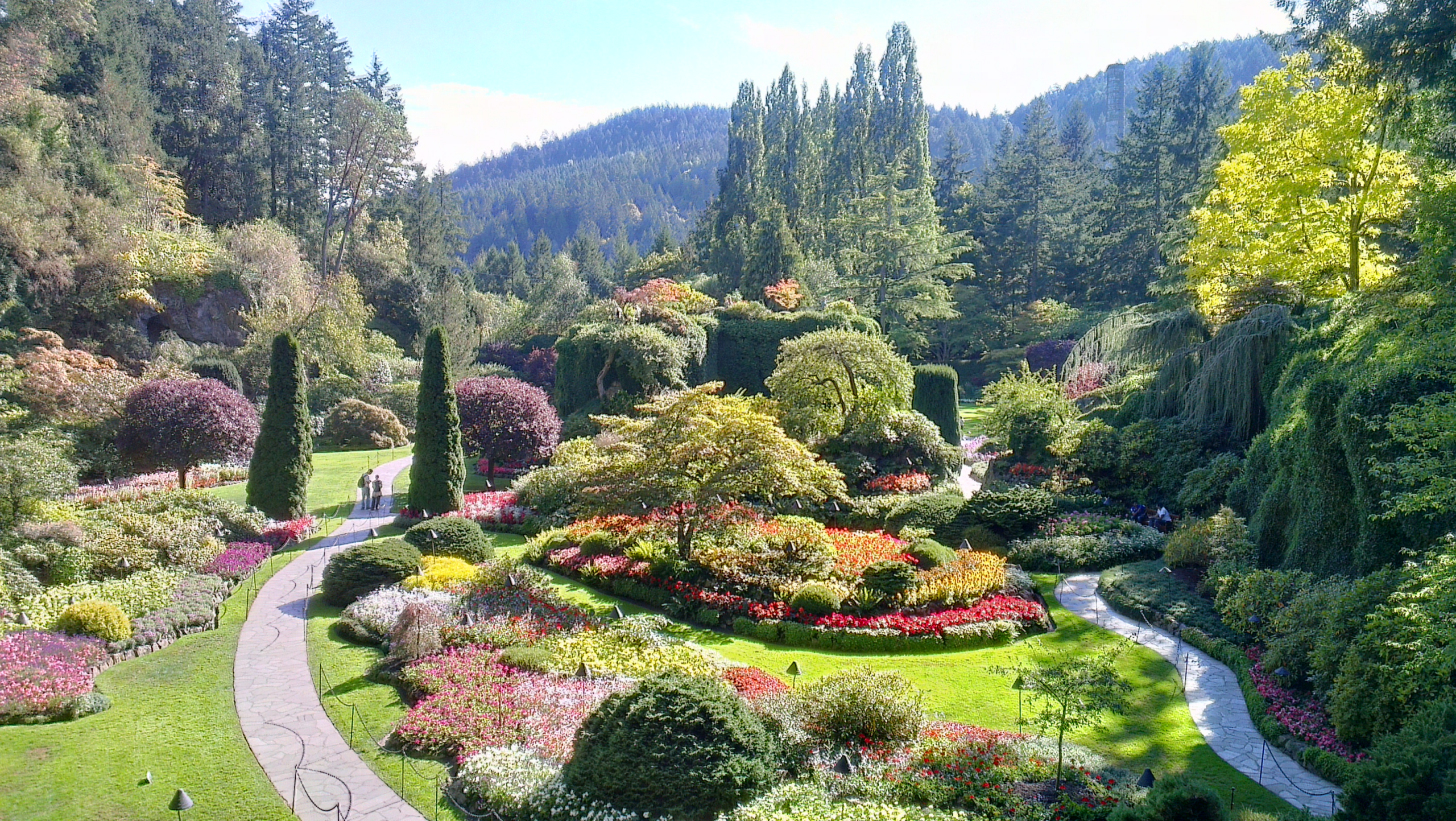
A garden created inside an exhausted limestone quarry on Vancouver Island, transforming an industrial site into a display garden.
The sunken garden occupies the quarry floor and the change in level is the defining feature. Butchart is the garden built in a hole left by industry.
8. Jardim Botânico de Curitiba and the Tropical Botanical Gardens — Brazil
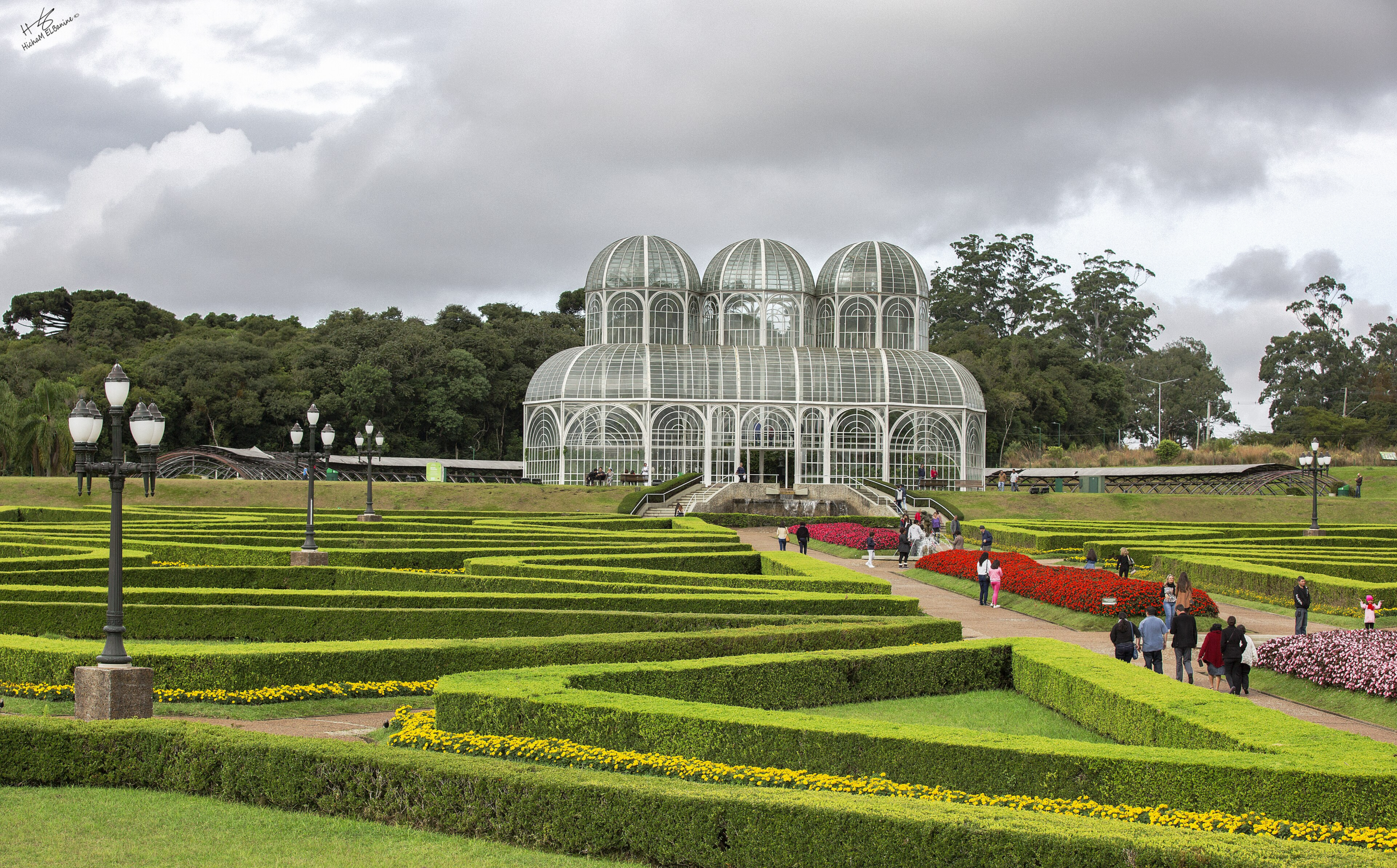
Brazilian botanical gardens combine formal design with truly tropical collections, including glasshouses and native forest sections.
The plant range is unavailable in temperate collections, which is the reason to go. These are the gardens where the plants themselves are the unfamiliar part.
9. Alhambra Gardens, Granada, Spain
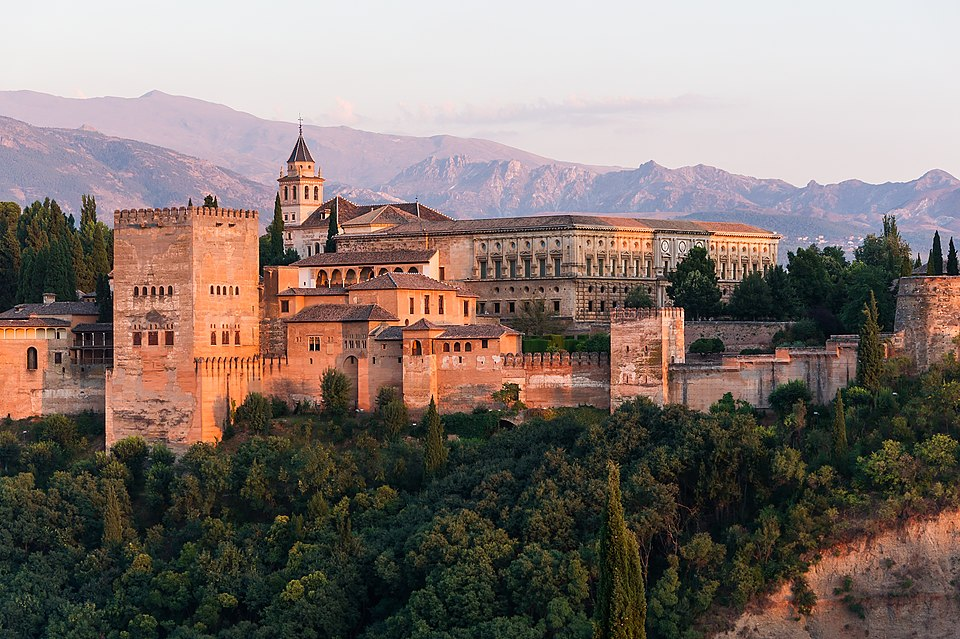
The Generalife gardens beside the palace complex, built around water channels, courtyards and clipped hedges on a hillside.
Water is used as sound and movement as much as reflection, in a dry climate where that was a demonstration of control. The Generalife is the garden where water is the luxury being displayed.
10. Powerscourt, Ireland
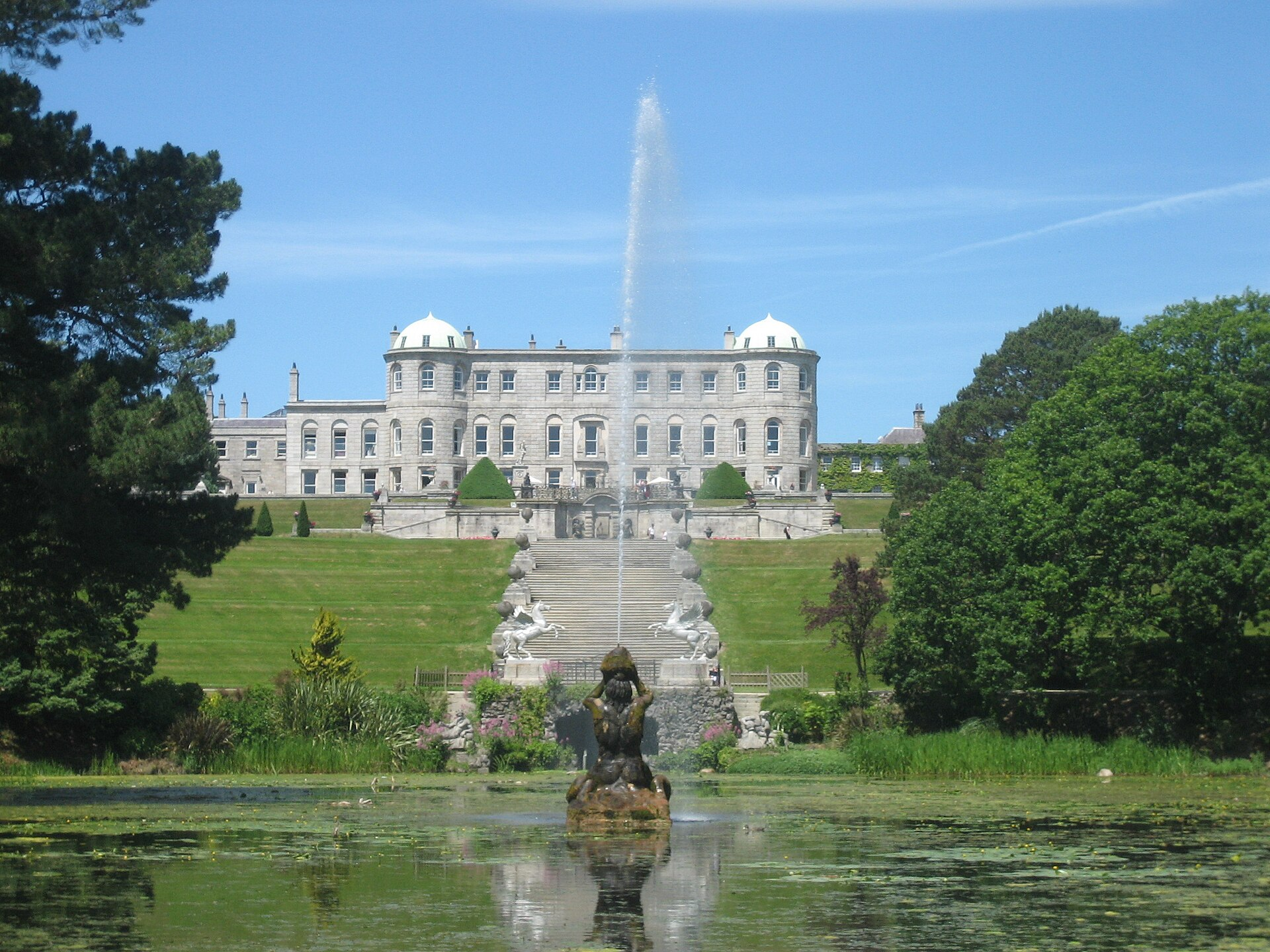
A terraced garden descending toward a lake with a mountain framed beyond it, combining Italianate formality with an Irish landscape.
The borrowed view of the mountain is deliberate and does most of the work. Powerscourt is the garden designed around a mountain it does not own.
11. Monet’s Garden, Giverny, France
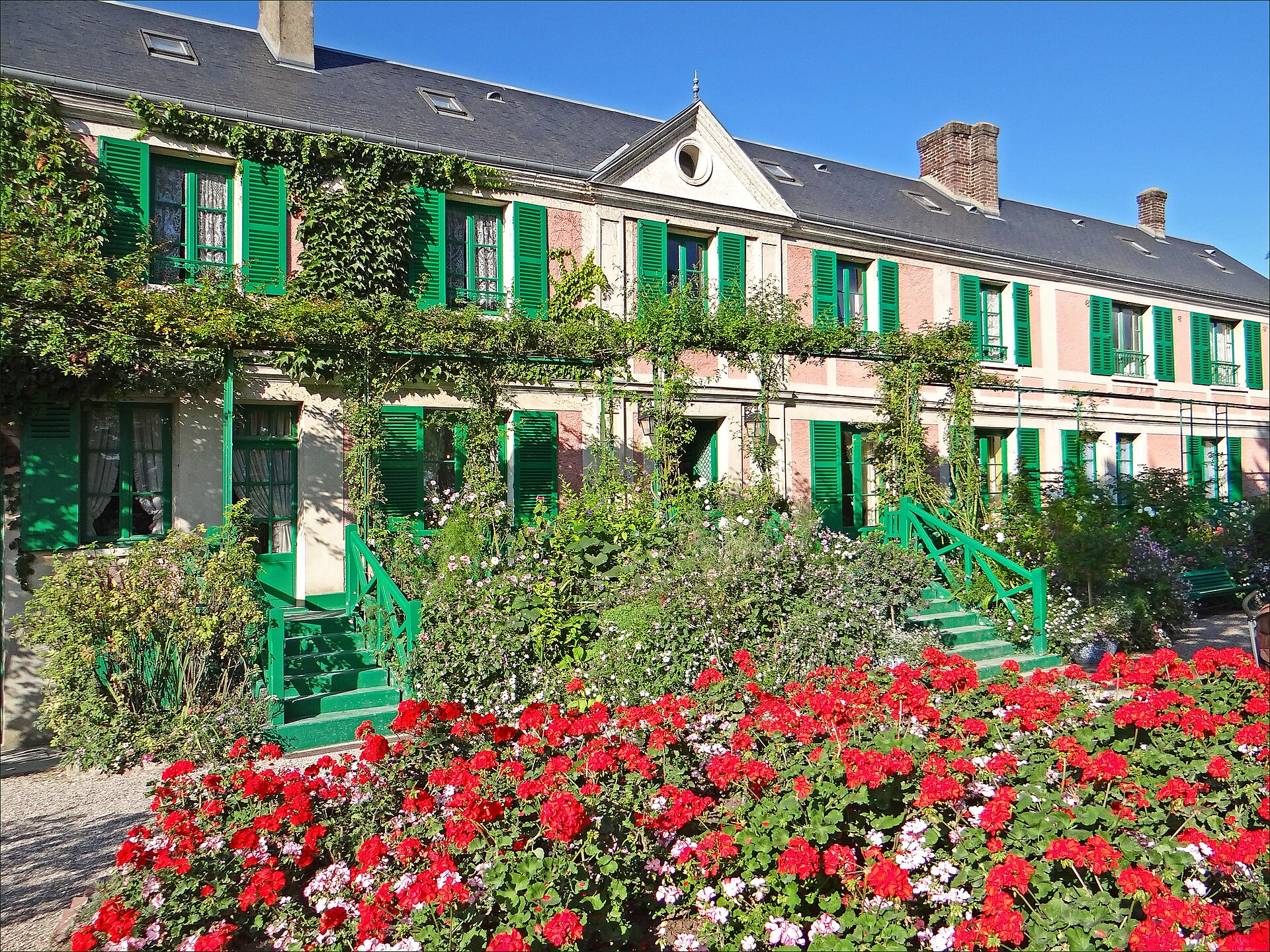
The water garden and flower garden made by a painter as a subject to paint, including the pond, bridge and planting he worked from repeatedly.
It is the rare case of a garden made specifically to be depicted rather than merely admired. Giverny is the garden that was created in order to be painted.
12. Kirstenbosch, South Africa
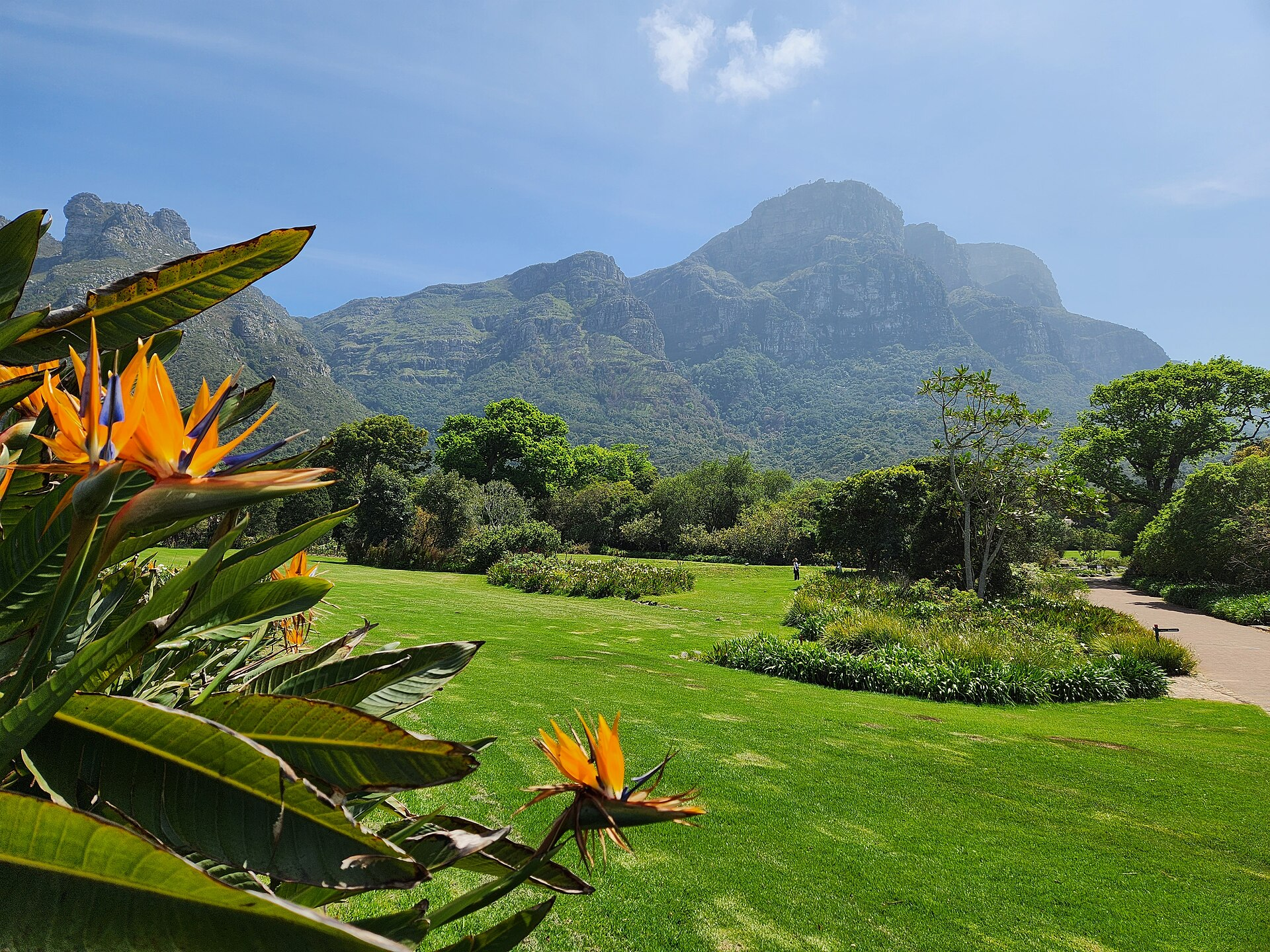
A botanical garden on the slopes of Table Mountain, devoted largely to the flora of the surrounding region rather than to imported collections.
The setting and the native planting are inseparable, and a canopy walkway runs above part of it. Kirstenbosch is the garden that grows what was already there.
14. Isola Bella and the Italian Lake Gardens
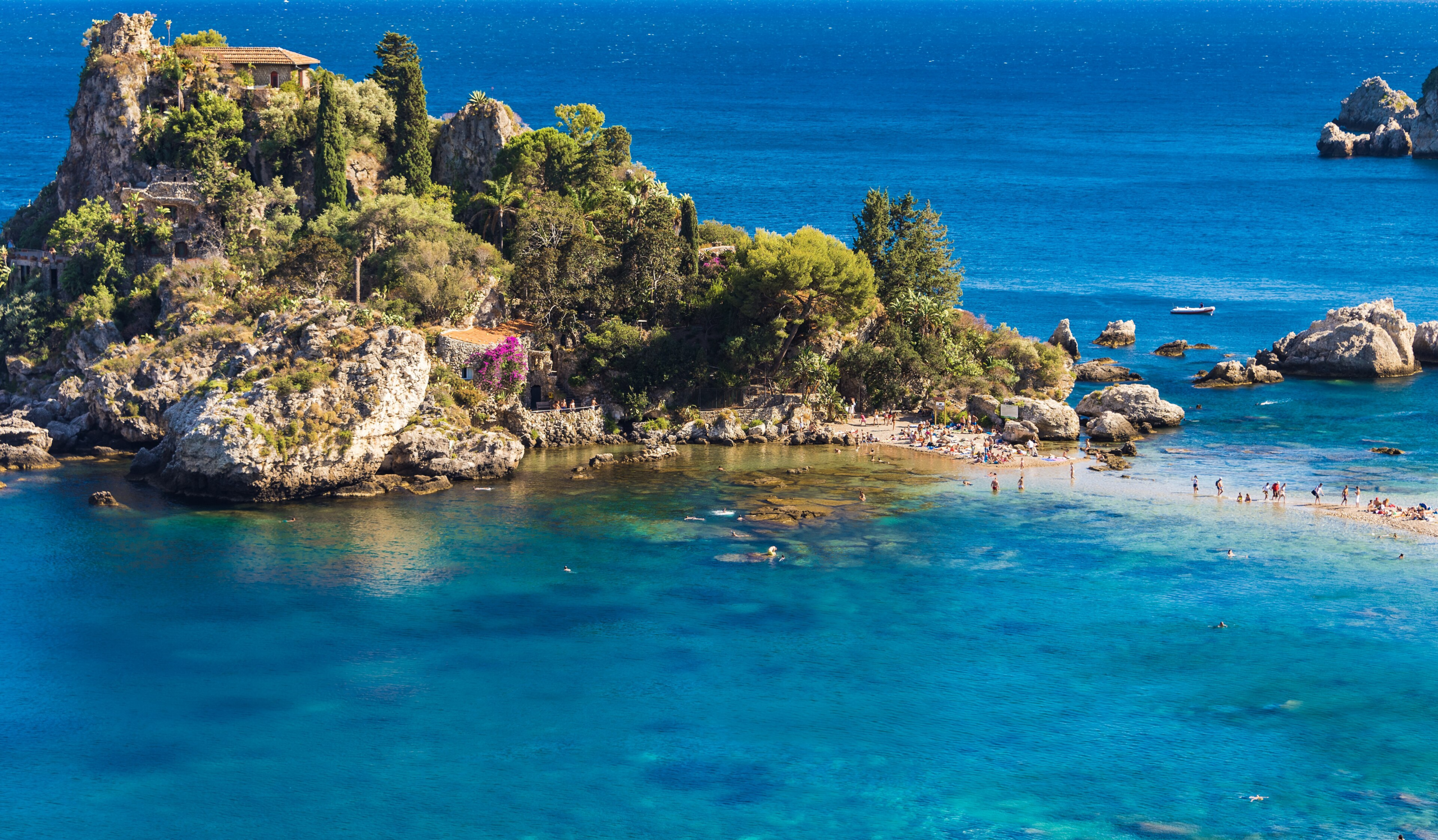
Terraced baroque gardens on islands and lake shores in northern Italy, built up in tiers with statuary and exotic planting.
They are reached by boat, which makes the arrival part of the design. The lake gardens are the ones you approach across water.
15. Ryoan-ji and the Dry Gardens of Kyoto, Japan
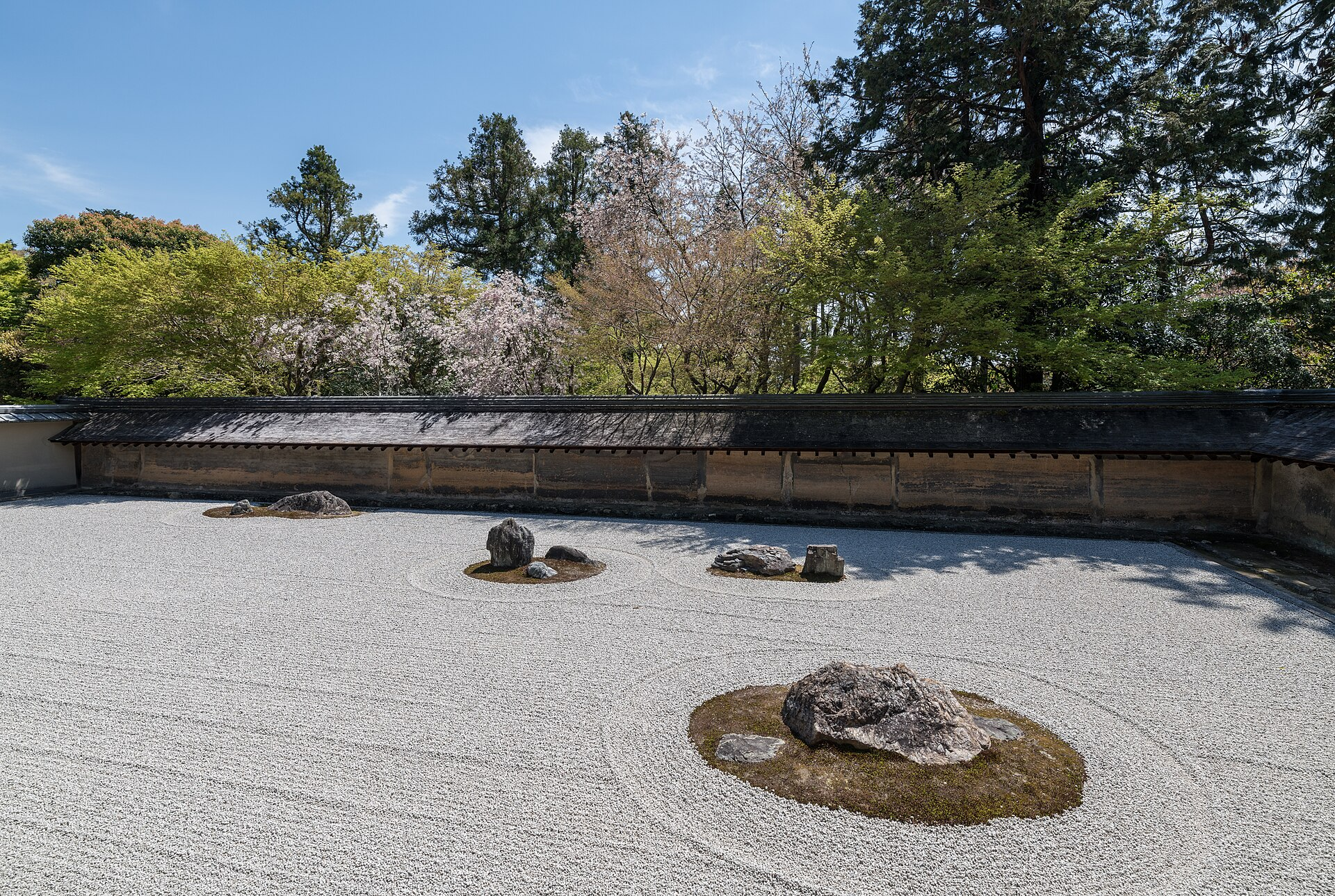
Raked gravel and carefully placed stones, with no water and almost no planting, designed for contemplation from a fixed viewing position.
The composition is arranged so that not every stone can be seen at once from any single point. The dry gardens are the ones that contain almost nothing and are studied hardest.
Designed to Be Walked Through
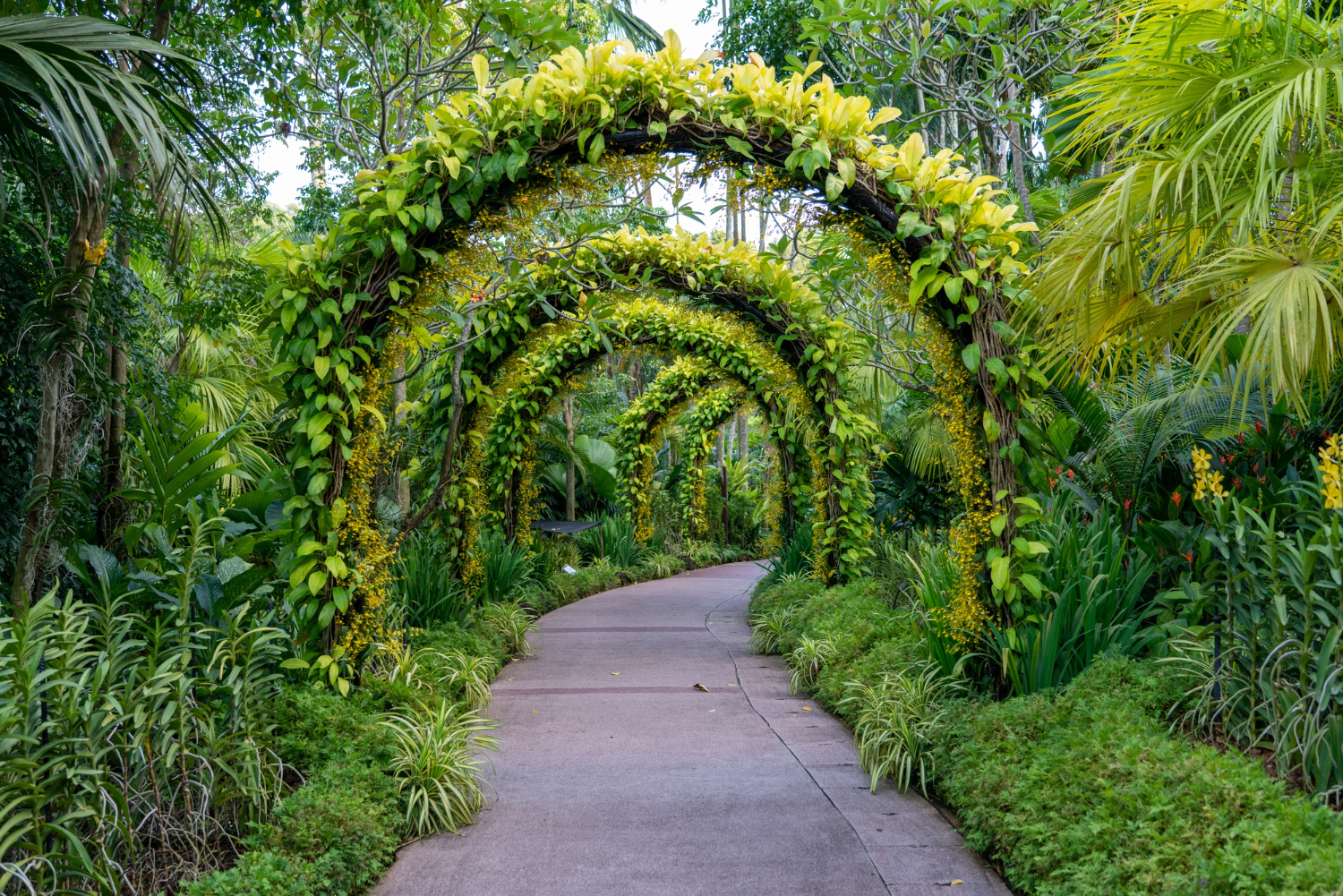
What separates these from a park is intention: a route, a sequence of views, a season they are built for, and a designer who decided what you would see and when.
Practical notes: many gardens are strongly seasonal and some close entirely outside their window, opening hours vary substantially, several require advance booking, and the best light is early or late in the day. Check the season before booking travel rather than after, because a garden visited a month early or late is a different place entirely.
Like our content? Follow us for more.