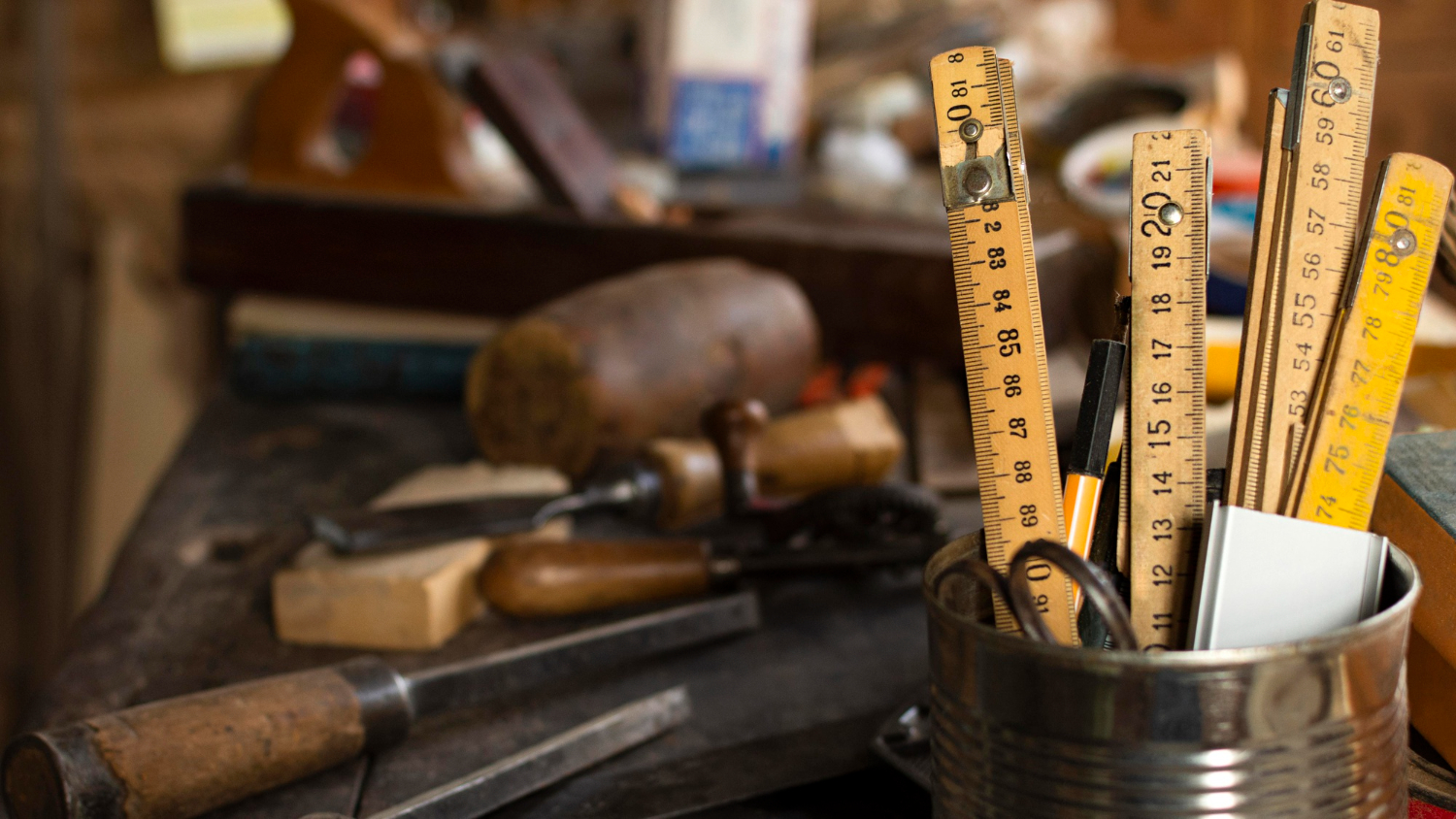
Before anyone thought to define units against physical constants, they were defined against whatever was to hand — literally. Most of those origins are still buried in the words. Here are fifteen.
1. The Foot
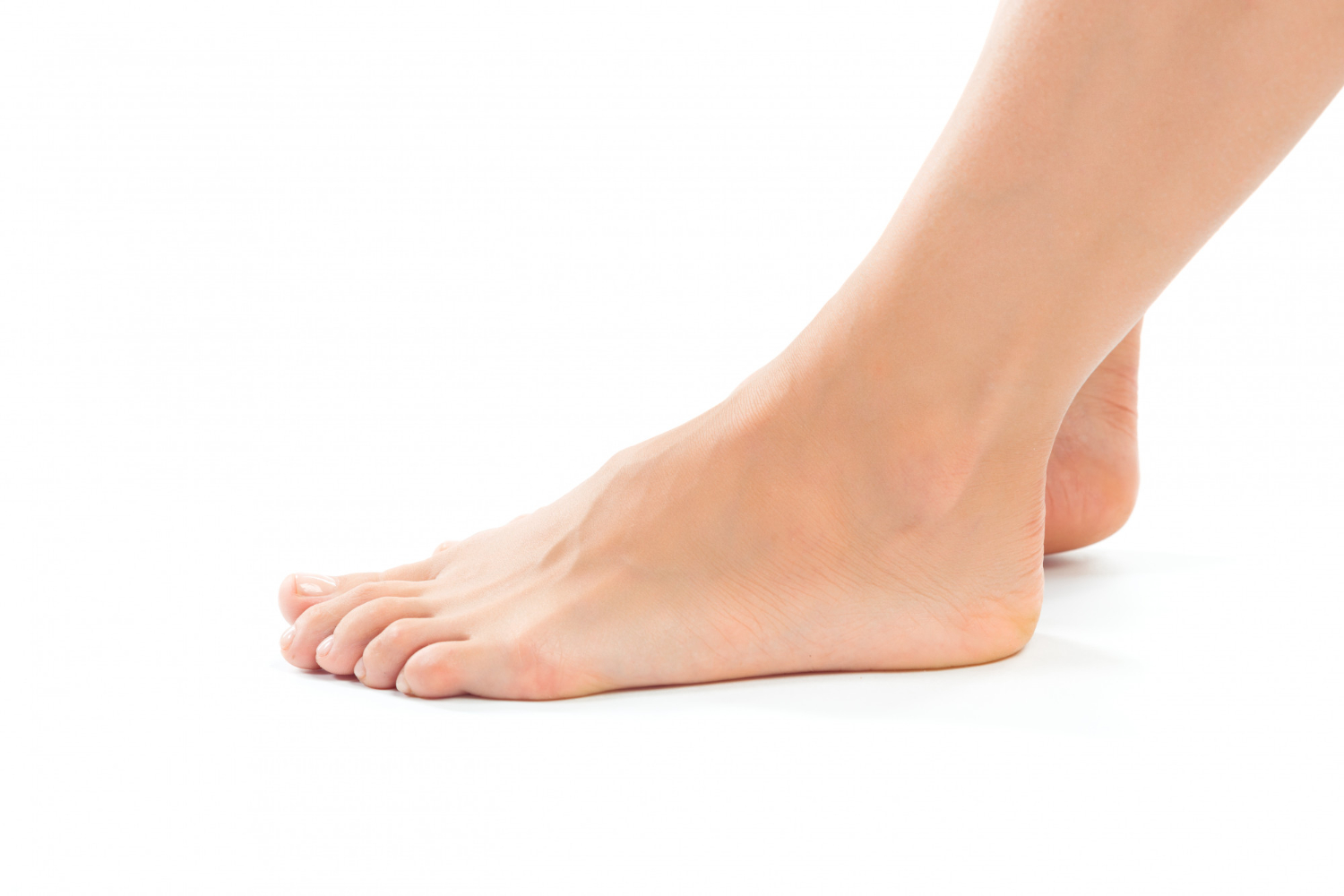
Named for exactly what it sounds like. Length units based on the human foot appear across many cultures, and the obvious problem is that feet vary.
Standardisation was a long and messy process, with different regions using different official feet for centuries. The foot is the measurement whose name gives away its origin more plainly than any other.
Like our content? Follow us for more.
2. The Hand
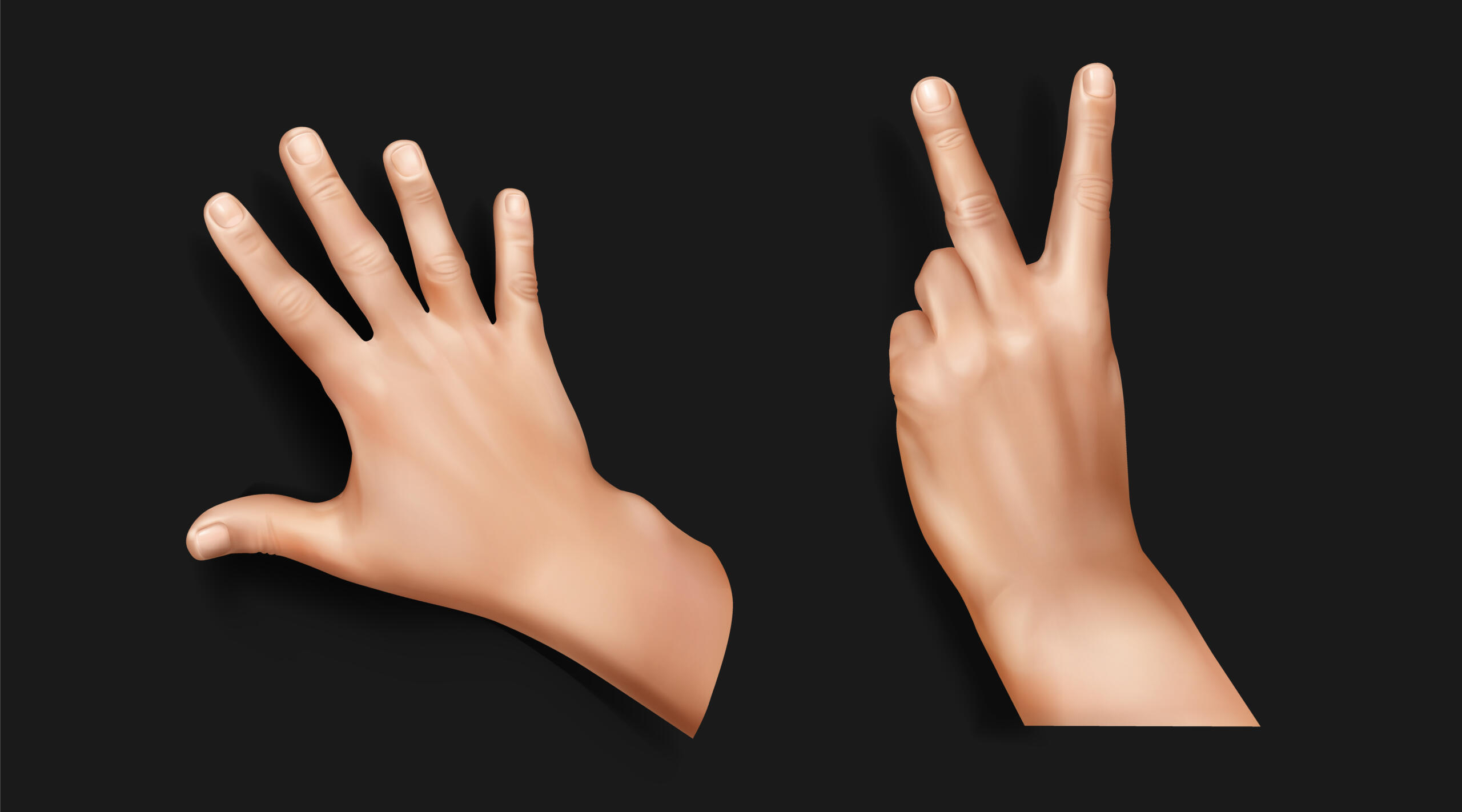
Still in official use for measuring the height of horses, defined as four inches and measured to the withers rather than the head.
It survives in that one domain precisely because horse people had no reason to change it. The hand is the measurement that stopped being general and became specialist.
3. The Cubit

The distance from the elbow to the fingertips, used across the ancient world, and one of the oldest recorded units anywhere.
Different civilisations used different official cubits, sometimes preserved as physical rods so builders could work to a shared standard. The cubit is the measurement that ran from a forearm to the pyramids.
4. The Fathom

Traditionally the span of a man’s outstretched arms, used for measuring water depth because a sounding line was hauled in hand over hand.
The word is related to an old term for embracing, which is the gesture the measurement describes. The fathom is the measurement performed by hugging a rope.
5. The Acre

Historically the area a man with a yoke of oxen could plough in one day, which made it a measure of labour rather than of land.
That is why the traditional acre was long and narrow rather than square — the shape followed the plough. The acre is the measurement that describes a day’s work rather than a piece of ground.
6. The Furlong

A furrow long: the length of a furrow in a ploughed field, standardised at an eighth of a mile.
It survives almost exclusively in horse racing, where distances are still quoted in it. The furlong is the measurement that outlived the farming practice it was named after.
7. Horsepower
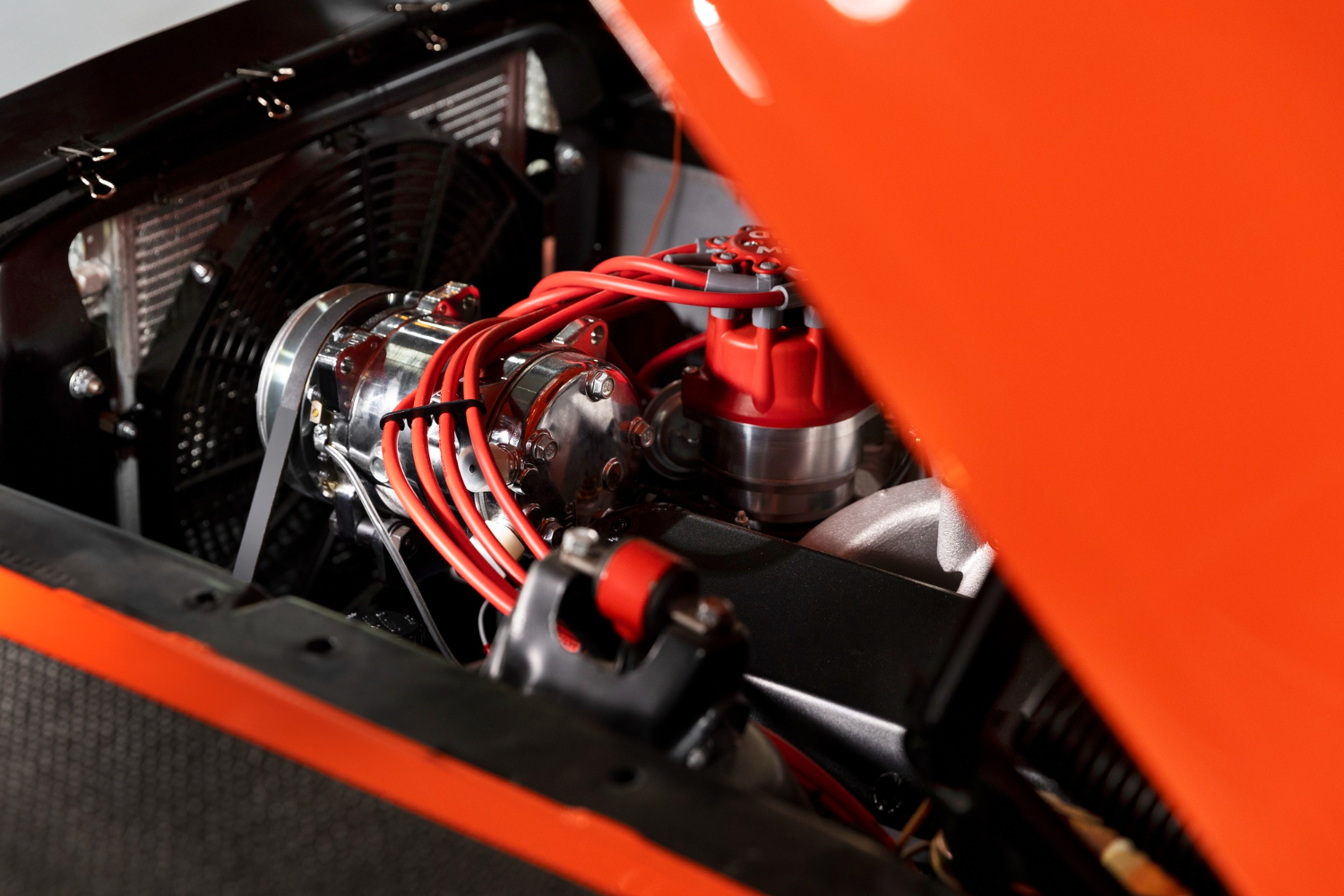
Devised by the engineer James Watt as a marketing unit, expressing the output of a steam engine in terms of how many horses it replaced.
The figure was based on estimates of what a working horse could sustain, and it was chosen because his customers understood horses. Horsepower is the measurement invented specifically to sell machinery.
8. The Knot

A ship’s speed was once measured by throwing a weighted log overboard attached to a line with knots tied at regular intervals.
A sailor counted how many knots ran out in a fixed time, measured with a sandglass. The knot is the measurement named after the physical knots in a piece of rope.
9. The Carat
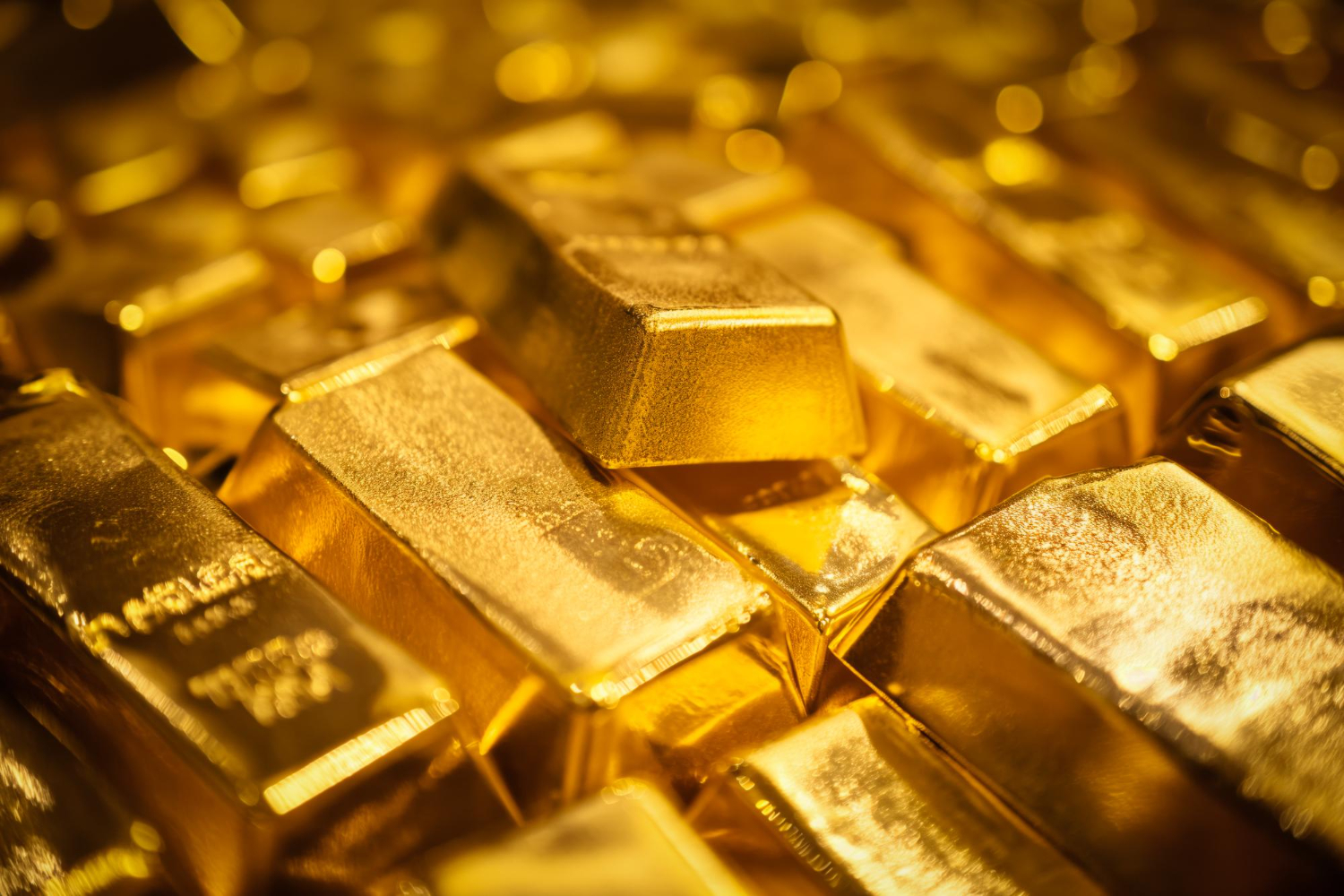
Used for gemstones and traced to the seeds of the carob tree, which were once used as counterweights because they were reasonably consistent in mass.
It is now standardised precisely, but the name preserves the seed. The carat is the measurement that began as a handful of seeds on a balance.
10. The Stone

A body-weight unit still in common use in Britain and Ireland, standardised at fourteen pounds, originally based on actual stones used as trade weights.
Different goods once used different stones, which was as confusing as it sounds before standardisation. The stone is the measurement that started as a rock in a market.
11. The Barleycorn
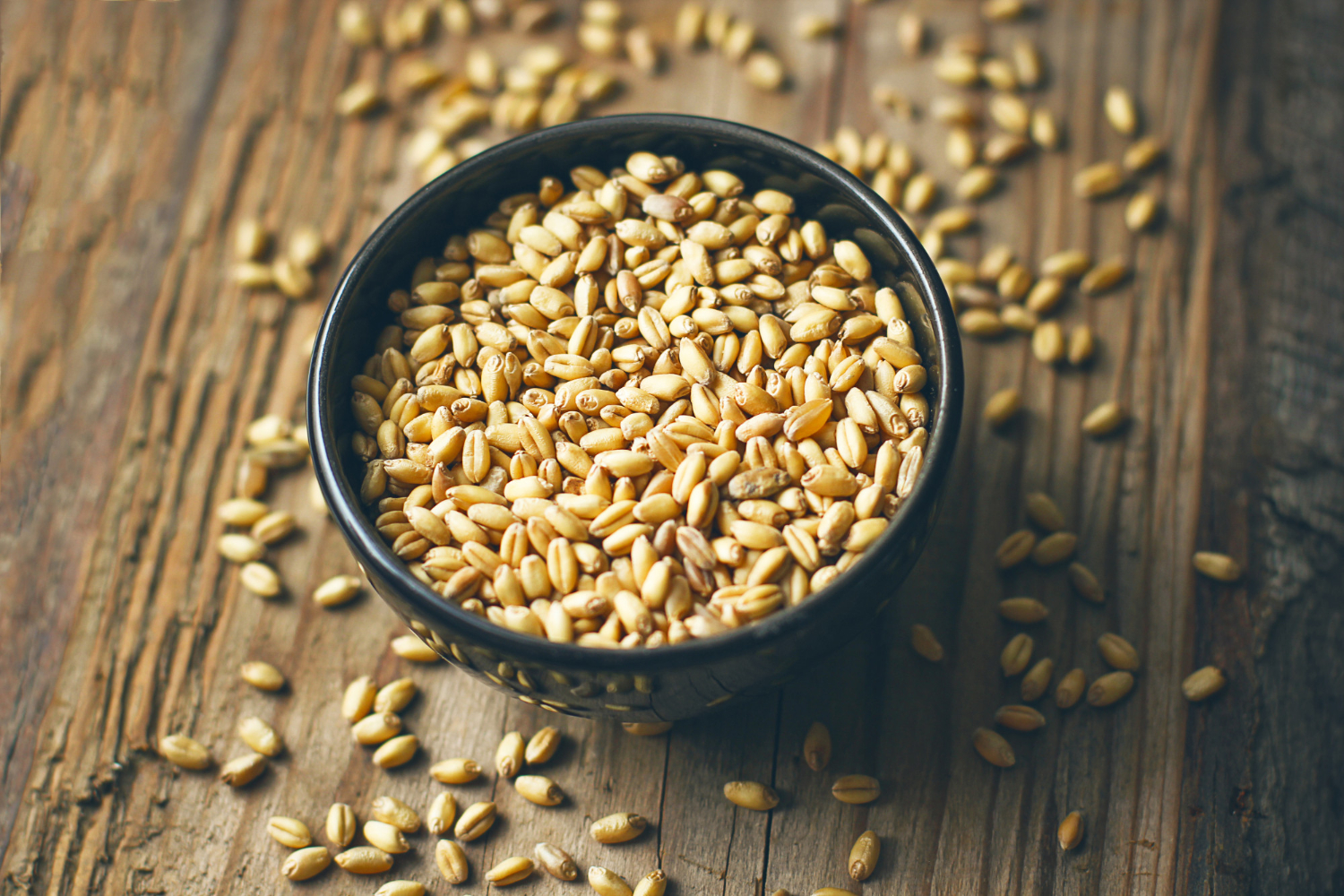
Three barleycorns laid end to end defined an inch, and the unit survives today in shoe sizing, where consecutive sizes differ by a third of an inch.
Almost nobody buying shoes realises they are using a grain-based system. The barleycorn is the measurement still steadily running underneath your shoe size.
12. The Grain
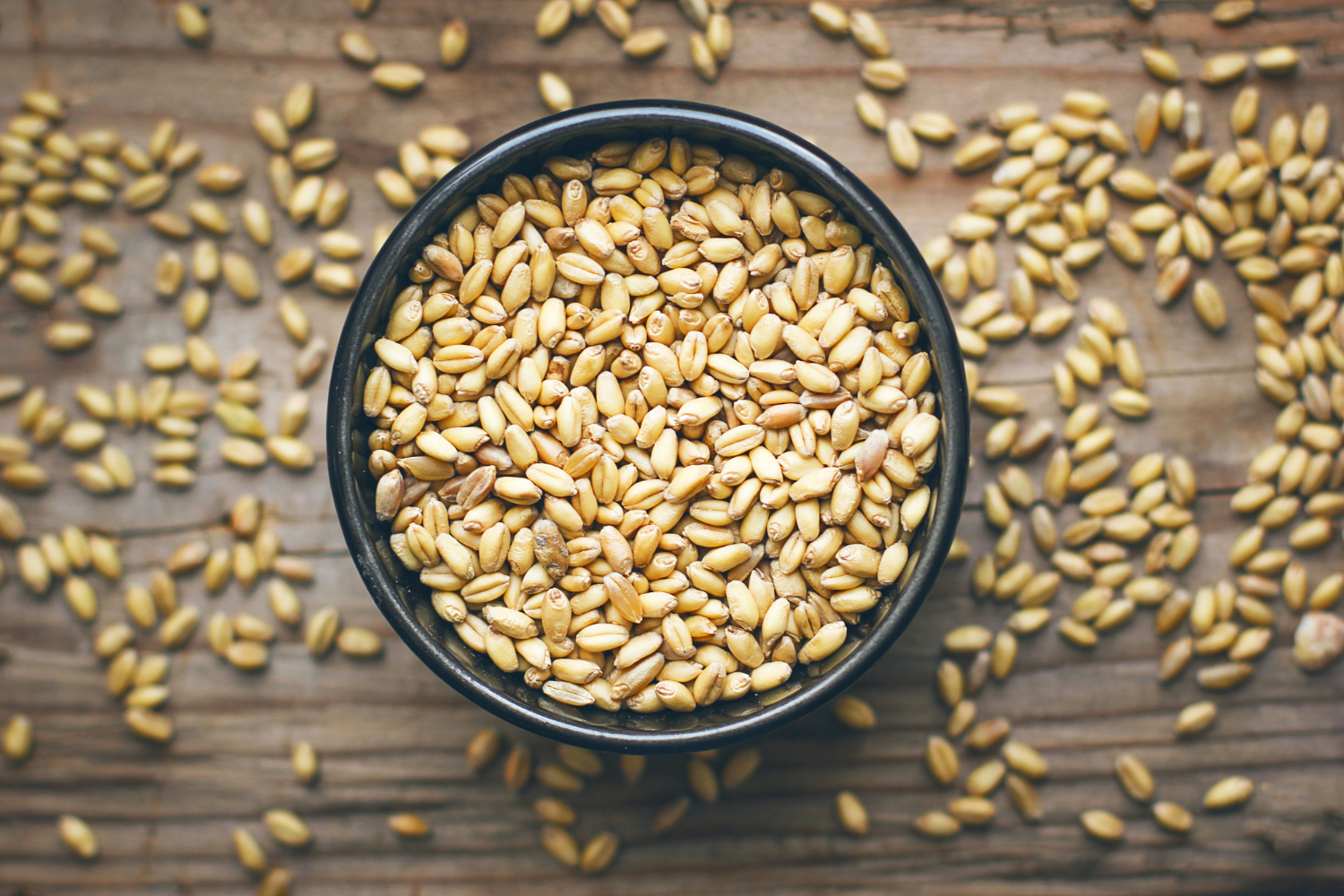
The smallest traditional unit of mass in several systems, based on the weight of a single grain of wheat or barley.
It persists in specialist use, including in ammunition and in some pharmacy contexts. The grain is the measurement that took a cereal crop as its baseline.
14. The League

Roughly the distance a person could walk in an hour, which made it a measure of time as much as of distance.
Its actual length varied substantially between countries, since walking speeds and terrain differ. The league is the measurement that was really an hour in disguise.
15. The Mile

From the Latin for a thousand paces, counted as a thousand double steps of a Roman soldier on the march.
The modern statute mile was later fixed at a figure that has no obvious relationship to anyone’s stride. The mile is the measurement that began as an army counting its own footsteps.
Whatever Was to Hand
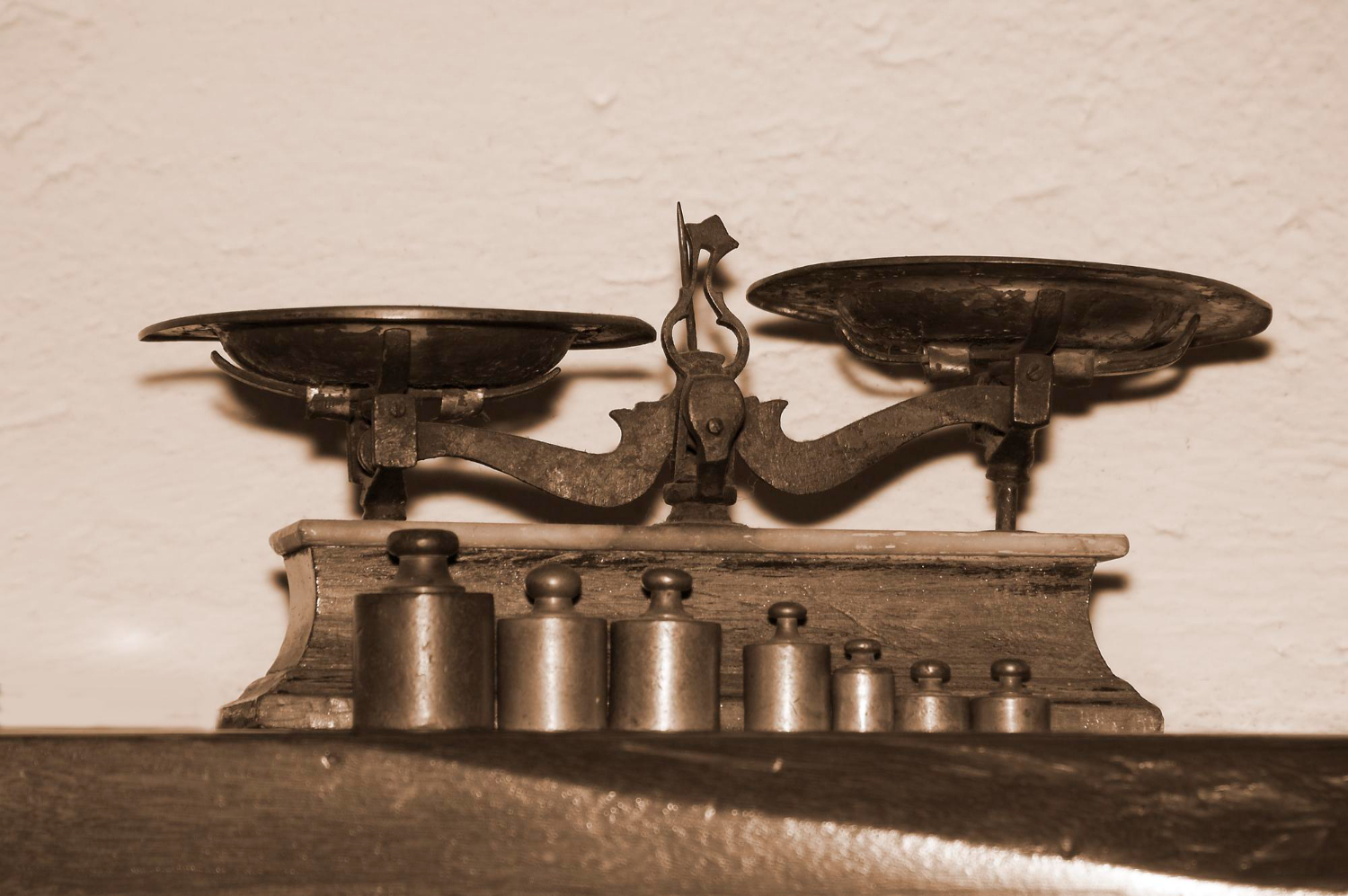
Every unit here was defined against something available: a limb, an animal, a day’s labour, a seed, a rope. Precision came much later, and in several cases the modern definition was reverse-engineered to match the rough one already in use.
Most of these have now been redefined against physical constants that do not vary, which is an enormous improvement and slightly less charming. But the words did not change, so a horse is still measured in hands, a race is still run in furlongs, and your shoe size is still counting barley.
Like our content? Follow us for more.