What visitors notice first is the sound, or the lack of it. Conversation carries, birds are audible, and children move around unsupervised in a way that has become unusual. Here are fifteen places that manage without traffic.
1. Hydra, Greece
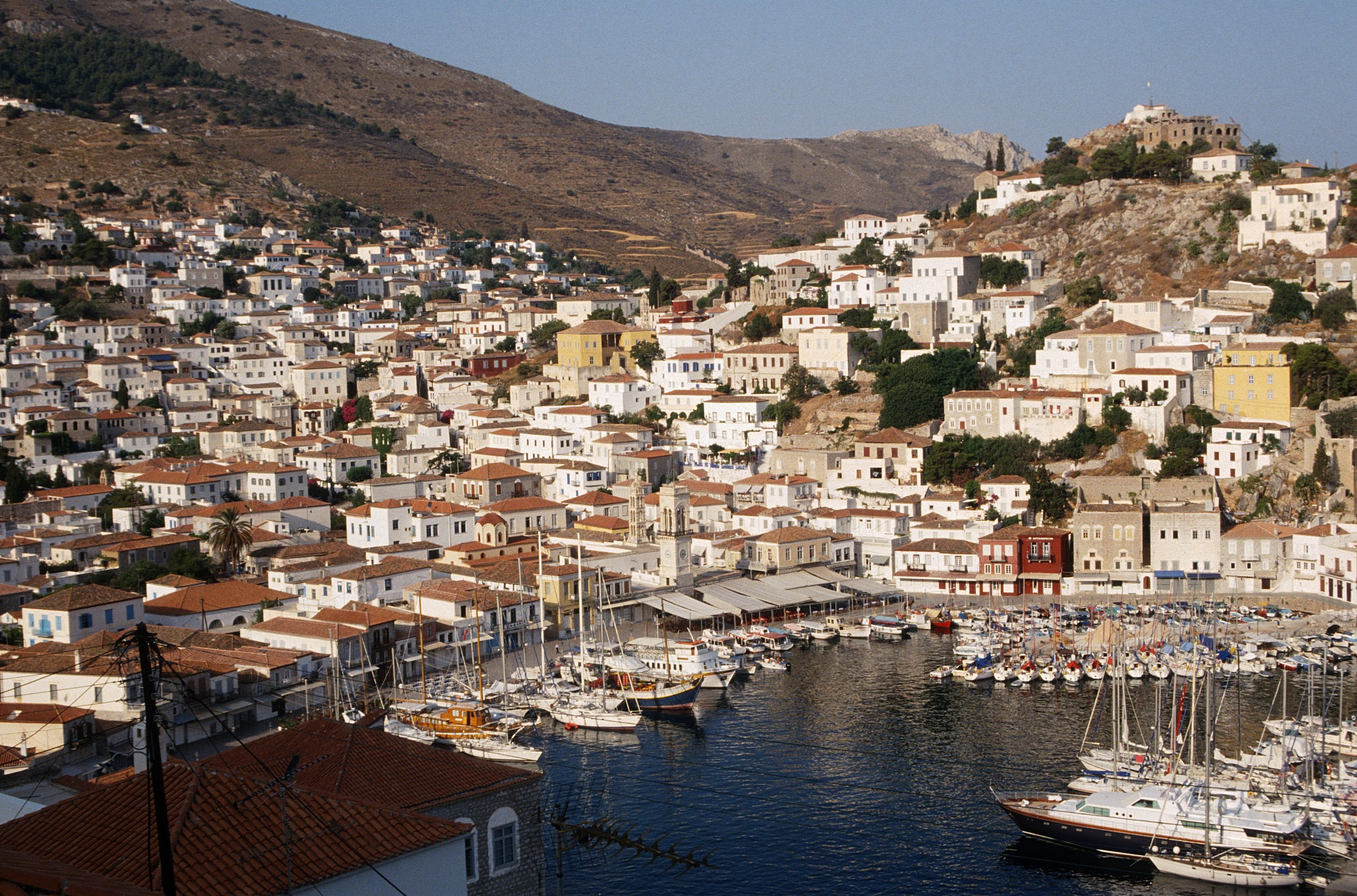
Motor vehicles are prohibited across the island, and goods move by donkey, mule and handcart from the harbour up into the town.
The stepped lanes make wheeled transport impractical anyway, which is part of why the ban has held. Hydra is the car-free island where the pack animals are working transport rather than an attraction.
Like our content? Follow us for more.
2. Venice, Italy
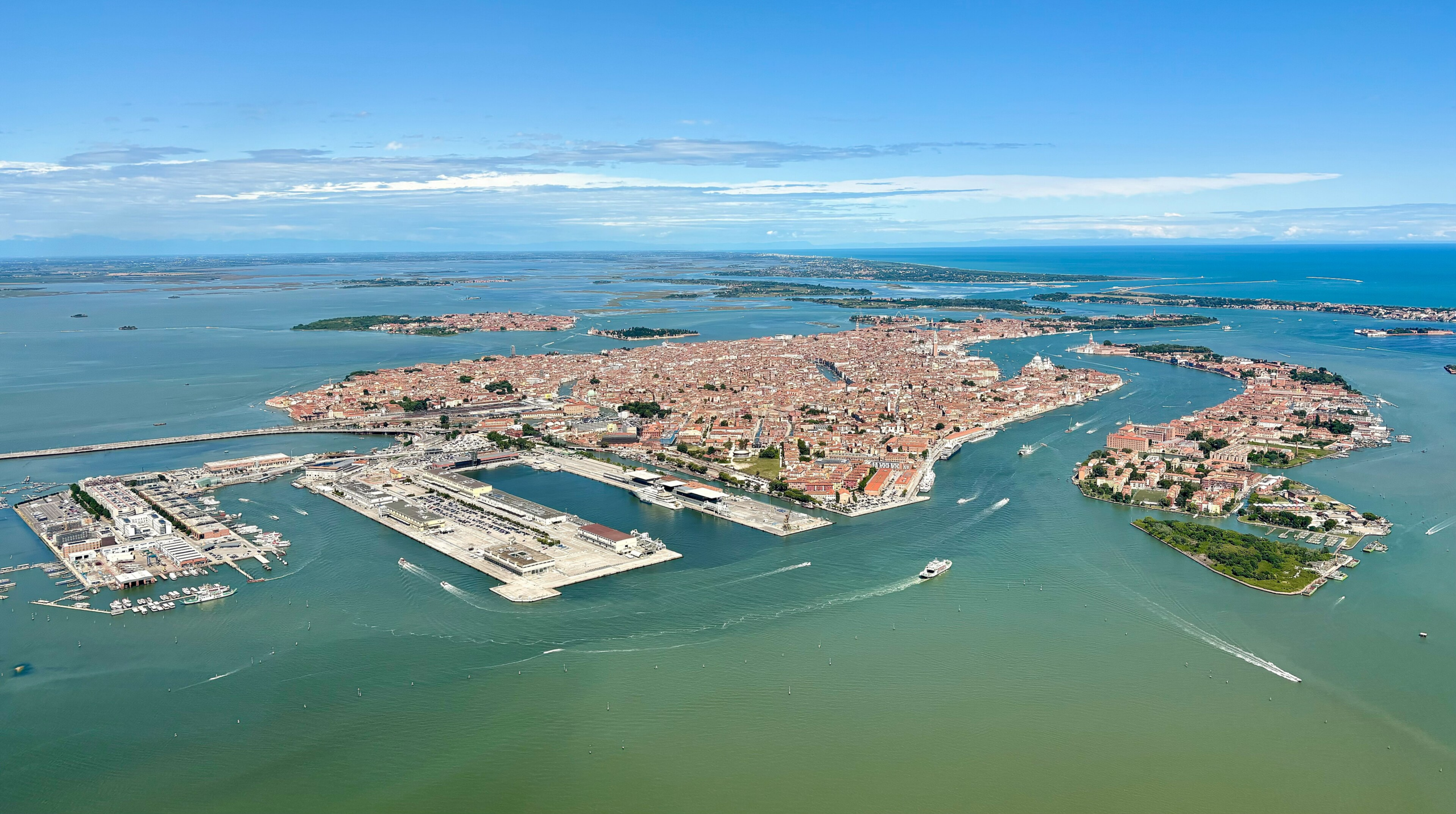
The historic centre has no roads in any usable sense, and everything — deliveries, refuse, ambulances, funerals — moves by boat or on foot.
The logistics of that are visible everywhere once you look, in the barges and handcarts working the early morning. Venice is the car-free city where an entire freight system runs on water.
3. Sark, Channel Islands
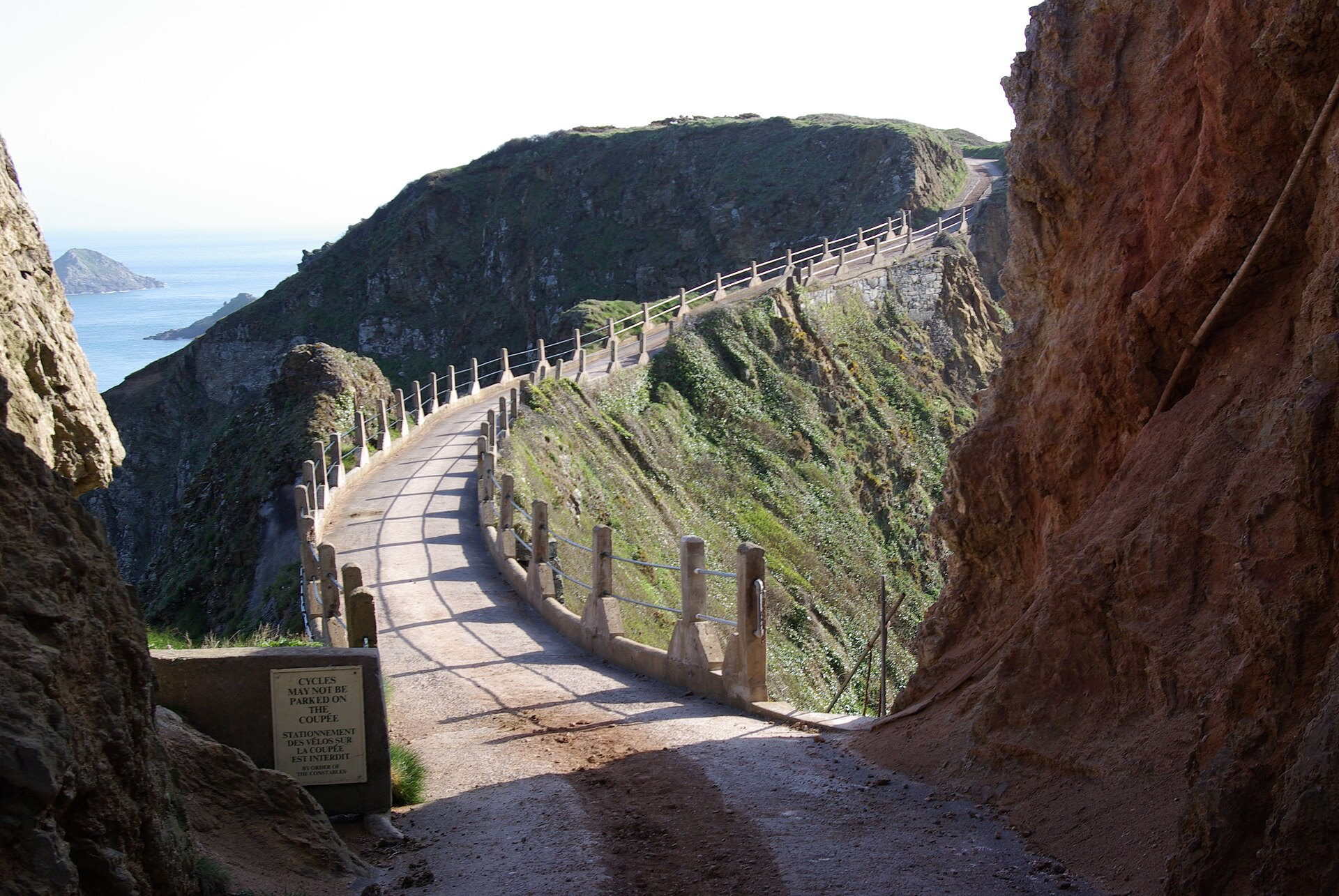
Cars are prohibited, with transport by bicycle, horse-drawn carriage, tractor and on foot, on an island of a few hundred people.
Tractors are permitted for agricultural and haulage work, which is the practical exception that makes the rule workable. Sark is the car-free island where the tractor does the job the car would.
4. Giethoorn, Netherlands
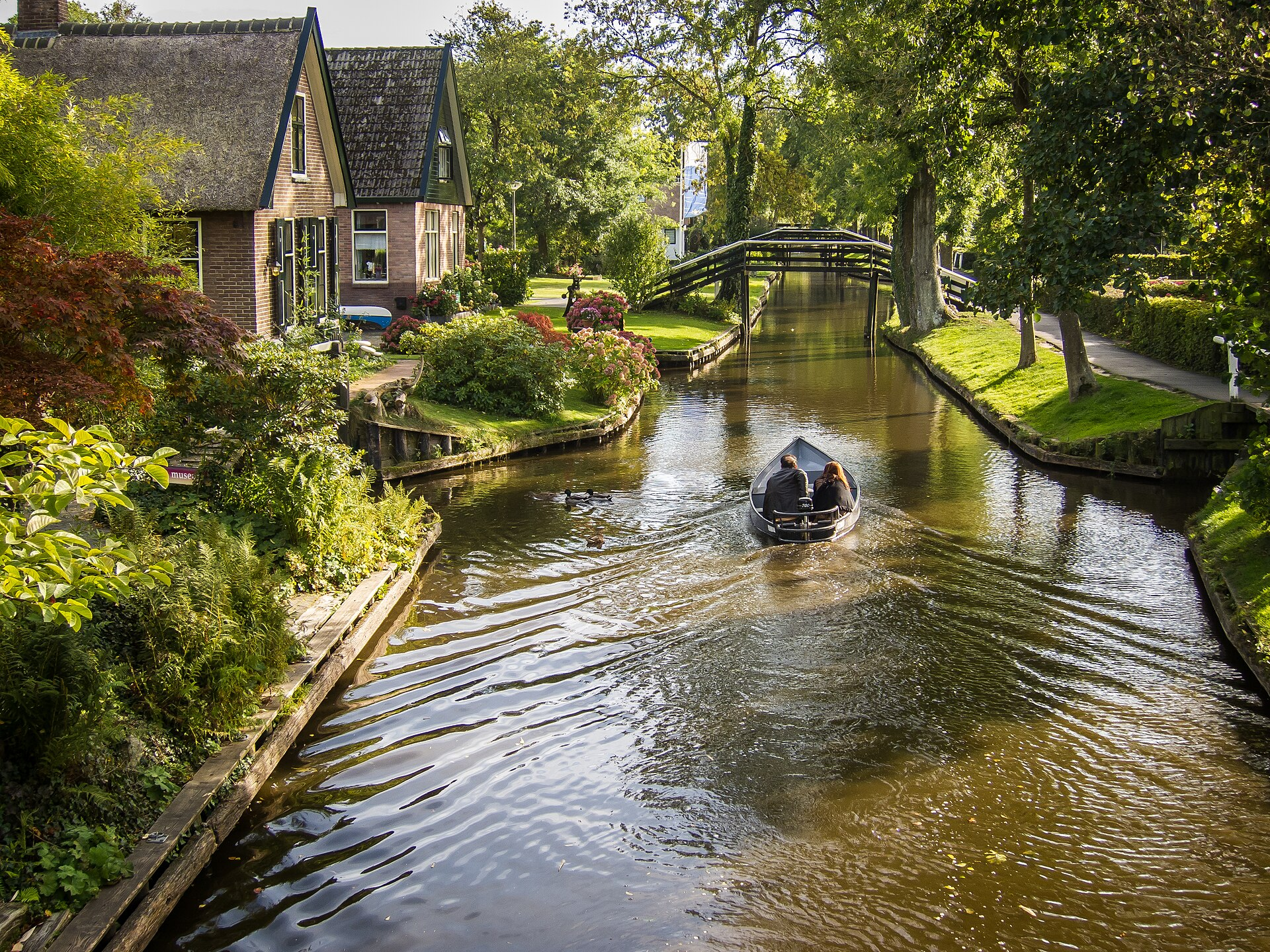
A village threaded with canals and footbridges rather than streets, where a substantial number of houses have no road access at all.
Movement is by punt, electric boat or on foot over the bridges. It gets extremely busy in high summer. Giethoorn is the car-free village where the front path is a waterway.
5. Zermatt, Switzerland
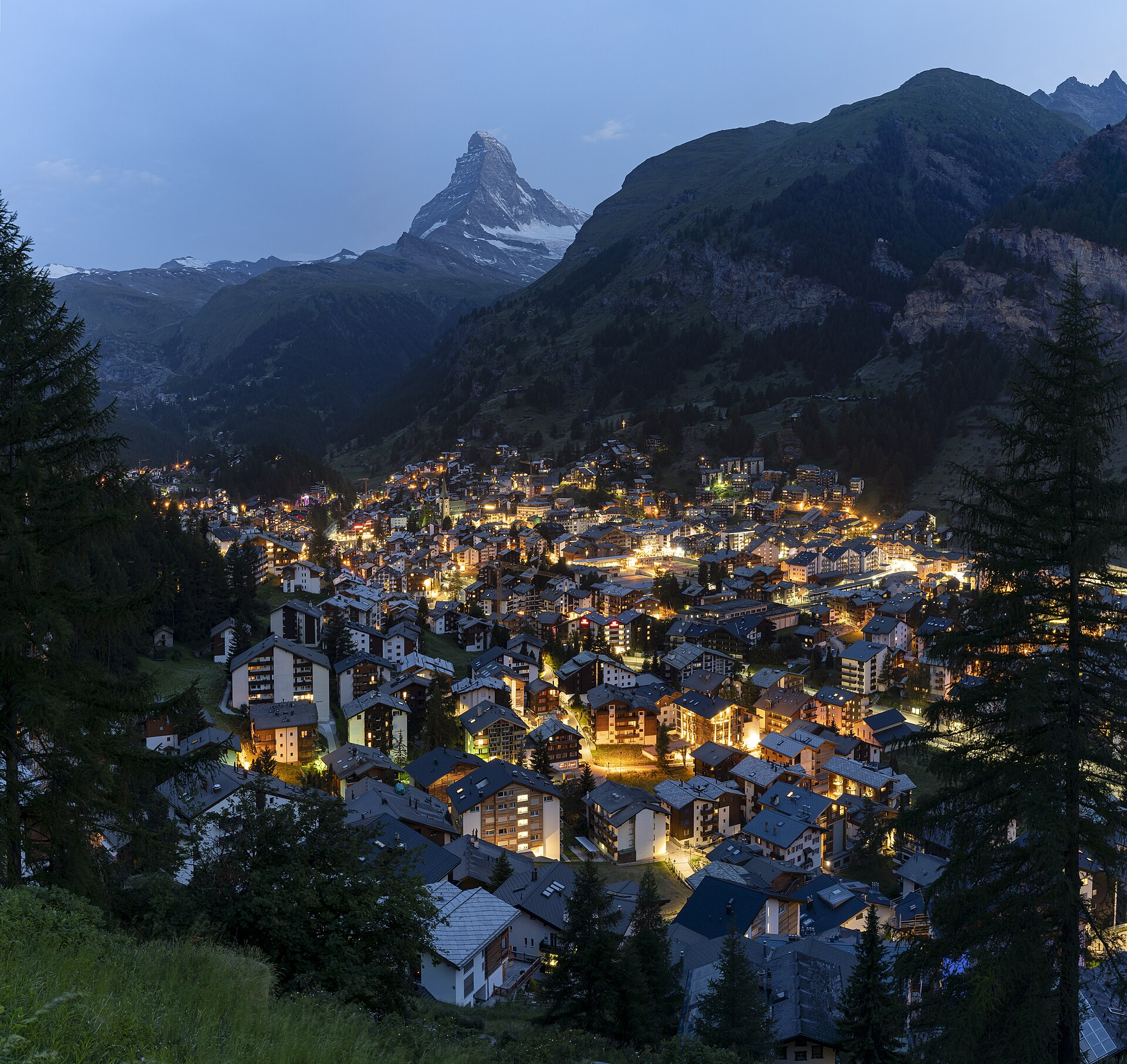
Combustion-engine vehicles are banned, and visitors arrive by train, with small electric taxis and carts handling movement within the village.
The Matterhorn is directly above, and the quiet makes the setting substantially more striking. Zermatt is the car-free town you can only reach by rail.
6. Mackinac Island, Michigan, USA
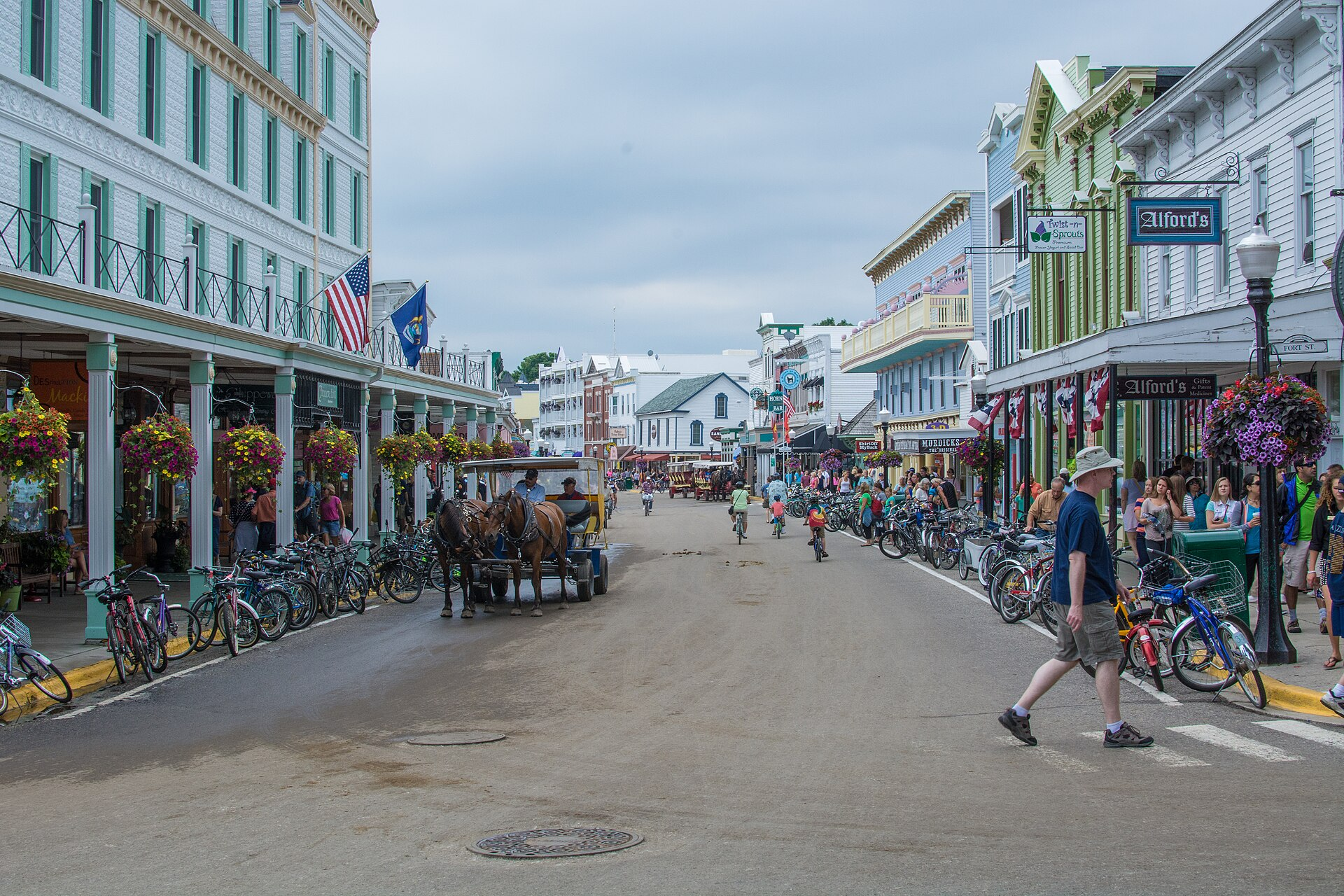
Motor vehicles have been prohibited since the late nineteenth century, with horses, carriages and bicycles doing the work instead.
The ban predates the mass adoption of the car rather than reacting to it, which is unusual. Mackinac is the car-free island that banned the automobile before most people had seen one.
7. Fes el-Bali, Morocco
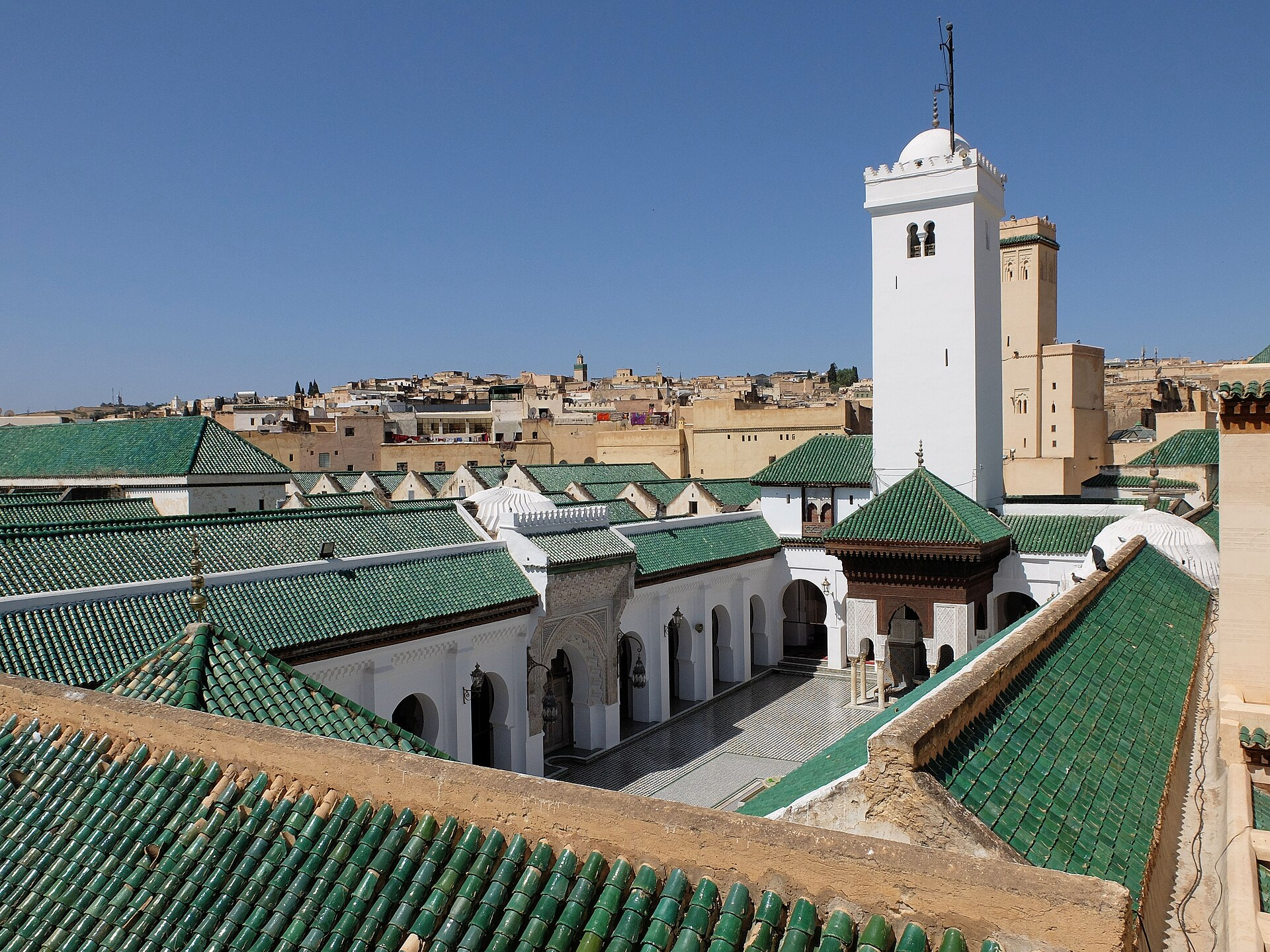
The old walled city contains thousands of lanes too narrow for vehicles, and goods move by donkey, handcart and porter.
It is frequently described as one of the largest car-free urban areas in the world. Fes el-Bali is the car-free quarter where the street plan itself does the enforcing.
8. La Digue, Seychelles
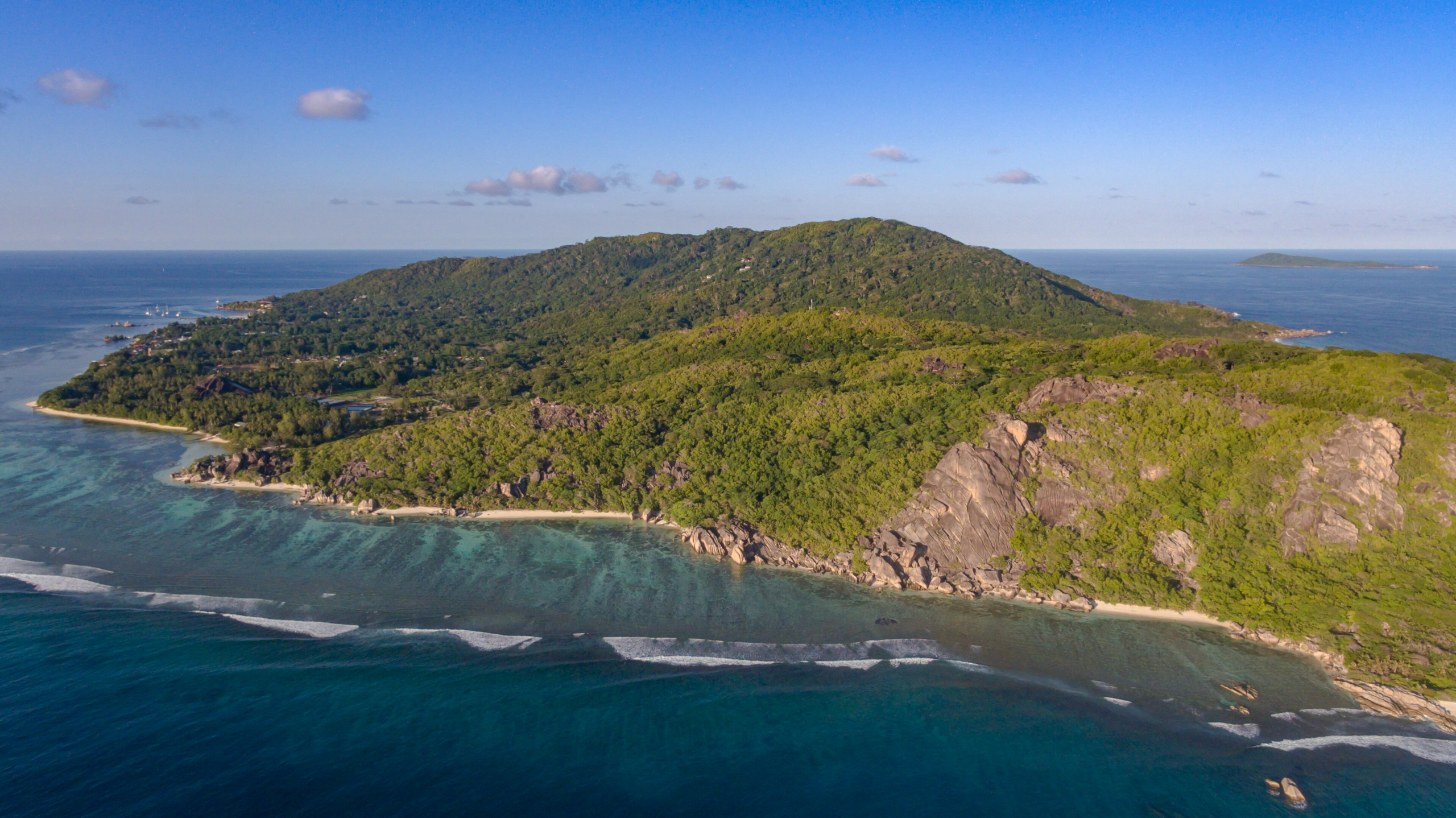
Movement is principally by bicycle and ox-cart, with a small number of permitted vehicles, on an island of granite boulders and beaches.
Bicycles are the default for residents and visitors alike. La Digue is the car-free island where the bicycle is the standard household vehicle.
9. Gili Islands, Indonesia
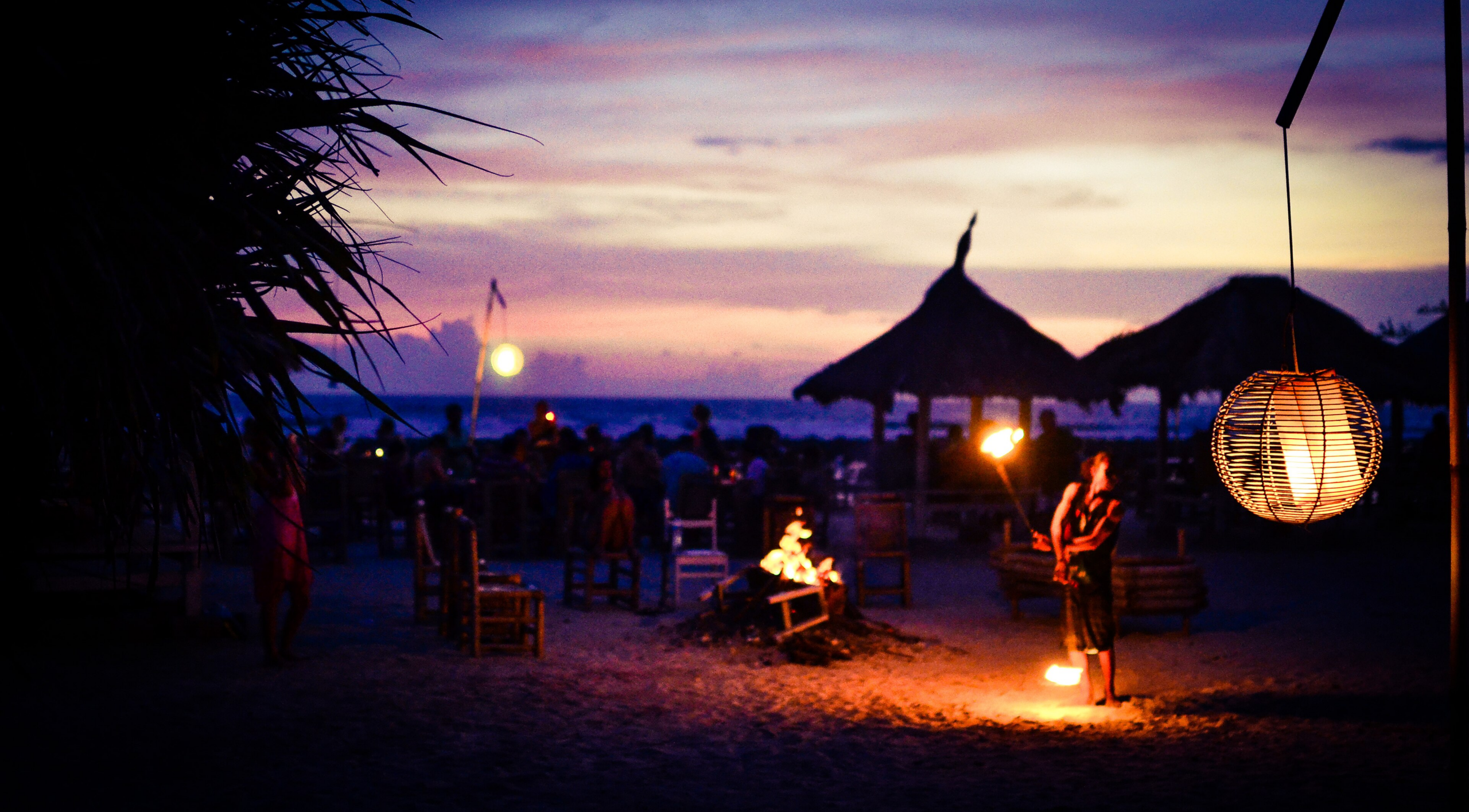
Motorised transport is prohibited, and the islands run on bicycles, horse-drawn carts and boats between them.
The absence of engines is the defining feature of the atmosphere. The Gilis are the car-free islands where the loudest thing is usually the sea.
10. Ghent City Centre, Belgium
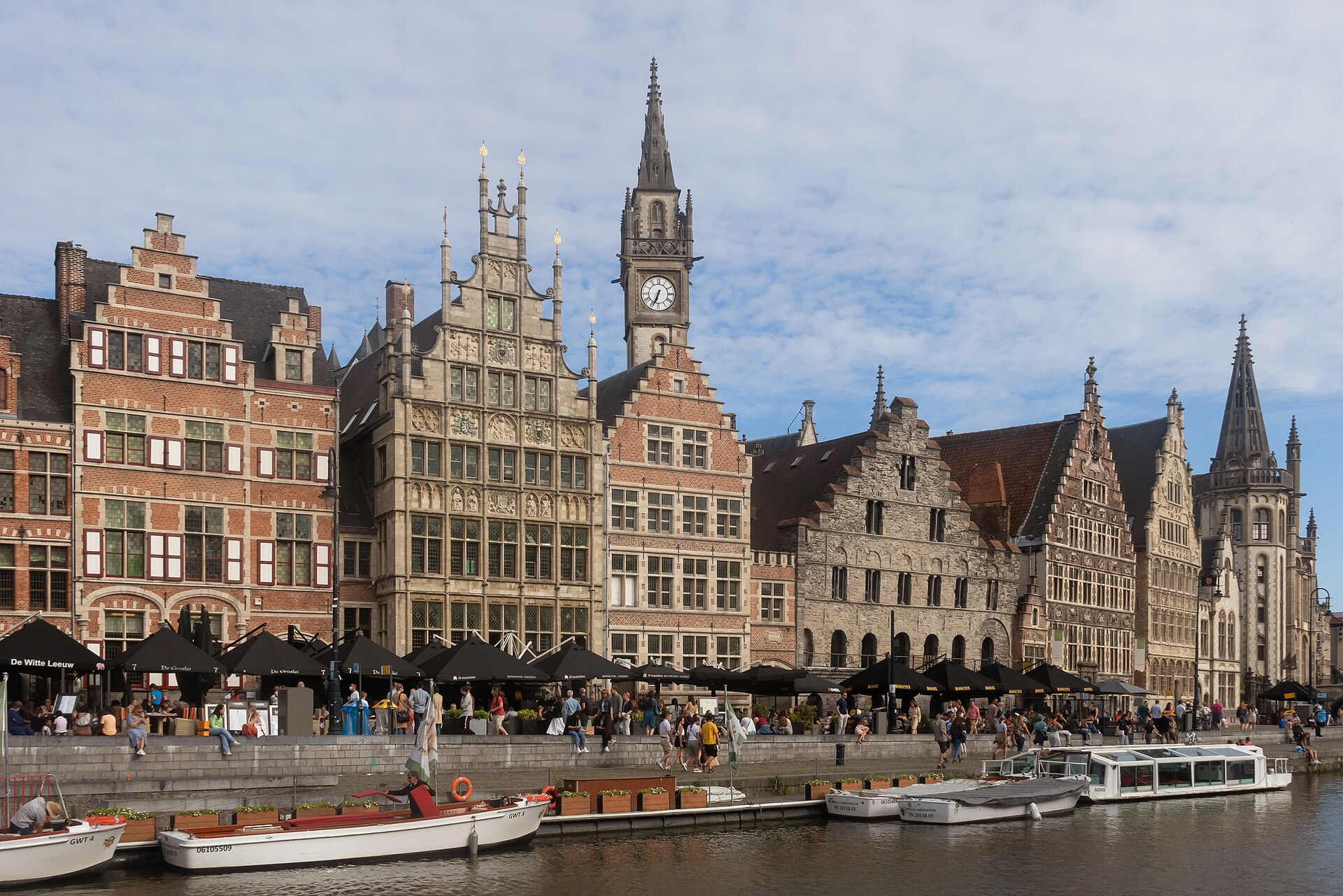
A substantial car-free zone has operated in the historic core for decades, with through traffic removed and access tightly limited.
It is one of the earlier large-scale European examples and is frequently cited when other cities consider similar schemes. Ghent is the car-free centre that showed a large city could do it.
11. Lamu Old Town, Kenya
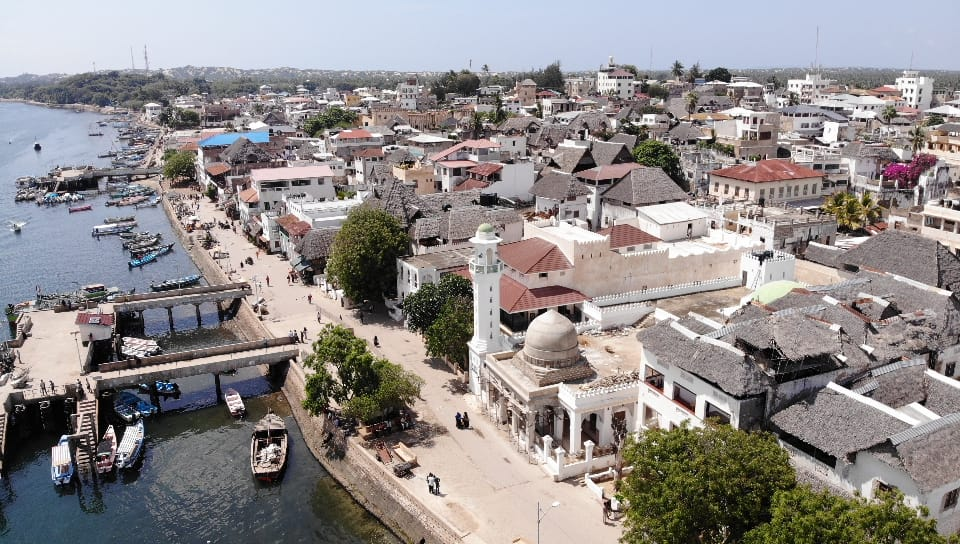
A Swahili coastal settlement where donkeys and boats do the transport work, with only a small number of vehicles on the island.
The narrow lanes and the age of the town make vehicles impractical rather than merely unwelcome. Lamu is the car-free town where donkeys remain real infrastructure.
12. Fire Island, New York, USA
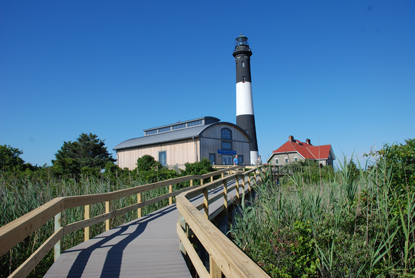
Several communities on this barrier island operate without cars, with movement on foot, by bicycle and by small wagon along boardwalks.
Ferries connect to the mainland and goods are hauled from the dock. Fire Island is the car-free community where everything arrives by boat and then by wagon.
14. Wengen and the Car-Free Alpine Villages, Switzerland
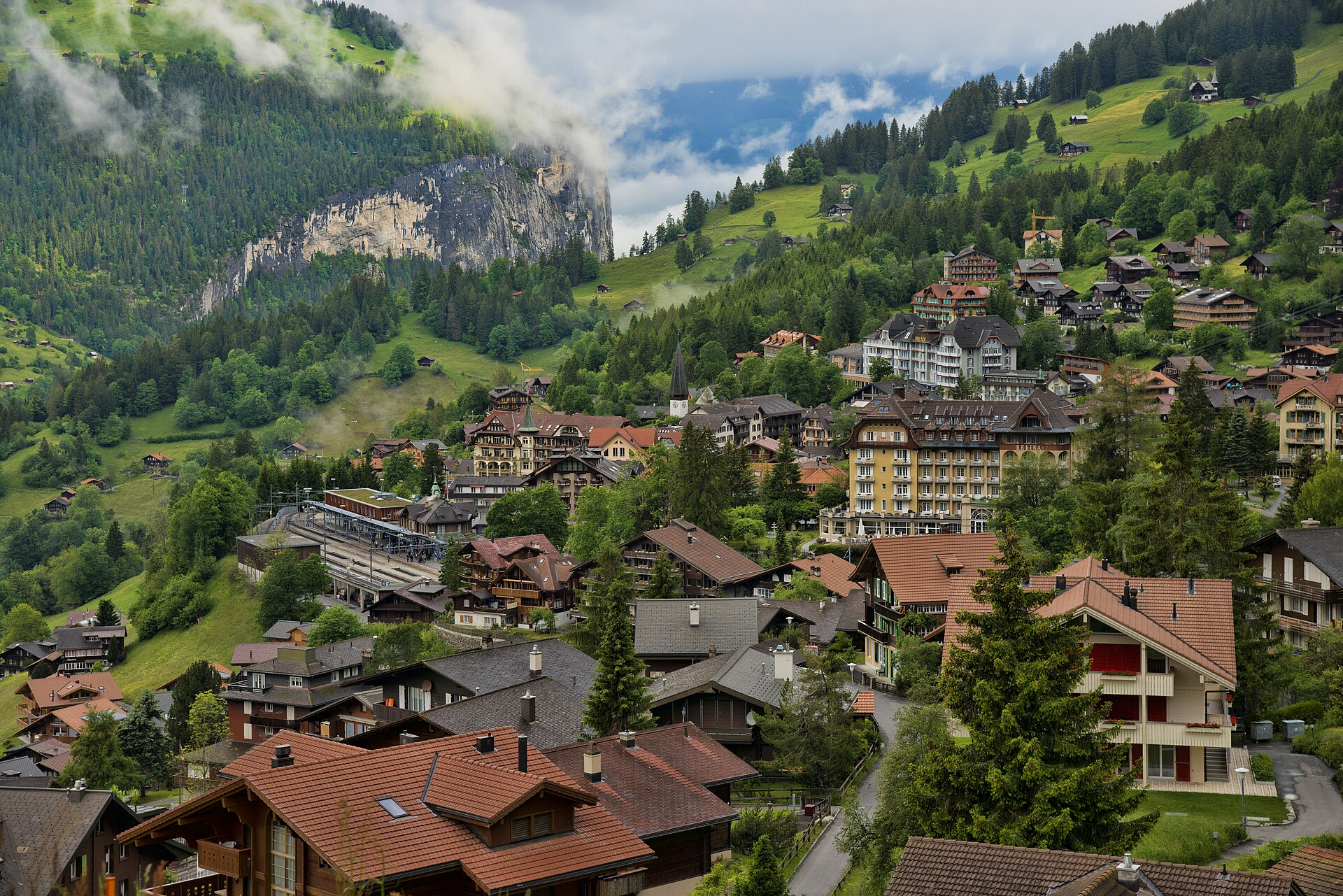
Several Swiss mountain villages are reachable only by rail or cable car and prohibit private vehicles entirely.
The arrangement is practical as much as environmental, since road access would be difficult and expensive. These are the car-free villages where the geography made the decision.
15. Aveiro and the Canal Towns
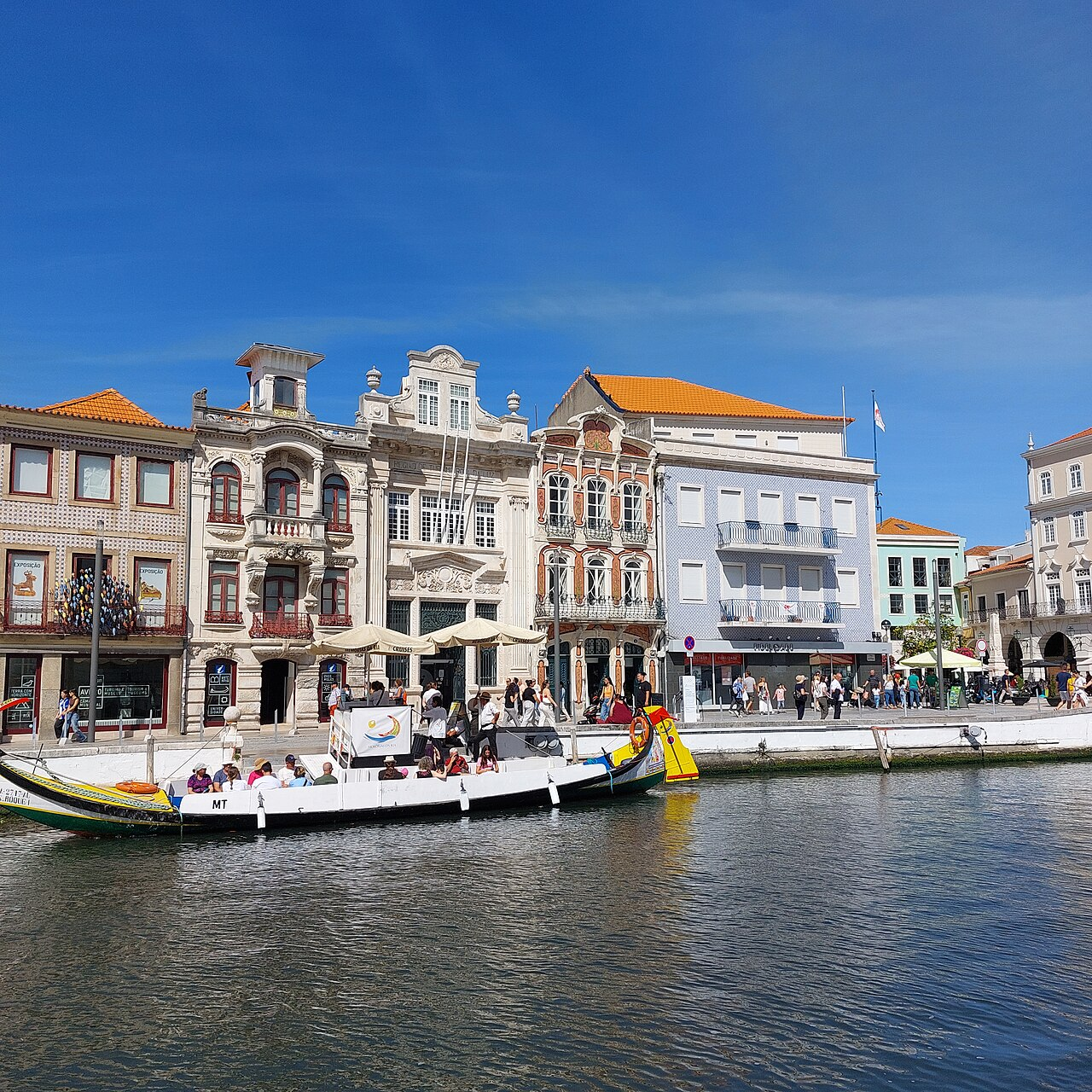
Several European towns built around canals restrict or exclude vehicles from their central waterway districts, with boats and walking doing the work.
The pattern recurs wherever water was the original transport network. These are the car-free districts where the canals came first and the streets never followed.
Quiet, and What It Does
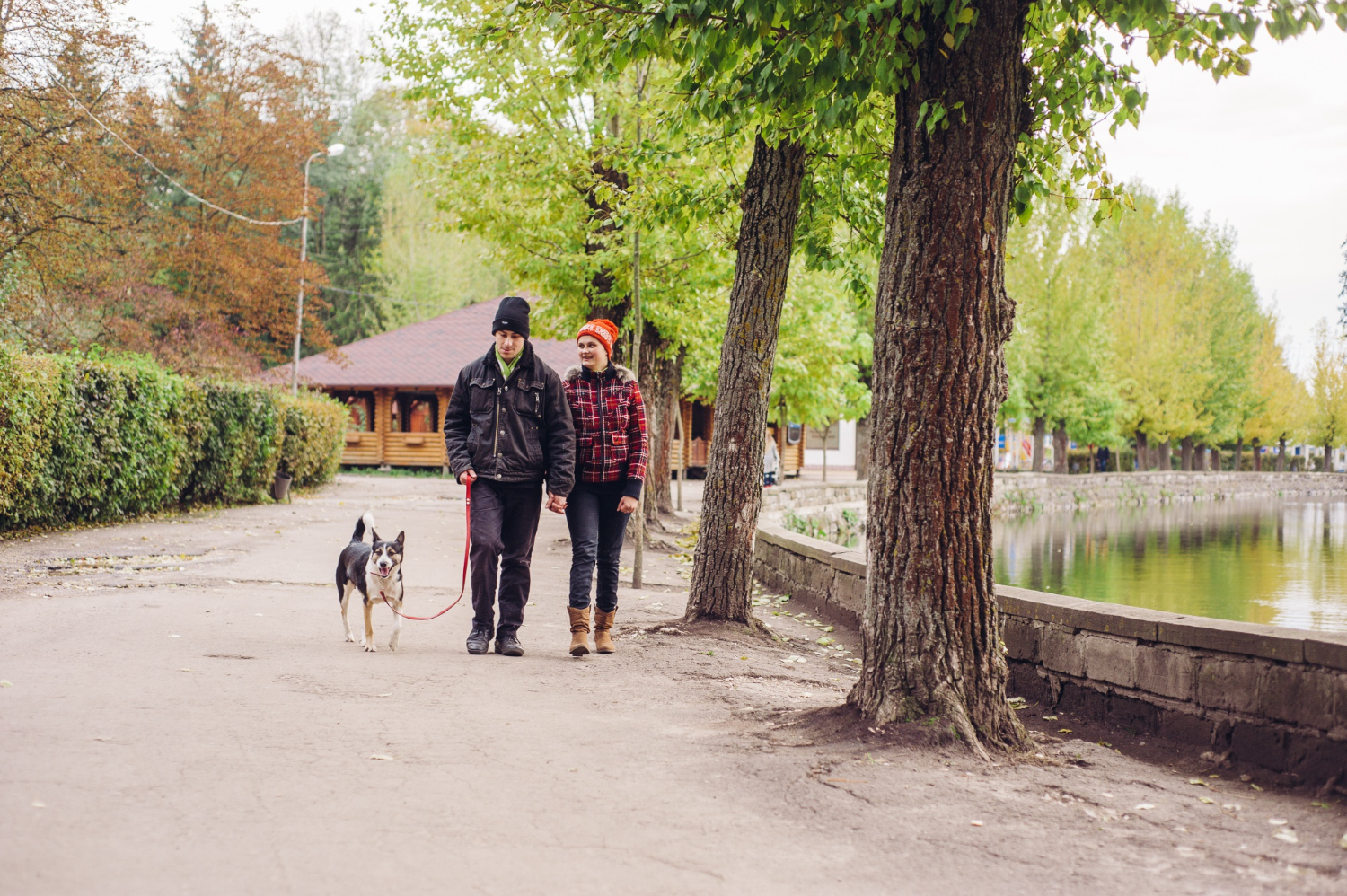
The common thread is that these places were laid out before cars, or decided early that cars did not fit, and the result is a different sensory experience rather than merely a different transport policy.
Practical notes: reaching most of these involves a ferry, a train or a cable car with its own timetable, luggage is your own problem once you arrive, and several are extremely busy in high season and much better out of it. Pack light, check the last boat or train back, and allow more time than the map suggests.
Like our content? Follow us for more.