The engineering logic is entirely practical, and once you know it the buildings stop looking quaint and start looking sensible. Here are eleven still standing.
1. The Kapellbrucke, Lucerne, Switzerland
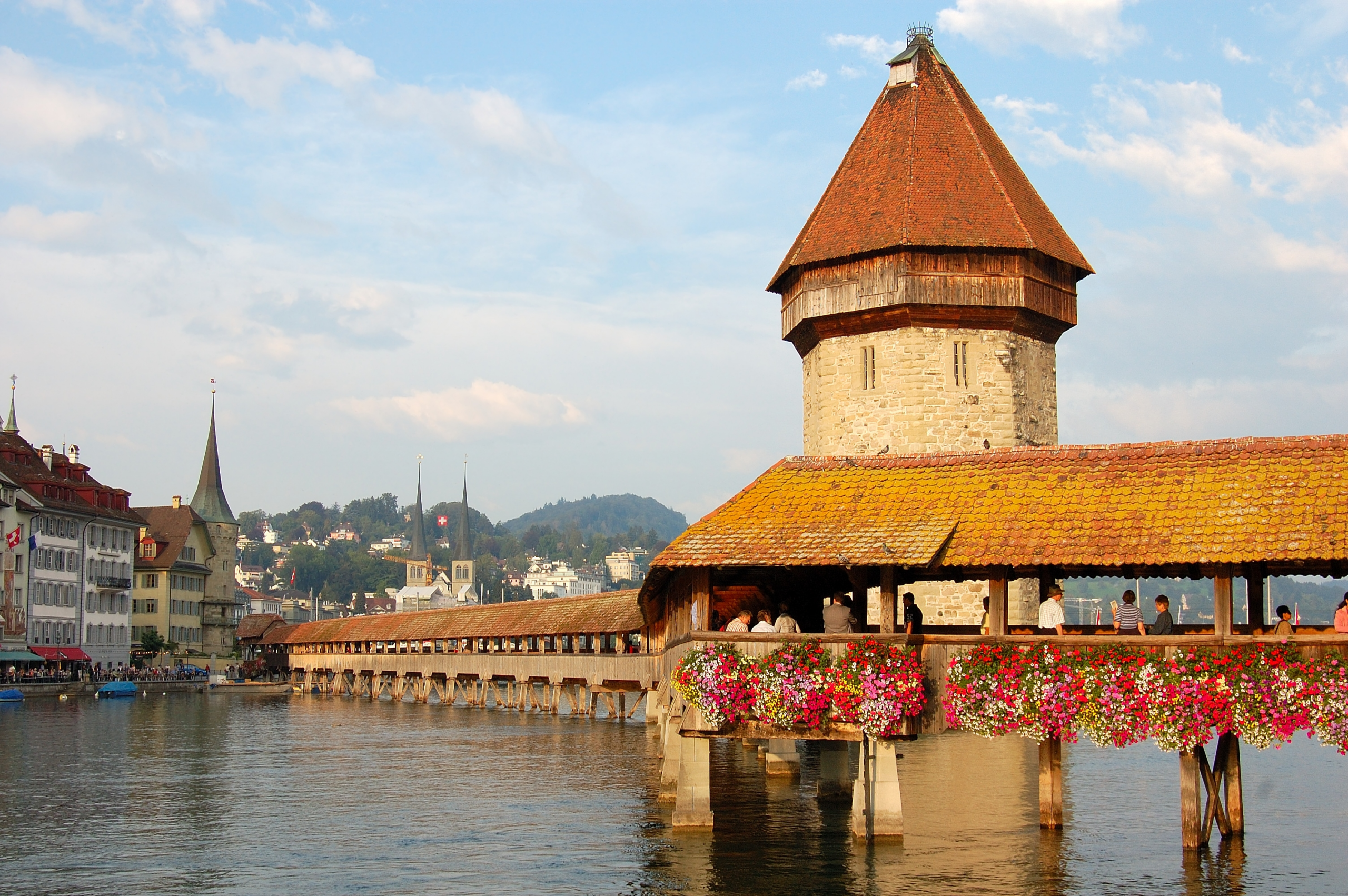
A long covered timber footbridge crossing the river in the middle of the city, with painted panels set into the roof structure along its length.
It was severely damaged by fire in the 1990s and rebuilt, with some original panels lost. The Lucerne bridge is the covered bridge that doubles as a picture gallery.
Like our content? Follow us for more.
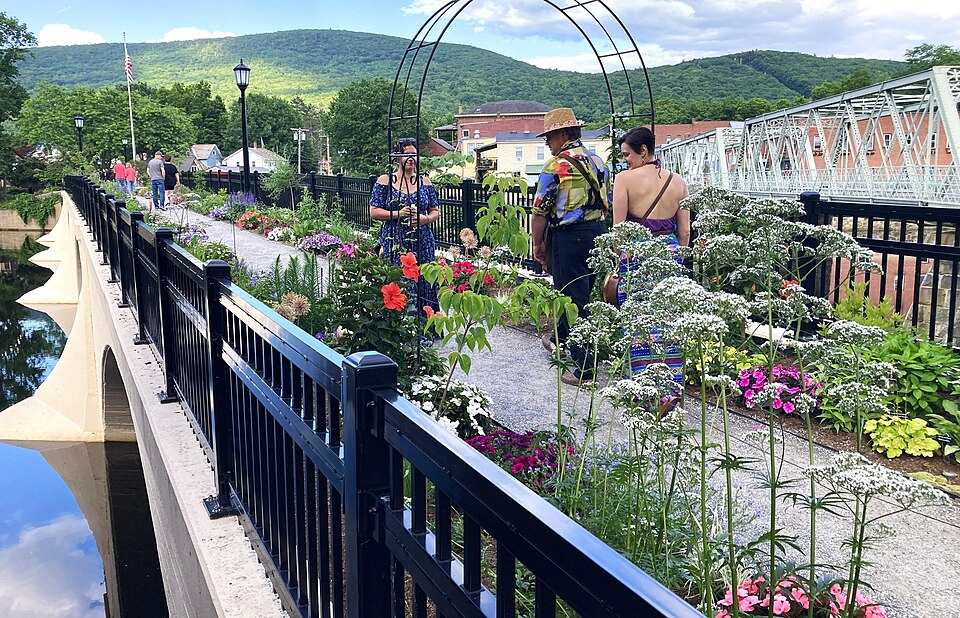
2. Bridge of Flowers and the New England Crossings, USA
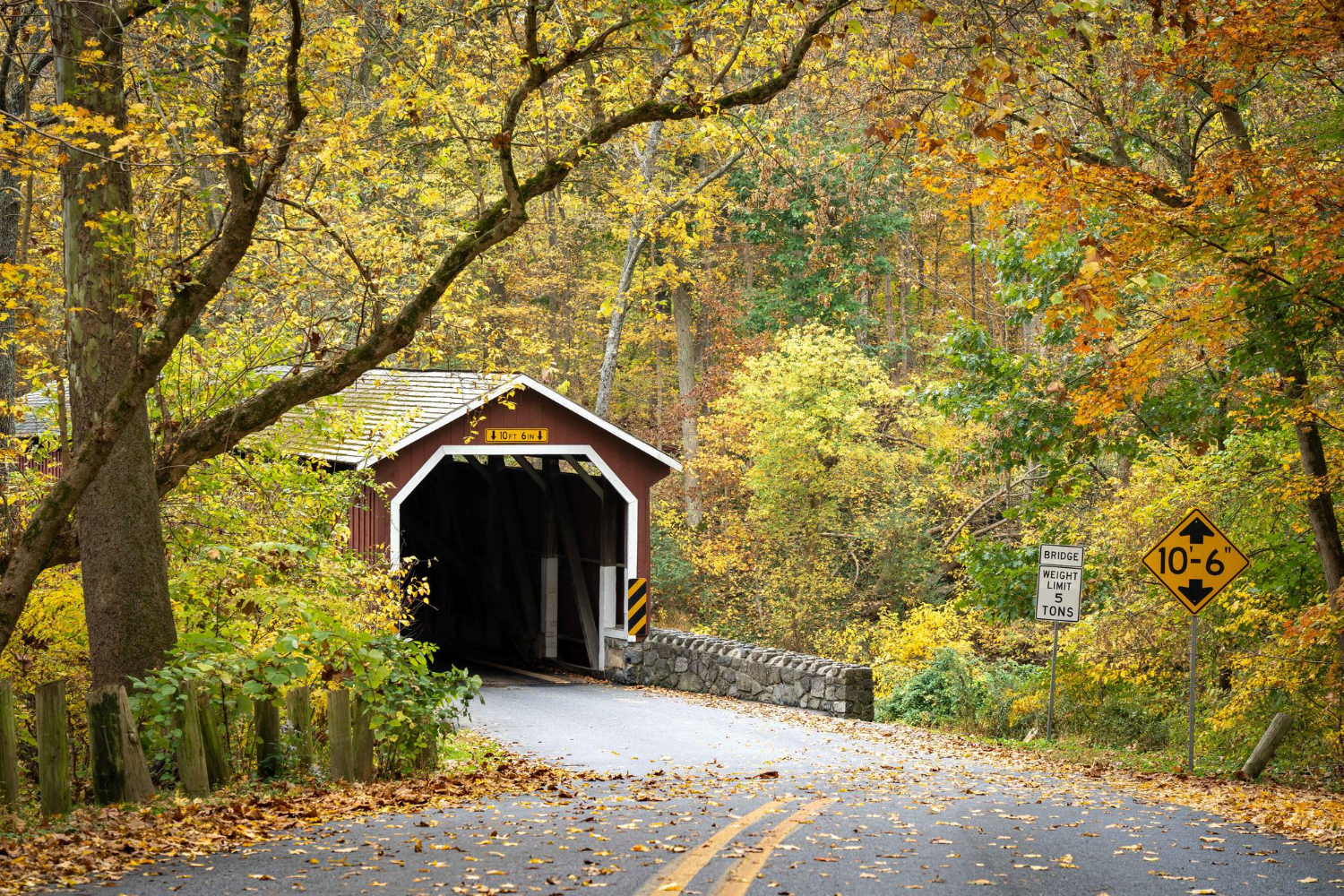
New England retains a substantial number of nineteenth-century covered bridges on rural roads, several still carrying traffic.
Local associations maintain many of them, and each state keeps its own inventory. The New England bridges are the covered crossings that still form part of an ordinary road network.
3. Chengyang Bridge, China
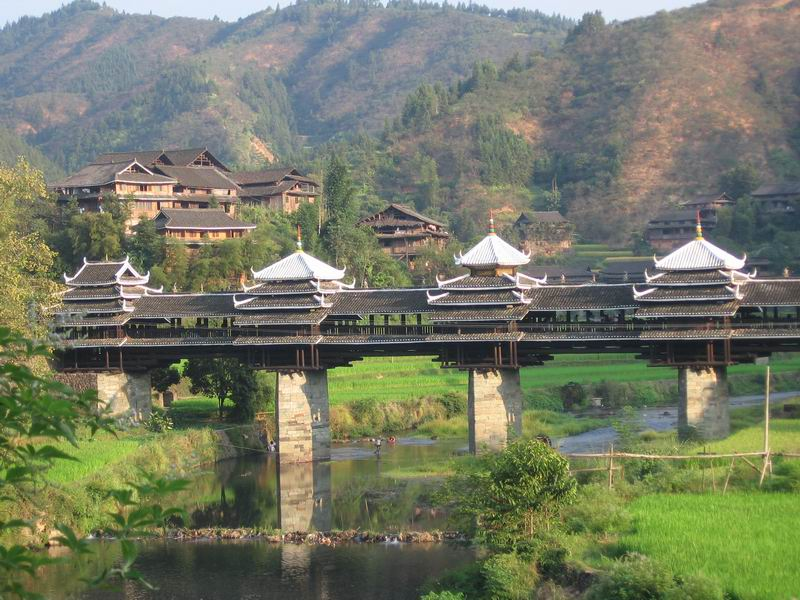
A wind and rain bridge built by the Dong people, combining a crossing with roofed pavilions and towers along its length.
It was constructed without nails, using interlocking timber joints throughout. Chengyang is the covered bridge built as a series of buildings rather than a single roof.
4. Pont Couvert de Rothau and the French Vosges Crossings
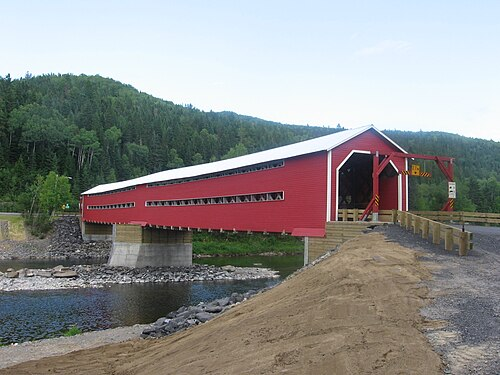
Timber crossings in eastern France and the Vosges follow the same principle, with steep roofs shedding snow as well as rain.
Snow load is a design factor these bridges handle that lowland examples do not. These are the covered bridges built for winter as much as for damp.
5. The Bridges of Madison County Region, Iowa, USA
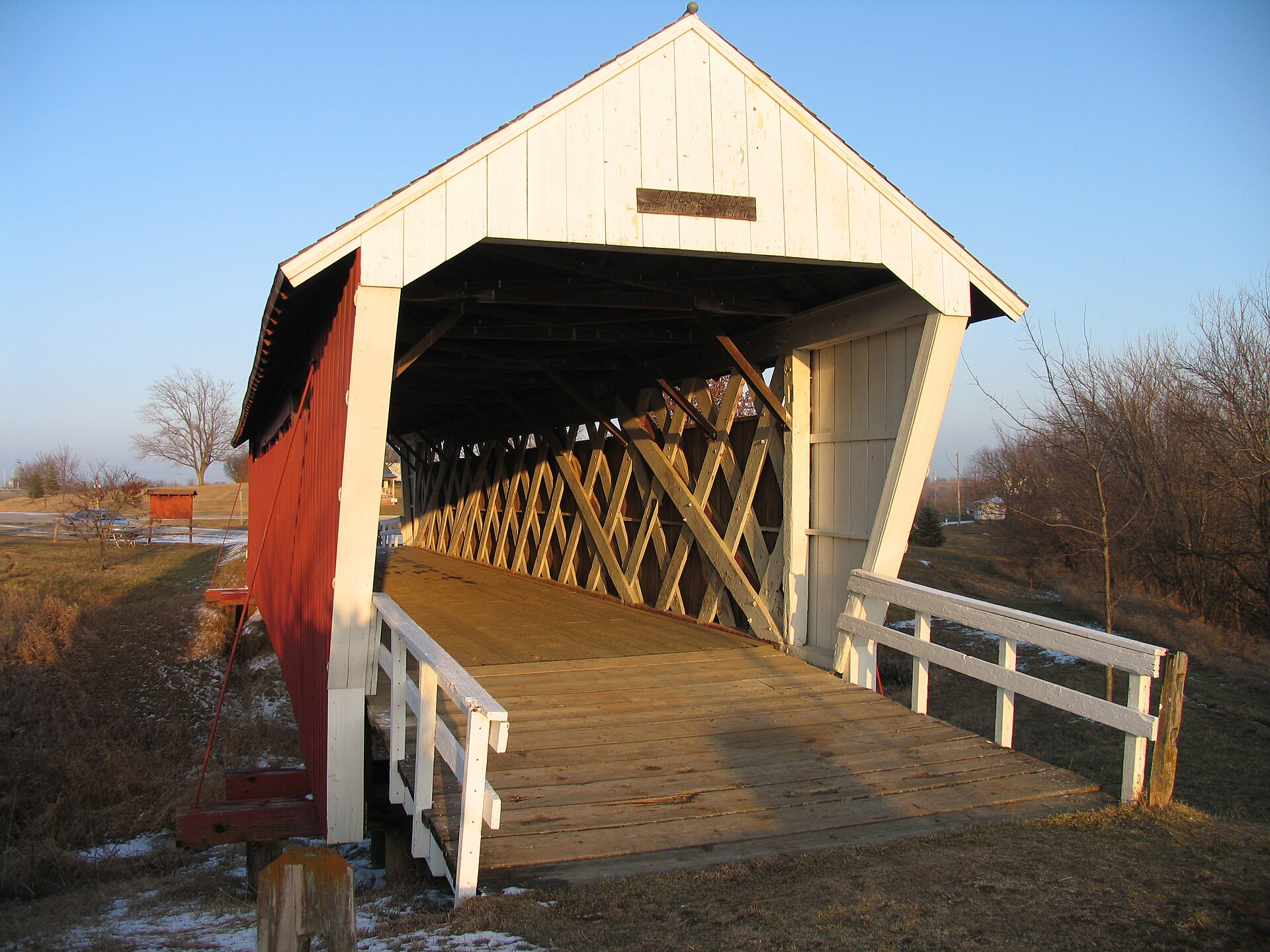
A small county retains several nineteenth-century covered bridges within a short distance of one another, maintained as a group.
They became widely known through a novel and a film, which funded a great deal of their preservation. These are the covered bridges that a book paid to restore.
6. Ponte Coperto, Pavia, Italy
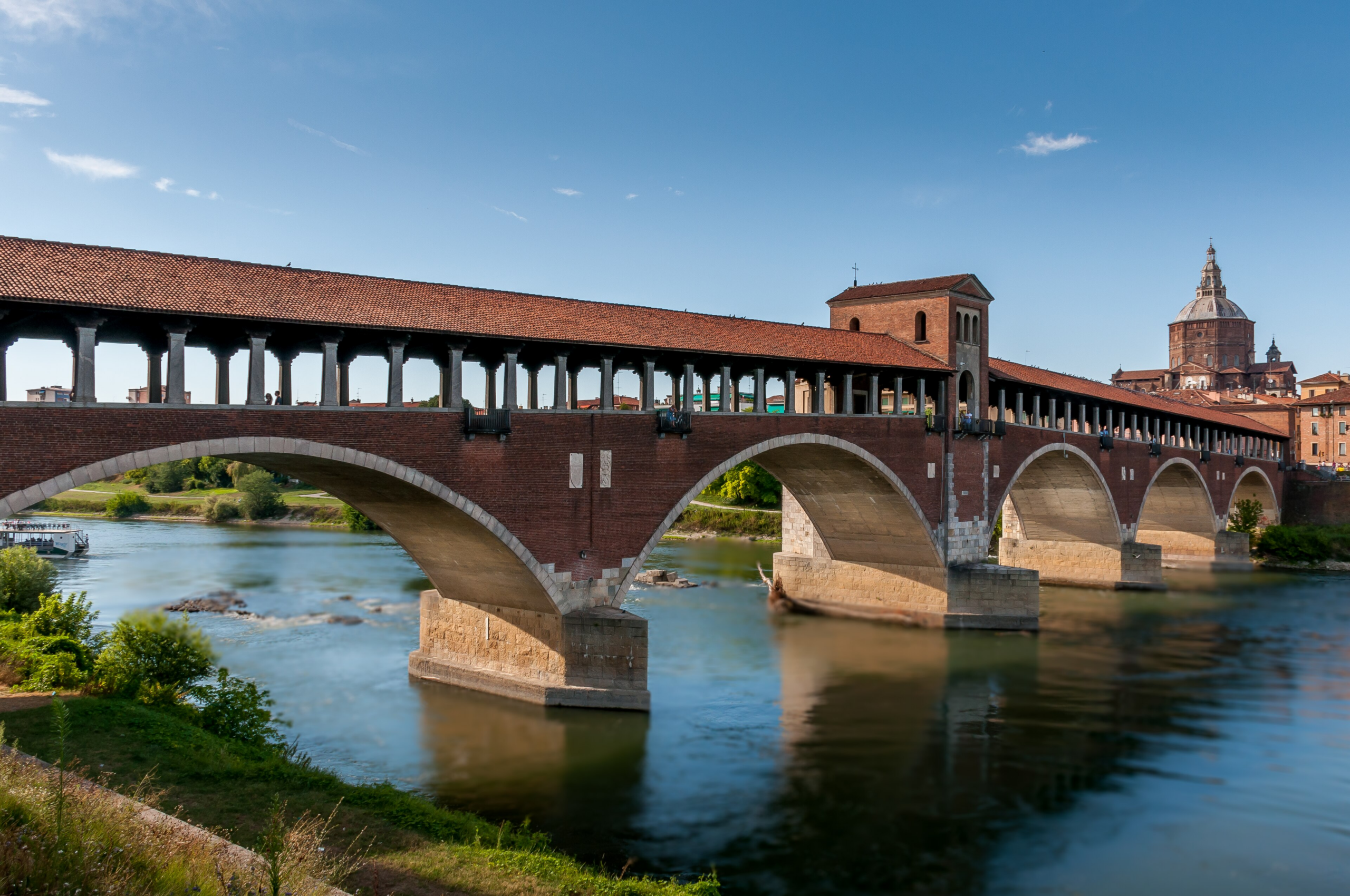
A covered arched bridge across the Ticino, rebuilt in the twentieth century after wartime damage, with a small chapel midway along it.
The chapel in the middle is unusual and is original to the design tradition rather than an addition. Pavia is the covered bridge with a chapel built into the span.
7. Hartland Bridge, New Brunswick, Canada
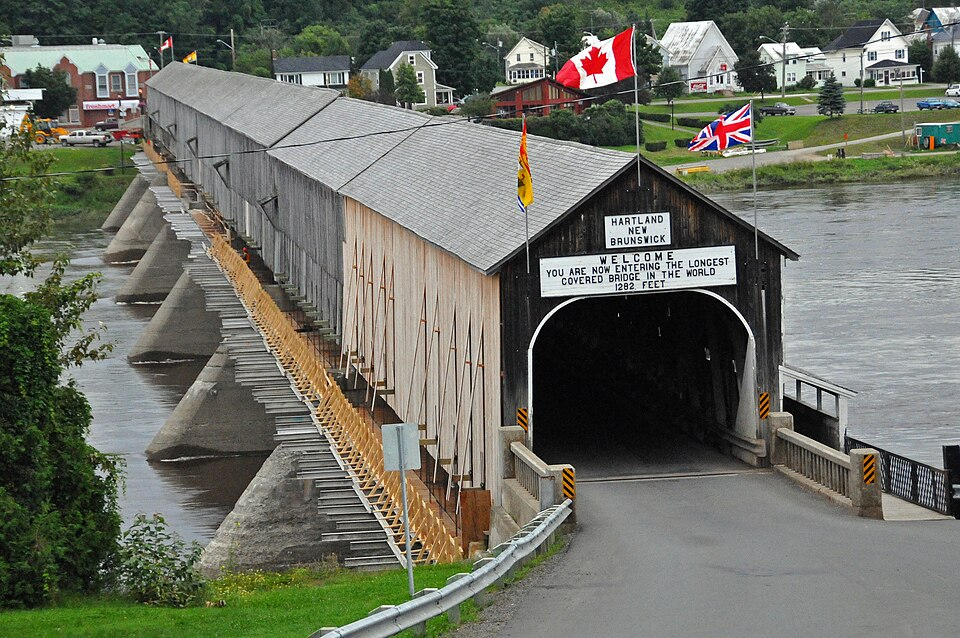
Frequently described as the longest covered bridge in the world, crossing a wide river in a single continuous roofed structure.
It was not originally covered and was roofed some years after construction, which is the reverse of the usual sequence. Hartland is the covered bridge that got its roof retrospectively.
8. Anhui and the Huizhou Covered Bridges, China
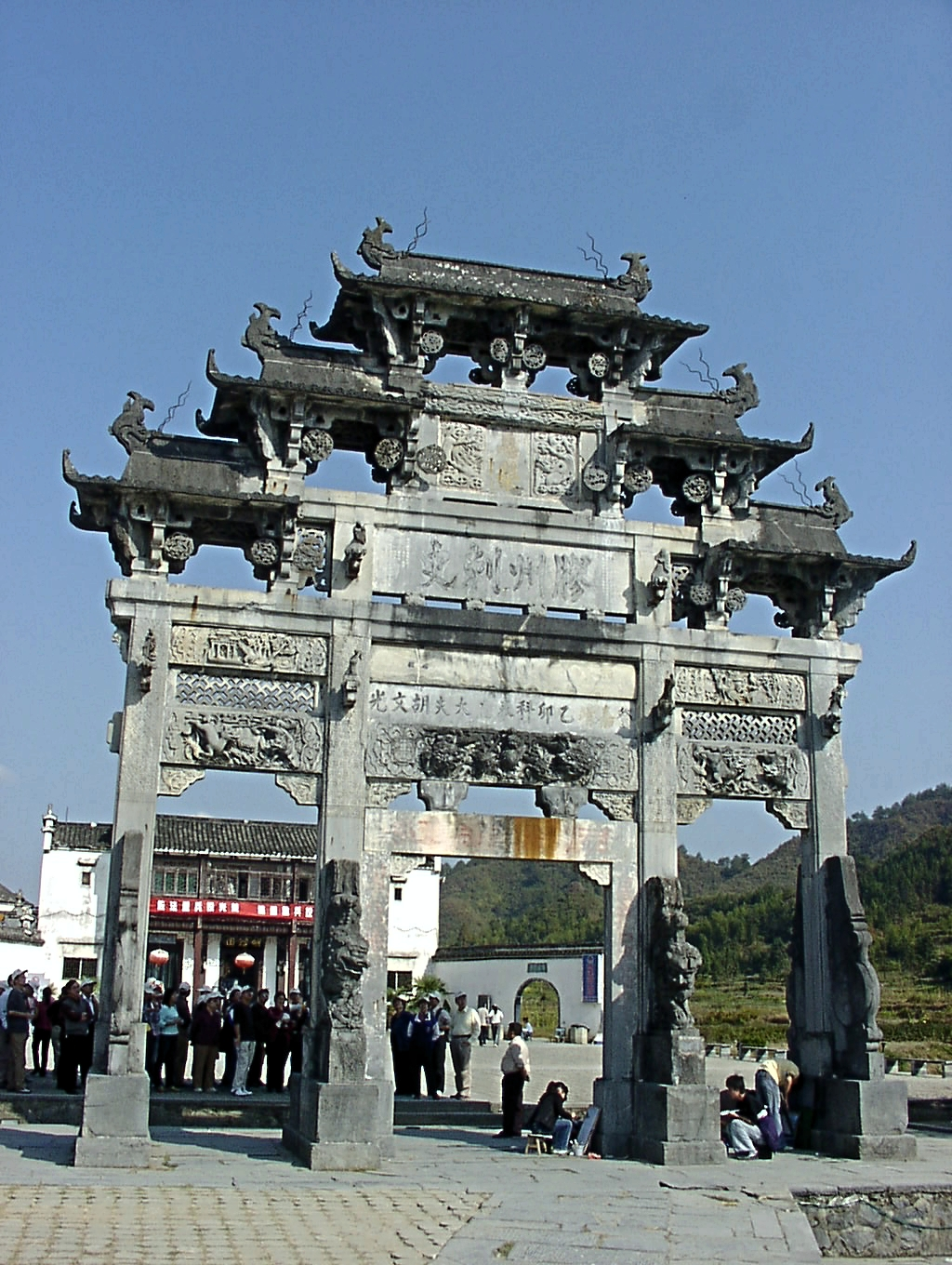
Southern Chinese provinces retain roofed bridges combining crossing, shelter and social space, some centuries old.
They frequently sit at village entrances and function as meeting places rather than only as routes. These are the covered bridges that serve as village halls.
9. Zuoz and the Swiss Alpine Timber Bridges
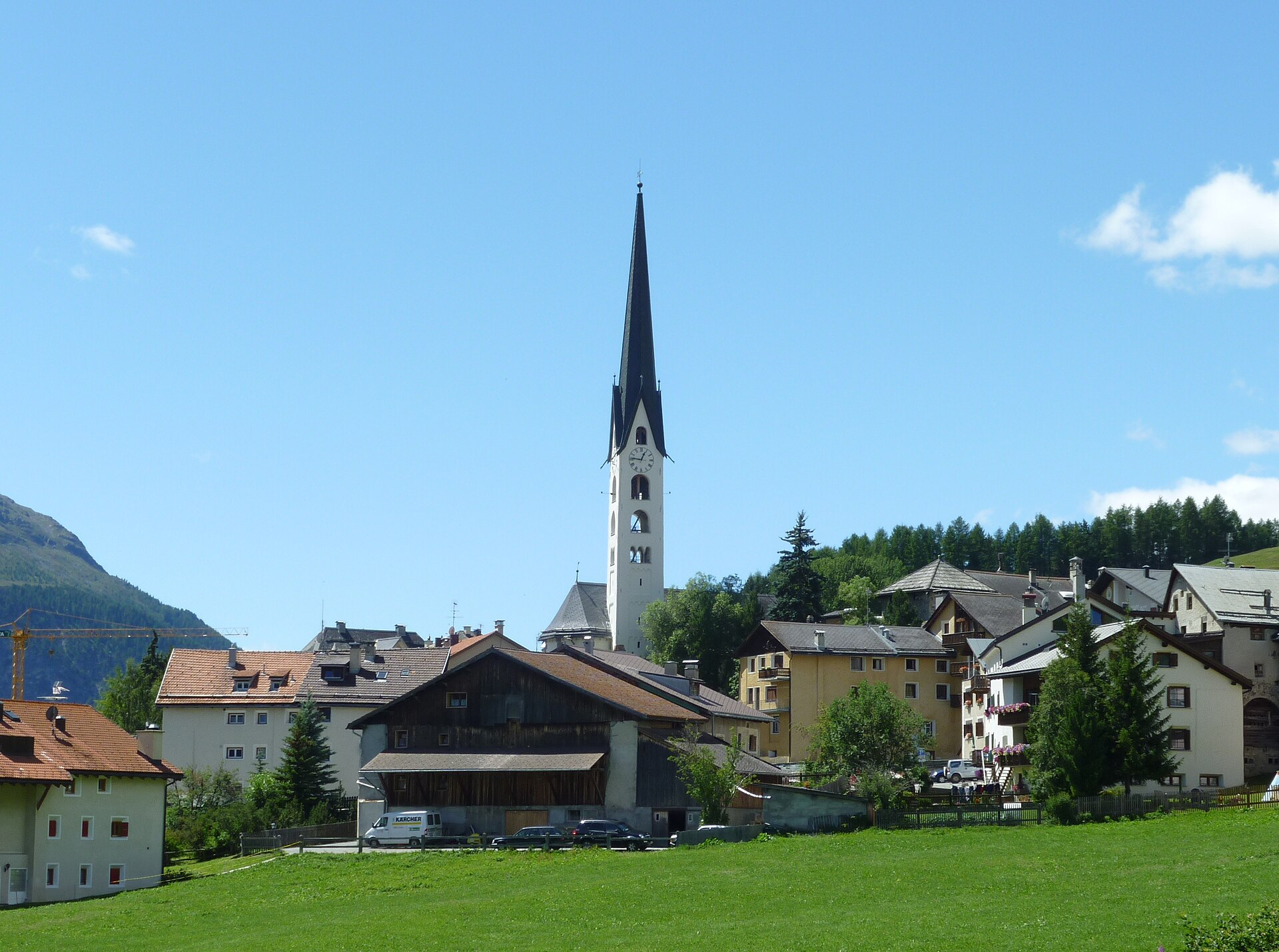
Alpine Switzerland retains working timber bridges with heavy roofs, several still carrying road traffic.
The engineering has been continuously maintained rather than preserved as heritage. The Swiss alpine bridges are the covered crossings still doing their original job.
10. Cambridge and the English Timber Crossings
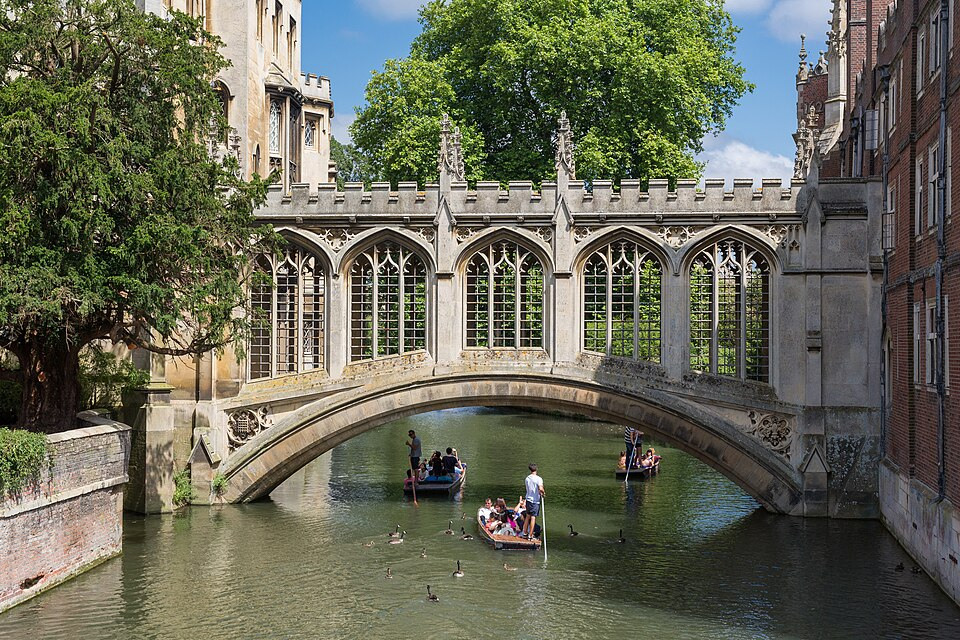
England has few covered bridges in the American sense, but retains roofed and partly enclosed crossings, including collegiate footbridges over narrow rivers.
The tradition took a different form where stone was cheaper than timber. These are the covered bridges that show what happened where the material supply was different.
11. Vermont and the Restoration Programmes, USA
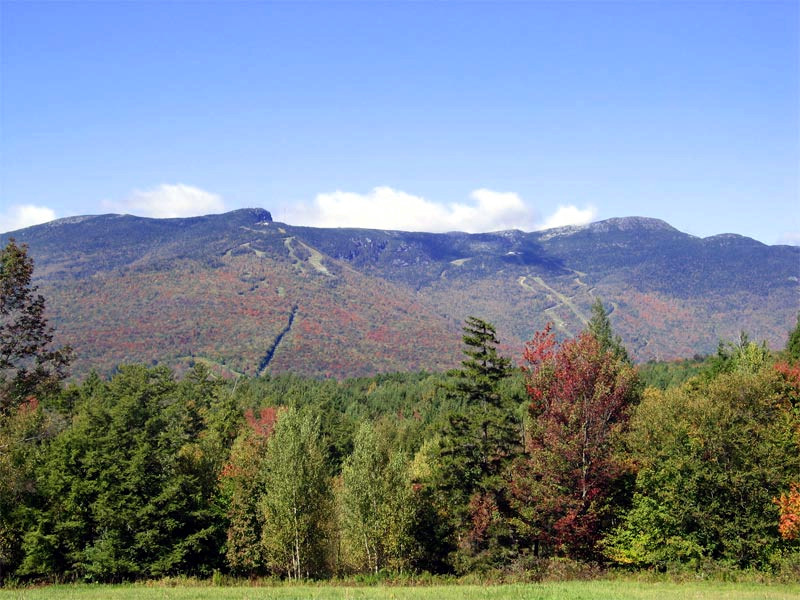
Vermont retains one of the highest concentrations of covered bridges anywhere, with active restoration programmes replacing timbers using traditional joinery.
Watching a restoration reveals the truss design that the roof exists to protect. Vermont is where the covered bridge is treated as working infrastructure to be repaired rather than a relic.
A Roof Over the Engineering
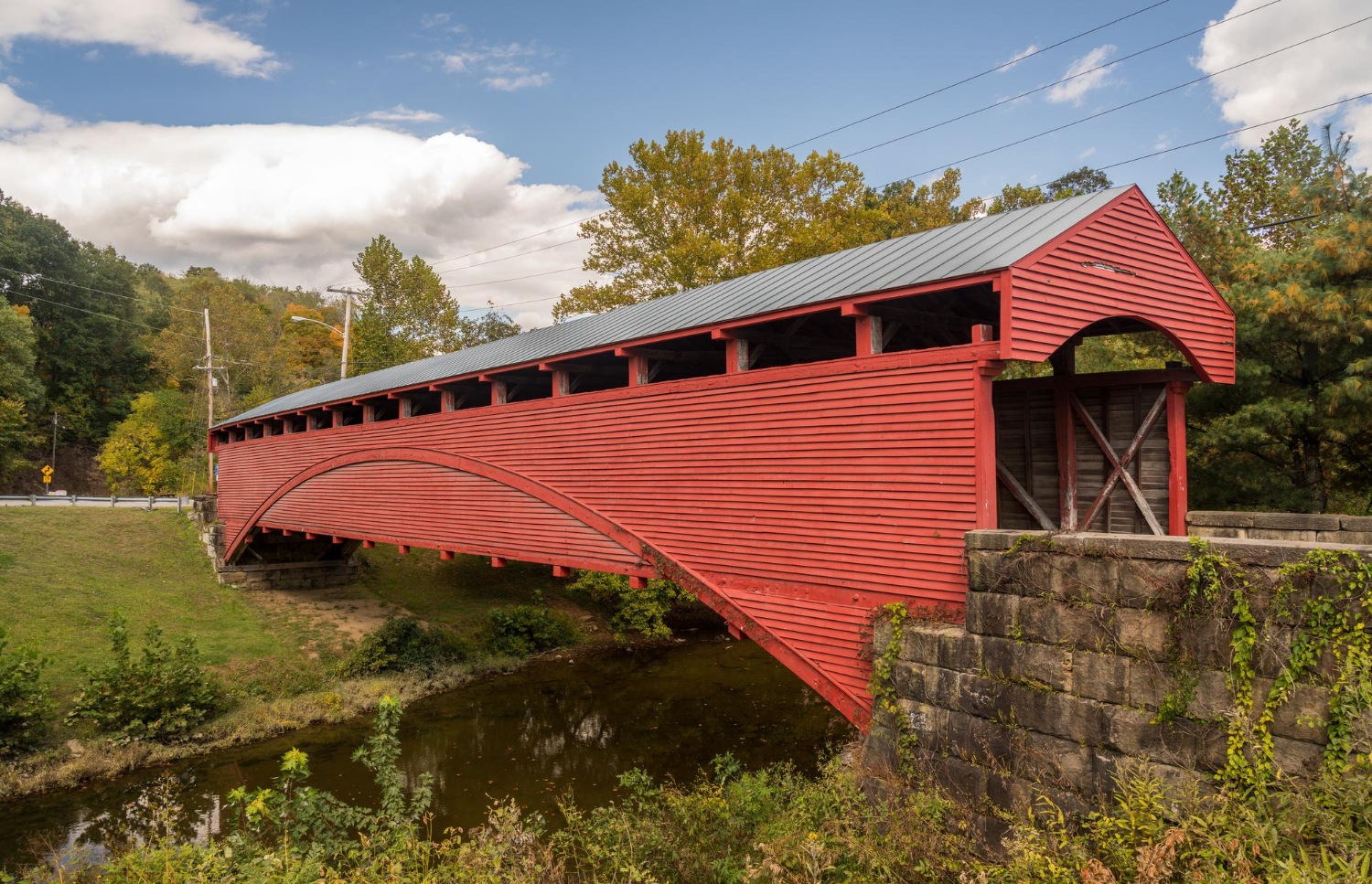
Every bridge here is a wooden truss with a building put around it. The roof is not decoration and never was – it is the reason the truss underneath has lasted long enough for anyone to admire it.
Practical notes: many of these carry live traffic and have narrow single lanes with weight and height limits, several are on unpaved rural roads, and some close for restoration without much notice. Check access before travelling, and once inside, look up at the trusses rather than straight ahead, because that is the part the roof was built to protect.
Like our content? Follow us for more.