Living on water solves specific problems – flooding, defence, access to fishing, land scarcity – and creates others, which is why these settlements share a great deal of engineering despite being unconnected. Here are fifteen.
1. The Floating Villages of Tonle Sap, Cambodia
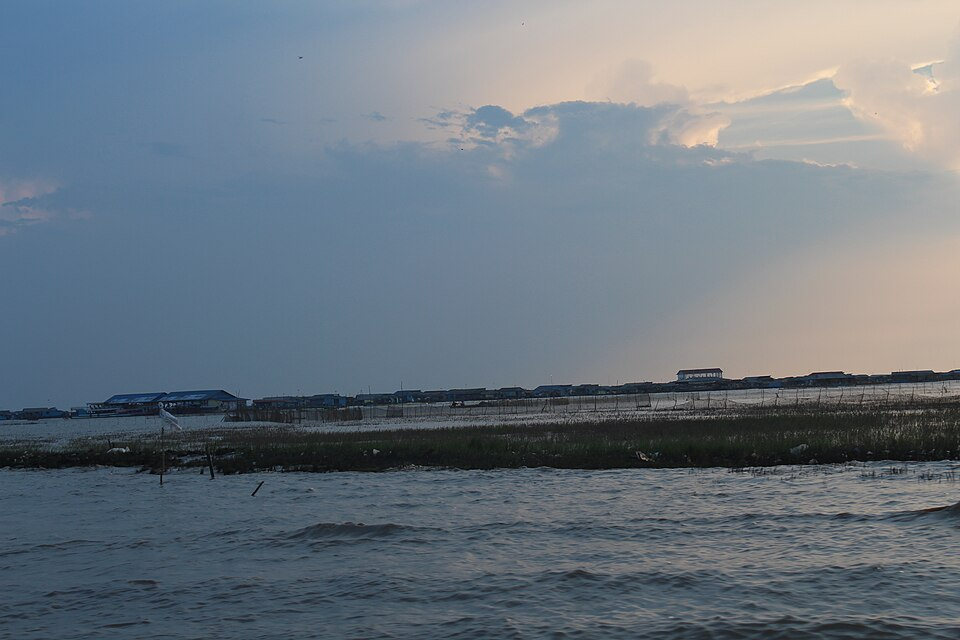
Communities on a lake whose surface area changes dramatically between seasons, with houses that float or stand on very tall stilts to cope with the difference.
Schools, shops and workshops are all on the water, and the whole settlement can relocate as the lake expands and contracts. Tonle Sap is the water settlement built around a lake that changes size by a factor of several.
Like our content? Follow us for more.
2. The Uros Islands, Lake Titicaca, Peru
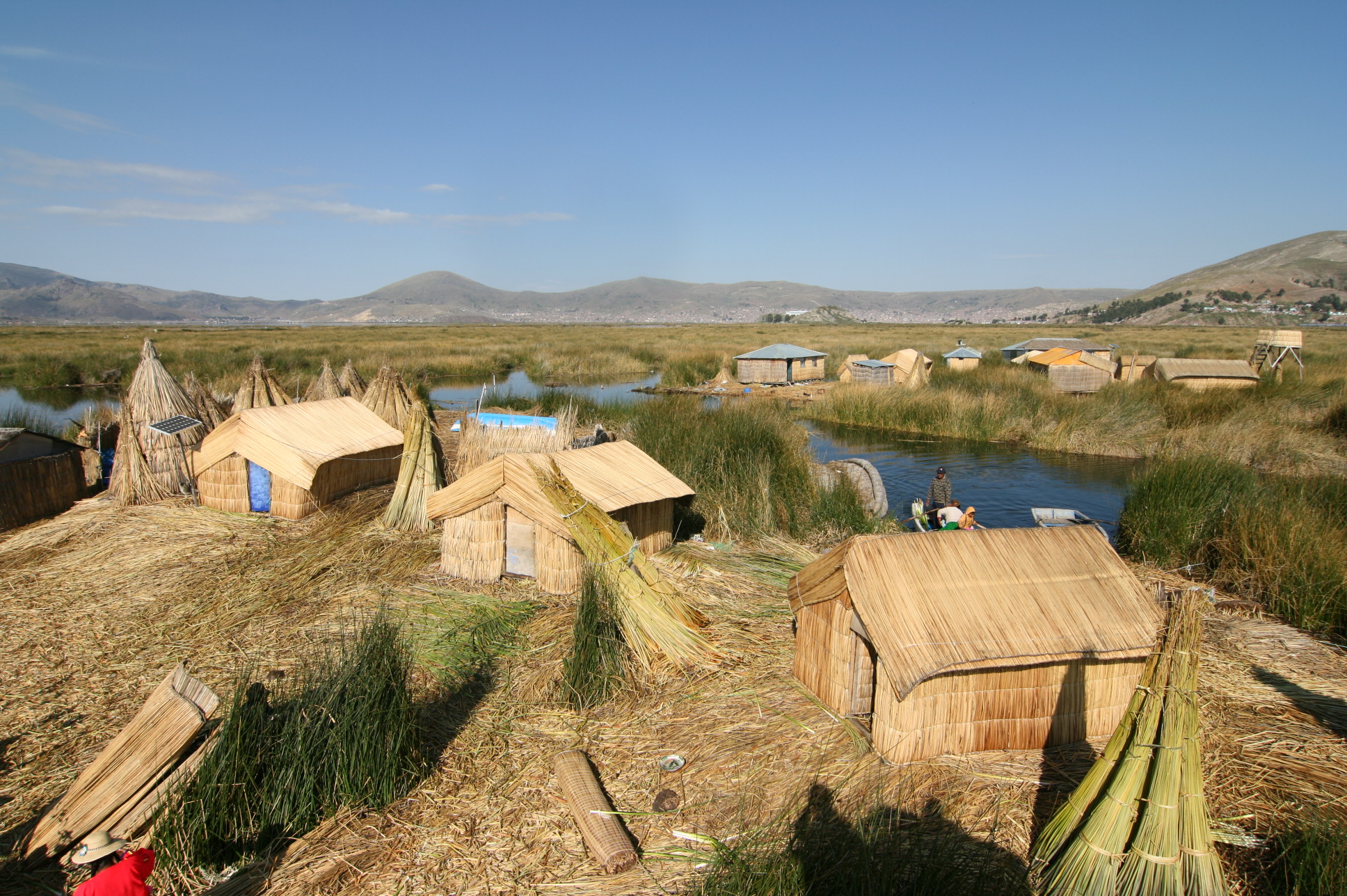
Islands constructed from layered totora reeds, which are added to continuously from above as the underside rots away.
The islands are anchored, and the surface underfoot is soft and constantly being renewed. The Uros islands are the water settlement where the ground itself has to be rebuilt every few weeks.
3. Ganvie, Benin
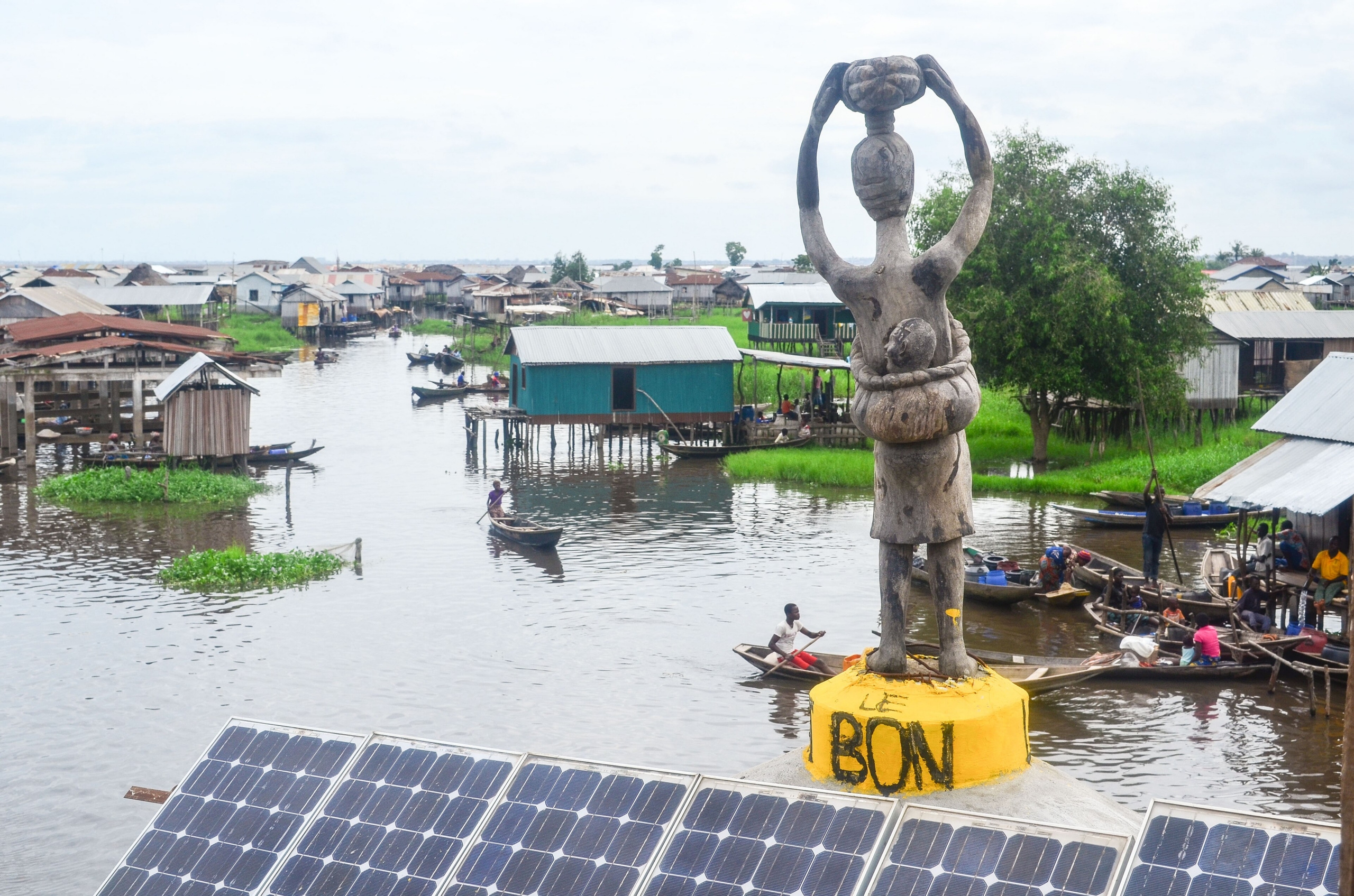
A large stilt village on a lagoon, with houses, a market and a school raised on posts above the water and movement entirely by canoe.
It was established on the water for reasons of safety centuries ago. Ganvie is the water settlement where the market takes place between boats.
4. The Floating Fishing Villages of Ha Long Bay, Vietnam
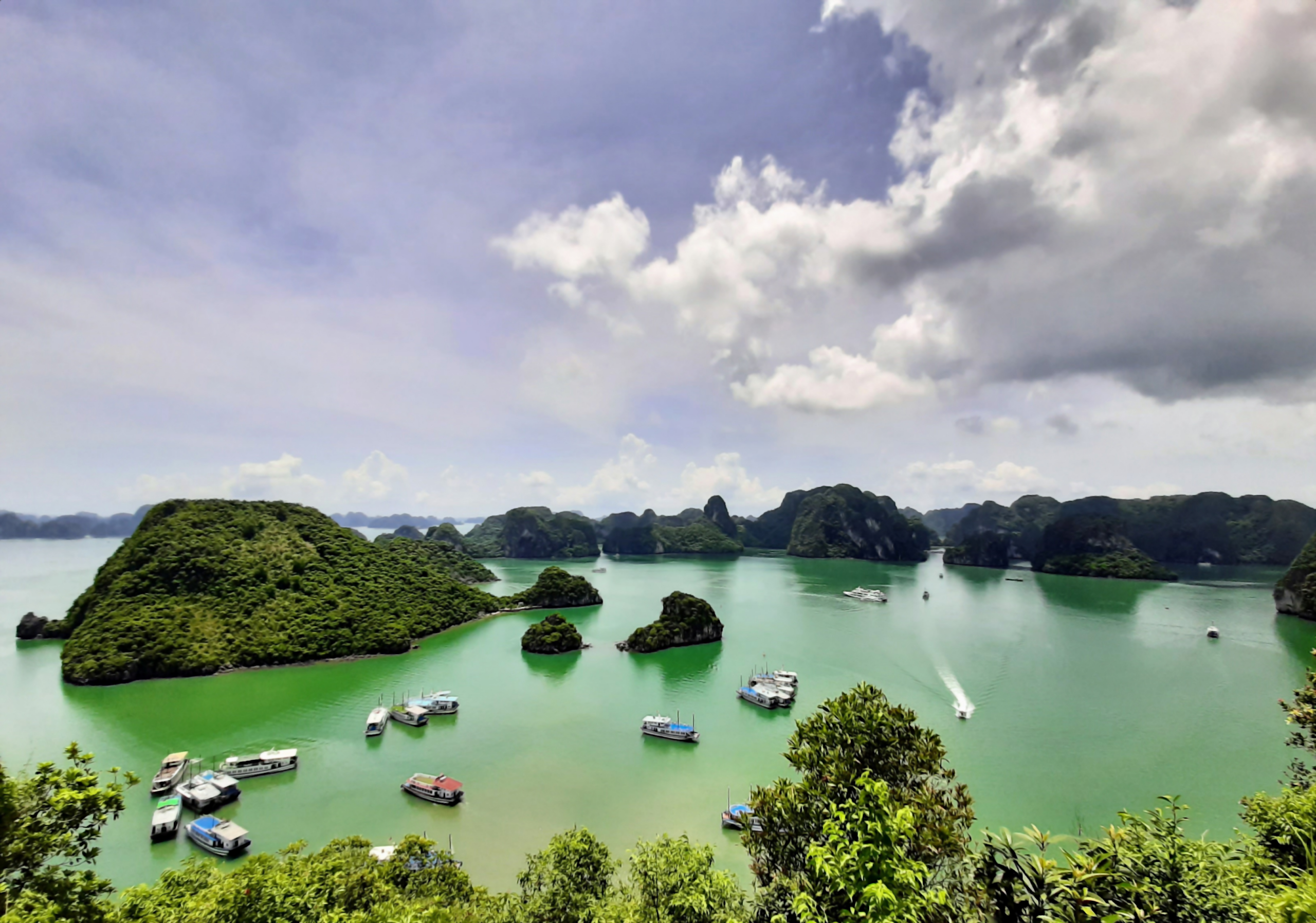
Communities living on rafts and moored vessels among limestone islands, with houses, pens for farmed fish and small schools all afloat on the same platforms.
Numbers have declined substantially as families have relocated ashore, and what remains is smaller than it was a generation ago. Ha Long is the water settlement built among islands too steep to live on.
5. Kampong Ayer, Brunei
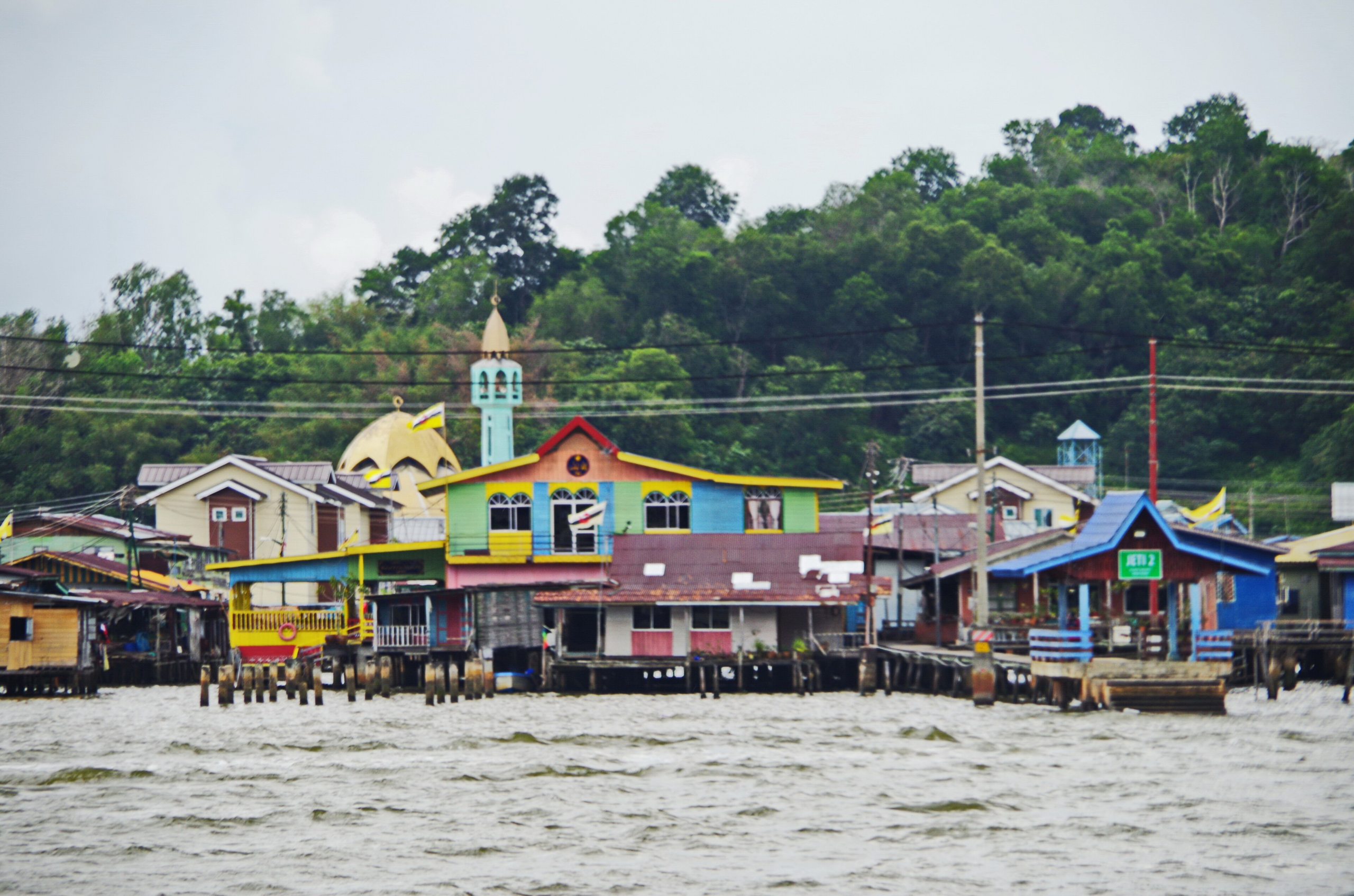
A large stilt settlement on a river, with walkways, mosques, schools and fire stations, occupied continuously for centuries.
It is a functioning district of a capital city rather than a village. Kampong Ayer is the water settlement that operates as a suburb.
6. The Floating Markets of the Mekong and Chao Phraya
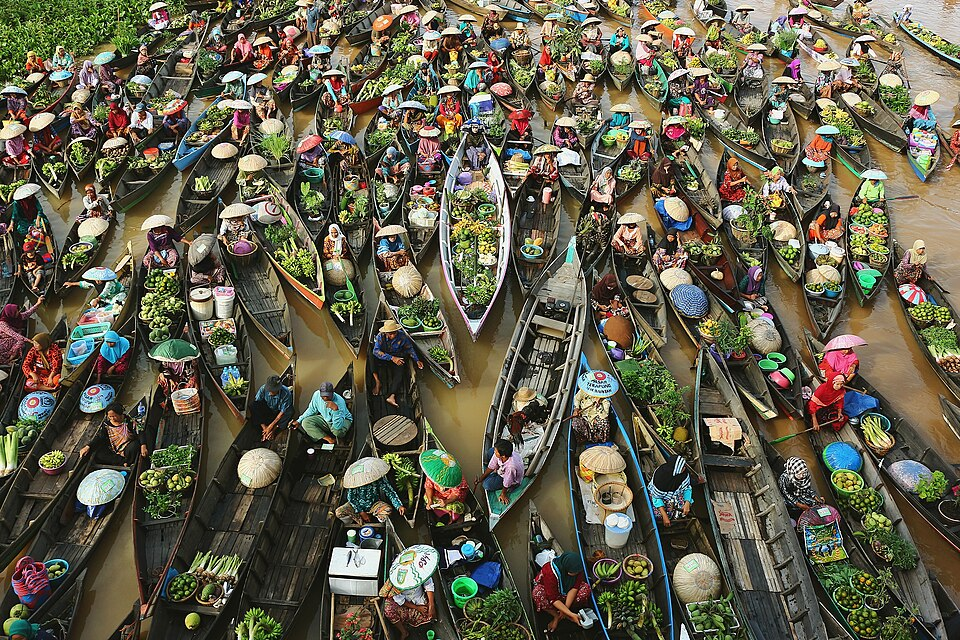
Trading conducted boat to boat at fixed locations, with vendors selling produce from vessels to buyers in other vessels.
Several have become visitor attractions while others remain primarily wholesale operations. The floating markets are where the commerce happens entirely afloat.
7. The Canal Boat Communities of Britain
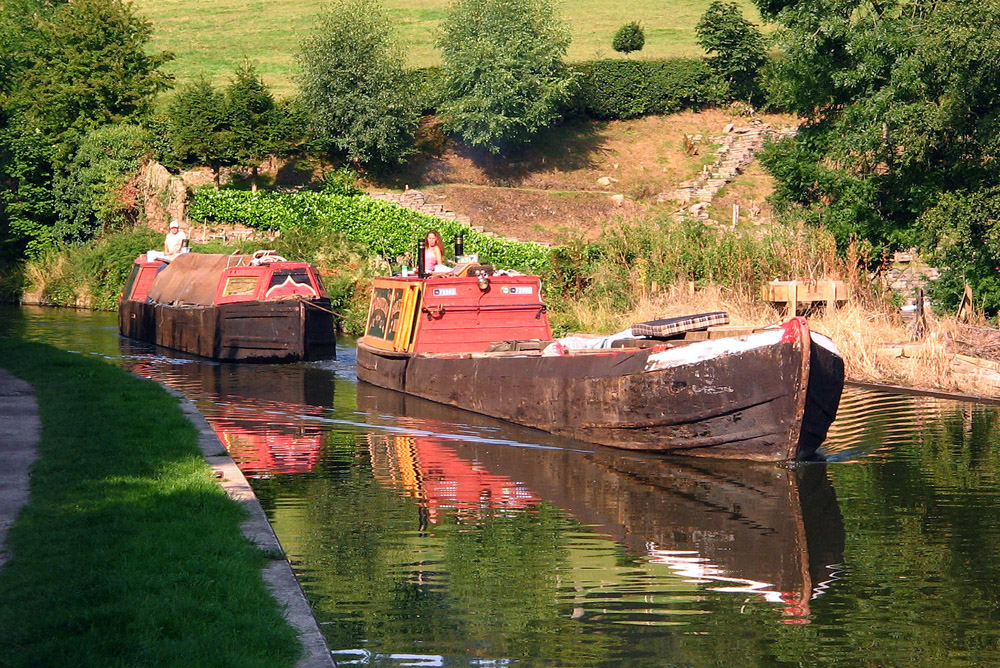
A substantial number of people live permanently on narrowboats, either moored or continuously cruising a network of waterways built for freight.
It is a recognised form of residence with its own licensing and conventions. The narrowboat communities are the water dwellers on a system built for coal.
8. Aberdeen Harbour and the Boat-Dwelling Traditions of Hong Kong
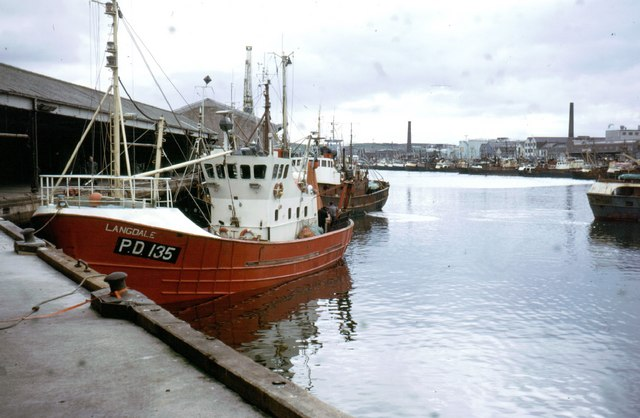
Communities historically lived aboard vessels in sheltered harbours, with the boat as permanent home and workplace.
The practice has declined substantially but the harbours retain the association. These are the water settlements where the fishing boat was also the house.
9. The Stilt Houses of Lake Maracaibo, Venezuela
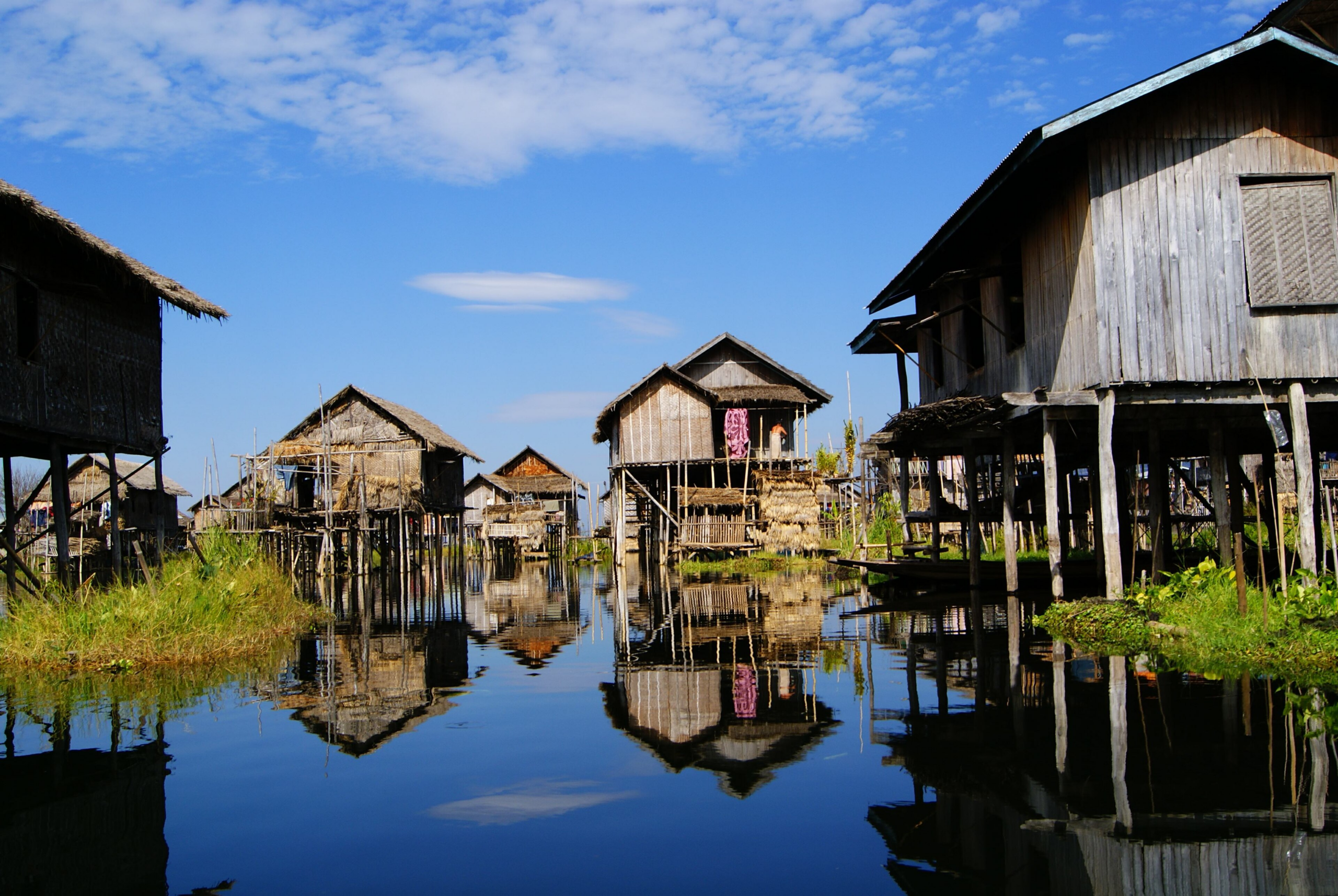
Palafito houses raised on posts over the water, a form of dwelling that gave the country its name after early European visitors were reminded of another city on water.
The style persists in lakeside communities. The palafitos are the water settlements that named a country by accident.
10. Sausalito and the Houseboat Communities of the Bay, USA
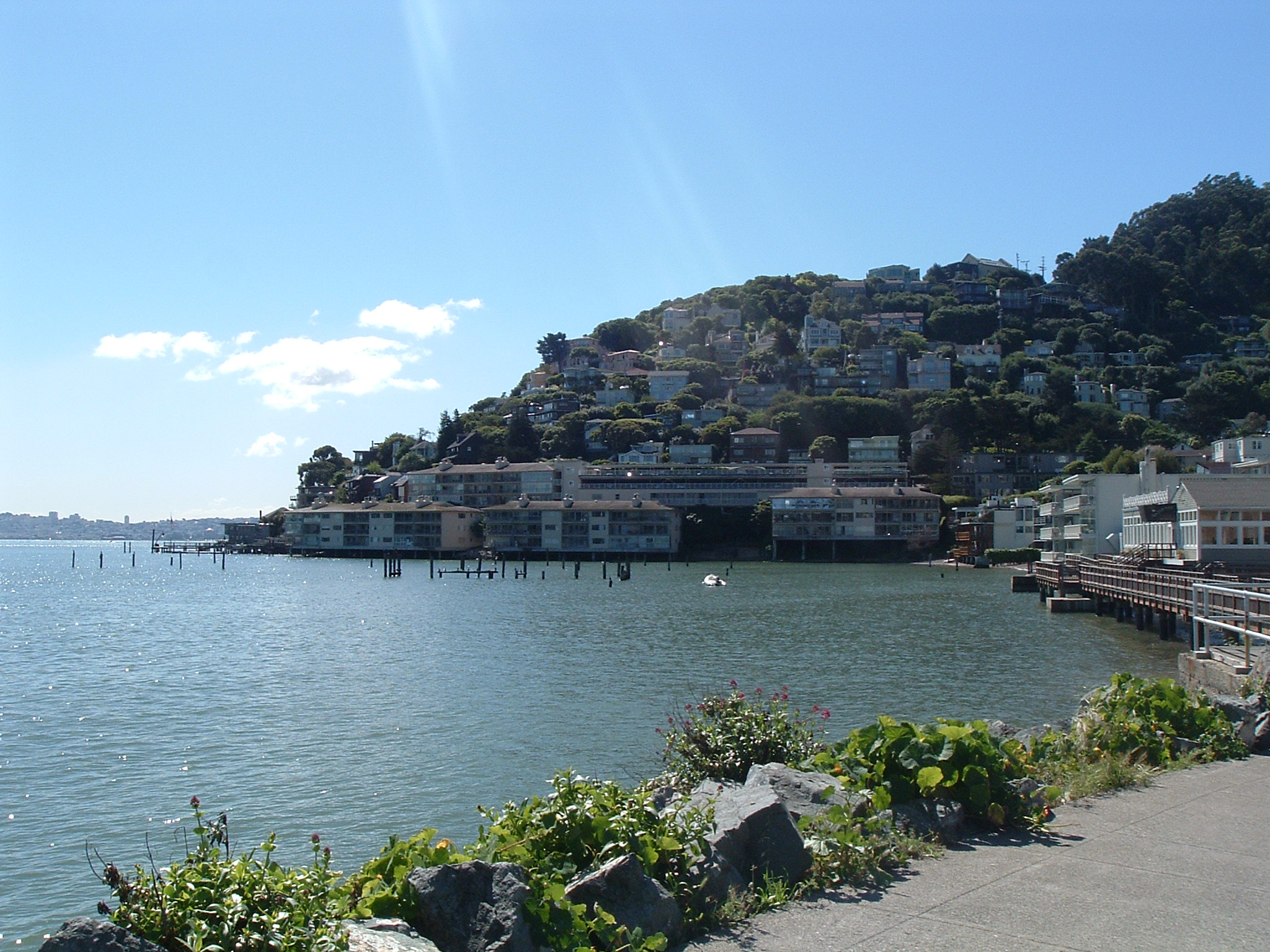
Floating home communities moored in sheltered water, ranging from converted vessels to purpose-built structures on flotation platforms, with docks serving as streets.
They emerged informally after the war and are now established residential neighbourhoods with addresses and utilities. The bay houseboats are the water settlement that began as improvisation and became real estate.
11. The Floating Gardens and Villages of Inle Lake, Myanmar
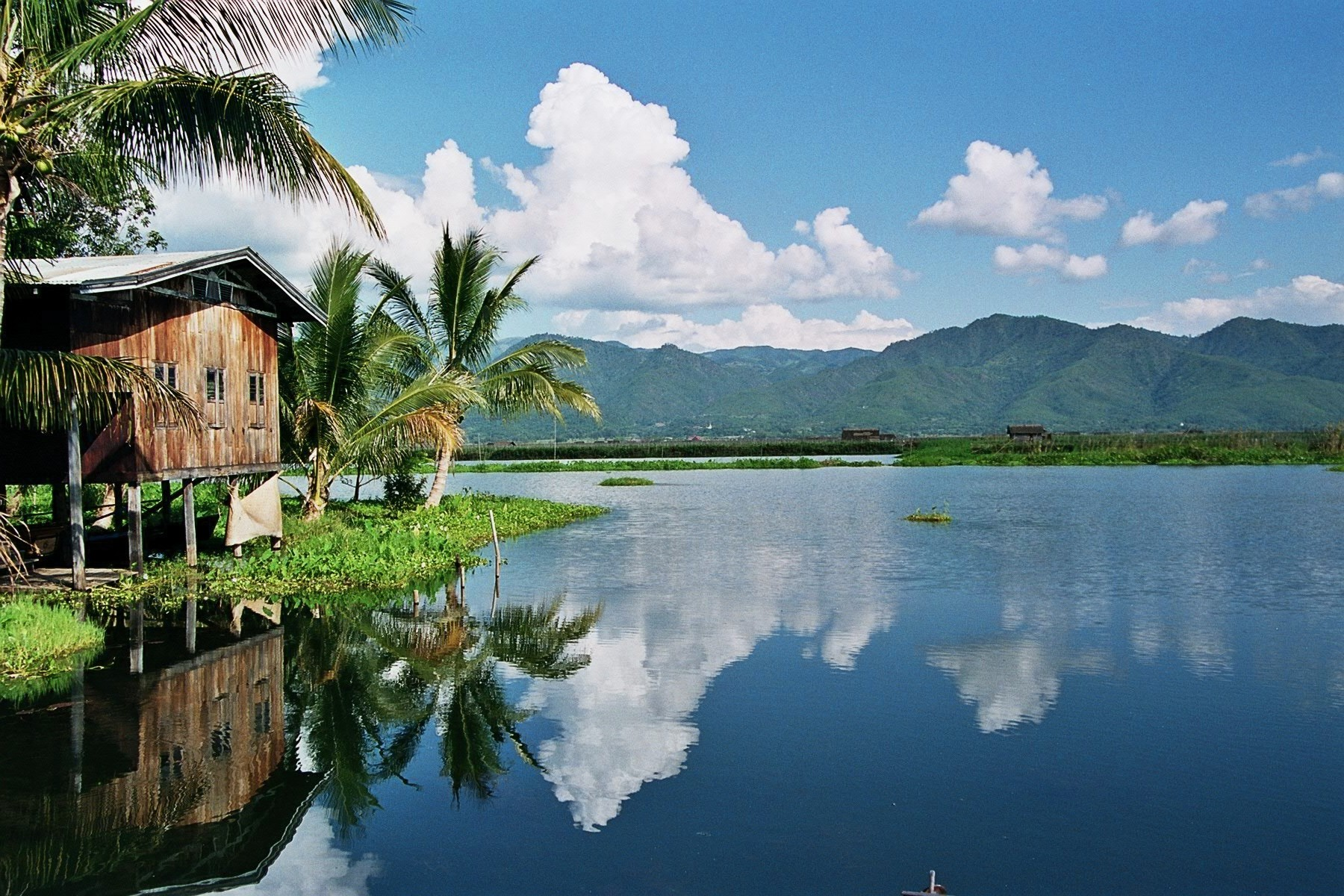
Communities on stilts alongside floating agricultural beds anchored to the lake bed, on which crops are grown at water level.
The farming and the housing occupy the same surface. Inle is the water settlement where the fields float alongside the houses.
12. Makoko, Nigeria
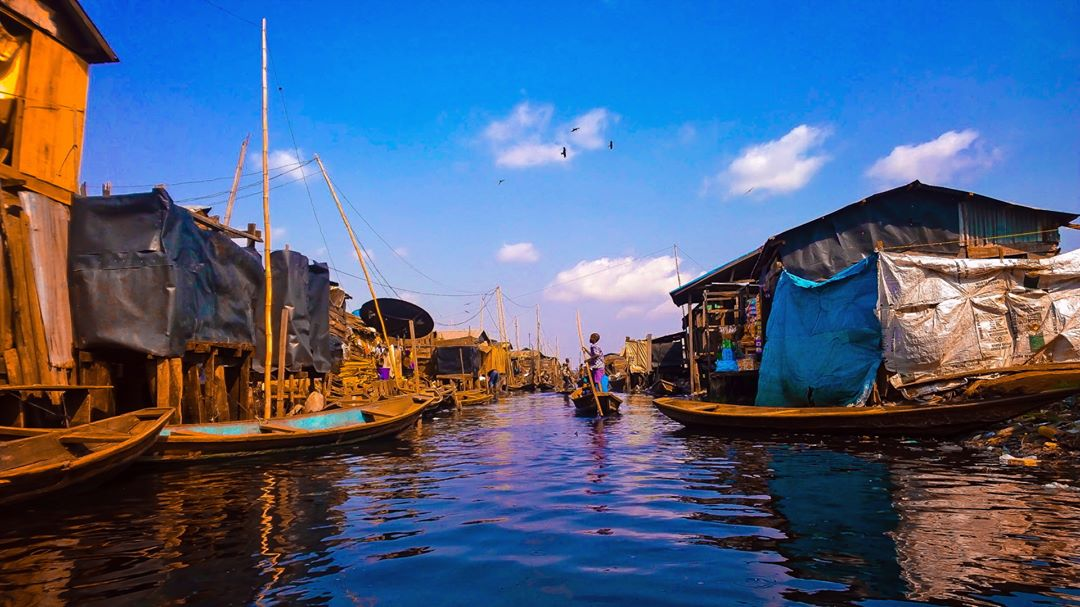
A large stilt community on a lagoon beside a major city, with movement by canoe and structures built and rebuilt continuously by residents.
It is one of the largest settlements of its kind anywhere. Makoko is the water settlement operating at the scale of a town.
14. The Sea Nomad Communities of Southeast Asia
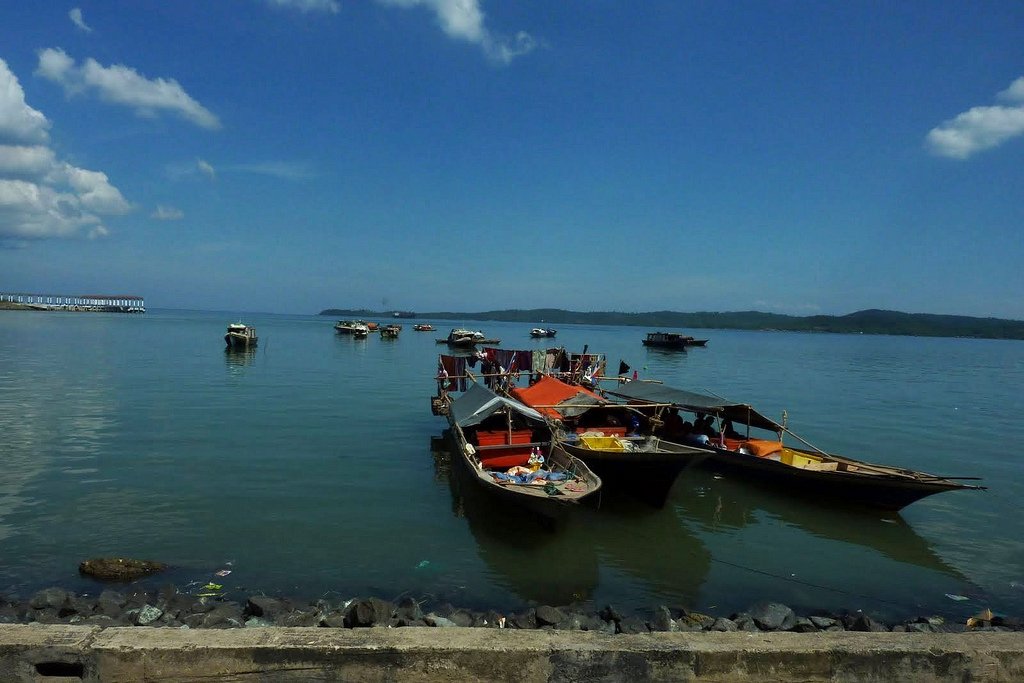
Several maritime peoples have historically lived aboard boats or in stilt villages for most of the year, with generations spending the majority of their lives on the water.
Ways of life have changed substantially in recent decades. These are the water communities where the sea rather than any island was home.
15. The Floating Neighbourhoods of Amsterdam and the Modern Water Housing
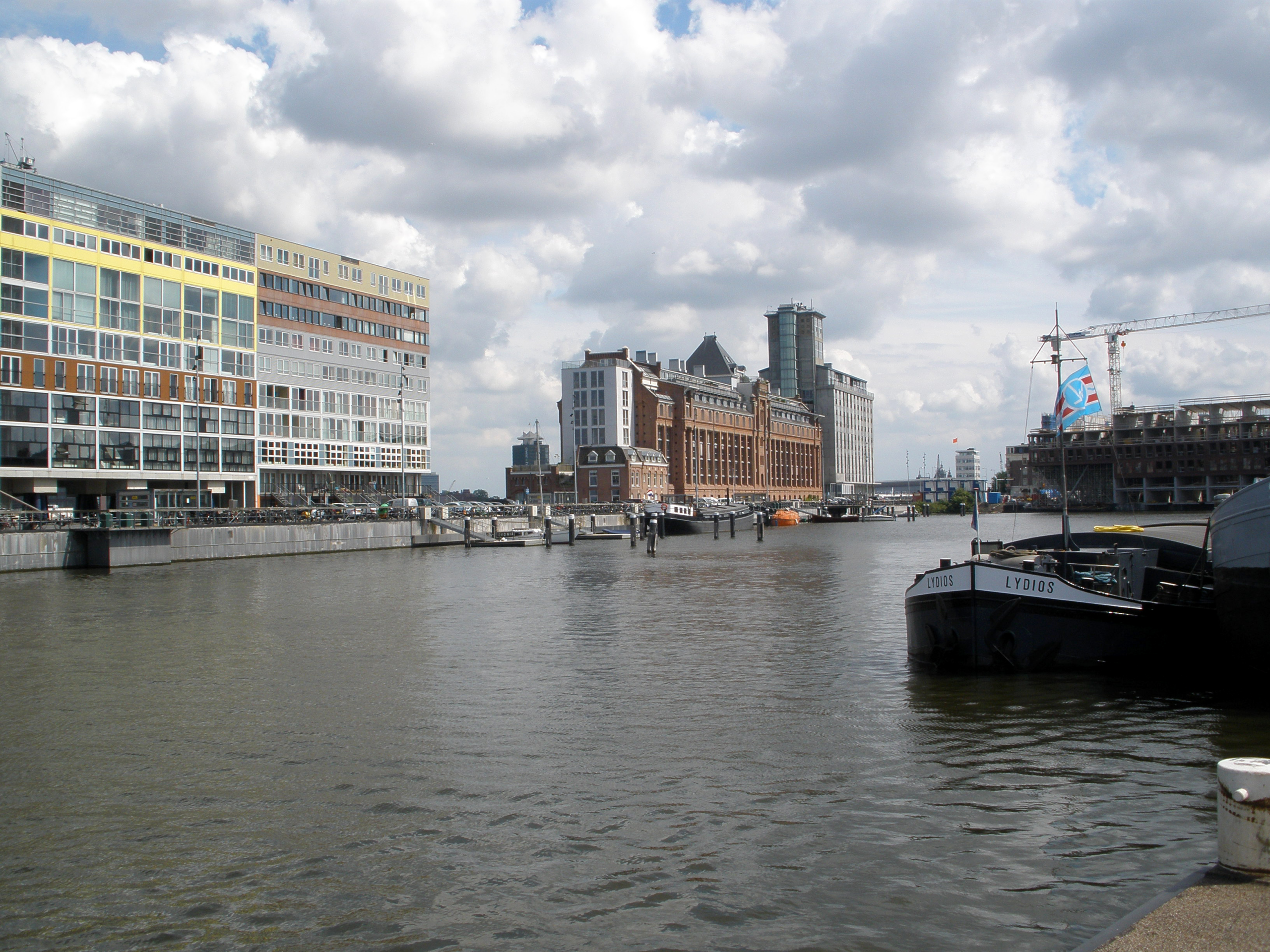
Purpose-built floating housing districts have been developed in several Dutch cities, with homes on buoyant platforms connected to services and rising with the water.
This is the contemporary version of a very old idea, built deliberately rather than by necessity. The modern floating districts are the water settlements designed on a drawing board.
Building on Something That Moves
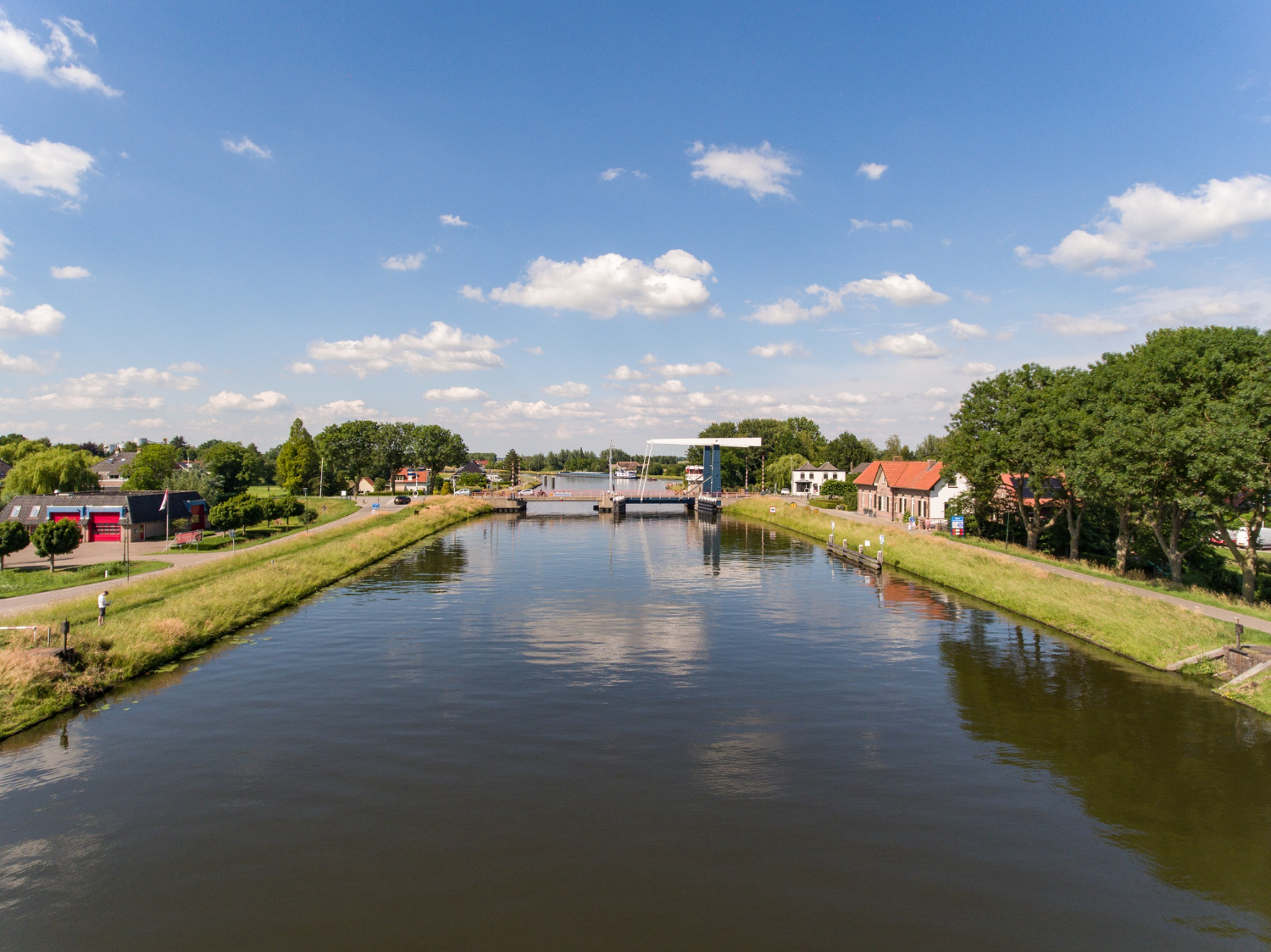
Every settlement here solves the same set of problems – a surface that shifts, no solid foundation, everything arriving by boat – and the solutions converge remarkably given how unconnected the places are.
One thing worth saying plainly: most of these are people’s homes rather than attractions, and several receive visitors in numbers that residents did not choose. If you go, use local guides and operators, ask before photographing anyone, buy something, and behave as you would in any residential street. The places worth seeing are worth being a decent visitor to.
Like our content? Follow us for more.