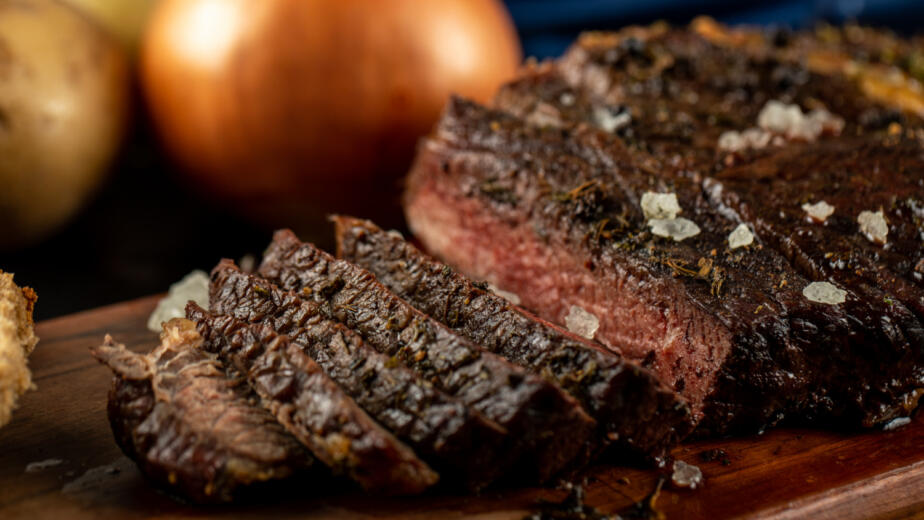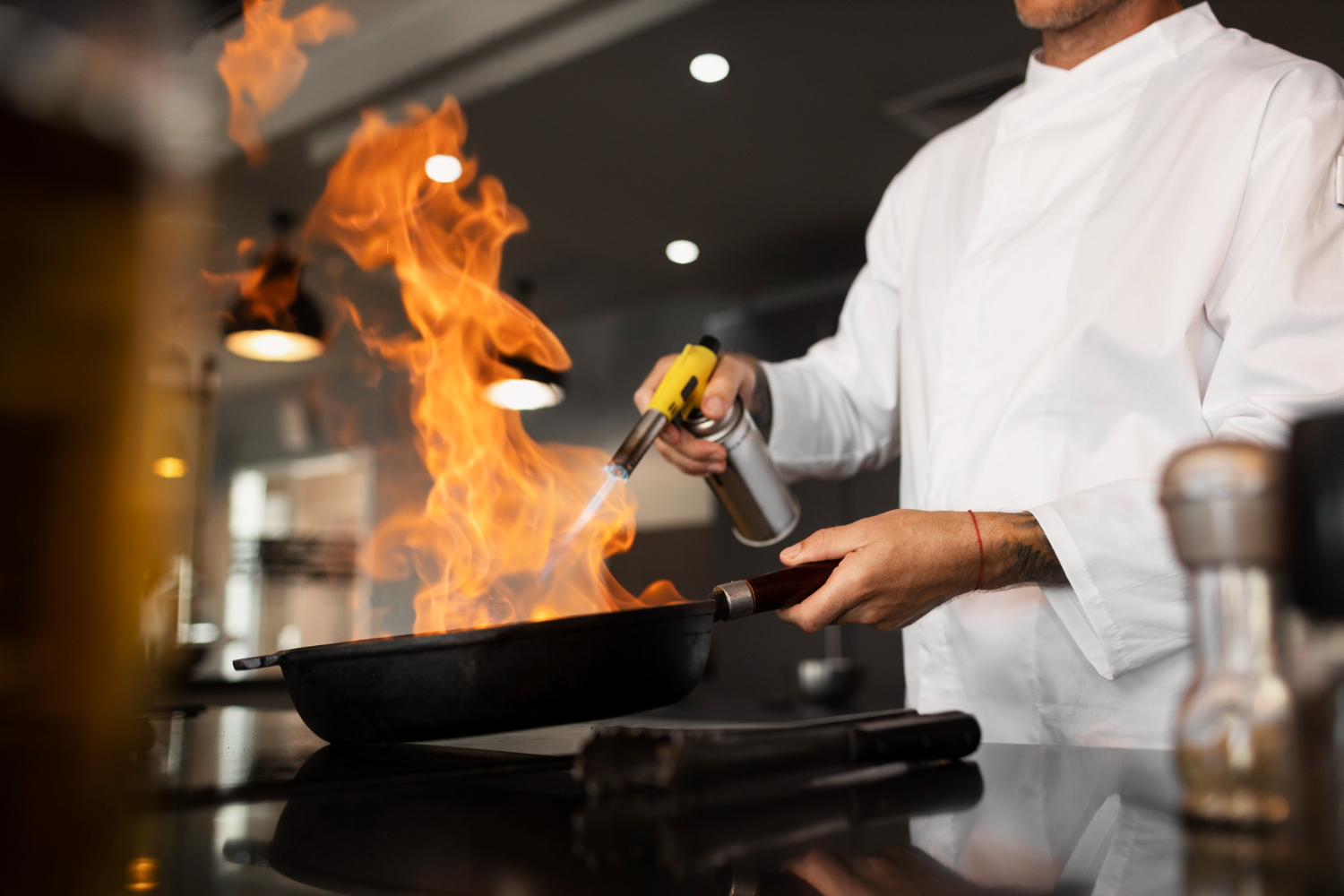
Two variables define everything below: temperature, which determines whether the food is cooked or merely flavoured, and time, which determines how deep the effect goes. Here are fifteen.
1. Smoked Salmon – Northern Europe
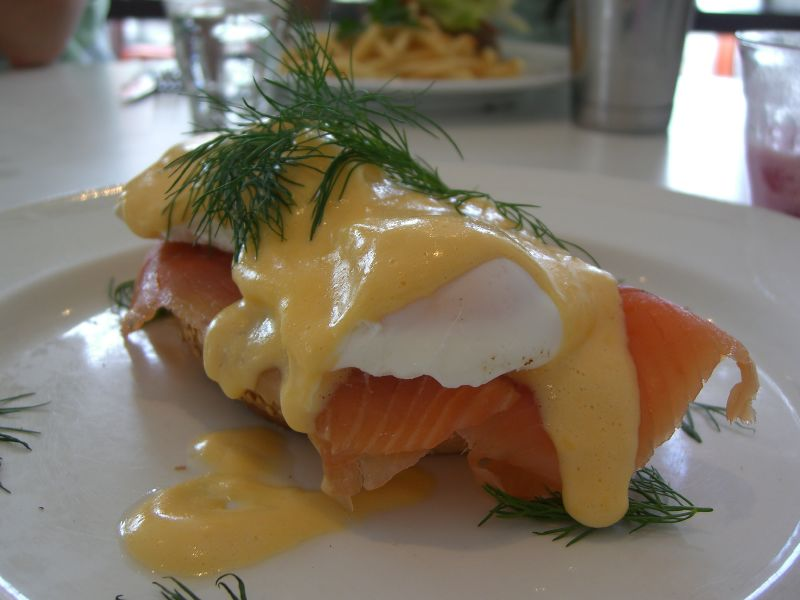
Cured in salt first to draw out moisture, then cold smoked at a temperature low enough that the flesh never cooks, producing a translucent, silky result.
Cold smoking flavours and preserves without changing the texture to that of cooked fish. Smoked salmon is the food where the smoke deliberately never gets hot enough to cook anything.
Like our content? Follow us for more.
2. Katsuobushi – Japan
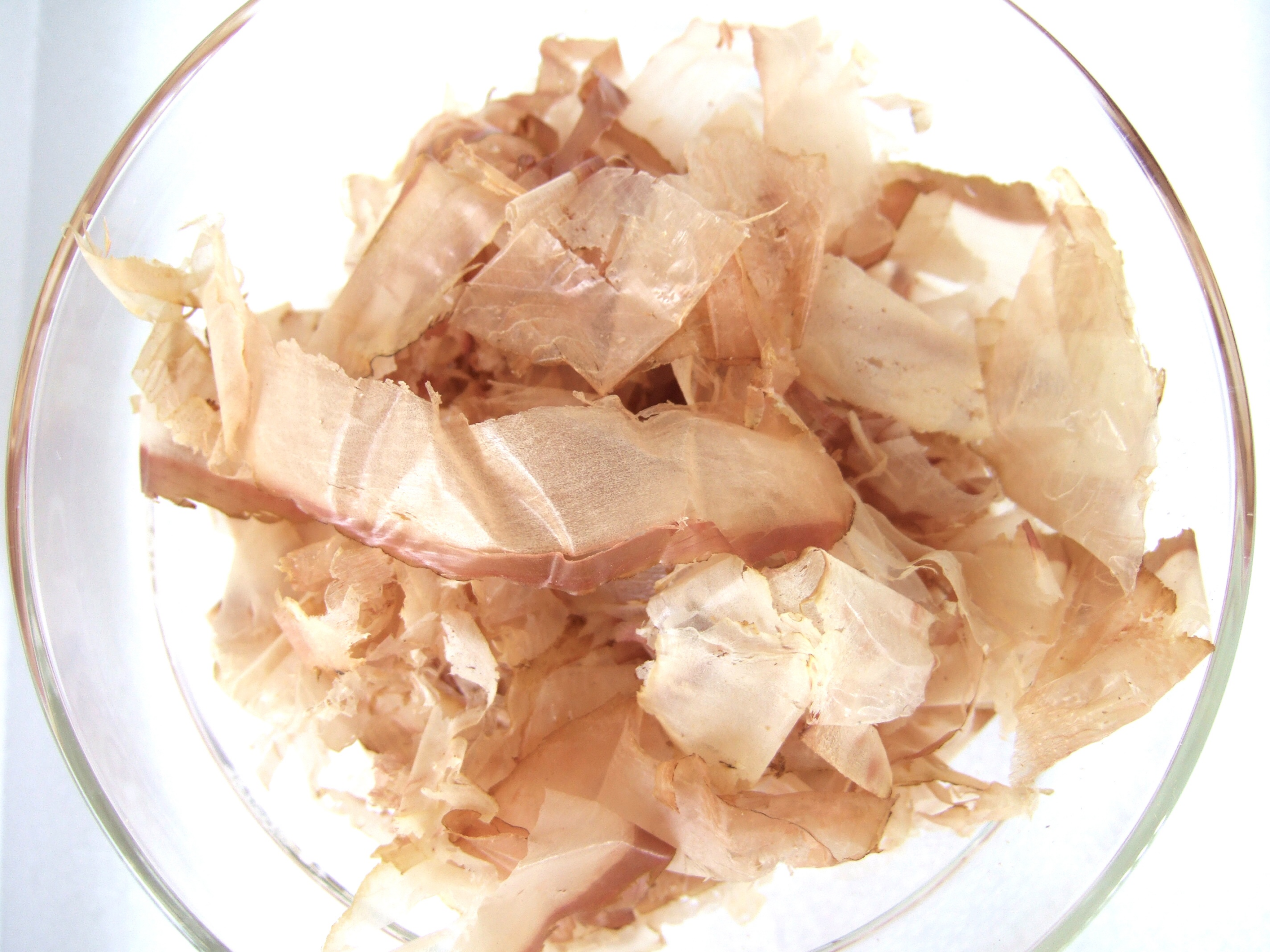
Fish simmered, smoked repeatedly over weeks, then fermented with a mould and dried until it becomes hard enough to be shaved with a plane.
The finished block is one of the hardest foods in the world and is treated as an ingredient rather than a dish. Katsuobushi is the smoked food that ends up harder than wood.
3. Speck and the Alpine Cured Meats
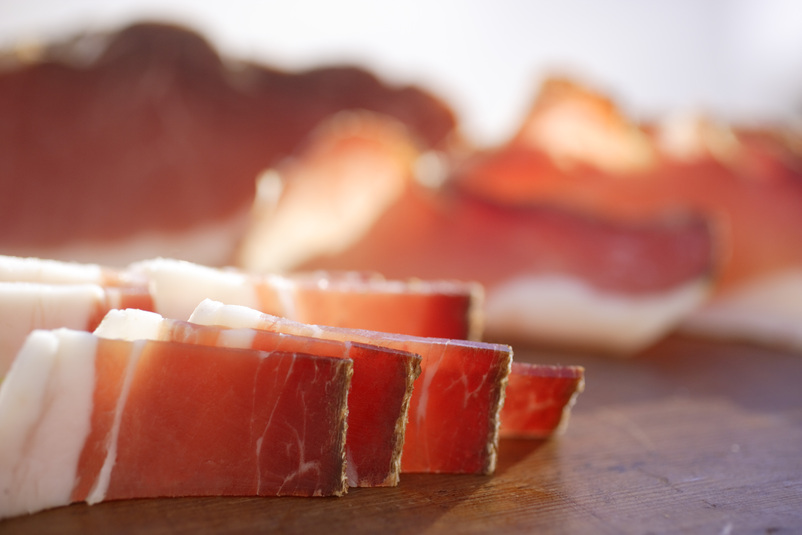
Ham cured with salt and spices and lightly cold smoked over several months, in a tradition that sits between the smoked hams of the north and the air-dried hams of the south.
The light smoking is a response to a damper climate where air drying alone was unreliable. Speck is the smoked meat that exists because the weather would not cooperate.
4. Pastrami and the Smoked Deli Meats
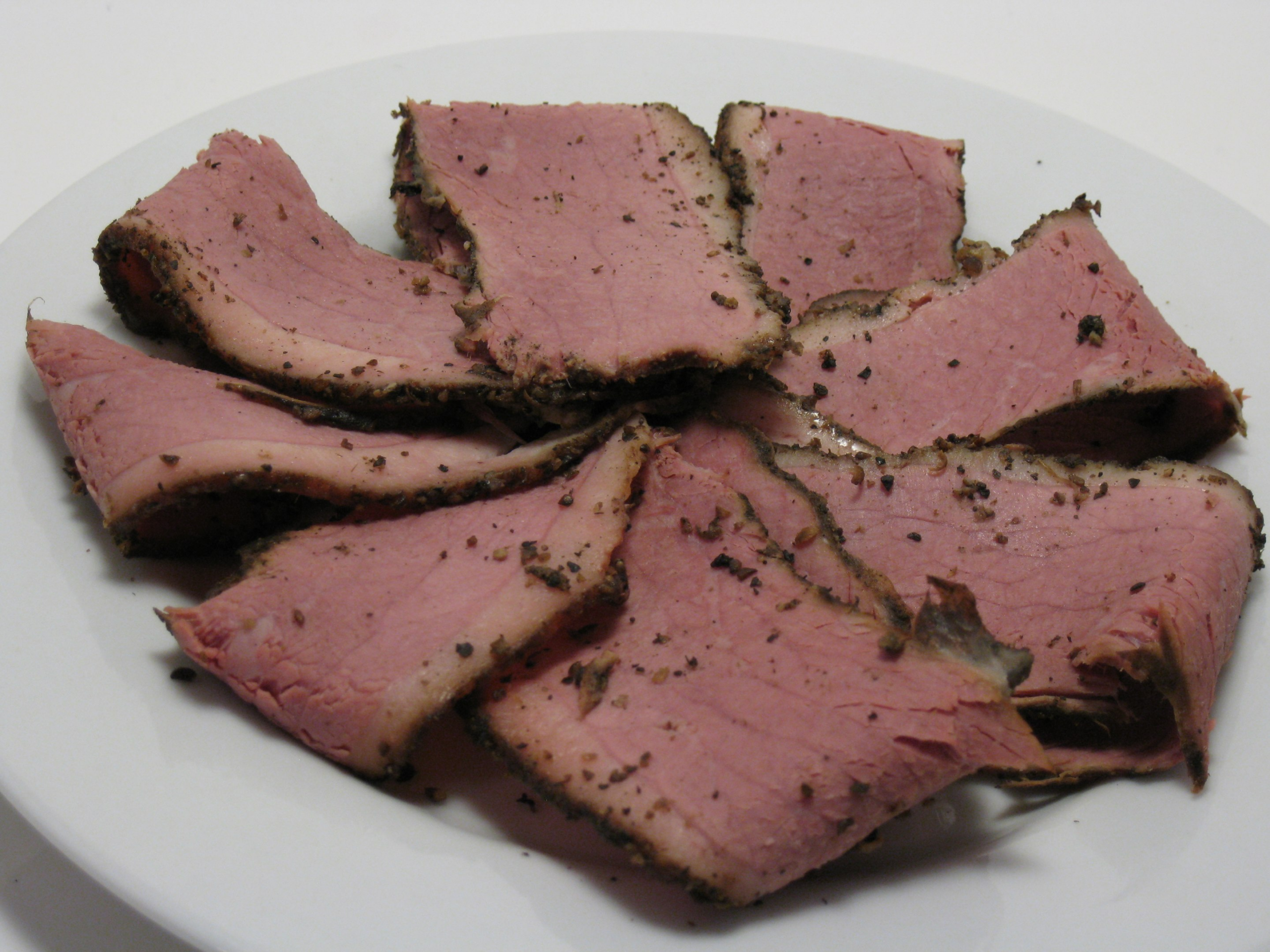
Beef cured in brine, coated heavily in spice, then smoked and finally steamed – three preservation techniques applied in sequence to the same piece of meat.
The steaming at the end is what separates it from a straightforwardly smoked cut and produces the texture people recognise. Pastrami is the smoked food that goes through three different processes before anyone eats it.
5. Smoked Paprika – Spain
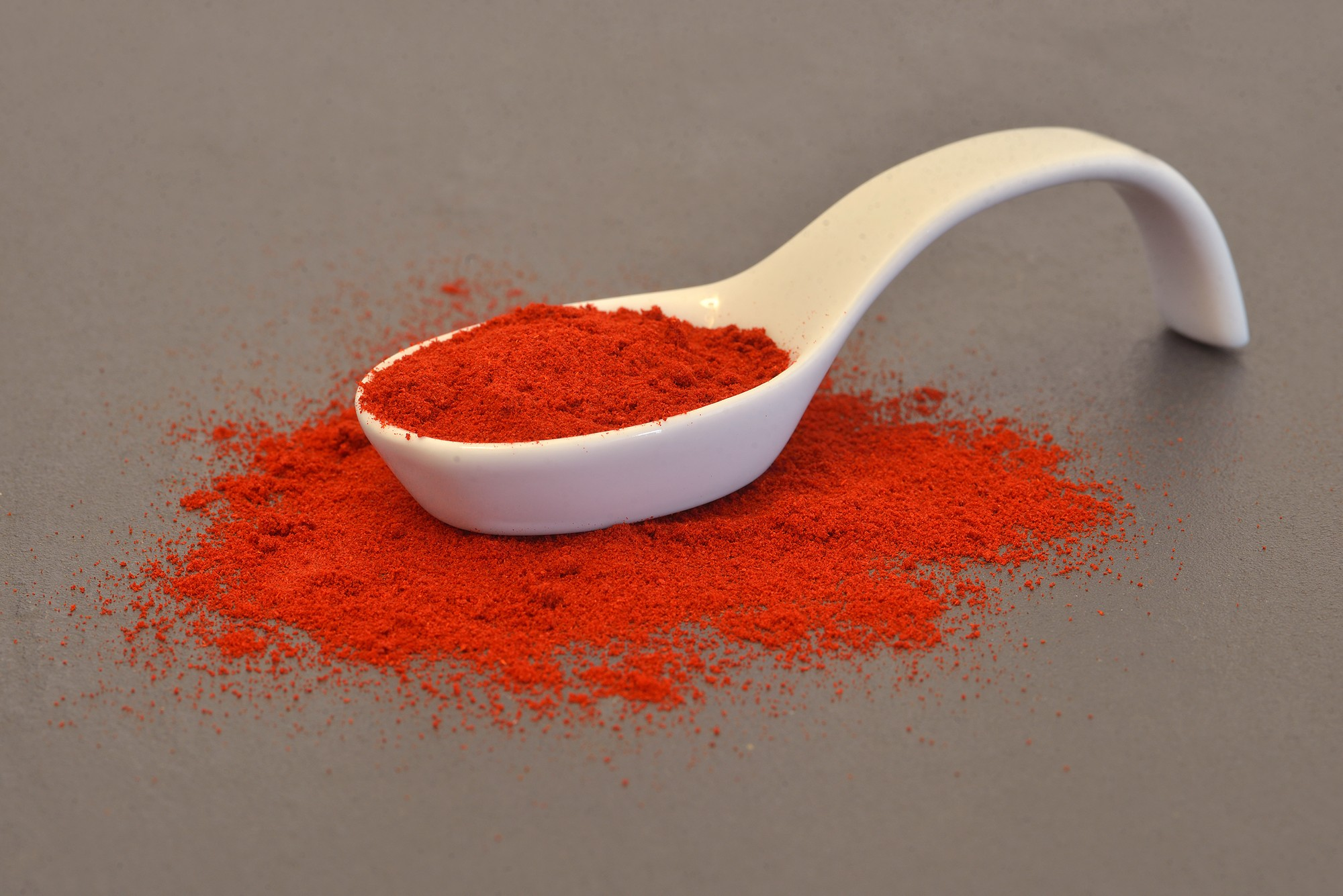
Peppers dried slowly over oak fires before grinding, which fixes the smoke into the powder permanently.
It behaves entirely differently in cooking from unsmoked paprika and cannot be substituted for it. Smoked paprika is the ingredient where the smoke survives the grinding.
6. Kippers and the Smoked Herring Traditions
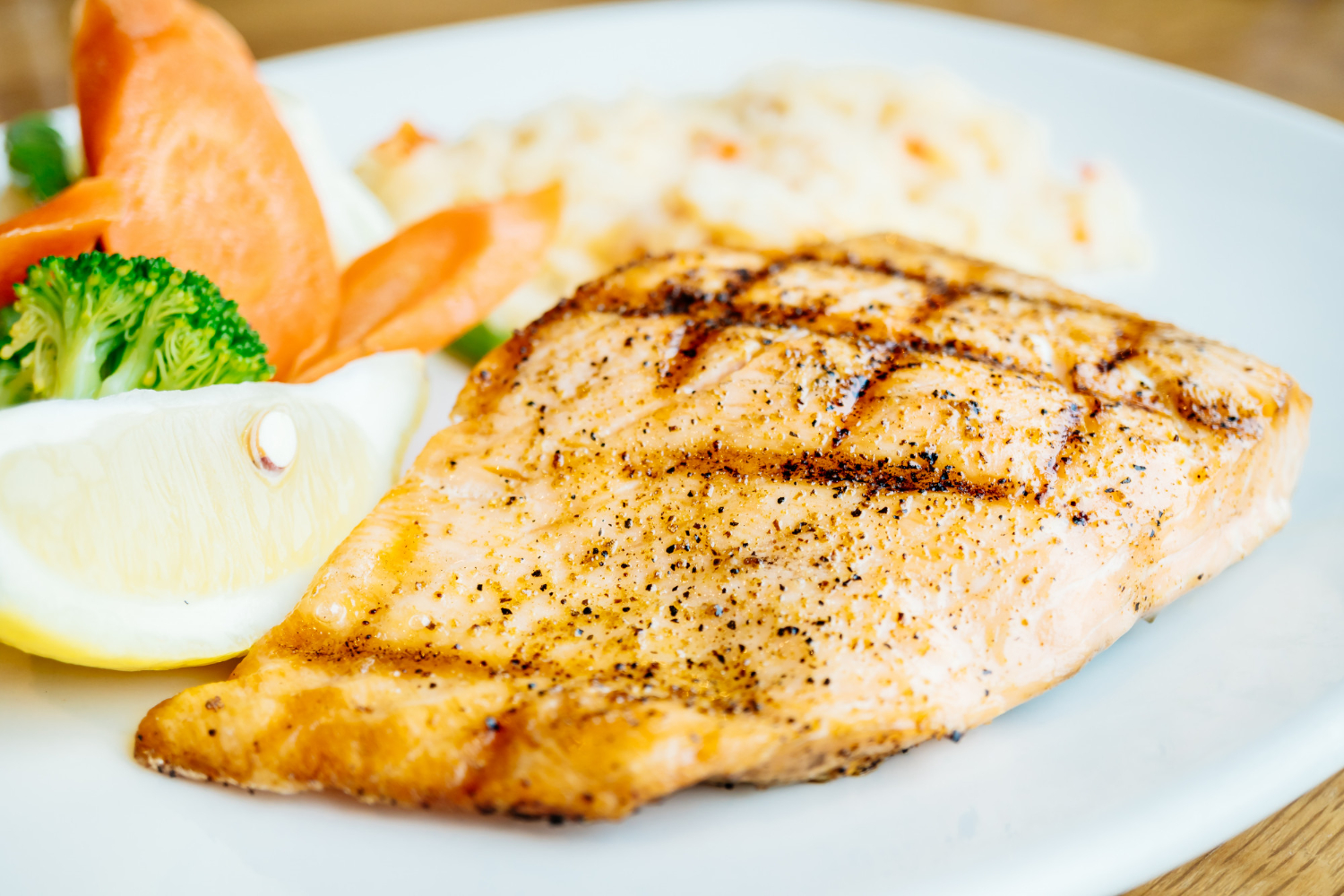
Herring split, brined and cold smoked, in a technique developed across northern coasts to make a glut of oily fish last.
Oily fish take smoke particularly well, which is why so many smoking traditions centre on them. Kippers are the smoked food developed to solve the problem of too many fish at once.
7. Texas-Style Brisket and the Low-and-Slow Barbecue Traditions
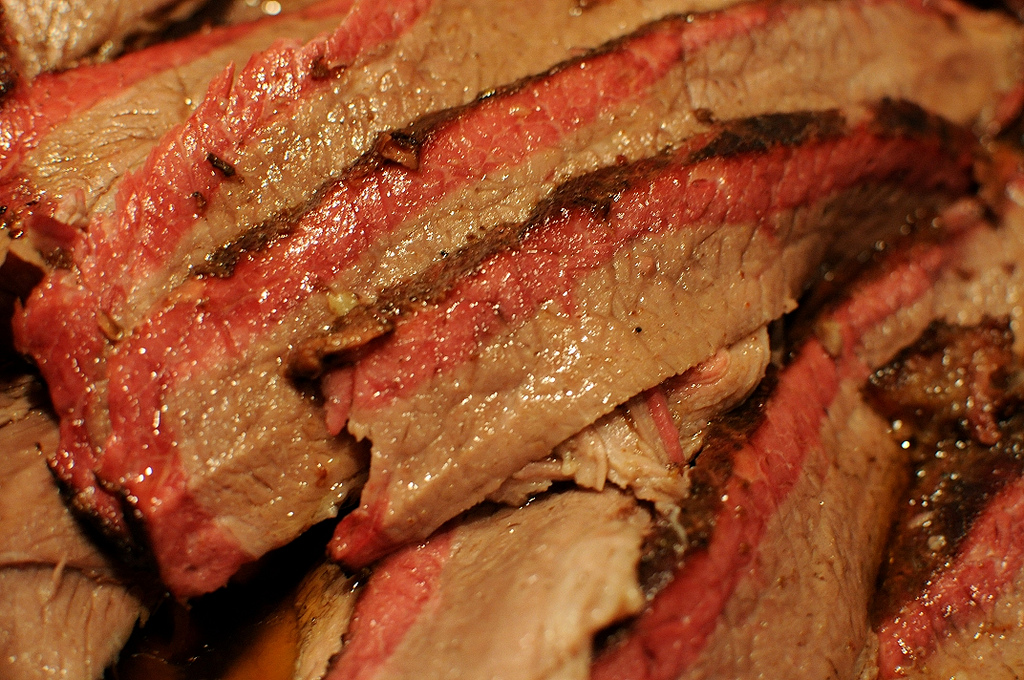
Tough cuts cooked for many hours at low temperature in a smoke-filled chamber, so the connective tissue breaks down while smoke penetrates the surface.
The pink layer beneath the crust is a chemical reaction with the smoke rather than undercooking. Low-and-slow barbecue is the smoked food where the pink ring is the proof it worked.
8. Smoked Cheeses
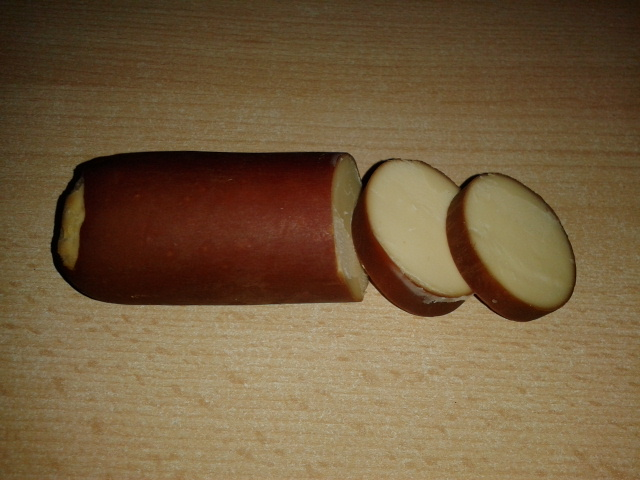
Cheese cold smoked after production, since heat would destroy the texture entirely, with the smoke sitting largely on the surface and migrating slowly inward.
Some commercial versions use smoke flavouring rather than actual smoke, which is detectable. Smoked cheese is the product where the technique must stay cold or ruin the ingredient.
9. Bacon and the Smoked Pork Traditions
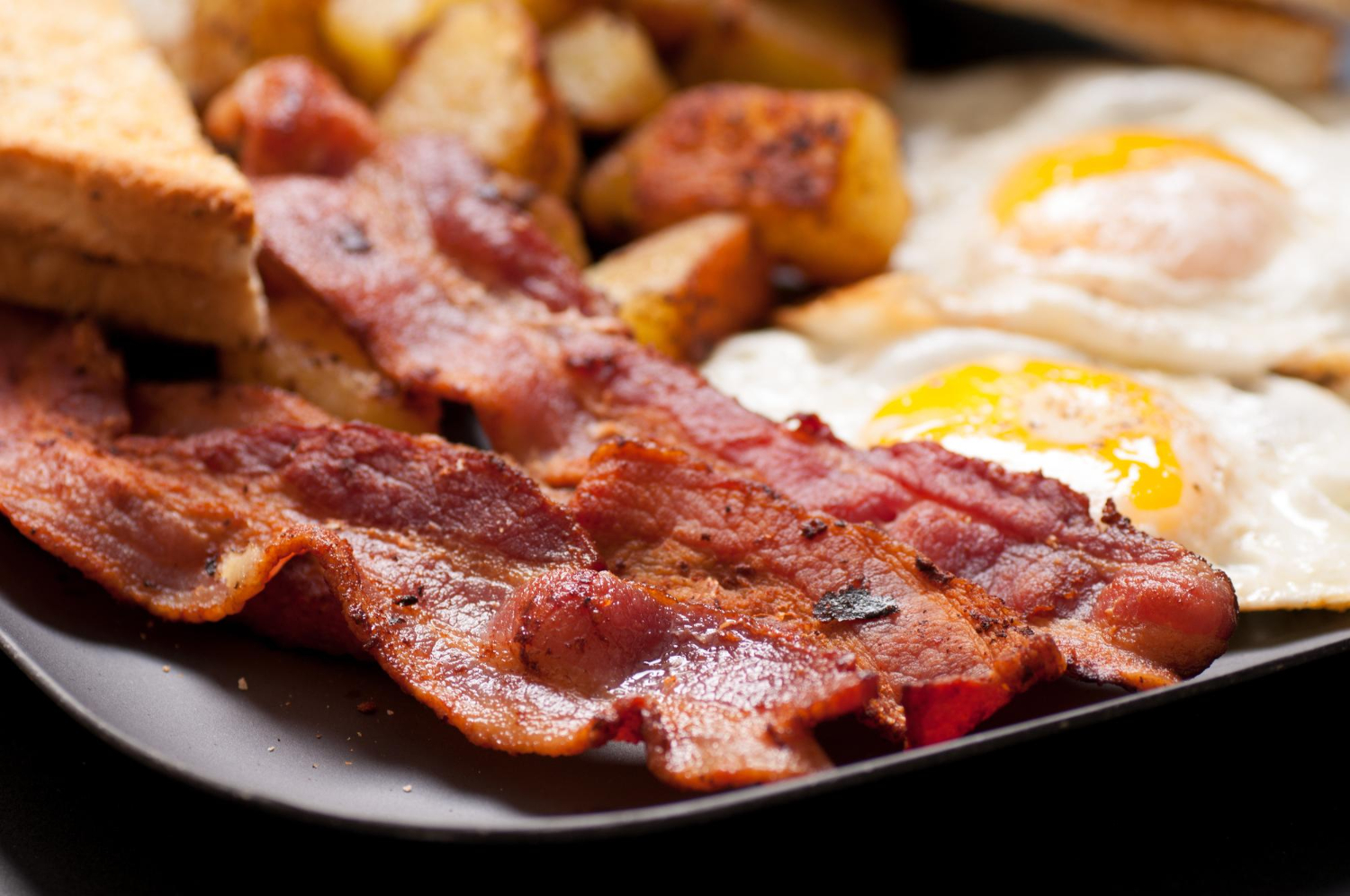
Cured pork smoked to varying degrees across many countries, with unsmoked and smoked versions coexisting as distinct products rather than one being a variant.
The choice of wood is regionally specific and truly changes the result. Smoked pork is the food where two entirely different products share one name.
10. Smoked Fish of the Baltic and Nordic Coasts
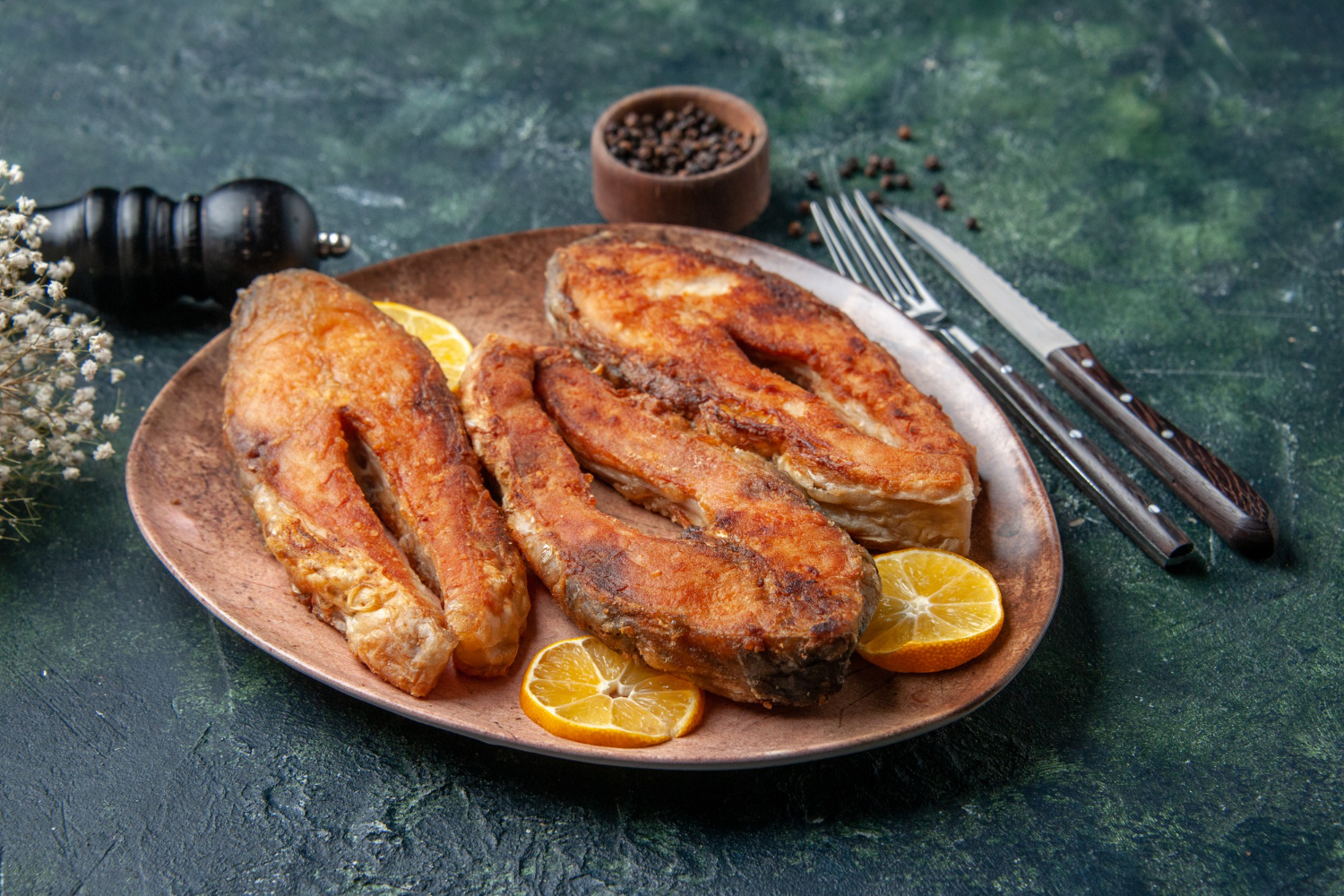
Hot smoking used across the region, cooking the fish and flavouring it in the same process, producing a flaky rather than silky result.
Hot and cold smoking produce such different foods from the same fish that they are barely comparable. Hot-smoked fish is the counterpart that shows what temperature alone changes.
11. Mezcal and the Smoked Agave Spirits – Mexico
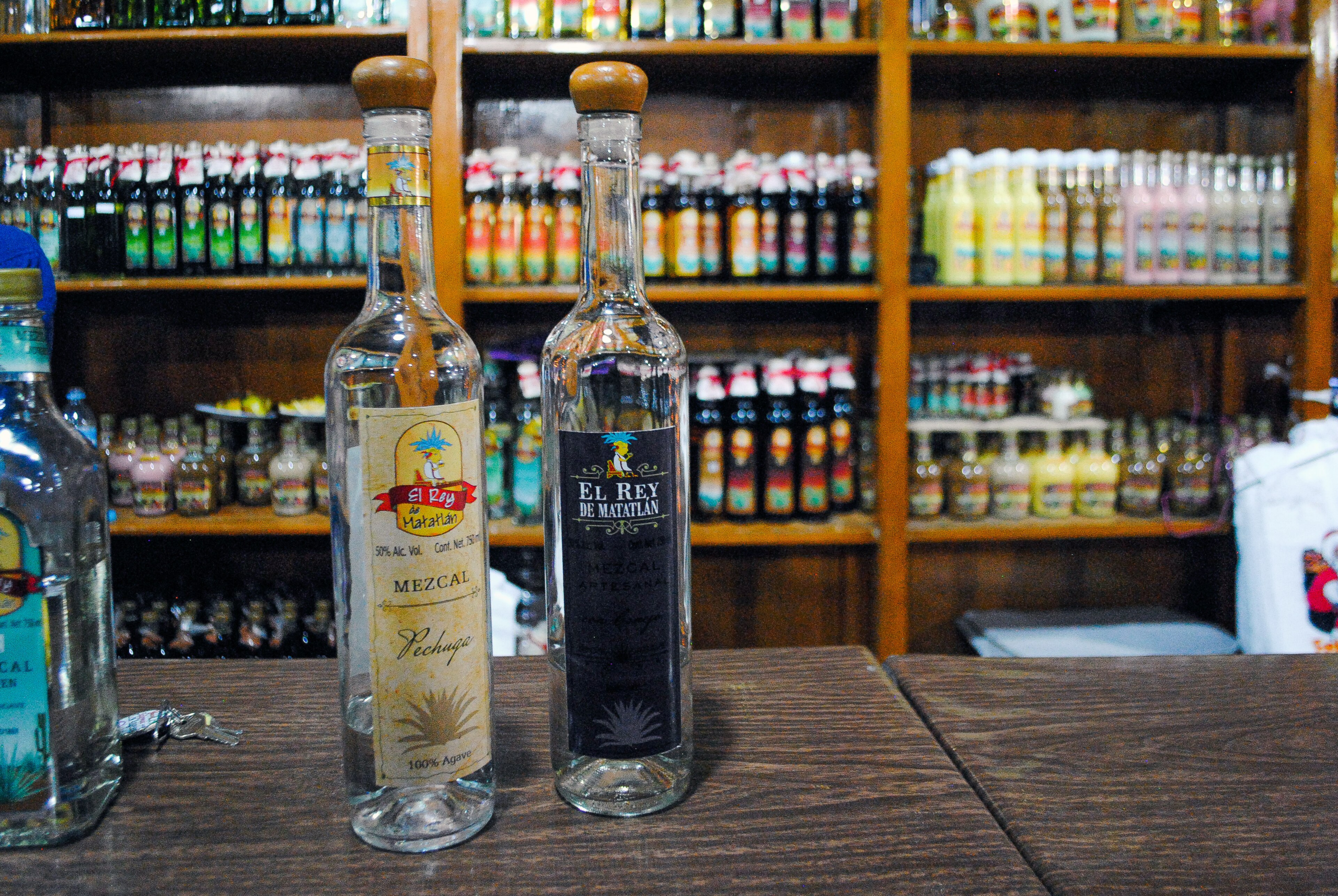
Agave hearts roasted in earth pits lined with hot stones and wood before fermentation, which is where the characteristic smokiness originates.
The smoke is acquired during cooking rather than added afterwards. Mezcal is the case where smoking happens to the raw material before anything else does.
12. Smoked Salt and Smoked Water
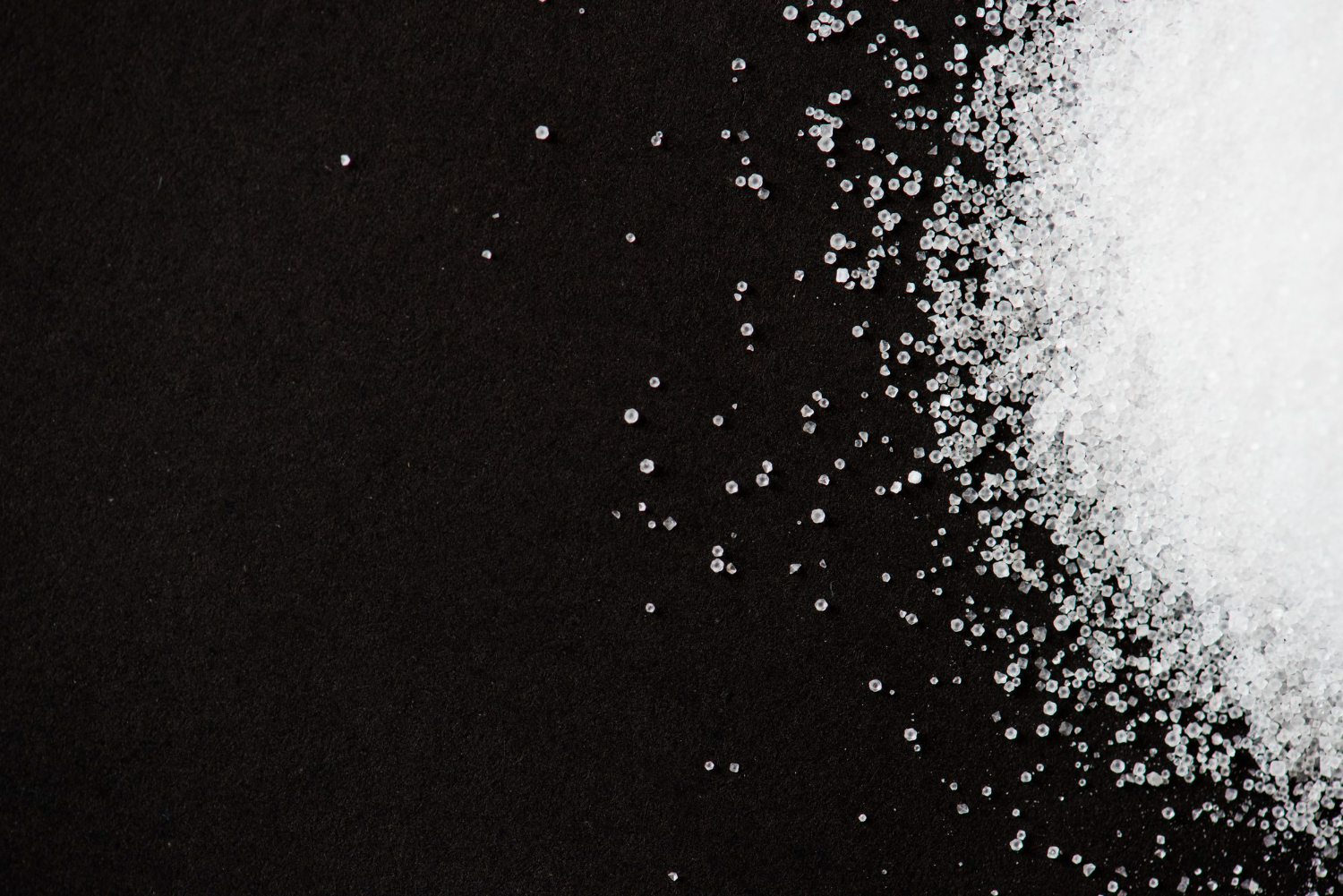
Salt smoked over wood, and in some traditions water smoked and then used in cooking, both carrying smoke into dishes where a fire is impossible.
They are seasoning shortcuts with a long history rather than modern inventions. Smoked salt is how smoke gets into food that was never near a fire.
14. Smoked Sausages Across Central and Eastern Europe
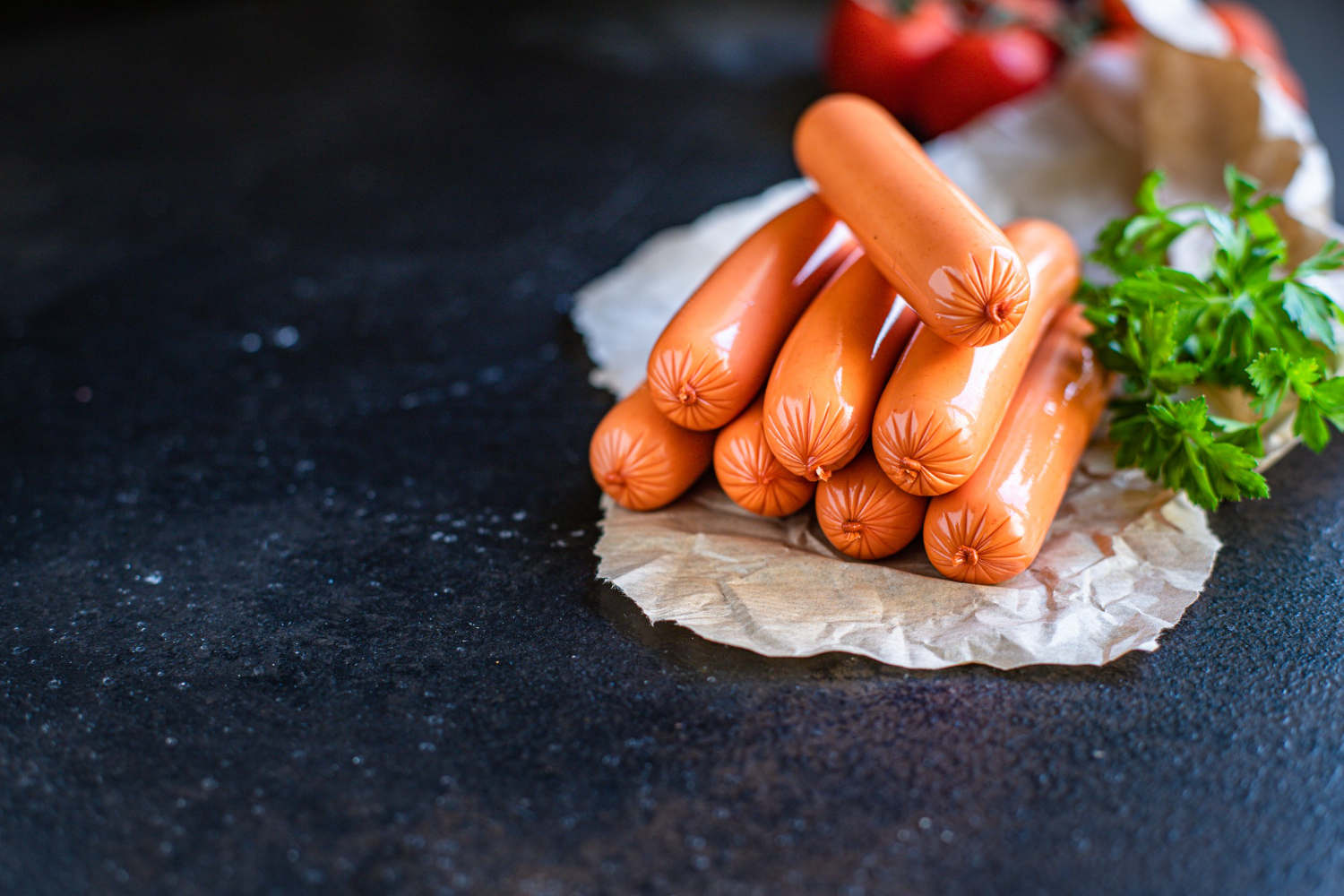
An enormous family of sausages smoked to different degrees, from lightly scented to almost black, frequently combining smoking with drying and fermenting.
The variety within a single country can be substantial. Smoked sausages are the smoked foods with the most regional variation of anything on this list.
15. Smoked Chillies and Dried Peppers
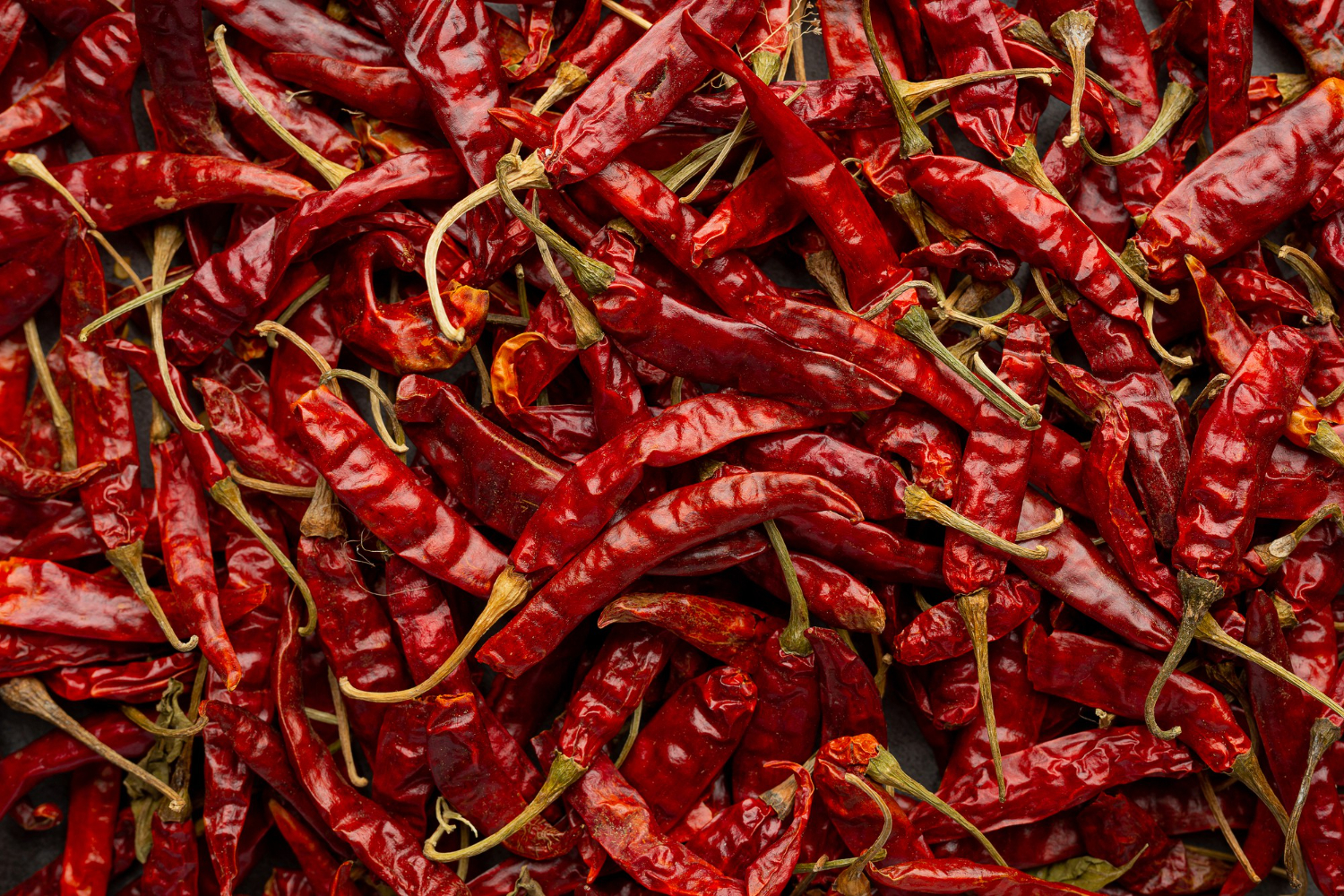
Chillies smoke-dried rather than sun-dried, producing an ingredient with a deep smoky character that fresh chillies do not have.
Once smoked, the pepper is a different ingredient rather than a preserved version of the same one. Smoked chillies are the case where preservation created a new flavour entirely.
Preservation That Stayed for the Taste
Smoke dries, coats and flavours simultaneously, which is why it was such an effective preservative. Refrigeration made that redundant and the technique survived anyway, purely because of the third effect.
The distinction worth carrying away is hot versus cold smoking, because it explains almost every difference on this list. Cold smoking flavours without cooking and produces silky, translucent results; hot smoking does both at once and produces flaky, firm ones. Same fish, same smoke, entirely different food.
Like our content? Follow us for more.