What these have in common is that the food is doing a job beyond being eaten – marking a date, using a glut, requiring several people to make it, or saying something through its shape. Here are sixteen.
1. Mooncakes – China
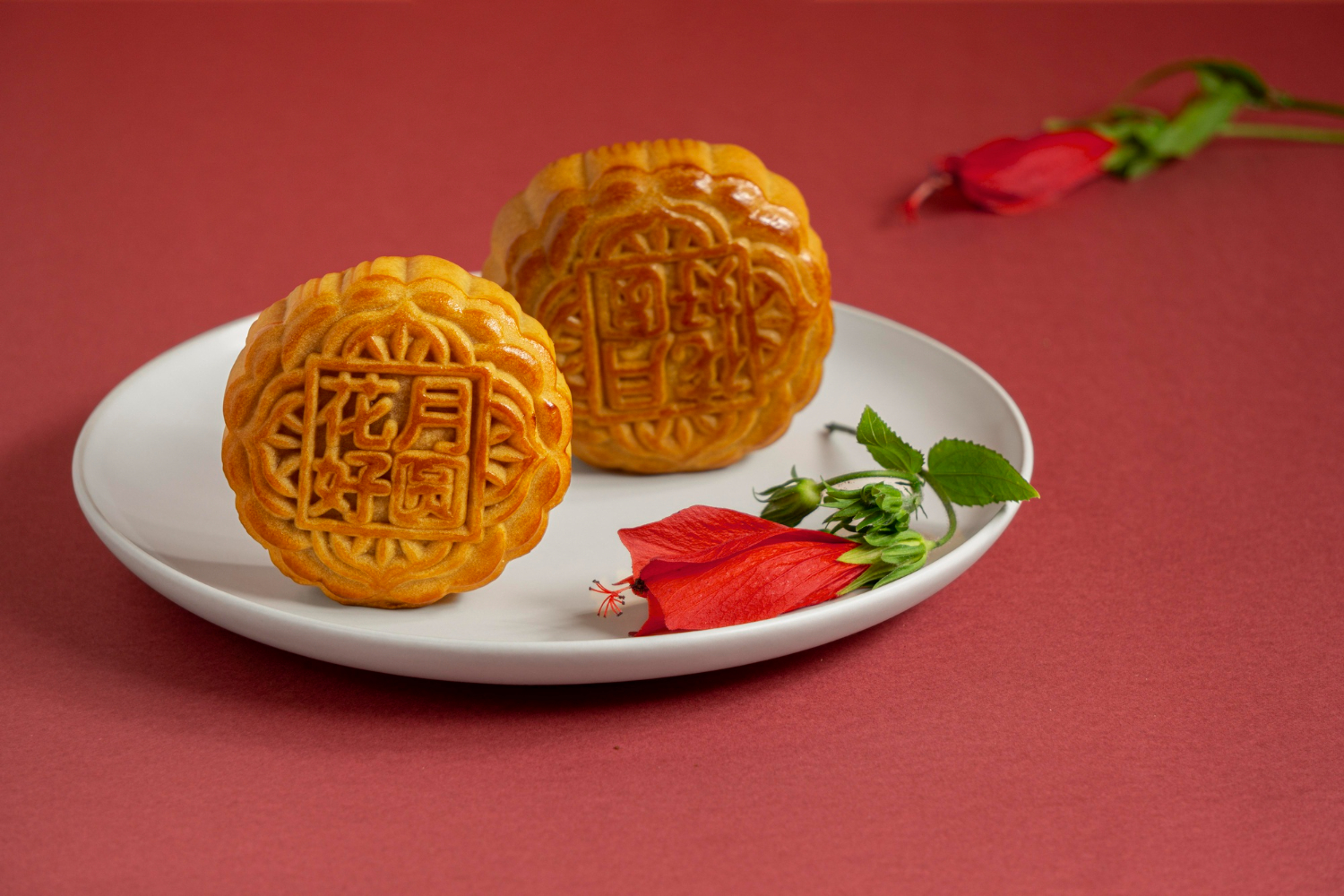
Dense round pastries with a rich filling, exchanged and shared at the mid-autumn festival, with the round form and the shared cutting both carrying obvious significance.
They are labour-intensive, expensive and eaten in small wedges. Mooncakes are the annual food where the shape is the message.
Like our content? Follow us for more.
2. Pan de Muerto – Mexico
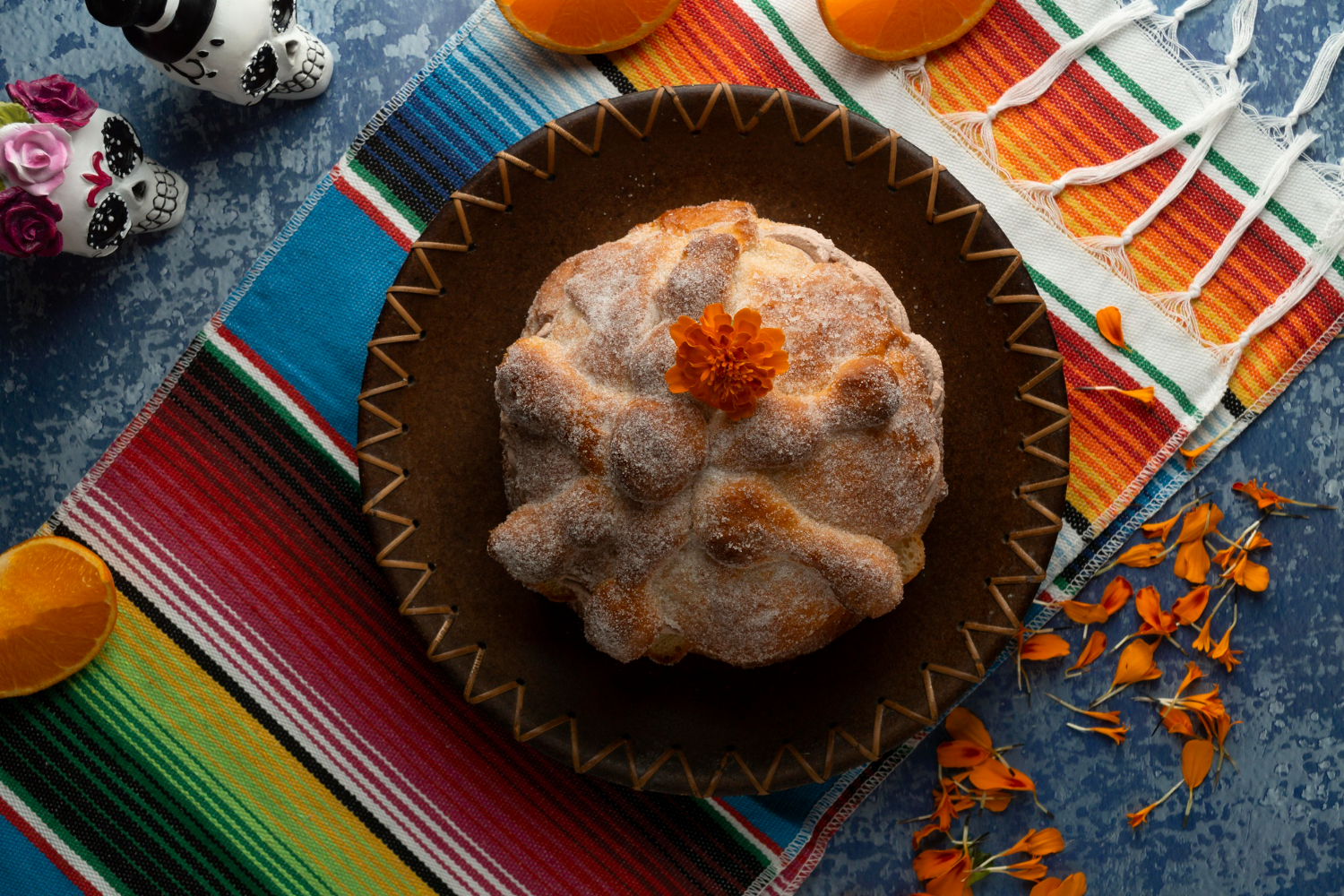
A sweet enriched bread made for the autumn remembrance days, decorated with strips of dough across the top and dusted with sugar.
It appears in bakeries for a few weeks and then disappears entirely. Pan de muerto is the annual bread that marks a specific fortnight of the year.
3. Panettone and the Enriched Christmas Breads – Italy
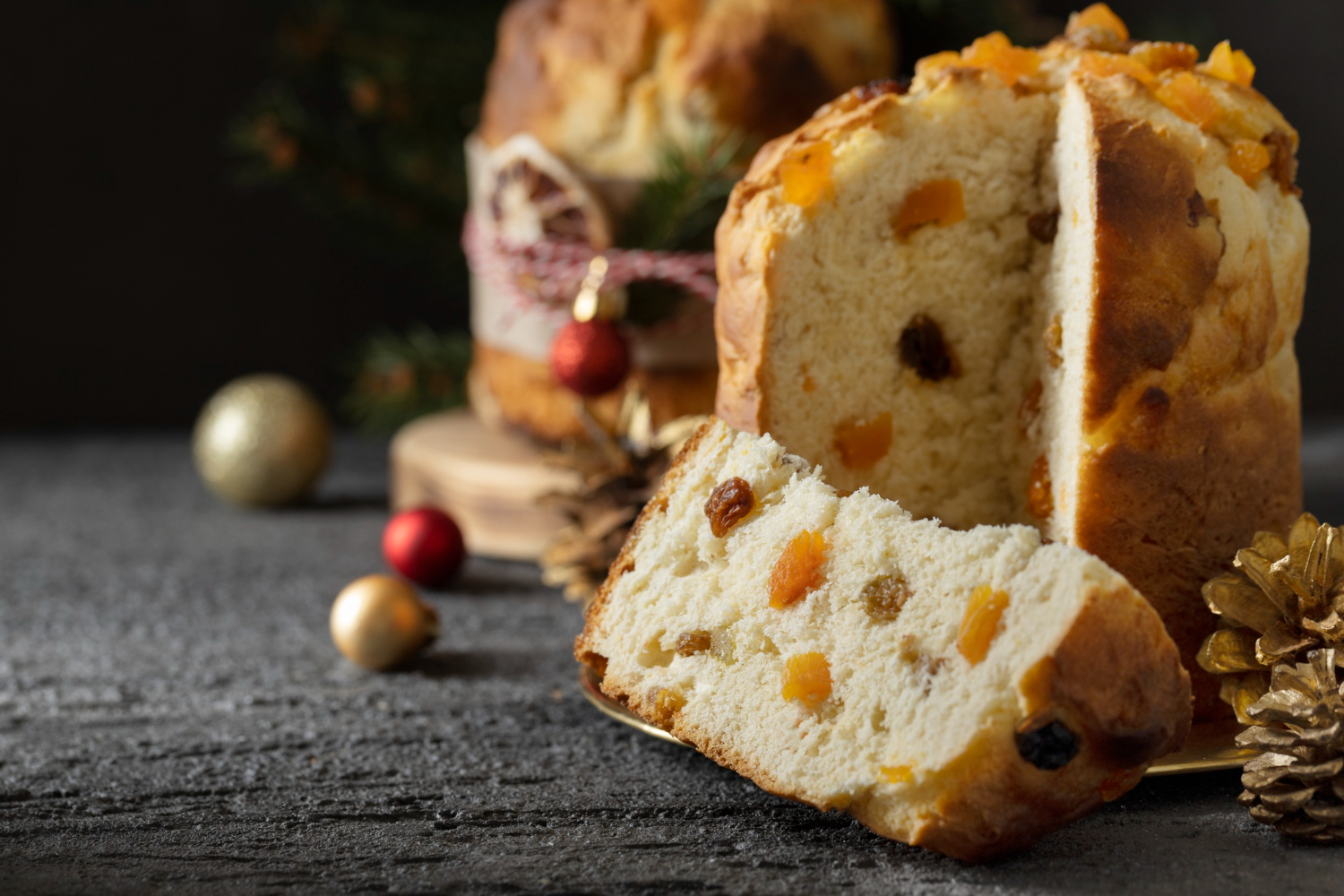
A tall domed bread made with a long fermentation, candied fruit and enormous patience, produced commercially in vast quantities for a few weeks.
A properly made one takes days rather than hours. Panettone is the annual bread whose difficulty is the reason it stayed seasonal.
4. Longevity Noodles – China
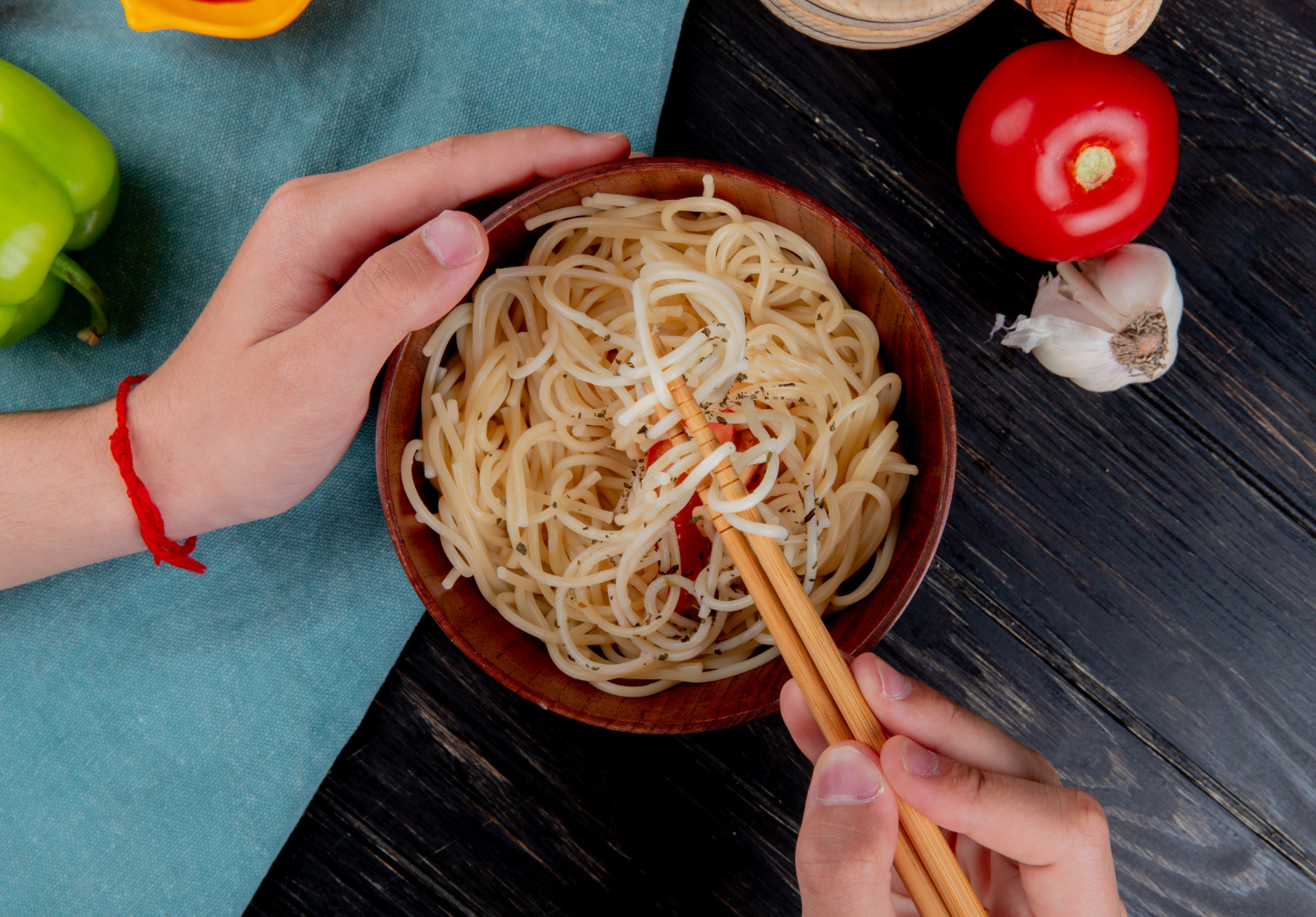
A single unbroken noodle served at birthdays, where the length stands for a long life and cutting it is avoided.
Eating it without breaking it is part of the exercise. Longevity noodles are the annual dish where the technique is the wish.
5. Sufganiyot and the Fried Foods of Hanukkah
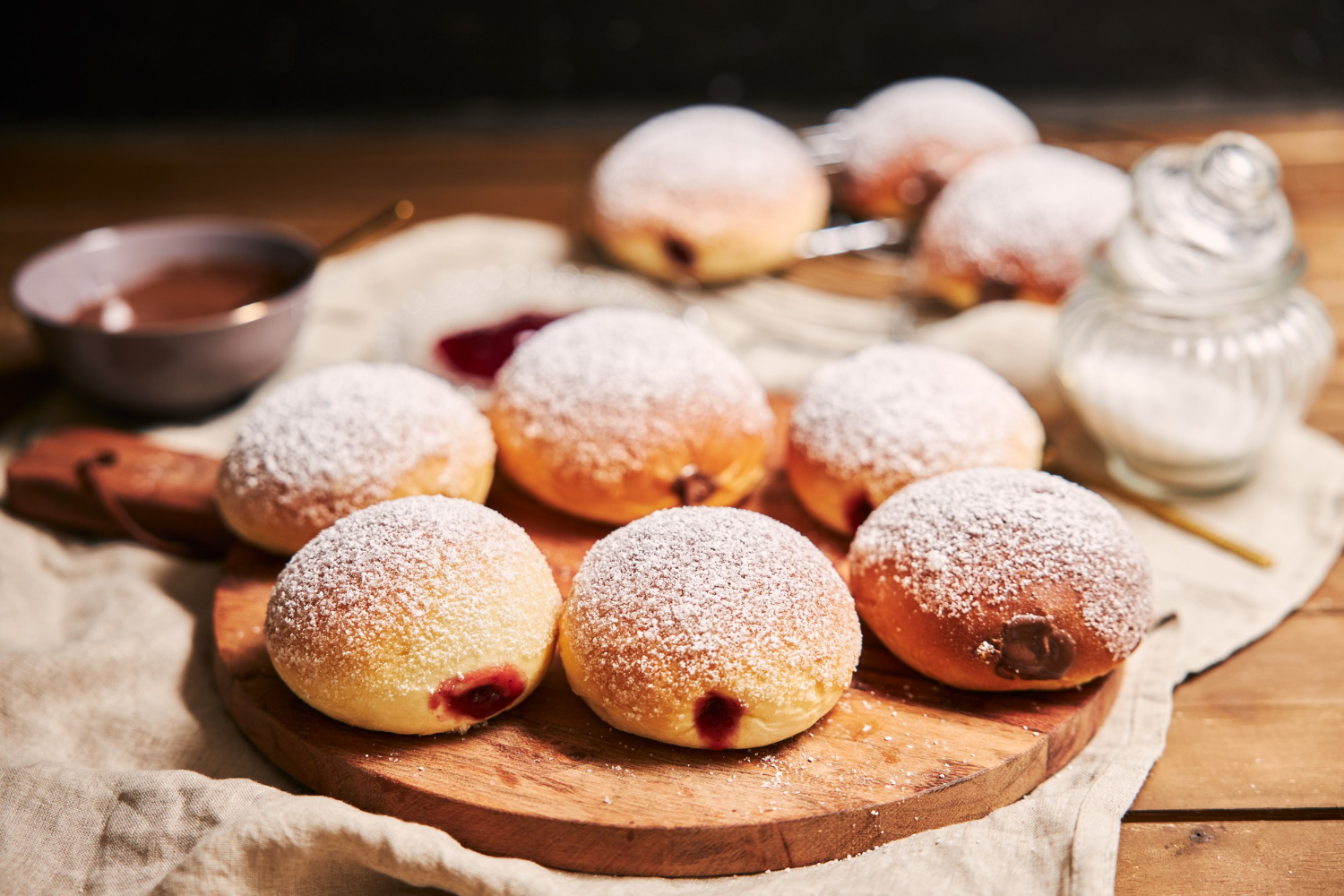
Filled doughnuts and other foods fried in oil, where the frying medium itself is the connection to the occasion rather than the food.
They appear in bakeries for eight days and vanish. Fried doughnuts are the annual food where the cooking method carries the meaning.
6. Buche de Noel – France
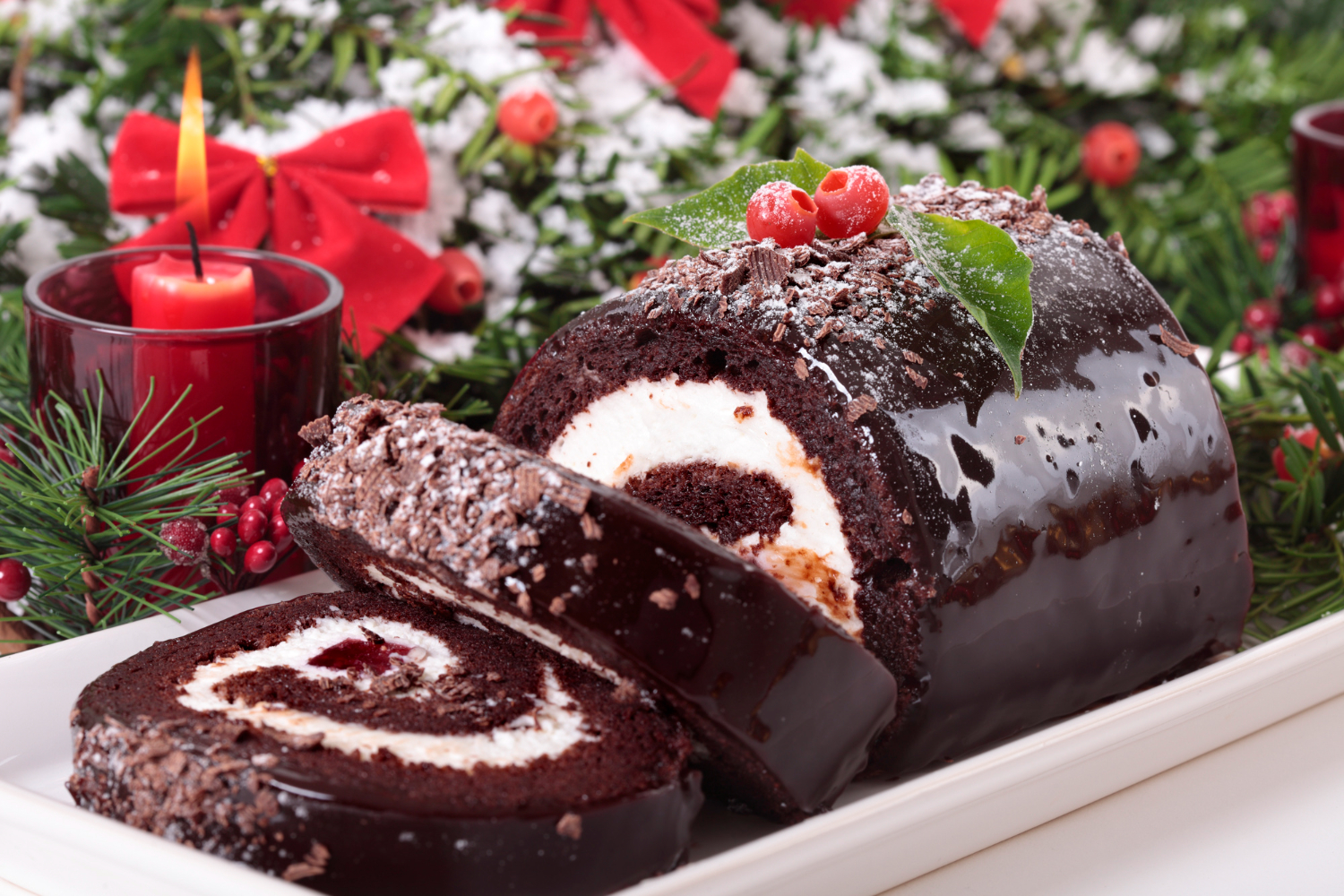
A rolled sponge decorated to resemble a log, descended from an older midwinter tradition involving an actual one.
Pastry shops compete on the decoration each year. The yule log is the annual cake that is a model of something people used to burn.
7. Osechi Ryori – Japan
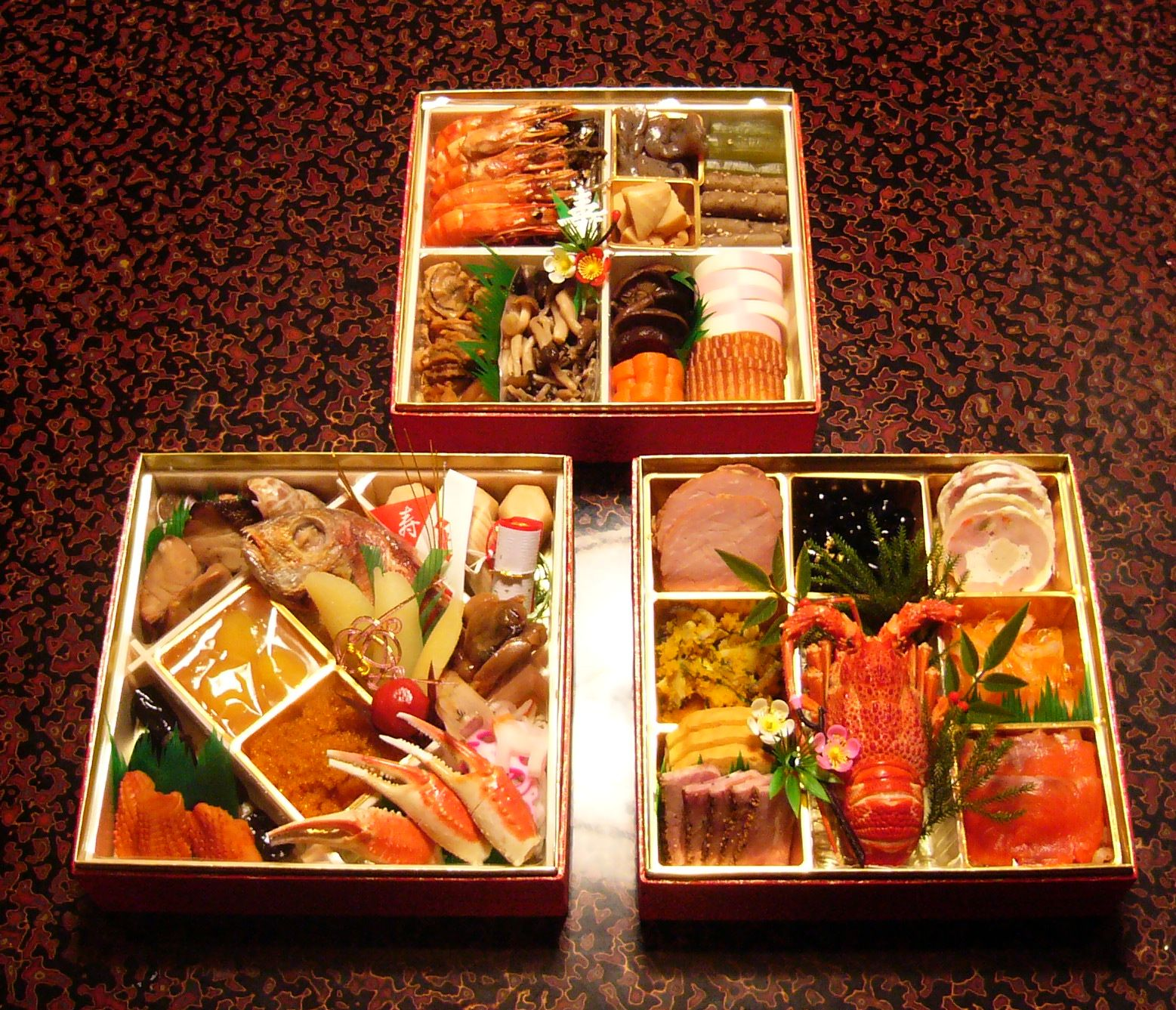
A lacquered box of small prepared dishes assembled for new year, each with a specific association, made in advance so that nobody cooks during the first days.
The preparation is substantial and the point is that it is finished before the year turns. Osechi is the annual food designed so the kitchen can close.
8. Tteokguk – Korea
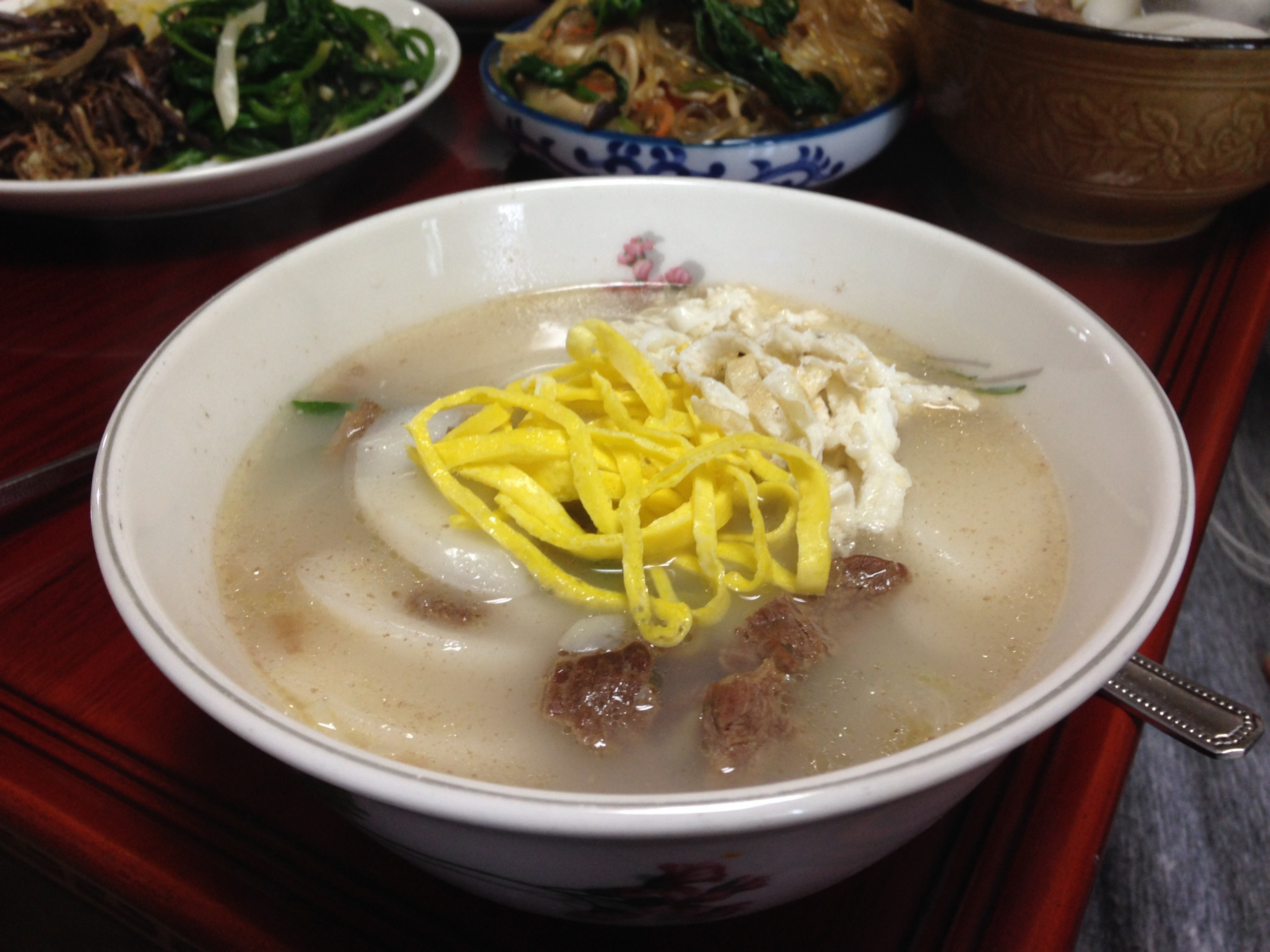
A soup of sliced rice cake eaten at new year, traditionally associated with becoming a year older.
The white oval slices are the identifying feature. Tteokguk is the annual dish that marks an age rather than a date.
9. Black-Eyed Peas and Greens – Southern United States
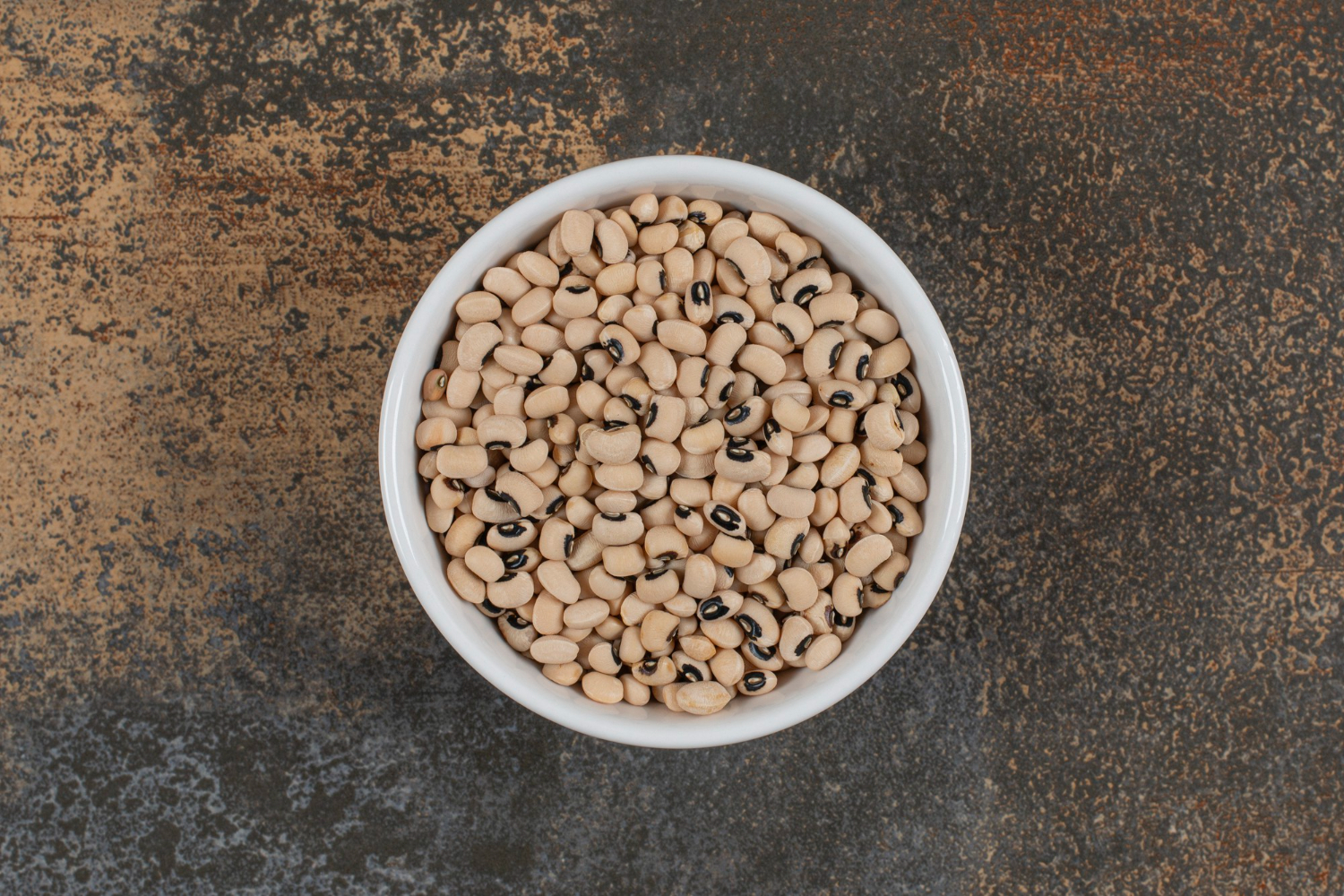
Eaten on new year day, with the peas and the greens each carrying an association with fortune in the year ahead.
The tradition is strong enough that supermarkets stock accordingly. Black-eyed peas are the annual dish where two ingredients each have a job.
10. King Cakes and the Hidden Token
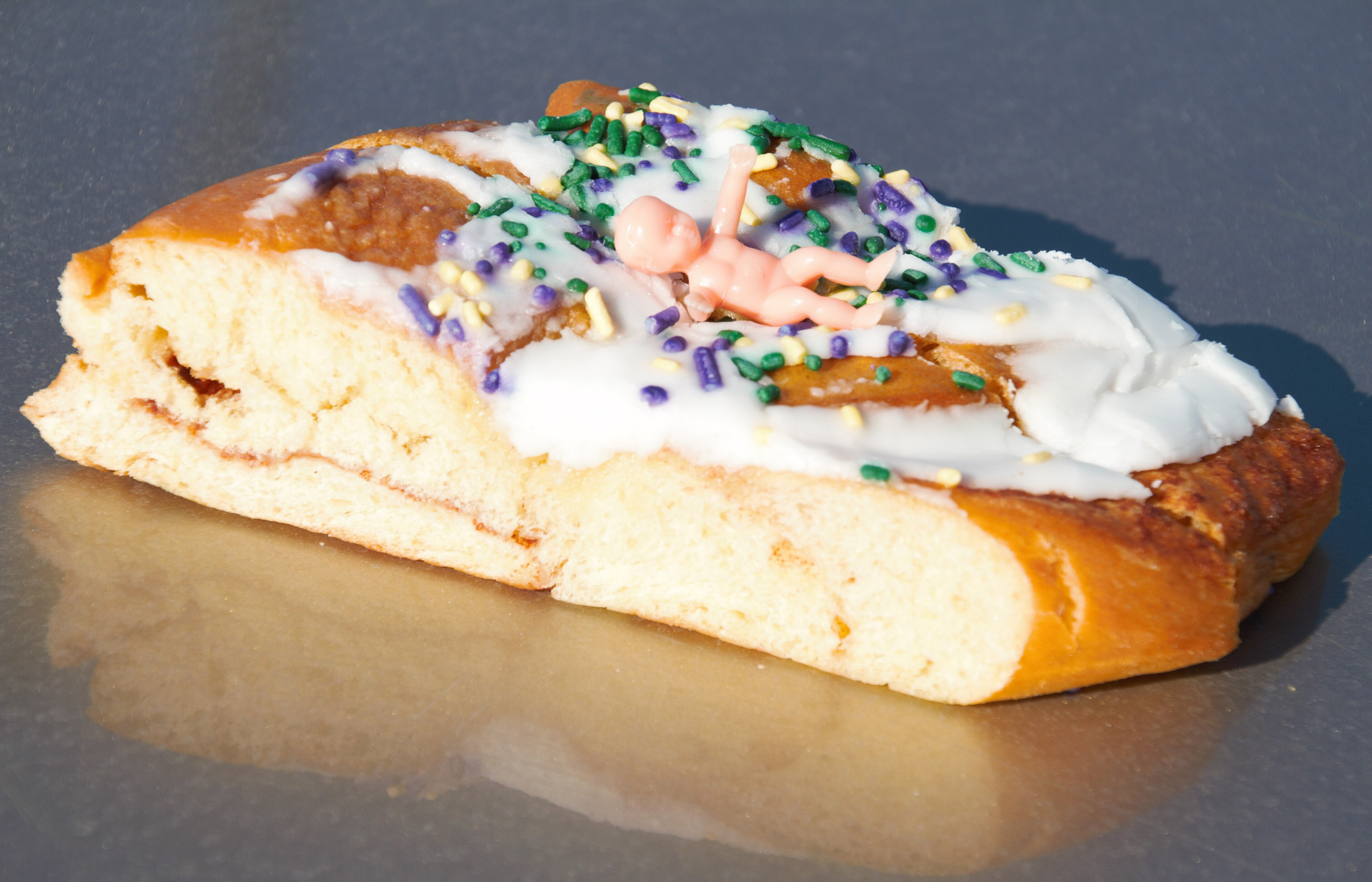
Several traditions bake a small token into a festive cake, and whoever finds it acquires an obligation, a title, or the task of hosting next time.
The mechanism recurs independently across a number of countries. The hidden token cake is the annual food that assigns somebody a duty.
11. Nowruz Table Foods – Iran and Central Asia
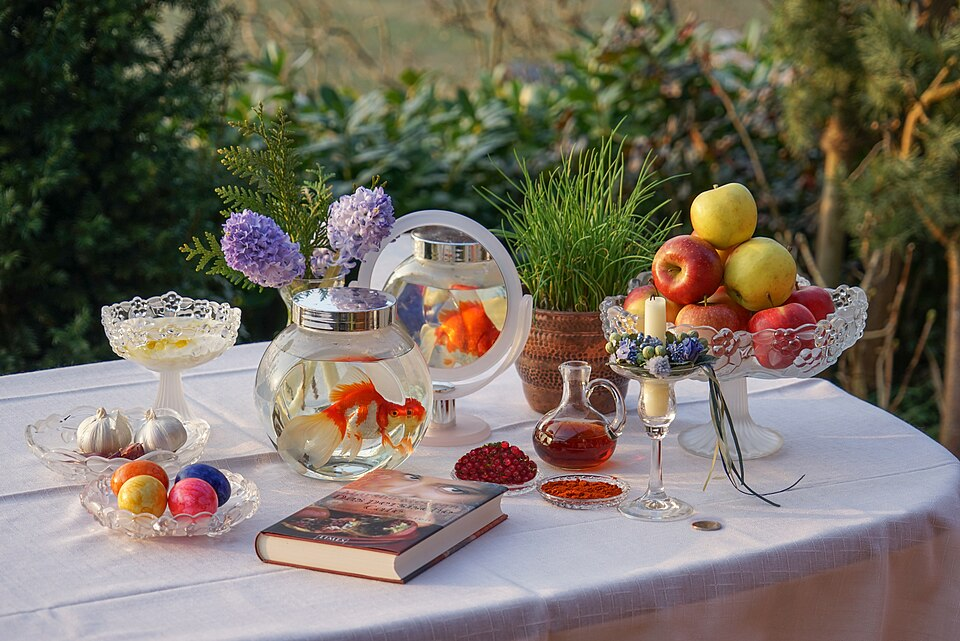
Herb-heavy dishes and a table of symbolic items assembled for the spring new year, with green things marking renewal at the moment the season turns.
The timing is astronomical rather than calendrical. Nowruz foods are the annual dishes tied to the exact moment of an equinox.
12. Diwali Sweets – South Asia
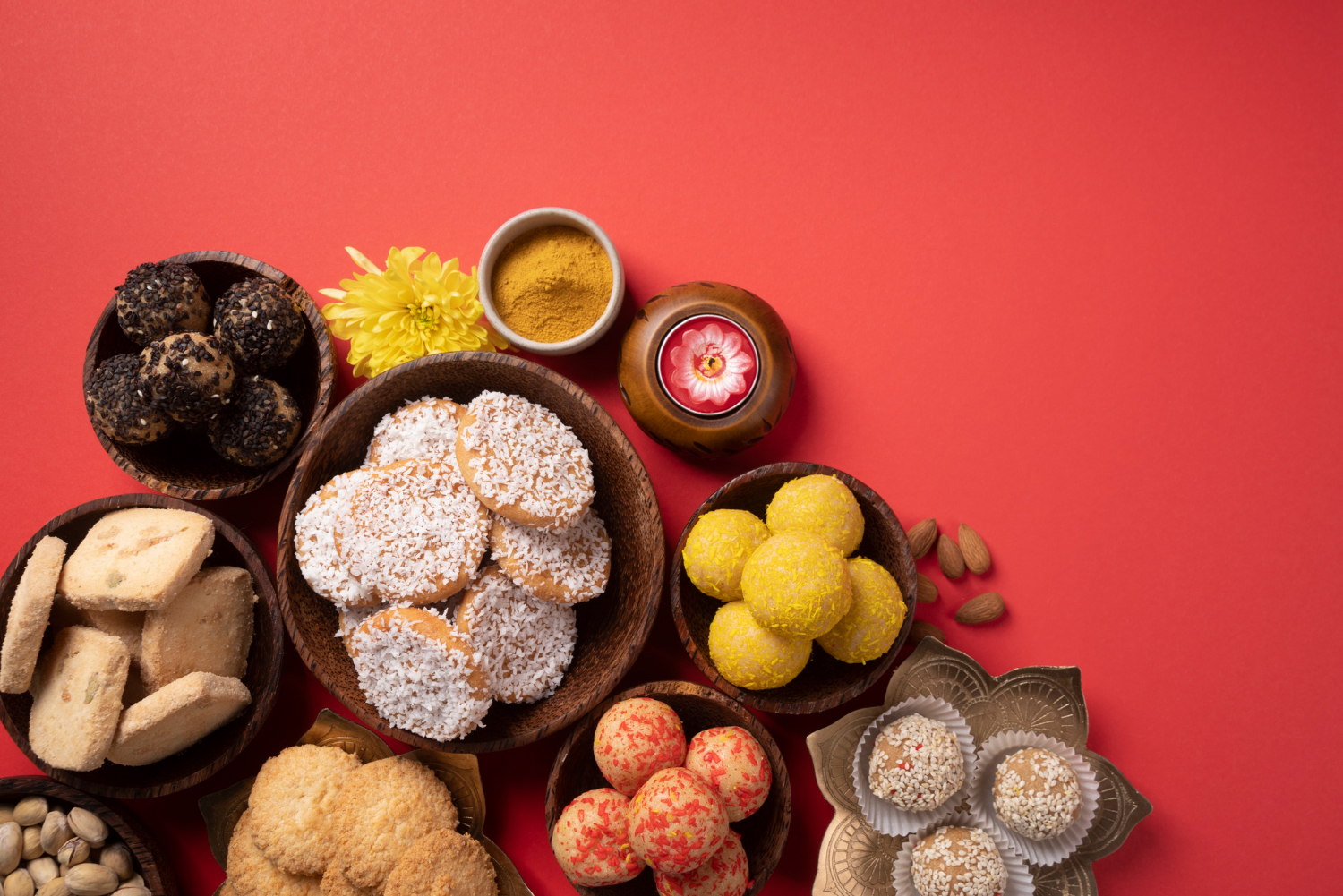
An enormous range of sweets and fried snacks made and exchanged in quantity, with households producing far more than they can eat in order to give it away.
The distribution is the function. Diwali sweets are the annual foods made specifically to be handed to other people.
14. Simnel and the Marked Celebration Cakes
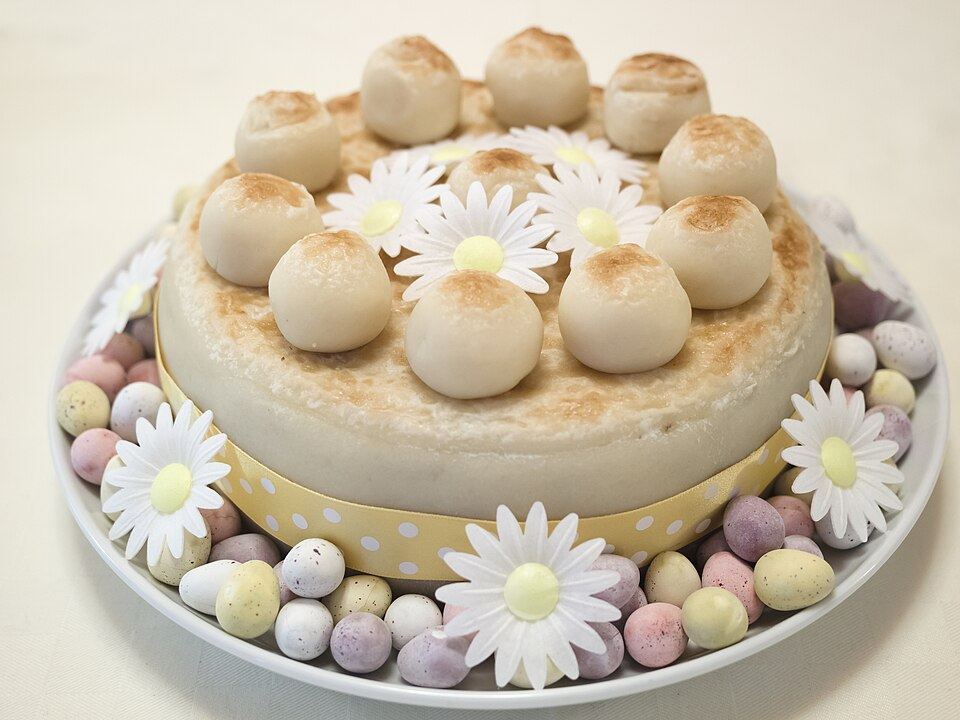
Fruit cakes made for a specific spring occasion, topped with a set number of marzipan balls whose count is fixed by tradition rather than by taste.
Getting the number wrong is noticed by people who care about such things. The marked celebration cake is the annual food where somebody counts the decorations.
15. Seasonal Preserves Made in One Week
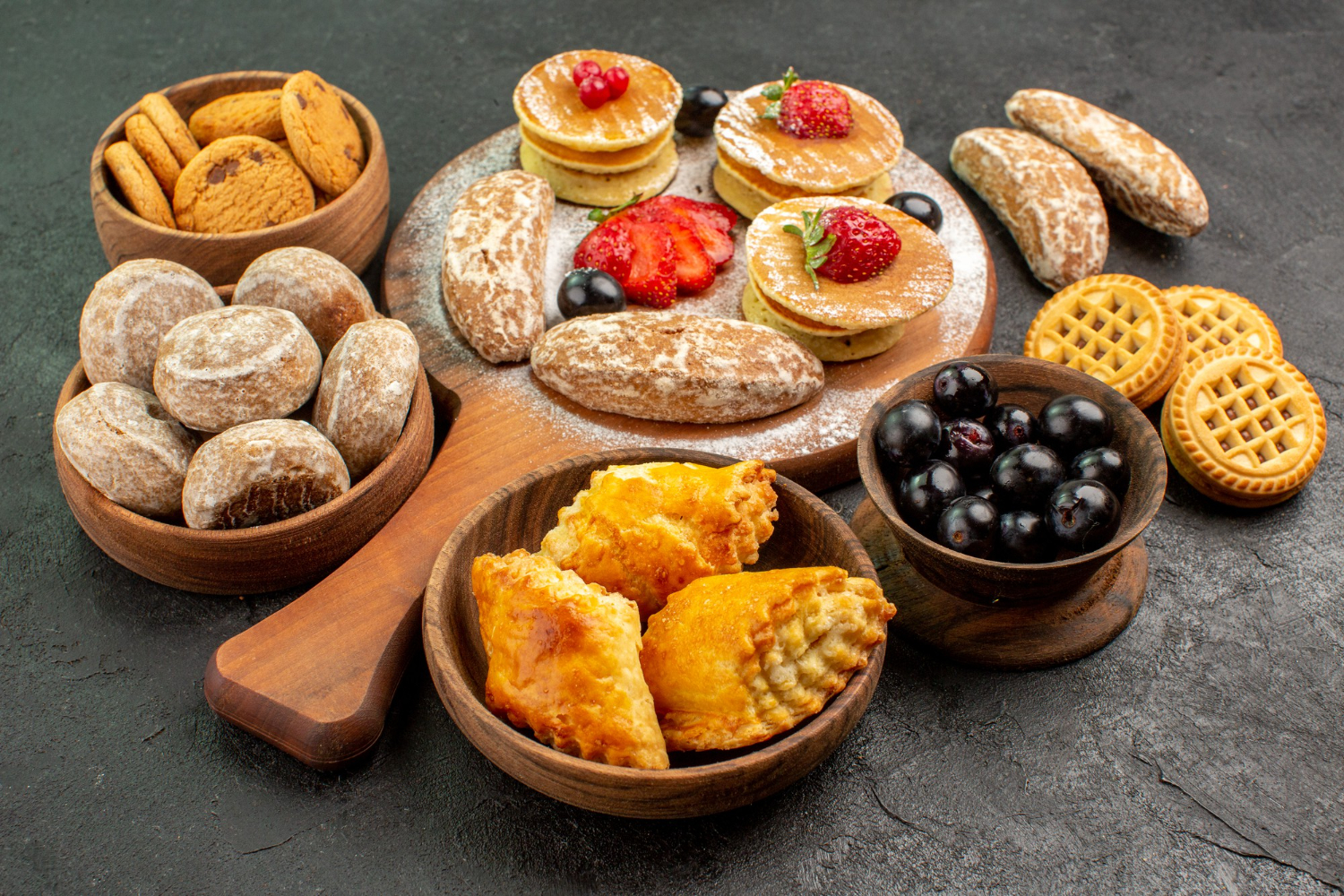
Marmalade from bitter oranges, or any preserve tied to a fruit with a short season, made in a concentrated burst and eaten for the following year.
The window is a matter of weeks and missing it means waiting. Seasonal preserves are the annual foods where the calendar rather than the cook sets the date.
Scarcity, Shape and Several Pairs of Hands
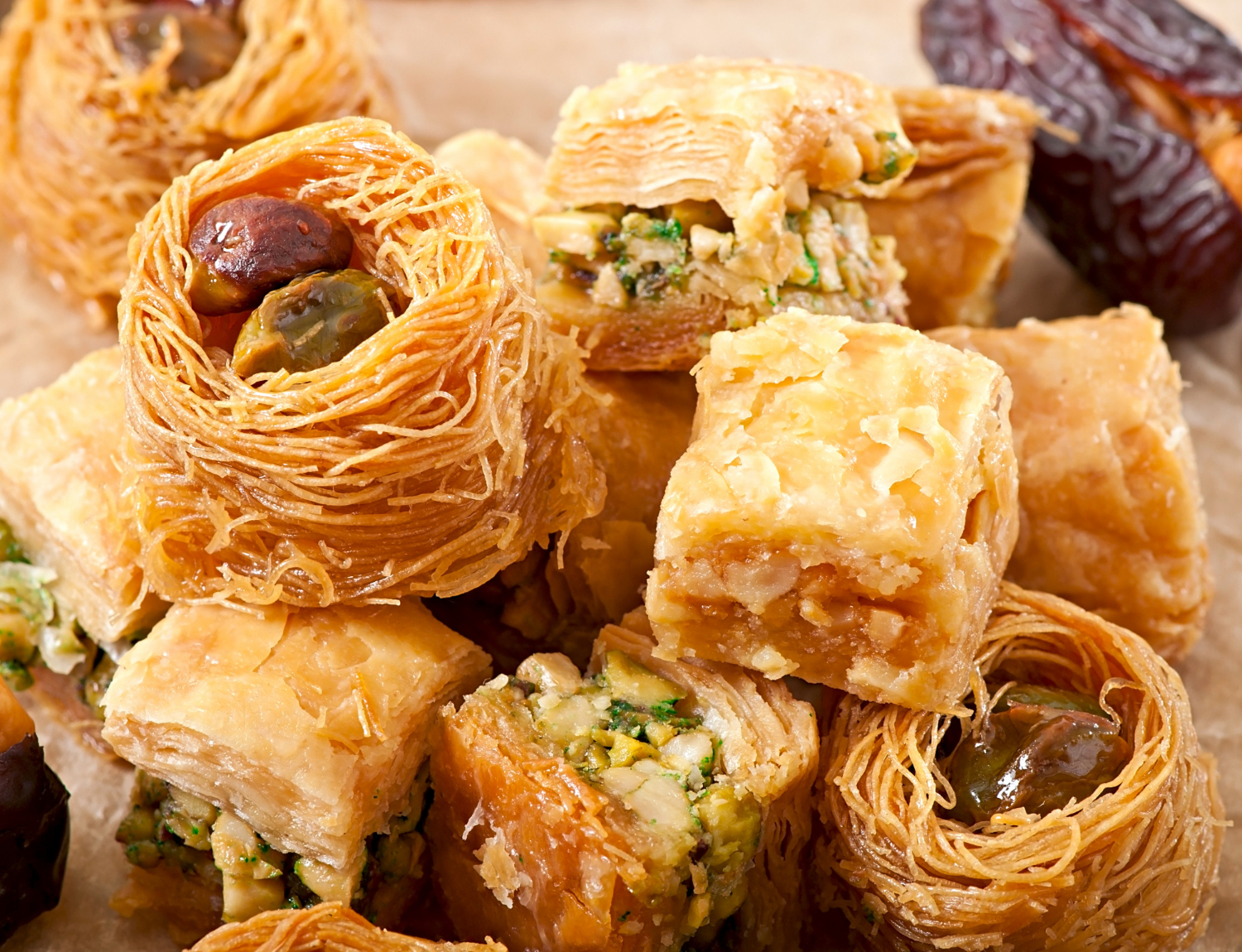
Every food here is restricted by something – a season, a date, a preparation that needs a crowd, or a meaning that only applies once a year. The restriction is what makes it an occasion rather than a dish.
It is worth noticing what happens when the restriction is removed. Several foods on this list are now available all year in some places, and most people who grew up with them will tell you it is not the same – not because the food changed, but because the thing that made it worth waiting for was the waiting.
Like our content? Follow us for more.