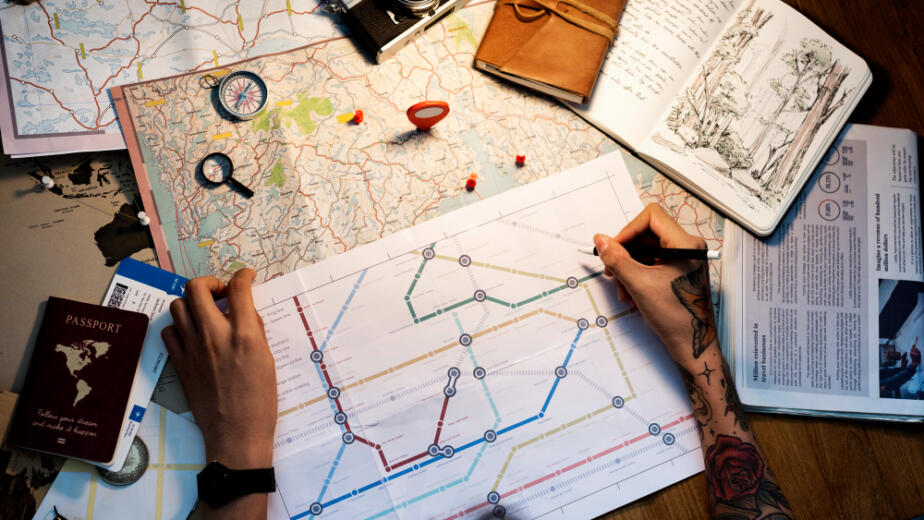
The mistake is treating each journey as a separate problem to solve. The system has a logic, and learning the logic once is far quicker than working out ten routes individually. Here are ten.
1. Find the System Map Before the Route

Look at the whole network before looking up any single journey, because the shape of the system tells you how it thinks – radial, grid, ring, or a set of lines that all cross at one point.
Ten minutes with the map saves an hour of individual lookups. Learning the shape first is the transport habit that makes every later journey faster.
Like our content? Follow us for more.
2. Establish the Ticketing Logic Immediately
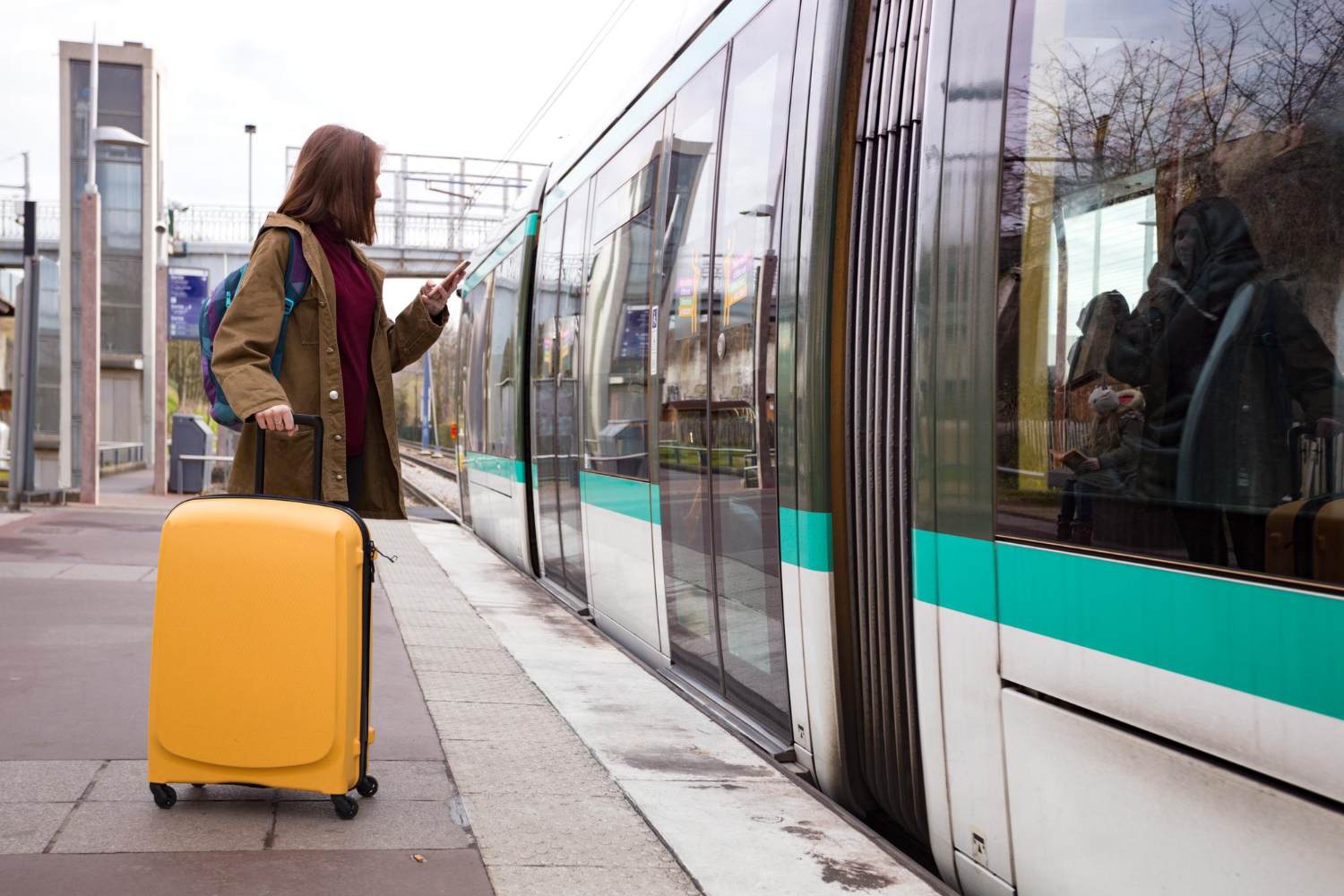
Fare systems differ fundamentally: some charge by distance, some by zone, some a flat rate, some by time window, and some cap the daily total automatically.
Which one applies changes every decision you make afterwards, so find out at the first station rather than the third. Understanding the ticketing logic is the transport step that prevents most visitor mistakes.
3. Work Out Whether You Validate
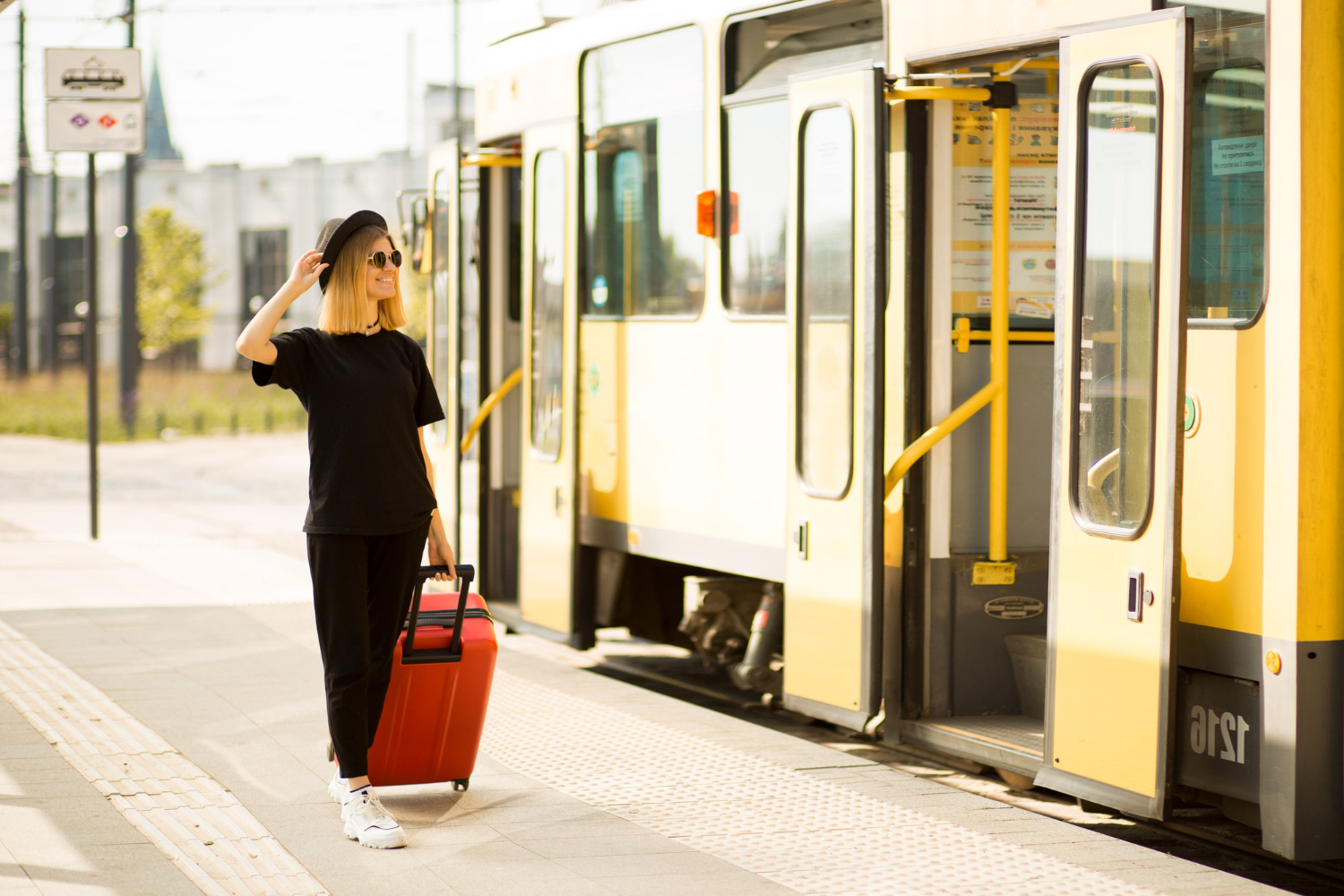
A great many systems require a ticket to be validated separately from being bought, and failing to do so is treated as travelling without one.
The machine is usually at the platform entrance or inside the vehicle. Knowing whether to validate is the transport detail that catches out the most visitors.
4. Identify the One Interchange Everything Passes Through

Most networks have a small number of stations where several lines meet, and knowing them lets you plan almost any journey as two legs rather than looking it up.
Learn two or three names and the map becomes navigable from memory. Identifying the main interchanges is the shortcut that replaces the app.
5. Learn the Direction Naming Convention
Lines are usually labelled by their terminus rather than by compass direction, which means knowing which end of the line you want is the whole task.
Standing on the wrong platform is the single most common error. Learning how directions are named is the transport skill that prevents going the wrong way.
6. Watch How People Board

Boarding conventions differ – where to stand, whether to let people off first, which door to use, whether queuing happens and where.
Thirty seconds of observation before the first vehicle arrives tells you everything. Watching how people board is the transport lesson available free on every platform.
7. Find Out What Runs Late and What Does Not

Networks that appear equivalent by day diverge sharply at night, with some lines stopping early, some running reduced and some replaced by buses on a different route.
Establishing the last service before you need it is the point of this. Knowing what runs late is the transport check that determines how your evenings work.
8. Establish Access Before You Need It

Whether stations have step-free access, lifts, or only stairs and escalators varies enormously within a single system, frequently without pattern.
This matters for luggage as well as for mobility, and the information is generally published. Establishing access in advance is the transport step that avoids arriving at the wrong entrance with a suitcase.
9. Use the Slow Option Once Deliberately

Trams, local buses and ferries take longer and show you the city at street level, which underground systems by definition cannot.
One deliberate slow journey teaches you more geography than a week of tunnels. Taking the slow option is the transport choice that turns a journey into something worth doing.
10. Walk the First Two Stops

Before committing to any system, walk the distance between two adjacent central stops to calibrate what the map distances actually mean.
City centre stations are frequently far closer together than the map suggests, and a great many short journeys are quicker on foot. Walking two stops is the calibration that stops you queuing for a train you did not need.
Learn the Logic, Not the Routes
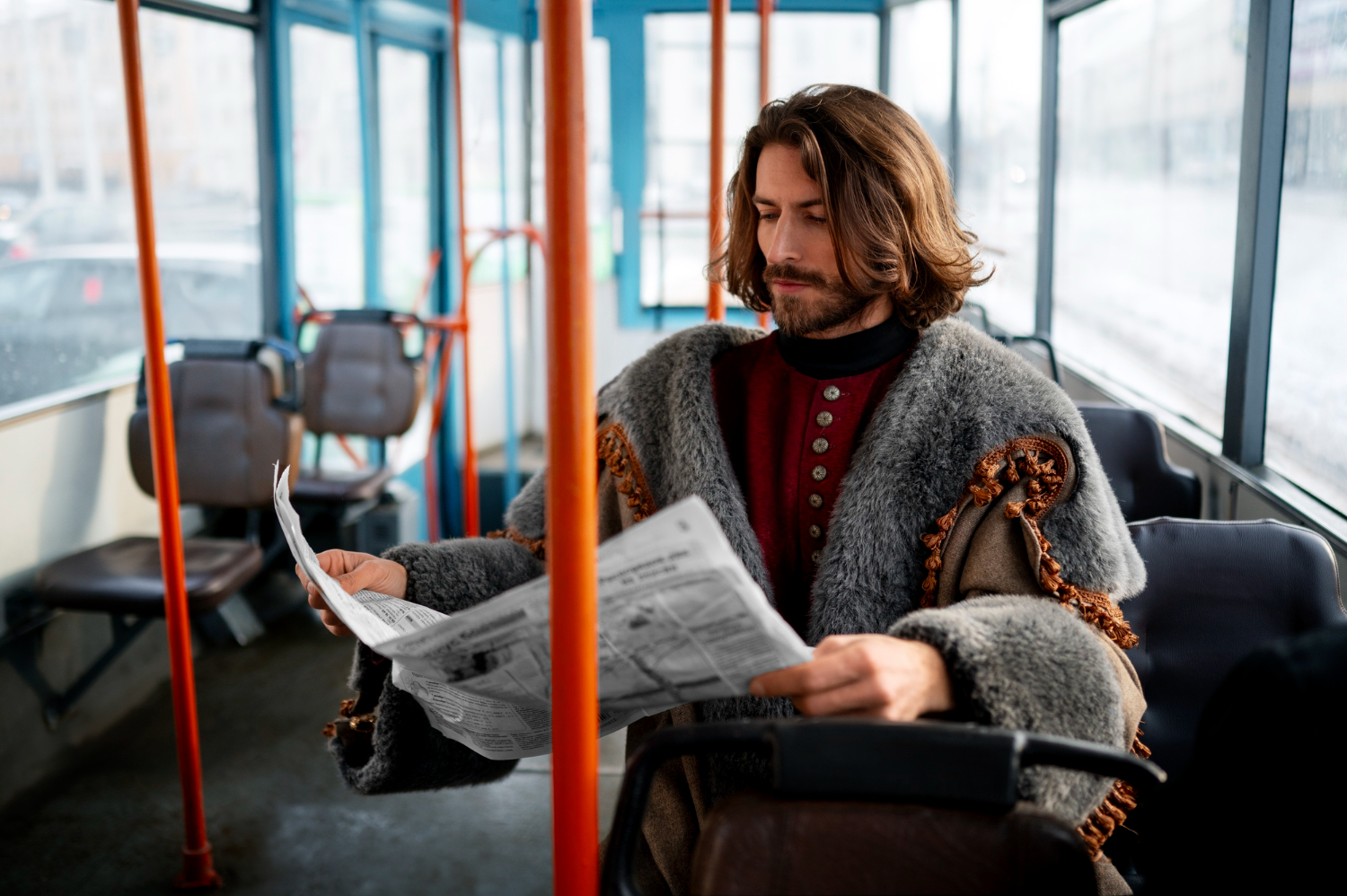
Everything here is about understanding the system once rather than solving each journey separately – the shape, the fares, the validation, the naming, the interchanges and the hours.
An afternoon spent doing this properly changes the rest of the trip. You stop looking things up before every journey, you stop paying more than you need to, you stop standing on the wrong platform, and you start moving around the way people who live there do – which is also, incidentally, the cheapest and usually the most interesting way to see a city.
Like our content? Follow us for more.