The test is simple: pigment colour looks the same from every angle, and structural colour changes as you move. Once you know that, a great deal of the natural world reveals which method it is using. Here are fifteen.
1. Red Blood – Pigment
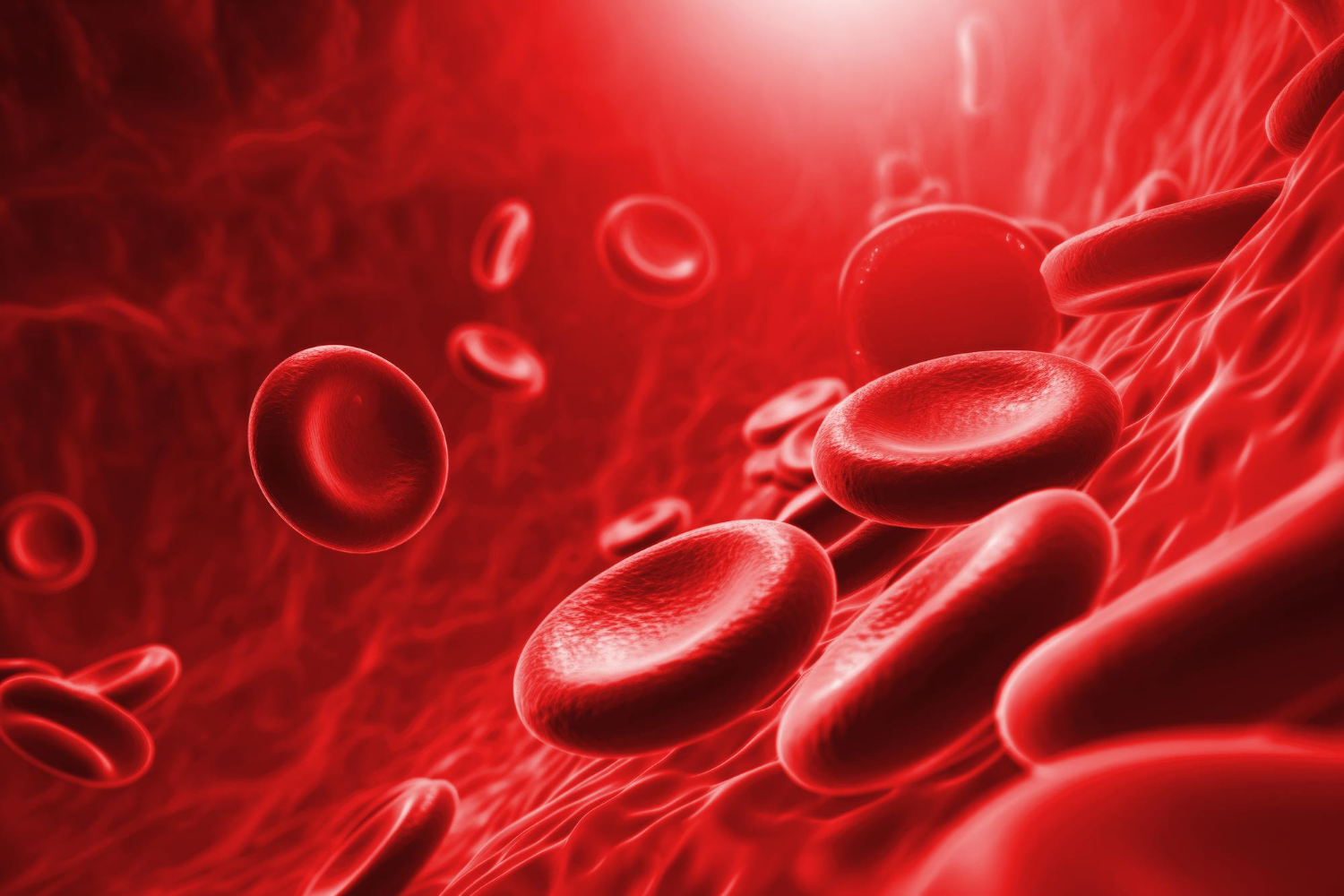
Haemoglobin appears red because the iron-containing structure at its centre absorbs across most of the spectrum and reflects red strongly.
The colour is incidental to the function, which is carrying oxygen. Blood red is the pigment colour that is a side effect of chemistry doing something else entirely.
Like our content? Follow us for more.
2. Blue Butterflies – Structure
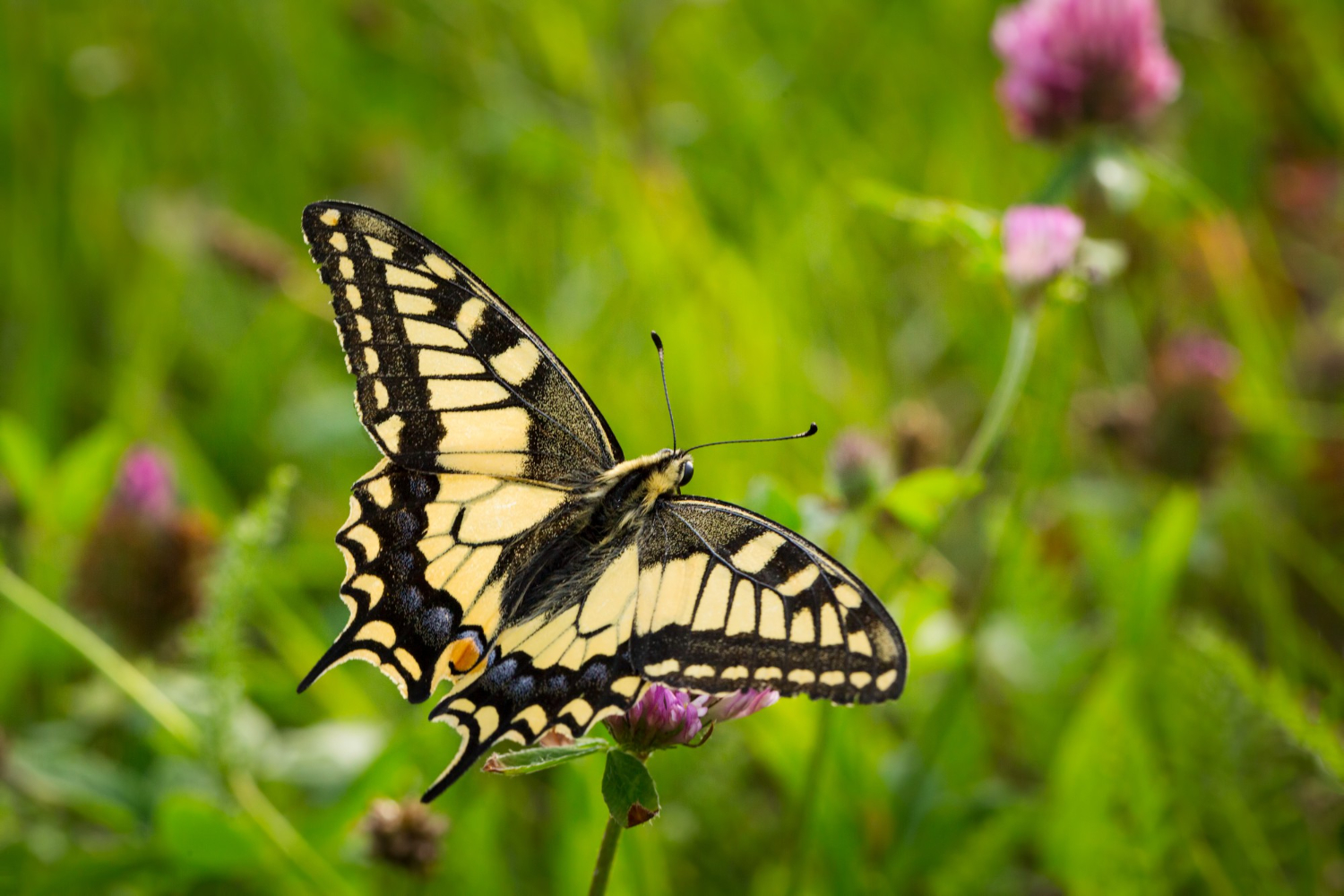
There is almost no blue pigment in the animal kingdom. Butterfly blues come from layered microscopic ridges on the wing scales that interfere with light and cancel everything except blue.
Crush the wing and the blue disappears entirely, because the structure has been destroyed. Butterfly blue is the colour that exists only while the architecture is intact.
3. Beetle Shells – Structure
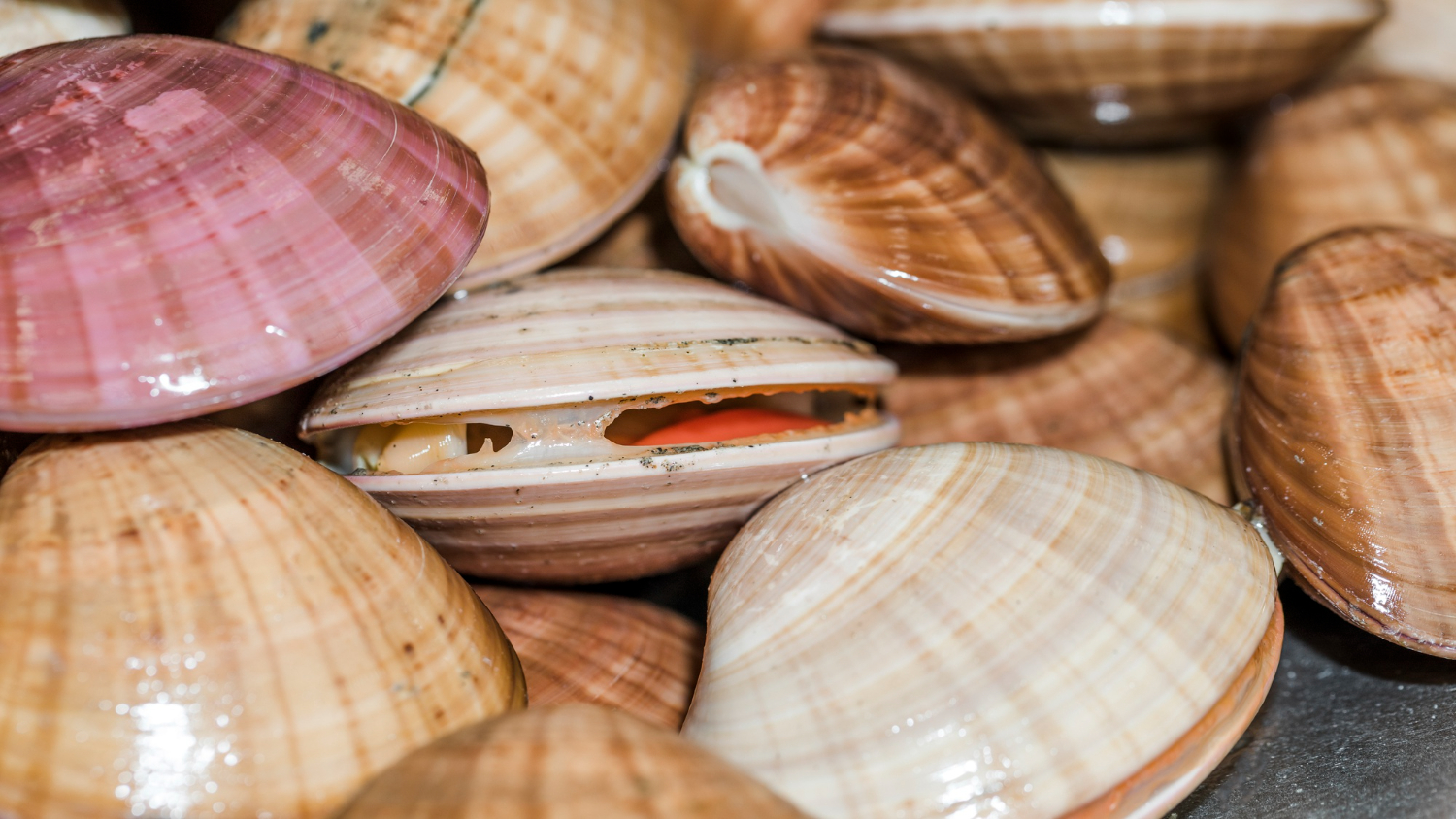
Metallic and iridescent beetles use stacked layers in the cuticle, producing colours that shift as the angle changes.
The shift is the signature – a pigment cannot do that. Beetle iridescence is the colour that moves when you do.
4. Bird Feathers, Both at Once
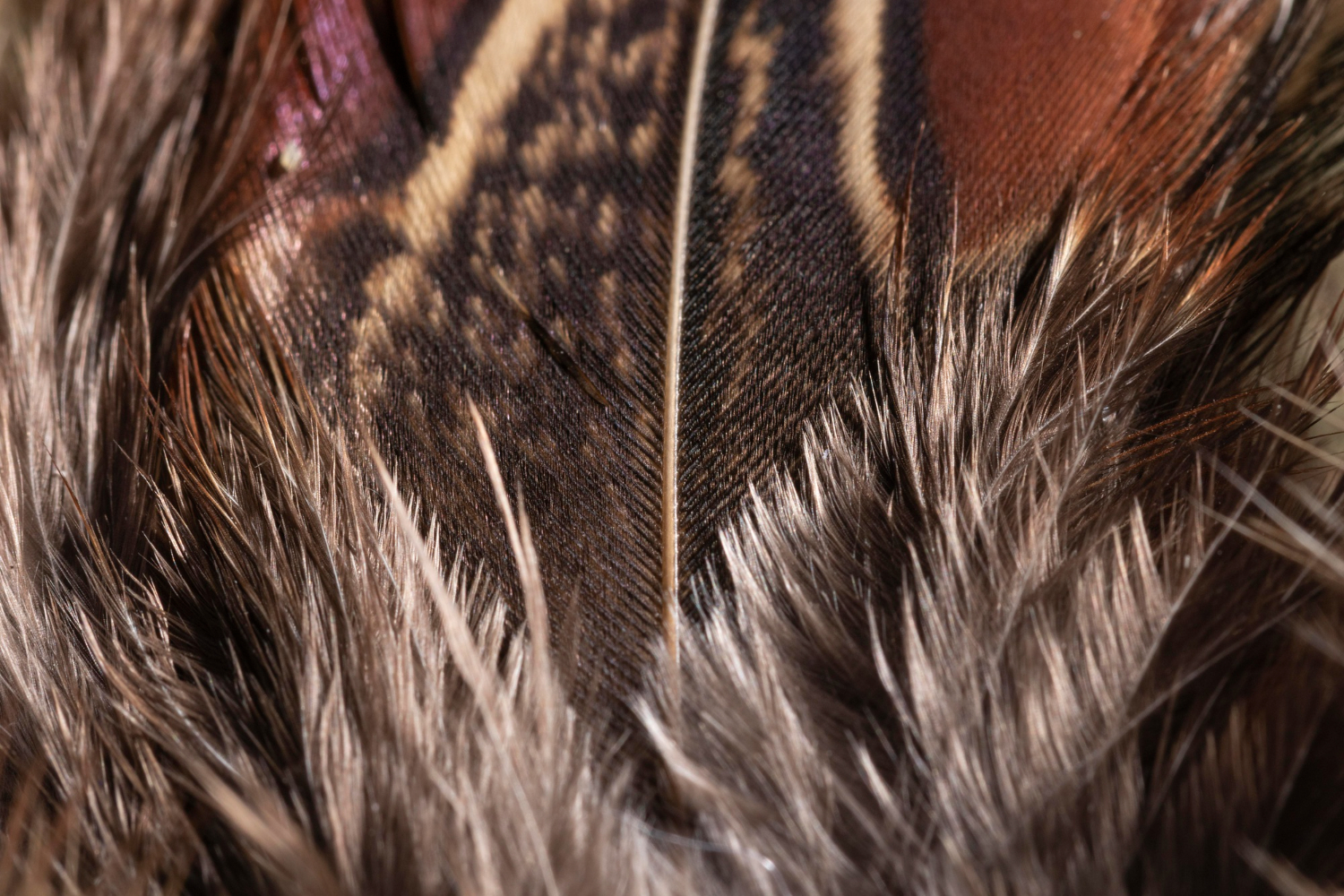
Many birds combine both mechanisms: reds and yellows come from pigments, frequently acquired through diet, while blues are structural.
A blue feather and a yellow feather on the same bird are coloured by entirely different physics. Feather colour is the case where one animal uses both methods simultaneously.
5. Green Birds – Neither Colour Present
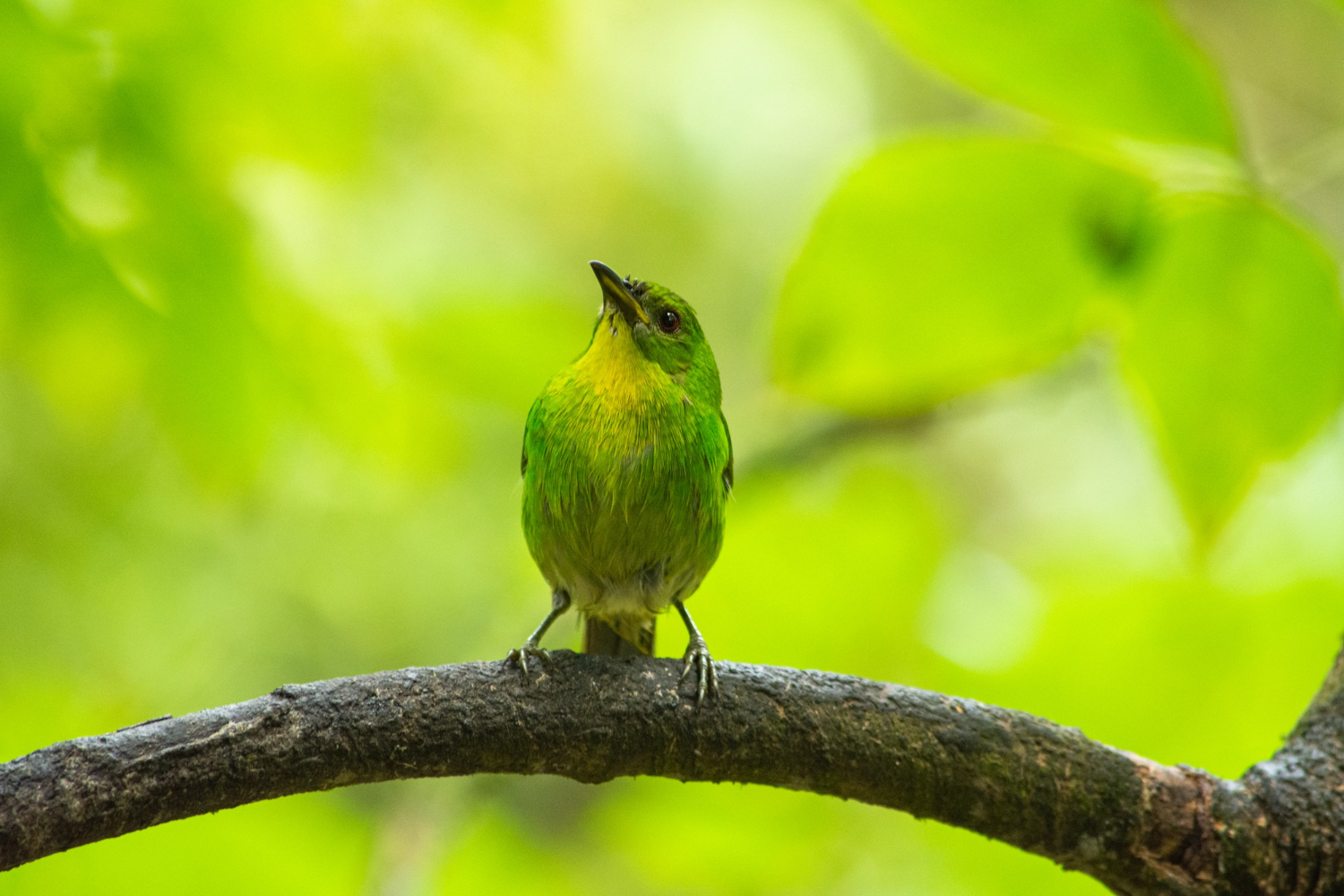
A great many green birds have no green pigment at all. The green is a structural blue overlaying a yellow pigment, and the two combine in the eye.
Remove either component and the green vanishes. Bird green is the colour assembled from two things that are not green.
6. Blue Flowers – Chemistry Rather Than Blue Pigment
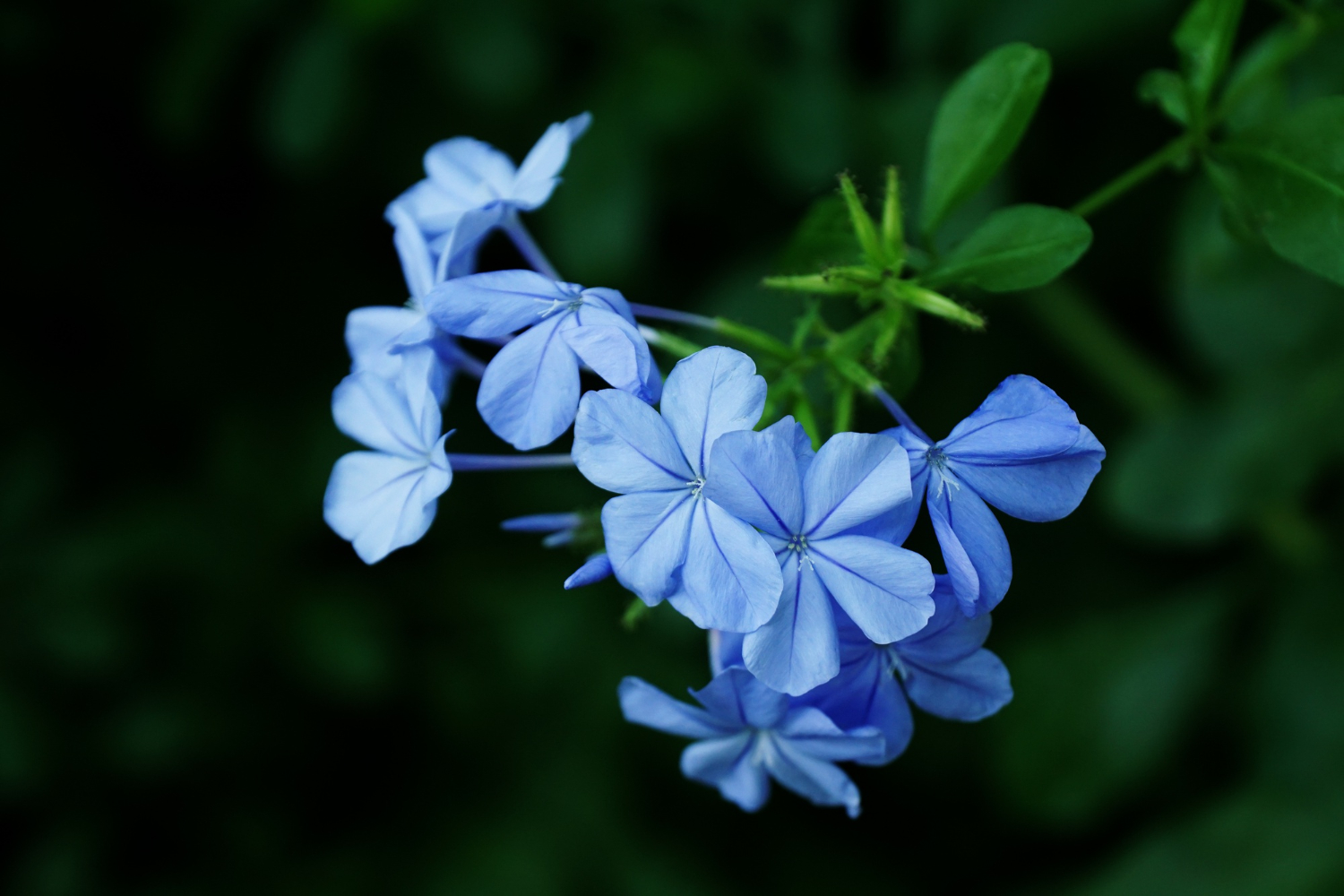
True blue pigment is rare in plants too. Blue flowers generally achieve it by modifying a red or purple pigment with metal ions and internal acidity.
It is chemically difficult, which is why blue flowers are comparatively uncommon. Flower blue is the colour that has to be engineered rather than produced directly.
7. Peacock Feathers – Structure
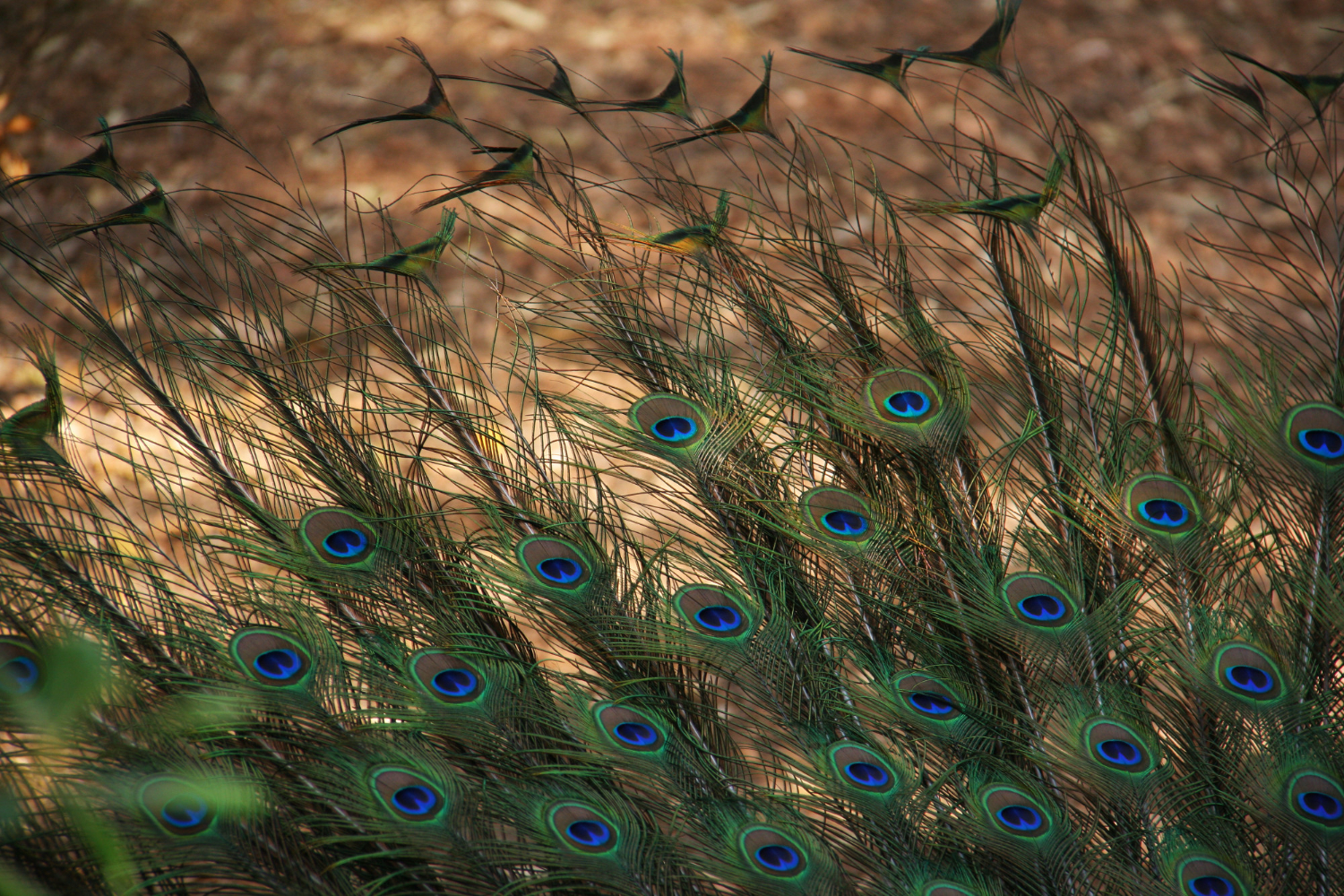
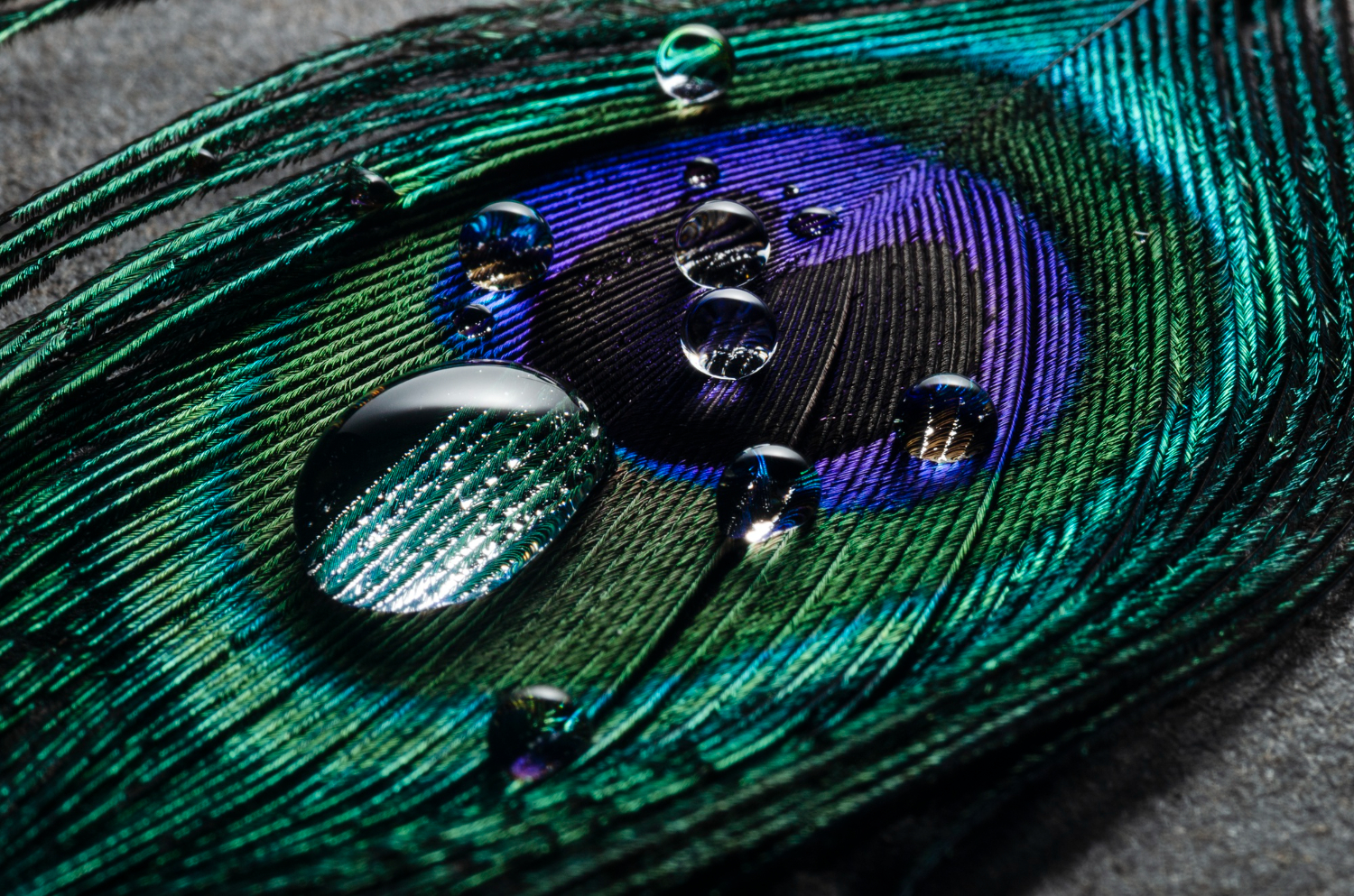
The colours are produced by an array of microscopic rods in the feather barbules, and the pattern of colour is a pattern of spacing.
The feather itself contains brown pigment and almost nothing else. Peacock colour is the display made from brown feathers and geometry.
8. Melanin – The One Pigment Doing Most of the Work
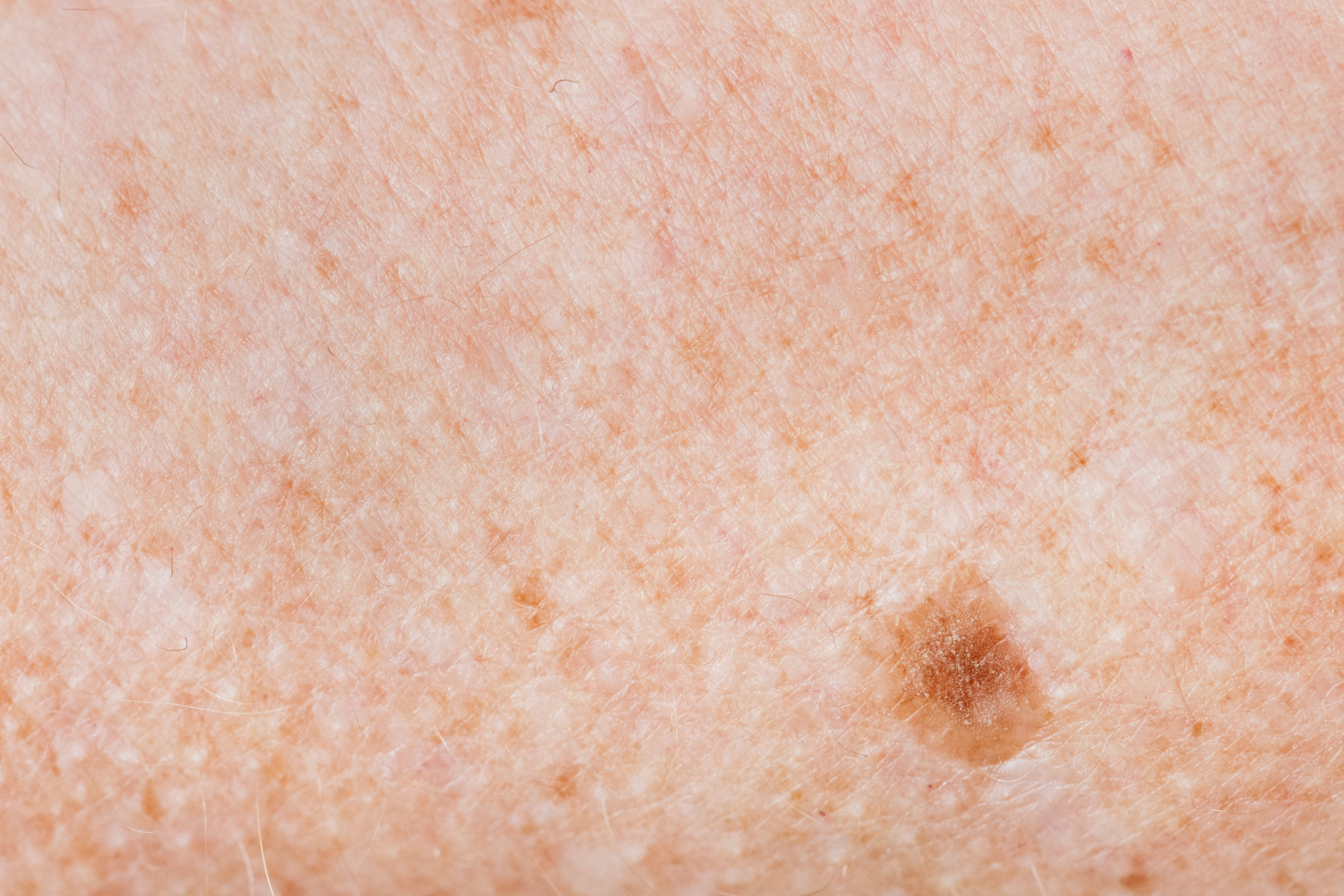
Browns, blacks and greys across an enormous range of animals come from a single pigment family, which also provides structural strength to feathers and hair.
Dark wing tips on otherwise pale birds are frequently there for durability rather than display. Melanin is the pigment that is also a building material.
9. White – Scattering Rather Than Pigment
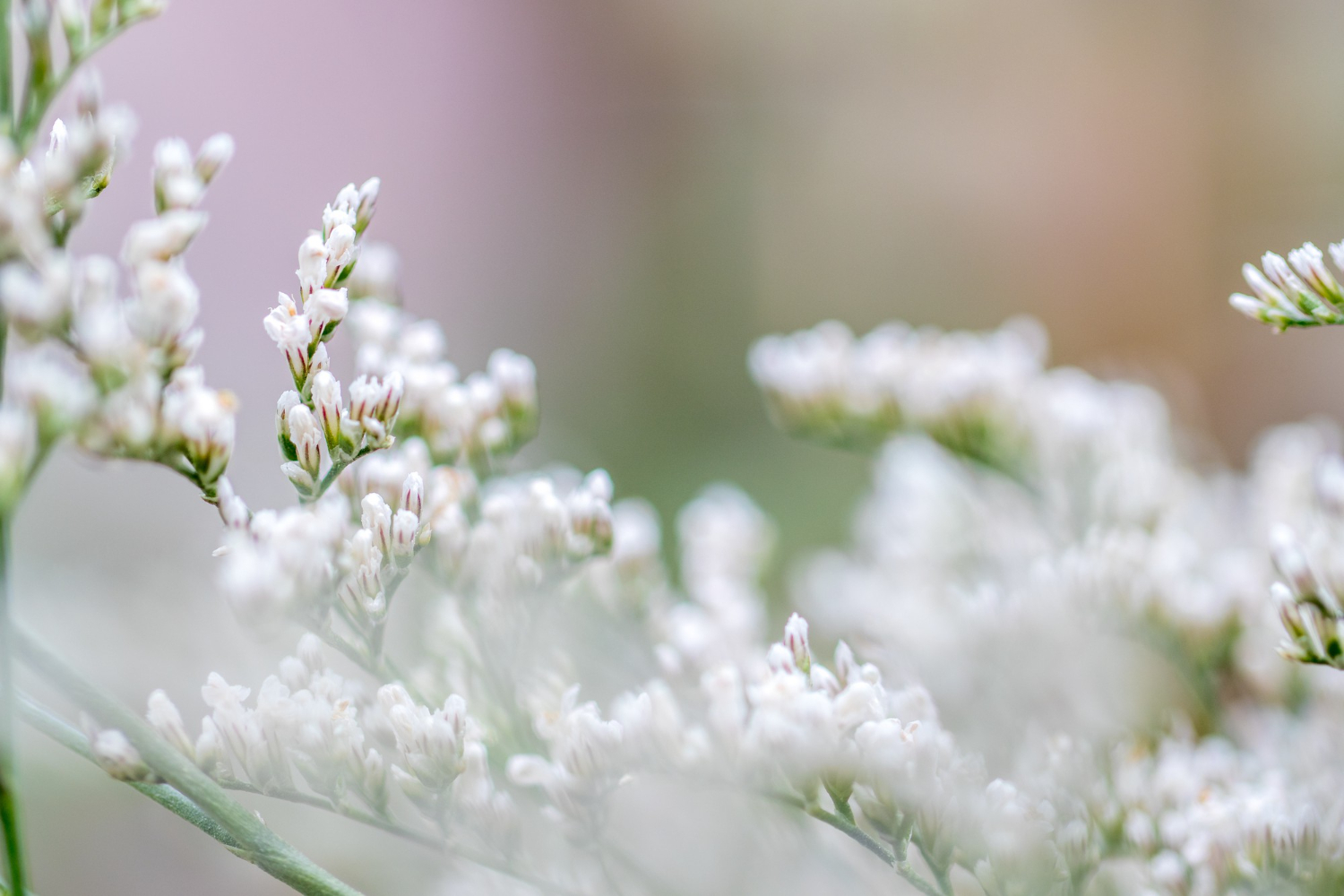
White in nature is generally not a white pigment but the scattering of all wavelengths equally by structures such as air spaces, fibres or crystals.
It is the same reason snow, foam and crushed glass are white. Natural white is the colour produced by disorder rather than by any substance.
10. Iridescent Shells and Pearl
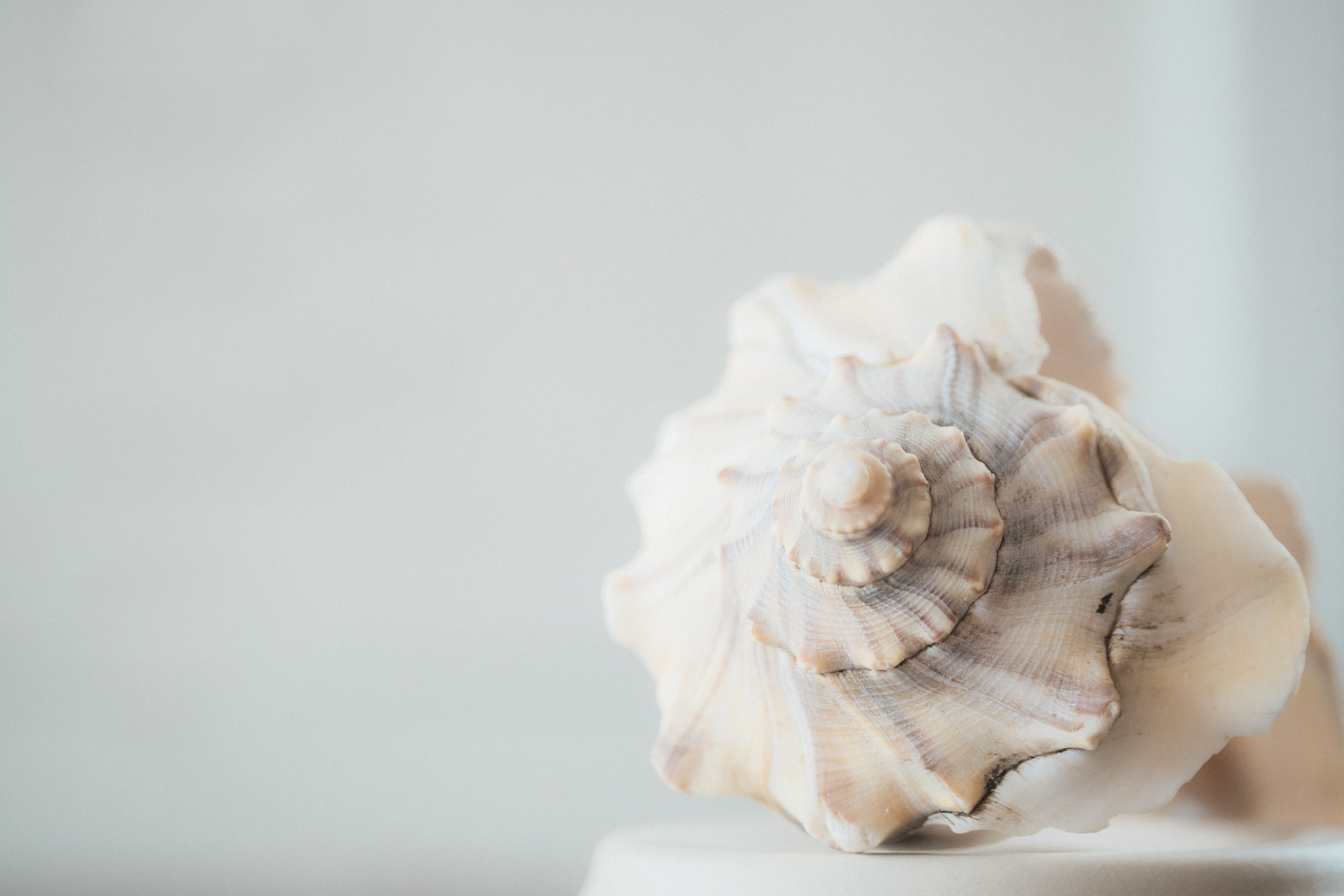
The interior of some shells is built from stacked thin layers of mineral, and the interference between them produces shifting colour.
The material is the same throughout; only the layering creates the effect. Shell iridescence is the colour made by stacking a colourless material.
11. The Colours That Never Fade
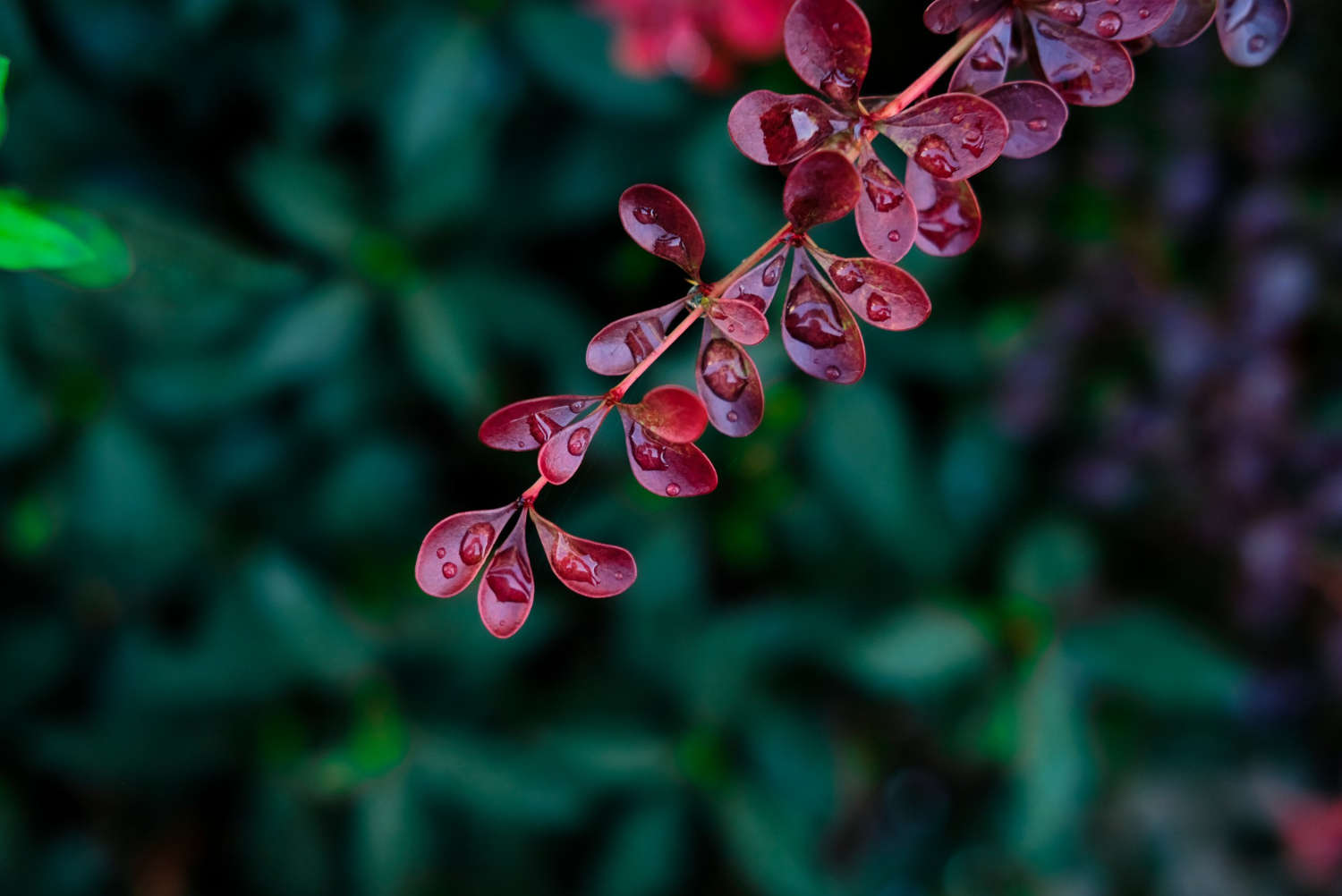
Structural colour cannot fade in the way pigment does, because there is nothing chemical to degrade – only a shape to be preserved.
Museum specimens frequently lose their pigment colours entirely while their structural colours remain. Non-fading colour is the property that gives the mechanism away.
12. Colour Change in Cephalopods
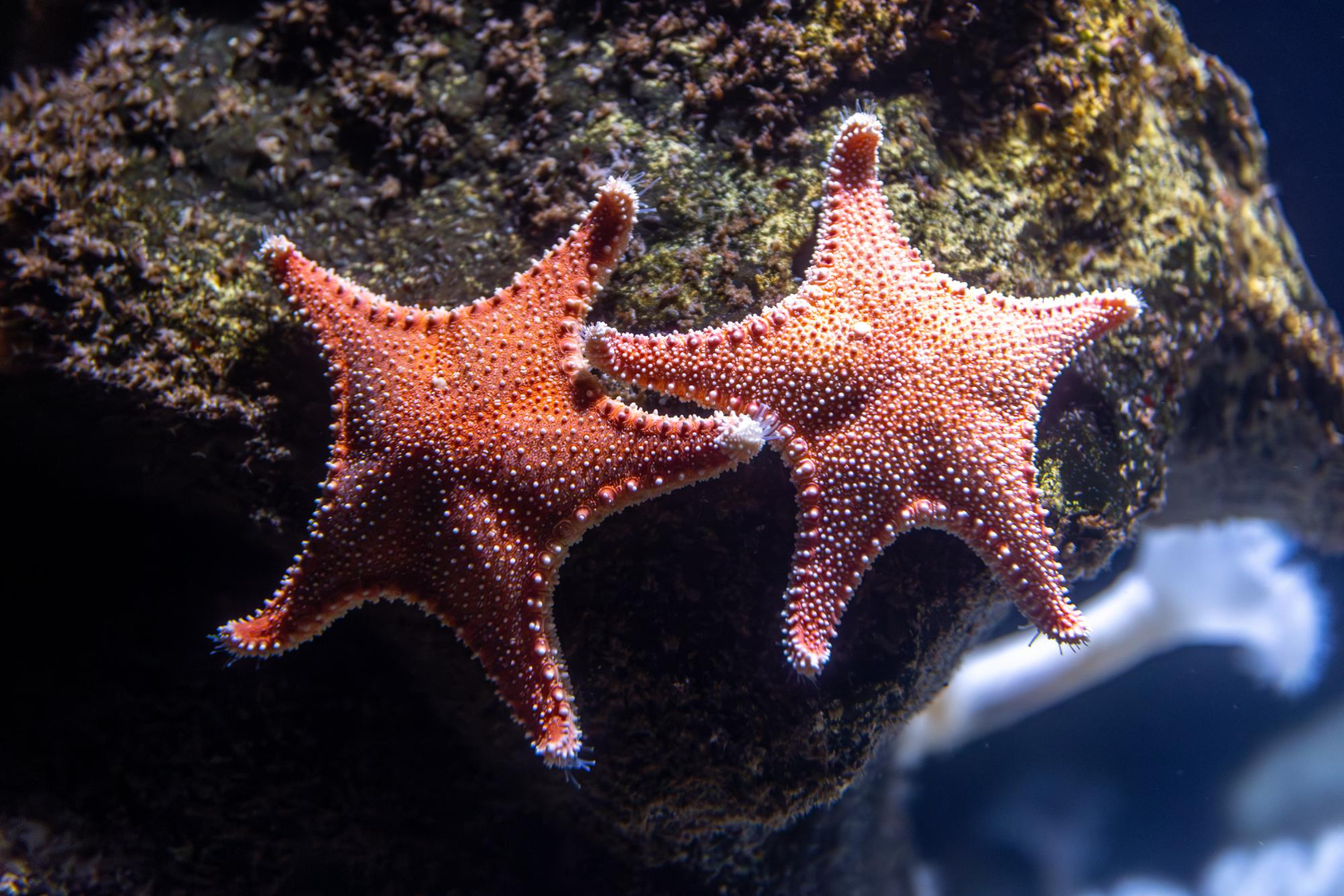
Some marine animals alter colour rapidly using pigment-containing cells that expand and contract, combined with reflective layers beneath them.
It is pigment and structure operating together under active control. Rapid colour change is the case where the animal is adjusting both mechanisms at once.
14. Transparency
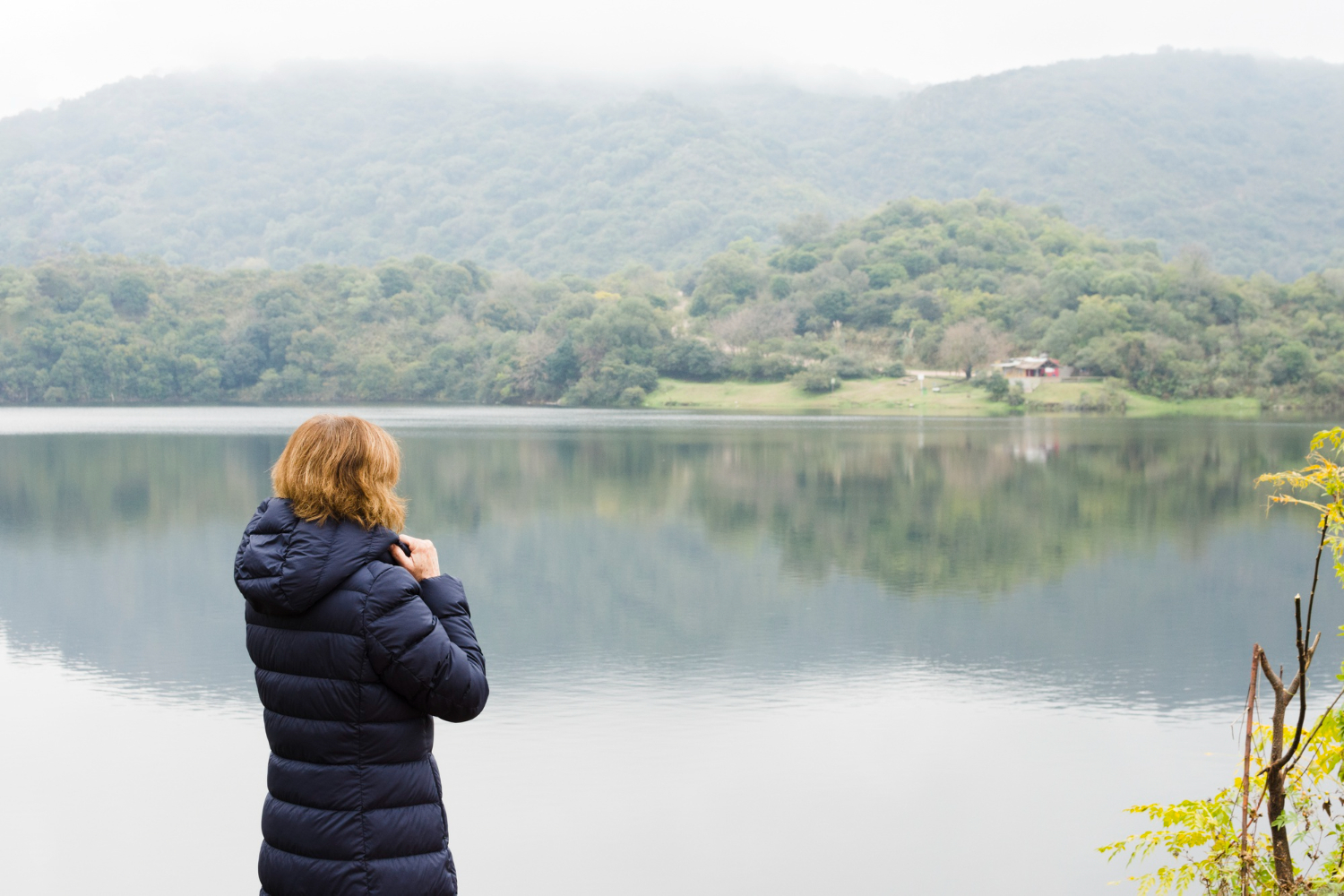
Some organisms achieve near-invisibility by having almost no pigment and structures that do not scatter light, which is the hardest optical trick on this list.
Any scattering at all produces visible cloudiness. Transparency is the colour achieved by successfully producing no colour at all.
15. Bioluminescence – Light Rather Than Reflection
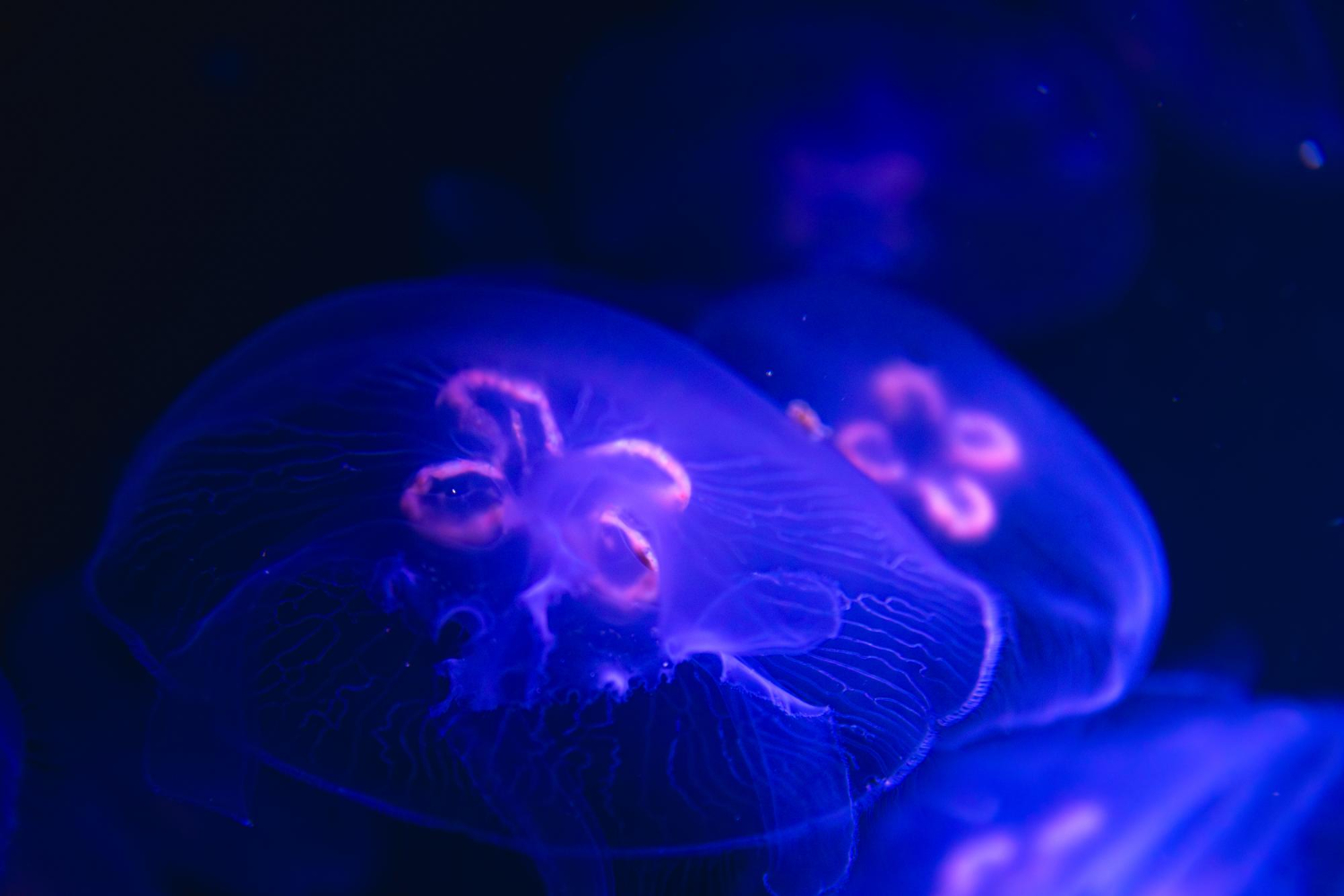
A small number of organisms produce light chemically rather than reflecting it, which is a third category entirely and not colour in the usual sense.
Nothing needs to shine on them for them to be visible. Bioluminescence is the case where the organism is the light source.
16. Ultraviolet Patterns We Cannot See
Many flowers and animals carry markings visible only in ultraviolet, which is entirely invisible to us and perfectly obvious to the species they are aimed at.
Photographed with the right equipment, familiar flowers turn out to have landing patterns on them. Ultraviolet markings are the colours that exist and are not for us.
Pigment, Structure, and a Third Thing
The division is clean once you see it. Pigment absorbs and reflects; structure interferes with light using geometry; and a small number of organisms skip both and produce light themselves.
The test is worth carrying around. Move your head and see whether the colour shifts, and you have distinguished between chemistry and architecture without any equipment. Anything that changes with the angle is being produced by a shape rather than by a substance – and it will still be that colour long after every pigment nearby has faded away.
Like our content? Follow us for more.